
18 Houseplants That Perk Up When Days Start Getting Longer
As the days start getting longer and the sunlight lasts a little longer each day, your houseplants begin to show signs of growth and energy. With the changing seasons, many plants respond by becoming more vibrant and active. The extra light encourages them to grow new leaves, brighten up, and even start blooming. It is a wonderful time to watch your indoor garden come to life after a quieter winter. Whether you have plants that like bright light or those that thrive in low light, this is the perfect season for them to thrive. As nature slowly wakes up outside, your houseplants can bring fresh energy to your home.
This post may contain affiliate links, which helps keep this content free. Please read our disclosure for more info.
Snake Plant
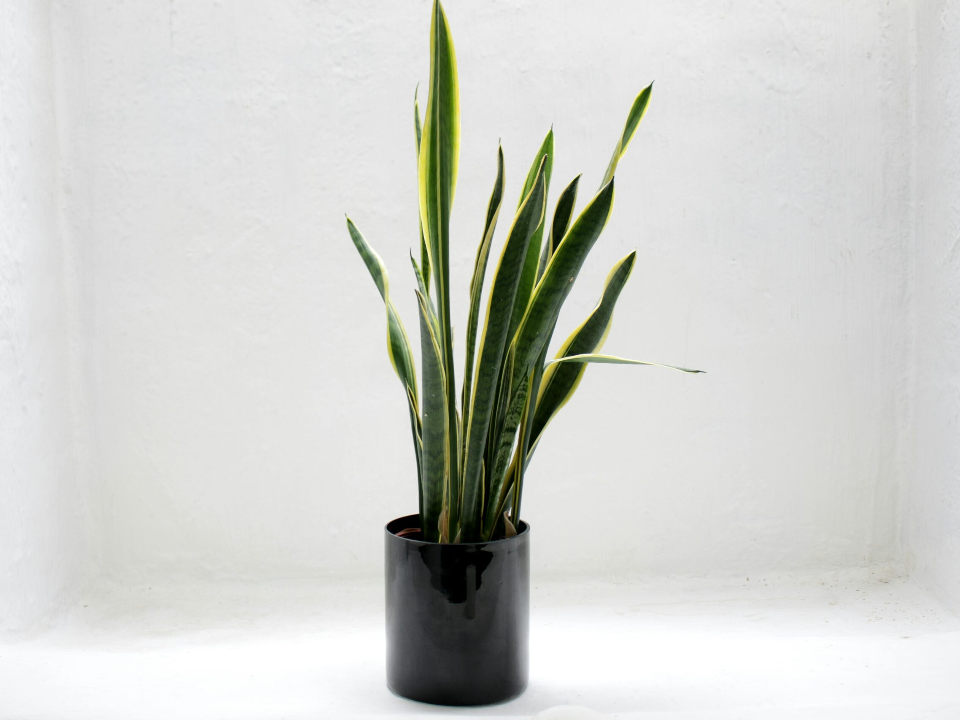
Snake plants are known for their resilience and unique upright, sword-like leaves. As the days get longer, these plants respond by growing taller and producing fresh, vibrant leaves. They thrive in indirect light, making them perfect for almost any room in your home. These plants also improve indoor air quality, as they can absorb toxins from the air, contributing to a healthier environment.
While snake plants are slow-growing, they will gradually increase their height as sunlight duration increases. They require minimal watering and care, making them a great choice for busy individuals. With their striking appearance and ease of care, snake plants are sure to brighten up any space.
Spider Plant
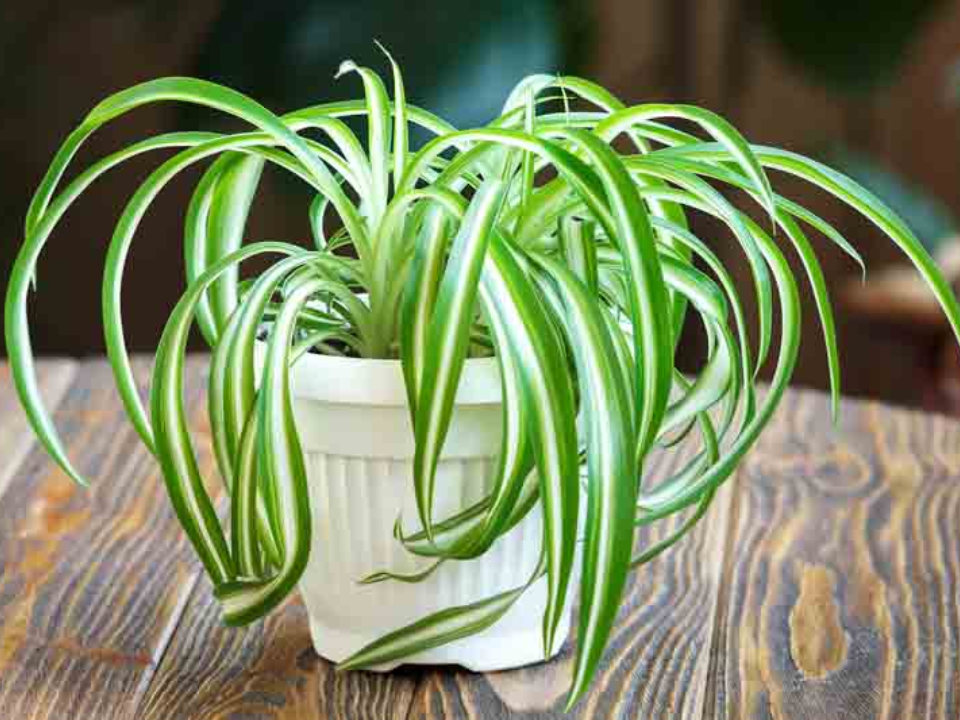
Spider plants are popular for their fast-growing nature and ability to adapt to various conditions. As the days lengthen, spider plants often begin to produce long, arching stems with small “babies” or offshoots. These offshoots are a sign that the plant is entering a phase of increased activity and growth. Spider plants can thrive in moderate light and should be watered regularly but not excessively.
They also help purify the air by removing harmful substances like formaldehyde and xylene. As the days get longer, you may notice the plant’s leaves becoming greener and more lush. Their unique look and ease of care make them a favorite among many houseplant enthusiasts.
Pothos
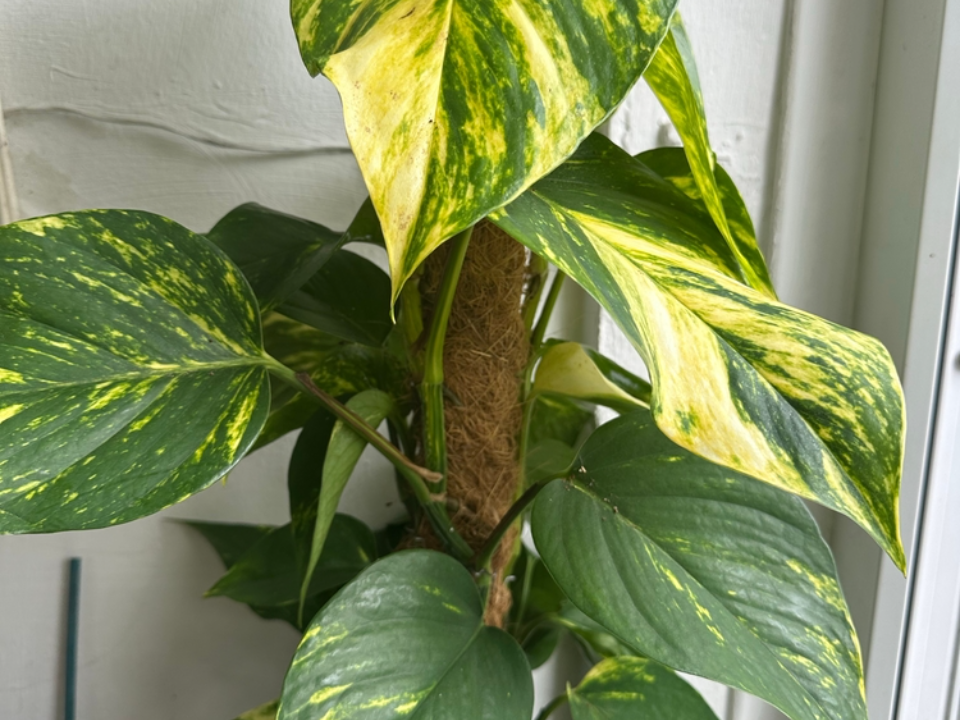
Pothos are known for their ability to grow quickly, especially when given more sunlight. As the days begin to stretch longer, pothos plants respond by sending out new vines and leaves, which often grow with even more vibrancy. This plant does well in indirect light, though it will grow faster with brighter light. Pothos require infrequent watering, so it is easy to care for, even for beginners.
Over time, it will cascade down shelves or climb up trellises, adding a natural, organic touch to your indoor spaces. The heart-shaped leaves can also develop variegated patterns, making the plant even more visually appealing. Pothos are an excellent choice for hanging baskets or as trailing plants along a ledge.
Aloe Vera
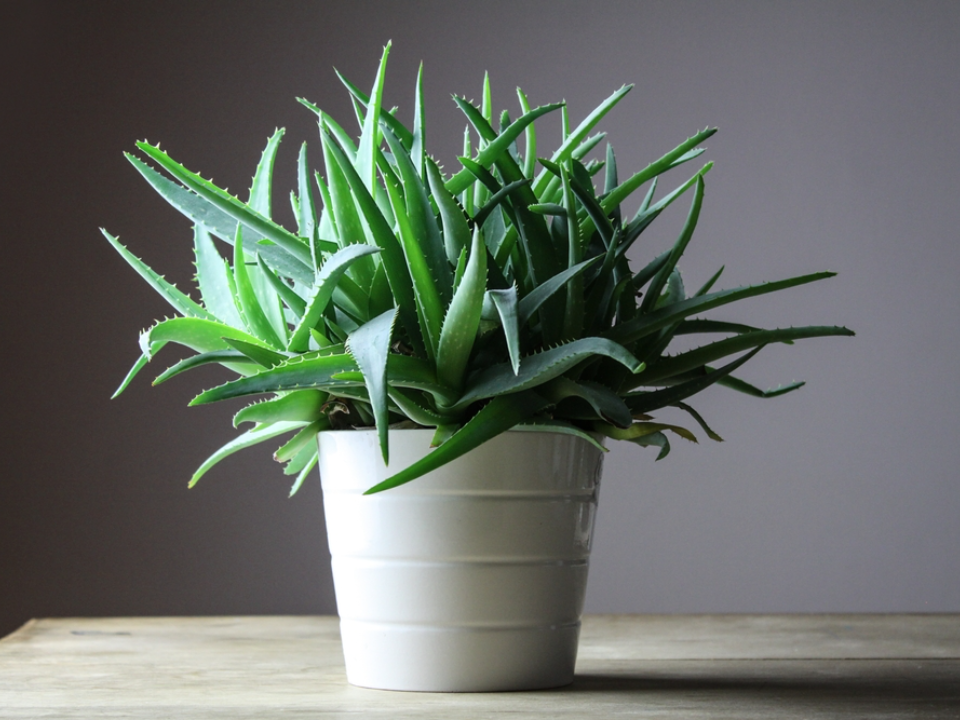
Aloe vera is widely known for its soothing gel, which can be applied to skin for minor burns or irritations. When the days get longer, aloe vera plants can begin producing new, bright green leaves. These plants thrive in bright, indirect sunlight and prefer to dry out completely between waterings.
Aloe vera’s thick, fleshy leaves help the plant store water, allowing it to survive in dry conditions. As the days stretch into longer periods of light, aloe vera can grow in both height and leaf production, becoming a striking addition to your plant collection. Aloe is a low-maintenance plant that will thrive with just occasional watering, making it perfect for people with busy lifestyles. It also helps improve indoor air quality by removing harmful pollutants.
Peace Lily

Peace lilies are known for their ability to adapt to various light conditions, but they particularly thrive as the days lengthen. With longer daylight hours, the peace lily will begin to produce more flowers, which bloom with their signature white spathes. These flowers are a beautiful contrast to the deep green foliage, and their presence can brighten any room.
Peace lilies prefer medium to low light, but they will bloom more frequently in brighter conditions. They also purify the air by absorbing pollutants like benzene and formaldehyde. While they do need regular watering, peace lilies will indicate their needs by drooping when they require water, making them easy to care for. Their elegant look and ability to improve air quality make them a popular houseplant choice.
ZZ Plant
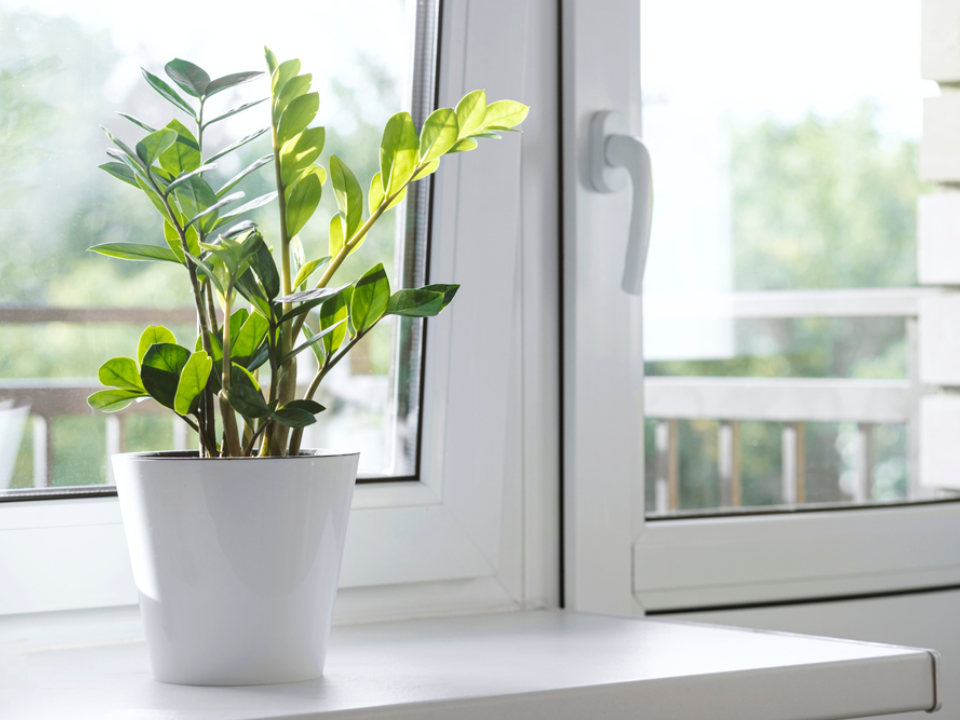
The ZZ plant is a hardy and low-maintenance plant that thrives with minimal light and water. As days lengthen, the ZZ plant starts producing new, glossy green leaves that stand upright, creating a visually striking effect. While it tolerates low light, it thrives with brighter, indirect light, which encourages faster growth. ZZ plants are drought-tolerant, making them perfect for those who might forget to water their plants regularly.
Over time, the plant’s waxy leaves grow longer and lusher, bringing a refreshing touch to any space. This plant also has air-purifying qualities, improving the overall indoor atmosphere by removing toxins. ZZ plants are ideal for busy homeowners who still want a lively and thriving indoor garden.
English Ivy
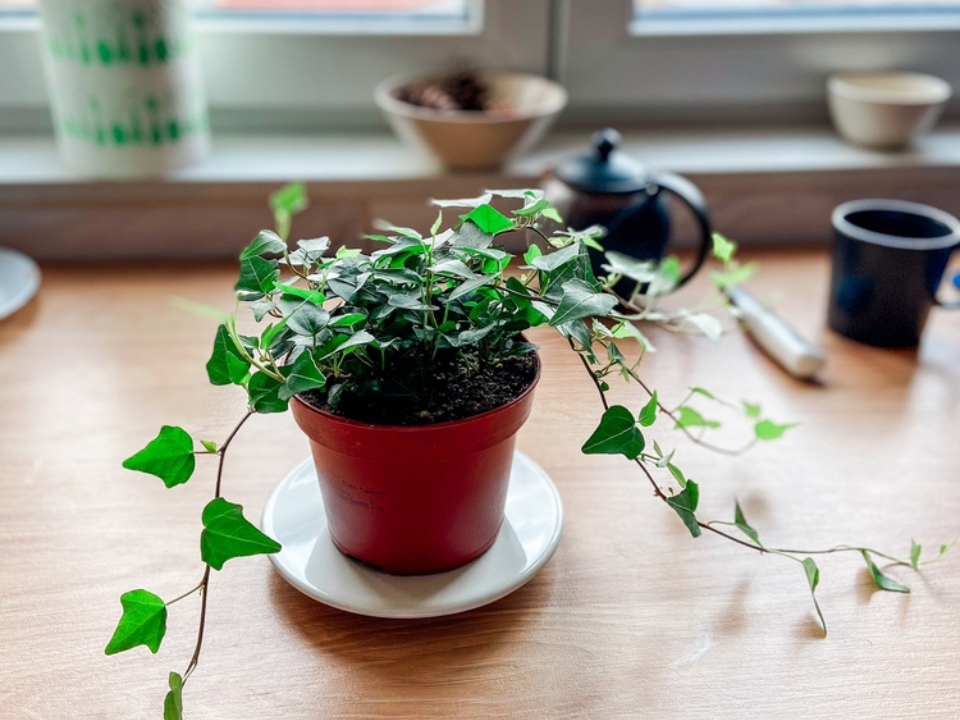
English ivy is a versatile plant that can be trained to climb or trail, making it a popular choice for decorating shelves, walls, or windowsills. As days get longer, ivy plants grow more vigorously, producing longer and more vibrant tendrils. These plants thrive in moderate to bright light and should be kept in well-drained soil to avoid root rot. English ivy can tolerate some neglect, but it will grow more rapidly with regular watering and occasional trimming.
The green, glossy leaves can develop variegated patterns in certain varieties, adding an attractive visual element. As the plant grows, it can be trained to cover large spaces or create a cascading effect over containers. English ivy is also a natural air purifier, helping to remove harmful pollutants from your indoor environment.
Ferns
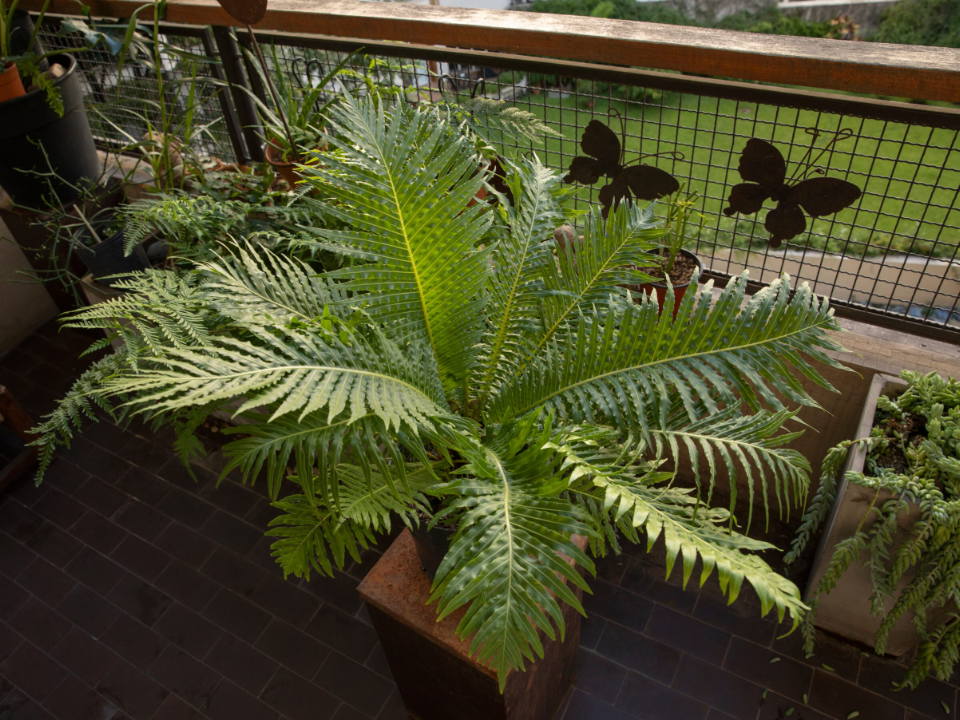
Ferns are some of the most elegant houseplants, with their delicate, feathery fronds. As the days get longer, ferns begin to put out new growth, with bright green fronds emerging and unfurling from their centers. They thrive in humidity and prefer indirect light, making them ideal for bathrooms or other high-humidity spaces.
Ferns require regular watering but should never be left sitting in water, as this can lead to root rot. With their lush foliage and graceful appearance, ferns bring a refreshing, natural touch to any room. As they grow, their fronds spread out, creating a dense, green display. They are ideal for homes looking to add a touch of the outdoors indoors.
Calathea
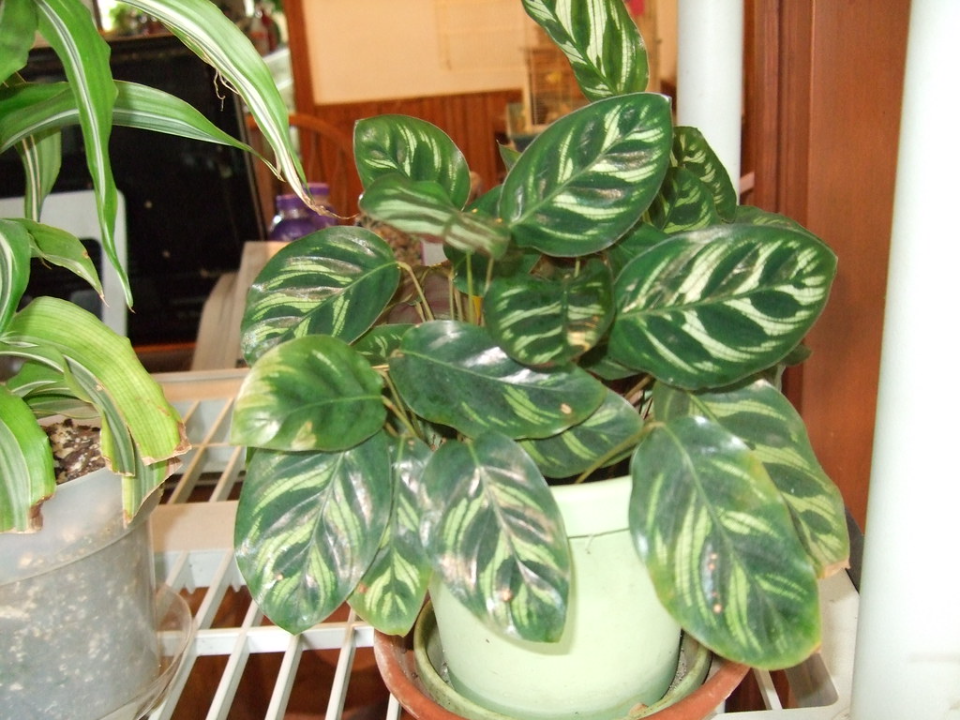
Calatheas are known for their stunningly patterned leaves, which can vary in color and design depending on the variety. As the days lengthen, the plant’s growth rate picks up, and it starts producing new, vibrantly colored leaves. Calatheas prefer low to medium indirect light and should be kept in humid environments for the best results.
They are also known for their unique ability to move their leaves in response to light, a phenomenon called “nyctinasty.” During longer days, this movement becomes more noticeable as the plant adapts to changing light patterns. Calatheas are also excellent for purifying the air and can help maintain a cleaner, fresher indoor environment. Their striking appearance makes them a perfect focal point in any room.
Christmas Cactus
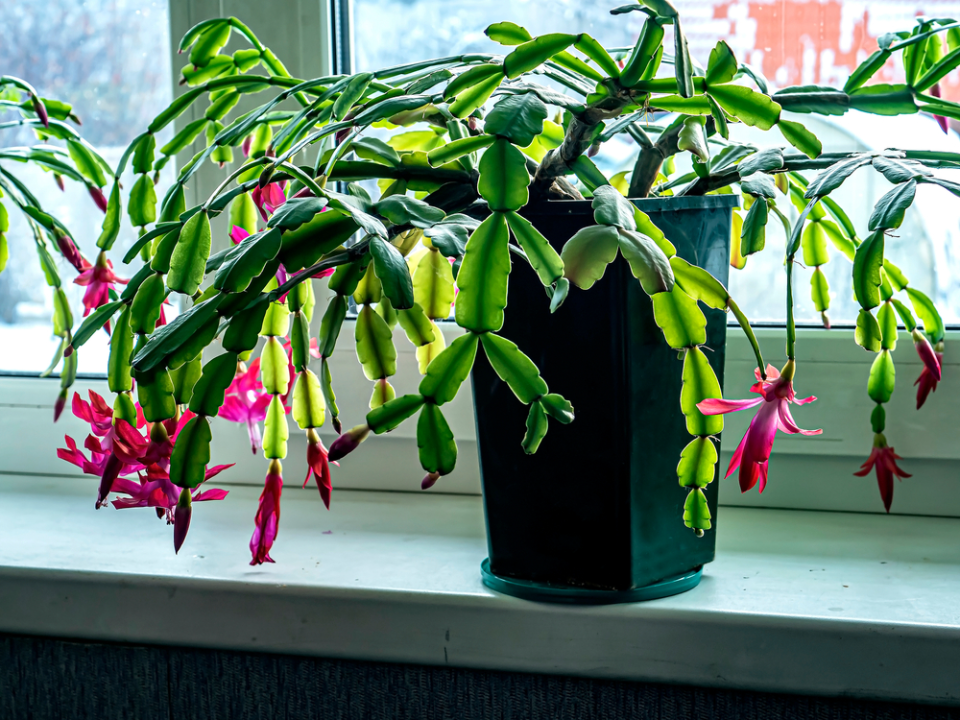
The Christmas cactus is a popular plant known for its vibrant, tubular flowers that bloom during the holiday season. However, it can also perk up and begin showing new growth as the days get longer. These plants thrive in bright, indirect light and enjoy being watered when the soil is dry. They are native to tropical climates and prefer slightly humid conditions, making them ideal for bathrooms or kitchens.
As the days stretch, Christmas cacti often send out fresh, green segments that grow quickly, adding to the plant’s bushy appearance. With the right care, the plant will continue to grow and produce colorful blooms year after year. The Christmas cactus is a festive and hardy plant that brings joy to any space, especially as days grow longer.
Rubber Plant
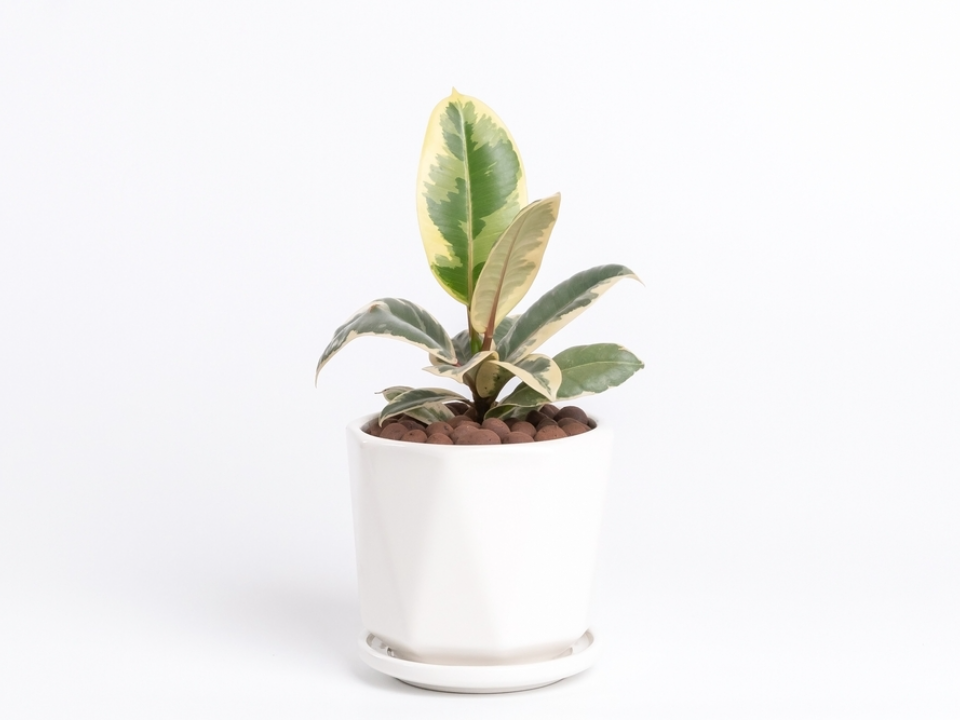
Rubber plants are known for their large, glossy leaves and ability to thrive with minimal care. As the days grow longer, the rubber plant tends to produce new leaves, which start out reddish and gradually transition to a deep green. These plants are perfect for bright, indirect light and will benefit from occasional direct sunlight.
They need to be watered when the top layer of soil feels dry, but overwatering should be avoided. Rubber plants are also great at purifying the air, as they help remove toxins like formaldehyde. The glossy leaves and upright growth habit make this plant a striking addition to any indoor garden. As it matures, it can grow quite tall, adding a bold presence to the space.
Gerbera Daisy
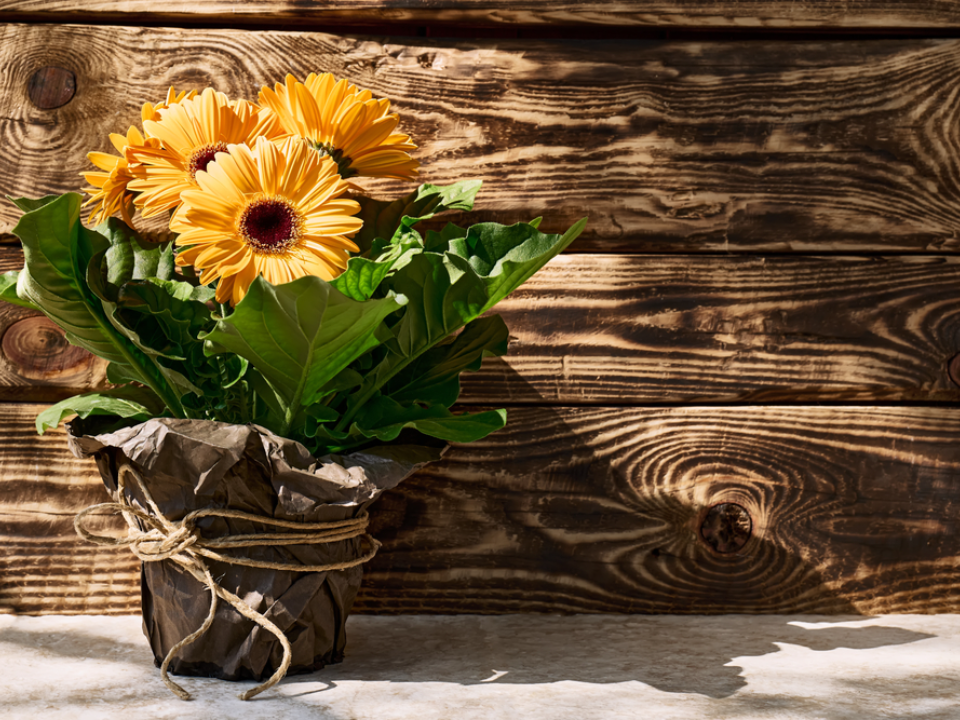
Gerbera daisies are known for their vibrant, colorful blooms, which brighten up any room. As the days begin to lengthen, these plants produce more flowers, often in a variety of shades like yellow, pink, and orange. Gerberas thrive in bright, indirect light and prefer to be watered when the soil feels dry. They are particularly popular for their ability to add a cheerful touch to both indoor and outdoor spaces.
As the growing season begins, you may notice an increase in new flower buds, as well as stronger, more lush foliage. Gerbera daisies do well in pots and containers, making them versatile for various indoor settings. They also thrive in well-drained soil, so proper care is key to ensuring their longevity.
Croton
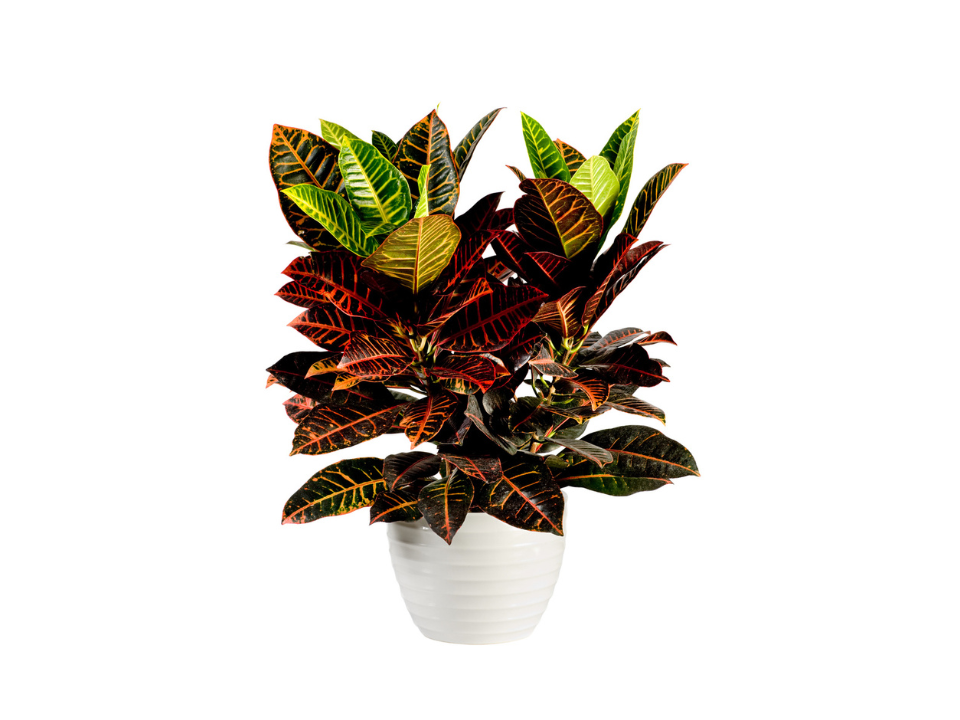
Croton plants are known for their vibrant, multicolored leaves, which can include shades of yellow, orange, red, and green. As the days grow longer, these plants show more active growth, with new leaves emerging and existing leaves becoming more vibrant. Crotons thrive in bright, indirect light, and they prefer warm, humid environments. They are sensitive to drafts and should be kept away from cold windows or air conditioners.
Crotons require regular watering but should not be overwatered, as they do not tolerate soggy soil. The bold, colorful foliage of crotons can add a dramatic touch to any room, especially as they grow larger in the brighter months. With consistent care, this plant will reward you with stunning colors all year long.
African Violet
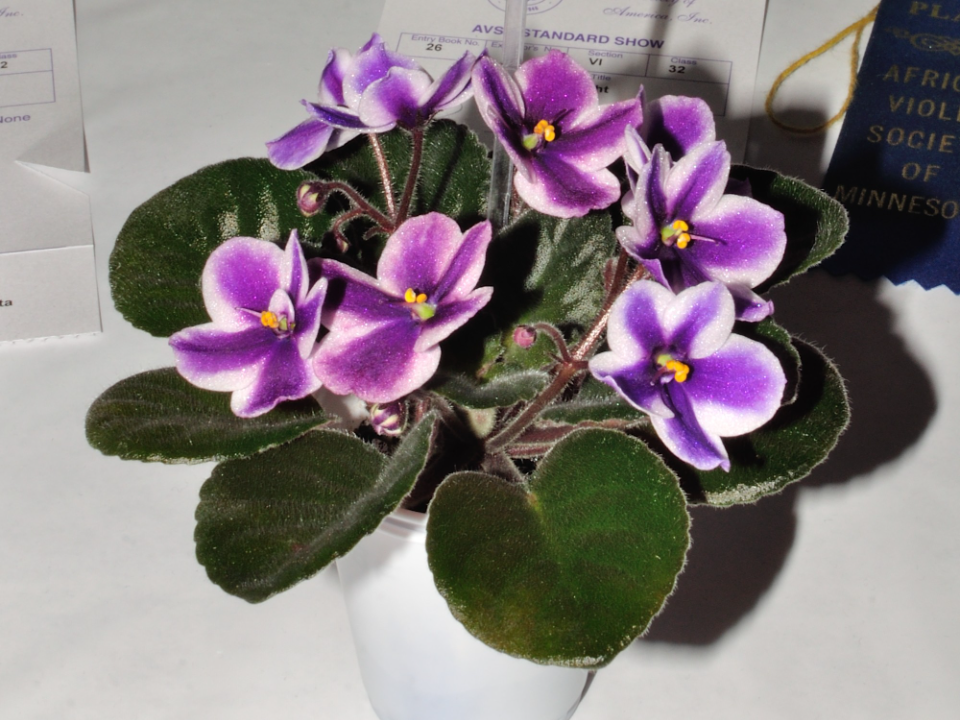
African violets are small, compact houseplants known for their soft, velvety leaves and colorful blooms. As the days get longer, these plants often begin to flower more frequently, with clusters of pink, purple, or white flowers blooming in tight arrangements. African violets thrive in bright, indirect light and prefer to be watered with room-temperature water. They are sensitive to moisture on their leaves, so it’s best to water them from the bottom or carefully water around the base of the plant.
These plants do well in small containers, making them a perfect addition to windowsills or desks. African violets are low-maintenance and easy to propagate by leaf cuttings, ensuring you can grow more plants from a single specimen. As the days lengthen, you will notice them becoming more vigorous, producing a steady stream of new blooms.
Philodendron
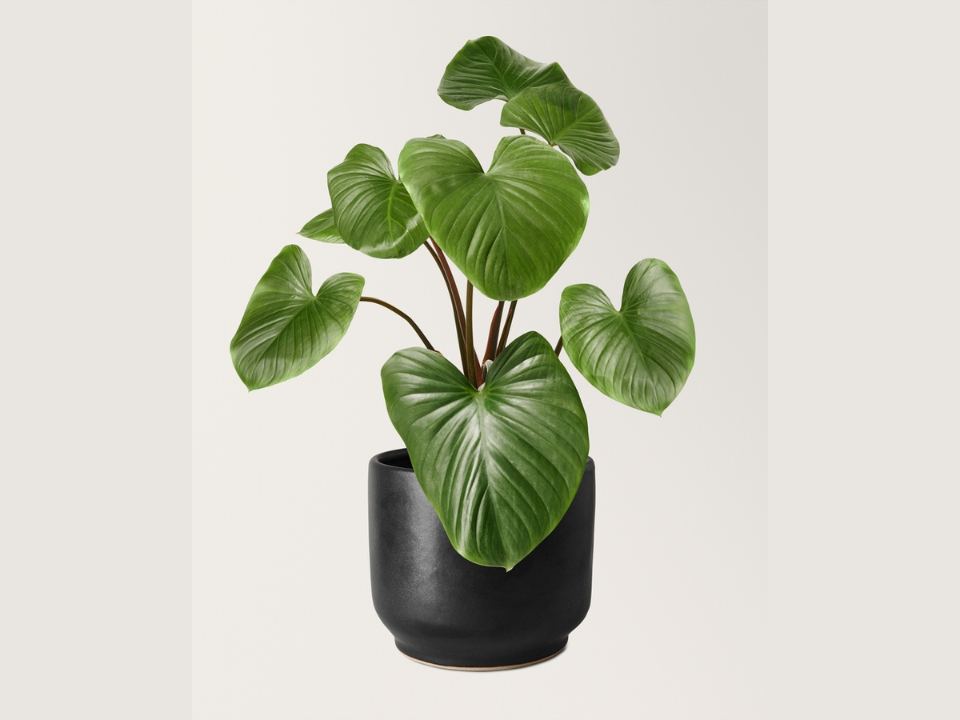
Philodendrons are versatile houseplants known for their lush, heart-shaped leaves and easy-going nature. As the days grow longer, these plants begin to produce new stems and leaves, which grow quickly and add a beautiful touch to any indoor space. Philodendrons are ideal for low to medium light conditions and are not overly picky about their watering schedule, though they do prefer the soil to dry out a bit between waterings.
Their trailing vines make them perfect for hanging baskets or allowing them to spill over the edges of shelves and containers. Over time, philodendrons will grow larger and can be trained to climb, making them a great option for adding a bit of greenery to vertical spaces. These plants are also effective at improving air quality, which makes them a great addition to any room. With their ease of care and adaptability, philodendrons are an excellent choice for both beginners and experienced plant enthusiasts.
Begonia
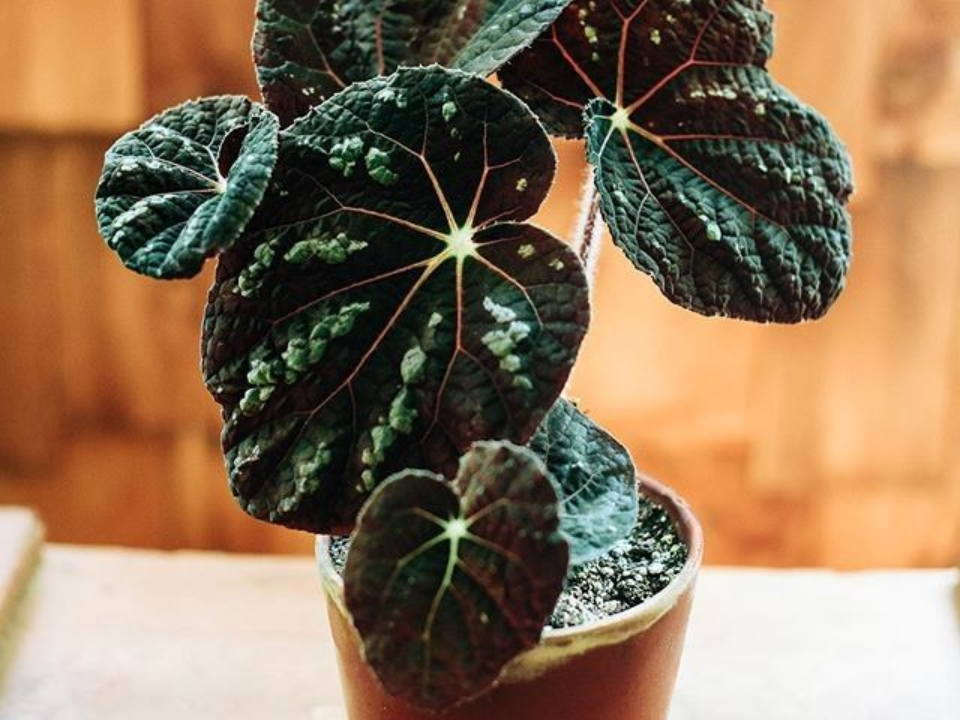
Begonias are a diverse group of plants known for their striking foliage and beautiful flowers. As the days lengthen, begonias often show an increase in both flower production and leaf growth. They prefer bright, indirect light and should be kept in humid environments to thrive. These plants can bloom in a range of colors, from white and pink to vibrant red and orange, making them an eye-catching addition to any home.
Begonias are relatively easy to care for, requiring only regular watering when the soil feels dry. They are well-suited for growing in containers or hanging baskets, as their trailing growth habit creates a lovely cascading effect. The leaves of begonias are often patterned or variegated, adding an extra layer of beauty to the plant.
Fiddle Leaf Fig
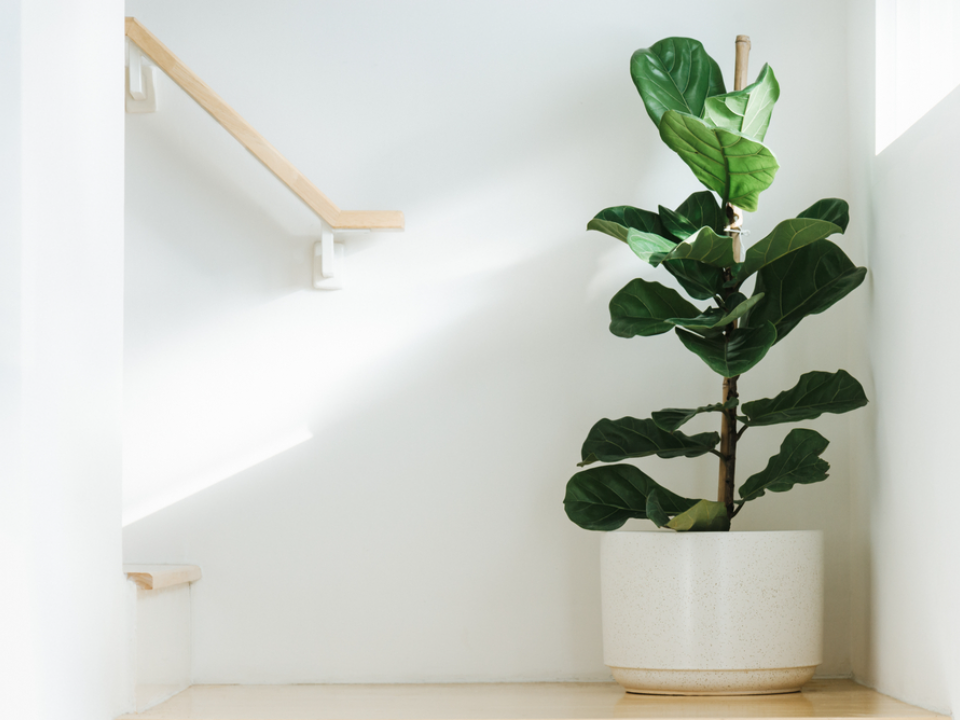
The fiddle leaf fig is a popular houseplant known for its large, glossy leaves that resemble the shape of a fiddle. As the days get longer, this plant begins to grow more rapidly, with new leaves emerging at the top of the plant. Fiddle leaf figs prefer bright, indirect light and can tolerate some direct sunlight. They need to be watered when the top of the soil feels dry, but care must be taken not to overwater them.
These plants are ideal for larger spaces, as they can grow quite tall and make a dramatic statement in any room. Fiddle leaf figs are also known for their air-purifying qualities, making them a healthy addition to your home. With regular care, these plants can thrive for years, producing stunning foliage that adds a touch of elegance to your space.
Coleus
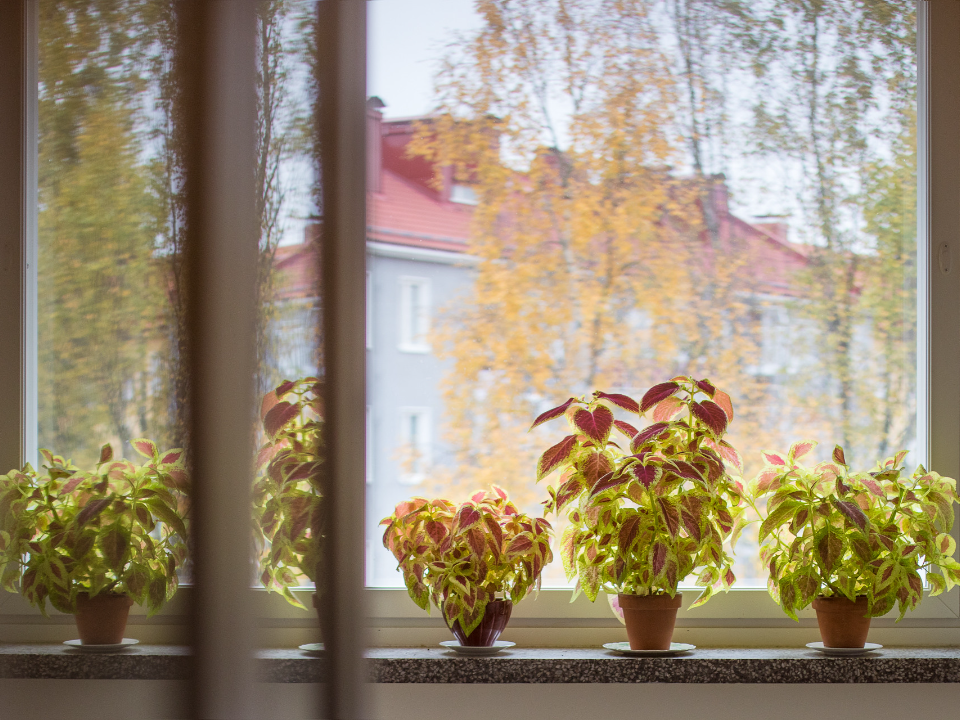
Coleus is a colorful and fast-growing plant known for its vibrant foliage, which can feature a wide range of colors, including red, purple, green, and yellow. As the days get longer, coleus plants begin to show more growth, with their leaves becoming even more striking in color. These plants thrive in bright, indirect light and require regular watering to keep the soil moist but not soggy.
Coleus plants are often grown as annuals in colder climates, but they can be kept as houseplants in warmer areas. They respond well to pruning, which encourages bushier growth and more vibrant foliage. As the days lengthen, you will see these plants grow vigorously, adding a bold pop of color to your indoor garden. Coleus is an excellent choice for those looking for a low-maintenance plant that brings color and energy to any space.
This article originally appeared on Avocadu.