
15 Houseplants That Make a Home Feel Cozy in Winter
Cold weather often pushes everyone indoors for longer stretches. That is when small details make the biggest difference at home. Houseplants add warmth and softness that furniture alone cannot provide. They make quiet mornings and long nights feel more comfortable.
This post may contain affiliate links, which helps keep this content free. Please read our disclosure for more info.
Snake Plant
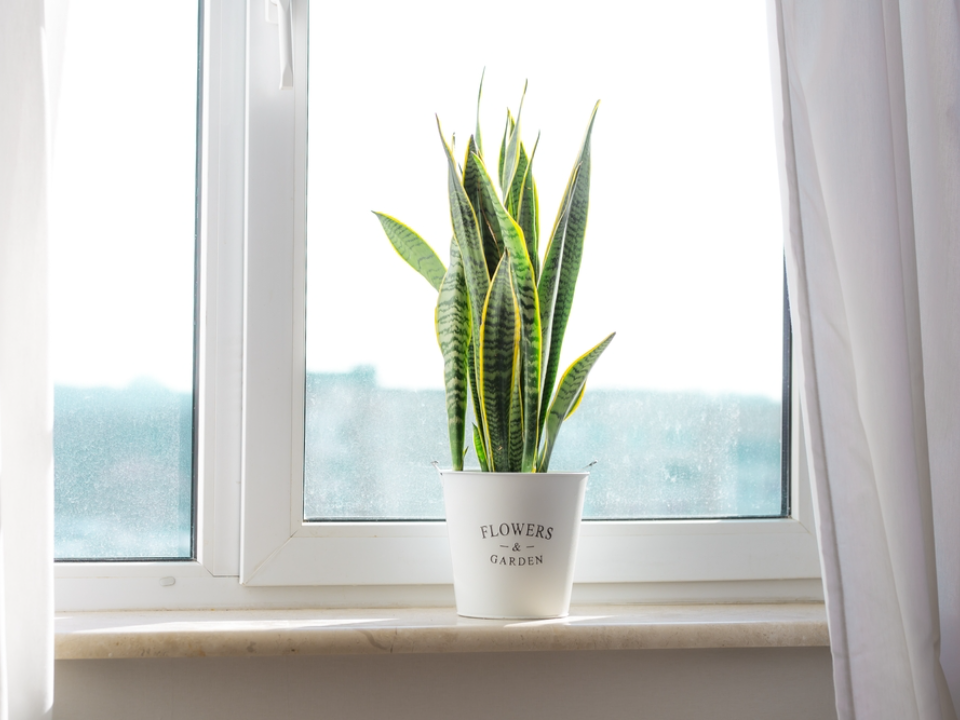
Snake plant stands upright, so it adds structure to a windowsill, side table, or entryway. The firm leaves look neat even when winter light is limited. It tolerates a range of indoor light, so you can place it where the room needs a calm green shape. Let the potting mix dry well between waterings, since soggy soil is the main problem with this plant.
Because it stores water in its leaves, it usually does fine when you miss a watering during busy weeks. Keep it away from cold drafts and do not tuck it against a heater where the air is hot and dry. A simple wipe with a damp cloth helps the leaves look clean when windows are closed all season. If you have pets that nibble plants, place it out of reach because it can cause stomach upset.
ZZ Plant
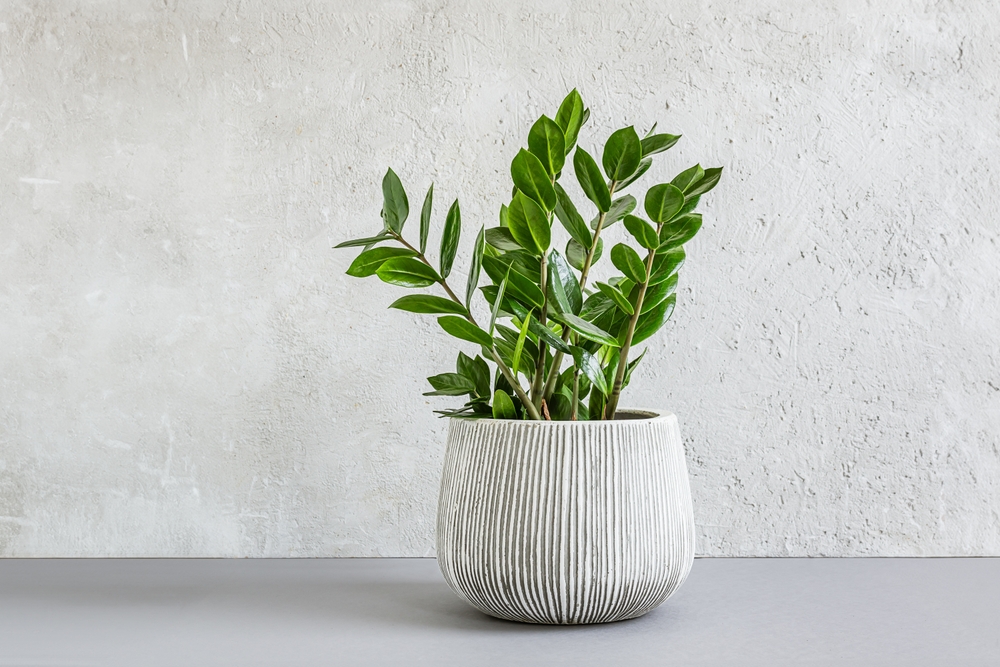
ZZ plant has thick stems and glossy leaflets that look polished even on gray days. It is a solid pick for rooms that feel dim in winter, since it can handle lower indoor light. The plant grows slowly, so it rarely looks messy or out of control. Water only after the potting mix has dried, because this plant dislikes sitting in wet soil.
Those thick underground rhizomes hold moisture, which explains why it handles dry stretches better than many houseplants. Keep the pot in a well-draining mix and use a container with a drainage hole. Dust can dull the shine, so a gentle wipe keeps the leaves looking fresh. If pets chew leaves, keep it placed high since it can cause irritation.
Pothos
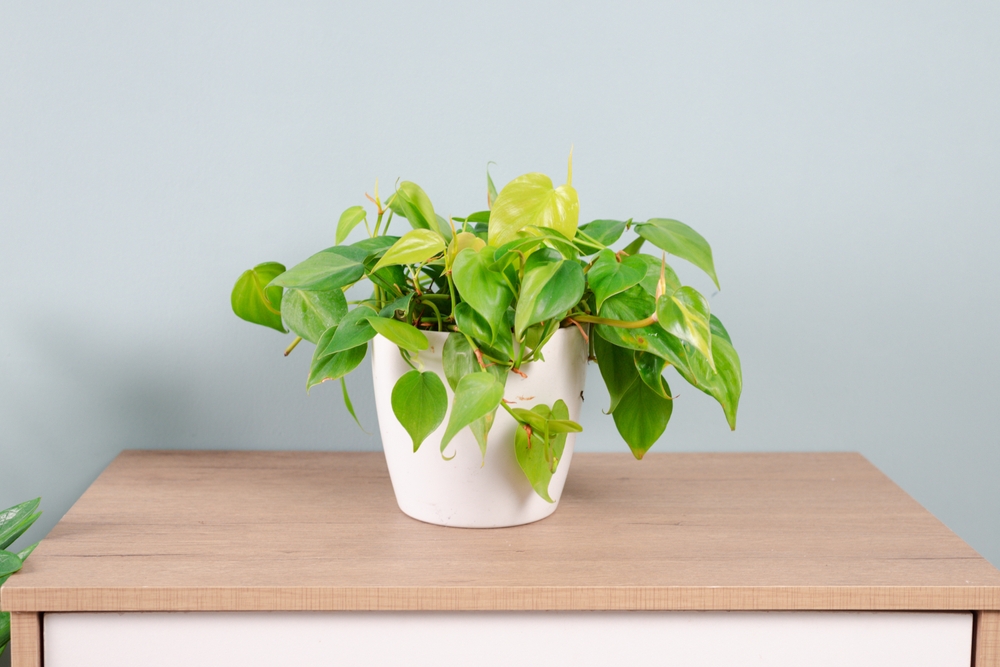
Pothos is a classic trailing plant that makes shelves and bookcases feel softer. The vines drape naturally, which gives a room that lived in winter feeling without much effort. It does well in bright, indirect light, though it can handle a lower light spot if growth slows. Let the top of the potting mix dry a bit between waterings, then water well and let excess drain away.
In winter, it usually needs less water, especially if the room runs cool. You can trim long vines and root cuttings in water to fill in the pot and keep the plant full. If the leaves start to yellow, it can be a hint that the pot stays too wet for too long. Keep it away from pets that chew, since it can irritate mouths.
Heartleaf Philodendron
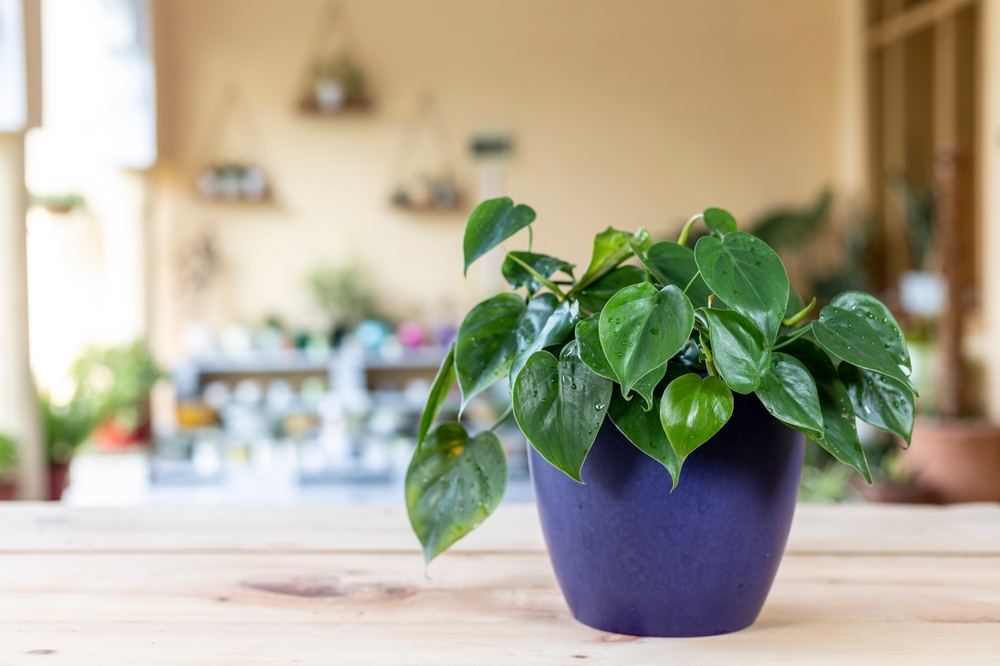
Heartleaf philodendron has small, heart shaped leaves that look warm and friendly in winter rooms. It trails like pothos, but it often has a slightly deeper green that reads cozy under lamps. Place it in bright, indirect light for steadier growth, though it can handle moderate indoor light. Water when the top layer of potting mix feels dry, and do not let the pot sit in leftover water.
This plant looks great in a hanging pot near a reading chair or a kitchen corner that needs life. Pinching back tips helps it branch, which gives you a fuller look rather than one long vine. Wipe leaves now and then so dust does not block light, which matters more in shorter days. Keep it out of reach of pets because philodendrons can cause irritation if chewed.
Rubber Plant
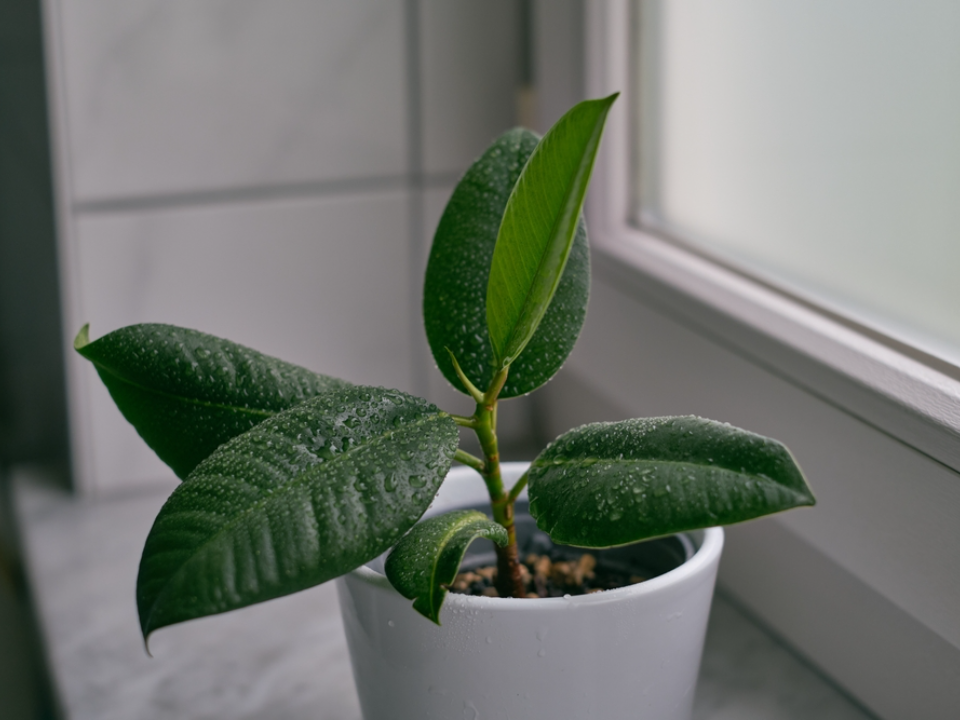
Rubber plant brings bigger leaves, which can make a room feel richer when winter skies stay gray. The thick foliage also looks good with warm wood tones, woven baskets, and soft throws. Give it bright, filtered light near a window, then rotate the pot occasionally so it grows evenly. Water more lightly in winter, letting the surface dry before you water again.
It is normal for growth to slow when days are shorter, so do not push it with heavy feeding. If leaves collect dust, a gentle wipe keeps the plant looking deep green and healthy. Keep it away from radiators and hot vents that can dry the leaf edges. The sap can irritate skin and pets, so wash your hands after pruning and place it where chewing is unlikely.
Parlor Palm
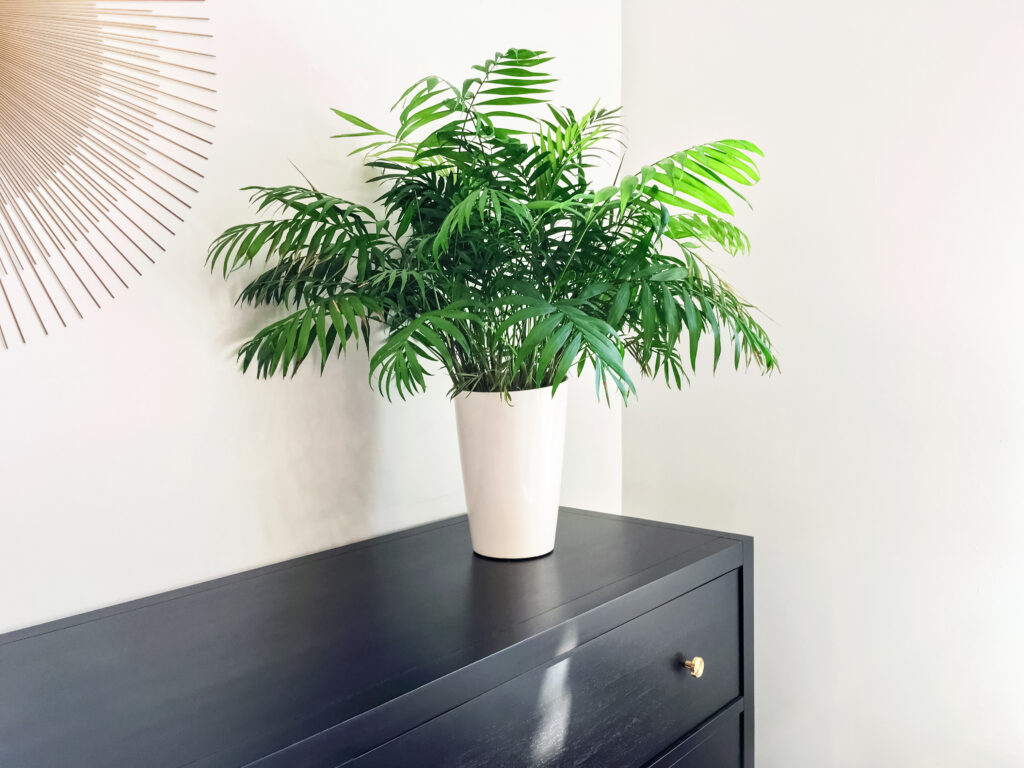
Parlor palm has soft, feathery fronds that make a room feel calmer and less stark. It suits winter because it likes bright, indirect light, yet it can cope in a lighter shade. Keep the potting mix lightly moist, then let the top dry a little before watering again. When winter slows growth, it usually needs less frequent watering than it does in warmer months.
This palm looks especially good beside a sofa or near a lamp where the fronds catch the light. It prefers moderate humidity, so a pebble tray or grouping plants together can help if indoor heat dries the air. Because it grows slowly, it does not need frequent repotting, which keeps care simple. Check for brown tips, which can point to dry air or missed watering.
Chinese Evergreen

Chinese evergreen is known for patterned leaves that bring color even when flowers are not in season. It handles indoor light that would frustrate many other plants, which is useful in winter. Give it diffuse light or good indirect light, and keep it away from cold drafts near doors or windows. Water when the top layer begins to dry, then reduce watering a bit in winter.
Its leaves look great against neutral walls, and the plant stays tidy in a pot on a table or dresser. It prefers higher humidity but still tolerates drier indoor air, which makes it flexible for most rooms. If the plant starts to look leggy over time, you can cut back and root sections to renew it. Keep it away from pets because it can cause irritation if chewed.
Cast Iron Plant
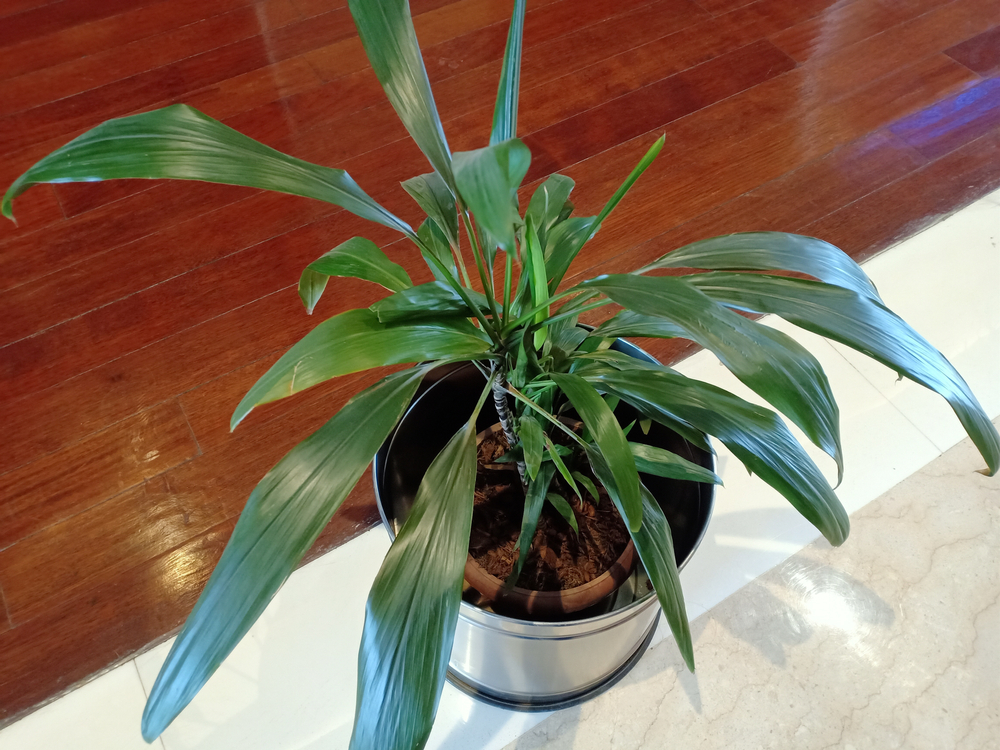
Cast iron plant earns its name because it handles low light and irregular care better than most. The long leaves rise in clumps, giving a steady green backdrop that feels comforting in winter. It works well in hallways, bedrooms, and corners where daylight is limited. Water lightly, letting the potting mix dry partway, since overly wet soil can cause problems.
The look is simple and classic, so it pairs well with vintage decor and darker winter tones. It grows slowly, which means you rarely need to prune, and the shape stays clean. Wipe the leaves now and then so they can use the little winter light available. If you want more plants, dividing an older clump is a practical way to make another pot.
Christmas Cactus

The Christmas cactus is a winter favorite because it can bloom when many plants are resting. The arching segments soften a windowsill, and the flowers feel like a small celebration at home. It likes bright, indirect light, and it appreciates steady indoor temperatures away from drafts. After it flowers, reduce watering and give it a short rest so it can recharge.
Unlike desert cacti, it prefers a bit more moisture, so do not let it dry out for long stretches. A humid spot, like a kitchen, can help, especially when heaters run often. It often blooms better with a cooler, slightly drier period before buds form, which fits naturally into autumn and early winter routines. You can root stem segments easily, so one plant can turn into a few gifts or extra pots for your own space.
African Violet
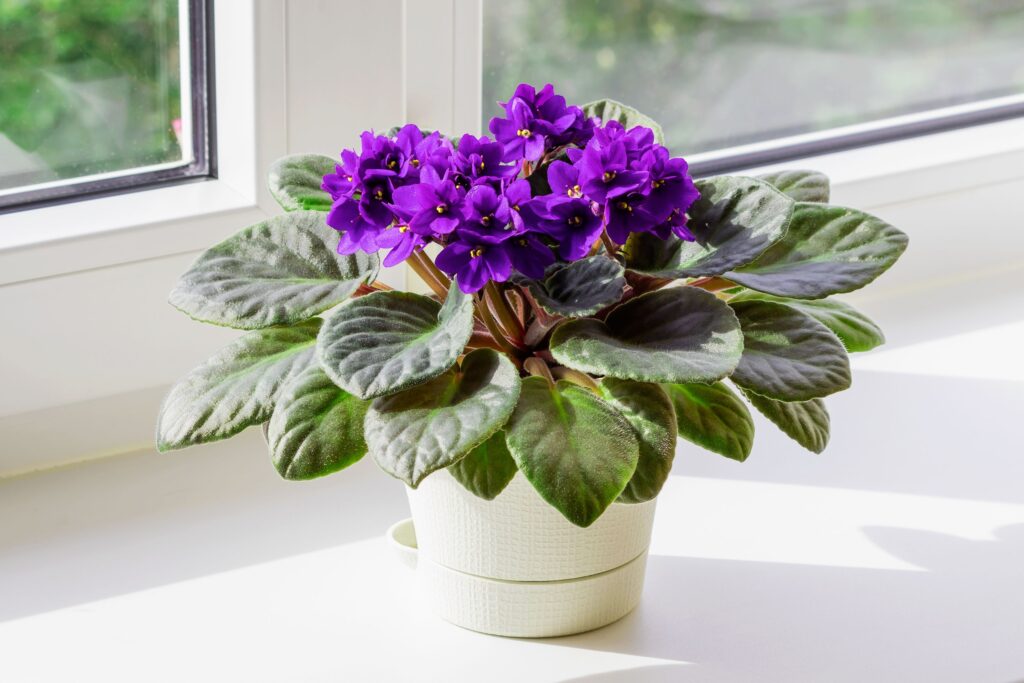
African violet brings soft flowers and fuzzy leaves, which can make a room feel gentler in winter. It likes lots of gentle, indirect light, and it often appreciates extra light when days are short. Keep it warm and away from cold drafts, since sudden chill can stress it. Water carefully, often from the bottom, so the leaves stay dry and unmarked.
A small pot on a kitchen table or desk can brighten everyday routines without taking up much space. They like humidity, so a tray with pebbles and water nearby can help when indoor heat dries the air. Regular feeding during active growth supports flowering, though winter schedules are often lighter. Remove spent blooms and older leaves to keep the plant looking neat and focused.
Spider Plant
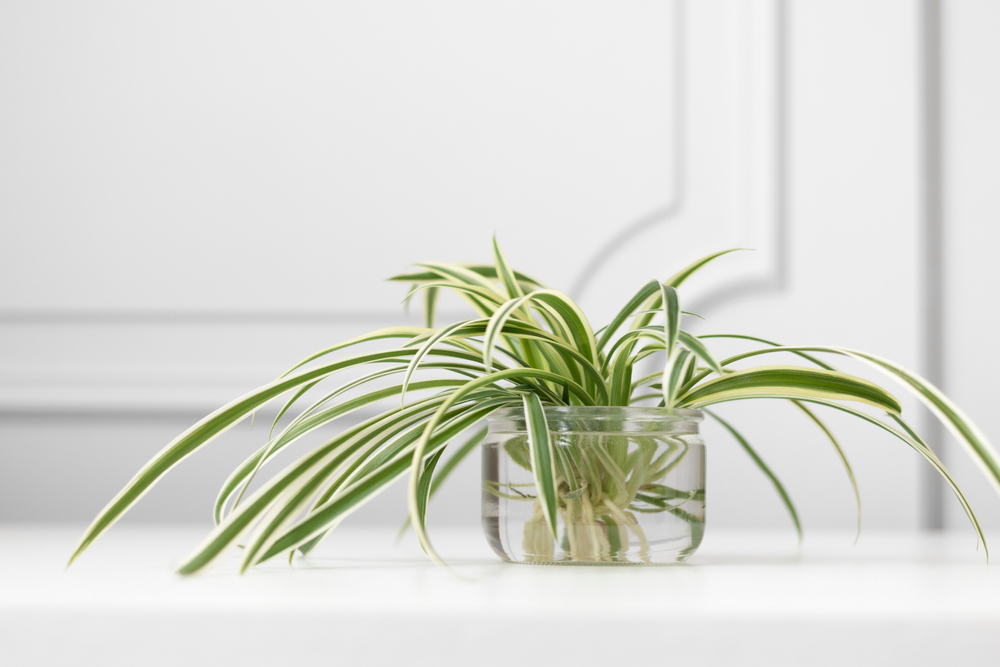
Spider plant has arching leaves that spill over a pot, which adds movement and softness to a room. It also makes baby plantlets that hang like little ornaments, which feels right for winter decor. Place it in bright, indirect light, and it will still manage in moderate indoor light. Water when the top of the potting mix dries, then let the extra water drain fully.
It is a good choice for homes with pets because it is considered non-toxic, though eating a lot of leaves can still upset a stomach. Hanging baskets work well since the leaves and plantlets drape naturally. If leaf tips brown, it can be from dry air or minerals in tap water, so filtered water can help. Divide a crowded plant or pot up plantlets to keep it full and fresh.
Hoya
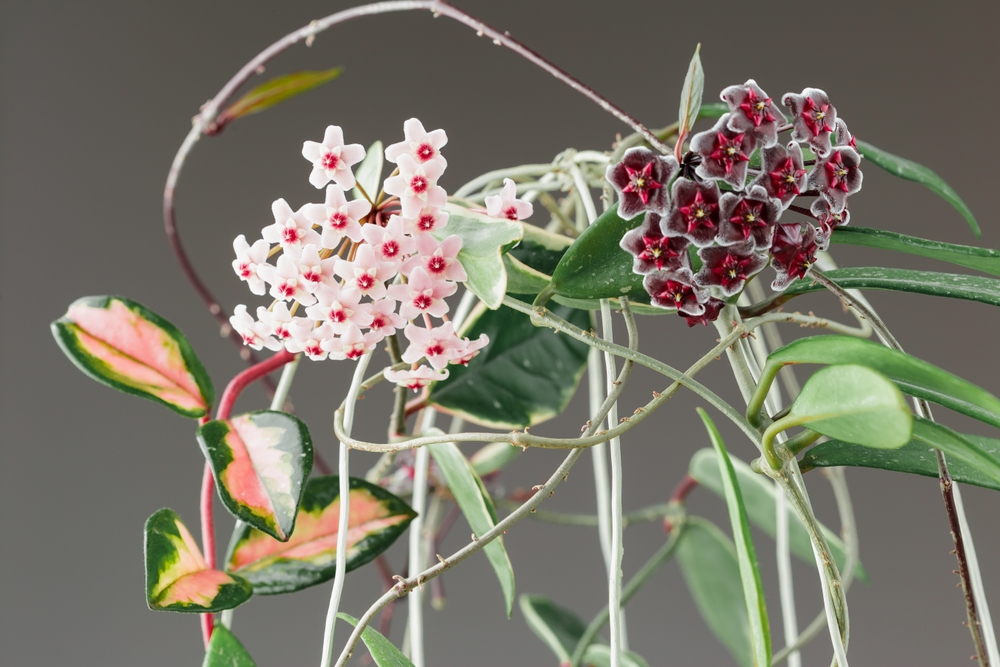
Hoya has thick, waxy leaves that look clean and polished in winter light. Many types trail or climb, so they can soften shelves, windows, and plant stands. Give it bright, indirect light and let the potting mix dry more than you would for a fern or palm. In winter, watering often drops since growth slows and evaporation is lower.
Because the leaves hold water, this plant tends to forgive a missed watering. A small trellis or hoop can guide vines into a tidy shape, which works well in smaller rooms. If you get fragrant flower clusters, treat them gently, since moving the plant can cause buds to drop. Keep it in a snug pot, since many hoyas flower better when slightly root-bound.
Dracaena Marginata
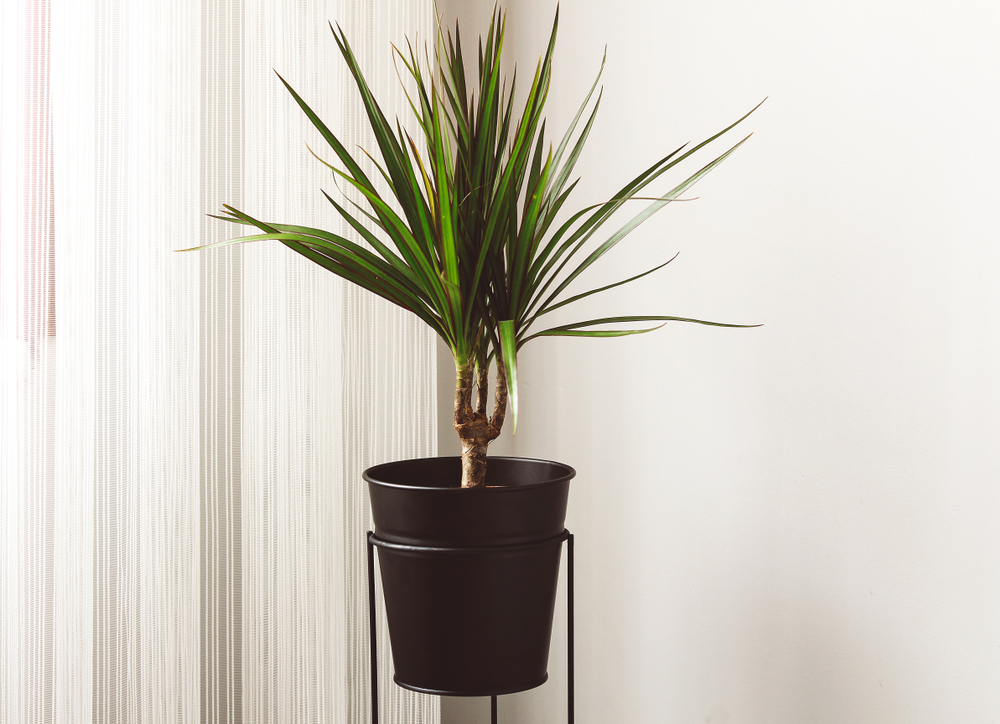
Dracaena marginata, often called dragon tree, has thin arching leaves that add a clean silhouette to winter spaces. It can handle lower light, though it grows more slowly and looks best with bright, indirect light. Let the top layer of potting mix dry between waterings, then water and let it drain well. If leaf tips brown, it can be from minerals like fluoride in tap water, so filtered or distilled water can help.
This plant works well in a corner where you want height without a wide canopy. It pairs nicely with warm lighting, since the narrow leaves cast gentle shadows on the wall. Keep it away from heaters that dry leaves, and watch for spider mites in dry indoor air. With steady care, it can live for years and slowly grow into a small indoor tree shape.
Norfolk Island Pine
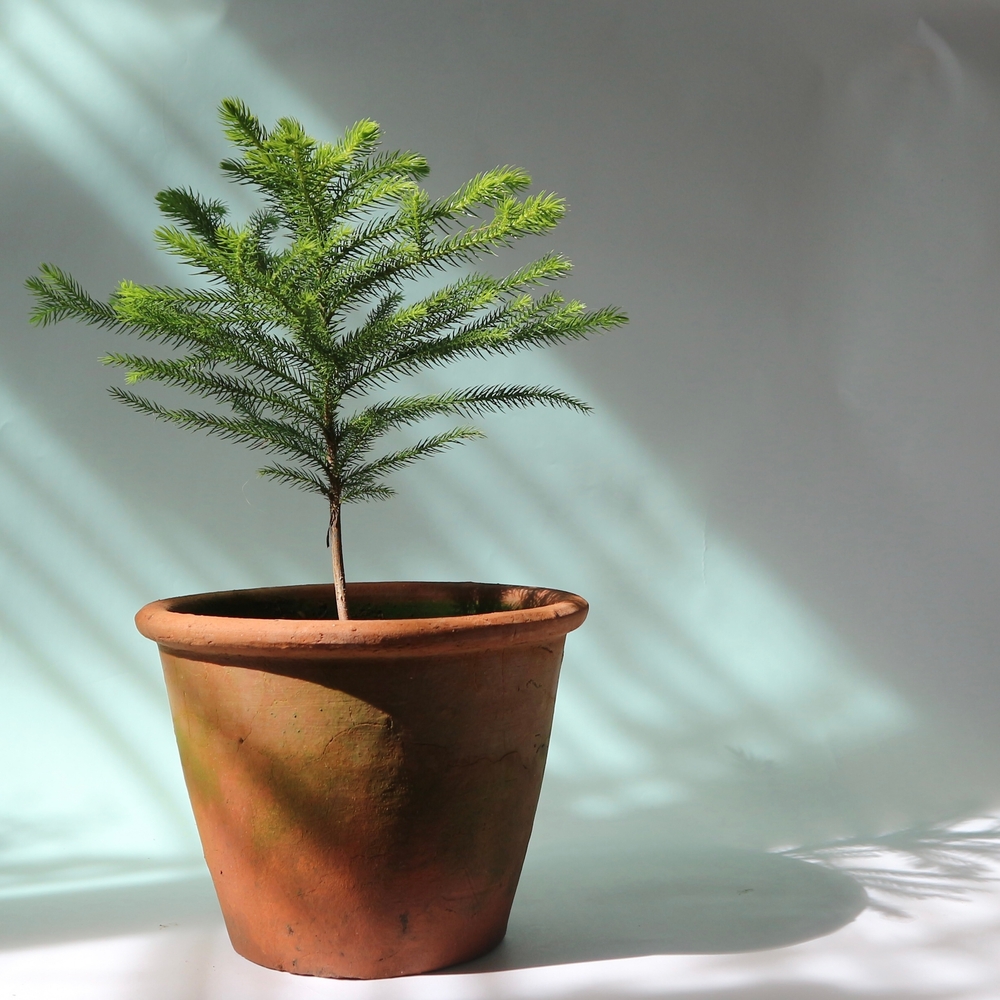
Norfolk Island pine is often used as a small indoor holiday tree, but it looks good long after the season ends. The layered branches give a soft evergreen look that fits winter decor without feeling heavy. It likes bright light and does well in rooms with higher humidity, such as a kitchen or bright bathroom. Water when the soil surface feels dry to the touch, then let the pot drain.
It does not like cold, so keep it away from chilly windows at night. Rotate it occasionally so growth stays balanced, since it naturally leans toward light. Brown, crispy tips often point to dry air or missed watering, so humidity matters more in heated rooms. Use a pot with good drainage and do not wrap the base in a way that traps water in the container.
Jade Plant
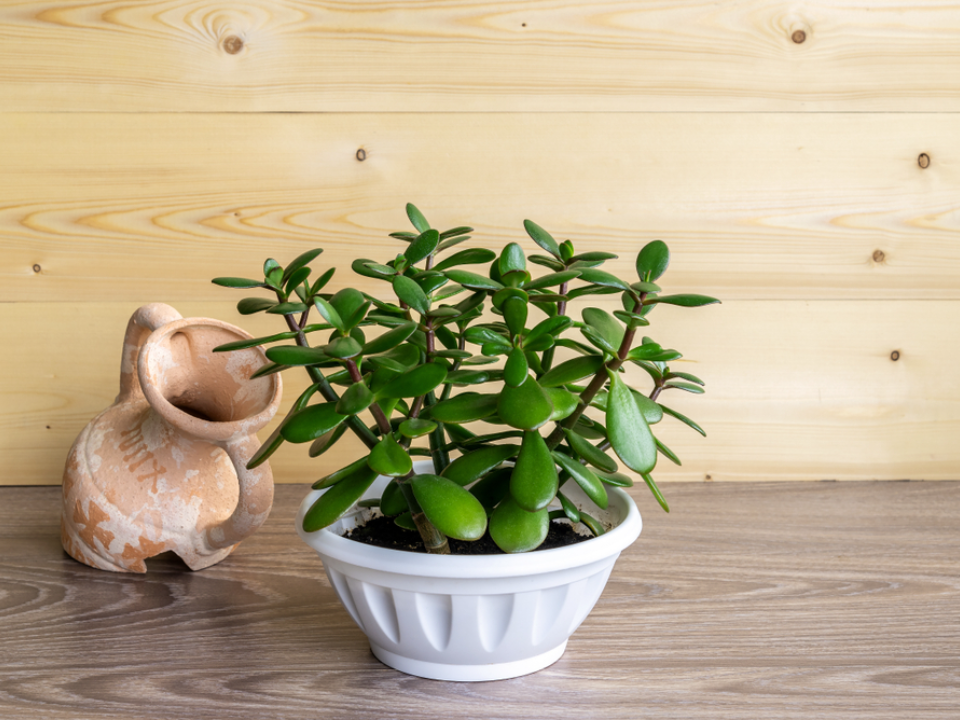
Jade plant has thick, rounded leaves that look cheerful even on short winter days. It fits well on a sunny sill where you want something living near morning coffee or evening tea. Give it strong light, and let the potting mix dry well between waterings. Too much water in winter is a common issue, since the plant uses less moisture when growth slows.
A heavy pot helps keep it stable, since the plant can get top heavy over time. Turn the pot occasionally so it does not lean too hard toward the window. If leaves wrinkle, that often signals it needs water, while soft leaves can point to overly wet soil. Keep it away from pets, since jade is considered toxic if chewed.
This article originally appeared on Avocadu.