
12 Houseplants That Love Cozy Indoor Temperatures in Winter
When winter rolls in, and indoor heating keeps your home warm, it’s the perfect time to bring tropical plants inside. These houseplants thrive in the cozy temperatures typical of heated homes, making them ideal companions during the colder months. With their ability to adapt to moderate warmth and low light, they continue to grow and add life to your living space, even as the weather outside cools down.
This post may contain affiliate links, which helps keep this content free. Please read our disclosure for more info.
Spider Plant (Chlorophytum comosum)
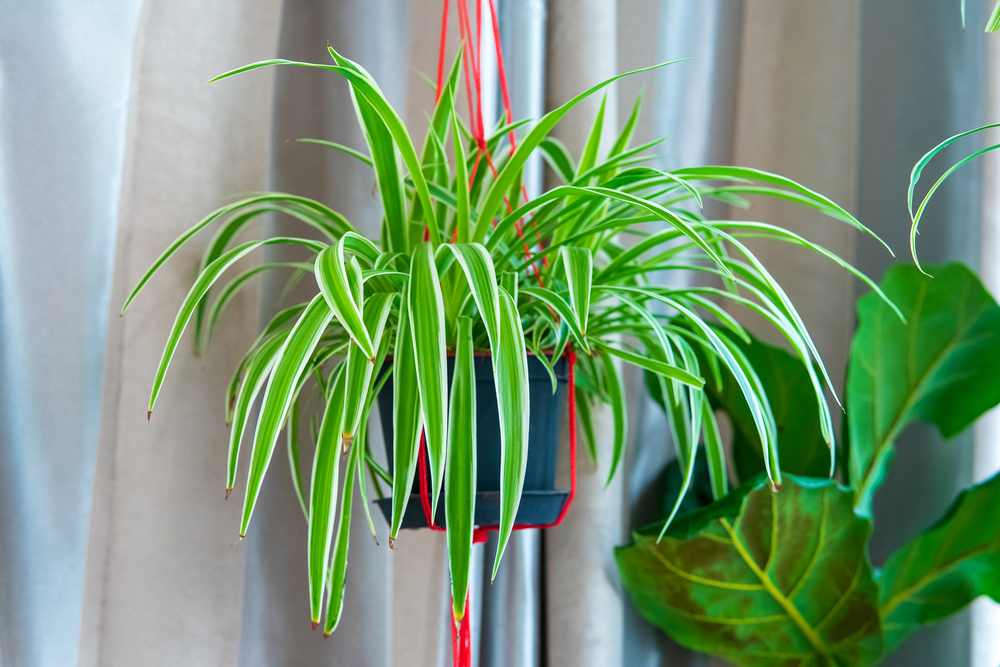
Spider plants are highly adaptable and thrive in indoor conditions that maintain warm temperatures. These plants are native to tropical and subtropical regions, where they experience consistently warm temperatures. When grown indoors, they flourish in temperatures between 18-24°C (64-75°F), making them perfect for heated homes during the winter months. This temperature range is ideal for their active growth phase, ensuring they produce their signature arching green leaves and small white flowers. The warmth helps the plant maintain its vibrant, green color, which can sometimes fade if exposed to cooler temperatures.
In addition to their warmth preference, spider plants are known for their ability to purify the air, making them an excellent addition to any home. They require minimal care and can tolerate a variety of light conditions, although they prefer bright, indirect sunlight. During the colder months, when your home is heated, the consistent warmth allows the spider plant to thrive, as it can adapt well to the climate indoors. Their tolerance to a range of indoor environments, combined with their low maintenance needs, makes them a reliable and attractive houseplant during winter.
Peace Lily (Spathiphyllum)
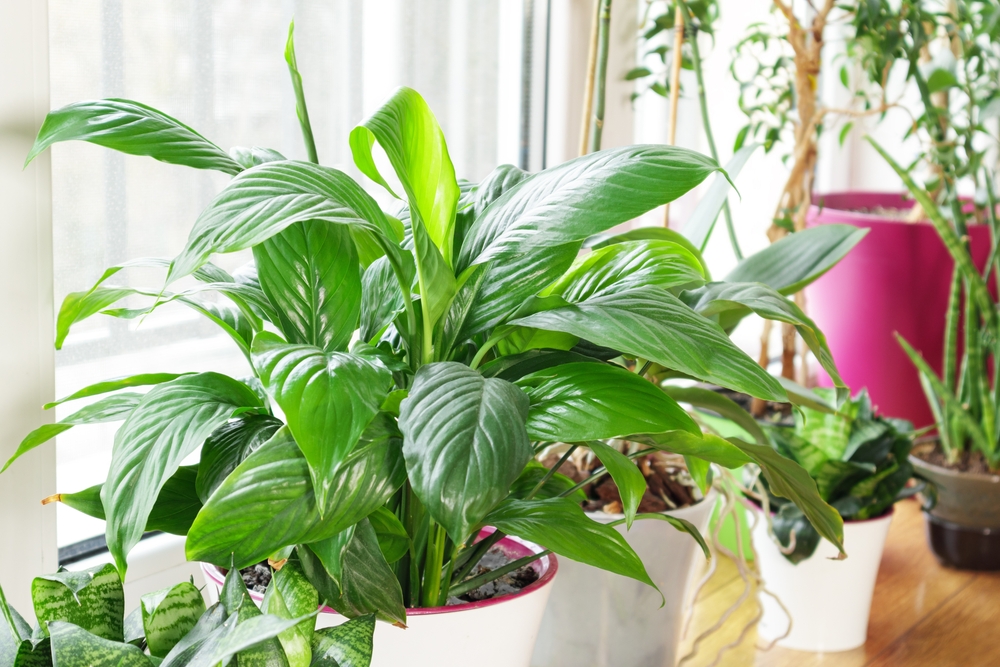
Peace lilies are a favorite for many indoor plant lovers, particularly during the colder months. They thrive in moderate warmth, with temperatures between 18-24°C (64-75°F) being ideal. In the winter, most homes are kept at these temperatures, making the peace lily well-suited to the indoor environment. The plant’s lush green leaves and occasional white flowers add a touch of elegance to any room, and the warmth of your home helps it maintain its glossy, healthy appearance. The peace lily appreciates warmth without extreme fluctuations, so it thrives in the steady indoor temperatures that are common when heating systems are running.
In addition to its warmth preference, the peace lily is also known for its air-purifying properties. It can tolerate low light, which is common in winter when the days are shorter, and it adapts well to the humidity that indoor heating can create. However, it does prefer slightly higher humidity, so occasional misting or a humidity tray can help it thrive. The peace lily’s ability to bloom in lower light conditions, combined with its tolerance for warmer indoor temperatures, makes it an excellent choice for cozy winter spaces.
Snake Plant (Sansevieria trifasciata)
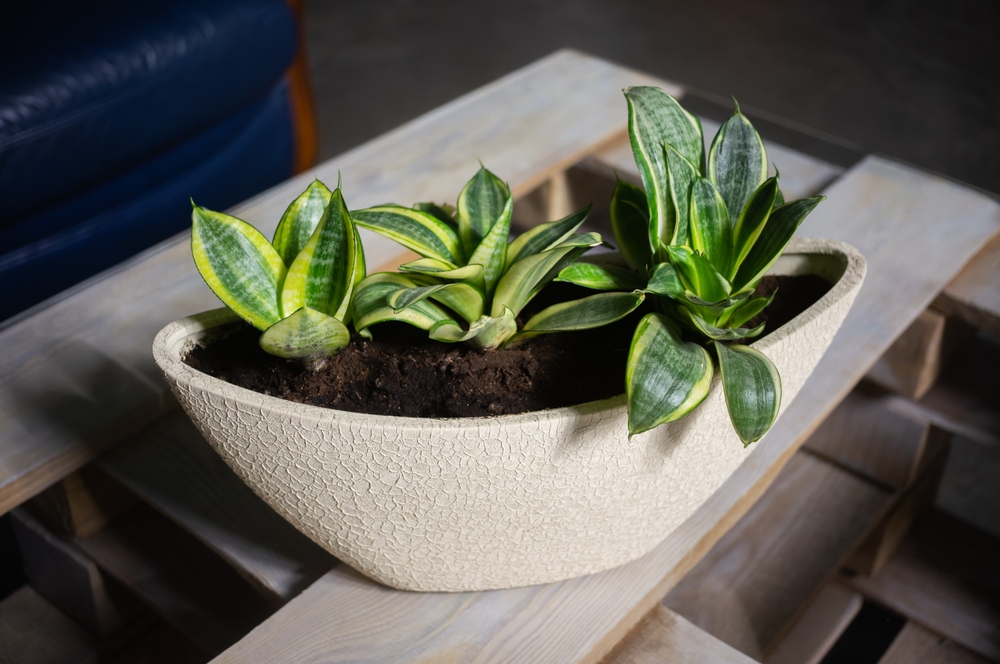
The snake plant, also known as mother-in-law’s tongue, is an ideal houseplant for winter due to its hardiness and ability to thrive in warm indoor temperatures. This plant does well in a range of conditions, but it particularly enjoys indoor environments with temperatures between 18-27°C (64-80°F). These temperatures are common in most heated homes, making the snake plant a perfect fit for winter. It can tolerate periods of neglect, requiring only occasional watering and benefiting from the consistent warmth found in most homes during the colder months.
Additionally, snake plants are known for their air-purifying abilities, which makes them a great choice for rooms with indoor heating. They thrive in low-light conditions and do not require direct sunlight, making them perfect for indoor spaces that may not get a lot of natural light in the winter. The warm indoor temperatures, combined with its low-maintenance nature, make the snake plant an excellent plant for those looking to add greenery to their homes during the winter without much effort. With their tall, striking leaves, they provide a bold and architectural element to any room while requiring minimal care.
Philodendron (Philodendron spp.)
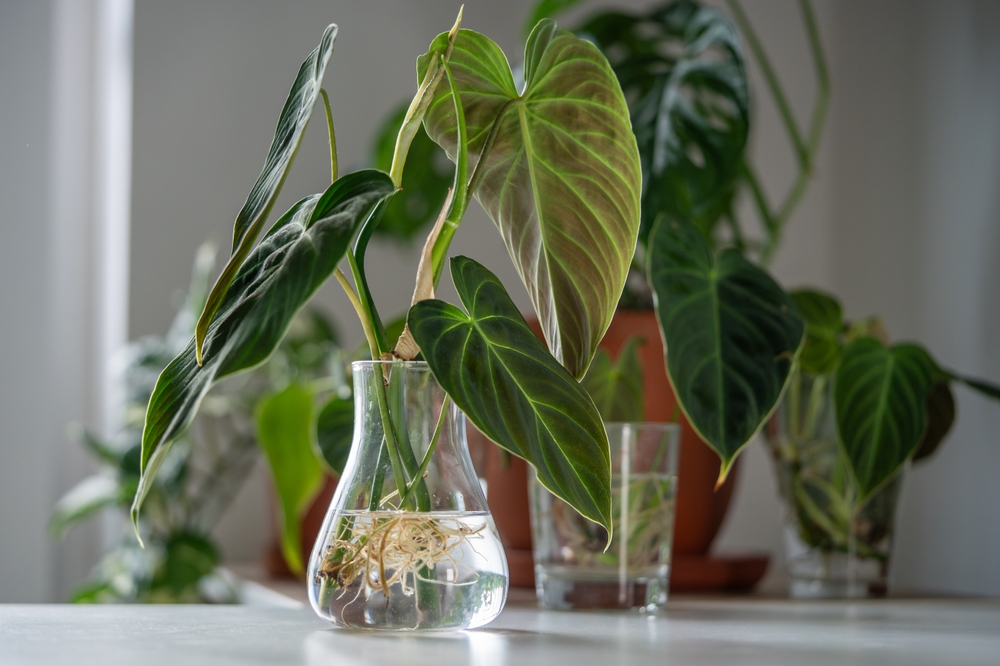
Philodendrons are popular for their ability to thrive in warm indoor temperatures, making them a great choice for winter months. These tropical plants prefer temperatures between 18-25°C (64-77°F), which aligns well with the temperature range commonly found in heated homes. During the winter, the warmth indoors helps the philodendron continue to grow steadily, producing long vines or heart-shaped leaves, depending on the variety. The warm, stable environment encourages their growth and ensures they stay lush and vibrant even when the outdoor temperatures dip.
In addition to their warmth preference, philodendrons are relatively low-maintenance plants. They can tolerate a variety of light conditions, though they do best in moderate to bright indirect light. While they do not require high humidity, they thrive in environments where there is consistent warmth, making them a perfect plant for the winter. The philodendron’s resilience to low light and its ability to thrive in typical indoor temperatures make it an ideal plant to add a tropical touch to your home during the colder months.
Pothos (Epipremnum aureum)
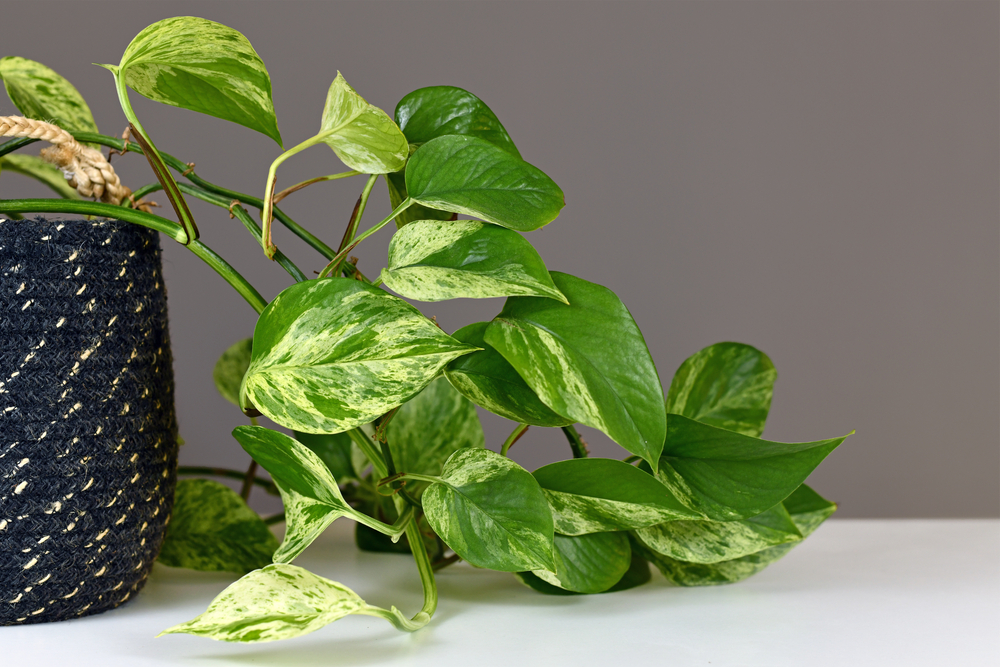
Pothos are hardy, tropical houseplants that thrive in warm indoor environments, which makes them an excellent option for winter. These plants prefer temperatures between 18-24°C (64-75°F), which is the typical temperature range in most heated homes during the colder months. Pothos can tolerate a wide range of lighting conditions, from low light to bright, indirect light, though they prefer the latter. The warmth of indoor spaces helps maintain their vibrant green or variegated leaves, and they tend to grow rapidly when provided with the consistent warmth of indoor heating.
Pothos are low-maintenance plants that are forgiving when it comes to care. They can survive in areas with fluctuating light and are fairly drought-tolerant, requiring only occasional watering. The warm indoor temperatures during winter help keep the pothos healthy, making it an easy-to-care-for houseplant that adds beauty to any room. Their ability to thrive in the moderate warmth of most homes during the winter, combined with their long, trailing vines, makes them a popular choice for indoor decor.
Areca Palm (Dypsis lutescens)
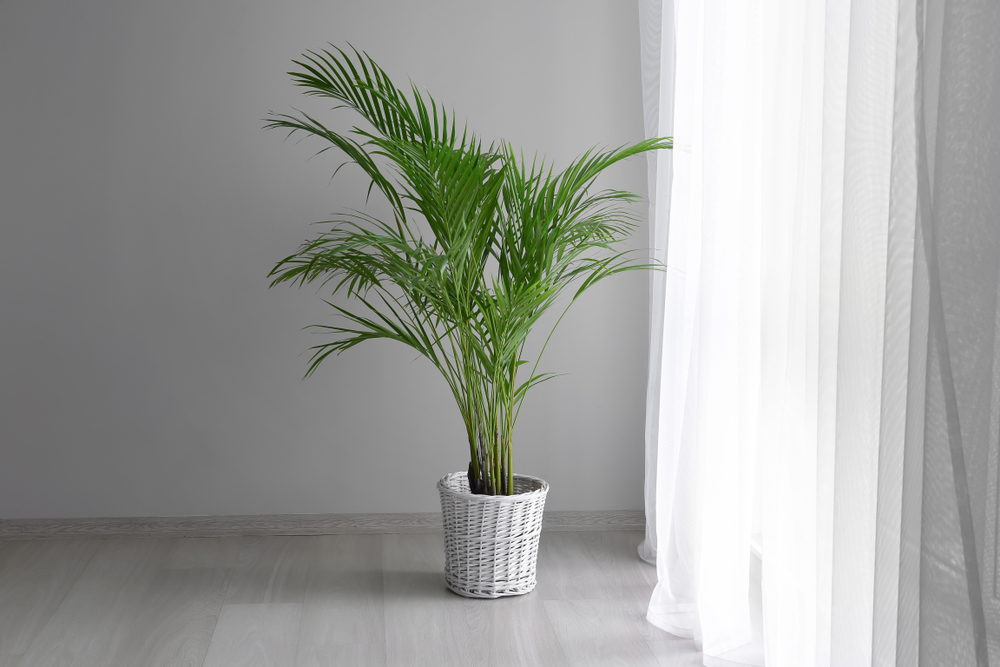
The Areca Palm, also known as the butterfly palm, is well-suited to the warm indoor temperatures that are common in the winter months. This tropical plant thrives in temperatures between 18-24°C (64-75°F), making it a perfect choice for homes that are heated during the colder season. The warmth helps the Areca Palm maintain its beautiful feathery fronds, which are its most striking feature. In addition to its aesthetic appeal, the Areca Palm is known for its air-purifying qualities, further enhancing the indoor environment by removing toxins from the air.
In winter, the consistent warmth of your home allows the Areca Palm to continue its growth cycle, though it is important to avoid placing it near cold drafts. The plant appreciates humidity, which can be a challenge in heated homes where the air tends to be dry. Regular misting or a humidity tray can help keep the plant healthy. The Areca Palm’s love for warmth and its adaptability to indoor environments make it a great choice for adding a tropical touch to your home during the cooler months.
Rubber Plant (Ficus elastica)
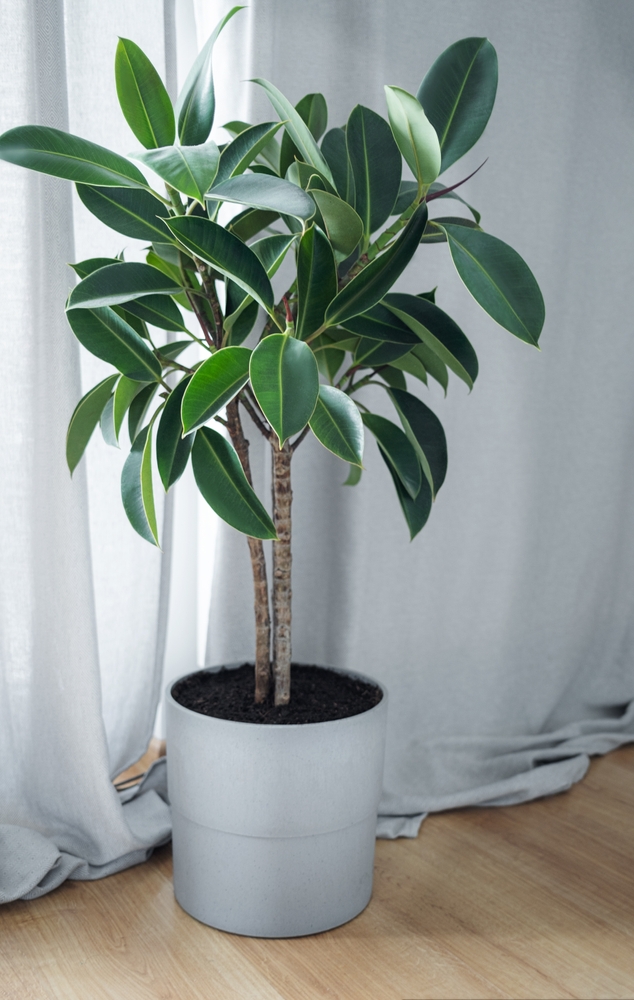
Rubber plants thrive in the warmth of indoor spaces, which makes them ideal for winter. These plants prefer temperatures between 18-24°C (64-75°F), a range typically maintained in most homes during the winter. The consistent warmth of your indoor environment helps the rubber plant grow steadily, producing glossy, dark green leaves that add a touch of elegance to any room. The plant does best with moderate light, making it suitable for winter months when daylight is limited.
While the rubber plant enjoys warmth, it is also sensitive to cold drafts, so it’s best placed away from windows or doors that might let in chilly air. Indoor heating systems create the perfect environment for the rubber plant, allowing it to stay healthy and grow during the winter. The warmth helps it retain its vibrant foliage, and with proper care, this plant can thrive in your home throughout the colder months.
Boston Fern (Nephrolepis exaltata)
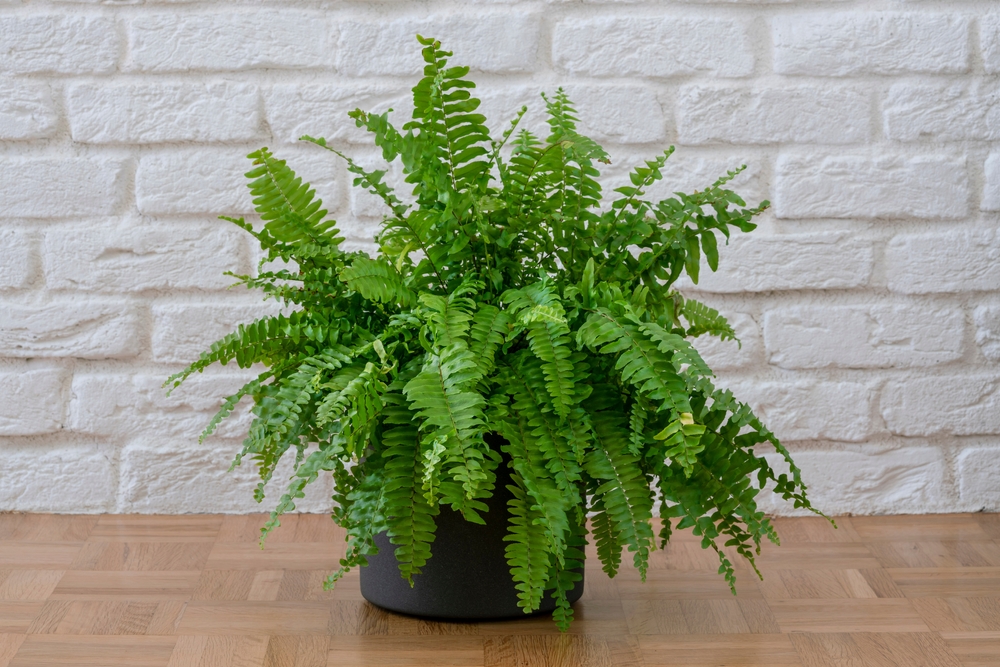
Boston ferns thrive in warm indoor temperatures, which makes them a great addition to your home during winter. These ferns prefer temperatures between 18-24°C (64-75°F), the typical range found in heated homes during the colder months. They do best in humid environments, so the moisture in the air from indoor heating can actually benefit them. Boston ferns can be a little more demanding when it comes to humidity, but their lush fronds and ability to adapt to indoor temperatures make them a wonderful choice for winter care.
To keep a Boston fern thriving, ensure it is placed in a location where it receives indirect light and is shielded from cold drafts. The warmth from your home’s heating system provides the necessary conditions for the plant to continue producing its feathery green fronds. Regular misting or placing the fern near a humidifier will help it thrive in dry indoor air. The Boston fern’s ability to tolerate indoor warmth and its resilience in winter conditions make it a beautiful and functional plant for any room.
Bamboo Palm (Chamaedorea seifrizii)
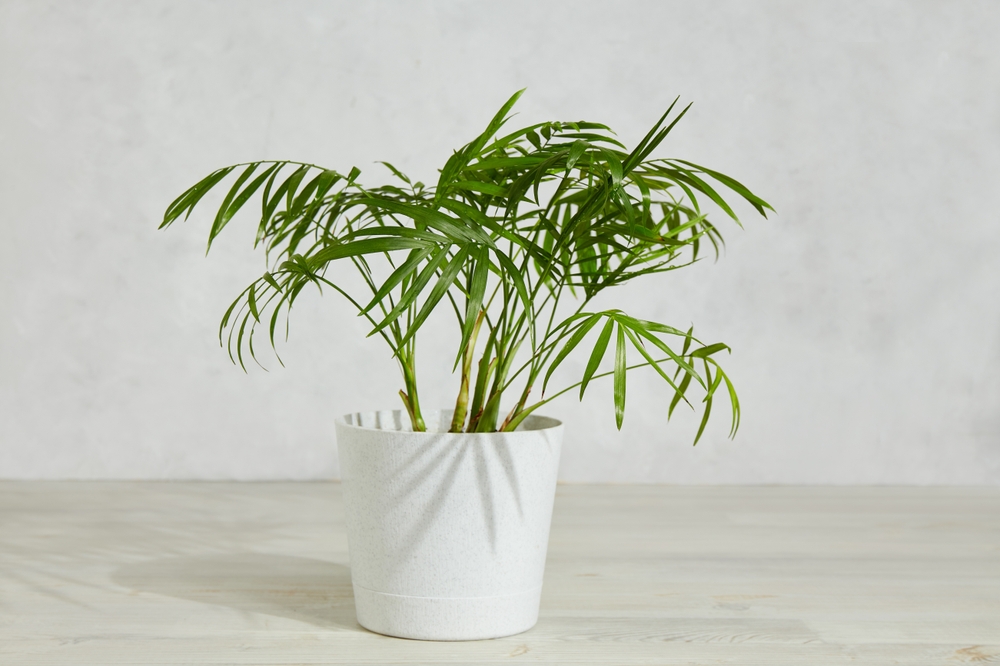
The Bamboo Palm is another tropical houseplant that loves warmth, making it well-suited for winter temperatures. It thrives in environments where temperatures range between 18-24°C (64-75°F), which aligns perfectly with most indoor climates during the colder months. The Bamboo Palm’s graceful fronds add a tropical flair to any home, and it benefits from the warmth of indoor heating systems, which help it grow steadily through the winter. In addition to warmth, this plant also appreciates consistent moisture, so it does well in the humidity created by heating systems in many homes.
Bamboo Palms are also known for their air-purifying properties, making them a great choice for winter when indoor air quality can suffer. These palms are relatively low-maintenance and can tolerate low light conditions, although they do prefer moderate light. Their ability to thrive in warm, humid environments makes them an excellent option for winter, especially in homes that maintain a consistent temperature and provide the humidity they enjoy.
Zebra Plant (Aphelandra squarrosa)
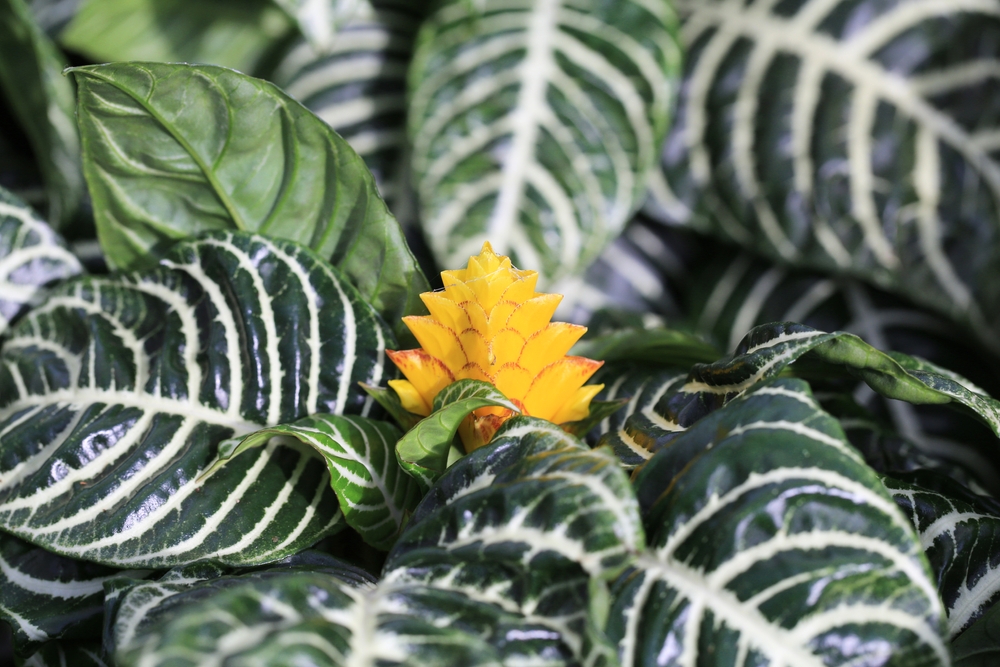
The Zebra Plant, with its strikingly patterned leaves, is another tropical plant that thrives in warm indoor environments. It prefers temperatures between 18-24°C (64-75°F), making it a perfect addition to a heated home during the winter months. The warmth promotes steady growth and helps maintain its vibrant foliage. Zebra plants are sensitive to cold drafts, so they do best in areas with consistent warmth, such as near a radiator or in a room where the temperature remains stable.
In addition to the warmth, Zebra Plants appreciate high humidity, which can be a bit of a challenge in homes with dry indoor air. To help the Zebra Plant thrive, consider using a humidity tray or misting the leaves occasionally to increase moisture levels. The consistent warmth from your indoor heating, combined with careful attention to humidity, will help this plant remain healthy throughout the winter months.
African Violet (Saintpaulia spp.)
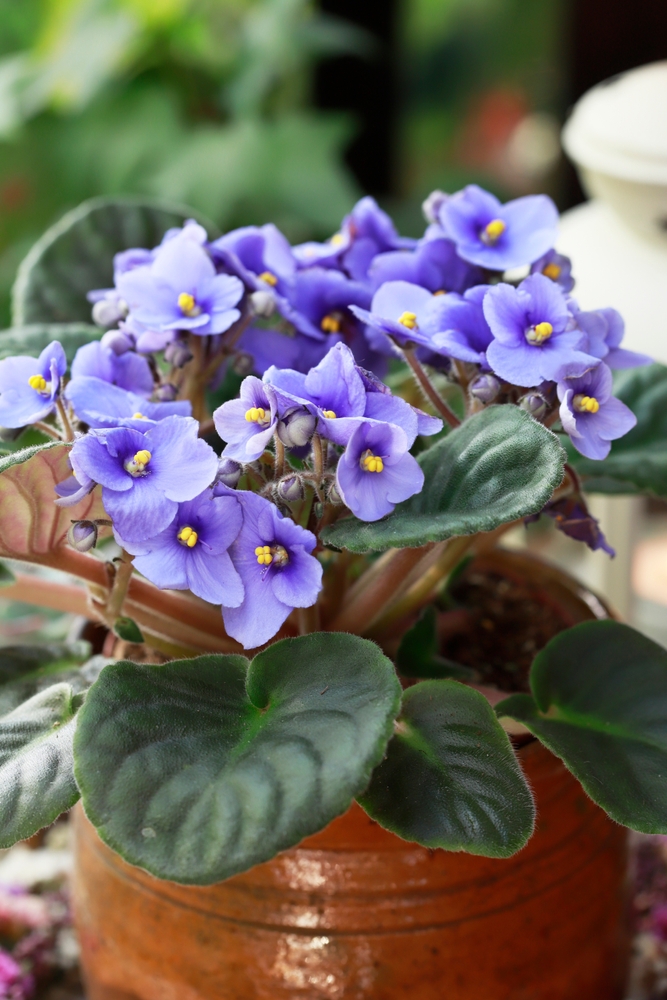
African violets are popular for their colorful blooms, and they thrive in warm indoor temperatures, making them perfect for winter months. They prefer temperatures between 18-24°C (64-75°F), a range easily maintained in most heated homes during the colder season. These plants are known for their ability to bloom year-round, with proper care, and the warm indoor conditions help them flourish even in winter. The warmth promotes healthy growth and vibrant blooms, making them an ideal choice for adding a pop of color to your home during the colder months.
African violets also prefer moderate light, so they do well in indoor spaces with indirect sunlight, which is more common during winter. They can tolerate a range of humidity levels, but regular misting or using a humidity tray can help them thrive in the dry air created by heating systems. With the right warmth and care, African violets can brighten up any room and provide cheerful flowers throughout the winter season.
Aloe Vera (Aloe barbadensis miller)
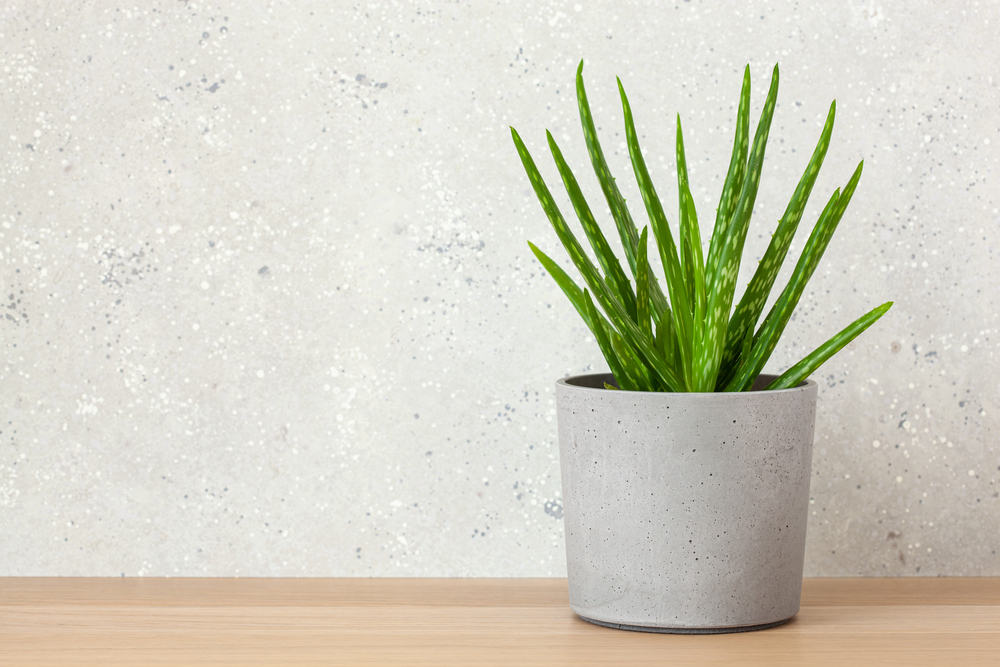
Aloe vera is another plant that thrives in warm indoor temperatures, making it a perfect companion for homes heated during the winter. It does well in temperatures ranging from 18-24°C (64-75°F), which aligns perfectly with indoor heating. Aloe vera is known for its thick, succulent leaves, which store water, making it a low-maintenance plant that requires infrequent watering. The warmth of a heated indoor environment encourages its growth and helps it maintain its health, even during the colder months.
This plant is also well-suited to the drier indoor air found in many homes during winter. Aloe vera does not require high humidity, and it benefits from the consistent warmth provided by heating systems. The warmth helps the plant stay healthy and active throughout the season, while its ability to store water in its leaves means it can survive longer periods without watering.
This article originally appeared on Avocadu.