
15 Houseplants That Handle January Light Like Champs
When the days grow shorter and the sunlight becomes less intense, finding the right houseplants for your space is key. Some plants thrive in the low light of January, adding life and color to your home. These hardy plants are not only resilient, but they also make caring for them easy. If you are looking to brighten up your indoor space this winter, these plants will surely do the trick.
This post may contain affiliate links, which helps keep this content free. Please read our disclosure for more info.
Snake Plant (Sansevieria)
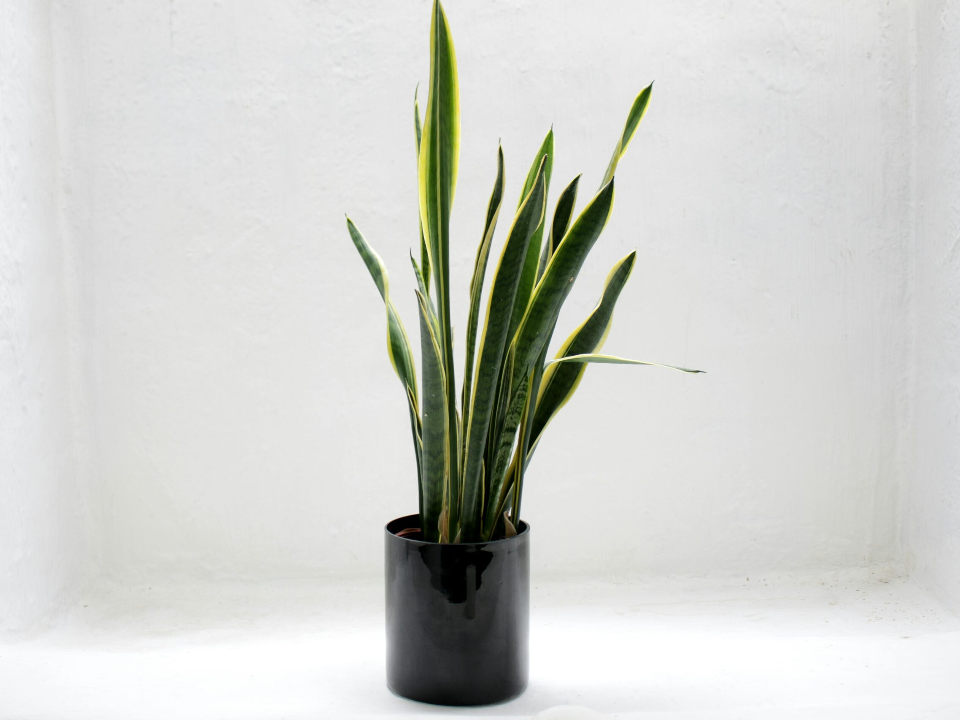
Snake plants are renowned for their tolerance to low light, making them a top choice for homes with limited January sunlight. These plants are virtually indestructible and can thrive in indirect or artificial light. They are also drought-tolerant, requiring minimal watering, which adds to their easy-care nature. Perfect for a beginner or a busy gardener, snake plants can be placed in almost any room and still perform well.
Known for their striking upright leaves, snake plants also offer air-purifying benefits. They are ideal for areas like the bedroom or living room, where light may be scarce in winter. The plant’s ability to survive on very little care makes it a reliable option for winter months. Its bold, architectural look also adds a modern touch to any interior design.
ZZ Plant (Zamioculcas zamiifolia)
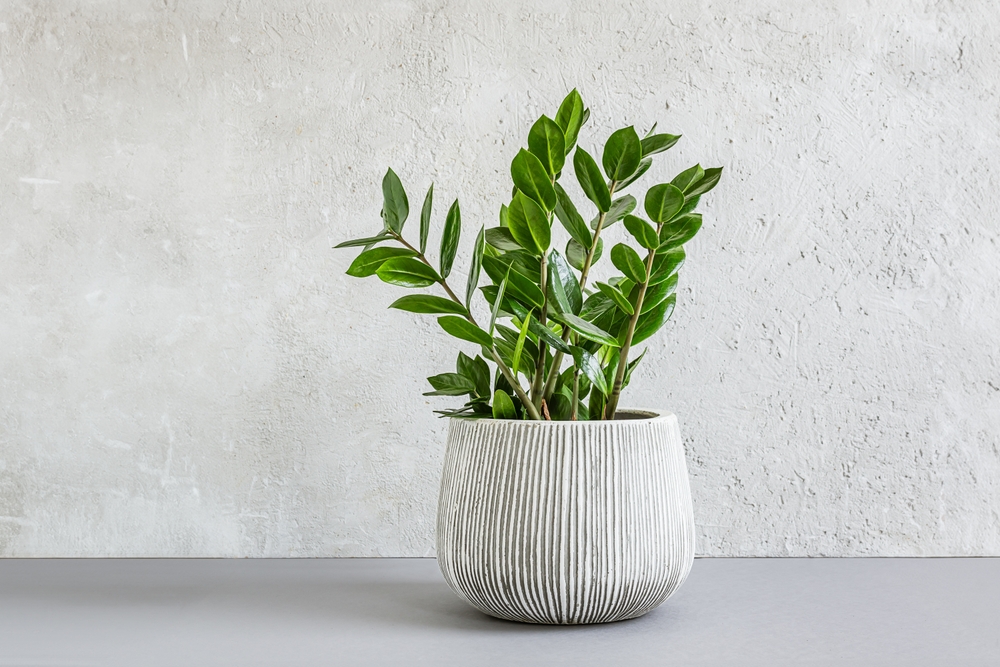
The ZZ plant is another fantastic choice for homes with minimal natural light. It grows well in areas that receive indirect light, even during the gray winter months. This plant is often praised for its resilience, thriving in both low light and dry conditions. Its waxy, dark green leaves reflect the limited light it receives, making it an attractive addition to your home.
Besides being easy to maintain, the ZZ plant is also great for removing toxins from the air. It does not require frequent watering and can survive long periods without it. This makes it perfect for those who want a low-maintenance plant that still looks lush and healthy. Its unique appearance, with its sleek and glossy leaves, complements both modern and traditional interiors.
Pothos (Epipremnum aureum)
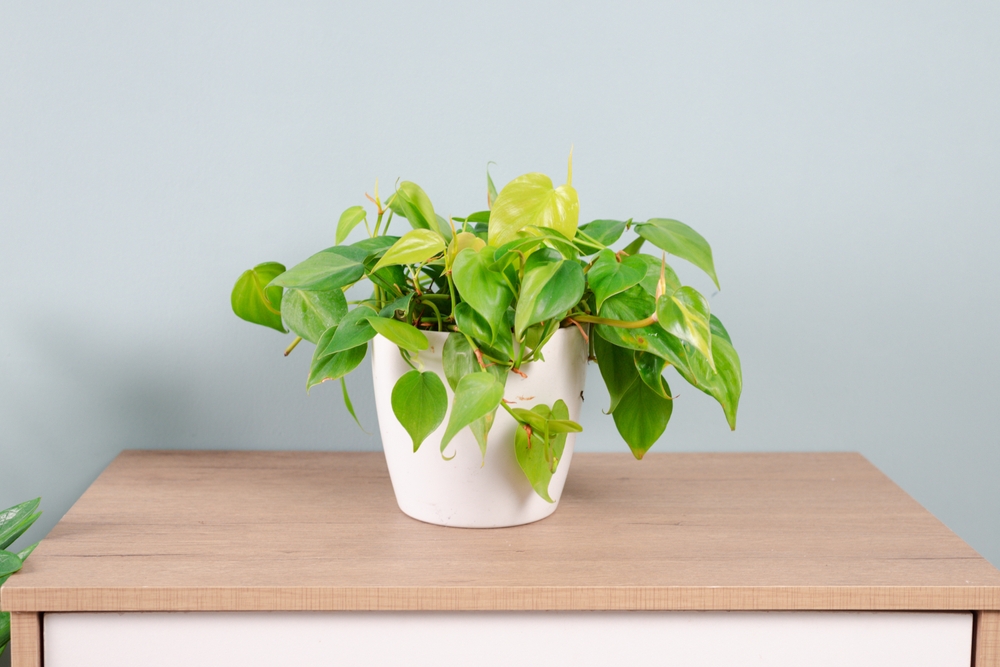
Pothos is one of the most popular houseplants, and for good reason. It tolerates low to moderate light, making it a perfect fit for January’s dimmer conditions. The vine-like growth of pothos can easily trail down from shelves or pots, making it a versatile decorative choice. Pothos also thrives in low-maintenance environments, as it requires only occasional watering.
This plant’s attractive green or variegated leaves can brighten up any space, even in indirect light. Pothos is often grown in hanging baskets or as a climbing plant, making it an excellent choice for vertical gardening. It is a forgiving plant, tolerating a range of lighting conditions and is known for its ability to purify indoor air. The ease of care and aesthetic appeal make it a top choice for any indoor space.
Spider Plant (Chlorophytum comosum)
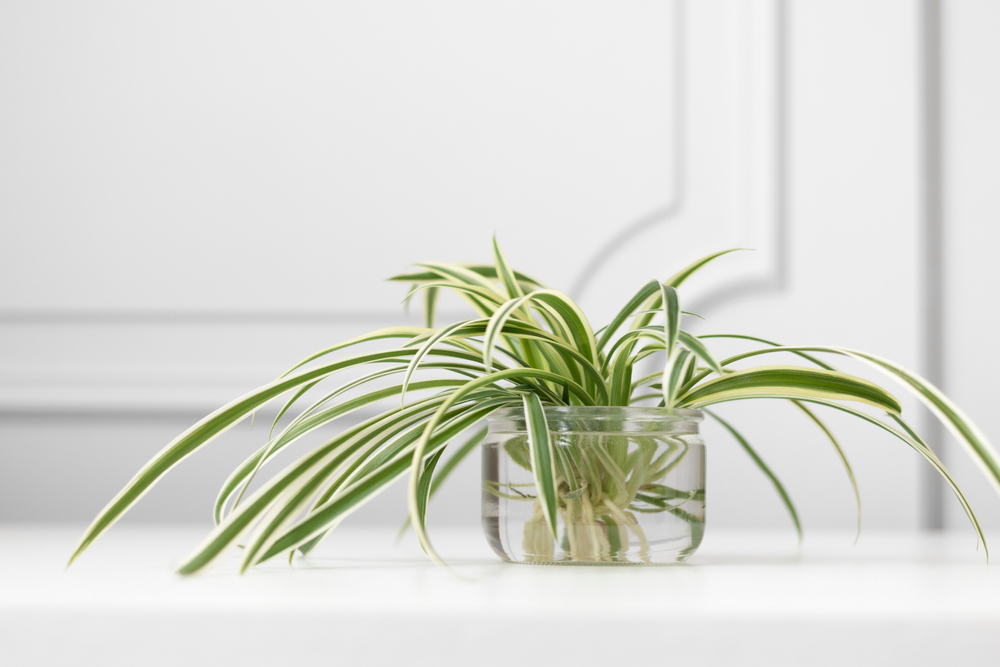
Spider plants are excellent for handling low light, making them suitable for winter indoor conditions. They can adapt to a variety of lighting situations, from bright indirect light to more shaded areas. Their long, arching leaves with green and white stripes bring a lively touch to any room. Spider plants are also known for their ability to remove pollutants from the air, which makes them even more appealing.
This plant produces small white flowers and baby plantlets, giving it an added visual appeal. It thrives in well-draining soil and requires moderate watering. With minimal care, the spider plant can grow quickly, making it an ideal choice for winter indoor gardening. It is a great option for hanging baskets, as its shoots can cascade down beautifully.
Cast Iron Plant (Aspidistra elatior)
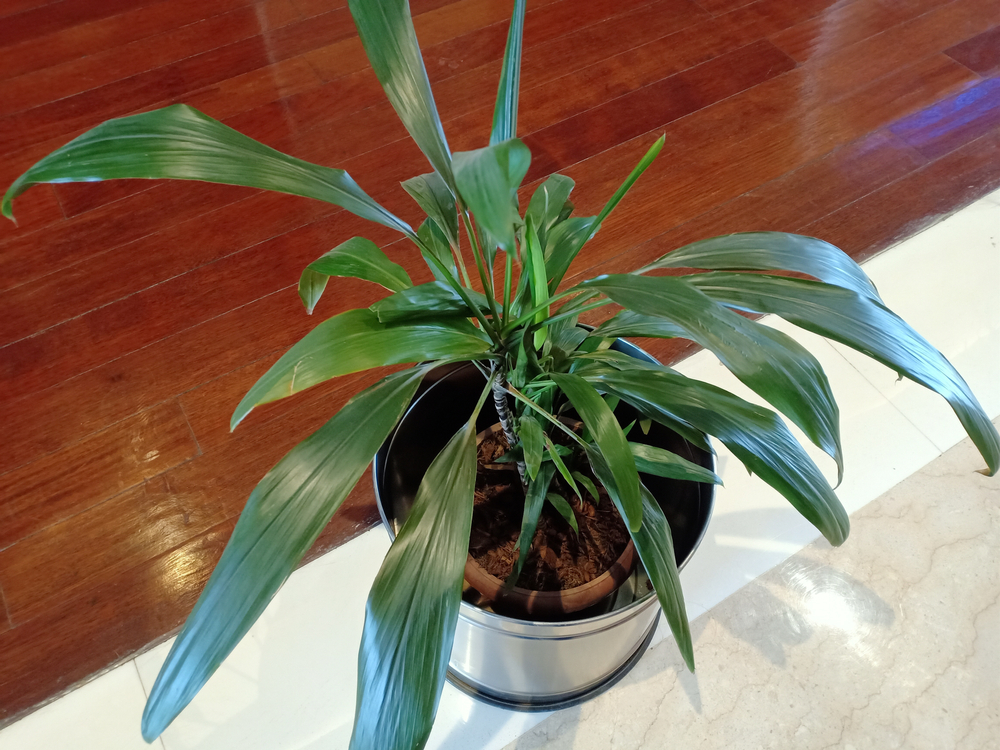
As the name suggests, the cast iron plant is known for its hardiness, capable of thriving in low-light conditions. Its deep green, broad leaves add a touch of elegance to indoor spaces, even in winter when natural light is scarce. This plant does well in shaded areas, making it perfect for darker corners or spaces with minimal sun exposure. It is a low-maintenance option, requiring very little attention to flourish.
Cast iron plants can handle neglect better than many other houseplants. They are tolerant of both low light and fluctuating temperatures. Additionally, they prefer infrequent watering, making them suitable for people who may not have time for regular plant care. With its tolerance for tough conditions, the cast iron plant remains a favorite for both novice and seasoned gardeners.
Peace Lily (Spathiphyllum)
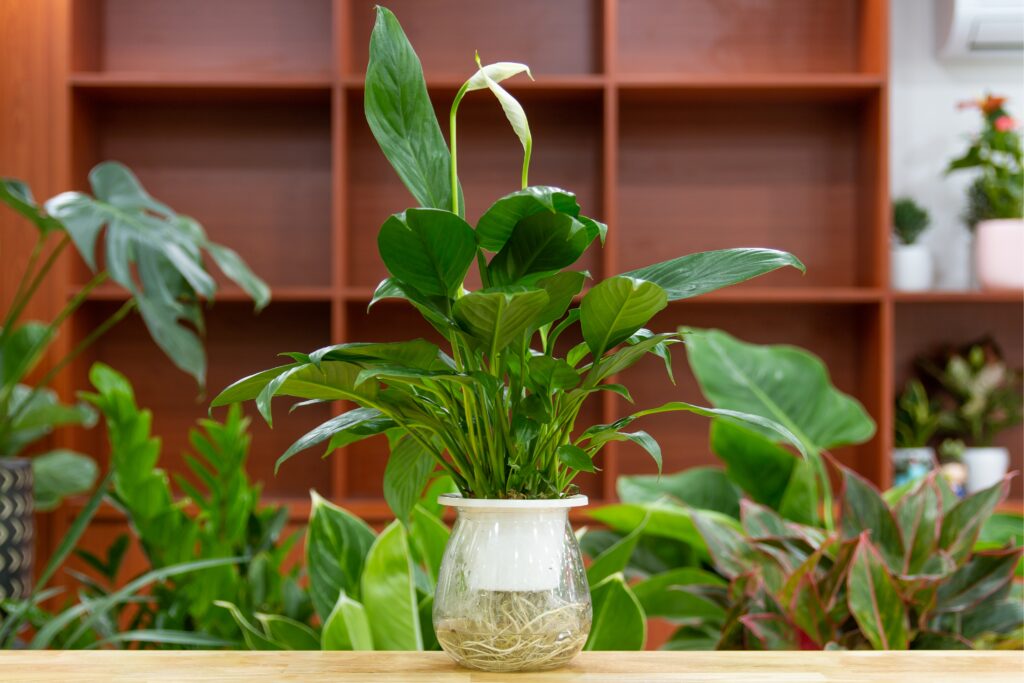
Peace lilies are renowned for their beautiful white blooms and ability to thrive in low light. They can adapt to darker corners of your home, making them a great fit for rooms with limited sunlight in January. The peace lily is also known for its air-purifying qualities, which adds a practical benefit to its aesthetic appeal. While they enjoy indirect light, they can also survive in dimmer conditions.
This plant’s glossy green leaves contrast beautifully with its elegant white flowers. Peace lilies require moderate watering, ensuring the soil is kept moist but not soggy. They also have a reputation for flowering even in low-light conditions, making them a unique choice among houseplants. With minimal care, peace lilies can remain vibrant throughout the winter months.
Aloe Vera
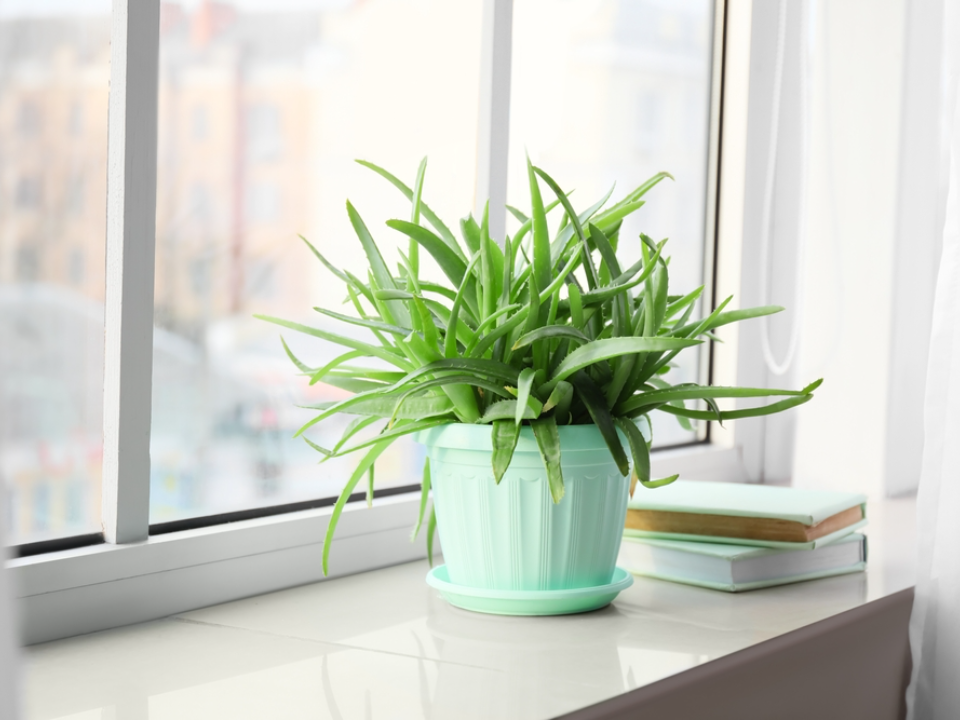
Aloe vera is a versatile succulent that thrives in indirect light, making it ideal for the winter season. It needs very little water, as it stores moisture in its fleshy leaves, making it perfect for those who may forget to water their plants regularly. Aloe vera does best in bright but indirect light, though it will tolerate lower light levels if needed. Its spiky leaves also bring a modern touch to any indoor space.
In addition to its attractive appearance, aloe vera is known for its healing properties, especially for skin care. The gel inside the leaves can be used to treat burns and skin irritations, making it a practical and beneficial plant to have around. Aloe vera is a low-maintenance plant that only requires occasional care, making it a popular choice for indoor gardening. It can thrive on a sunny windowsill or in a well-lit corner of your home.
Parlor Palm (Chamaedorea elegans)
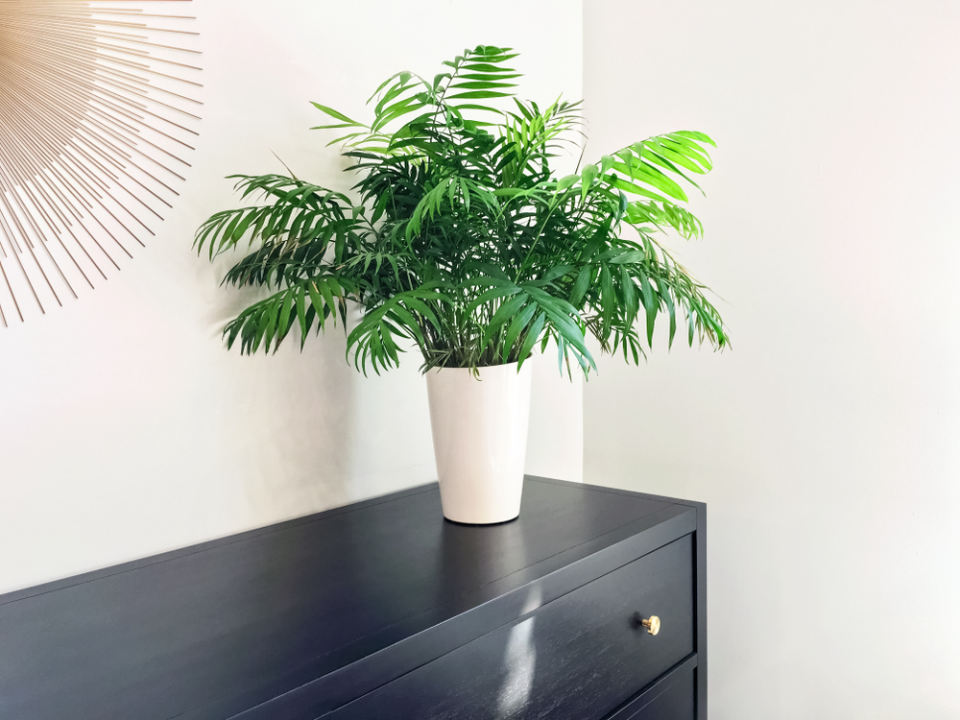
Parlor palms are an excellent option for low-light conditions, especially during the darker winter months. Their graceful, arching fronds make them an attractive addition to any room. Parlor palms are well-suited for places with limited sunlight, as they can thrive in indirect light. They are relatively slow-growing, which makes them an excellent long-term indoor plant.
The plant prefers slightly moist soil and regular, but moderate watering. Parlor palms are perfect for spaces where you need a bit of greenery without worrying about constant sunlight. Their elegant look works well with a variety of interior designs, from traditional to contemporary. With minimal care, this palm can add a tropical feel to your home, even during the coldest months of the year.
Boston Fern (Nephrolepis exaltata)
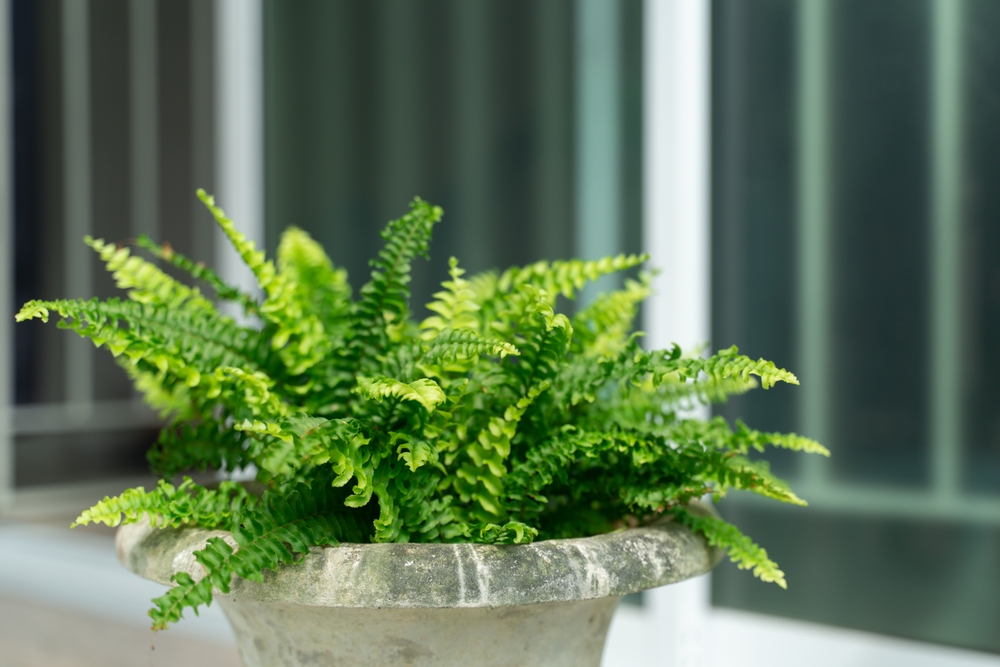
Boston ferns are ideal for areas with low light, though they do appreciate some humidity. These ferns are known for their lush, green fronds that grow in a delicate, feathery pattern. They can thrive in indirect light and are often used as hanging plants or placed in shaded corners. Their ability to tolerate low light makes them a great option for rooms with minimal sunlight in January.
Boston ferns require regular watering to keep the soil moist, but they do not like to sit in water. They are also known for their ability to filter the air, helping to purify your home. With proper care, Boston ferns can continue to grow well into the winter months. Their soft, flowing fronds make them a popular choice for adding texture to any space.
Chinese Evergreen (Aglaonema)
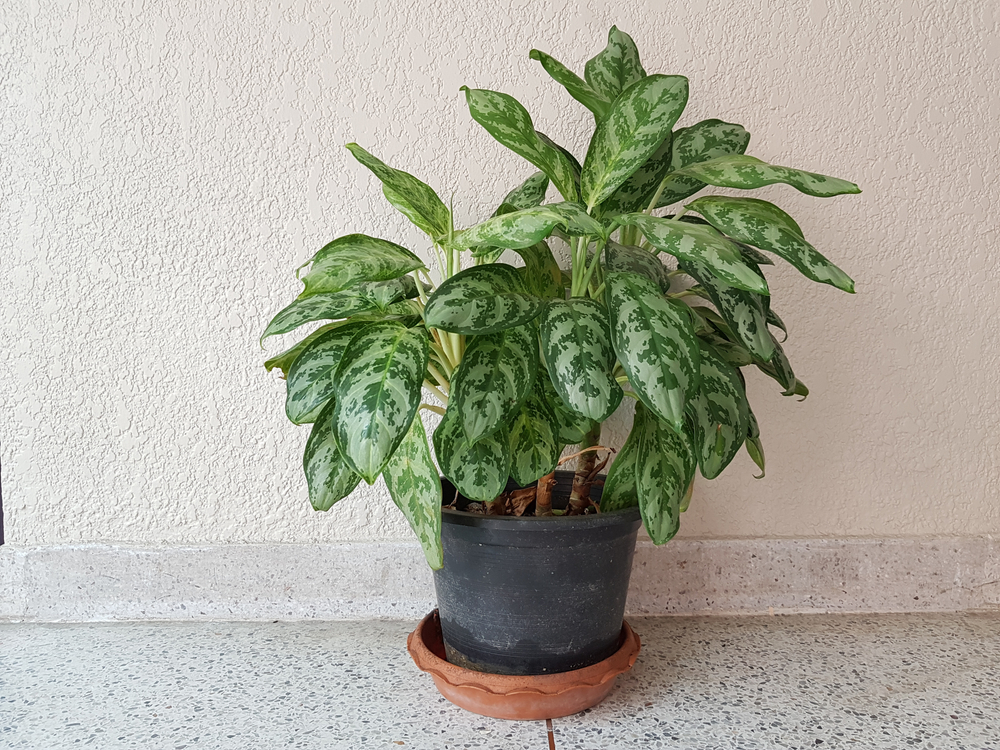
Chinese evergreen plants are incredibly adaptable, thriving in low-light conditions that many other plants struggle in. Their striking foliage, which can range from green to variegated with silver patterns, adds color to any room. These plants are perfect for homes with little natural light, as they can survive with just artificial lighting. Chinese evergreens are also known for their air-purifying qualities.
This plant thrives in humidity and prefers to be watered regularly but not excessively. It is well-suited for placement in bathrooms or other spaces with higher humidity. Chinese evergreens are slow-growing but can live for many years with the proper care. They make an excellent addition to any home that needs a reliable, low-maintenance houseplant.
English Ivy (Hedera helix)
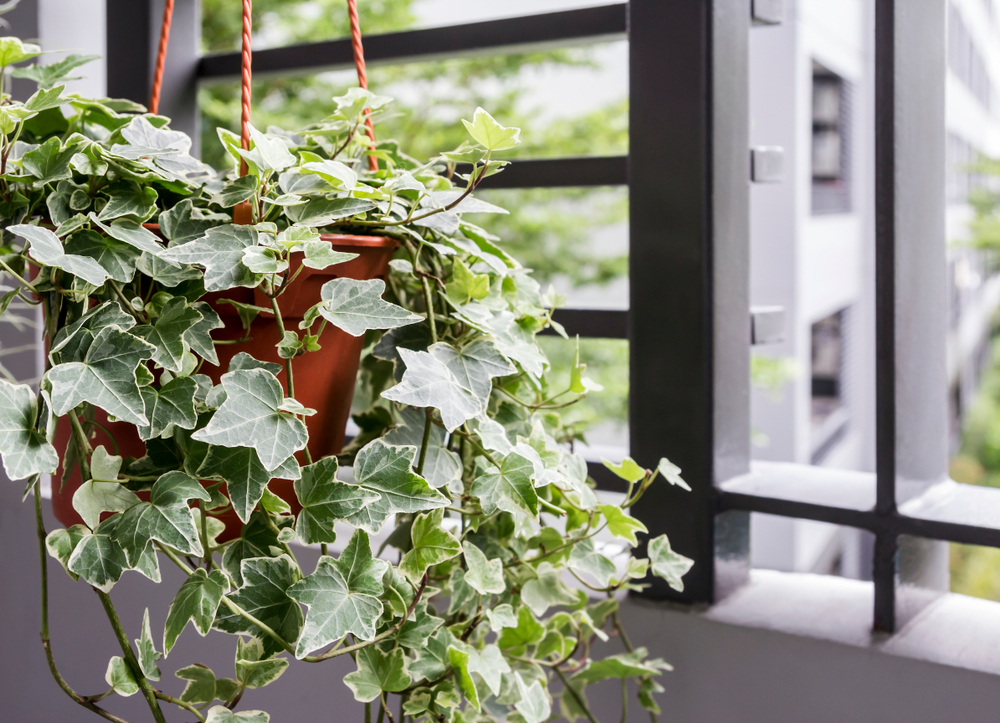
English ivy is another plant that does well in low-light conditions, especially during the winter months when light is limited. This trailing plant can grow both in hanging baskets or as a climber along trellises or walls. English ivy is known for its ability to purify the air, making it a useful addition to any room. It thrives in cool to moderate indoor temperatures, making it an excellent choice for the colder months.
While it can handle indirect light, English ivy will need occasional trimming to keep it from becoming too unruly. It prefers evenly moist soil and does well with regular watering. Its rapid growth and ability to climb and trail make it a versatile option for decorating your home. Whether used as a hanging plant or allowed to climb, English ivy is a low-maintenance and attractive addition to any space.
Dracaena
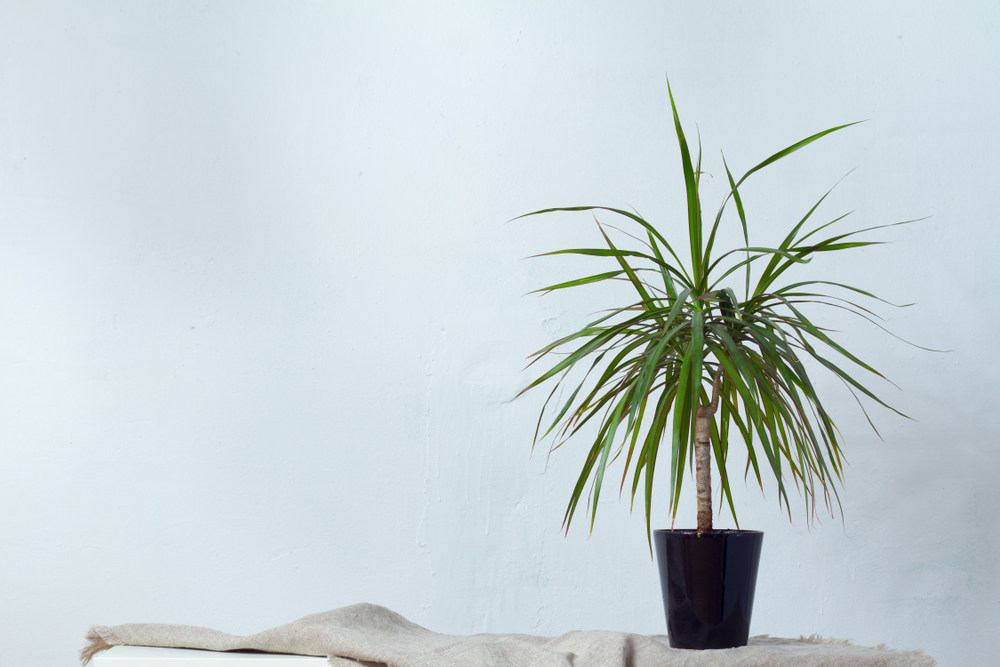
Dracaenas are an excellent choice for low-light environments, especially in homes with less natural light. Their long, narrow leaves come in a variety of colors, including green, yellow, and red, adding a pop of color to any room. Dracaenas thrive in indirect light and can adapt to shadier spots. They are also known for their ability to purify the air, making them beneficial as well as decorative.
Dracaenas require only moderate watering, and they are quite tolerant of neglect. They do well in temperatures ranging from mild to warm, making them suitable for winter indoor gardening. With their sleek, modern appearance, dracaenas are a popular choice for both homes and offices. Their minimal care requirements make them an excellent plant for busy individuals.
Dumb Cane (Dieffenbachia)
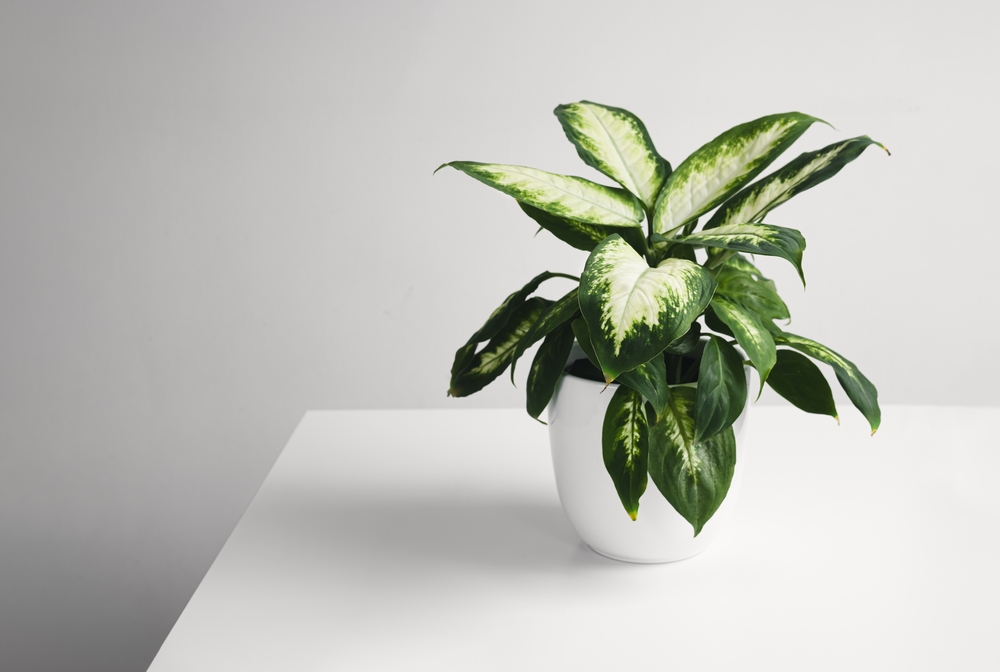
Dumb cane is a low-maintenance houseplant that thrives in low to medium light, making it a great fit for rooms with less sunlight. It is characterized by its large, glossy leaves, which can feature shades of green, yellow, and white. Dumb cane is an easygoing plant that does well in indirect light and requires only occasional watering. It can tolerate a variety of lighting conditions, making it a versatile indoor plant.
This plant’s ability to purify the air adds to its appeal. Dumb cane prefers slightly moist soil, so it is important to avoid overwatering. It can grow to a considerable size, making it ideal for larger spaces. With minimal care, dumb cane continues to flourish throughout the winter, even in less-than-ideal lighting conditions.
Fiddle Leaf Fig (Ficus lyrata)
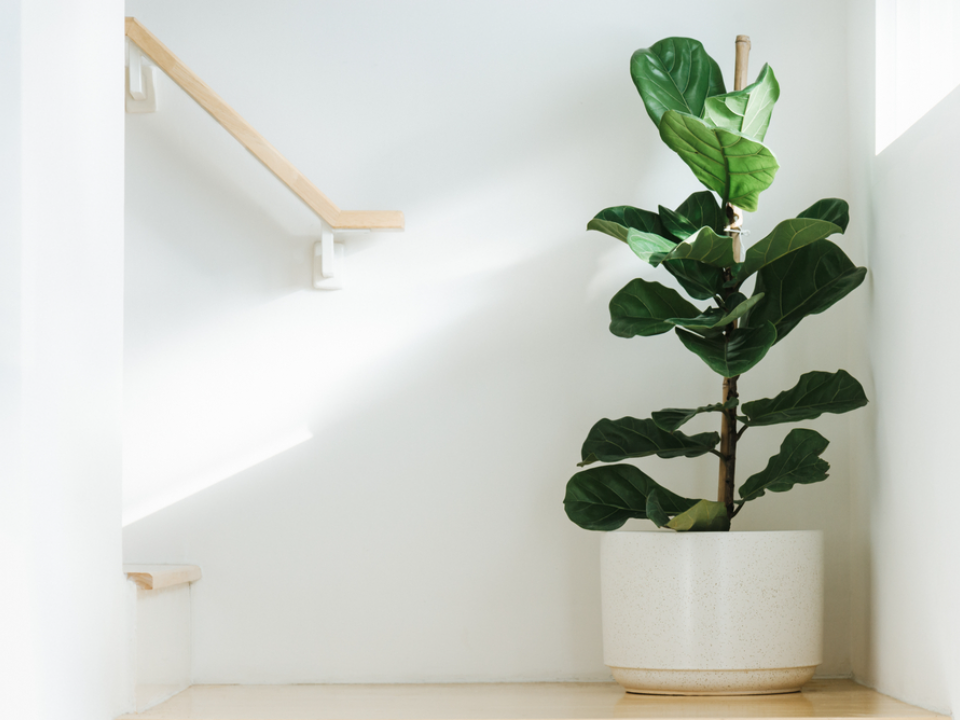
Fiddle leaf figs are known for their large, dramatic leaves, which make them a statement piece in any room. They can adapt to lower light levels, although they do thrive best in bright, indirect light. Fiddle leaf figs are fairly easy to care for, requiring regular watering and occasional dusting of their large leaves. They are well-suited for rooms with limited sunlight in the winter months.
Although they can tolerate low light, they do grow best with more exposure to natural light. They require moderate watering, ensuring that the soil is kept evenly moist. With their unique look and large leaves, fiddle leaf figs make a bold addition to any indoor space. As a hardy plant, they can withstand lower light conditions as long as their care needs are met.
Pilea Peperomioides (Chinese Money Plant)
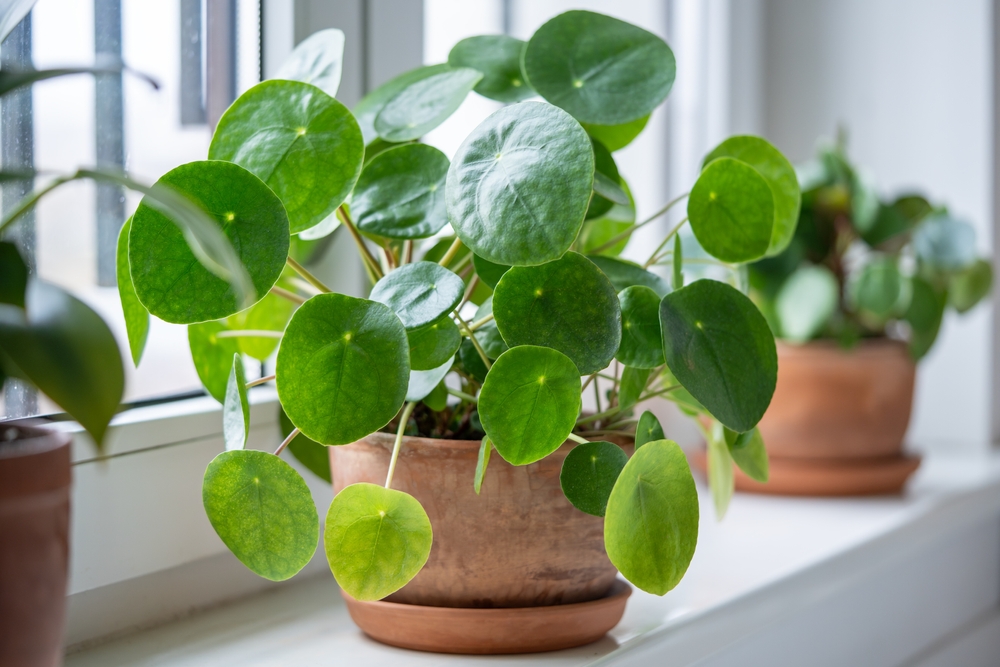
Pilea peperomioides is a popular houseplant due to its unique, coin-shaped leaves. It thrives in low to medium light, making it a great choice for spaces with limited sunlight. While it enjoys bright indirect light, it can also adapt to shadier conditions during the winter months. Pilea is relatively easy to care for, needing only occasional watering when the soil feels dry.
This plant is known for its air-purifying properties and can help brighten any room with its vibrant green leaves. Pilea’s compact size makes it ideal for smaller spaces or tabletops. It is a fast-growing plant, making it a rewarding option for those who want quick results. With its low-maintenance needs, the Chinese money plant is an ideal choice for homes in the winter months.
This article originally appeared on Avocadu.