
13 Houseplants That Bloom in Winter and Brighten Up January
Winter can feel long and quiet, especially when gardens are resting outdoors. Houseplants that bloom during the colder months bring life and color into indoor spaces. These plants offer flowers at a time when most greenery stays still. If January feels dull inside your home, there are options worth knowing about.
This post may contain affiliate links, which helps keep this content free. Please read our disclosure for more info.
Christmas Cactus, Schlumbergera
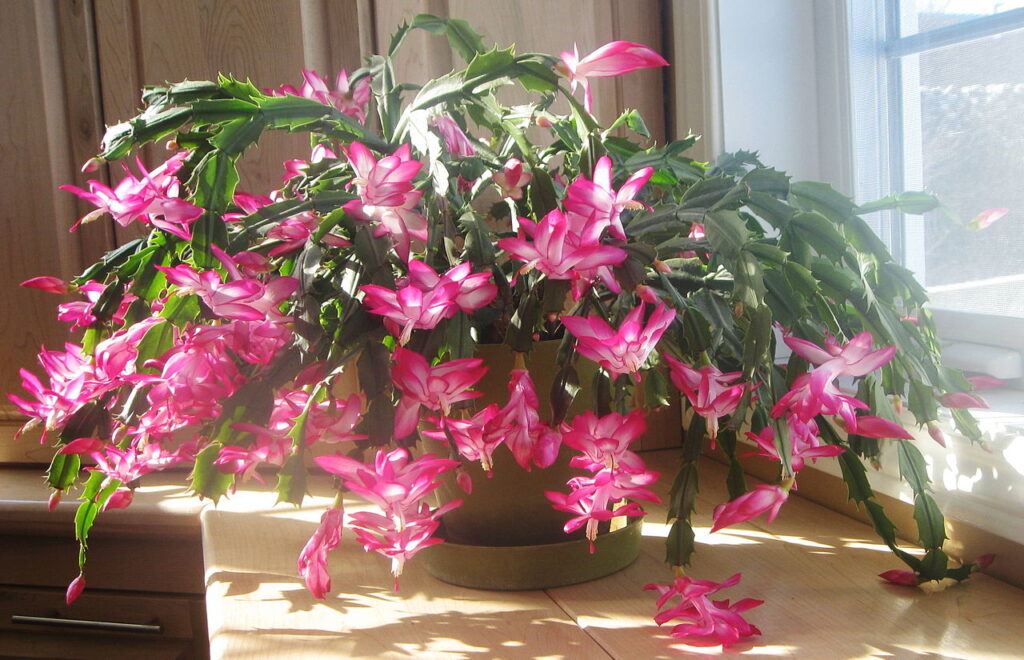
Christmas cactus is famous for sending out tube-like blooms right when days are short and many other plants are resting. The flowers can come in pink, red, white, or peach shades, and the plant often sets buds in late fall then keeps going into winter. It likes a spot near a window with filtered light and steady indoor temperatures. Let the top of the potting mix dry a bit between waterings, because soggy soil is the fastest way to lose buds.
After the last flowers drop, do not toss it, because this plant can live for decades with simple care. If buds form and start to drop, it is usually a reaction to sudden changes like drafts, heat vents, or big shifts in watering. A small rotation is fine, but frequent moving can upset the plant while it is setting buds. A light feeding during active growth helps, then back off once it is flowering.
Phalaenopsis Orchid, Moth Orchid
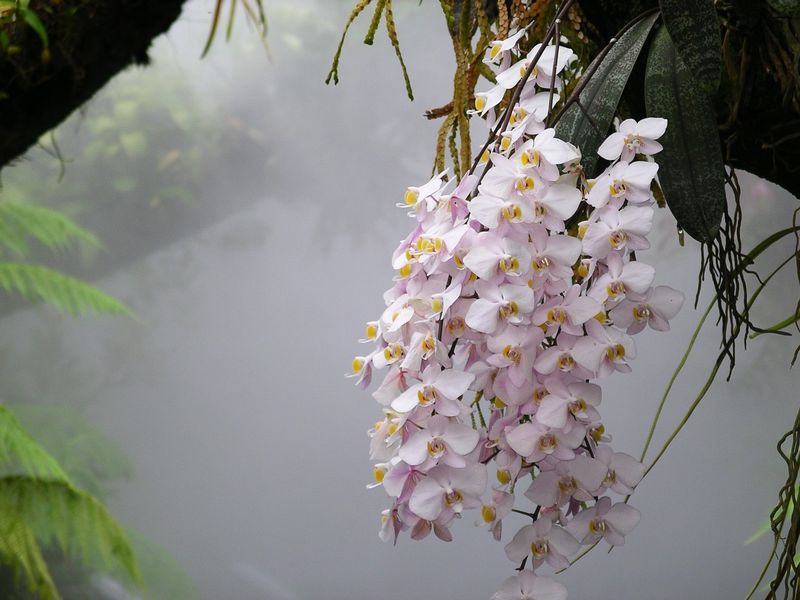
Phalaenopsis orchids are a winter favorite because their blooms can last a long time, making January feel much less dull indoors. Many phalaenopsis set spikes after cooler nights in autumn, then open flowers weeks later. Keep it near a window with filtered light, and avoid cold glass on chilly nights. Water when the potting mix is close to dry, and let excess water drain fully so roots do not sit wet.
When flowers finish, you can keep the plant and coax it to bloom again rather than treating it like a short-term decoration. The key is steady care with good airflow, gentle light, and a bark-style mix that dries between waterings. Bud drop is common if temperatures swing fast or if the plant sits in a draft. If you want repeat blooms, keep the plant healthy through winter and watch for new root growth.
Florist Cyclamen, Cyclamen persicum
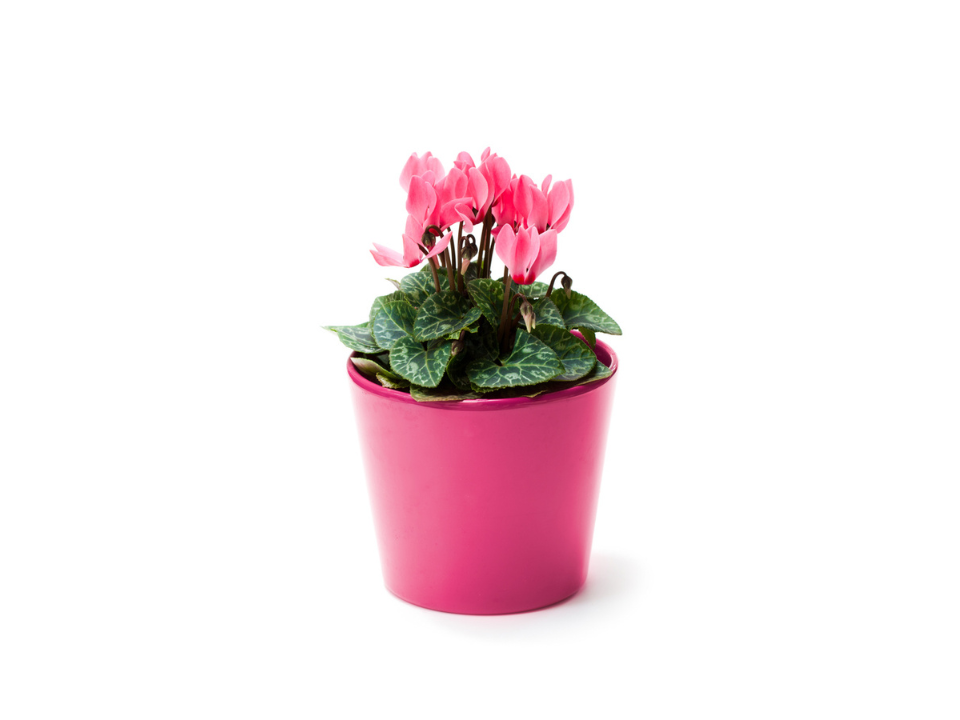
Florist cyclamen is one of the clearest signs of winter indoors, with butterfly-like flowers hovering over marbled leaves. It is commonly sold in bloom in the colder months, and it can keep flowering for weeks when it is kept cool. Place it where it gets filtered light and away from heat sources that dry the plant too fast. Water from below or carefully at the soil level so the crown does not stay wet.
Cyclamen often struggles when it is treated like a typical warm-room houseplant. If the leaves droop, check the soil first, because it dislikes both bone-dry mix and constant wetness. Remove faded flowers and yellowing leaves by gently twisting them off at the base to keep the plant tidy. After the show, many plants go into a rest period, which is normal for cyclamen.
African Violet, Saintpaulia
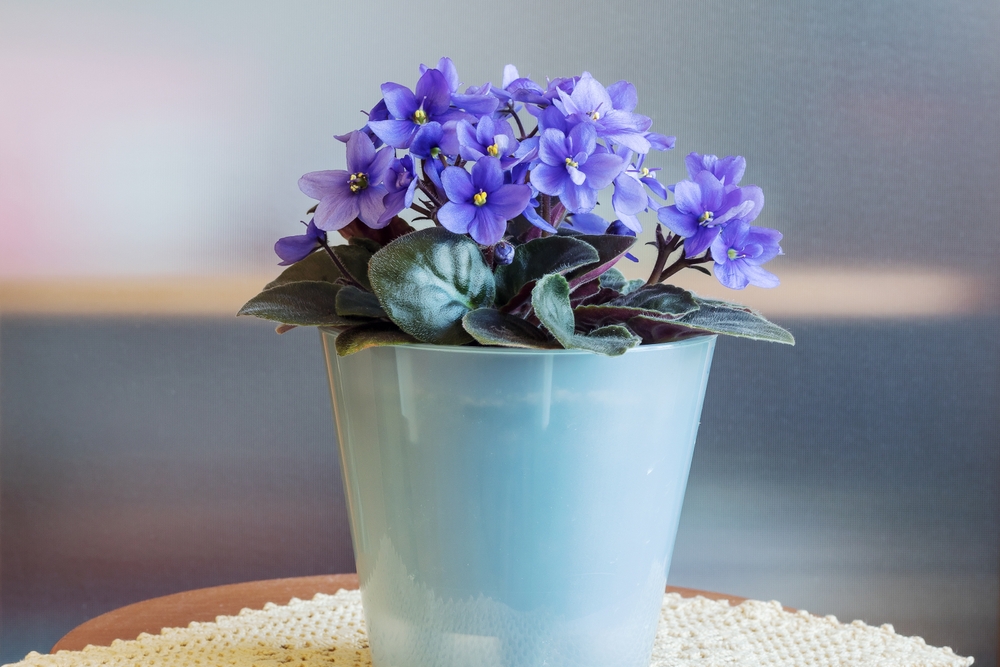
African violets can bloom in winter as long as they get enough steady indoor light and consistent care. Their fuzzy leaves and small clusters of flowers make them easy to enjoy up close on a table or windowsill. Keep them warm, protect them from drafts, and water so the mix stays lightly moist without turning soggy. Many growers prefer bottom watering so the leaves stay dry and clean.
If your plant slows down in January, it is often because the light level dropped, not because the plant is finished. Rotate the pot occasionally so growth stays even, but do not move it from place to place every week. Pinch off spent blooms to keep new buds coming, and use a light feeding routine during active growth. A snug pot can actually help flowering, since many violets bloom better when slightly rootbound.
Kalanchoe, Kalanchoe blossfeldiana
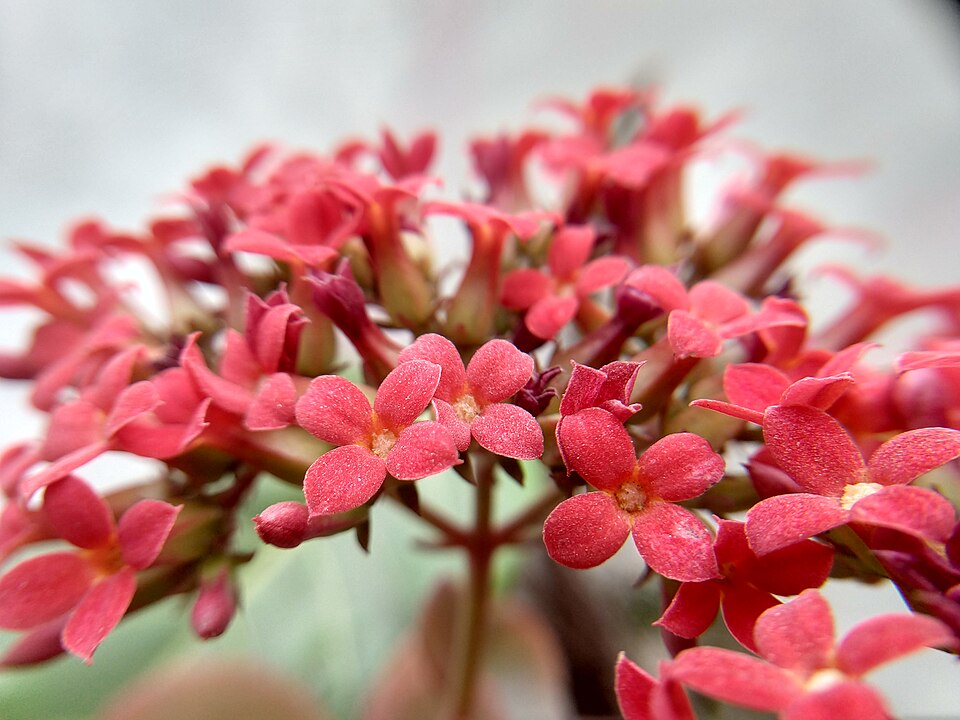
Kalanchoe is a compact flowering succulent that often shows up in winter with tight clusters of blooms. It holds flowers well indoors and is happy on a sunny windowsill with some protection from harsh midday glare. Let the potting mix dry well between waterings, since it stores moisture in its leaves. If the plant stays too wet, stems can soften and the flower display can fade quickly.
The big secret with kalanchoe is that it is usually sold at peak bloom, so good care stretches the show into January. Deadhead spent clusters so the plant looks fresh and can put energy into remaining buds. When flowering ends, keep the plant growing with good light and lighter watering. With the right light routine later on, it can flower again rather than being a one-season plant.
Amaryllis, Hippeastrum
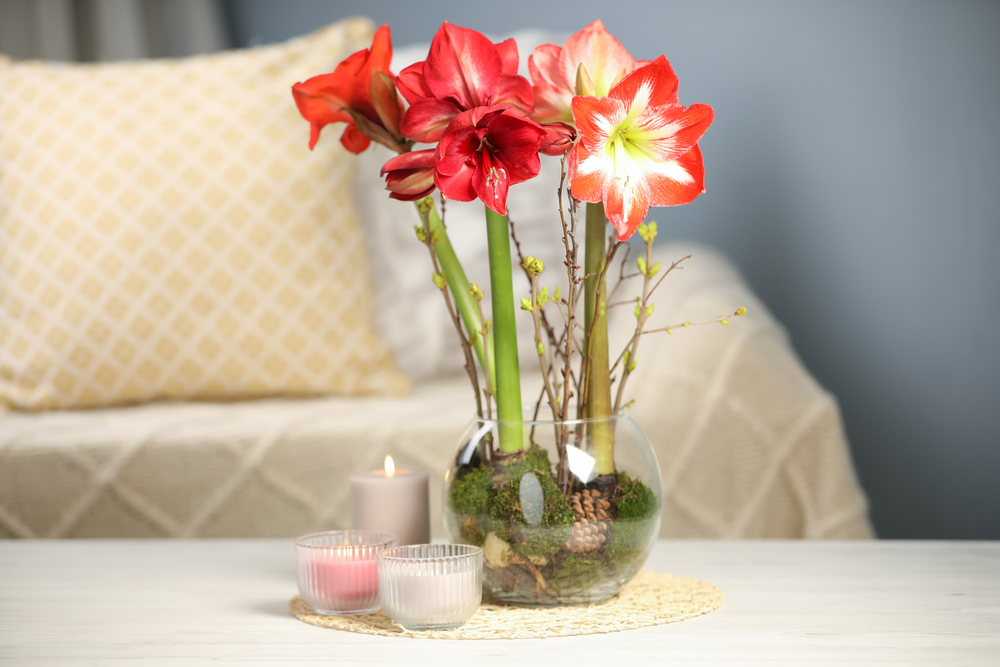
Amaryllis is the classic winter bulb that can push up a thick stalk and huge trumpet flowers when you least expect it. Many people buy it for holiday color, but it can also be timed for later winter flowers, including January and February. Keep it in a warm room with good light and rotate the pot so the stalk does not lean. Water lightly until growth is well underway, then water more regularly while it is actively growing.
Once the flowers fade, cut the spent stalk but keep the leaves, because the leaves recharge the bulb. If you want blooms again, the bulb needs a rest period later on, then a restart with watering at the right time. This timing makes it possible to enjoy flowers well into winter. Amaryllis often becomes a yearly tradition rather than a one-time purchase.
Paperwhite Narcissus
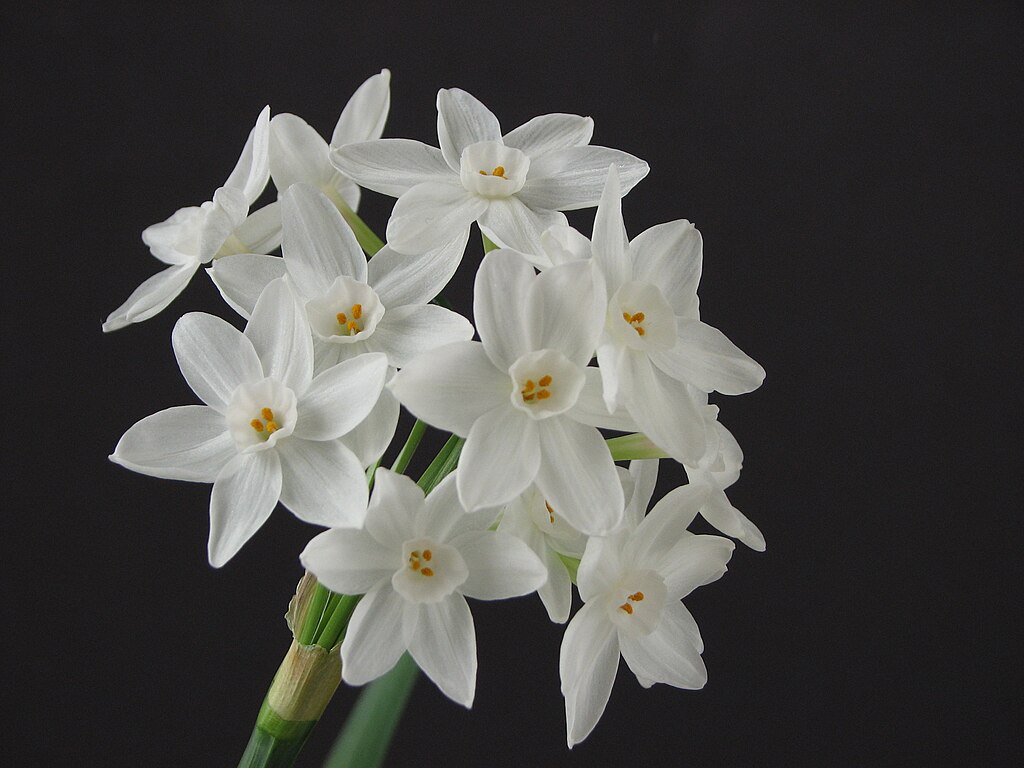
Paperwhites are one of the easiest winter bloomers because they can flower indoors without a long chill like many other bulbs. Their small white blooms and fragrance can fill a room, which feels especially welcome during January. Stagger plantings in late fall and early winter if you want waves of flowers rather than one short display. Once blooms open, moving the pot to a cooler spot with indirect light can help the flowers last longer.
Paperwhites do best when they are kept evenly moist but not sitting in water. If stems stretch and flop, it is usually a sign the plant is reaching for more light or sitting too warm. A simple stake or a nearby window with filtered light can keep the display tidy. Enjoy them for what they are, a fast winter show that is easy to repeat.
Indoor Azalea, Florist Azalea
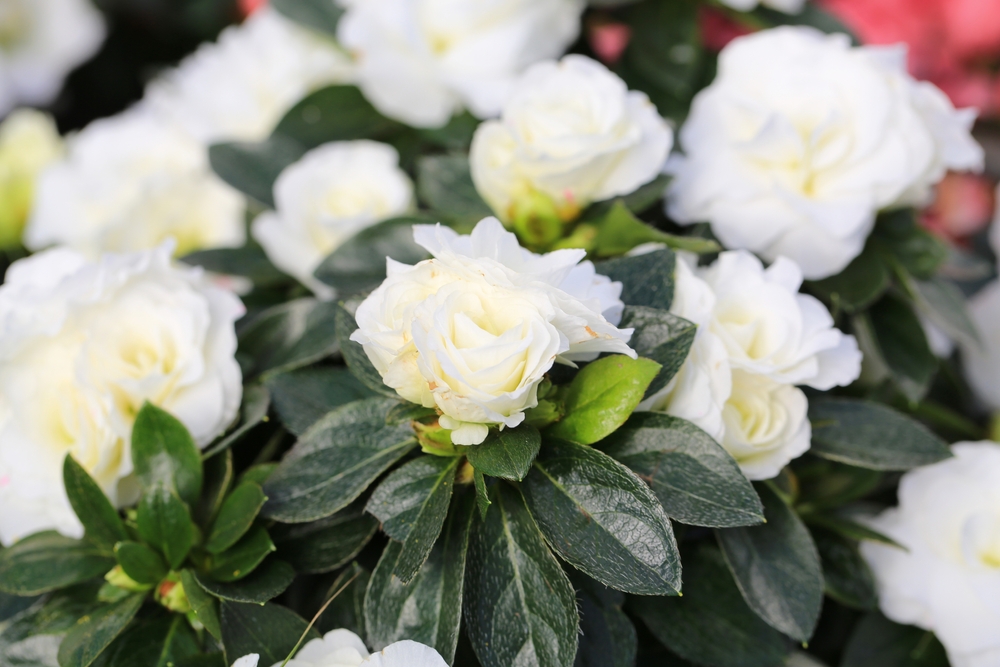
Indoor azaleas are sold as houseplants for their winter flower display, and the blooms can cover the plant like a living bouquet. They do best in a cool spot with good light, which helps the flowers last longer. Keep the soil evenly moist, because even one major dry-out can cause buds to drop. Higher humidity helps, so a pebble tray can make a difference in a dry room.
After flowering, the plant can be kept going, but it still needs careful watering and a suitable location. If the plant is pushed too warm, it often declines fast once the flowers are gone. Treat it gently through winter, and you have a better chance of repeat blooms. Many people keep them for seasonal color, then decide later whether to keep them long term.
Poinsettia, Euphorbia pulcherrima
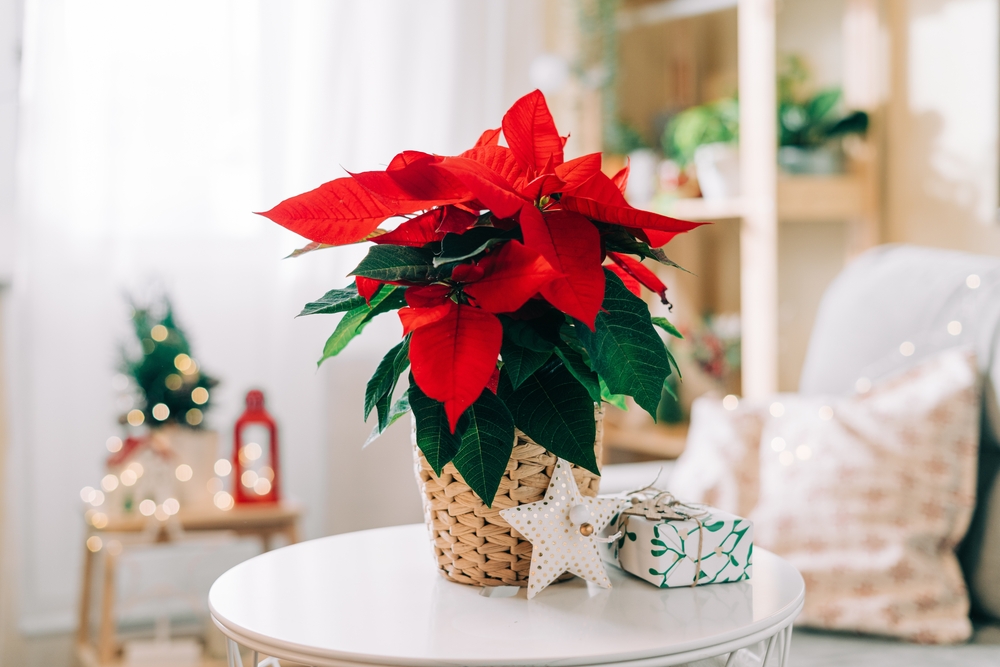
Poinsettia is known for winter color, and what most people call the flower is actually colored bracts surrounding tiny yellow true flowers. The color change is tied to short winter days rather than temperature alone. Set it where it gets strong daytime light without harsh direct sun, and keep it away from drafts. Water when the top of the mix feels dry, and do not let the pot sit in water.
A healthy poinsettia can look good well past the holidays, sometimes into late winter, if conditions stay steady. Leaf drop is often tied to temperature stress, low light, or watering problems. If you want rebloom later in the year, it needs long nights of uninterrupted darkness for weeks. Even without rebloom plans, it can carry your space through January with steady color.
Rieger Begonia, Begonia x hiemalis
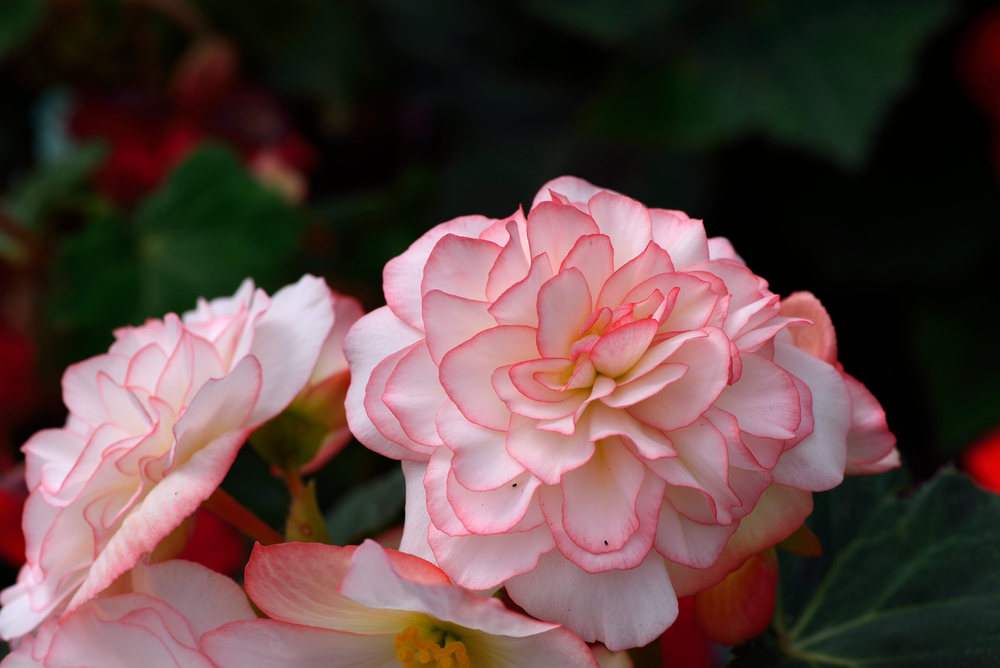
Rieger begonias are known as winter-flowering begonias, which makes them a strong choice for indoor color in January. They have dense clusters of blooms and a tidy shape that works well on a table near a window. Give them filtered light, keep them away from drafts, and water when the top layer of mix feels dry. Too much water can cause quick decline, so balance matters.
Humidity plays a role, especially in homes that run dry during winter. If blooms crisp at the edges, the air may be too dry or the plant dried out too fast. Remove spent flowers so the plant stays neat and keeps pushing new buds. With steady care, a Rieger begonia can stay attractive for weeks.
Cape Primrose, Streptocarpus
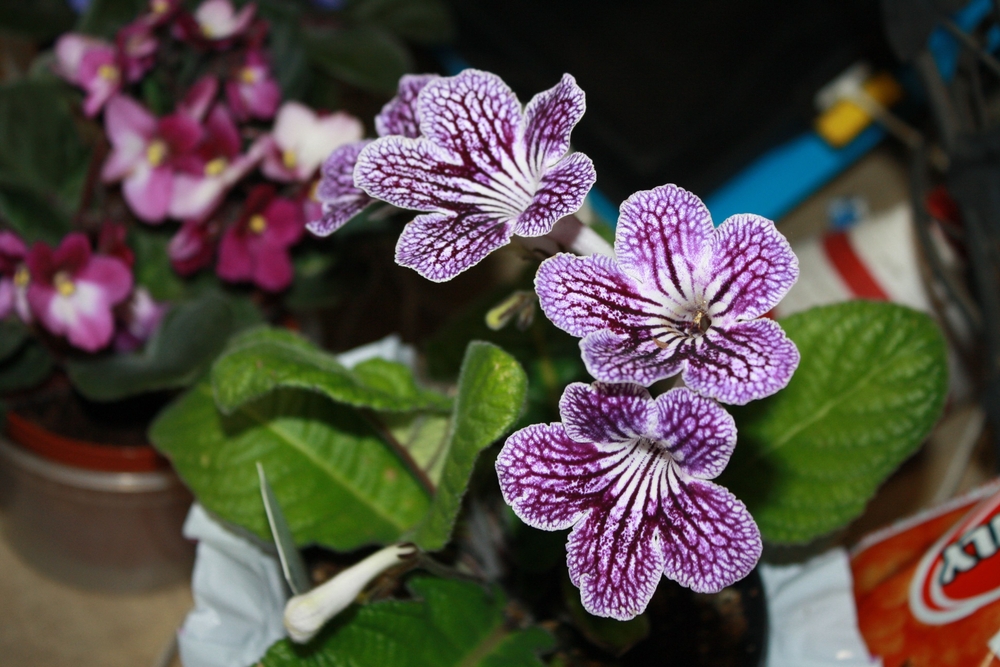
Cape primrose, often called streptocarpus, is a generous bloomer that can keep flowers coming through winter in the right indoor setup. It prefers good light without hot direct sun and evenly moist soil that never turns soggy. The blooms often appear in purple, blue, or pink shades and stand out against soft green leaves. It fits well on shelves or tables where light is steady.
If flowering slows in January, light is usually the reason rather than temperature. Move it closer to a brighter window with filtered light if needed. Pinch off old flower stems at the base so the plant keeps producing new ones. A gentle feeding routine during active growth can help maintain steady blooming.
Crown of Thorns, Euphorbia milii
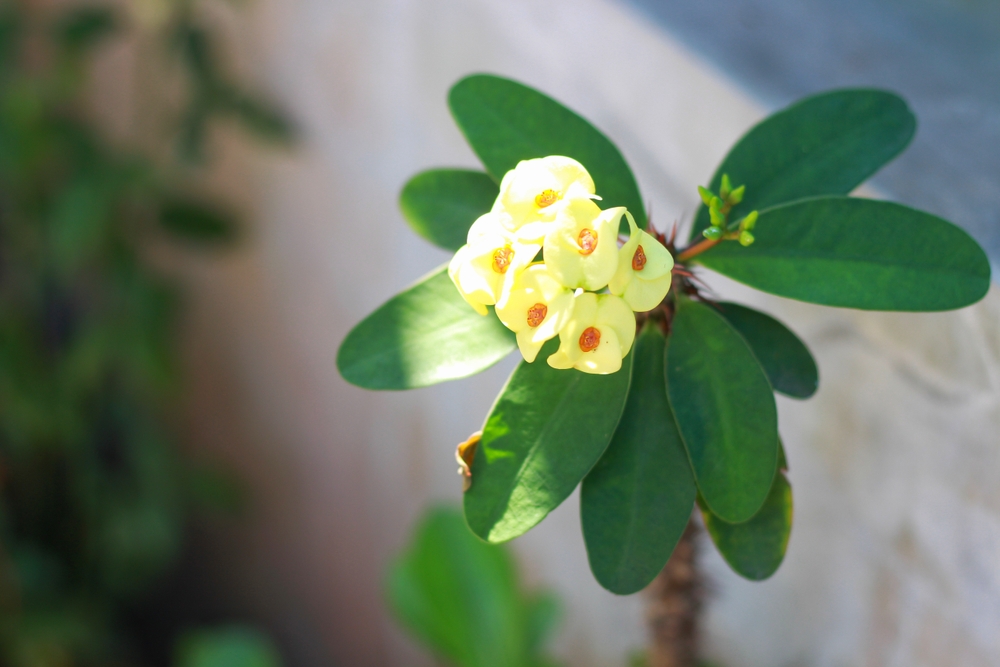
Crown of thorns is a tough succulent shrub that can bloom indoors through winter with little fuss. It prefers a sunny window and soil that dries between waterings. Constant moisture is the fastest way to cause trouble with this plant. Because it has thorns and milky sap, careful handling is important.
During January, this plant works well because it tolerates drier indoor air better than many flowering plants. If blooming slows, it usually needs more light rather than more water. Light pruning can help shape the plant and encourage new growth. It suits gardeners who want flowers without daily attention.
Guzmania Bromeliad
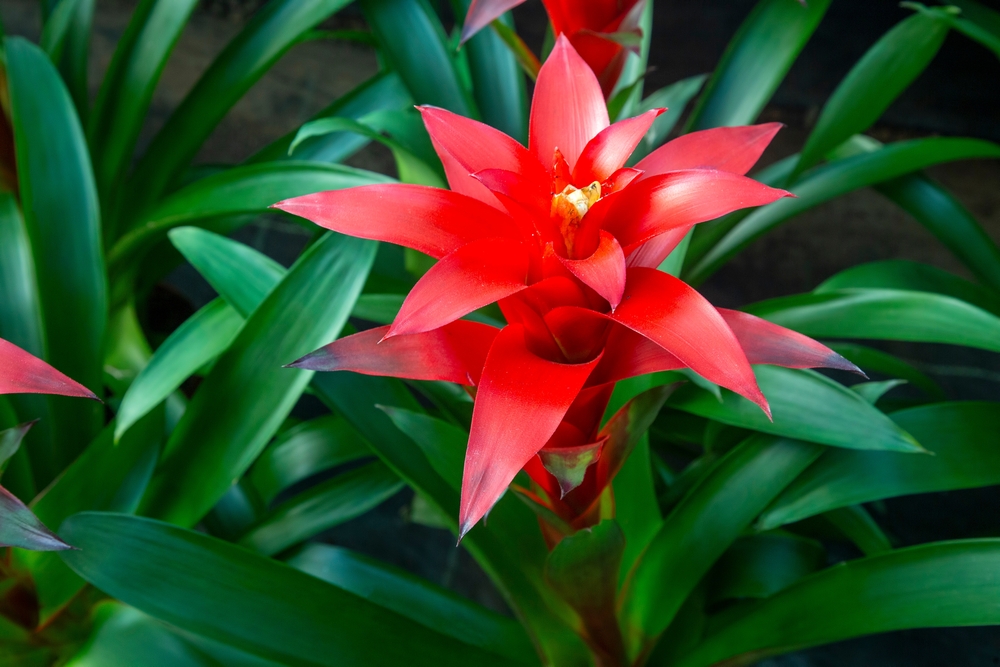
Guzmania bromeliads are known for a long-lasting color spike that can hold for months. The colorful part is made up of bracts rather than true flowers, which explains why the display lasts so long. Keep it in indirect light and water the central cup and potting mix lightly. Warmth and humidity help, but avoid soaking the roots.
Bromeliads bloom once, then the main plant slowly declines while producing pups at the base. This allows you to continue growing the plant by separating pups later on. A plant bought in bloom can still look good well into January. Think of it as a slow winter show rather than a short burst of color.
This article originally appeared on Avocadu.