
15 Horror Movies That Still Feel Creepy Years Later
Some horror movies are timeless, continuing to send chills down your spine long after the first watch. From eerie atmospheres to unforgettable moments, these films remain unsettling years later. There is something about their storytelling that sticks with you, haunting your thoughts. If you enjoy a good scare, these movies are worth revisiting.
This post may contain affiliate links, which helps keep this content free. Please read our disclosure for more info.
The Shining (1980)
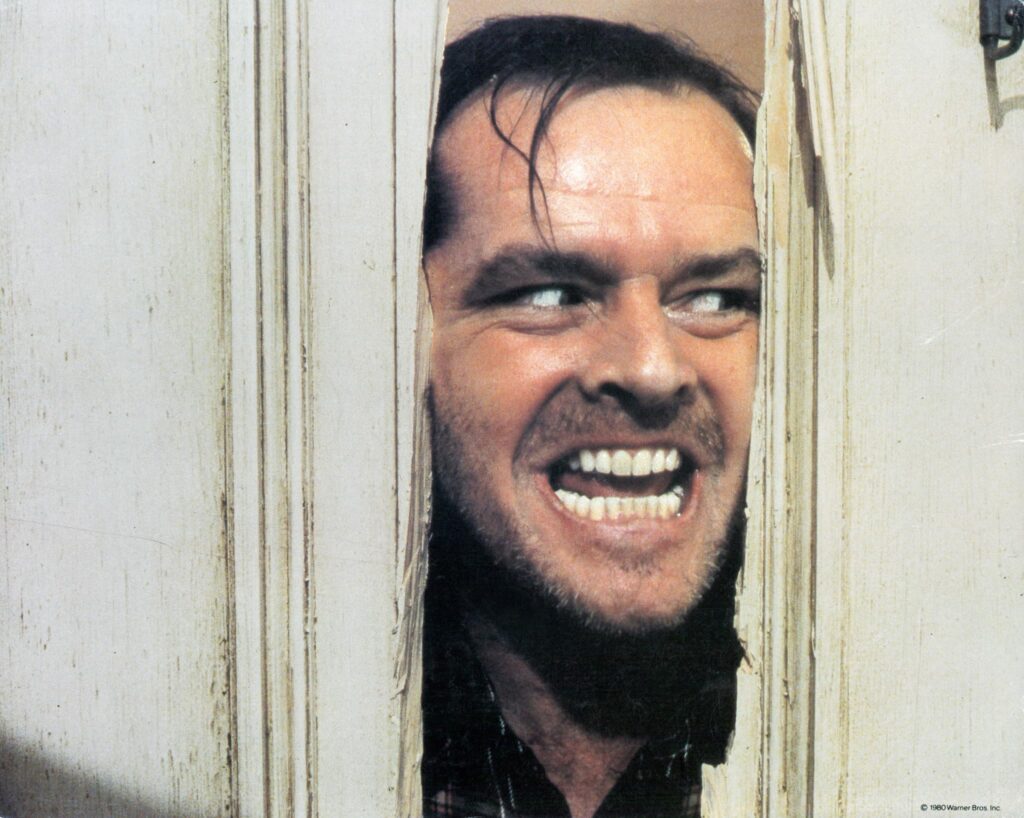
Stanley Kubrick’s The Shining has remained one of the most chilling films in the horror genre since its release. Based on Stephen King’s novel, the movie follows the story of Jack Torrance, a winter caretaker at the isolated Overlook Hotel, who slowly descends into madness. Kubrick’s mastery of atmosphere, coupled with Jack Nicholson’s unsettling performance, keeps the tension high throughout the film. The eerie, seemingly endless halls of the hotel, along with the iconic blood-filled elevator scene, still have the power to make viewers shiver.
Even after decades, The Shining has not lost its unsettling charm. Its imagery, from the creepy twins to the famous “Here’s Johnny!” moment, is etched into pop culture. The slow-building dread and the film’s ambiguity about what is real versus what is imagined keep it from feeling dated. The psychological horror combined with supernatural elements ensures The Shining remains a cornerstone of the genre.
The Texas Chainsaw Massacre (1974)
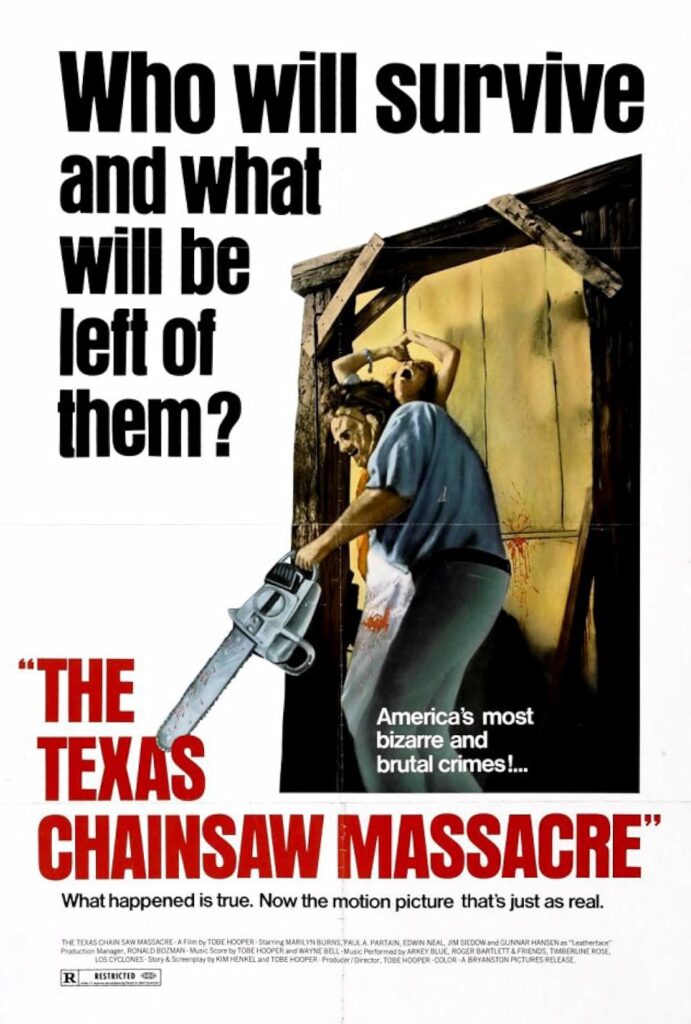
Tobe Hooper’s The Texas Chainsaw Massacre was a groundbreaking film that forever changed horror cinema. The story follows a group of friends who encounter a deranged family, including the infamous Leatherface, in rural Texas. What makes this film so enduringly creepy is its gritty realism and the feeling that what is happening on screen could very well be real. The rough, almost documentary-like cinematography and the unrelenting tension create an atmosphere that still feels intense.
The horror in The Texas Chainsaw Massacre is not just in the gore, but in the sense of helplessness it instills. Leatherface, with his mask made from human skin, remains one of the most terrifying figures in film history. While it is not overly graphic by today’s standards, its raw intensity and minimalist approach to horror keep it timeless. This film has influenced countless movies, ensuring its legacy in the horror world remains intact.
The Exorcist (1973)
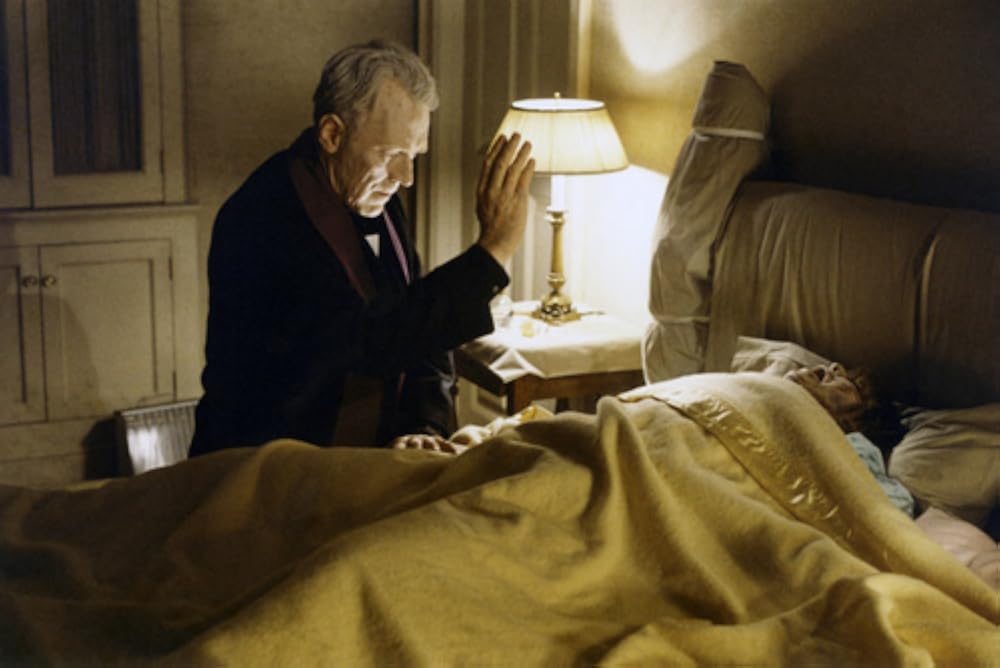
William Friedkin’s The Exorcist remains one of the scariest movies ever made, primarily because of its terrifying portrayal of demonic possession. Based on William Peter Blatty’s novel, it follows a young girl named Regan, who becomes possessed by an evil force. The eerie combination of the grotesque makeup, unsettling sounds, and the horrifying transformations make it difficult to forget. The sense of dread builds not only from the supernatural elements but from the helplessness of Regan’s mother and the priests trying to save her.
The film’s realistic portrayal of exorcism rituals, along with its shocking visuals, ensured The Exorcist left a lasting impact. The infamous scene with Regan’s head spinning around and her grotesque levitation still sends chills down the spine. The film explores themes of good versus evil, with the physical and psychological toll on the characters intensifying the horror. It continues to captivate and terrify new generations of viewers.
Rosemary’s Baby (1968)
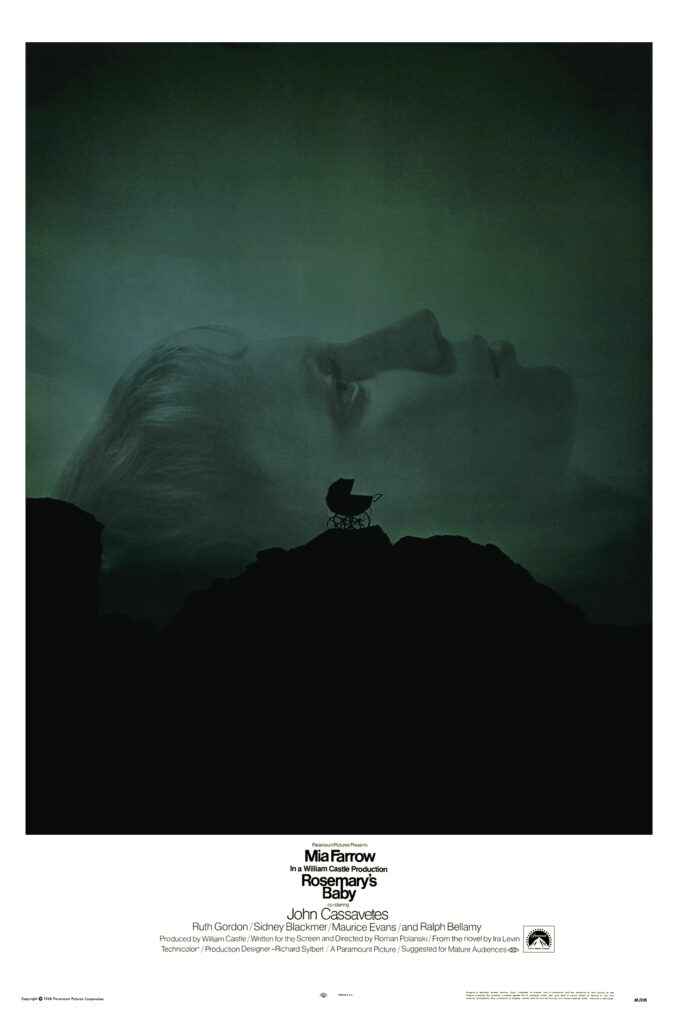
Roman Polanski’s Rosemary’s Baby blends psychological horror with a slow-building tension that leaves viewers on edge. The movie follows Rosemary Woodhouse, a young woman who becomes pregnant and begins to suspect that her neighbors and her husband have sinister plans for her child. The paranoia in the film is what makes it so unsettling, with Rosemary slowly losing her sense of reality. Polanski’s direction and Mia Farrow’s haunting performance make the film one of the creepiest in the genre.
What makes Rosemary’s Baby so effective is the constant feeling of isolation and the slow unraveling of Rosemary’s sanity. The dread is not from overt scares, but from the chilling realization that something terrible is happening just out of sight. The sinister atmosphere, set in the claustrophobic apartment building, only adds to the tension. As Rosemary’s nightmare escalates, the viewer feels her growing fear and helplessness, making the film resonate long after the credits roll.
The Ring (2002)

The Ring introduced a new generation to the terrifying concept of cursed videotapes. Directed by Gore Verbinski, this film follows a journalist named Rachel Keller, who investigates a mysterious videotape that allegedly causes anyone who watches it to die in seven days. The film’s eerie atmosphere, the haunting visuals, and the unsettling mood make it an effective modern horror classic. The scene where Samara crawls out of the television screen remains one of the most iconic horror moments.
The film taps into a deep, primal fear of the unknown and the uncontrollable, making it feel especially unnerving. The slow, deliberate pace builds the tension as Rachel digs deeper into the curse’s origins, with each clue adding to the mystery. The concept of an unstoppable force and the idea that something so mundane as a videotape could hold such malevolent power keeps the film’s horror alive even years later. It remains a modern staple of supernatural horror.
Jaws (1975)
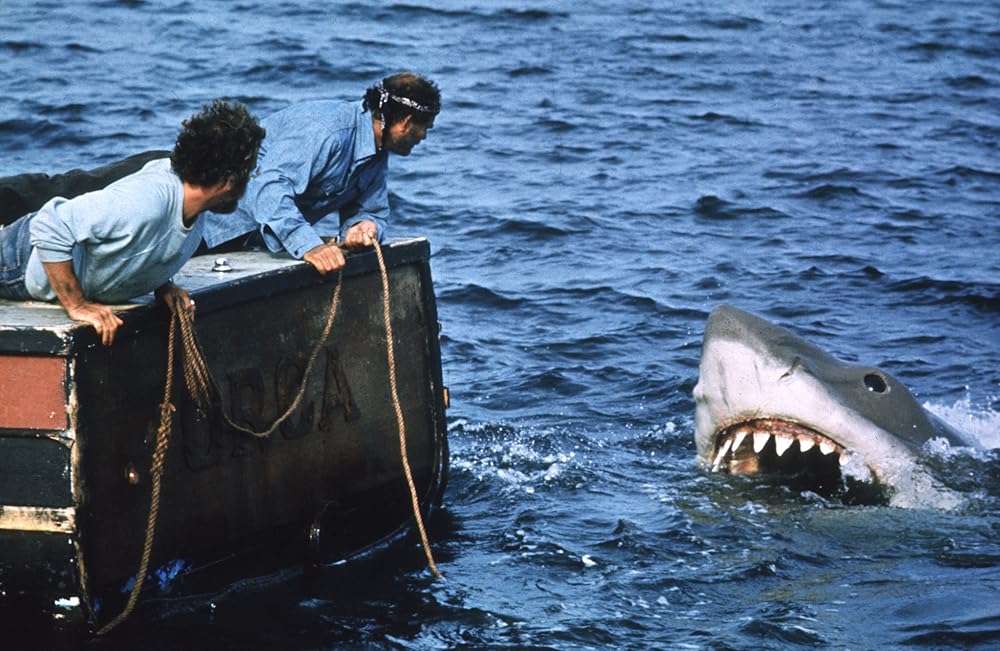
Steven Spielberg’s Jaws is not only a film about a giant shark but also a masterclass in building suspense and fear. When a great white shark terrorizes a small island town, the residents must figure out how to deal with the threat. The fear in Jaws comes not just from the shark, but from the sense of isolation and the tension between the townspeople. Spielberg uses the unseen to heighten the sense of danger, with the shark often being hinted at rather than fully shown.
Jaws continues to be a terrifying experience because of its powerful atmosphere and the relentless tension it creates. The infamous theme song, composed by John Williams, signals impending danger and still brings an unsettling sense of dread. The film is equally about human survival and the fear of the unknown lurking just beneath the surface. Its impact on both the horror and adventure genres ensures it remains a terrifying and exciting watch.
Halloween (1978)
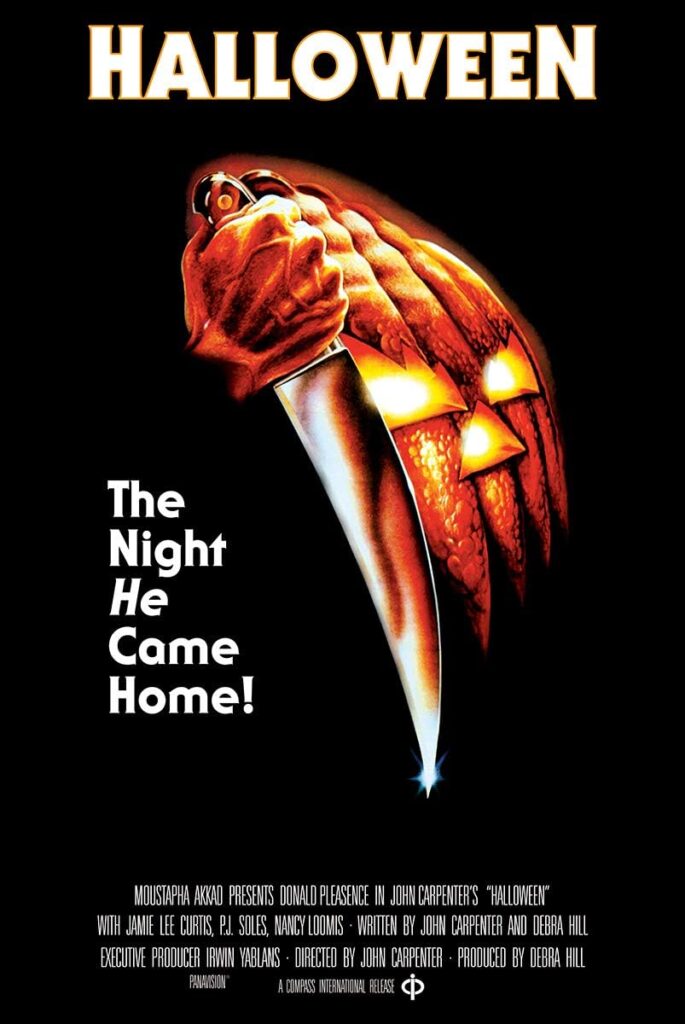
John Carpenter’s Halloween set the template for countless slasher films that followed, and its ability to still creep people out after all these years is a testament to its effectiveness. The film introduces Michael Myers, a masked killer who escapes a mental institution and returns to his hometown to terrorize a group of teenagers. The quiet, deliberate pacing of Halloween builds tension in a way that is still compelling. Carpenter’s score and the cold, expressionless face of Michael Myers have become iconic in horror cinema.
Halloween remains a classic because it focuses on suspense rather than excessive gore. The film doesn’t rely on elaborate special effects, but instead, it builds fear through atmosphere and character development. The haunting presence of Michael Myers, who is relentless and seemingly unstoppable, adds to the terror. As the film unfolds, viewers are left on edge, never knowing when the next attack will come.
Psycho (1960)
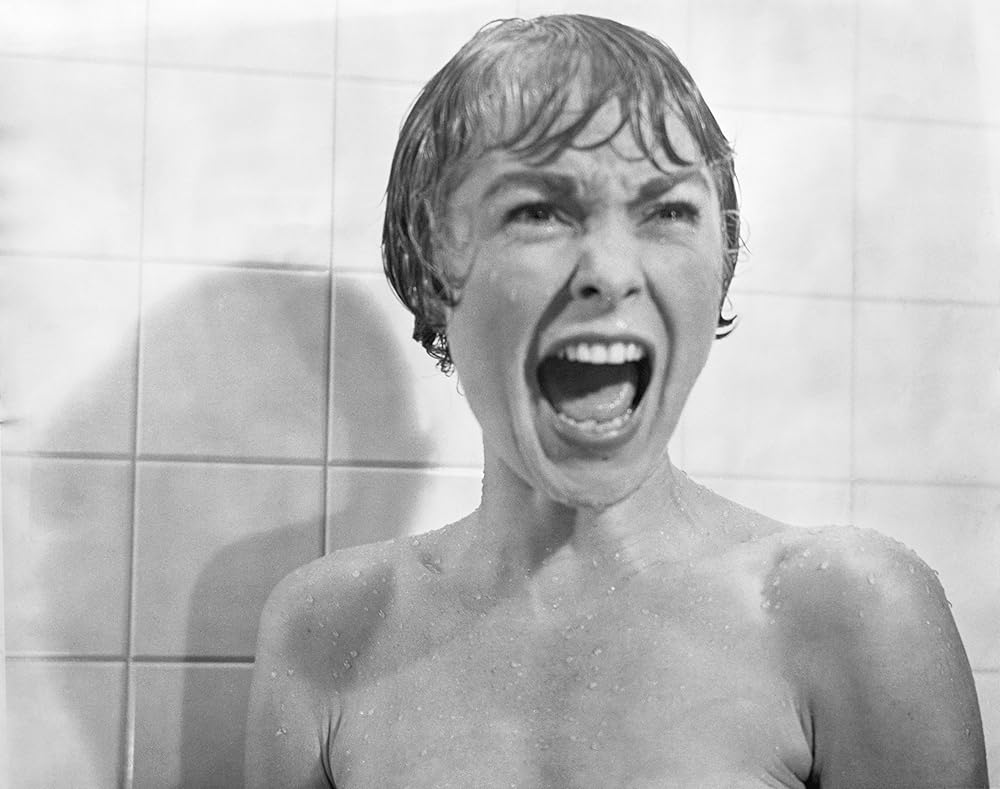
Alfred Hitchcock’s Psycho is a masterful example of psychological horror that still feels unsettling. The film follows Marion Crane, who steals money and ends up at the Bates Motel, where she encounters the mysterious and seemingly harmless Norman Bates. Hitchcock’s careful direction and Bernard Herrmann’s chilling score combine to create a sense of dread that stays with the viewer long after the film ends. The iconic shower scene, which shocks and horrifies, is just one example of Hitchcock’s ability to unnerve the audience.
Psycho is terrifying not just because of its shocking twists but because of the deep psychological layers it explores. The themes of identity, repression, and voyeurism resonate even today, making it more than just a simple slasher film. The tension is built through a series of unsettling moments, where the audience is left unsure of what will happen next. Its enduring influence on the horror genre ensures that Psycho remains a chilling experience for all who watch it.
The Others (2001)
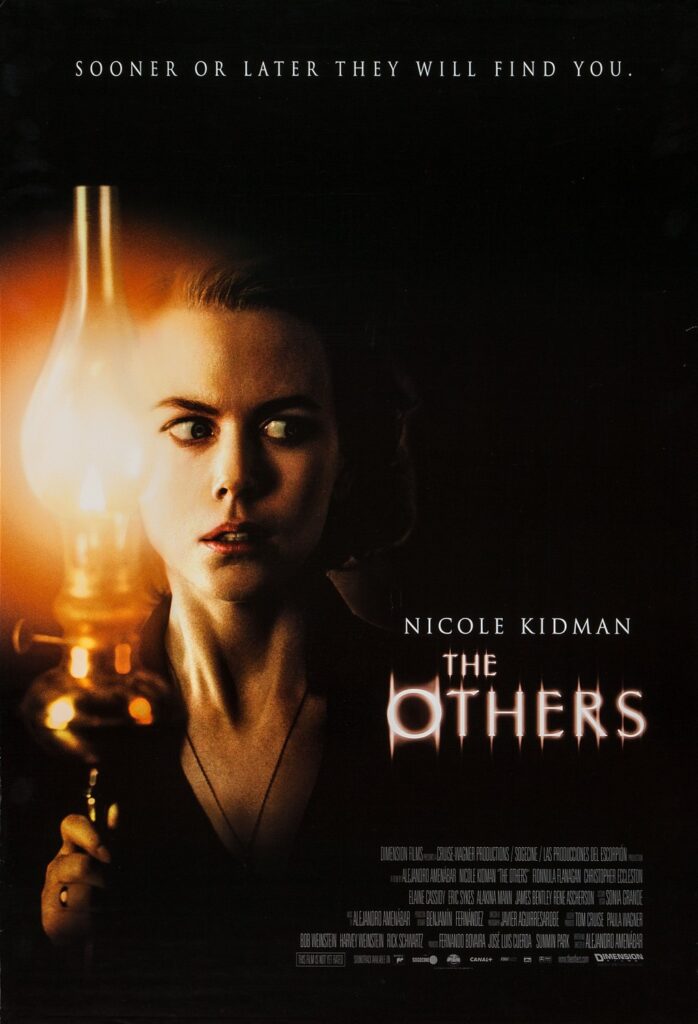
Alejandro Amenábar’s The Others is a psychological horror film that masterfully builds tension with its atmosphere and gradual unraveling of its story. The film is set in a large, dark mansion during World War II, where Grace and her two children live under the strict rules of light and dark. The mystery of what is happening in the house keeps the viewer engaged, with the film’s slow pacing heightening the feeling of unease. The twist ending, when the true nature of the events is revealed, remains one of the most memorable in horror history.
The film thrives on its eerie mood and sense of isolation, leaving viewers to wonder what is real and what is imagined. The gothic setting, with its old-fashioned decor and dark hallways, amplifies the suspense. Nicole Kidman’s haunting performance as Grace, a mother desperately trying to protect her children, adds emotional depth to the story. This film remains one of the creepiest examples of supernatural horror that keeps its unsettling atmosphere long after the credits roll.
Night of the Living Dead (1968)
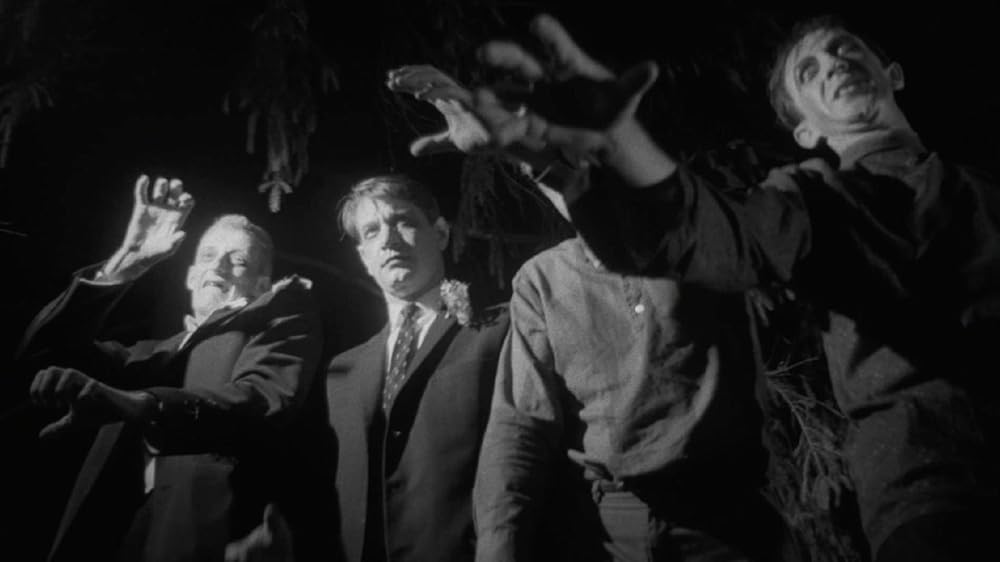
George A. Romero’s Night of the Living Dead is the film that introduced audiences to the modern zombie genre. The movie follows a group of people trapped in a house as they try to survive a zombie outbreak. What makes this film so enduringly creepy is the sense of helplessness it creates, as the characters are outmatched and trapped by the growing hordes of the undead. Romero’s realistic portrayal of violence and societal collapse ensures that Night of the Living Dead remains as unsettling as ever.
The film is groundbreaking not just for its portrayal of zombies, but also for its social commentary on race and survival. The relentless pace and the increasing sense of isolation build tension throughout the film. The zombies, though not as sophisticated as modern depictions, are still terrifying in their relentlessness. This movie has influenced generations of filmmakers and continues to be a chilling watch for modern audiences.
The Blair Witch Project (1999)
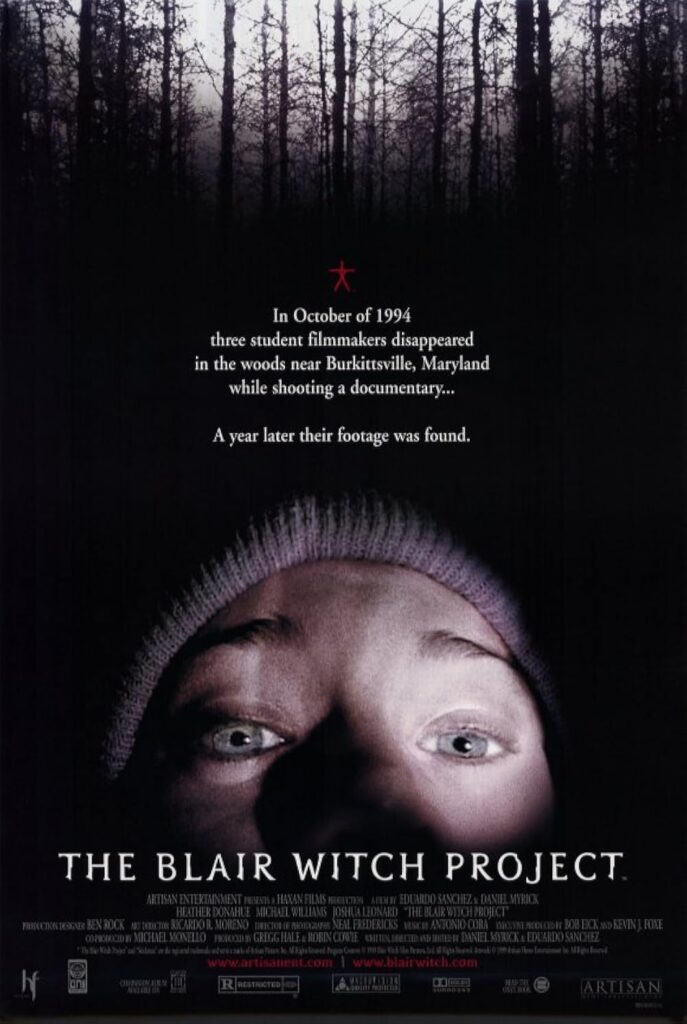
The Blair Witch Project introduced a new wave of horror with its found footage style, and it still feels deeply unsettling. The film follows three filmmakers who venture into the woods to investigate the legend of the Blair Witch, only to find themselves lost and tormented by unseen forces. The minimalist approach to horror, with most of the terror left to the imagination, is what makes it so effective. The shaky camera work and the feeling of being lost in the woods build a sense of helplessness and dread.
The film’s success lies in its ability to make the viewer feel like they are experiencing the terror firsthand. The sense of isolation and the lack of clear answers create a feeling of unease that lingers after the film ends. The ambiguity surrounding the Blair Witch and the characters’ fates only adds to the terror. This film remains a landmark in horror cinema for its unique style and ability to leave a lasting impression.
The Witch (2015)
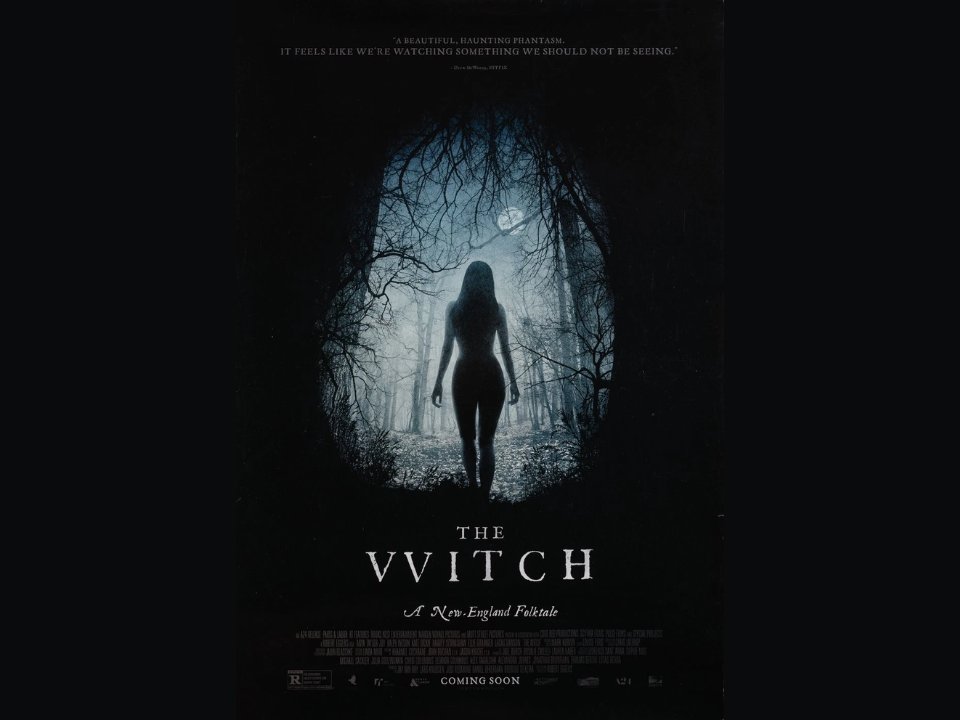
Robert Eggers’ The Witch is a slow-burning horror film set in 17th-century New England, and it is a masterclass in atmosphere and dread. The film tells the story of a Puritan family that begins to unravel as they are faced with a supernatural force in the woods. The tension is palpable as the family’s fear and paranoia grow, with each new event escalating their descent into madness. The bleak, isolated setting and the stark cinematography give the film a haunting, unsettling feel.
The Witch is a departure from more modern horror films in that it relies on atmosphere and period-accurate details rather than jump scares. The performances, particularly from Anya Taylor-Joy as Thomasin, are unnerving, and the film’s slow pace only makes the terror feel more real. The eerie score and the ever-present dread of the forest contribute to its lasting creepiness. This film’s ability to disturb with its subtlety ensures it will remain unsettling for years to come.
An American Werewolf in London (1981)
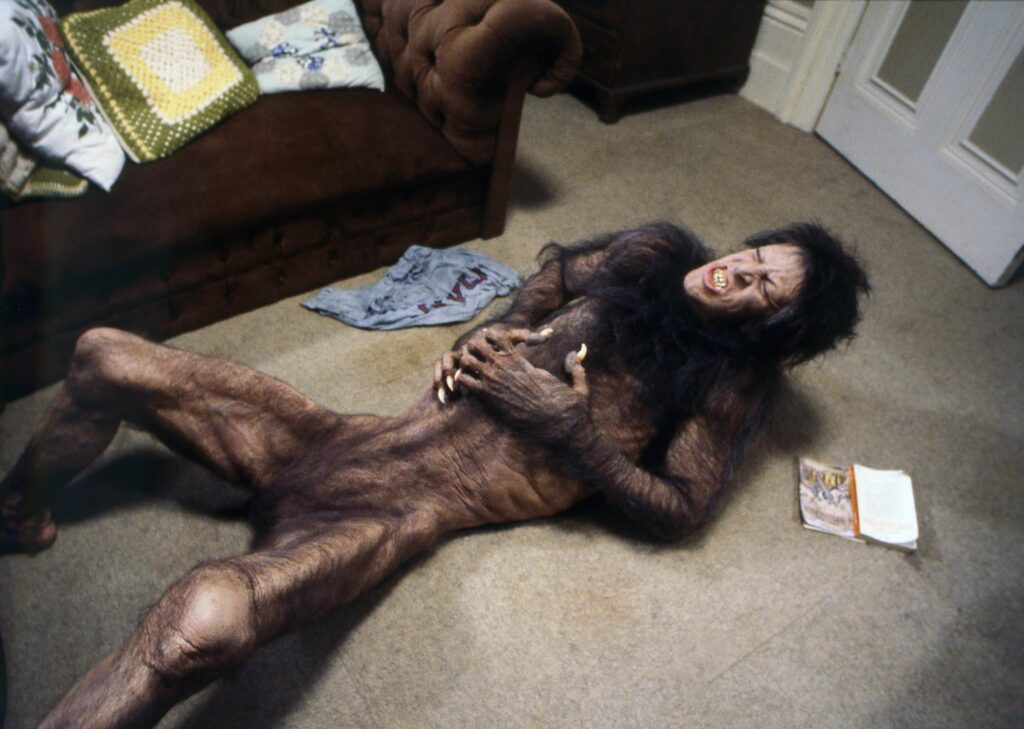
John Landis’ An American Werewolf in London is often hailed as one of the best horror comedies, but its horror elements still hold up to this day. The film follows two American backpackers who are attacked by a werewolf while traveling in the English countryside. One of them dies, while the other, David, becomes cursed and transforms into a werewolf under the full moon. The practical effects, particularly the famous transformation scene, remain some of the best in horror history.
What makes An American Werewolf in London stand out is its mix of dark humor and genuine horror. The transformation scene, which was groundbreaking at the time, is still unsettling with its detailed makeup and special effects. The eerie, desolate landscape and the looming threat of the werewolf keep the tension high throughout the film. The movie’s ability to blend terror with humor is what makes it memorable and ensures that its horror still feels fresh.
The Conjuring (2013)
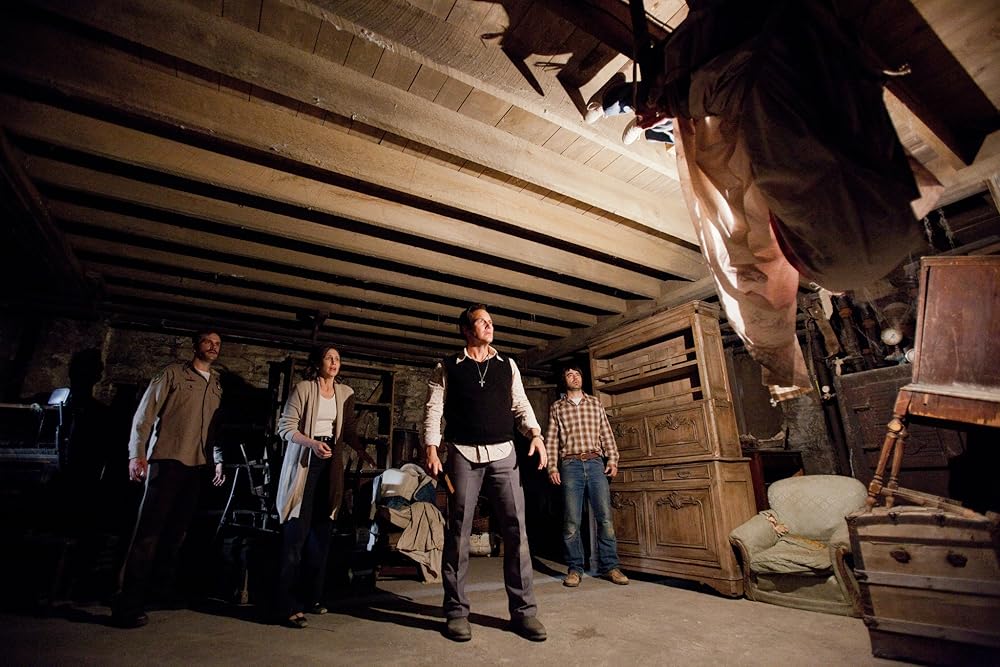
James Wan’s The Conjuring reignited the haunted house genre with its terrifying depiction of the Perron family’s encounter with dark forces. The film follows paranormal investigators Ed and Lorraine Warren as they help a family who is experiencing strange and terrifying occurrences in their farmhouse. The atmosphere is thick with dread, as the viewer is drawn into the family’s horror. Wan’s ability to build tension through slow reveals and unsettling imagery keeps the viewer on edge.
The film’s success lies in its well-crafted scares and the grounded performances of its cast, particularly Vera Farmiga and Patrick Wilson as the Warrens. The connection to real-life events adds a layer of authenticity that heightens the fear. The film’s use of sound, shadow, and silence makes each scare feel earned and truly terrifying. The Conjuring remains a standout in the supernatural horror genre, thanks to its ability to disturb with its relentless, creeping fear.
Hereditary (2018)
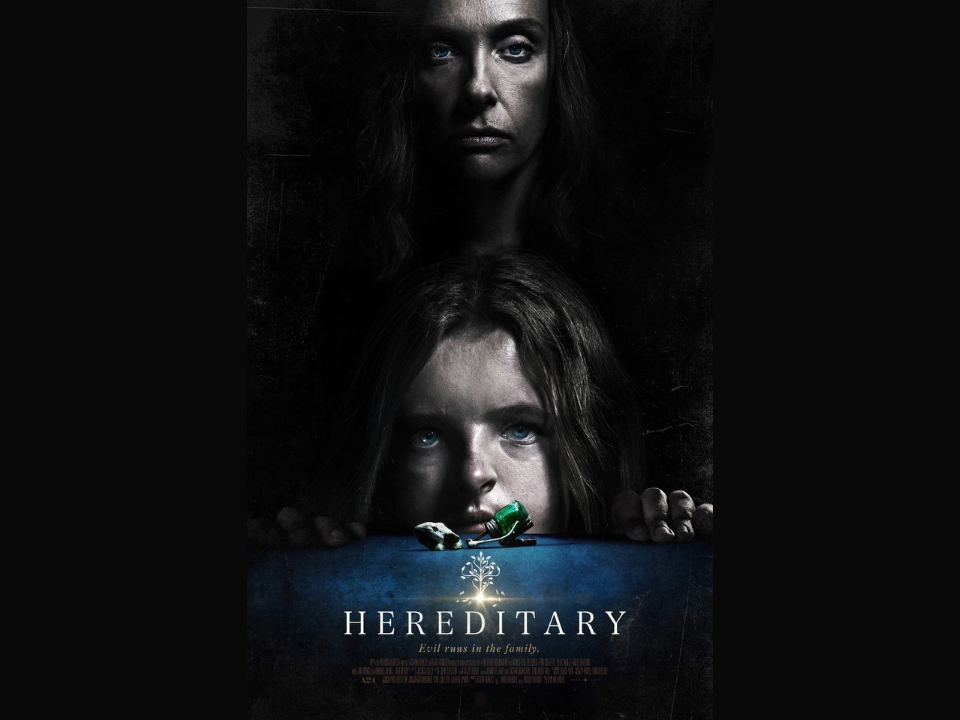
Ari Aster’s Hereditary is a modern horror film that leaves a lasting impression with its deeply unsettling story and shocking moments. The film centers on the Graham family as they deal with the aftermath of a death in the family, only to uncover dark secrets that lead to terrifying supernatural events. The slow build-up of tension, combined with moments of raw emotional horror, makes the film deeply disturbing. Toni Collette’s powerful performance as the grieving mother adds an emotional depth that amplifies the terror.
What makes Hereditary so effective is its unpredictability and the sheer weight of its disturbing imagery. The film blends psychological horror with supernatural elements, making it difficult to predict what will happen next. The imagery, from the haunting dollhouses to the eerie family rituals, stays with viewers long after the credits roll. The film’s ability to unnerve without relying on traditional jump scares ensures that it continues to be a haunting experience for those who watch it.
This article originally appeared on Avocadu.