
14 Historic Mills and Working Workshops in the U.S. You Can Tour
If you are someone who enjoys stepping back in time and experiencing history up close, touring historic mills and working workshops across the U.S. can offer a truly unique experience. These sites not only highlight the role of mills in early American life but also showcase the craftsmanship and ingenuity that shaped the nation’s growth. Many of these mills are still operational today, offering visitors a chance to see traditional techniques in action, from grinding grain to producing textiles. Whether tucked away in rural areas or nestled within vibrant historic districts, these mills provide a fascinating look at the past.
This post may contain affiliate links, which helps keep this content free. Please read our disclosure for more info.
Old Mill in Pigeon Forge, Tennessee
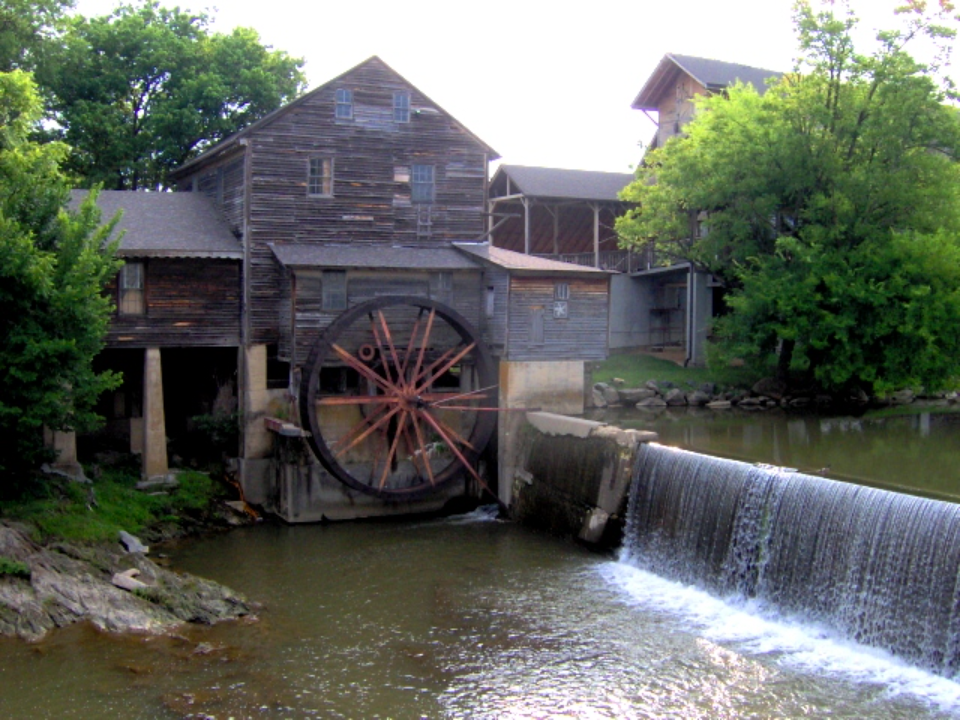
The Old Mill in Pigeon Forge has been in operation since 1830, making it one of the oldest continually operating gristmills in the United States. Situated along the Little Pigeon River, this historic site provides visitors with the chance to witness milling in action, as the mill grinds corn and wheat just like it did over 190 years ago. The mill is powered by a large waterwheel, which offers a glimpse into the past methods of energy use. In addition to the mill itself, the property includes a general store, restaurant, and even a pottery shop, all contributing to a lively and historic atmosphere
. The tour gives visitors an understanding of the mill’s role in local history and its connection to the surrounding community. Educational programs and demonstrations help bring the past to life, making it a must-see attraction for history buffs and anyone interested in American craftsmanship. Walking through the grounds also provides a peaceful escape into the beauty of the Smoky Mountains.
Mount Vernon’s Gristmill in Alexandria, Virginia
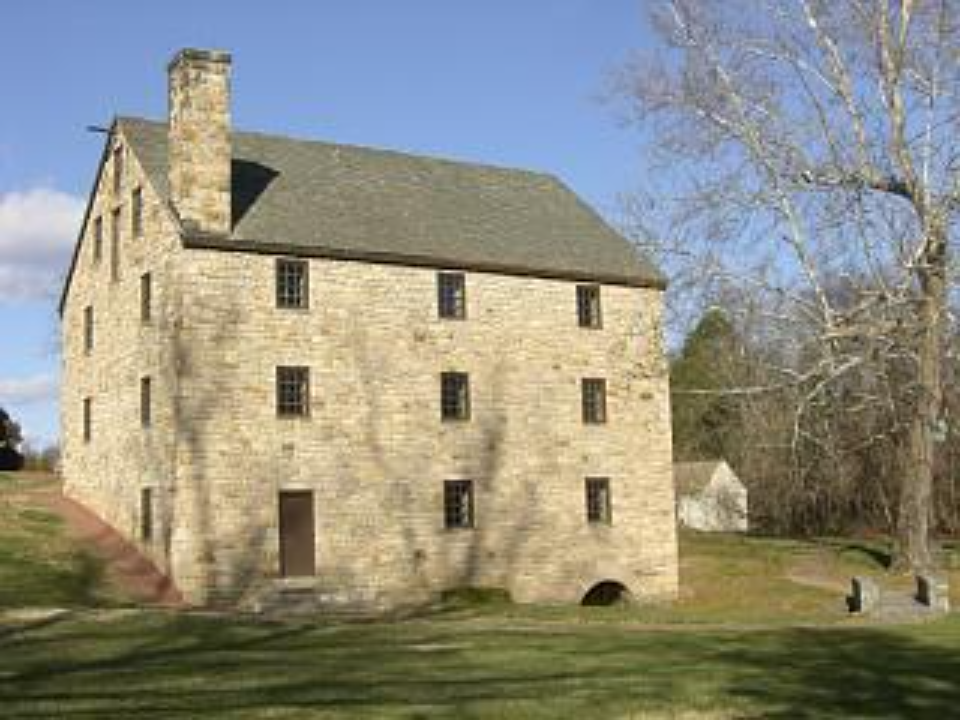
At George Washington’s Mount Vernon estate, the working gristmill offers a look into the past, where flour was ground for both the estate and the surrounding region. Originally built in 1771, the mill played an important role in Washington’s agricultural operations. Visitors can tour the mill and watch as wheat is ground into flour using the same methods that were employed during Washington’s time.
The mill is powered by water from Dogue Creek, just as it was in the 18th century, and it is an integral part of the estate’s historical operations. Additionally, the adjacent distillery showcases the production of whiskey, which was another significant part of Washingto’s business ventures. The mill and distillery tours help illustrate Washington’s entrepreneurial spirit, with a hands-on experience that emphasizes the challenges and rewards of 18th-century farming. This site allows guests to understand the importance of mills in early American agriculture.
Lowell National Historical Park in Lowell, Massachusetts
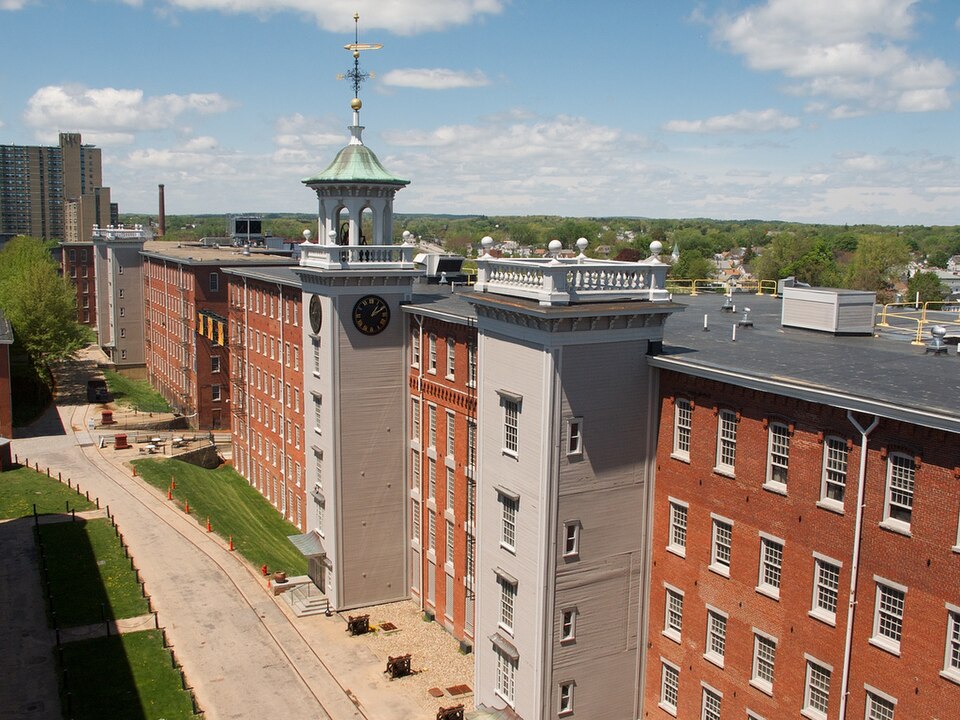
Lowell National Historical Park is a massive complex dedicated to the preservation of Lowell’s role in the industrial revolution. It is home to several historic mills, including the Boott Cotton Mills, which once played a pivotal role in America’s textile industry. The park offers a detailed tour of the mills, where visitors can explore the original machinery and learn about the lives of the workers who ran them.
The park’s mill tours include demonstrations of the looms and other equipment used in fabric production. Visitors also have access to exhibits that explore the history of immigration and labor during the 19th century. Lowell’s mills were some of the largest in the country, and their story is integral to understanding America’s industrial history. The site is part of the National Park Service and is an excellent resource for those interested in the development of American industry and technology.
The Water Mill in Southampton, New York
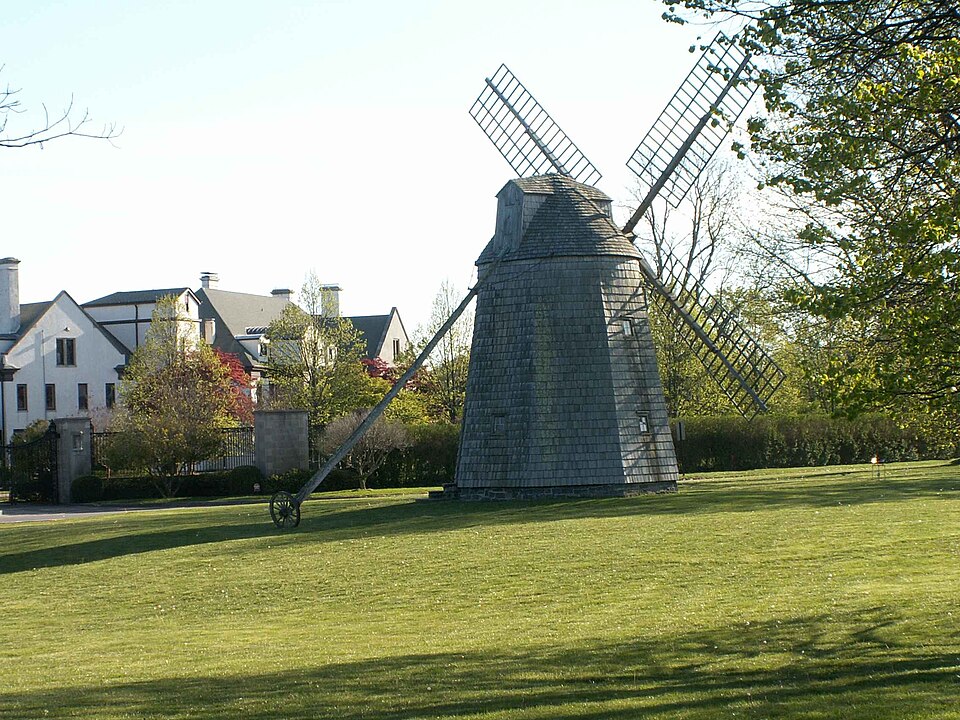
The Water Mill in Southampton dates back to the 17th century and serves as a living reminder of the town’s agricultural roots. The mill was originally used to grind grain and has been restored to its former glory for modern visitors. Today, the mill is a museum that offers tours explaining the early colonial methods of milling and farming in the region. The tour includes a look at the waterwheel, which is still powered by the stream that runs through the mill.
The site also includes a restored farmhouse and a collection of historical artifacts related to farming and milling. In addition to the educational tours, the mill hosts seasonal events, such as a harvest festival, that allow visitors to experience early American life in a hands-on way. For anyone interested in the history of Long Island or the early American agricultural economy, this historic water mill is a must-visit destination.
Hancock Shaker Village in Pittsfield, Massachusetts
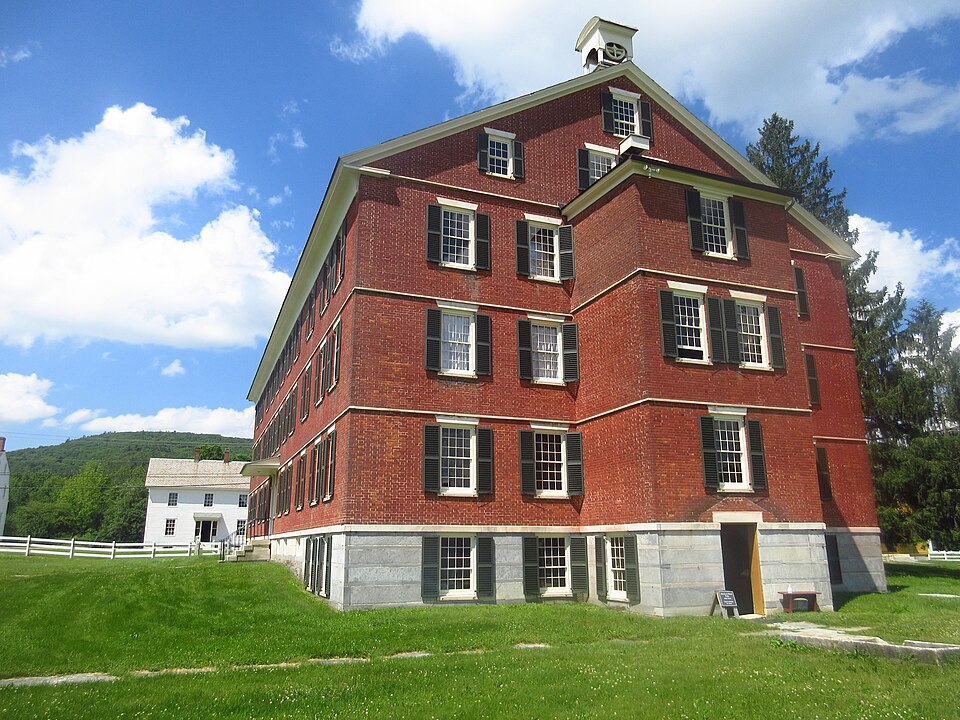
Hancock Shaker Village is a historic site that offers a glimpse into the life and craftsmanship of the Shaker community. The village includes a number of buildings from the 19th century, including a working water-powered gristmill. The mill demonstrates how the Shakers used simple yet effective technologies to grind grain for their community. Visitors can tour the mill and watch as grain is ground using the traditional methods that the Shakers employed for years.
The site also features exhibits on Shaker furniture, textile manufacturing, and the daily life of the community. Hancock Shaker Village is a living museum, with guides dressed in period clothing who offer insights into the Shakers’ unique lifestyle and philosophy. The working mill adds an authentic touch to the village, making it an essential stop for anyone interested in the history of this religious group and their contributions to American craftsmanship.
The Old Stone Mill in Newport, Rhode Island
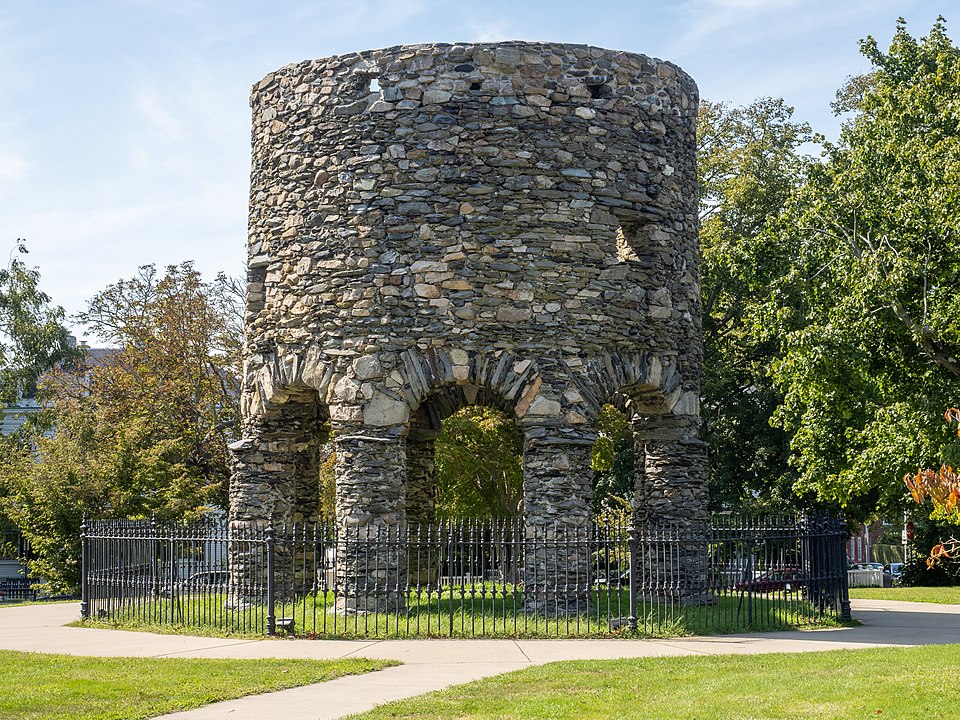
The Old Stone Mill in Newport is one of the oldest structures in the U.S. and is a fascinating historic site. Built in the late 17th century, this windmill was initially used to grind grain, and it is the only known example of its kind in the country. The mill is made from stone, with a large wooden cap that once housed the sails that caught the wind.
Today, the Old Stone Mill is open for tours, and visitors can explore its history and construction. The mill’s design is unique for its time, and it is thought to have been built using techniques learned from European windmills. The mill is also connected to the history of colonial Newport and offers a glimpse into the agricultural and maritime industries of the region. The mill is an important historical landmark and a favorite for tourists interested in early American architecture.
The Boone Grist Mill in Boone, North Carolina
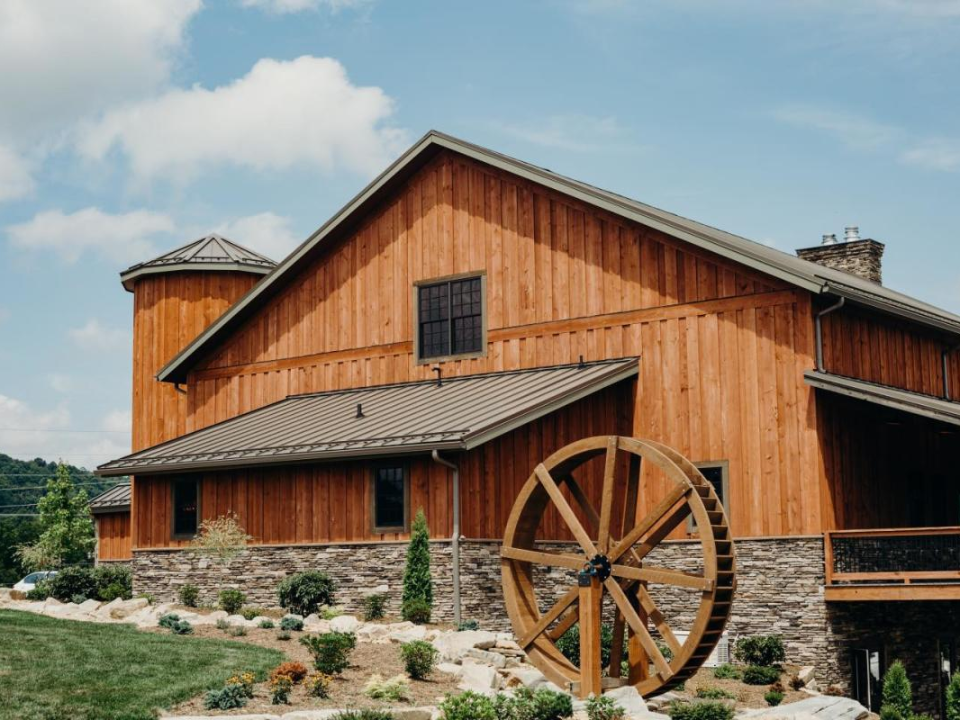
The Boone Grist Mill in North Carolina is a small but significant site in the Appalachian region. Built in the 19th century, the mill was originally used to grind corn for local farmers. The mill is still powered by water, using a traditional waterwheel to turn the machinery. Today, the Boone Grist Mill is a working mill that offers visitors a chance to see how cornmeal and flour are ground using the same methods that have been used for centuries.
The site also includes a collection of early farming tools and artifacts related to the mill’s history. The surrounding area is a scenic, mountainous region, and the mill’s location adds to its charm. Visitors can enjoy the peaceful environment while learning about Appalachian history and milling traditions.
The Grist Mill at Washington-on-the-Brazos in Washington, Texas
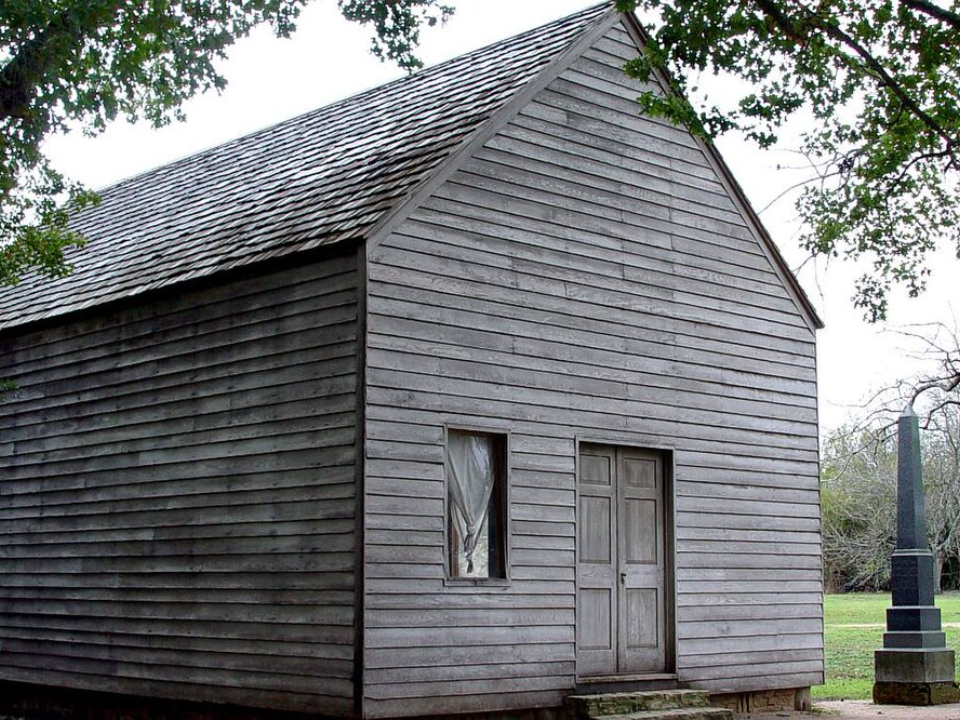
The Grist Mill at Washington-on-the-Brazos is located at the historic site where the Texas Declaration of Independence was signed. The mill, which was originally constructed in the mid-19th century, is a great example of early Texas milling technology. The site offers guided tours where visitors can watch the milling process in action and learn about the role the mill played in early Texas agriculture.
The mill is powered by a waterwheel and has been restored to show how grain was ground using traditional techniques. The site also features exhibits about the history of the Texas Revolution and the people who lived and worked in the area. Visitors can explore the historic park and learn about the significant events that took place here. The Grist Mill at Washington-on-the-Brazos offers a unique combination of Texas history and craftsmanship.
The Bunker Hill Mill in Philadelphia, Pennsylvania
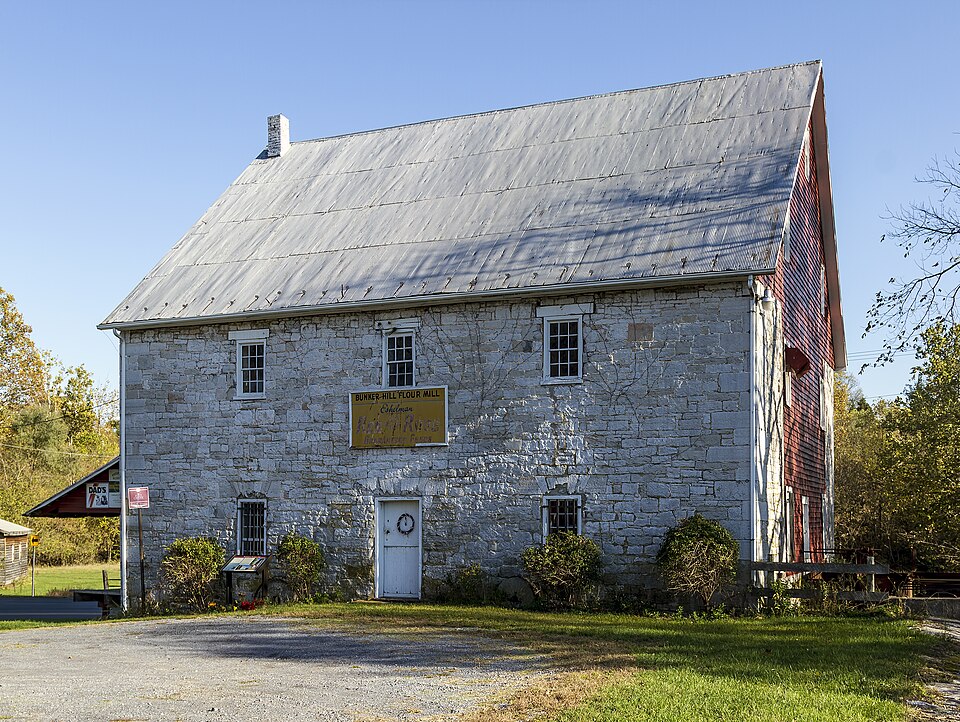
The Bunker Hill Mill in Philadelphia offers a unique opportunity to step back in time and explore one of the city’s oldest industrial sites. Built in the early 19th century, the mill initially processed flour for the local community and was a vital part of the city’s early manufacturing sector. Today, the mill has been preserved as part of a historic park, where visitors can tour the site and learn about the milling process.
The tour includes a walk through the mill’s working equipment, showcasing how grain was ground using the original machinery. The site also features exhibits on the industrial history of Philadelphia, shedding light on how mills like Bunker Hill played a significant role in the growth of the city. The tour emphasizes the impact of early mills on urban development and the evolution of manufacturing practices. Visitors will leave with a greater understanding of Philadelphia’s contribution to America’s industrial revolution.
The Old Red Mill in Jericho, Vermont
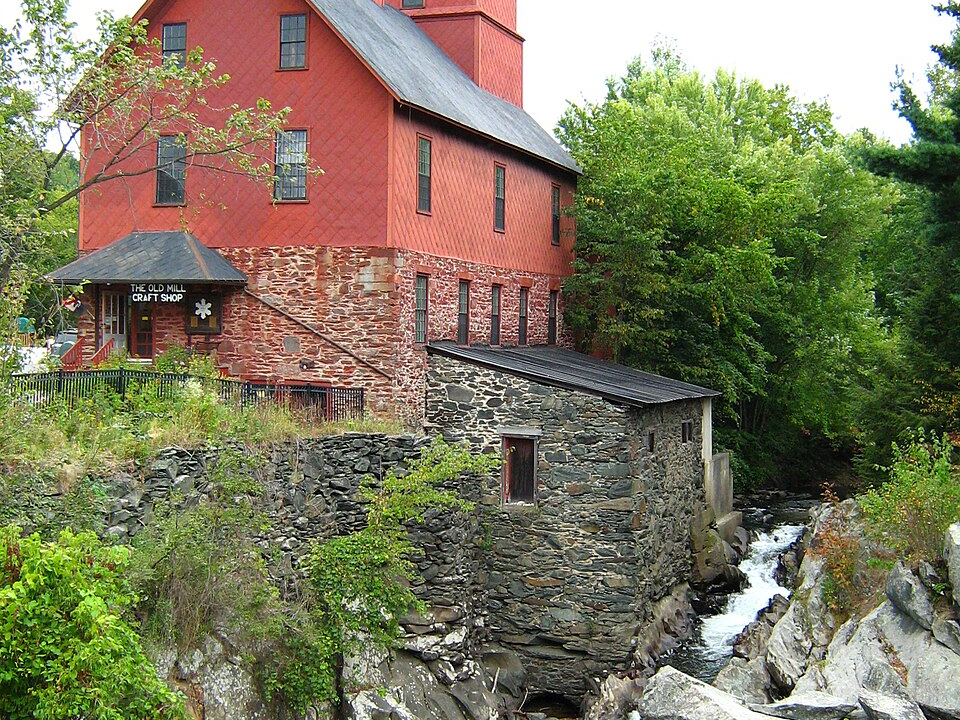
The Old Red Mill in Jericho is a beautifully preserved historic gristmill that dates back to the early 19th century. Located in a picturesque setting, the mill was originally used to grind corn and wheat for the local community. Today, it serves as a museum and working mill, offering tours that explain the history of the building and the milling process. The mill is powered by water from the nearby Browns River, which provides the necessary force to turn its massive waterwheel.
The tour gives visitors a look at the original machinery, which has been restored to working condition, demonstrating how grain was ground during the mill’s early years. The Old Red Mill is also home to a small gift shop that sells local products, including freshly ground flour. The mill is a great way to connect with Vermont’s agricultural history and learn about the importance of mills in rural communities.
The Cades Cove Grist Mill in Great Smoky Mountains, Tennessee
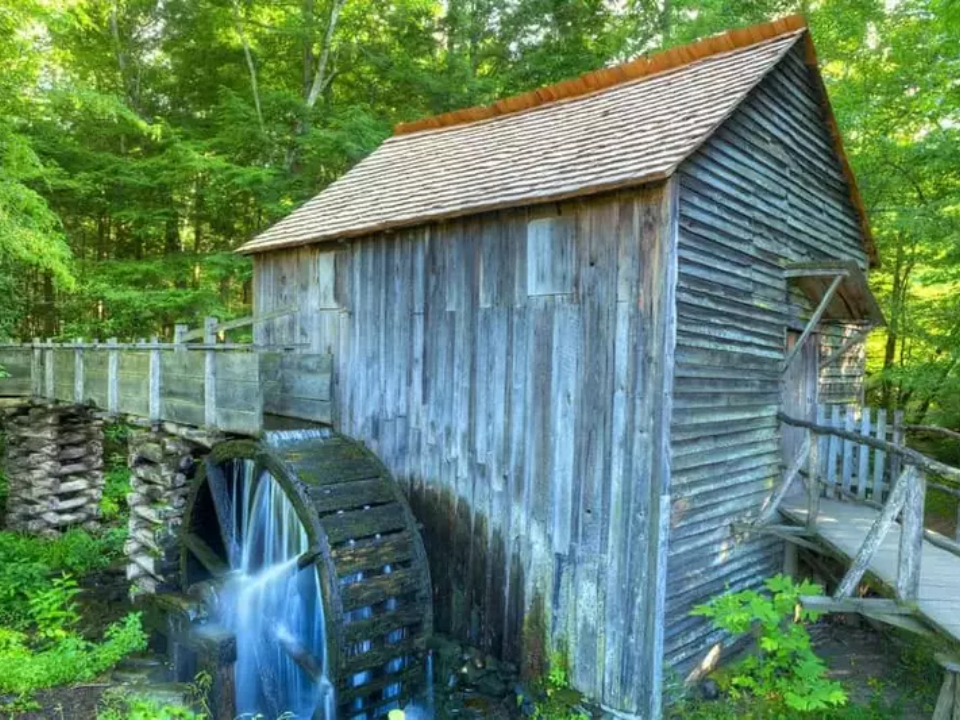
Located in the heart of the Great Smoky Mountains, the Cades Cove Grist Mill offers a glimpse into Appalachian history. Built in the early 1800s, the mill was once a vital part of the Cades Cove community, providing cornmeal and flour to local farmers. Today, the mill has been restored and operates as a working museum, where visitors can watch as grain is ground using traditional methods.
The mill is powered by a waterwheel, which is driven by the nearby stream. Visitors can also tour the surrounding historic buildings, which include a church, barn, and log cabins, all contributing to the site’s immersive experience. Cades Cove is a beautiful and peaceful location, offering both scenic views and a chance to connect with the history of the Smoky Mountains. The grist mill is just one of the many attractions in the area, making it a perfect stop for those exploring the park.
The Warm Springs Mill, Virginia
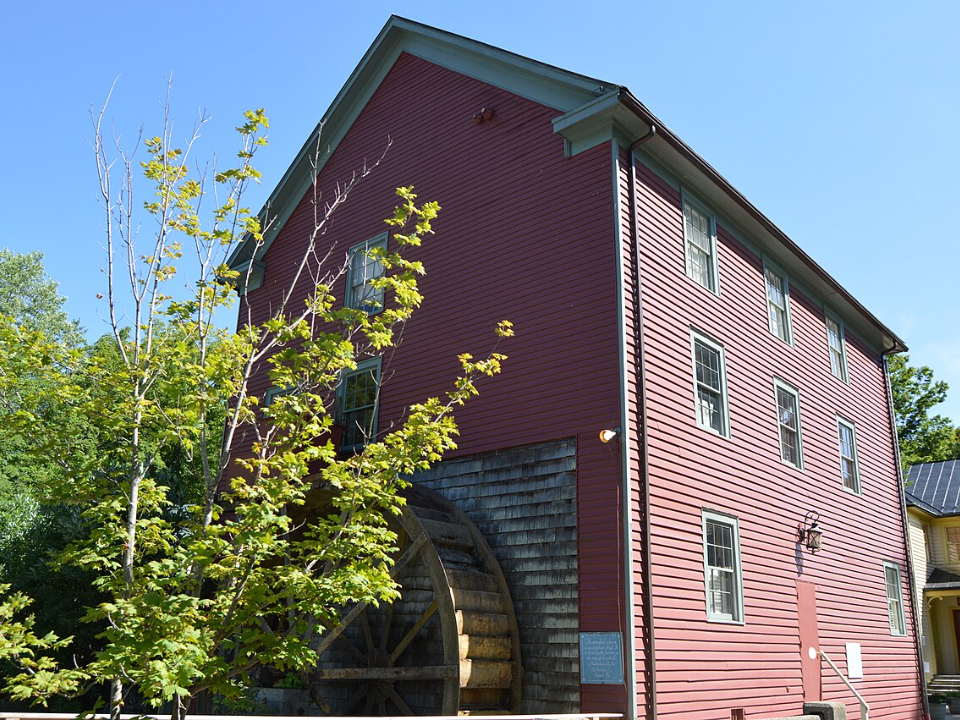
The Warm Springs Mill, Virginia is a unique historic site that combines both natural beauty and early American craftsmanship. Built in the 1800s, the mill was originally used to grind grain for local farmers, and it is powered by a small stream that runs through the property. Today, the mill has been restored and serves as a working museum, where visitors can watch as grain is ground just as it was over 100 years ago.
The surrounding also adds to the site’s charm, offering a variety of accommodations and recreational activities for visitors. In addition to the milling demonstrations, the site offers a rich historical context, providing insights into the importance of mills in early American life. The Gristmill at The Homestead is an excellent destination for those interested in early American industry and the scenic beauty of Virginia’s mountains. The site also includes a gift shop where visitors can purchase freshly ground flour.
The McIntyre Mill in Bynum, North Carolina
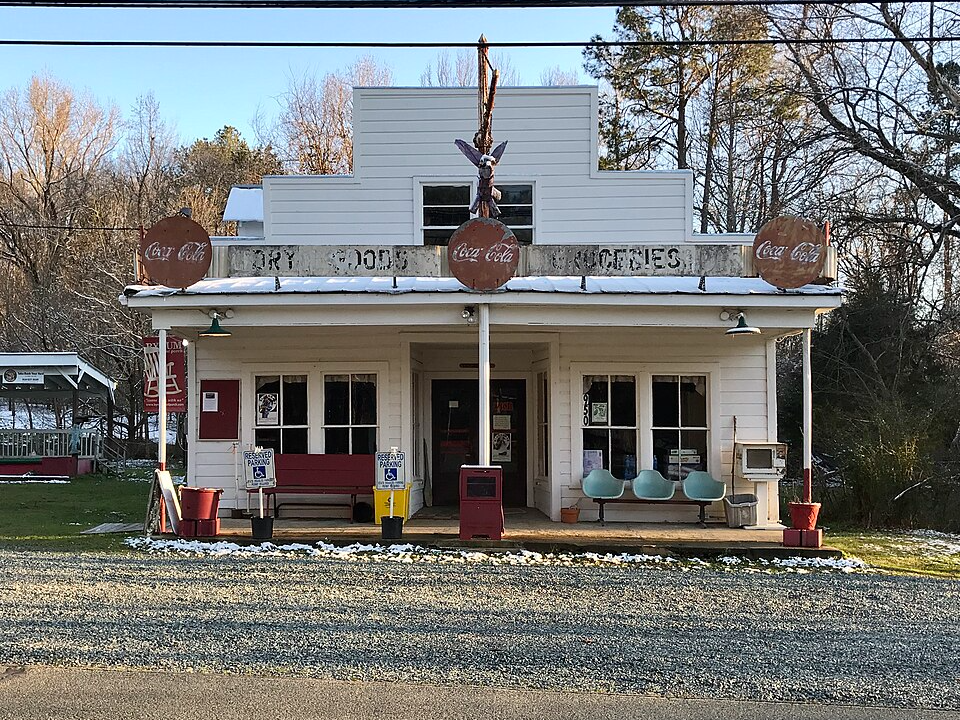
The McIntyre Mill in Bynum, North Carolina, is a historic site that offers a fascinating look at milling technology in the early 20th century. The mill was originally built to process corn and wheat, serving the surrounding rural community. Today, the mill is a working museum, offering tours that showcase how grain is ground using traditional methods.
The mill is powered by a nearby stream, which provides the necessary water flow to turn the mill’s large wooden wheel. Visitors can watch the grinding process in action and learn about the history of the mill and its importance to the local economy. The McIntyre Mill is also home to a small gift shop where visitors can purchase freshly ground cornmeal and other products. The site’s peaceful setting, combined with its rich history, makes it an excellent destination for anyone interested in American craftsmanship and rural life.
Wooster Sawmill and Gristmill Site, Ohio
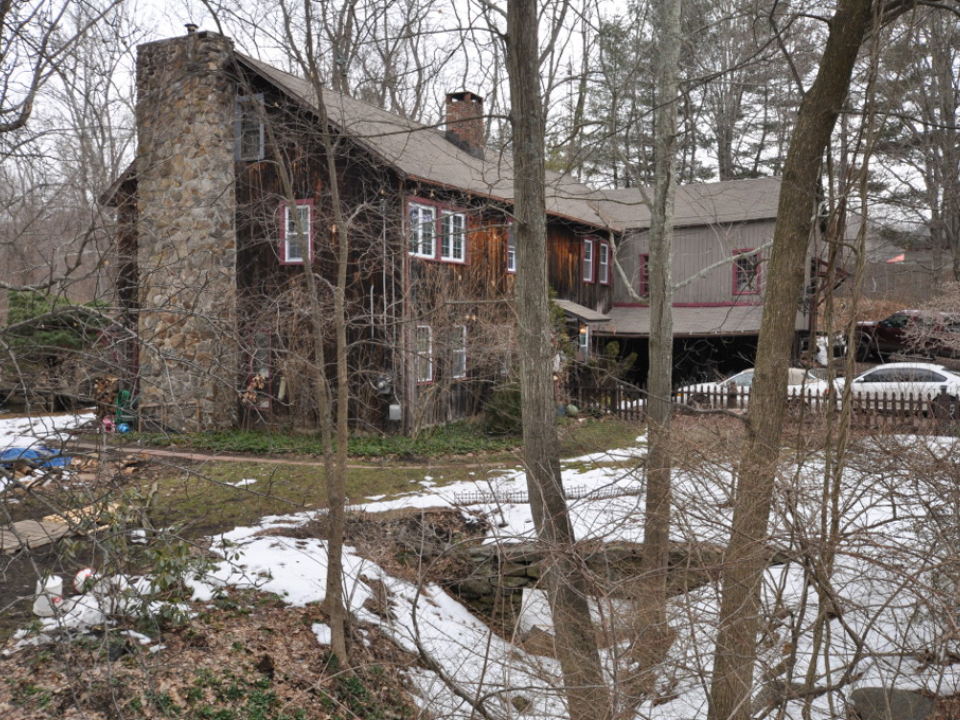
The Wooster Sawmill and Gristmill Site located in Ohio, offers a unique opportunity to step back in time and experience early American milling techniques. Built in the 1800s, the mill was originally used to grind wheat and corn for the local community. Today, the mill is still operational, and visitors can watch as grain is ground using the same methods that have been used for centuries. The mill is powered by water from a nearby creek, and the site includes a variety of historical exhibits related to the milling process.
The Mill is also an important part of Ohio’s Amish heritage, as the surrounding area is home to a significant Amish community. Visitors can learn about the Amish way of life, including their reliance on traditional farming methods and their commitment to self-sufficiency. The mill provides a rare glimpse into both Ohio’s agricultural history and the Amish culture.
This article originally appeared on Avocadu.