
18 Historic Grape Varieties Behind Classic Wines
Throughout history, old vineyard grape varieties have played a pivotal role in creating exceptional wines. The uniqueness of these grapes lies in their ability to adapt to different regions and climates over time. Their contributions have helped define the character of many iconic wines.
This post may contain affiliate links, which helps keep this content free. Please read our disclosure for more info.
Zinfandel
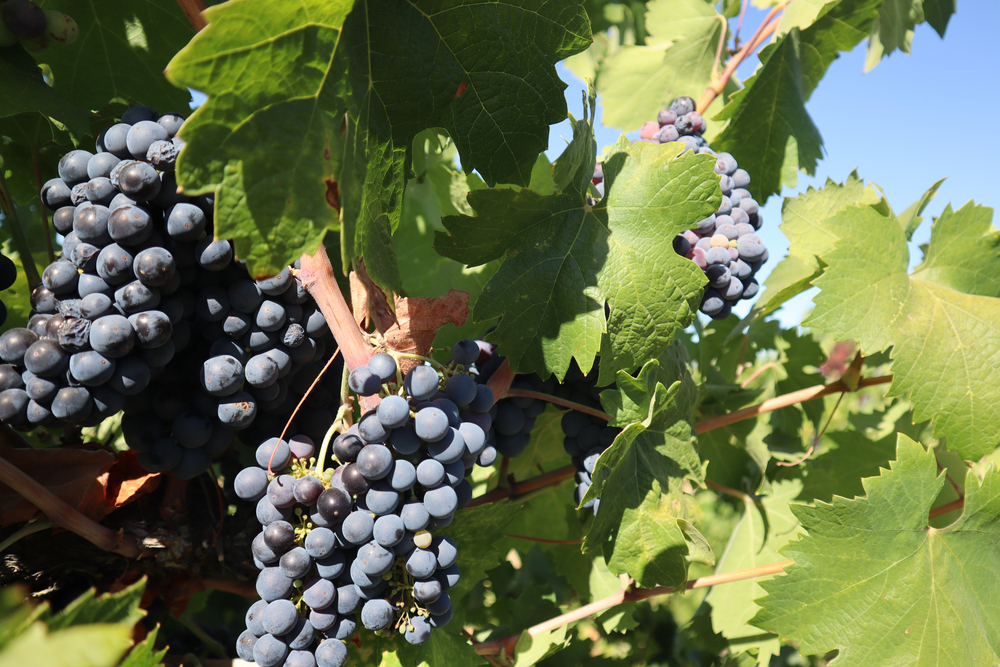
Zinfandel is widely believed to have originated in Croatia before being brought to the United States, where it found a home in California. This grape is known for its bold, fruit-forward flavors, often present in classic wines like those from Ridge Vineyards. It thrives in warm climates, making it crucial to regulate watering and pruning to avoid excessive growth. Caring for Zinfandel requires balanced soil management and careful attention to the vine’s canopy.
Zinfandel grapes are sensitive to the ripening process and benefit from timely harvesting. In the vineyard, they are best kept under consistent care, with a focus on leaf thinning to improve airflow. Wines made from Zinfandel are usually rich with notes of blackberries, pepper, and spice. For optimal results, this variety prefers well-drained soil and full sunlight.
Sangiovese
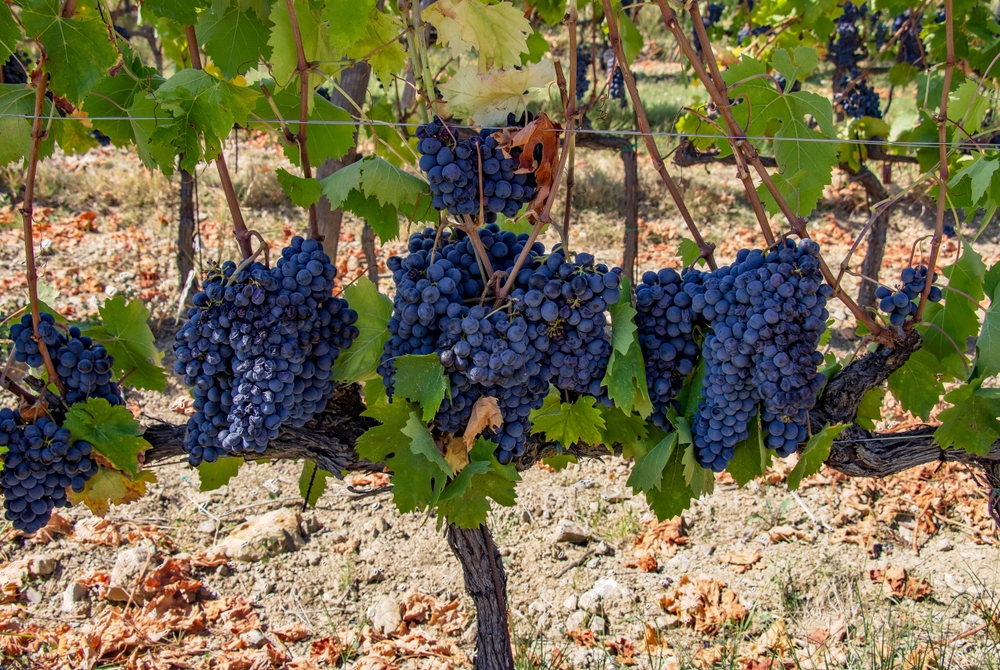
Sangiovese originates from Tuscany, Italy, and is the backbone of some of Italy’s most iconic wines, such as Chianti and Brunello di Montalcino. The grape is known for its high acidity and complex flavor profile, often featuring earthy, cherry, and herbal notes. Growing Sangiovese requires careful attention to soil health, as it thrives in well-drained, slightly alkaline soil. Proper canopy management is essential to allow the grapes to receive adequate sunlight.
The grape performs best in the Mediterranean climate, where warm summers and cool nights promote balanced ripening. In the vineyard, Sangiovese needs careful thinning to avoid overcrowding, ensuring good airflow around the bunches. It is sensitive to both pests and diseases, so regular monitoring is necessary. Classic wines from producers like Castello Banfi and Antinori show the depth and versatility of Sangiovese.
Cabernet Sauvignon
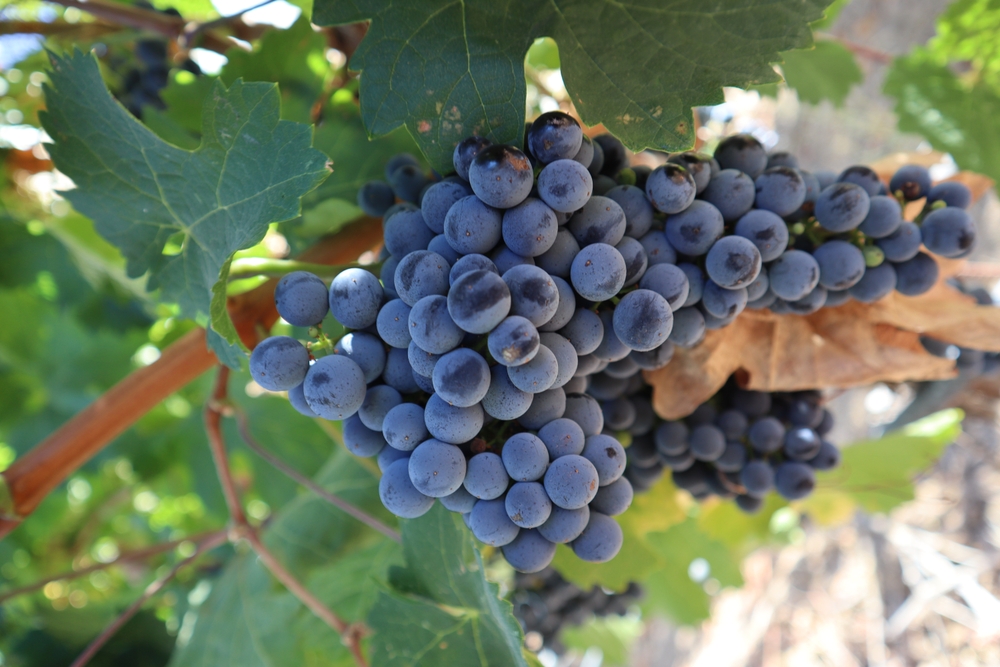
Cabernet Sauvignon, originally from France, particularly the Bordeaux region, has become one of the world’s most well-known and widely planted grape varieties. It is the foundation of famous wines such as Chateau Margaux and Napa Valley Cabernet Sauvignon. This grape thrives in well-drained, fertile soils, and it requires consistent pruning to maintain vine balance. A proper irrigation system is crucial, as Cabernet Sauvignon is sensitive to both drought and excess moisture.
Known for its deep color, bold tannins, and notes of blackcurrant, the grape requires long ripening periods in order to develop its full flavor potential. In the vineyard, maintaining an appropriate vine density and careful canopy management ensures healthy grapes. Cabernet Sauvignon is a hardy variety but needs protection from extreme weather conditions. Wines produced from these grapes benefit from oak aging, which helps mellow the tannins.
Pinot Noir
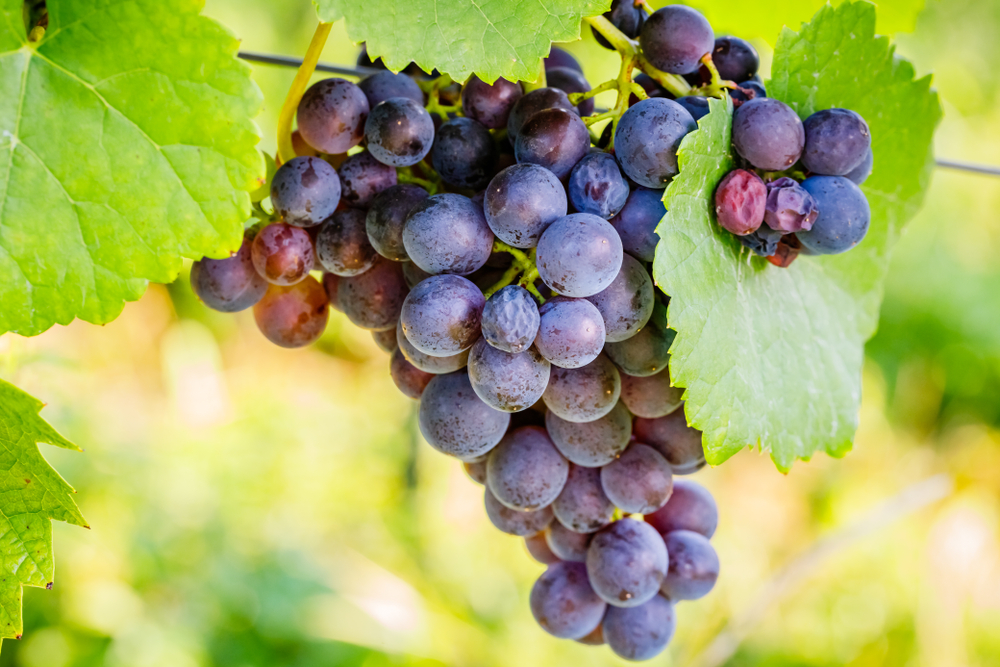
Pinot Noir is one of the oldest grape varieties, originally from Burgundy, France, where it produces some of the world’s most prestigious wines, like Domaine de la Romanée-Conti. Known for its delicate nature, it thrives in cool climates with proper vineyard management to avoid overproduction. The vines prefer well-draining soils and benefit from canopy management to protect the grapes from direct sun exposure.
This grape requires constant monitoring during the growing season, as it is prone to disease and requires careful attention to pruning. The fruit is small and thin-skinned, requiring gentle handling during harvest to avoid bruising. Wines made from Pinot Noir are often lighter in color and feature complex aromas of red berries and earthy tones. Careful fermentation techniques allow for the best expression of this variety’s flavor.
Syrah
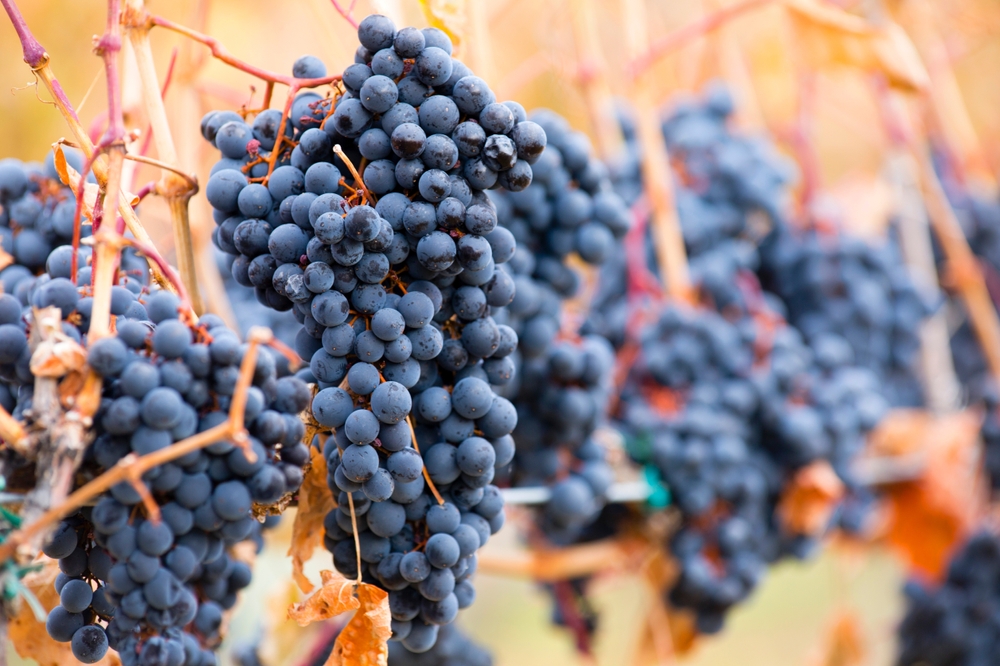
Syrah, or Shiraz, hails from the Rhone Valley in France but has spread across the globe, thriving in regions like Australia and California. The grape produces bold, full-bodied wines with flavors of dark fruits, pepper, and sometimes smoky undertones, as seen in wines from Penfolds. Syrah vines benefit from sunny conditions, but in hotter climates, they need controlled irrigation to avoid over-ripening. Maintaining proper vine spacing ensures the grapes get sufficient sunlight without being exposed to extreme heat.
The grape’s adaptability makes it suitable for a variety of climates, but in the vineyard, it is important to monitor its growth carefully to avoid overcrowding. Syrah is prone to mildew, so vineyard management includes timely treatments and regular leaf thinning. Wines made from Syrah often benefit from aging, with some of the best expressions coming from regions like Northern Rhone. The wines showcase a balance of acidity and tannins, with rich, deep fruit flavors.
Tempranillo
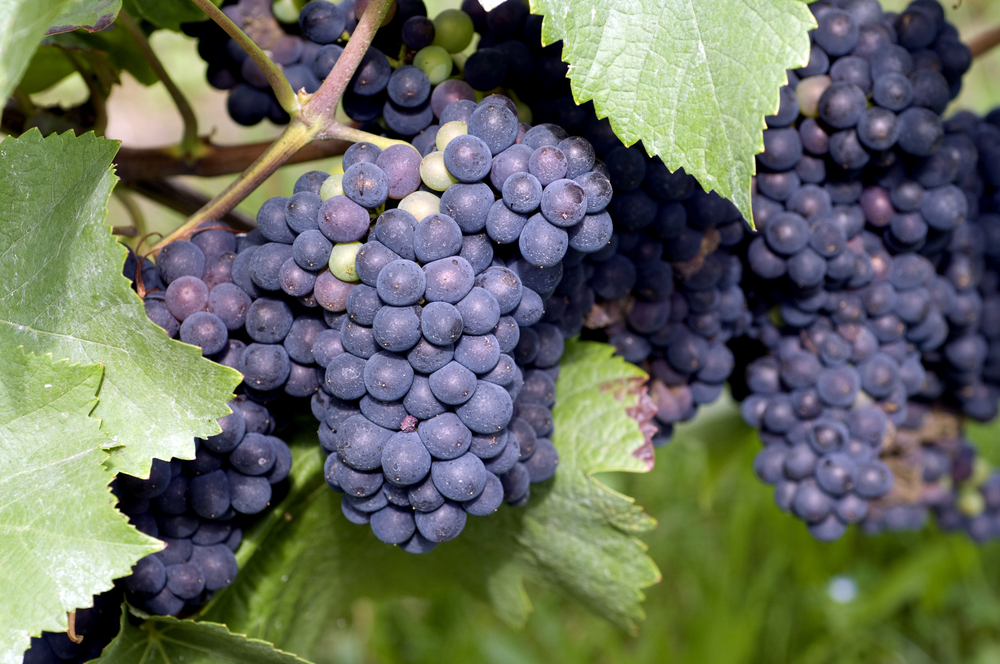
Tempranillo, the flagship grape of Spain, is the heart of classic wines like Rioja and Ribera del Duero. Known for its versatility, Tempranillo produces wines with flavors of ripe berries, leather, and sometimes tobacco. The grape prefers warm, dry climates and does well in sandy or clay-rich soils. Regular pruning and canopy management ensure good airflow and healthy grape production.
In regions like Rioja, Tempranillo is often blended with other grapes, but it also shines on its own. During the growing season, the grape needs protection from excessive rainfall, which can dilute its flavors. Regular monitoring of the vines’ canopy ensures they receive enough sunlight while preventing fungal diseases. Tempranillo’s aging potential allows it to develop deep flavors, making it a favorite for long-term cellaring.
Chardonnay
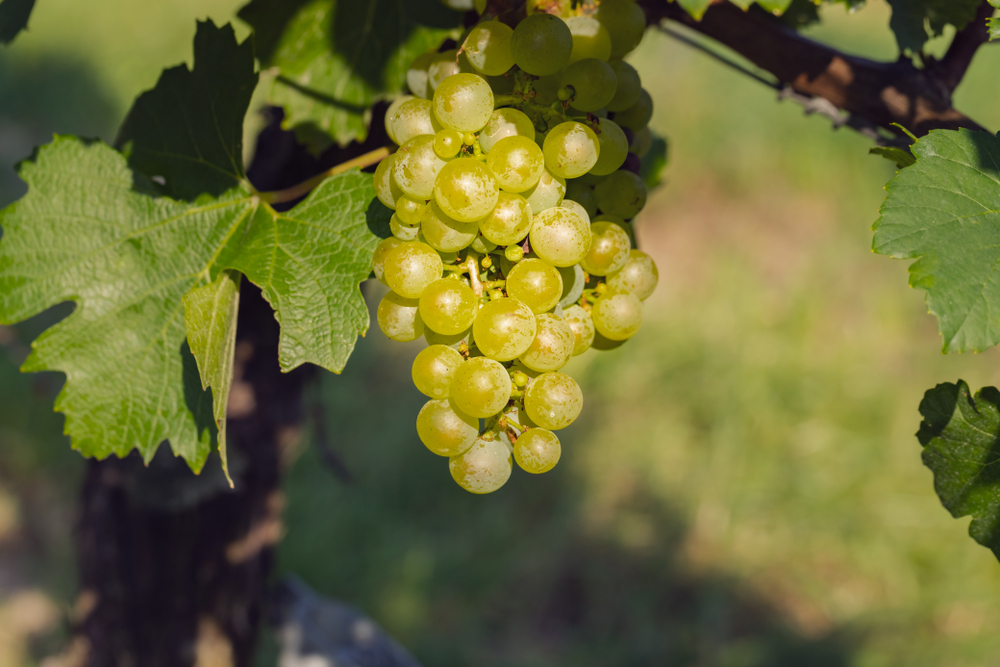
Chardonnay, originating from Burgundy, France, is one of the most widely planted grape varieties in the world, known for its adaptability to different climates. Classic wines made from Chardonnay include those from the famous Montrachet vineyard in Burgundy, as well as California’s Napa Valley. The grape thrives in well-drained, slightly acidic soils and requires careful canopy management to ensure balanced ripening. Excessive sun exposure can lead to overripe fruit, so shaded vineyards are ideal.
Chardonnay vines need a delicate balance of water and nutrients to produce high-quality grapes. The grape is highly sensitive to the climate, with cooler regions producing wines with more acidity and warmth leading to rounder, fruitier wines. Proper pruning ensures healthy growth while minimizing the risk of mildew and rot. A well-maintained vineyard ensures that the grape produces wines that are rich in texture and complexity, with flavors of apple, pear, and sometimes buttery notes.
Grenache
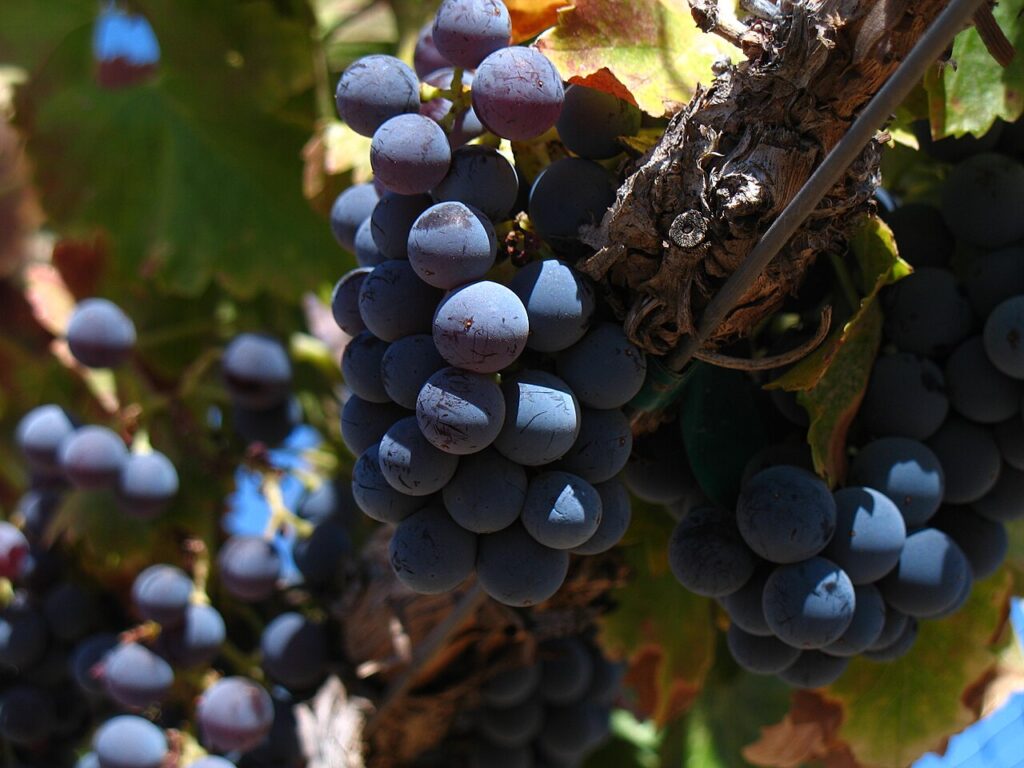
Grenache, originally from Spain, is widely planted in the southern Rhone Valley of France and is known for producing wines with rich fruit flavors and soft tannins. It is the primary grape in wines like Chateauneuf-du-Pape and is also grown extensively in Australia, where it’s used in Shiraz blends. Grenache thrives in hot, dry climates and requires well-drained soil to avoid excess moisture, which can affect the flavor. Regular pruning and canopy management ensure good airflow and healthy grape production.
The grape’s thick skin allows it to withstand the hot climate, but it can also lead to overly tannic wines if not managed properly. It responds well to controlled irrigation and requires consistent vineyard care. Grenache’s ability to ripen early makes it suitable for many growing regions. Wines made from Grenache are often fruity with subtle spice and berry flavors, with good aging potential when blended.
Barbera
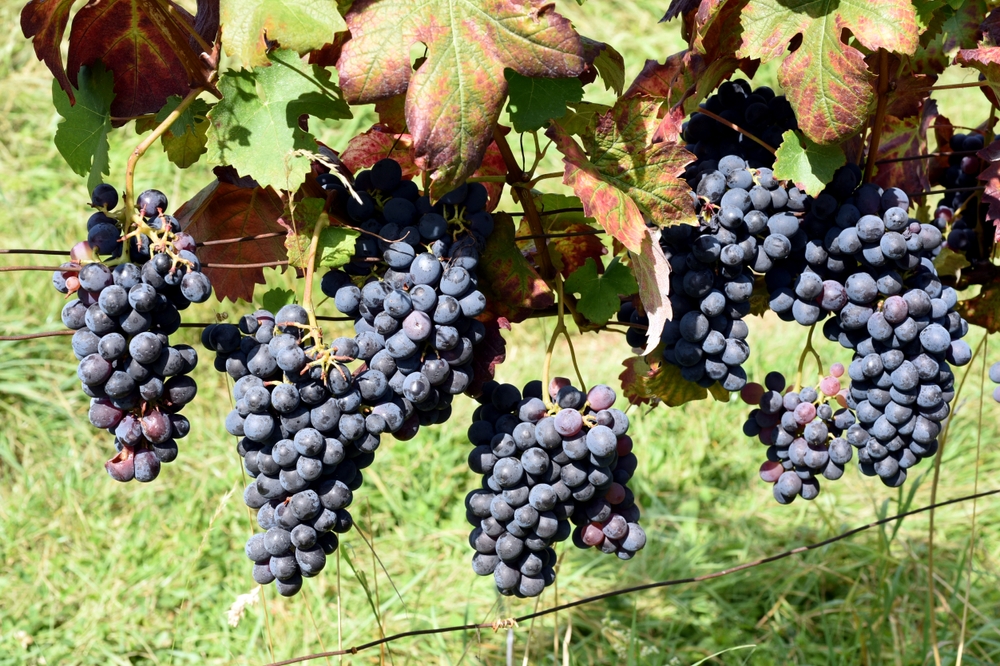
Barbera, from the Piedmont region of Italy, is known for its high acidity and vibrant fruit flavors, making it a popular choice for Italian wines like Barbera d’Asti. The grape prefers fertile, well-drained soils and grows best in cool, temperate climates. Vineyards planted on hillsides offer good drainage and air circulation, which helps reduce the risk of fungal diseases. Proper pruning and soil management are essential to produce healthy crops.
Barbera’s ability to maintain high acidity even in warm climates makes it versatile for winemaking. The grape’s deep color and tangy fruit flavors can be preserved with the right fermentation techniques. In the vineyard, the grape benefits from canopy management that ensures balanced sun exposure. Wines made from Barbera are known for their bright cherry and plum flavors, with a smooth finish.
Viognier
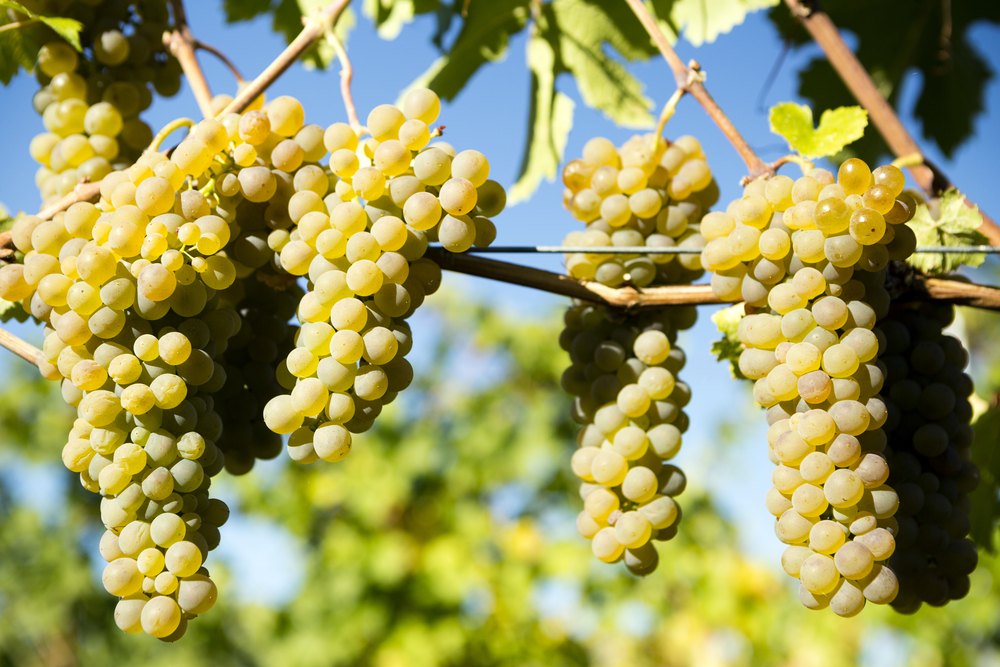
Viognier, originally from the Rhone Valley in France, produces aromatic wines known for their floral and fruity characteristics. The grape is grown in regions like California and Australia, where it thrives in warm, dry conditions. It requires careful management of water and nutrients to avoid overproduction, which can dilute its rich flavors. Pruning and thinning out excess leaves help promote proper airflow and grape ripening.
This grape is sensitive to over-ripening, so careful timing of the harvest is essential to preserve its acidity and freshness. Viognier is often made into single-varietal wines but is also used in blends, especially with Syrah. The wine is known for its rich texture and aromas of peach, apricot, and floral notes. With the right care, Viognier can produce elegant wines that pair beautifully with seafood or spiced dishes.
Malbec
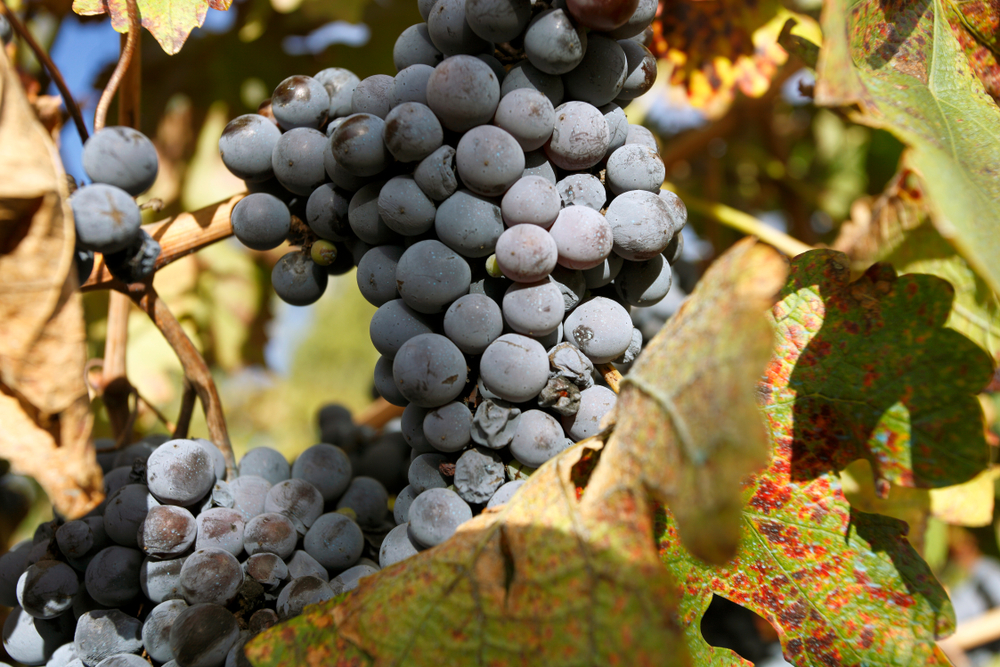
Malbec, originally from France, has become synonymous with Argentina, where it thrives in the high-altitude regions of Mendoza. This grape produces rich, full-bodied wines with flavors of dark fruits and spices, making it a favorite in wines from Catena Zapata. Malbec vines require warm temperatures and well-drained soils to develop their full potential, with regular pruning to control their vigorous growth. Proper canopy management ensures that the grapes receive enough sunlight while preventing overexposure.
The plant has the ability to maintain a balance between tannins and acidity makes it a standout variety. In the vineyard, irrigation must be carefully monitored to avoid excess moisture, which can affect the fruit’s quality. The grape is less susceptible to disease compared to other varieties, but still benefits from regular pest control. Malbec wines are known for their deep color, intense fruitiness, and smooth tannins, often improving with age.
Cabernet Franc
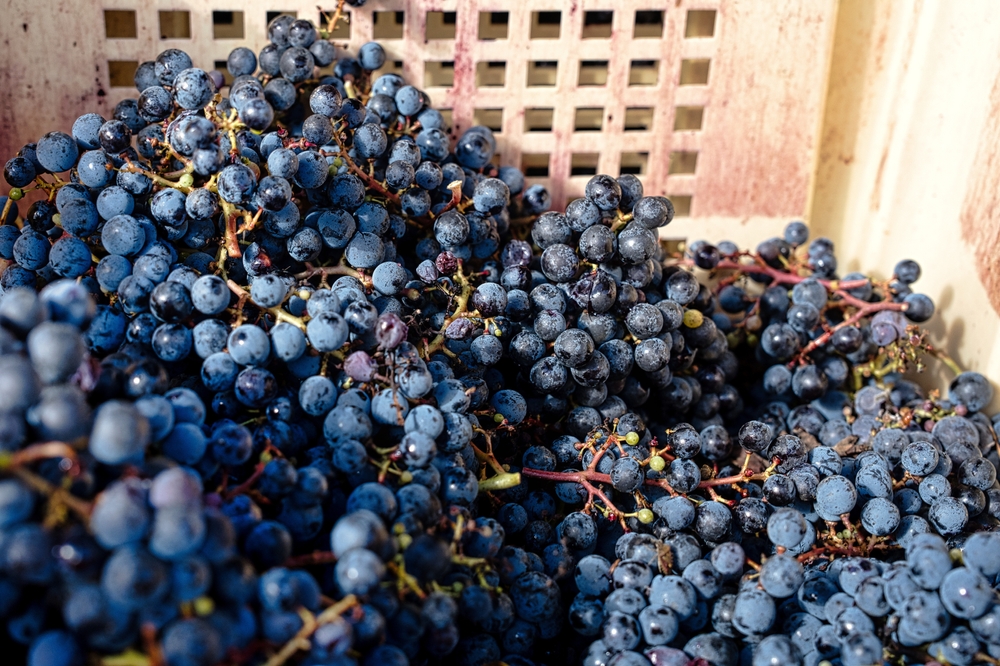
Cabernet Franc, often considered the parent grape of Cabernet Sauvignon, originates from the Bordeaux region of France. This grape is known for producing wines with herbal, peppery flavors alongside ripe fruit notes, often seen in wines from Chateau Cheval Blanc. Cabernet Franc thrives in cooler climates and is particularly suited to clay and gravel soils that offer good drainage. It requires careful canopy management and pruning to ensure optimal grape development.
This grape variety is known for its ability to maintain acidity, even in warmer climates. It ripens earlier than Cabernet Sauvignon, allowing for greater flexibility in harvest timing. Cabernet Franc is often used in Bordeaux blends but also shines on its own, offering wines with medium body and smooth tannins. The grape is sensitive to frost, so growers must ensure proper protection during colder months to avoid crop loss.
Grenache Blanc
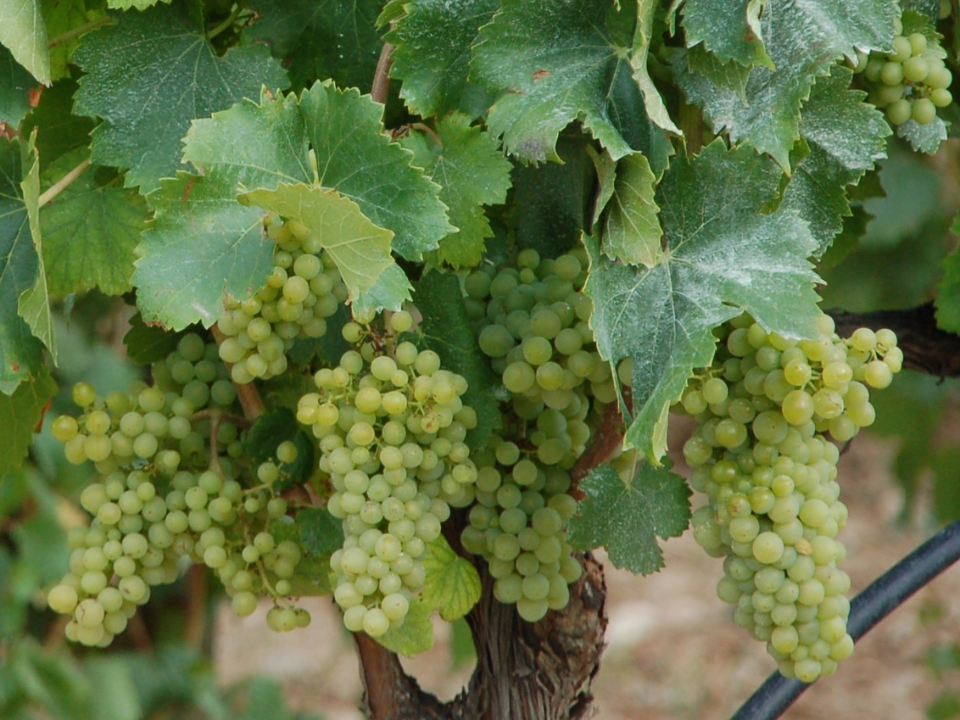
Grenache Blanc, a mutation of the Grenache grape, is predominantly found in the southern Rhone Valley of France, but it is also cultivated in Spain and California. Known for its aromatic qualities, Grenache Blanc produces wines with floral and citrus notes, making it a popular choice for white blends. The grape prefers dry, sandy soils and benefits from ample sunshine to develop its signature flavors. In the vineyard, it requires attention to pruning and careful irrigation to ensure proper ripening.
This variety produces wines with medium body and crisp acidity, which makes it suitable for both single-varietal wines and blends. Grenache Blanc thrives in warmer climates but needs to be protected from excessive heat during harvest. Wines made from this grape often display refreshing citrus and stone fruit flavors, with a smooth, well-rounded finish. Proper care ensures that Grenache Blanc remains a valuable grape in both the Old and New World wine markets.
Riesling
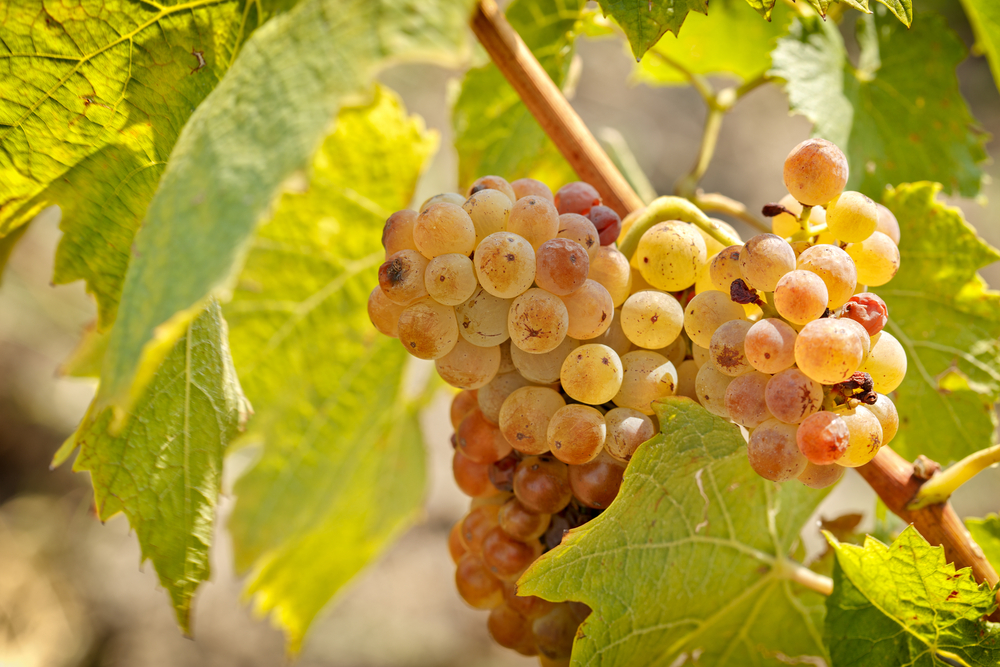
Riesling, originally from Germany, is known for producing some of the world’s most aromatic and age-worthy wines. It thrives in cooler climates like those found in Germany’s Mosel Valley, where it can retain its natural acidity while developing complex flavors of citrus, honey, and floral notes. The grape requires well-drained soils and careful management of water levels, as excessive moisture can dilute the flavors. Pruning and canopy management are essential to promote healthy grape ripening.
Riesling is a versatile grape, capable of producing wines ranging from dry to sweet, and it is often a favorite for sparkling wine production. The grape is particularly sensitive to its terroir, meaning the vineyard’s soil and climate can significantly impact the wine’s final profile. In cooler climates, Riesling retains high acidity, making it an excellent candidate for aging. Wines made from Riesling often improve over time, developing more complex and layered flavors.
Albarino
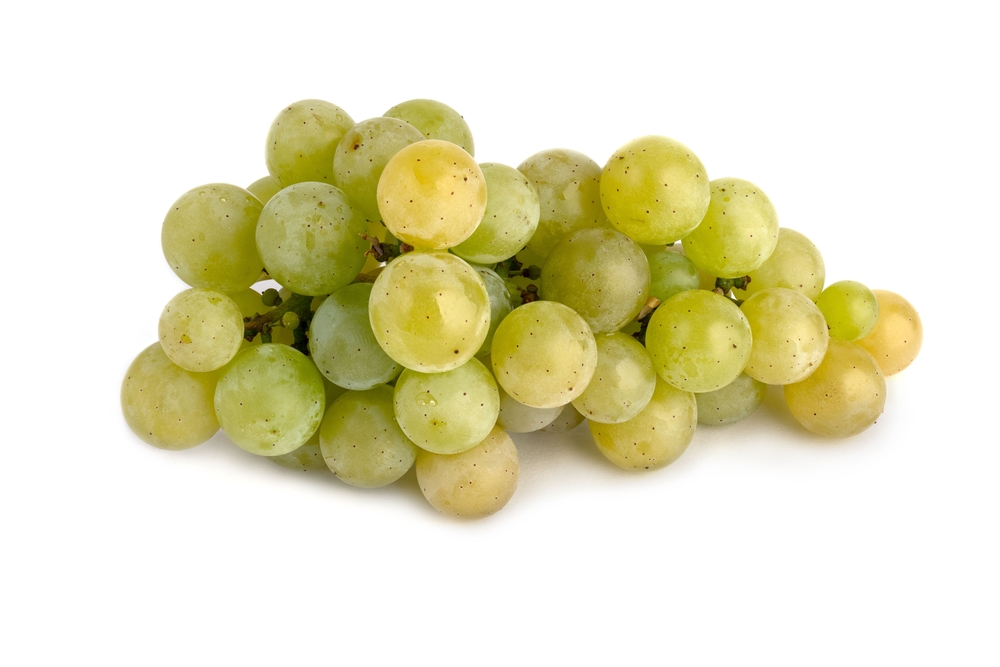
Albarino, a native grape of Spain’s Rías Baixas region, is known for its vibrant acidity and refreshing citrus flavors. The grape grows best in coastal vineyards where cool, oceanic influences help maintain its crispness. Albarino vines thrive in well-drained, sandy soils and require careful canopy management to prevent overexposure to sunlight. Regular pruning ensures good airflow and helps avoid fungal diseases, which can impact grape quality.
This white variety produces wines that are aromatic and zesty, with notes of lemon, lime, and stone fruit. Albarino is sensitive to water stress, so it requires moderate irrigation to maintain the ideal balance. The grape’s high acidity and freshness make it a popular choice for pairing with seafood. Wines made from Albarino are typically light to medium-bodied, with a clean, mineral-driven finish.
Chenin Blanc
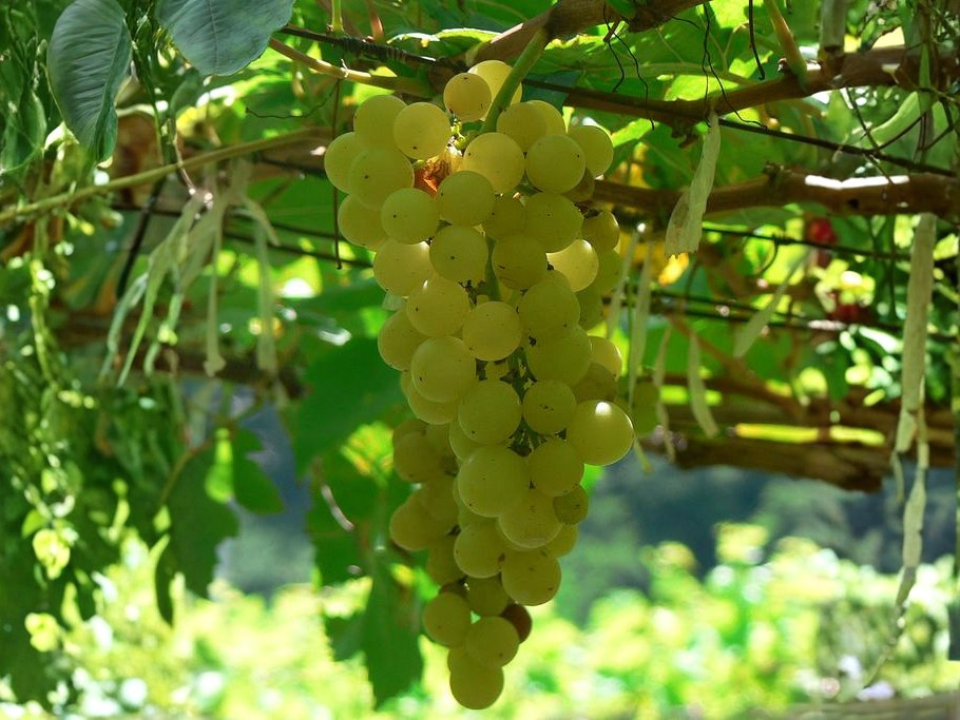
Chenin Blanc is a white grape variety originating from the Loire Valley in France, where it is responsible for some of the region’s most renowned wines, such as Vouvray. Known for its versatility, this grape can produce a wide range of wine styles, from dry to sweet and even sparkling. It thrives in cool climates, where it retains its vibrant acidity while developing flavors of green apple, honey, and quince. Chenin Blanc requires regular canopy management and proper irrigation to achieve optimal ripening.
Wines made from Chenin Blanc often exhibit floral aromas and a crisp, mineral-driven finish. This variety is particularly sensitive to the climate and can struggle in excessively hot conditions. It also performs well in regions like South Africa and California, where it is gaining recognition for its ability to express terroir. Chenin Blanc’s aging potential allows it to develop complex flavors over time, making it a favorite among collectors.
Carignan
Carignan is a dark-skinned grape variety that originated in Spain and is widely grown in France, particularly in the Languedoc region. Known for producing wines with deep color and firm tannins, Carignan thrives in dry, Mediterranean climates. It prefers sandy soils that drain well, allowing the roots to go deep and develop complex flavors. In the vineyard, Carignan requires regular pruning to ensure even ripening and avoid overgrowth.
The grape is often used in blends, contributing bold flavors and structure to the final wine. Wines made from Carignan tend to have flavors of dark berries, herbs, and spices. While the grape can be challenging to grow, it rewards growers with wines that have a strong backbone and good aging potential. Carignan wines are typically full-bodied with a good balance of acidity and tannins.
Dolcetto
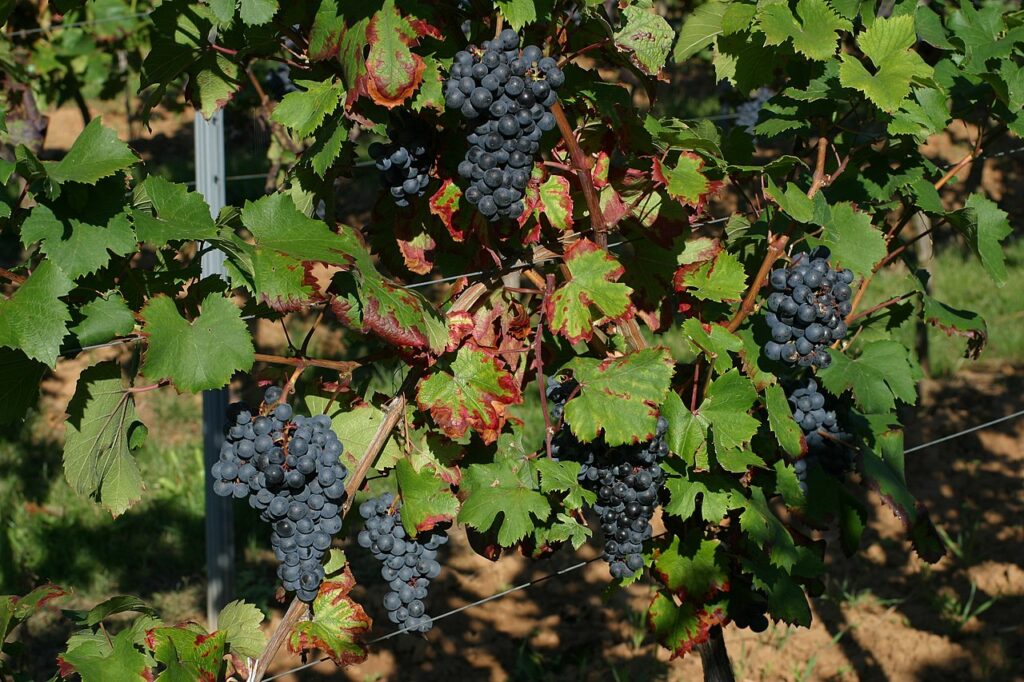
Dolcetto, native to the Piedmont region of Italy, produces wines known for their rich, fruity flavors and smooth tannins. The grape thrives in the region’s moderate climate, where it is planted in well-drained soils that allow the vines to develop deep, concentrated flavors. Regular pruning and careful management of vine growth help maintain a balanced canopy and prevent overcrowding. Dolcetto requires careful irrigation to ensure the vines receive sufficient water during dry spells.
Wines made from Dolcetto are often fruity with flavors of black cherry, plum, and almond. The grape’s low acidity makes it approachable for early consumption, but it still has enough structure to age well. Dolcetto is typically used in single-varietal wines but is also sometimes blended with other varieties for added complexity. It is particularly well-suited to pairing with rich Italian dishes like pasta and meats.
This article originally appeared on Avocadu.