
17 Historic Forts in the U.S. Where Kids Can Climb Around Safely
Visiting historic forts can be a great way for families to spend time together while learning something new. Many forts across the United States are designed with wide walkways, open spaces, and sturdy structures that allow kids to move around comfortably with supervision. These places give children the chance to touch real stone walls, walk where soldiers once stood, and see history up close. Parents often appreciate settings that feel structured without feeling restrictive. The mix of outdoor space and simple layouts helps younger visitors stay engaged without feeling overwhelmed. These forts turn history into something active rather than something only read on signs. A visit like this can feel educational and enjoyable at the same time.
This post may contain affiliate links, which helps keep this content free. Please read our disclosure for more info.
Fort McHenry Baltimore, Maryland
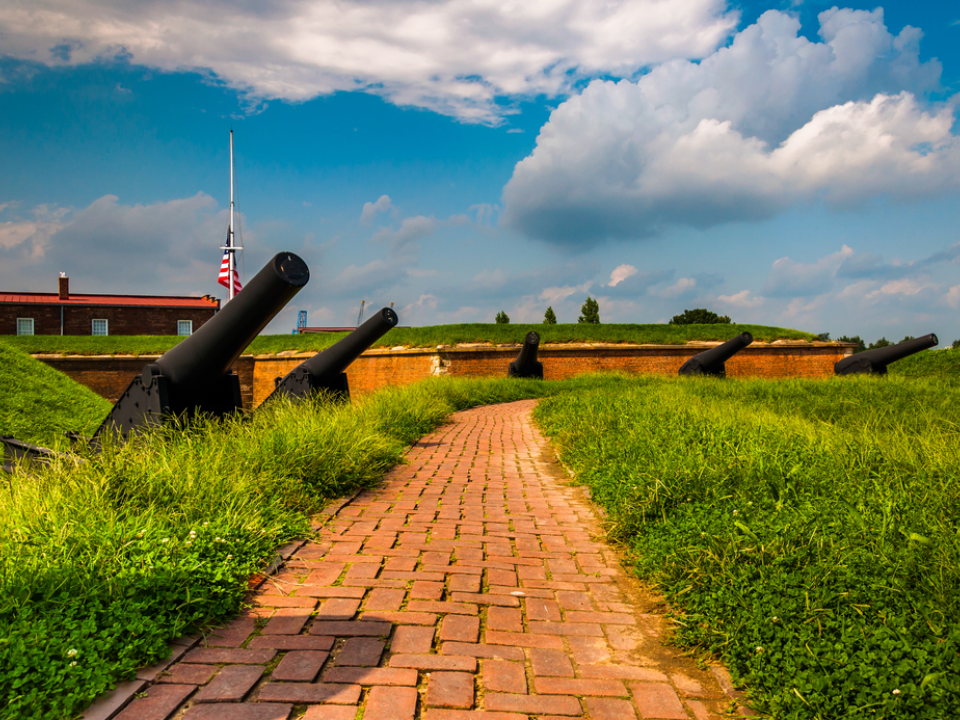
Fort McHenry in Baltimore Maryland offers large grassy areas and wide stone paths where children can walk comfortably with supervision. The fort structure feels solid and open, which helps kids feel secure while moving around. Its star shaped layout allows parents to keep children within view from many angles. Kids can look closely at cannon areas without climbing steep or narrow spaces.
The grounds encourage walking and light movement without rushing. Signs explain history in clear and simple language that families can discuss together. Shaded areas provide relief during warmer days. Benches placed around the grounds make breaks easy. The visit feels organized while still letting kids stay active.
Castillo de San Marcos St. Augustine, Florida
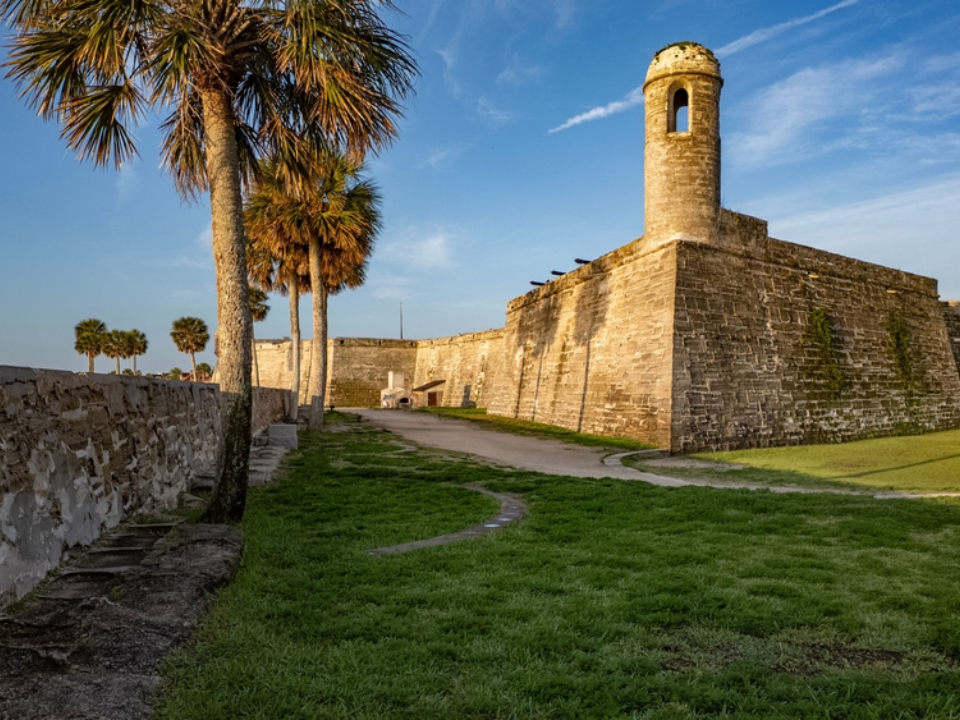
Castillo de San Marcos stands out because of its solid stone construction that feels safe and steady. The fort’s layout allows children to walk along the top level while remaining behind low walls. The wide ramps make moving between levels easier than traditional staircases. Kids enjoy touching the rough stone and looking out over the water.
Cannon displays are placed in ways that encourage observation rather than climbing. The central courtyard gives families space to regroup or sit during talks. The fort feels open and airy rather than dark or cramped. Parents often appreciate how visible and organized the space feels.
Fort Ticonderoga Ticonderoga, New York
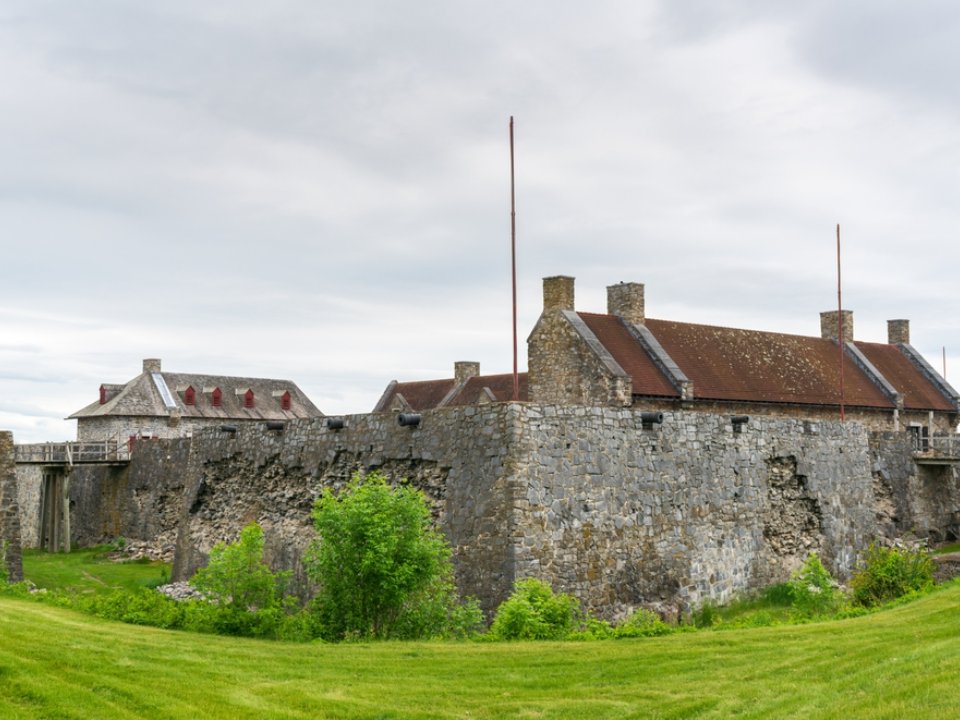
Fort Ticonderoga offers a mix of stone walls, grassy paths, and restored buildings that feel inviting to children. Kids can walk through rooms that show how soldiers slept, ate, and worked. The grounds are large, which helps families avoid crowded spots.
Clear walking paths guide visitors from one area to the next. Staff members often share short stories that help kids imagine life long ago. The nearby lake adds visual interest without adding risk. Seating areas allow families to pause and talk about what they see. The fort visit feels relaxed and well-paced.
Fort Vancouver Vancouver,Washington
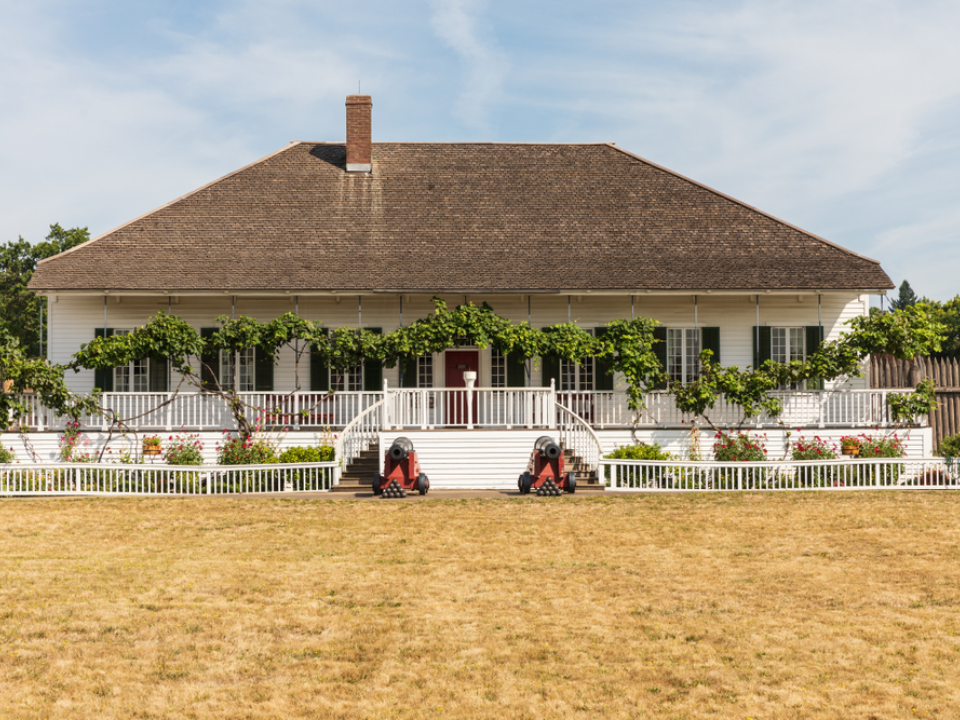
Fort Vancouver focuses on daily life rather than battle scenes, which helps children stay comfortable. The reconstructed buildings are spaced out and easy to enter. Kids enjoy walking between structures while learning about food, trade, and shelter.
The ground remains mostly level, which helps younger children walk without trouble. Signs use simple language that parents can read aloud. Open fields around the fort allow room to run before or after the visit. The calm atmosphere helps children stay engaged without overstimulation. Families often leave feeling informed and relaxed.
Fort Sumter Charleston, South Carolina
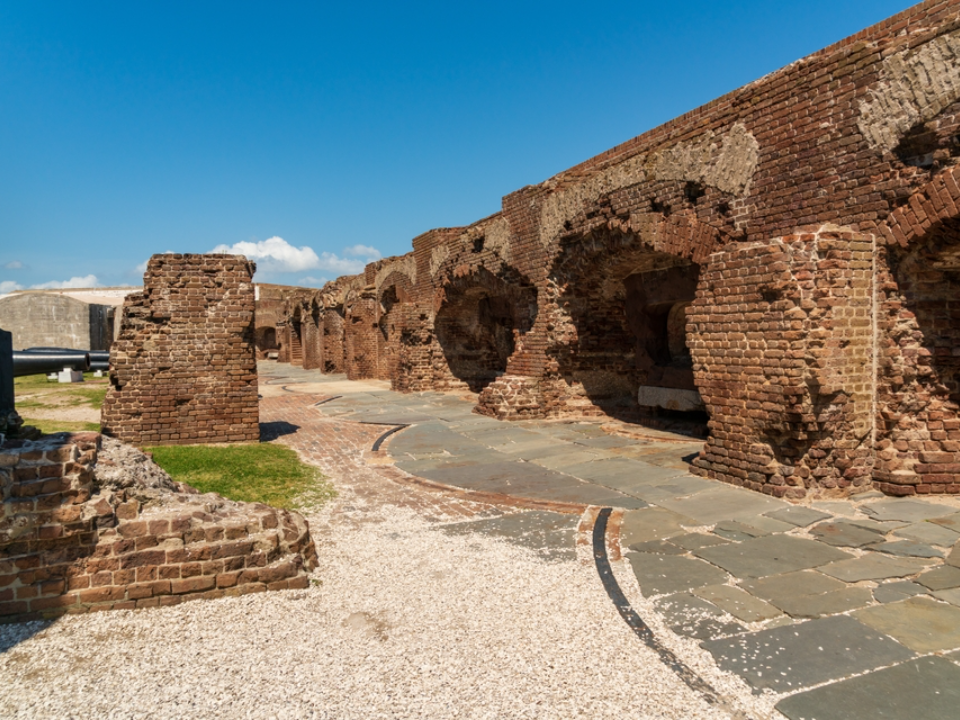
Fort Sumter creates excitement through its boat ride, which feels like part of the experience rather than a barrier. Once inside the fort, kids find a wide-open interior with clear walking areas. The stone surfaces feel solid and stable throughout the visit. Children can look closely at cannons without needing to climb or squeeze into tight spaces.
The visit length works well for younger attention spans. Rangers explain events through simple storytelling that kids can follow. The harbor views give children something visual to focus on between explanations. Parents often appreciate the controlled and organized layout.
Fort Pulaski Savannah, Georgia
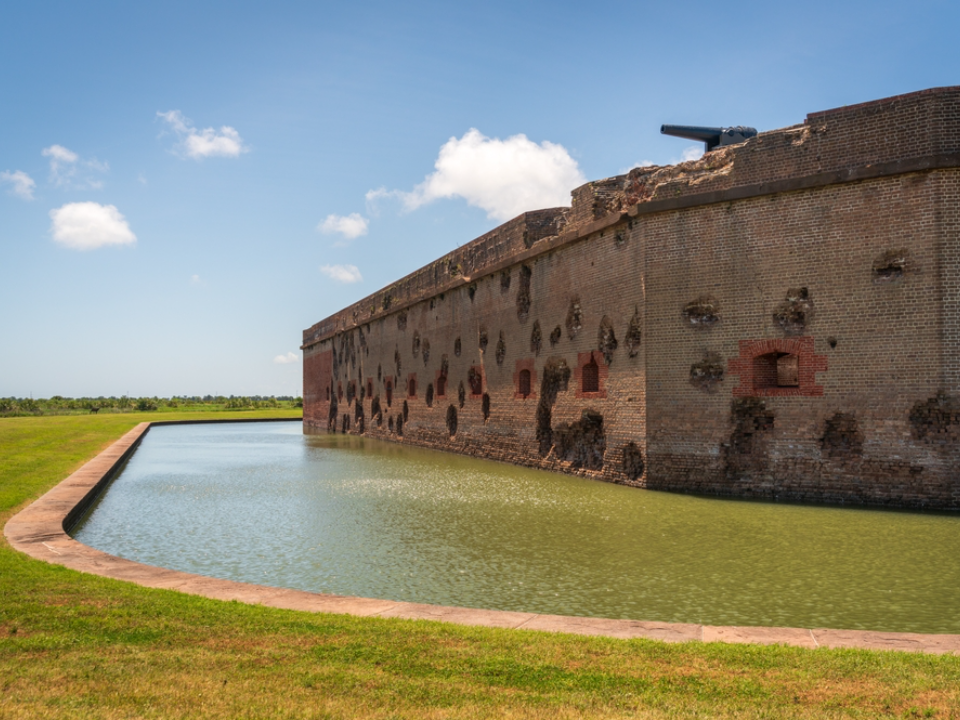
Fort Pulaski offers wide interior spaces that feel comfortable for children to walk through. The surrounding moat sparks curiosity and invites questions. Inside, the casemates give kids a sense of how soldiers lived day to day. The fort paths feel predictable and easy to follow.
Demonstrations often include sounds or movement that help keep children alert. The open park areas outside the fort allow families to rest or snack. The visit balances learning with movement. Parents often find the pace ideal for a family outing.
Fort Laramie Goshen County, Wyoming
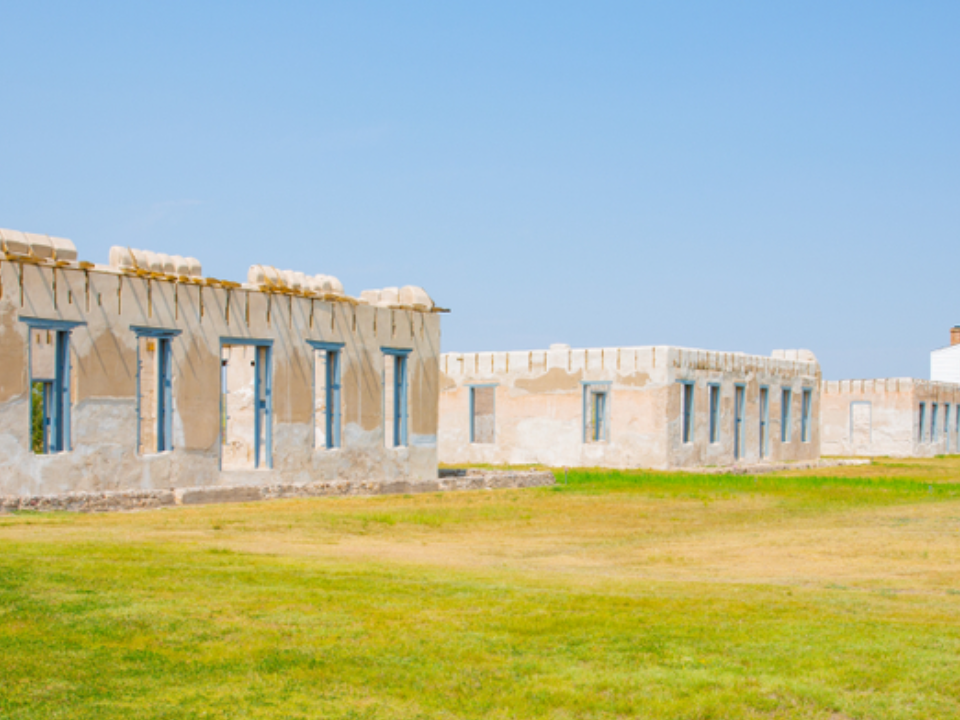
Fort Laramie provides wide open land that allows kids to move freely without crowding. The low buildings make entry simple and stress free. Children can walk through rooms that show trade, travel, and daily chores. The fort layout helps explain westward movement in a clear way.
Paths remain visible and easy to follow. Rangers often answer questions patiently and clearly. The quiet surroundings help children focus on what they see. Families often enjoy the peaceful setting.
Fort Moultrie Sullivan’s Island South, Carolina
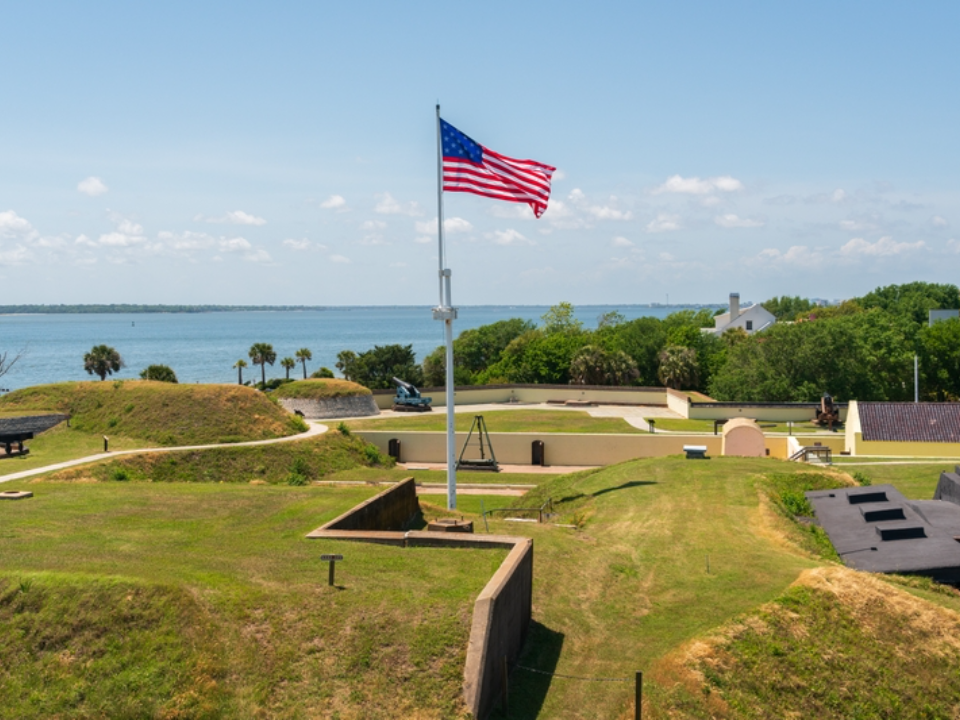
Fort Moultrie presents history across several time periods, which keeps the visit interesting. Kids can walk along strong walls and look through lookout points safely. The fort spreads visitors out, reducing noise and crowding. Displays sit at heights children can see easily.
The ocean air keeps the walk comfortable. Picnic areas nearby allow families to slow down afterward. The site feels educational without pressure. Parents often enjoy the steady pace.
Fort Point San Francisco, California
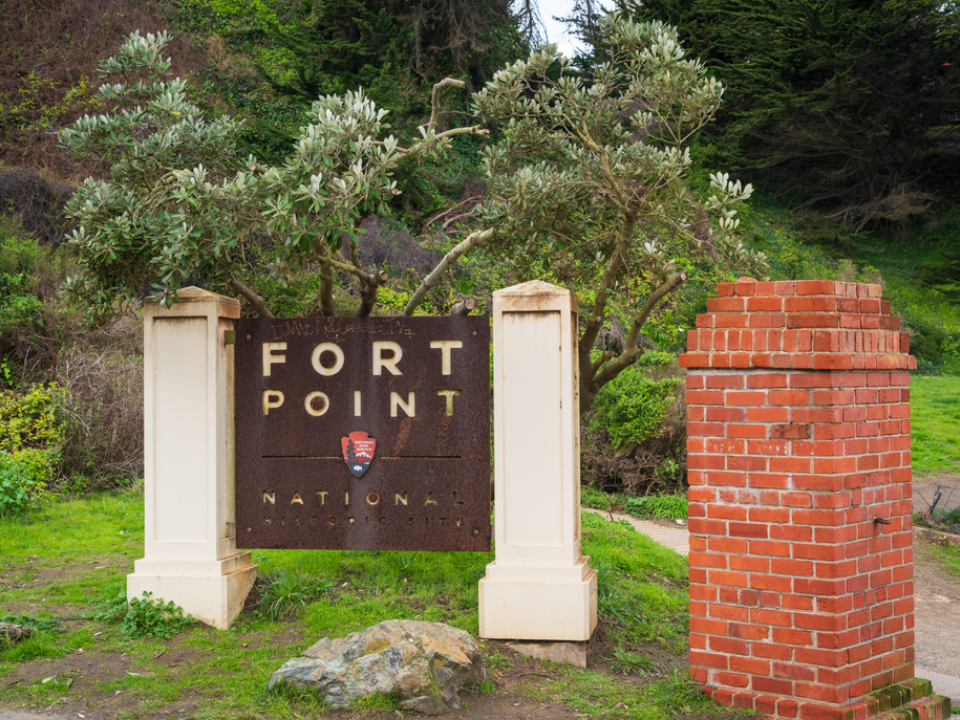
Fort Point sits in a dramatic setting that immediately captures attention. The large interior spaces feel open rather than enclosed. Kids enjoy walking across the ground level and looking up at the tall structure. Staircases remain wide with clear railings.
The fort feels stable and well maintained throughout. Short walking distances help prevent tired legs. The surrounding views create natural pauses during the visit. Families often leave with strong visual memories.
Fort Monroe Hampton, Virginia
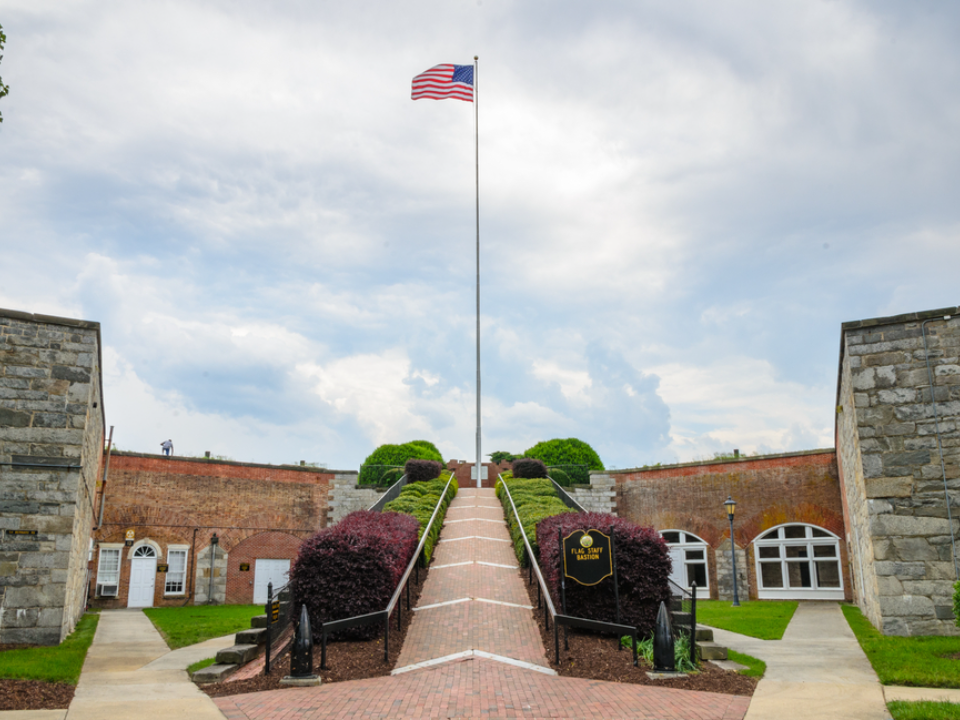
Fort Monroe offers wide open walkways and grassy areas that help kids move around without feeling restricted. The stone walls are low enough for children to look over while still feeling secure. Families can walk along the perimeter and enjoy water views that keep attention steady.
Interior spaces are roomy and well lit, which helps younger visitors stay comfortable. The fort layout makes it easy for parents to keep children within sight. Historical signs focus on clear explanations rather than dense text. Seating areas allow for rest breaks when needed. The setting feels calm and welcoming for families.
Fort Morgan Gulf Shores, Alabama
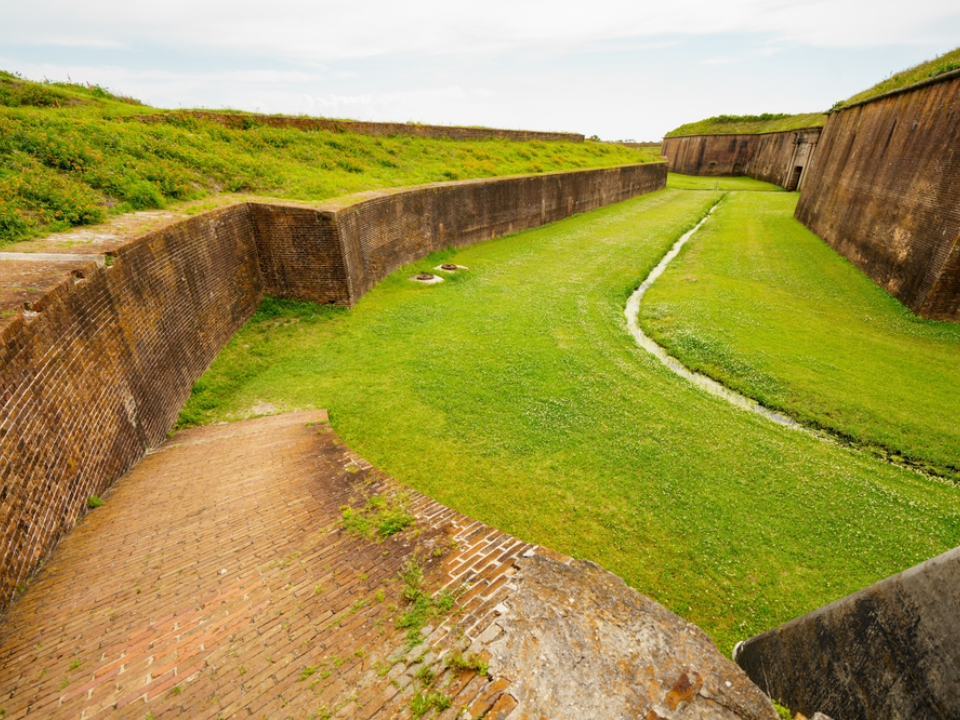
Fort Morgan features wide interior passages and large open rooms. Kids enjoy walking along the outer walls while staying within safe boundaries. The fort offers clear views of the water that add interest. Many areas are shaded, which helps during warmer days.
The fort design allows children to move without tight corners. Historical displays focus on clear visuals and simple explanations. The nearby beach gives families a chance to unwind afterward. The experience feels steady and engaging.
Fort Adams Newport, Rhode Island
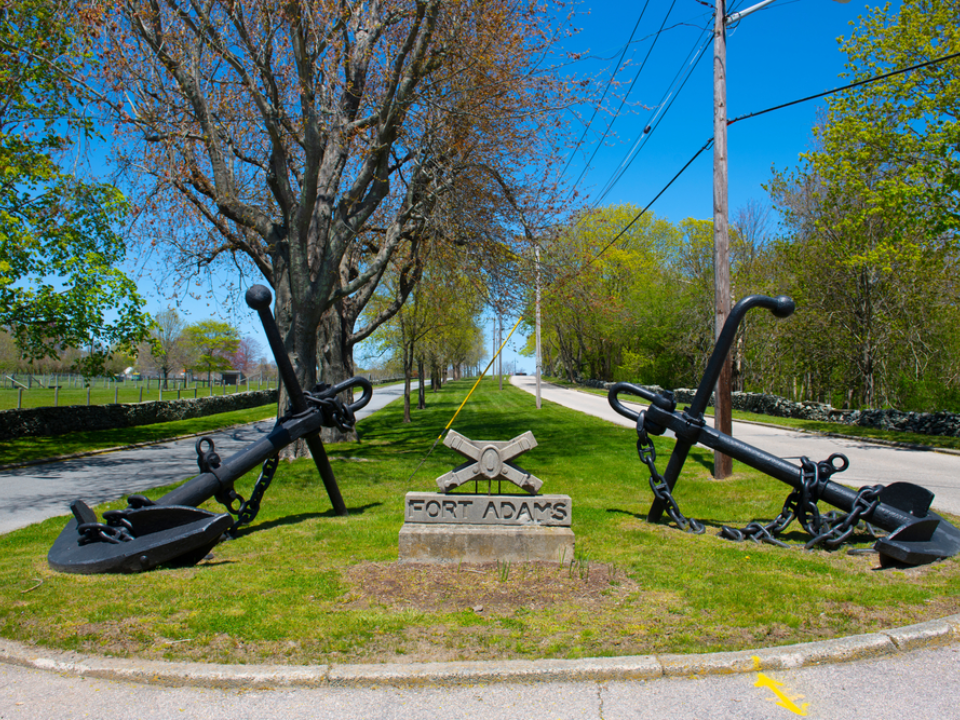
Fort Adams includes broad walkways and grassy areas that welcome families. Children can walk along sturdy walls while enjoying views of the harbor. The fort interior feels spacious rather than cramped. Guided tours often explain history through stories that kids can follow.
The grounds allow room for breaks and snacks. The fort layout helps parents keep kids nearby. The ocean breeze keeps the walk comfortable. Families often find the visit easy to manage.
Fort Knox Prospect, Maine
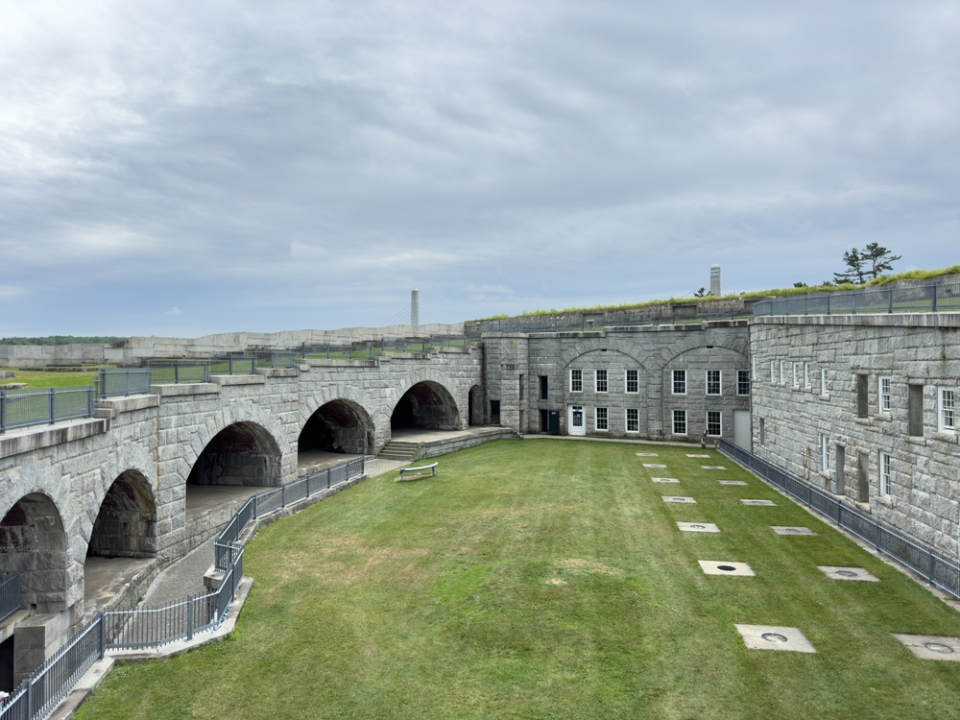
Fort Knox offers stone corridors that feel sturdy and secure. Kids enjoy exploring the open rooms while staying on level ground. The fort overlooks a river, which adds visual interest. Staircases are wide and include railings for support.
The fort feels quiet and calm compared to busier attractions. Parents can easily supervise due to clear sight lines. The surrounding park area allows for outdoor time afterward. The visit feels steady and unrushed.
Fort Worden Port Townsend, Washington
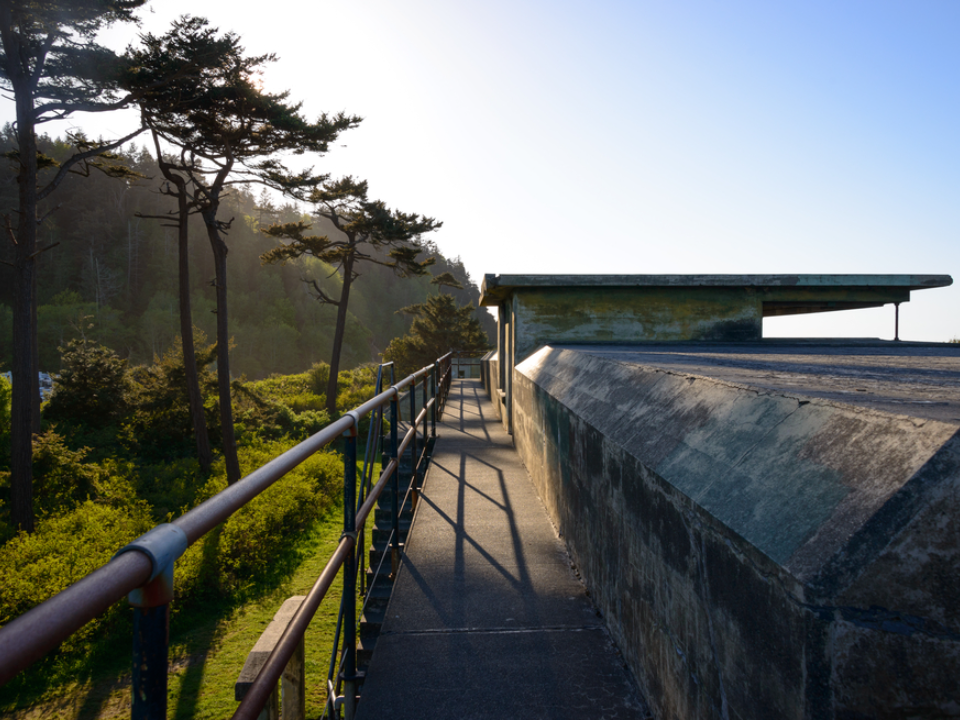
Fort Worden provides a mix of open land and historic buildings that families enjoy. Kids can walk through wide doorways and large rooms. The setting feels relaxed and uncrowded. Clear paths connect different areas of the fort.
Views of the water help keep children interested. Parents appreciate how much space is available. The fort encourages movement without pressure. The visit feels balanced and easy.
Fort Stevens Clatsop County, Oregon
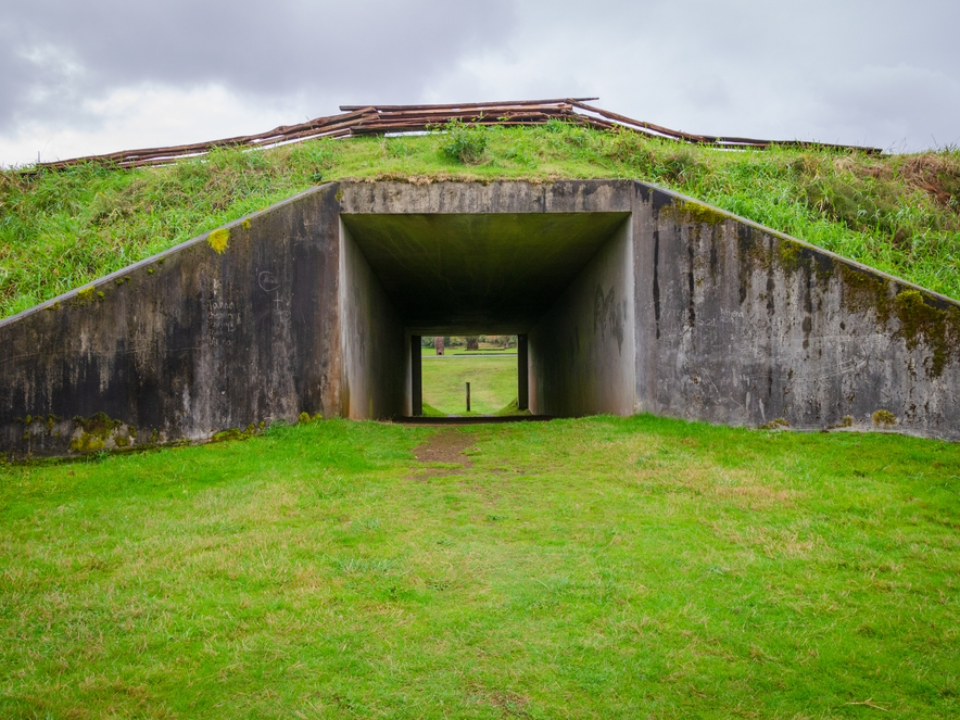
Fort Stevens offers large open spaces that support safe exploration. Kids can walk along concrete structures that feel stable and wide. The fort layout keeps areas clearly defined. Informational signs use simple wording that families can discuss together. The nearby beach adds excitement after the visit. The grounds allow children to move freely with supervision. Parents often enjoy the relaxed pace. The site feels welcoming and open.
Fort De Soto Pinellas County, Florida
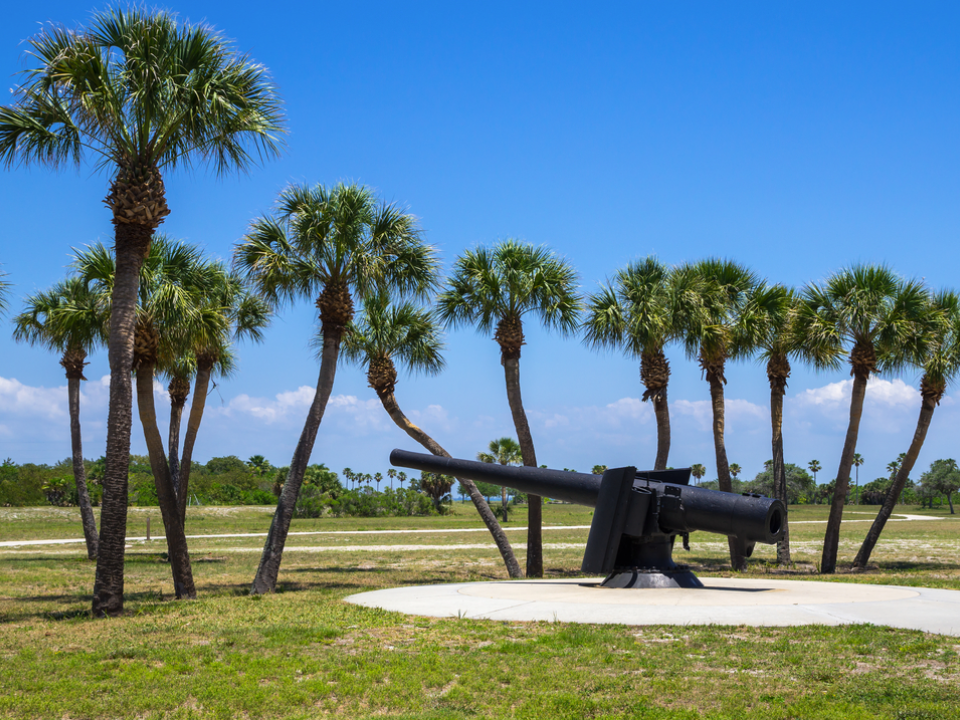
Fort De Soto combines coastal views with accessible historic structures. Kids enjoy walking along low walls and looking out at the water. The fort spaces remain open and easy to move through. Paths stay mostly level, which helps younger visitors.
The surrounding park provides shade and rest spots. Families often enjoy pairing history with outdoor time. The fort visit stays light and engaging. The setting feels friendly and relaxed.
Fort Casey Whidbey Island, Washington
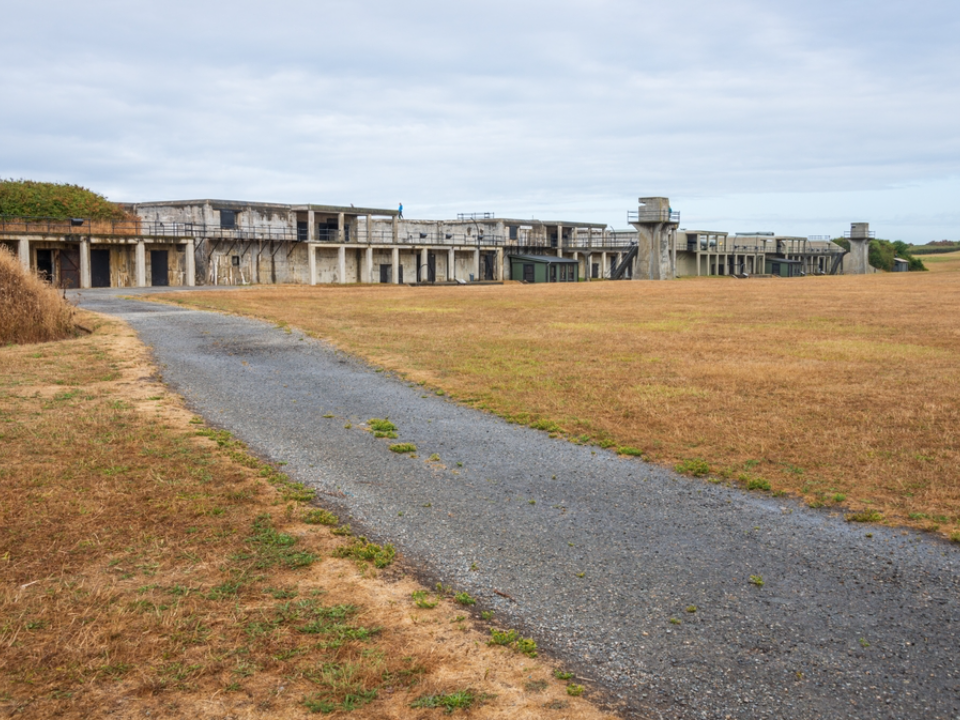
Fort Casey features wide concrete walkways that feel safe and solid. Kids enjoy walking through large gun emplacements without tight spaces. The fort sits near open fields that allow room to roam. Clear boundaries help parents supervise easily.
The views of the water add interest throughout the visit. The fort design feels open and manageable. Families often enjoy the quiet setting. The experience feels steady and comfortable for children.
This article originally appeared on Avocadu.