
16 Heritage Pears with Honey Notes and Soft, Jammy Texture
When it comes to pears, there’s something truly special about those with honeyed notes and a soft, jammy texture. These varieties offer a sweet, smooth experience that’s perfect for enjoying on their own or incorporating into your favorite recipes. Whether you bite into one fresh or cook it into a dessert, the delicate sweetness and rich flavor make each bite a treat. As they ripen, the texture becomes wonderfully tender, almost melting in your mouth. Their honey-like flavor adds a subtle depth, making them a perfect addition to fruit salads, tarts, or even savory dishes. If you love pears that feel like a little indulgence, these varieties will quickly become your go-to. Their versatility and natural sweetness bring a touch of luxury to any meal or snack.
This post may contain affiliate links, which helps keep this content free. Please read our disclosure for more info.
Bartlett Pear
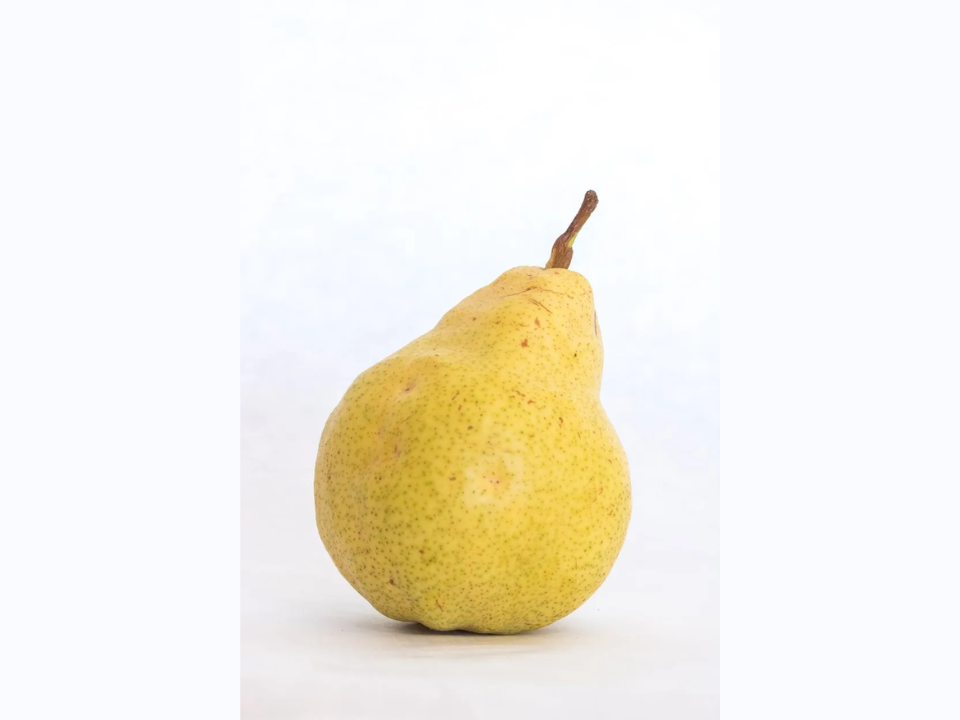
The Bartlett pear is a classic, well-known variety that brings a balance of sweetness and juiciness. It has a smooth texture that quickly transitions from crisp to soft, with a honeyed fragrance that deepens as it ripens. Its skin, which starts green and turns yellow when ripe, also offers a slight smoothness. The flesh inside is tender, almost jam-like when fully ripe, making it a perfect choice for baking or snacking.
This pear variety has a mild honey flavor that blends seamlessly with its natural sweetness, offering a subtle floral note. Bartlett pears pair wonderfully with a variety of cheeses and are often used to create jams and preserves due to their soft texture and rich flavor. Their versatility makes them a must-have in the kitchen for recipes that call for a delicate, sweet touch.
Comice Pear
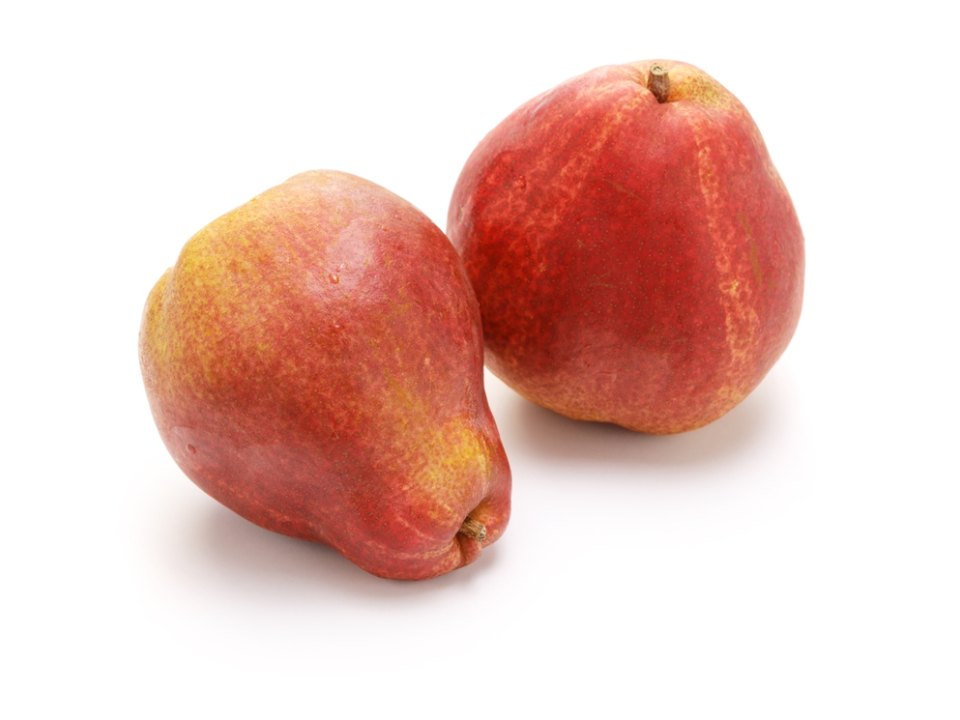
Comice pears are known for their incredible sweetness and rich, honeyed flavor. They have a smooth, buttery texture that makes them a favorite for eating fresh or adding to fruit salads. Their round shape and green skin, which sometimes features a red blush, conceal their soft and juicy interior.
When fully ripe, they offer a jammy texture that practically melts in your mouth. The flavor is distinctly sweet with a hint of floral honey, making it a perfect complement to other fruits or as part of a cheese platter. Comice pears are often used in gourmet recipes and desserts, where their smooth texture and honey notes shine through. The pear’s soft texture and subtle sweetness make it ideal for making pear tarts or pairing with caramel sauces.
Bosc Pear
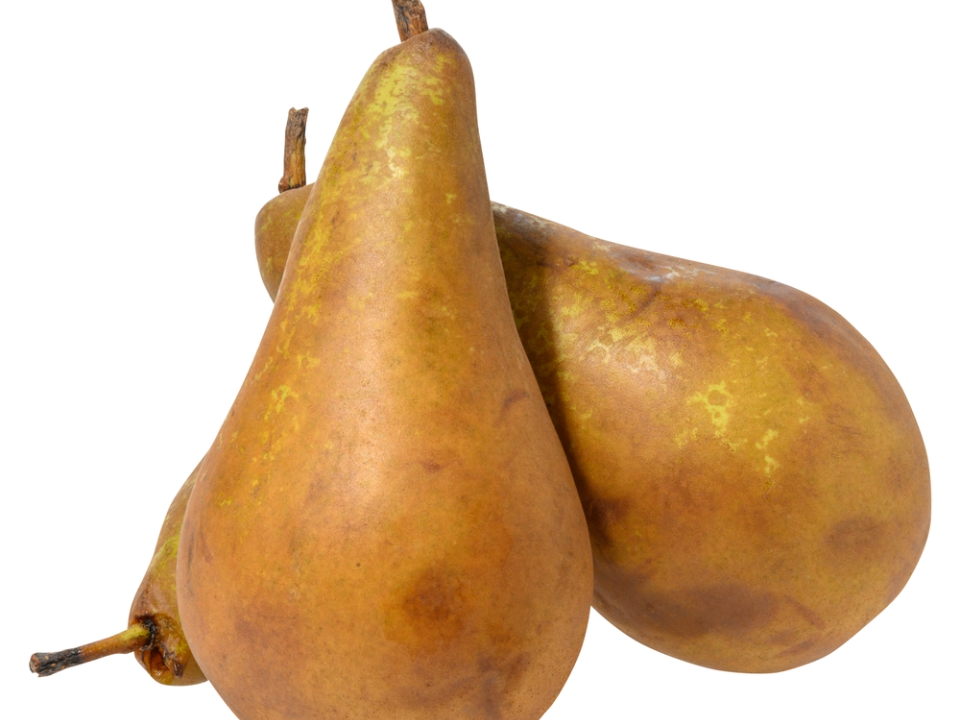
The Bosc pear stands out with its unique brownish skin, which is slightly rough compared to other pear varieties. Inside, the flesh is dense and grainy at first but becomes smoother as it ripens, developing a rich, honey-like sweetness. The Bosc pear has a deep, aromatic flavor that offers a slight spice undertone alongside its jammy texture.
Its honeyed notes are more pronounced when the pear is left to ripen at room temperature, and it softens, making it easier to slice or bake with. This pear variety is often used in cooking, particularly in savory dishes or with roast meats. The Bosc’s sturdy shape and texture also make it a reliable choice for poaching, as it holds up well while absorbing the flavors of the cooking liquid. Its ability to retain texture while being tender makes it ideal for creating fruit-based sauces or stews.
Seckel Pear
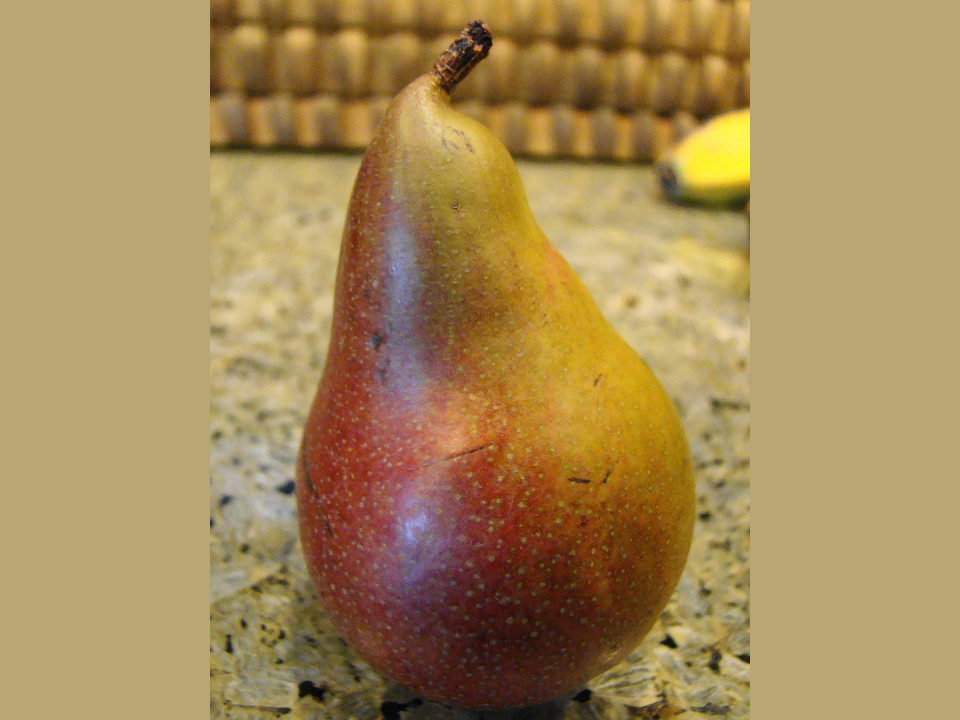
Small in size but big in flavor, the Seckel pear packs a punch with its honeyed sweetness and smooth, jam-like texture. Known for its vibrant green and red skin, it offers a rich, dense bite that becomes softer as it ripens. Despite being smaller, it has an intense, floral flavor with a burst of honey that makes it stand out. The Seckel pear is a great snack on its own or paired with cheese, especially due to its small, manageable size.
This pear’s soft and jammy texture makes it perfect for baking into pies, tarts, or galettes, where its rich honey notes shine through. It is also used to make preserves, where its small size is an advantage, allowing for quick preparation. The Seckel’s versatility also extends to being served fresh in salads or atop yogurt with a drizzle of honey.
Anjou Pear
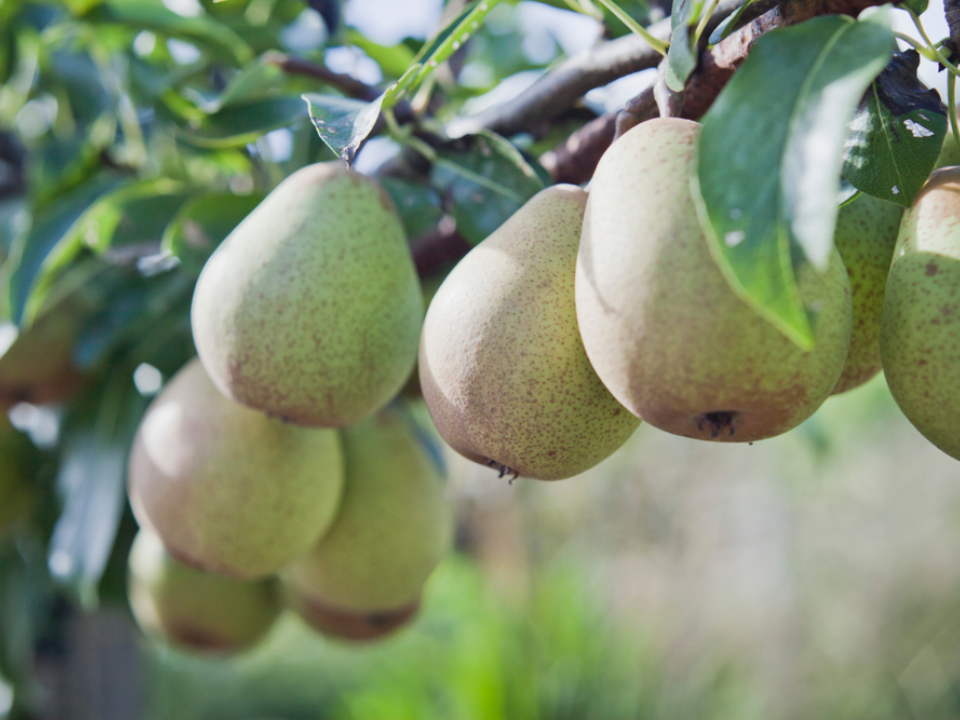
Anjou pears are known for their firm texture, which softens beautifully as they ripen, allowing for a perfect balance of sweetness and juiciness. Their pale green skin can sometimes have a hint of red, and when fully ripe, their soft flesh has a honeyed richness. Anjou pears provide a lovely jammy texture when sliced open, making them a perfect addition to fruit spreads or preserves.
The flavor profile is mild yet deeply sweet with floral notes that resonate, leaving behind a subtle honey aftertaste. The pear’s sturdy yet tender nature makes it a great choice for cooking, where it holds its shape while cooking down to a smooth, sweet finish. Anjou pears are often used in both savory and sweet dishes, complementing meats and cheeses or starring in fruit tarts. Their delightful texture and sweet flavor make them a staple in many households.
Forelle Pear
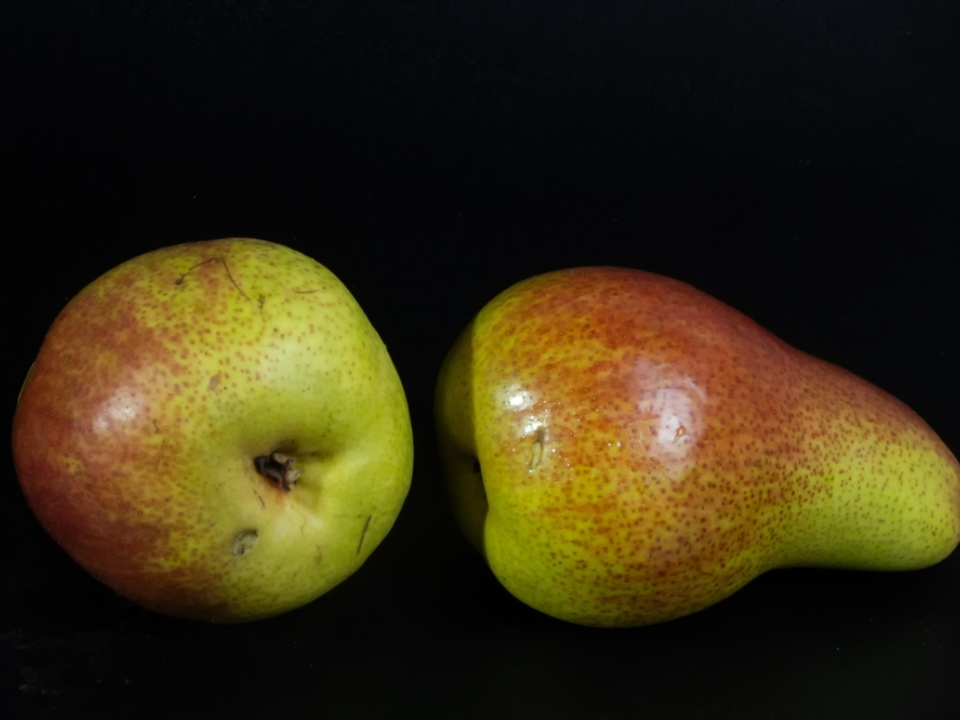
The Forellenschluss pear is an uncommon variety that offers an intriguing flavor with both sweet and slightly tangy notes. Its deep golden skin has a maroon blush, giving it a distinct appearance that reflects its unique flavor profile. The texture of the Forellenschluss pear is smooth, and as it ripens, it becomes soft with a jammy consistency that is ideal for making pear compotes or preserves.
Its flavor carries honey undertones mixed with hints of spice, making it a delightful addition to desserts and baked goods. When eaten fresh, this pear offers a refreshing crunch that gradually softens, revealing a rich, honeyed interior. It is particularly popular in Europe and used in various culinary applications, from savory dishes to fruit salads. The Forellenschluss pear pairs well with nuts and cheeses due to its sweet yet slightly tangy flavor.
Concorde Pear
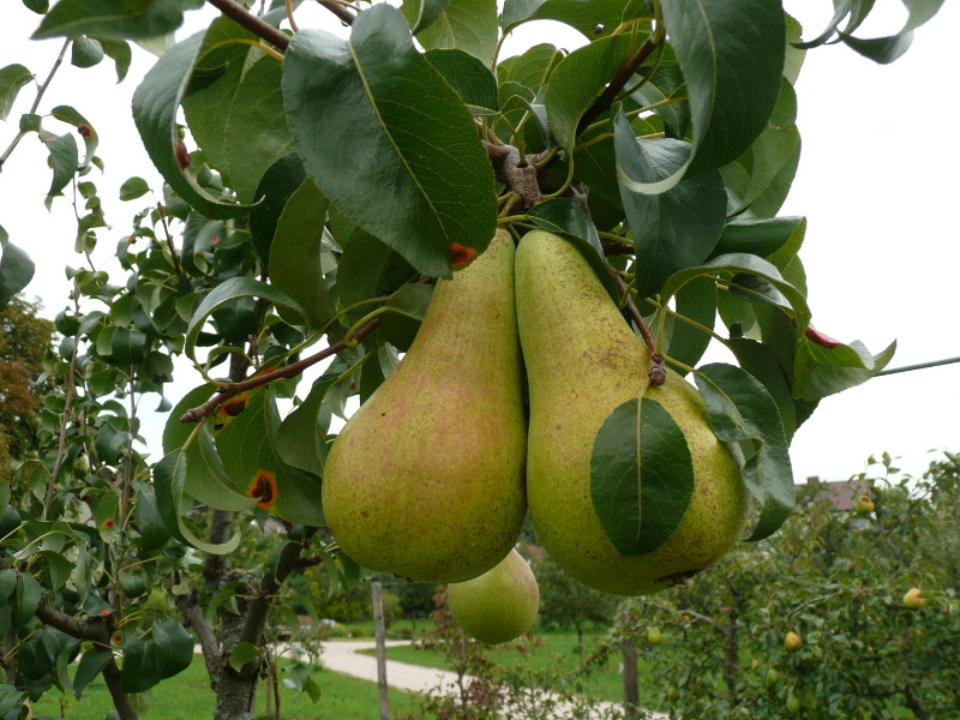
The Concorde pear is a hybrid variety that combines the best of both the Comice and Conference pears. Its skin is a smooth green with occasional brown spots, and the flesh inside is firm yet tender, with a soft, jammy texture when ripened. This pear has a delicate sweetness with a honeyed finish, making it an excellent choice for both eating fresh or for use in cooking.
The Concorde pear has a subtle flavor profile with a floral note that enhances its honey-like richness. Its dense flesh holds up well when cooked, making it ideal for poaching or roasting. This pear variety works wonderfully in savory dishes like salads and stews, or as a topping for cheese plates. Its unique sweetness also pairs excellently with cinnamon and spices in dessert recipes.
Starkrimson Pear
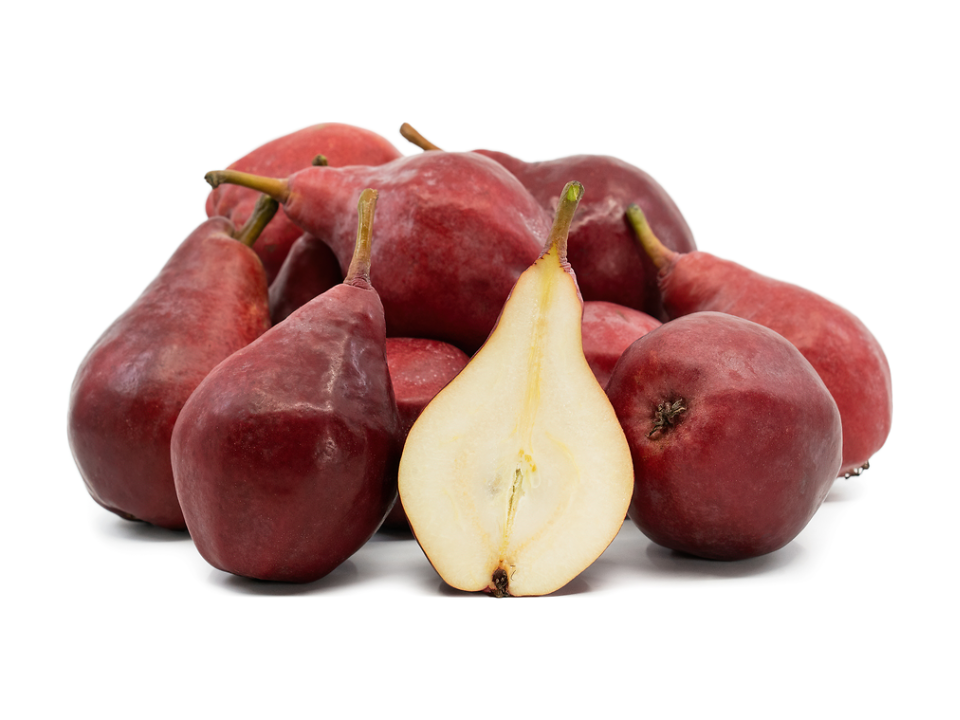
The Starkrimson pear is known for its vibrant red skin and crisp texture, which turns smooth and soft as it ripens. Inside, the flesh has a sweet, honeyed flavor that is complemented by a slightly floral taste. When fully ripe, the Starkrimson offers a soft, jammy consistency, making it perfect for creating sauces or using in fruit-based desserts.
Its intense sweetness is well balanced by its floral notes, which make it a delightful addition to fruit salads or cheese pairings. The pear’s smooth texture and rich flavor also make it suitable for baking into pies or tarts. Starkrimson pears are a visual and flavorful treat, with their deep red skin adding a splash of color to any fruit display. They are best enjoyed fresh or used in recipes where their delicate sweetness can be showcased.
Taylor’s Gold Pear
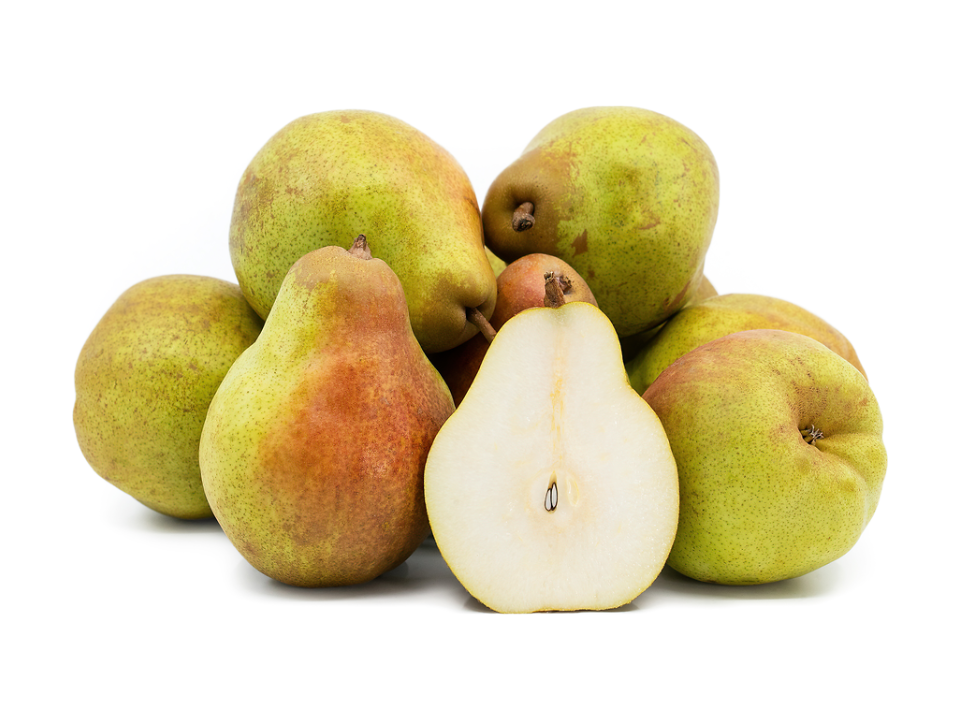
The Taylor’s Gold pear is a naturally occurring mutation of the Comice pear, and it brings a unique flavor with a rich, honey-like sweetness. Its skin is smooth and golden, with a slight russeting around the stem, giving it a rustic appearance. The flesh is tender and soft, developing a jammy consistency that pairs beautifully with its delicate, honeyed flavor. Taylor’s
Gold pears are perfect for eating fresh, where their smooth texture and intense sweetness shine. They also work well in both savory and sweet dishes, often used in salads or roasted with meats. Their honey notes make them a great addition to baked goods or fruit tarts, where they meld well with cinnamon or nutmeg. The pear’s versatility and richness make it a favorite for gourmet chefs and home cooks alike.
Red Bartlett Pear
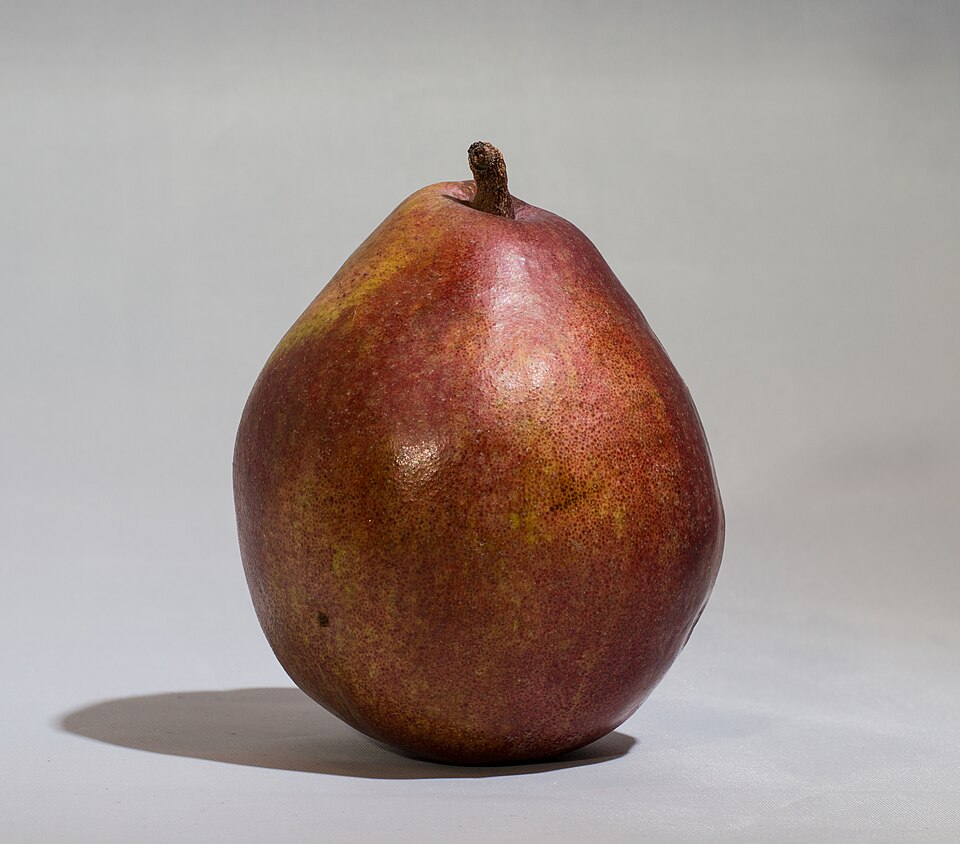
The Red Bartlett pear offers the same sweet, honeyed flavor as its green counterpart, but with the added bonus of a striking red skin. Its flesh is just as tender, with a smooth texture that becomes softer as it ripens. The Red Bartlett pear has a subtle floral fragrance that deepens as the pear matures, enhancing its natural sweetness.
When fully ripe, it has a jam-like consistency that makes it perfect for blending into smoothies or making preserves. The pear’s natural sweetness is complemented by its honeyed undertones, making it a perfect snack or ingredient for fruit salads. Its vibrant red color adds a beautiful touch to any fruit arrangement or dish. The Red Bartlett’s balanced texture and flavor profile make it an excellent addition to any kitchen for both cooking and snacking.
Quince Pear
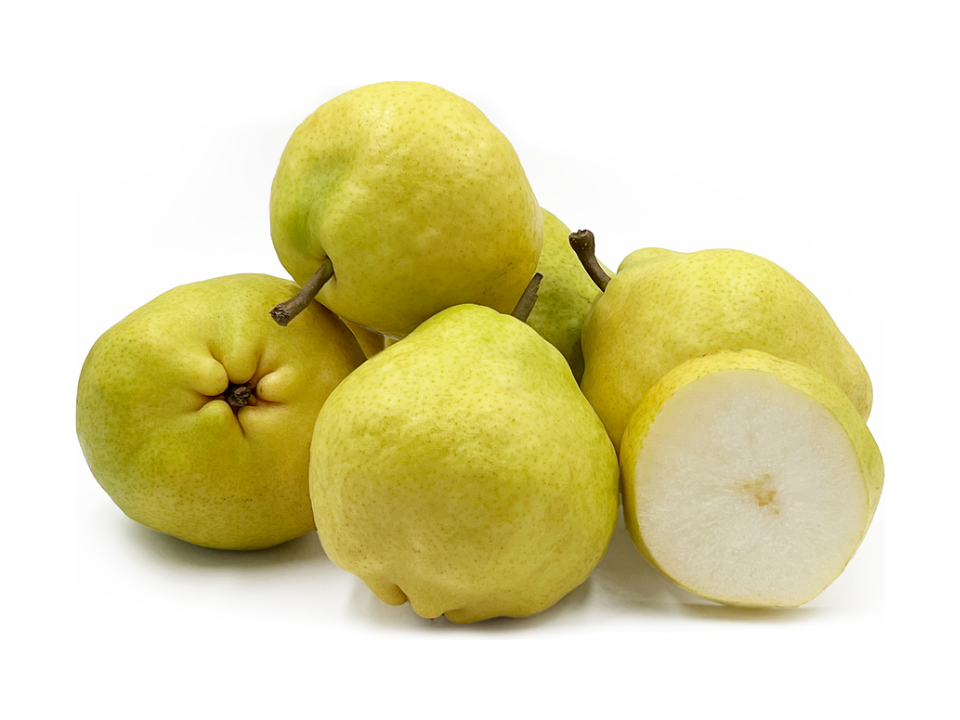
Quince pears are often overlooked, but they offer a unique blend of sweet and tart flavors, making them an interesting addition to any fruit selection. Their hard texture when raw softens significantly once cooked, revealing a smooth, jam-like consistency that pairs well with various dishes. Quince pears are filled with subtle floral and honeyed notes, which become more pronounced after cooking or baking.
They are frequently used in jams, jellies, and preserves, where their honey flavor and thick texture add depth. The quince pear can be roasted or poached, making it ideal for savory and sweet combinations alike. Its ability to absorb the flavors it is cooked with makes it a versatile fruit for pairing with meats, spices, and sweet syrups. When cooked, the quince pear takes on a tender, jammy texture that enhances both dessert and main dishes.
Conference Pear
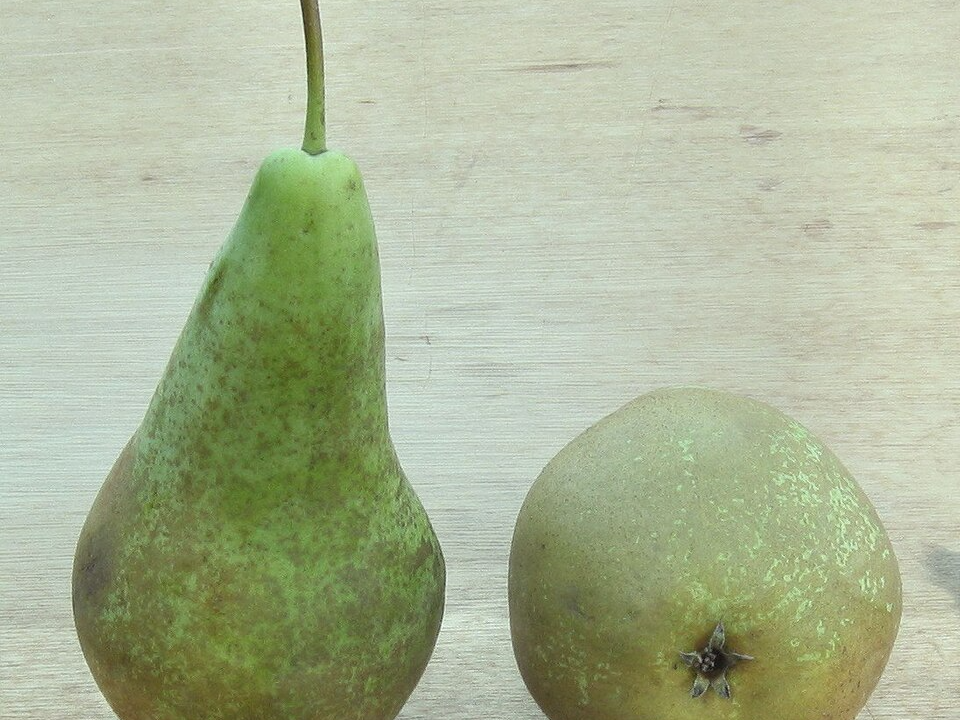
The Conference pear is a late-season variety that boasts a sweet, honey-like flavor and a smooth, buttery texture. With its elongated shape and greenish-brown skin, the Conference pear is distinct in appearance and taste. Its firm yet tender flesh softens gradually, making it perfect for baking, poaching, or simply enjoying fresh.
The flavor is rich and aromatic, with a subtle honeyed sweetness that deepens as the pear ripens. Its smooth texture and mellow flavor make it a perfect companion for soft cheeses and fresh salads. The Conference pear’s ability to retain its texture while becoming softer allows it to hold up well in recipes like pear crumbles or tarts. The pear’s versatility makes it a valuable ingredient in both sweet and savory dishes.
Williams Pear
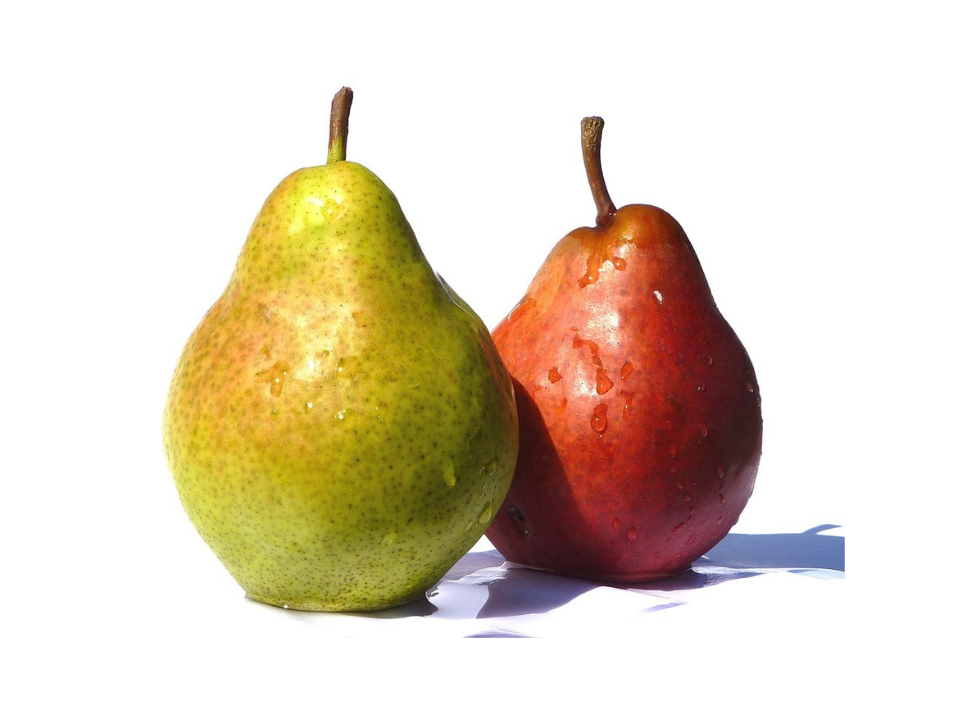
The Williams pear, also known as the Bartlett pear in many regions, is a juicy, sweet pear with a rich honey flavor and smooth, jam-like texture. It has a thin skin that turns yellow as it ripens, revealing a soft, tender flesh inside. The sweetness of the Williams pear is balanced with its subtle floral notes, giving it a honeyed richness that is most noticeable when the pear is fully ripe. Its flesh becomes softer as it ripens, making it perfect for creating sauces, jams, or fruit spreads.
The pear’s smooth texture and sweet flavor also make it a delightful addition to fruit salads or baked goods. It pairs well with both sweet and savory ingredients, making it ideal for a variety of culinary applications. Williams pears are often featured in preserves, where their honey-like sweetness really stands out.
Red Anjou Pear
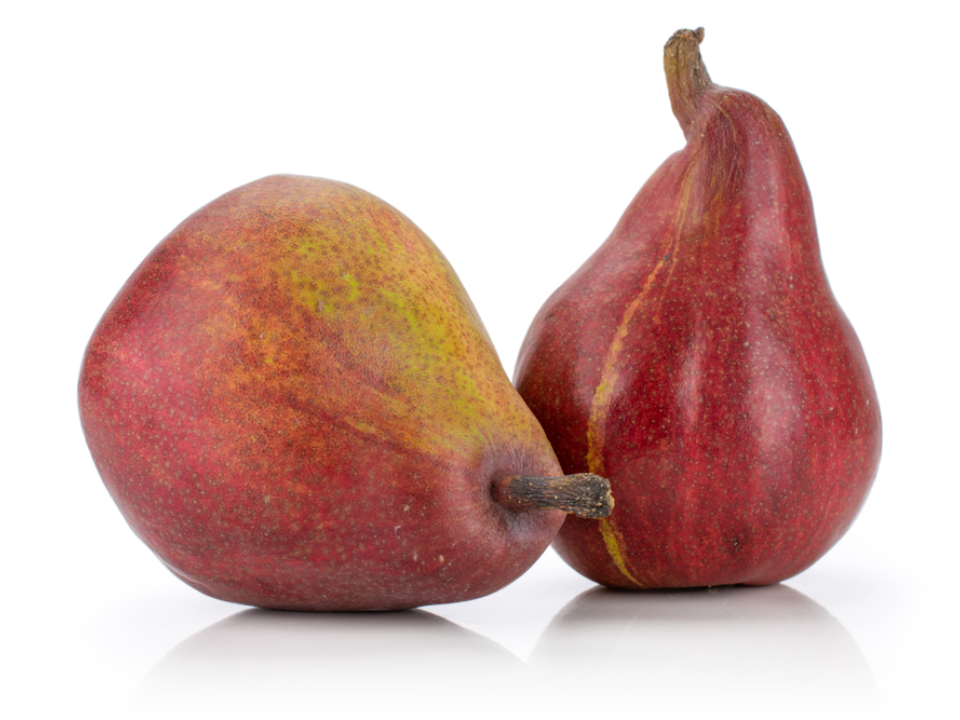
The Red Anjou pear is a vibrant, rich red variety that offers a mild yet deeply sweet flavor. Its flesh is smooth and creamy, becoming jammy as it ripens, with a soft texture that melts in your mouth. The pear’s flavor is rich and honeyed, making it perfect for those who appreciate a pear with subtle sweetness.
The Red Anjou pear has a firm texture when under-ripe but softens nicely when fully ripened, making it a versatile option for both cooking and fresh consumption. It pairs beautifully with blue cheese and other sharp cheeses, adding a sweet contrast to the savory flavor. This pear variety is also great in salads or served with a drizzle of honey for an easy snack. Its attractive red color and balanced flavor make it a popular choice for fruit platters and gourmet dishes.
Autumn Bartlett Pear
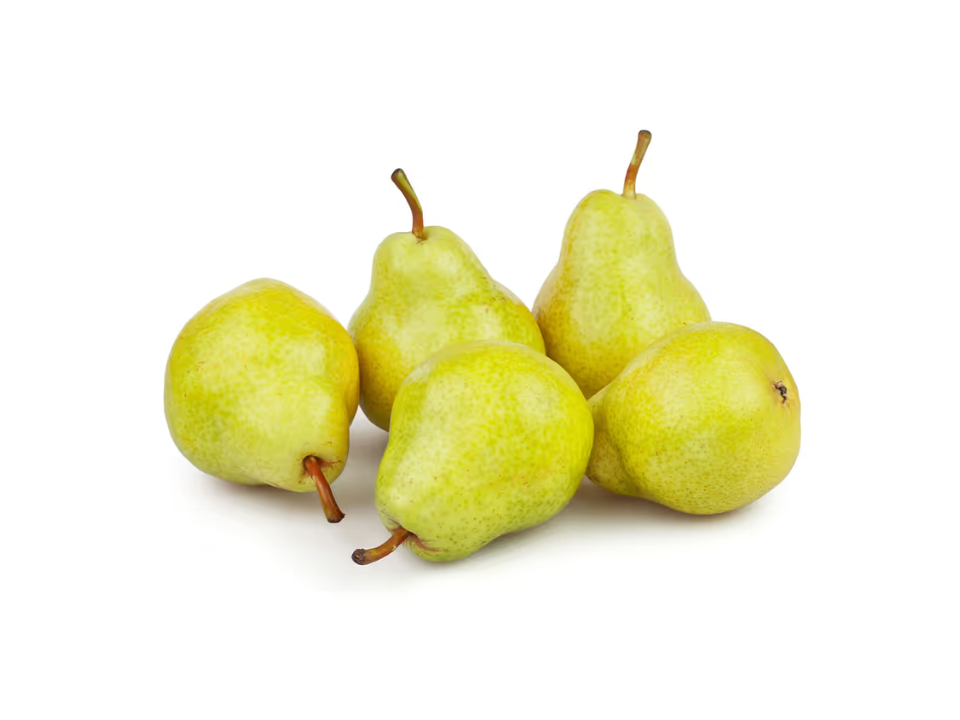
Autumn Bartlett pears are a distinct variety that shares many of the characteristics of the classic Bartlett pear but with a deeper, more aromatic flavor. They have a golden-yellow skin with slight green undertones, and their flesh is tender and sweet, with a smooth texture that becomes soft and jam-like as they ripen. The flavor is deeply sweet with honeyed notes that intensify as the pear matures.
Autumn Bartlett pears are ideal for making pear butter, jams, or simply enjoyed fresh, where their soft texture and sweetness are most appreciated. They are perfect for baking, offering a honey-rich flavor that enhances desserts like pies and crumbles. These pears also pair well with savory dishes, complementing rich meats like pork or duck. Their honeyed sweetness and soft texture make them a favorite for creating fruit-based sauces and glazes.
Packham Pear
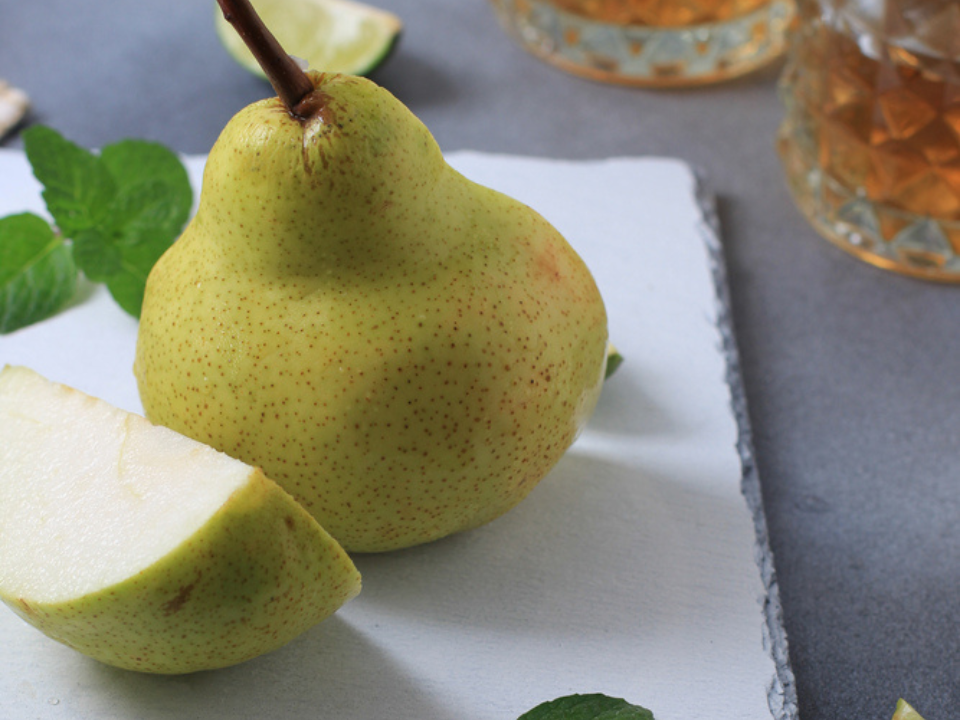
Packham pears have a crisp texture that gradually softens, developing a smooth, jam-like consistency as they ripen. The pear’s flesh is white and tender, offering a balanced sweetness with subtle honey undertones. The skin of the Packham pear is green and sometimes turns yellow as it ripens, and the fruit’s shape is slightly elongated.
When fully ripe, the pear is incredibly juicy and has a honeyed sweetness that enhances both fresh dishes and baked recipes. The Packham pear holds up well in cooking, making it an excellent choice for poaching or baking into desserts. It also pairs well with cheeses, particularly blue cheeses, offering a sweet contrast to the salty flavors. This pear variety’s crisp texture and honey notes make it a versatile ingredient for both savory and sweet applications.
This article originally appeared on Avocadu.