
11 Herbs You Can Grow Indoors Until The Frost Clears
Growing herbs indoors during the colder months is a great way to get a head start on the gardening season. With the right indoor conditions, you can enjoy fresh herbs long before the frost clears, adding flavor and fragrance to your home. These hardy plants not only thrive in winter but also provide a convenient source of fresh ingredients for your kitchen. Whether you’re looking for perennials that can be transplanted outdoors later or fast-growing annuals, there are plenty of herbs to grow indoors until the warmer weather arrives.
This post may contain affiliate links, which helps keep this content free. Please read our disclosure for more info.
Thyme
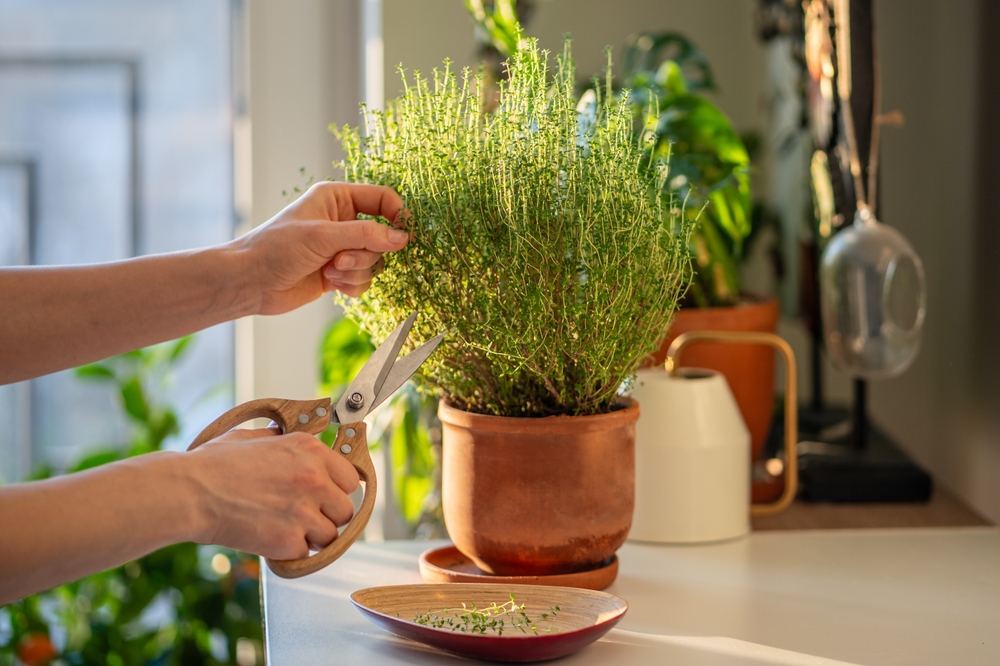
Thyme is a hardy perennial that thrives in indoor conditions, making it an excellent choice for winter growing. This herb requires a lot of light, so placing it in a sunny window or under a grow light is essential. Thyme is perfect for those who want to get a head start on their outdoor garden, as it can easily be transplanted into the garden once the weather warms up. Its small, fragrant leaves add flavor to a variety of dishes, and it’s a great herb to grow during the colder months.
As a hardy herb, thyme can withstand lower temperatures, so it’s a great candidate for indoor growth when it’s too chilly outside. Growing it indoors during late winter gives you a chance to harvest it early and even use it fresh in winter soups and stews. Once the frost clears, you can move your thyme plant outdoors, where it will continue to grow and thrive for many seasons to come.
Oregano
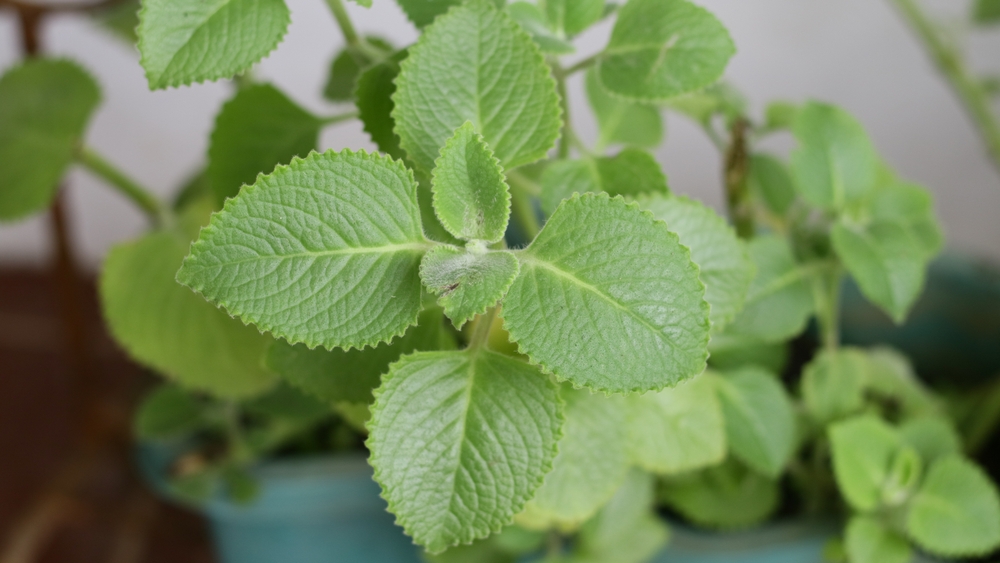
Oregano is another hardy perennial that does well when grown indoors during the colder months. It requires plenty of sunlight to grow, and placing it in a south-facing window will give it the light it needs. Oregano is a wonderful herb to grow indoors before the frost clears because it’s easy to care for and grows quickly. It’s perfect for those who want to have fresh herbs available before they can plant them outside.
Growing oregano indoors during the winter months allows you to enjoy its vibrant flavor in your cooking, and it can easily be transplanted outdoors when the weather is warmer. It’s a hardy herb, and once the frost clears, it will thrive in the garden, providing a constant supply of leaves throughout the warmer months.
Rosemary
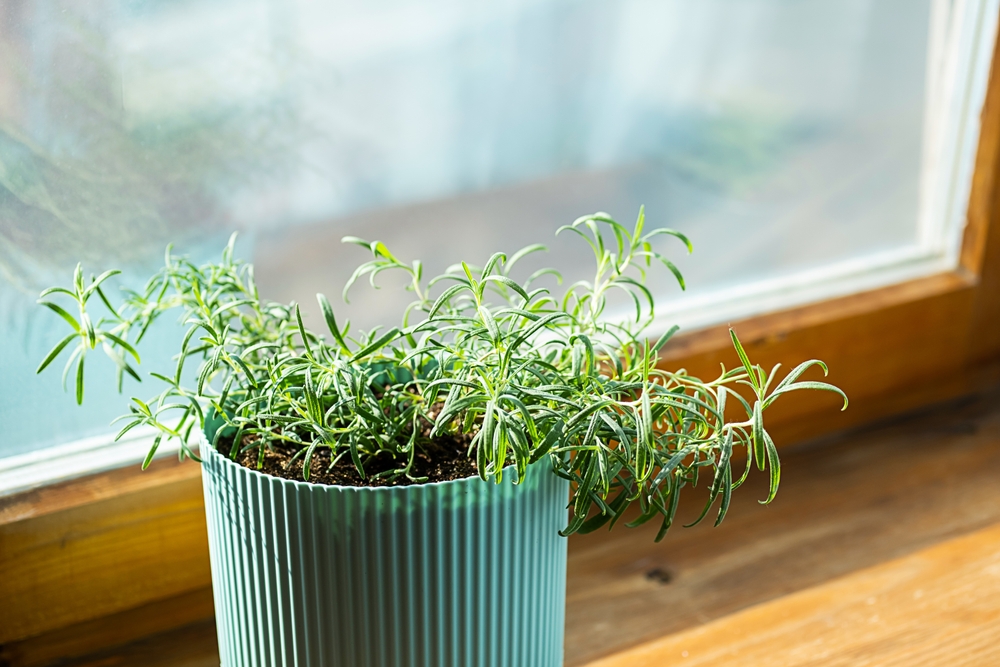
Rosemary is a fragrant, evergreen herb that’s well-suited to indoor growing, especially during late winter and early spring. It prefers a lot of sunlight, so a sunny windowsill is ideal for keeping it healthy. Rosemary is an excellent herb to grow indoors because it can be transplanted outside once the frost clears, allowing it to continue growing throughout the warmer months. Its strong, pine-like scent makes it a favorite in the kitchen, especially for meat dishes and roasted vegetables.
While rosemary is a perennial in warmer climates, it can thrive indoors in colder regions as long as it gets enough light. Growing rosemary indoors gives you a head start on the gardening season, and once the frost clears, you can move it outside, where it will flourish in your garden for many seasons to come.
Sage
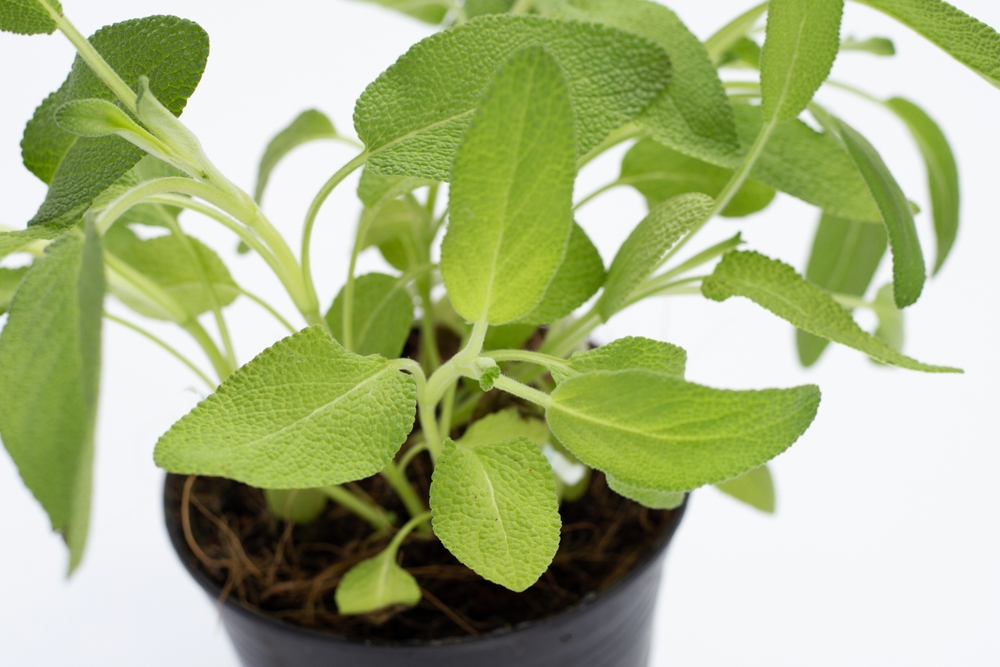
Sage is a hardy perennial that can thrive indoors during late winter and early spring. It requires a lot of sunlight, so be sure to place it in a sunny spot or use a grow light. Growing sage indoors before the frost clears is a great way to get a jump on your garden. Sage has a strong, earthy flavor that works well in a variety of dishes, and it’s especially popular in stuffing, soups, and roasts.
By growing sage indoors during the colder months, you can enjoy its fresh leaves early in the season. Once the frost clears, you can move the sage plant outdoors, where it will continue to grow and provide fresh leaves for many months.
Basil
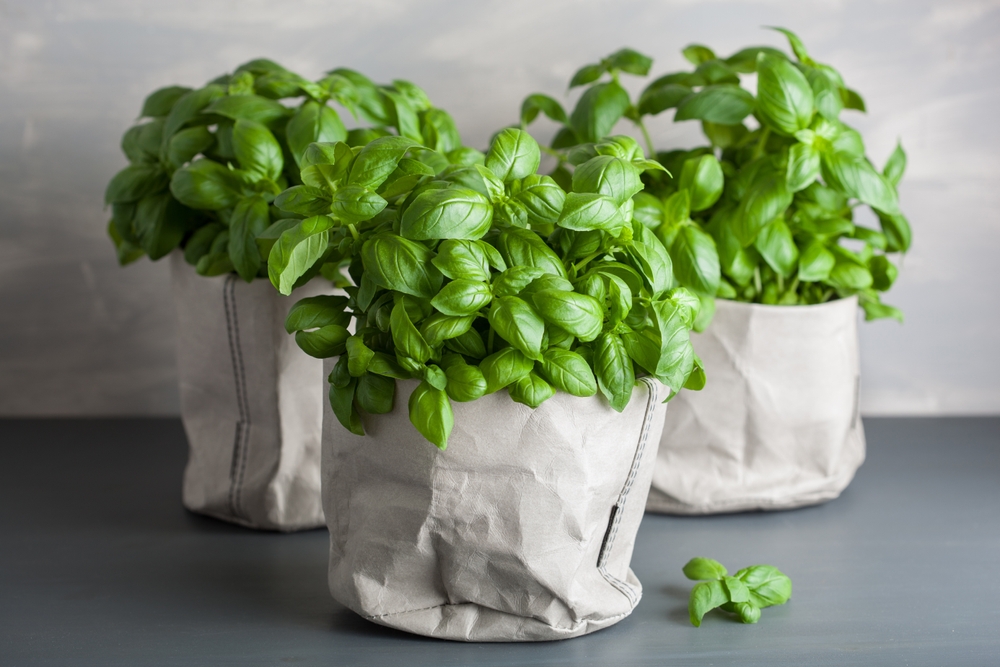
Basil is one of the most popular herbs to grow indoors during the winter months, thanks to its fast-growing nature and easy care. It thrives in warm temperatures, so keep your basil plant in a spot with plenty of sunlight, preferably near a south-facing window or under a grow light. By starting basil indoors before the frost clears, you can enjoy fresh leaves for dishes like pesto, pasta, and salads long before outdoor planting becomes possible. Basil is an annual herb, meaning it won’t survive the winter outdoors in colder climates, but growing it indoors gives you an early harvest.
Once the frost clears and the temperatures warm up, you can move your basil plant outdoors to continue growing. Basil prefers warm weather, so be sure to transplant it to your garden after the last frost date. This early indoor start will help you get a jump on the season and enjoy a full, vibrant basil plant when you finally plant it outside.
Parsley
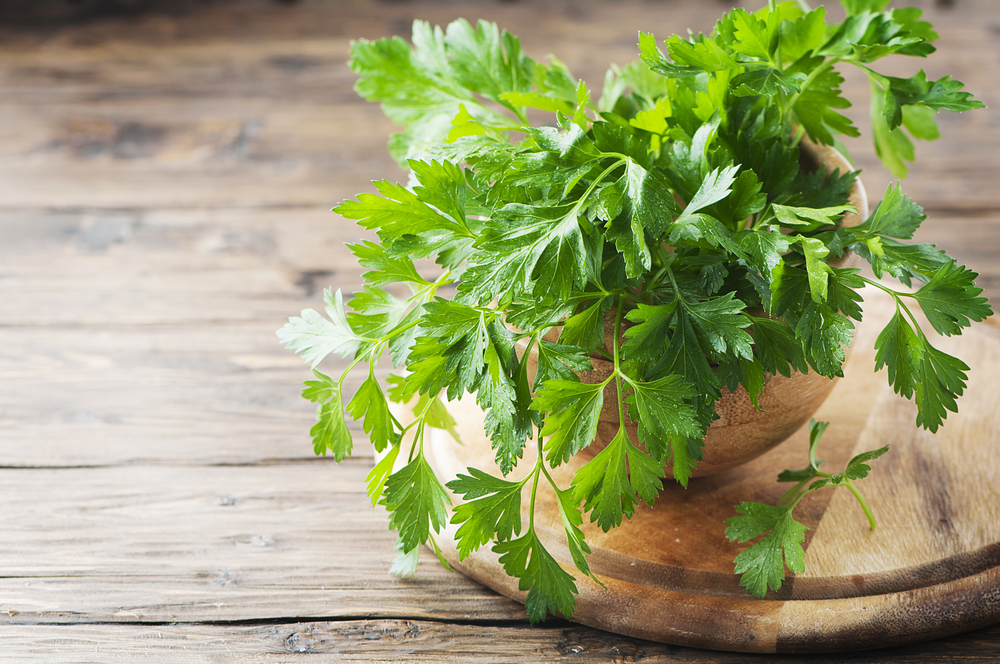
Parsley is a versatile herb that grows well indoors during the colder months. It thrives in bright, indirect light and needs a slightly cooler environment to grow, making it perfect for indoor gardening during late winter and early spring. Parsley is slow to germinate, but once it starts growing, it provides fresh leaves that are excellent for garnishes, soups, and salads. By starting parsley indoors, you can begin harvesting it early and enjoy fresh greens when they are hard to find in the garden.
Once the frost clears, parsley can be moved outdoors to continue growing. This herb is biennial, which means it can last for two years, making it a great addition to any herb garden. By growing it indoors, you get a head start on the growing season, and when you transplant it outside, it will continue to thrive and provide a steady supply of fresh leaves for your meals.
Cilantro
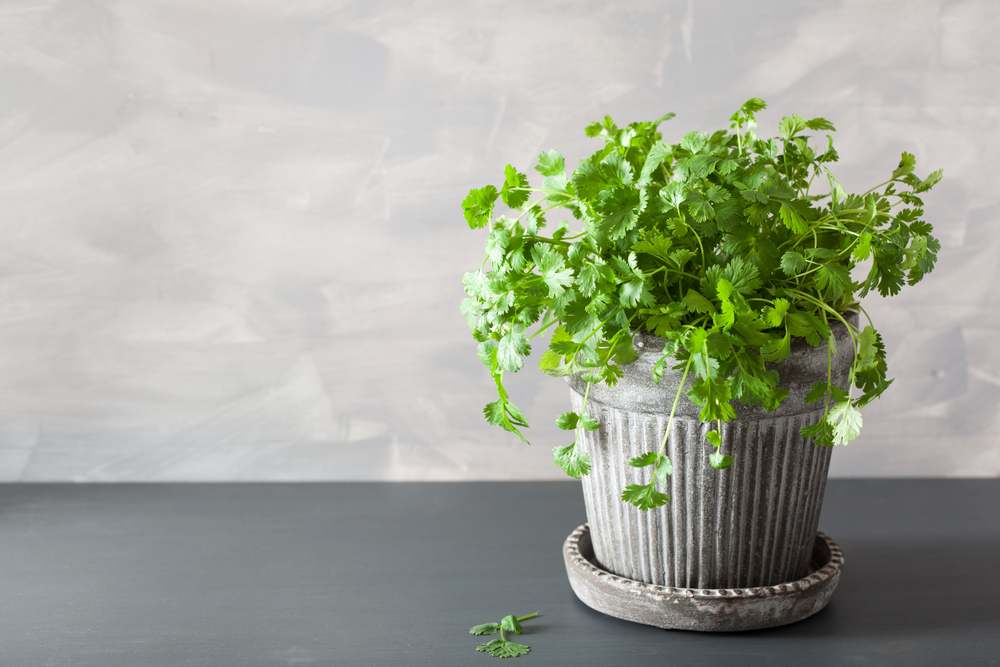
Cilantro, also known as coriander, is a fast-growing herb that can be successfully grown indoors during late winter. It needs plenty of sunlight, so placing it in a sunny window is key to getting a healthy crop. Cilantro is great for adding a fresh, citrusy flavor to a variety of dishes, including salsas, curries, and salads. Growing cilantro indoors allows you to enjoy fresh leaves early in the season, and because cilantro grows quickly, you can start harvesting in just a few weeks.
However, cilantro is a sensitive herb and can bolt (go to seed) when the weather gets too warm. By starting it indoors, you can extend its growing season, allowing you to enjoy fresh cilantro before the outdoor growing season begins. Once the frost clears, you can move your cilantro plant outside to continue growing, but be mindful of the weather to prevent it from bolting too soon.
Chives
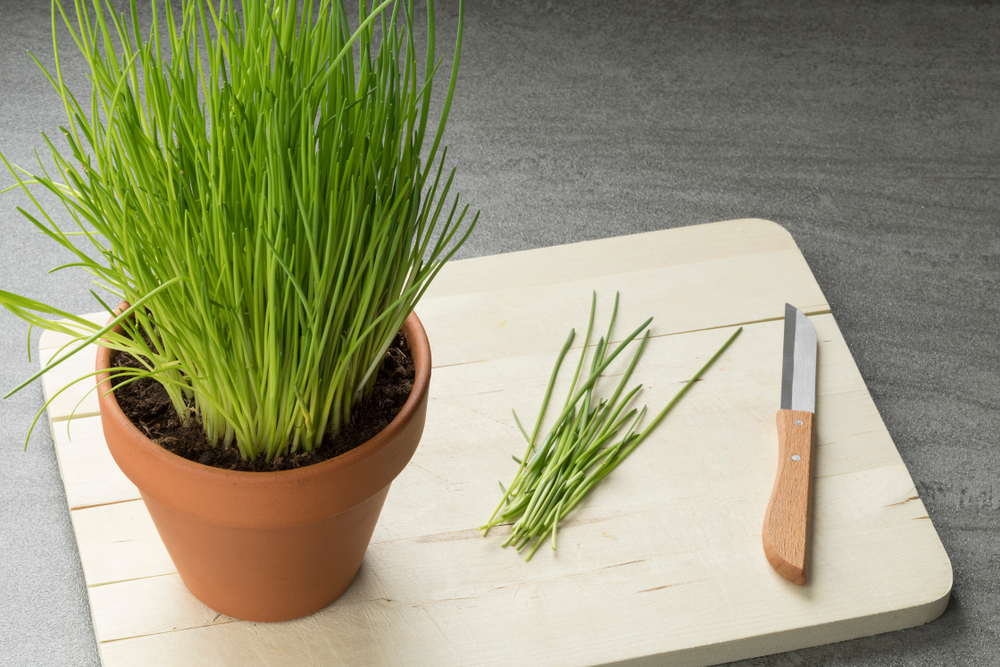
Chives are a hardy perennial herb that is perfect for growing indoors in late winter and early spring. They require ample sunlight, so placing them in a bright, sunny window is crucial for healthy growth. Chives are an excellent herb to grow indoors because they grow quickly and can be harvested multiple times throughout the year. Their mild onion flavor is perfect for seasoning salads, soups, and baked potatoes, making them a staple herb in many dishes.
Starting chives indoors gives you a head start on the outdoor growing season. Once the frost clears, you can transplant your chives to the garden, where they will continue to grow year after year. Chives are easy to care for and will provide a fresh supply of herbs for your kitchen, both indoors and outdoors.
Mint
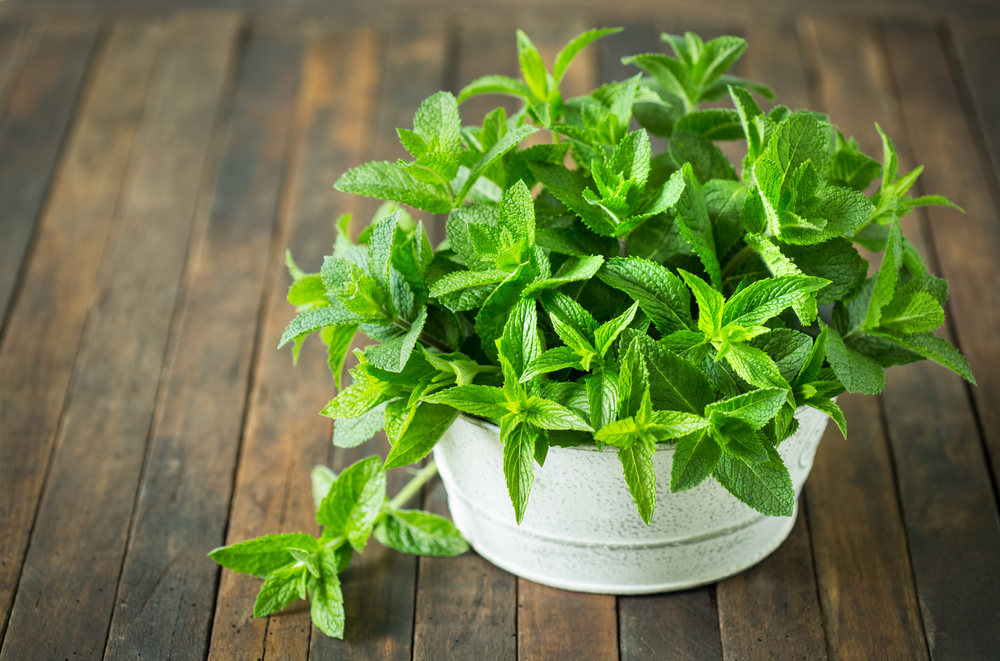
Mint is a fast-growing, hardy perennial that thrives indoors, making it an ideal herb to grow during the colder months. It prefers bright, indirect light and regular watering to keep the soil moist. Mint is a great herb to have on hand for teas, desserts, and salads, and growing it indoors allows you to enjoy fresh mint leaves throughout the winter. However, mint tends to spread quickly, so it’s best grown in a container to prevent it from overtaking other plants.
When the frost clears and the outdoor temperatures rise, you can easily transplant mint to your garden. It’s a very resilient herb that will continue to grow and spread in your garden, providing fresh leaves for years to come. Growing mint indoors not only gives you a jump on the season but also helps to control its growth until it’s ready to be transplanted outdoors.
Tarragon
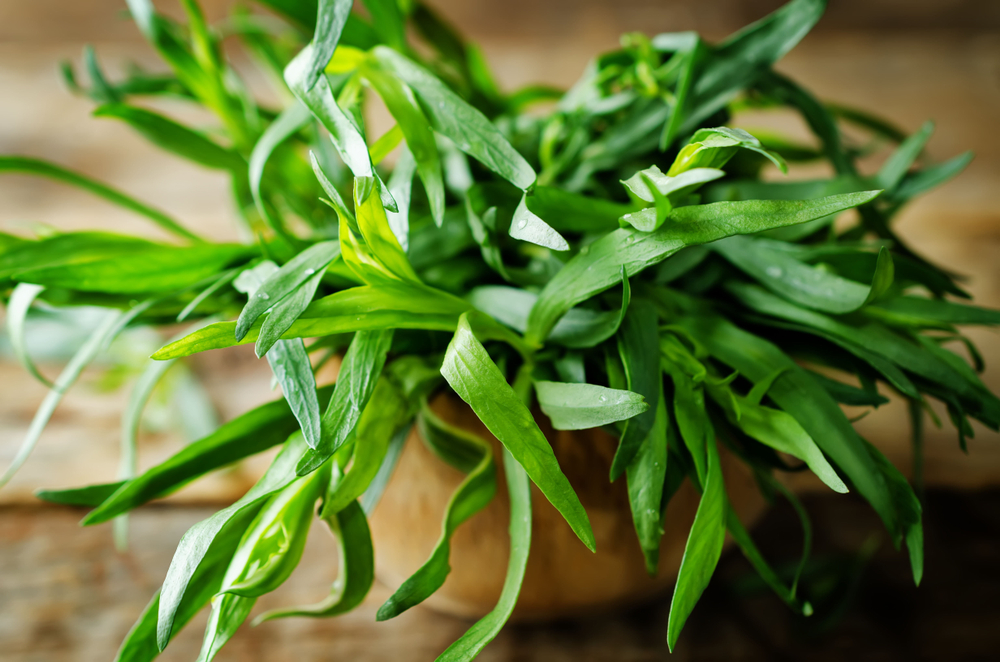
Tarragon is a hardy perennial herb that thrives in bright, indirect light, making it an excellent choice for growing indoors during late winter and early spring. It has a delicate, anise-like flavor that works well in a variety of dishes, such as chicken, fish, and salad dressings. Growing tarragon indoors gives you an early harvest of fresh leaves, which is perfect for those who can’t wait for the outdoor growing season to begin. However, tarragon grows slowly, so starting it indoors will allow it to reach a better size before transplanting outdoors.
Once the frost clears, tarragon can be moved to your garden, where it will continue to grow. It’s a hardy herb that will thrive outdoors, providing you with fresh leaves throughout the season. By growing tarragon indoors before the frost clears, you can ensure that it will be ready for outdoor transplanting when the weather warms up.
Lemon Balm
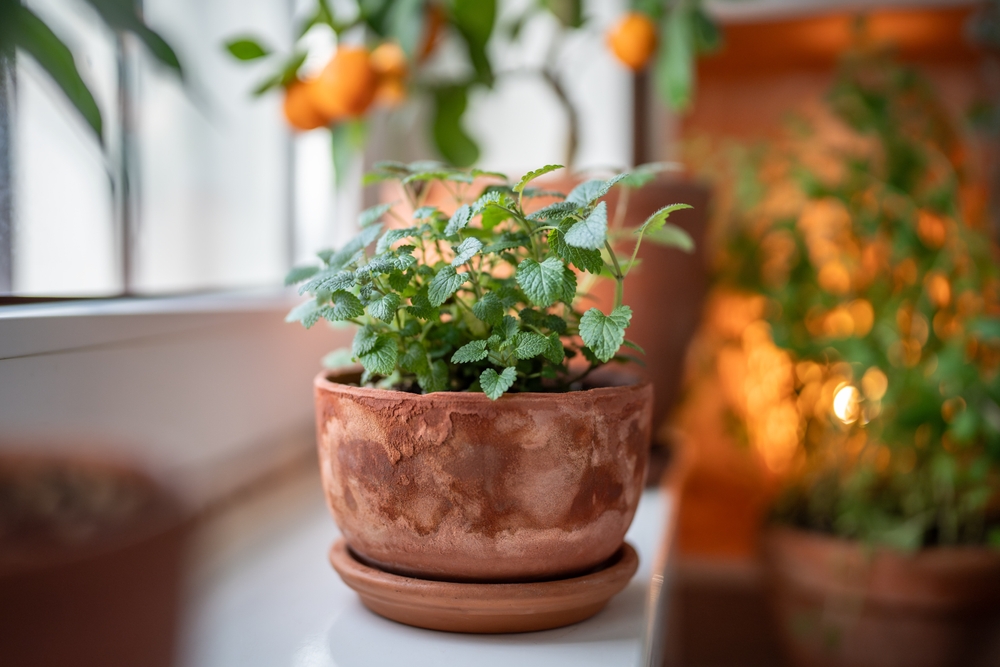
Lemon balm is a fast-growing, perennial herb that thrives in cool conditions, making it ideal for indoor gardening during the colder months. It requires plenty of sunlight, so be sure to place it in a sunny window where it can receive bright, indirect light. Lemon balm has a refreshing lemon scent and flavor, making it perfect for teas, salads, and desserts. Growing it indoors allows you to enjoy fresh lemon balm early in the season, providing a natural way to add flavor to your dishes.
Once the frost clears and the outdoor temperatures rise, you can transplant your lemon balm plant outside, where it will continue to grow. It’s a hardy herb that will thrive in the garden, providing fresh leaves throughout the growing season. Starting lemon balm indoors gives you a jump on the season, and once you move it outdoors, it will continue to grow and spread in your garden.
This article originally appeared on Avocadu.