
15 Hellebores And Other Late Winter Bloomers Worth Planting Once
Even as the chill of winter lingers, your garden can start to show signs of life. Certain plants, like hellebores, are known for blooming when the weather is still cool. These hardy flowers offer beauty and color when other plants are waiting for warmer days. If you want your garden to shine during the colder months, planting late winter bloomers is a fantastic way to start.
This post may contain affiliate links, which helps keep this content free. Please read our disclosure for more info.
Helleborus orientalis (Lenten Rose)
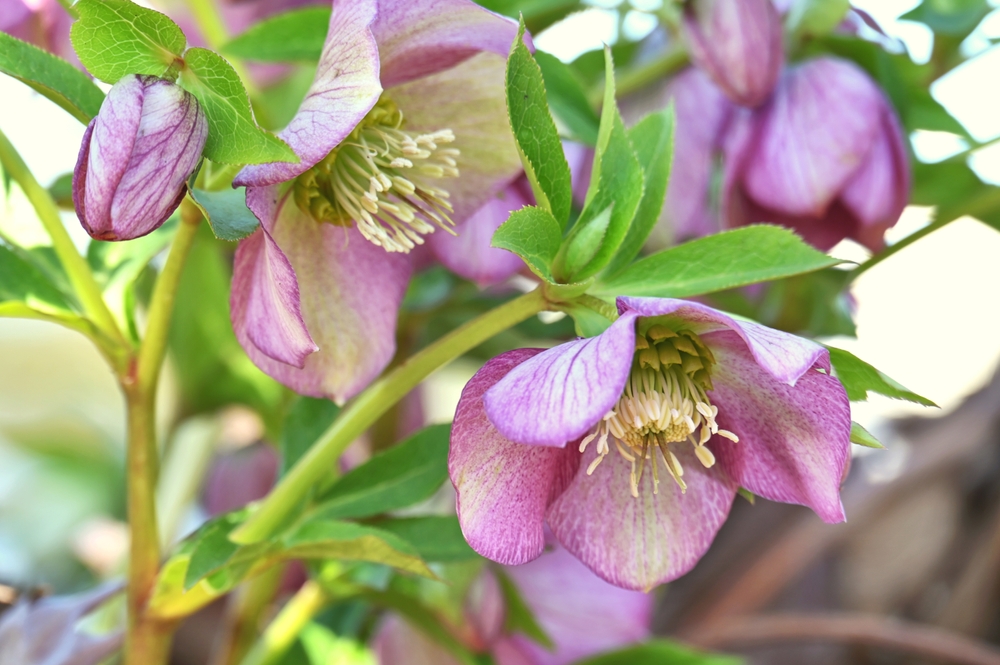
Lenten Rose is one of the most popular hellebores for late winter gardens. Known for its large, nodding flowers, it blooms from late winter into early spring, providing a burst of color when few other plants are in bloom. The flowers come in shades of pink, white, purple, and even green, adding variety to the garden. Lenten Roses thrive in partial to full shade, making them ideal for woodland gardens or shaded areas.
These plants are low-maintenance and are deer and rabbit-resistant, which makes them great for gardens with wildlife. Hellebores are also incredibly long-lived, often staying in the same spot for years without needing much attention. The glossy, evergreen foliage provides interest year-round, even when the plant is not in bloom. With their ability to withstand cold temperatures, Lenten Roses are a wonderful addition to any late winter garden.
Helleborus niger (Christmas Rose)
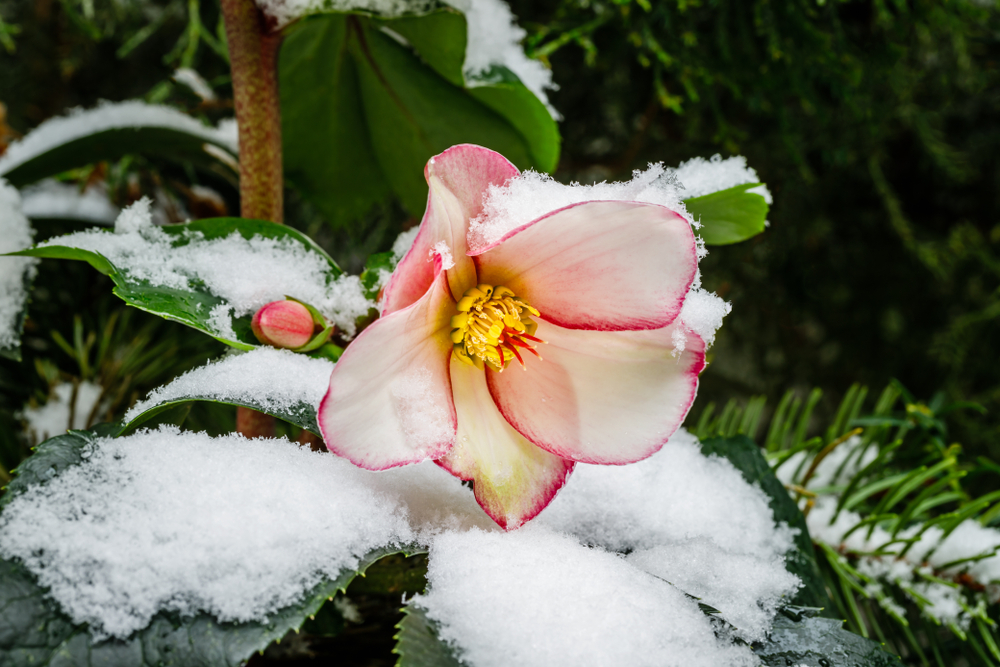
As one of the earliest bloomers, the Christmas Rose is a must-have for anyone looking to brighten up the garden during winter. The plant’s pure white flowers emerge in late fall or early winter, often blooming while snow still covers the ground. It is an ideal choice for colder climates, as it thrives in temperatures well below freezing. In addition to its lovely flowers, this hellebore offers dark green, glossy foliage, which adds texture to your garden during the winter months.
Christmas Roses prefer well-drained soil and can tolerate both sun and shade, though they do best in partial shade. As the flowers mature, they shift to a soft pink hue, creating a beautiful contrast against the evergreen leaves. These hellebores are great for planting near walkways or under trees, where they can easily be admired. Their early blooms and hardiness make them a staple in any winter garden.
Helleborus viridis (Green Hellebore)
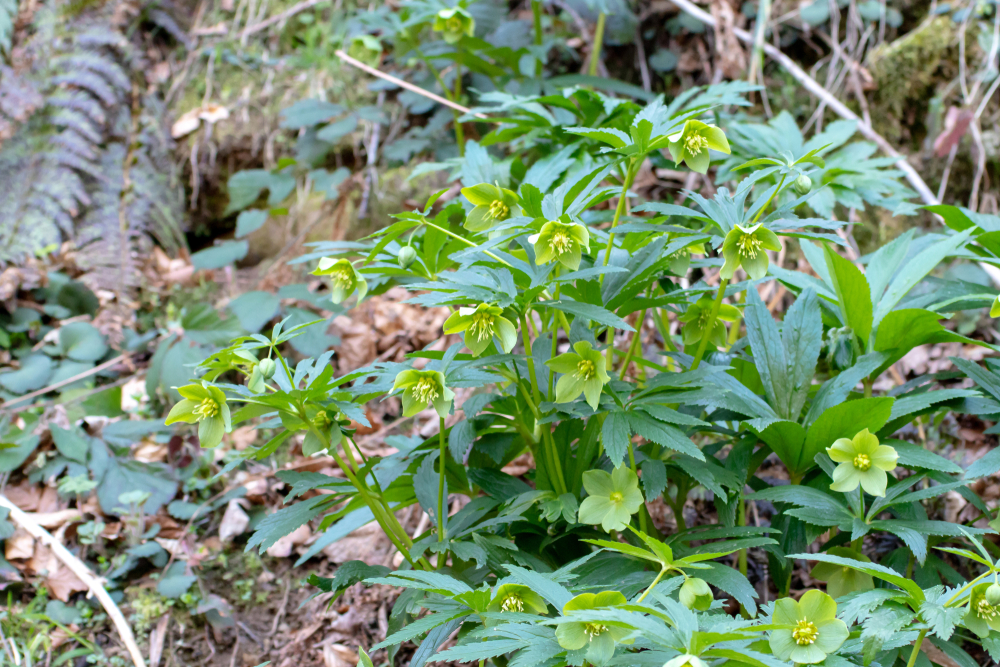
Known for its unusual green flowers, the Green Hellebore adds a touch of elegance to late winter gardens. Its flowers are not only visually distinct, but they also bloom earlier than most hellebores, sometimes even appearing before the snow has completely melted. The plant’s striking, greenish-yellow blooms attract attention, especially when surrounded by white or purple-flowered winter plants. This hellebore does well in shaded areas and is perfect for planting alongside other early bloomers.
Green Hellebores are tough, with thick leathery leaves that remain attractive through the winter months. They can tolerate a variety of soil conditions, though they prefer well-drained, slightly acidic soil. As an evergreen plant, it continues to offer beauty long after its flowers have faded. Their ability to bloom in difficult winter conditions makes them an excellent choice for gardeners looking for something unique in their late winter landscape.
Erica carnea (Winter Heath)
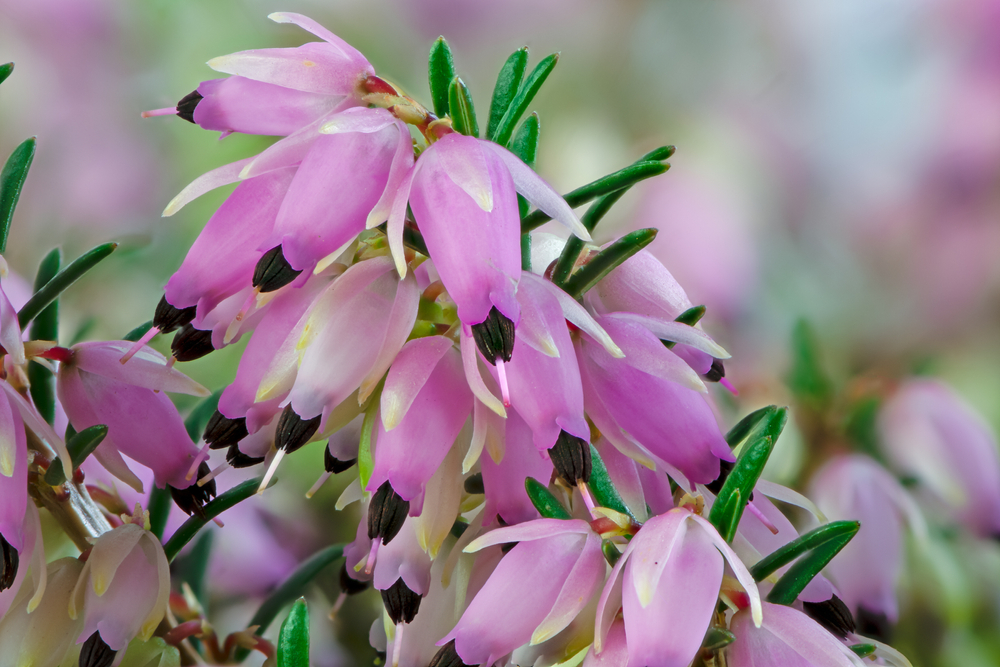
Winter Heath, or Erica carnea, is a hardy evergreen shrub that produces small, bell-shaped flowers in late winter to early spring. Its flowers, ranging from white to pink to purple, create a colorful carpet of blooms just as the days begin to warm. These low-growing shrubs thrive in full sun or partial shade and are perfect for ground cover or borders. They are especially well-suited for acidic soils, which makes them great companions for plants like hellebores.
In addition to their vibrant flowers, Winter Heath plants are known for their tolerance of cold temperatures. They can even bloom while snow is still on the ground, adding life to the winter garden. These plants are also fairly low-maintenance, requiring minimal care once established. If you want a burst of color in your winter garden, Winter Heath is an easy and reliable choice.
Cyclamen coum (Hardy Cyclamen)
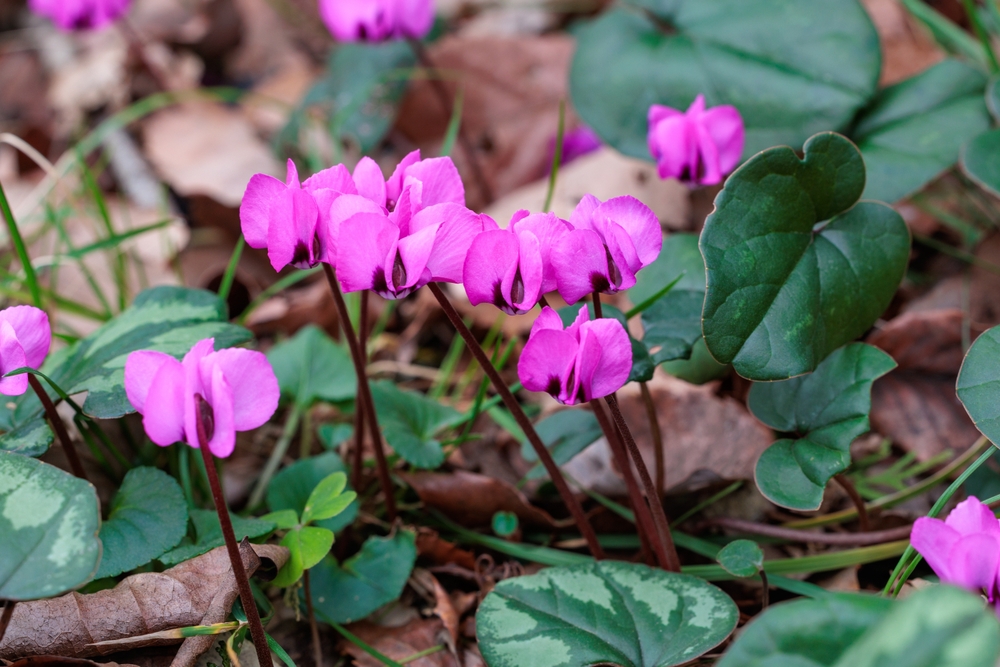
Cyclamen coum, or hardy cyclamen, is a charming little plant that blooms in late winter to early spring. Its delicate, nodding flowers come in shades of pink, white, or purple, providing a cheerful contrast to the bare landscape. Cyclamen is an excellent choice for shaded areas, as it thrives in woodland conditions. The plant’s heart-shaped leaves are attractive year-round, providing texture and interest even when it’s not in bloom.
Hardy cyclamen is a perennial, returning year after year with very little maintenance required. Once established, it can spread slowly through a garden, filling in gaps and adding beauty to hard-to-reach spaces. These plants enjoy moist, well-drained soil and can tolerate colder temperatures. Their ability to bloom in the depths of winter makes them a valuable addition to any late winter garden.
Primula vulgaris (English Primrose)
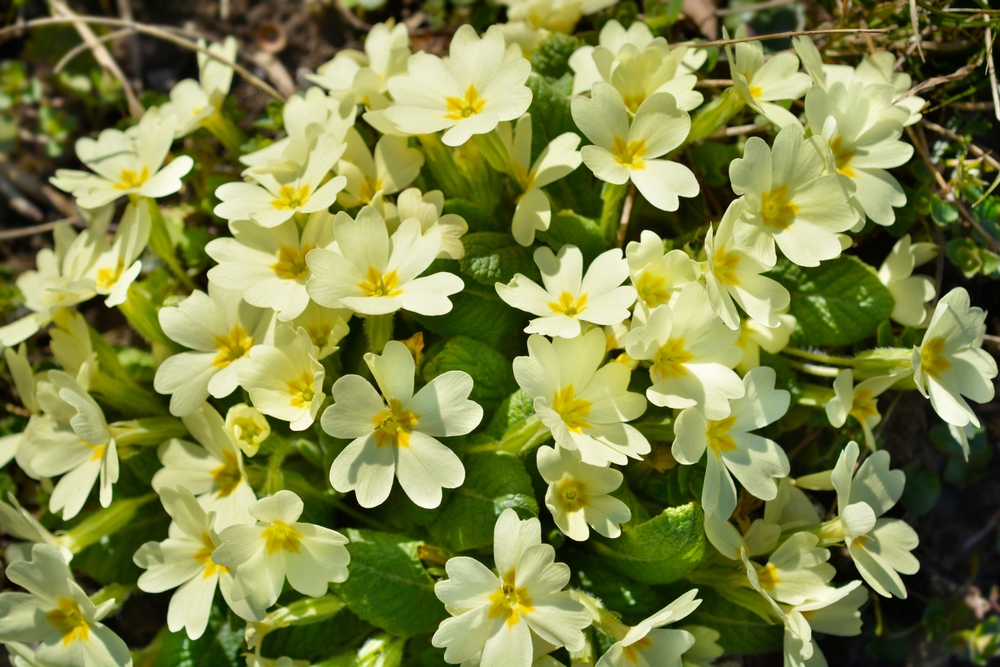
The English Primrose is a beautiful perennial that blooms in early spring, though its flowers often begin to emerge in late winter. With a variety of colors including pink, yellow, purple, and white, primroses add a vibrant touch to your garden. These plants prefer partial shade and moist, well-drained soil, making them perfect for planting under trees or along shaded garden paths. Their ability to bloom early makes them one of the most beloved flowers for late winter and early spring gardens.
Primroses are relatively low-maintenance, requiring only occasional watering and a bit of mulch during the colder months. They are ideal for creating borders or filling in gaps between other plants. These hardy perennials are perfect for gardeners looking to add some early color without much effort. Their cheerful flowers are sure to brighten up any garden that’s still waiting for the full arrival of spring.
Daphne odora (Winter Daphne)
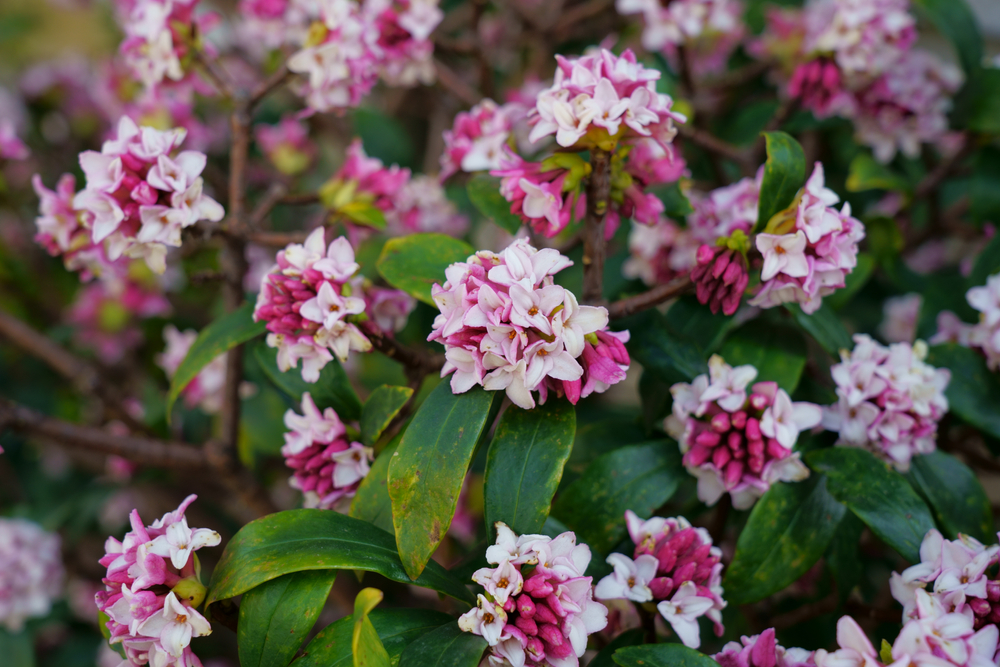
Winter Daphne is a fragrant, evergreen shrub that blooms in late winter or early spring, often before many other plants have begun to show signs of life. Its clusters of pink or white flowers emit a sweet fragrance that can fill the garden with a delightful scent. This shrub prefers partial to full shade and well-drained, slightly acidic soil. Its evergreen foliage provides year-round interest, making it a great addition to any landscape.
Aside from its beautiful flowers, Winter Daphne is highly valued for its sweet aroma. It can be used as a focal point in a garden, planted near entryways or walkways where its fragrance can be enjoyed. Though it can be slow to establish, once it matures, it is a low-maintenance plant that requires little care. Its resilience to cold temperatures and its early blooms make it a true gem for late winter gardens.
Crocus (Crocus spp.)
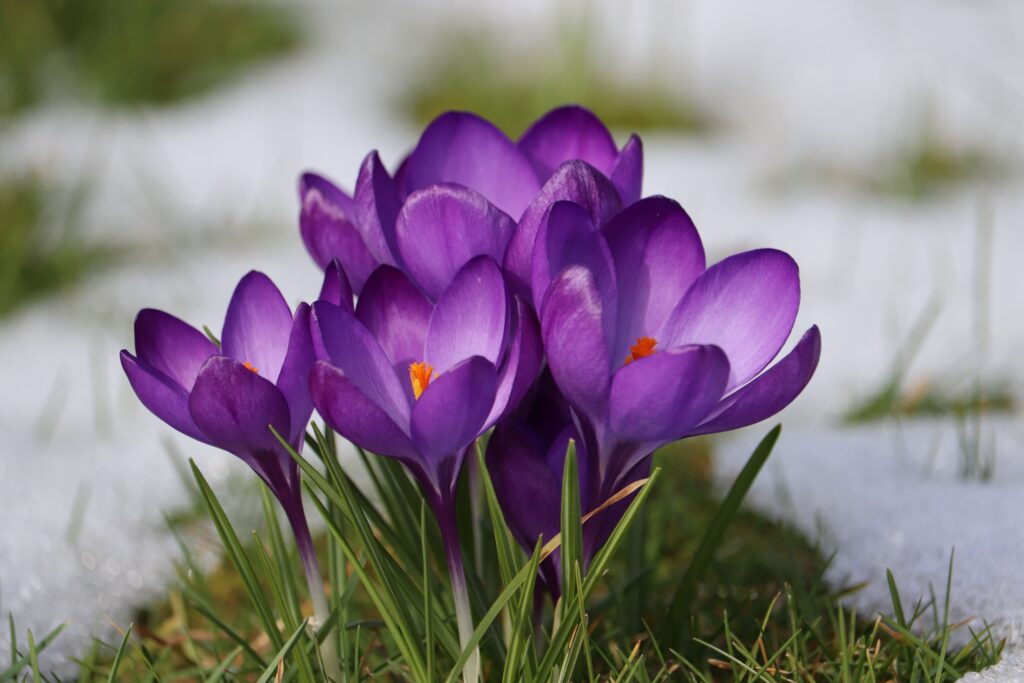
Crocus are among the first flowers to bloom in spring, and many varieties are also known to bloom in late winter. Their brightly colored flowers, which range from purple to yellow and white, pop up through the ground as early as January in some regions. Crocus bulbs are easy to plant and can be placed in beds, lawns, or even in pots. They prefer full sun and well-drained soil, making them versatile additions to any garden.
These hardy bulbs can often be found blooming while there is still snow on the ground, signaling that spring is on its way. Crocus are also great for naturalizing, as they will return year after year, often multiplying in number. These plants are low-maintenance and only need occasional watering. If you’re looking to brighten your garden in the early months, crocus are a simple yet stunning choice.
Witch Hazel (Hamamelis spp.)
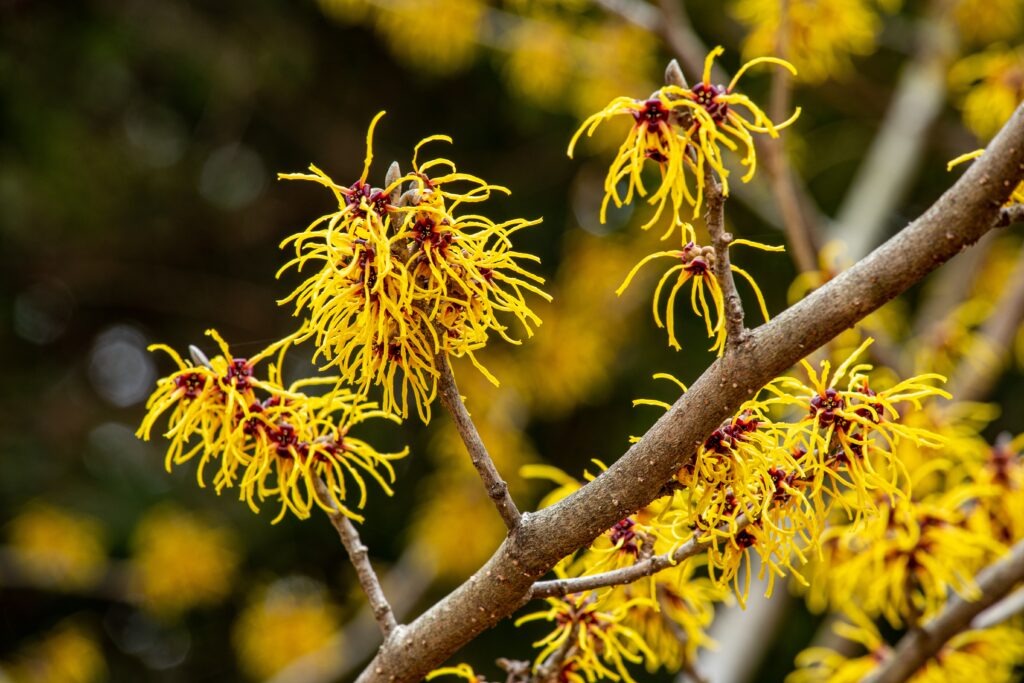
Witch Hazel is an excellent shrub for adding late winter interest to your garden. Known for its unusual, ribbon-like flowers, it blooms in shades of yellow, orange, and red. These flowers appear when many other plants are still dormant, making Witch Hazel a standout in the winter landscape. It thrives in full sun to partial shade and well-drained soil, and it is well-suited to temperate climates.
In addition to its striking flowers, Witch Hazel is also valued for its fragrant aroma, which adds to the sensory experience of a winter garden. This shrub has an upright, spreading habit and can be used as a focal point or planted in groups. Witch Hazel is also known for its versatility, as it can be pruned into a small tree or left to grow as a multi-stemmed shrub. With its combination of color, fragrance, and form, Witch Hazel is a must-have for late winter gardens.
Erica x darleyensis (Darley Heath)
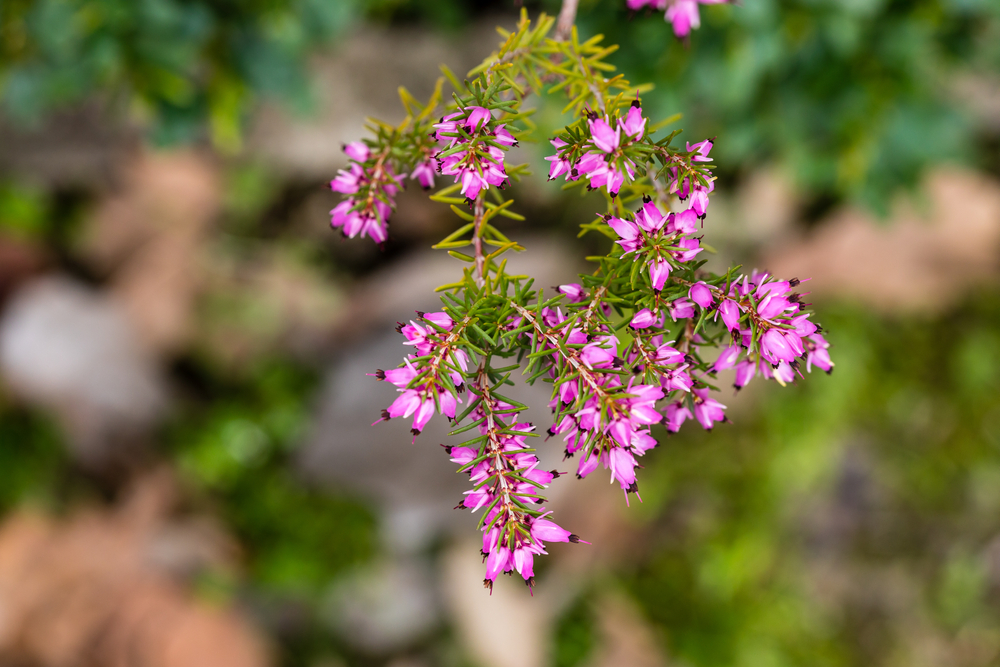
Darley Heath is a hardy, evergreen shrub that provides early winter color with its vibrant pink, purple, or white flowers. Unlike many other winter bloomers, Darley Heath thrives in acidic soils and is perfect for planting in areas with low-maintenance ground cover or rock gardens. Its compact size makes it suitable for smaller spaces, while its dense foliage helps retain moisture during the colder months.
This plant enjoys partial sun and well-drained soil, making it ideal for a variety of garden settings. In addition to its flowers, Darley Heath offers a textured backdrop with its small, needle-like leaves. It is also low-maintenance, requiring very little care once established. Whether used as a border plant or as part of a larger garden bed, Darley Heath is a charming addition to any late winter landscape.
Jasmine nudiflorum (Winter Jasmine)
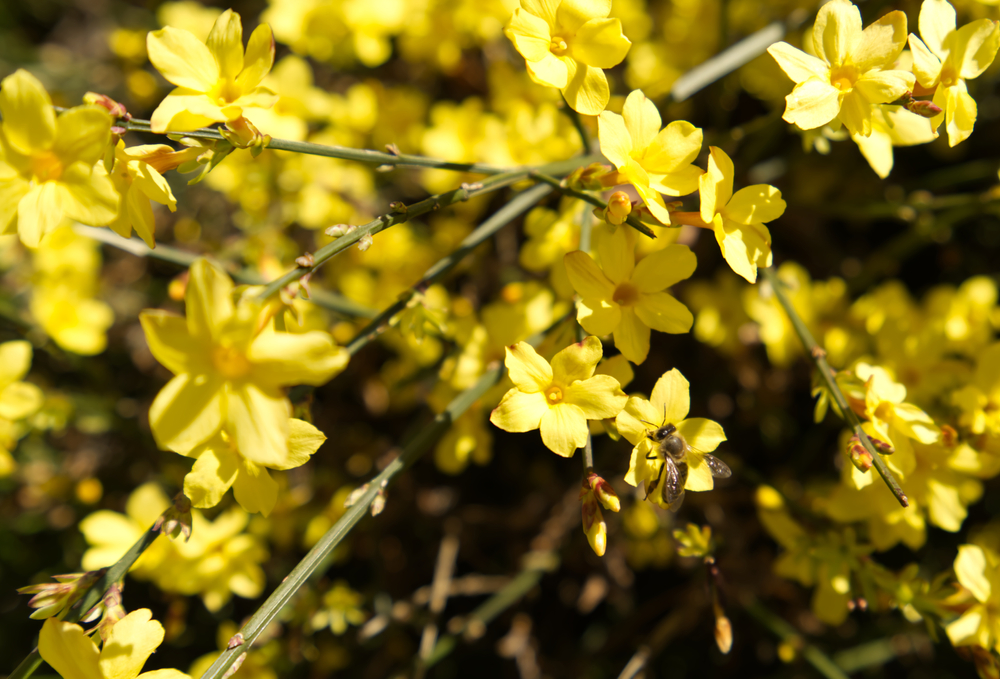
Winter Jasmine is a deciduous shrub that blooms in late winter, often showing its bright yellow flowers while the rest of the garden is still dormant. This plant is known for its vigorous growth, making it an excellent choice for covering fences, trellises, or walls. Its bright, cheerful flowers add a pop of color to any garden, and its spreading habit makes it an ideal plant for ground cover.
Though it’s a hardy shrub, Winter Jasmine prefers full sun to partial shade and well-drained soil. It is a great choice for gardeners looking to create a vertical garden or add a touch of color to fences and walls during the winter months. This plant grows quickly, making it a great choice for filling in gaps in your garden. The flowers’ vibrant yellow hue and early bloom time ensure that Winter Jasmine will remain a favorite among gardeners.
Bergenia cordifolia (Elephant’s Ears)
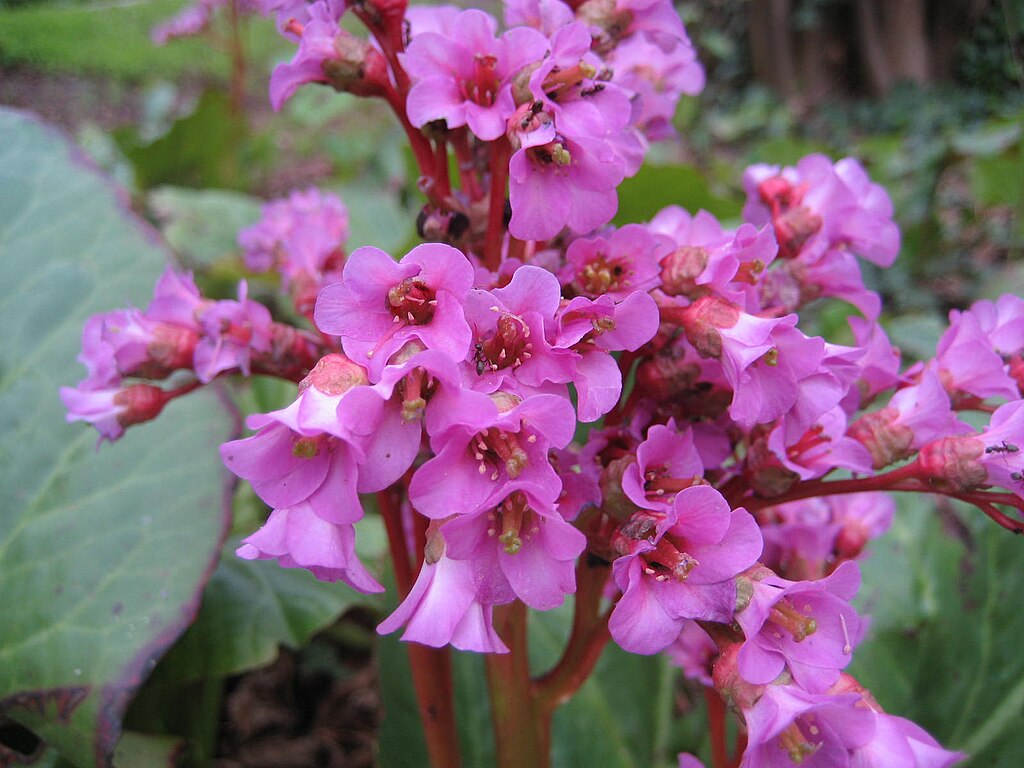
Bergenia, commonly known as Elephant’s Ears, is a perennial plant that adds vibrant color to gardens in late winter and early spring. The plant produces large, pink or purple flowers that stand out against its leathery, evergreen foliage. Bergenia thrives in partial to full shade and is great for planting along shady borders or under trees. Its ability to bloom in the winter months makes it a welcome sight after months of cold.
Aside from its beautiful flowers, Bergenia’s thick, glossy leaves provide year-round interest. The plant is fairly low-maintenance, requiring only occasional watering and a bit of mulch in colder climates. Its ability to grow in shaded, moist areas makes it an excellent addition to woodland gardens. If you’re looking for a hardy perennial that will add early color to your garden, Bergenia is an excellent choice.
Iris reticulata (Dwarf Iris)
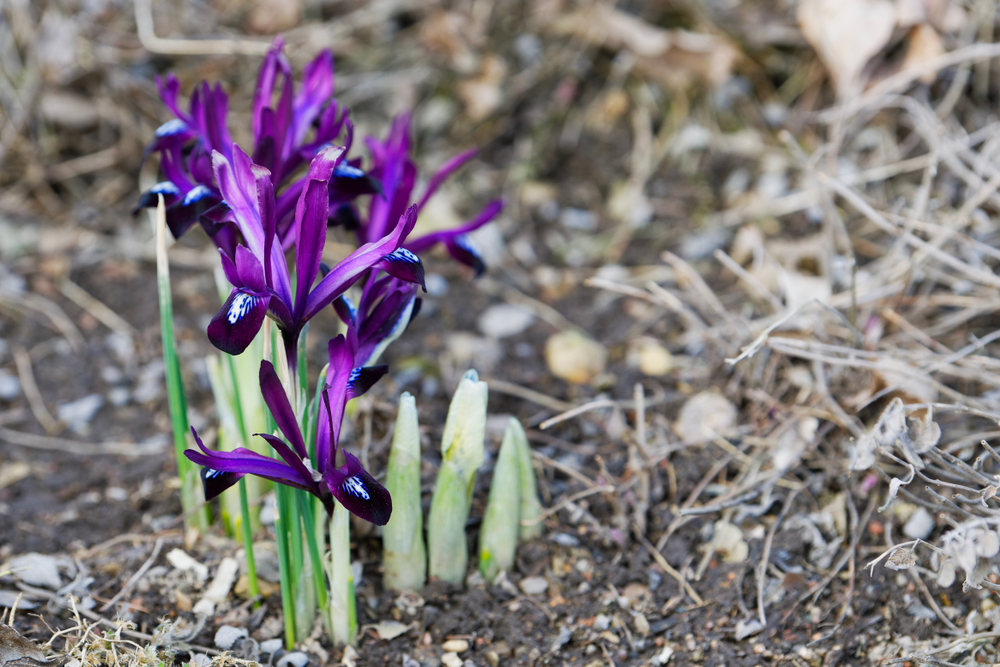
Iris reticulata, also known as Dwarf Iris, is a small but stunning flower that blooms in early spring, often starting in late winter. Its rich blue, purple, or white flowers are a cheerful sight as they push up through the cold soil. Dwarf Iris thrives in full sun and well-drained, sandy soil, making it ideal for rock gardens or along the edges of garden paths.
These early bloomers are perfect for gardeners looking to add a touch of color to their winter landscape. Though they are small in size, their flowers are large in impact. Once the flowers have faded, the plants’ narrow, grassy leaves continue to add texture to the garden. With their bright flowers and easy care, Iris reticulata is a favorite among gardeners who appreciate early color.
Snowdrops (Galanthus spp.)
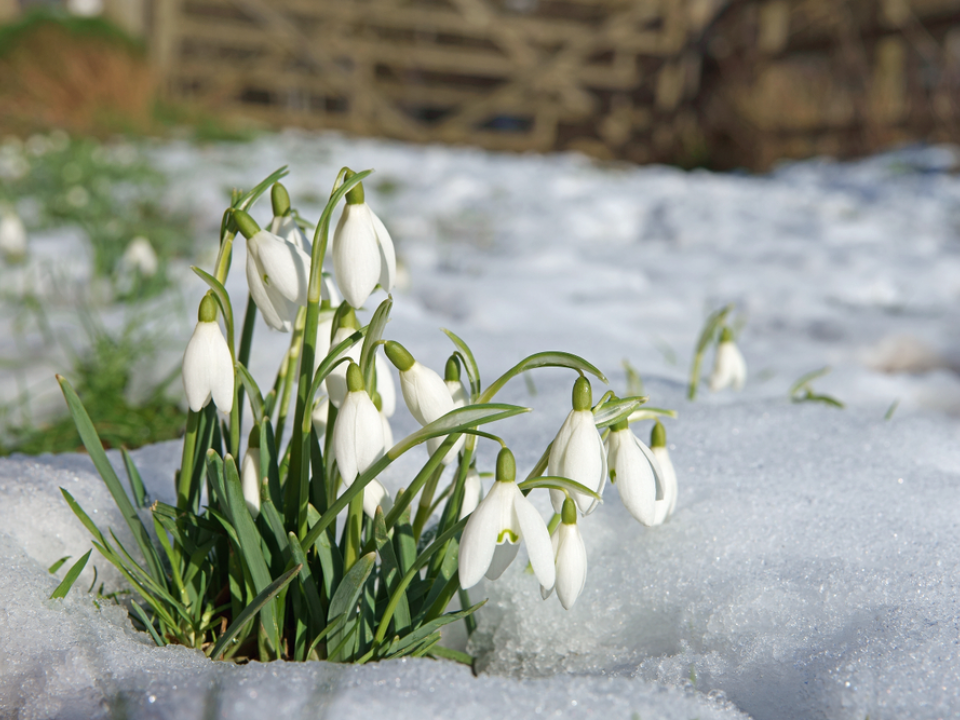
Snowdrops are among the first flowers to bloom in late winter, often pushing up through the snow to announce that spring is on its way. Their pure white flowers are a symbol of hope, as they bloom while most of the garden remains dormant. Snowdrops are perfect for naturalizing, as they will spread over time and fill in gaps in the garden. These hardy plants thrive in moist, well-drained soil and prefer partial to full shade.
Although they are small in stature, snowdrops can be planted in large drifts for maximum effect. They are a low-maintenance plant that requires little attention once established. Their ability to bloom in the coldest months makes them a welcome addition to any late winter garden. Snowdrops are a must-have for gardeners who enjoy early blooms and want to add some cheer to the winter landscape.
Helleborus x hybridus (Hybrid Lenten Rose)
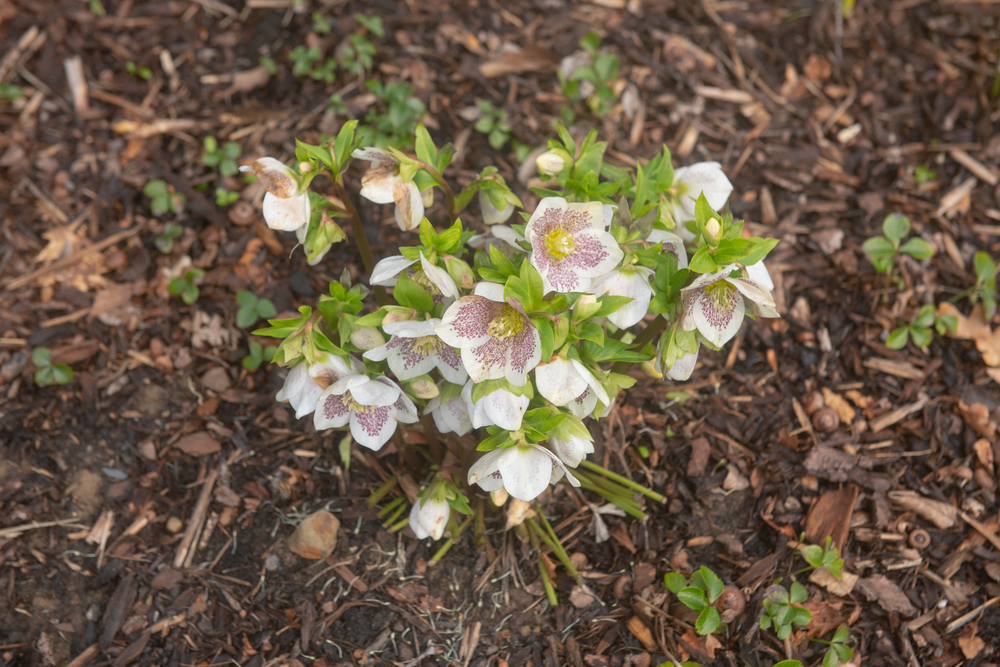
Hybrid Lenten Rose is a cross between different species of hellebores, resulting in a variety of colors and forms. These plants are among the most versatile hellebores, offering blooms in shades of white, pink, purple, and even yellow. Like other hellebores, they thrive in shaded areas and are perfect for woodland or shaded garden beds. Their flowers begin to emerge in late winter and can last well into early spring.
Hybrid Lenten Roses are valued for their long-lasting flowers and attractive, glossy foliage. They are also known for their ability to tolerate cold weather, making them an excellent choice for gardeners in colder climates. Once established, these plants require little care, only occasional watering and pruning to remove spent blooms. Their versatility and striking blooms make them a must-have for any late winter garden.
This article originally appeared on Avocadu.