
12 Healthy February Night Routines That Help You Fall Asleep Faster
A peaceful night’s sleep can feel out of reach, but it’s often a matter of establishing the right evening habits. A consistent bedtime routine can help your body transition into rest mode. Taking time to relax your mind and body before hitting the pillow can lead to quicker, more restful sleep. It’s all about creating a routine that works for you.
This post may contain affiliate links, which helps keep this content free. Please read our disclosure for more info.
Set a Consistent Bedtime

Establishing a regular bedtime routine is one of the best ways to improve your sleep quality. Going to bed at the same time every night helps regulate your body’s internal clock. When you set a consistent schedule, your body starts to recognize when it’s time to wind down. This consistency helps you fall asleep faster and ensures you get the rest you need each night.
Creating a routine around your bedtime also encourages better sleep hygiene. Avoiding late-night activities like watching TV or using your phone allows your body to relax more naturally. With enough time, sticking to a regular bedtime can make a noticeable difference in your sleep patterns. Your body will adjust, and you will start to feel more refreshed each morning.
Limit Screen Time Before Bed
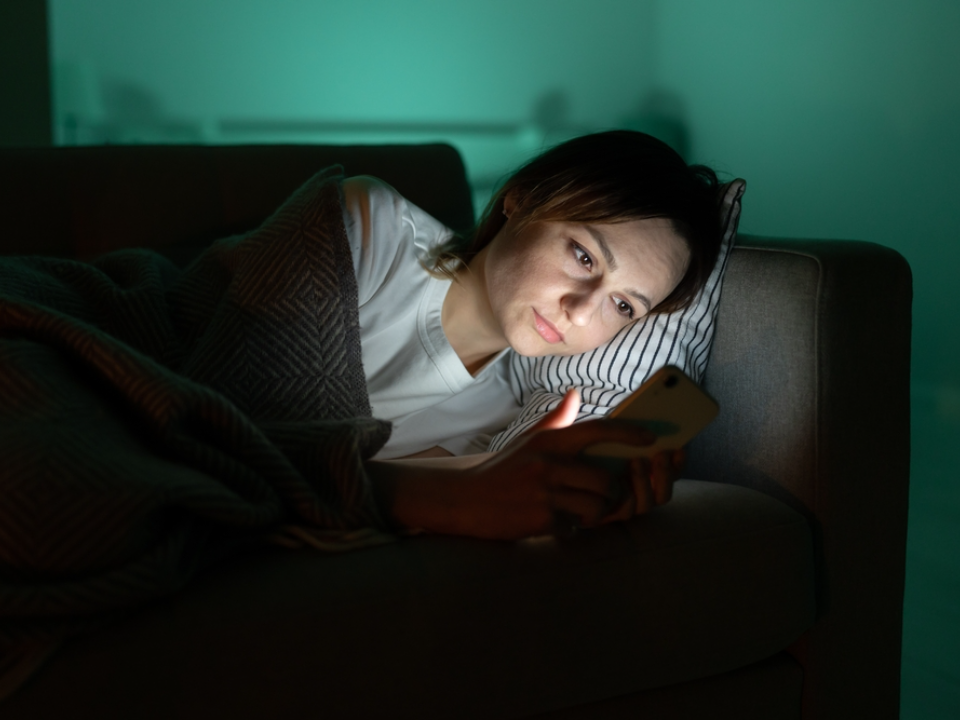
Reducing your screen time an hour before bed can significantly improve your ability to fall asleep. The blue light emitted from phones, tablets, and computers can interfere with the production of melatonin, a hormone that helps regulate sleep. By setting aside your devices, you give your body a chance to relax without disruption. Instead, opt for activities like reading a book or journaling to help ease your mind.
Switching to a screen-free routine gives your body time to adjust and prepare for sleep. If you have a hard time putting down your phone, consider setting an alarm as a reminder. You might be surprised at how much more relaxed you feel after just a few days of this habit. Cutting down on screen time can not only help you fall asleep faster but also improve the quality of your sleep.
Take a Warm Bath or Shower

A warm bath or shower before bed can be an incredibly effective way to prepare your body for sleep. The rise in body temperature followed by a cool-down signals to your body that it is time to rest. This transition helps to lower your heart rate and blood pressure, both of which are important for falling asleep faster. Adding calming bath salts or essential oils like lavender can enhance the relaxing effect.
Making a warm bath part of your nightly routine also helps you unwind from the day’s stress. The soothing effect of warm water is proven to promote a sense of relaxation. A few minutes spent in a warm bath can calm both your mind and muscles, helping you sleep more soundly. This is a great option if you’re looking for a way to unwind and de-stress before bed.
Practice Deep Breathing or Meditation

Taking time to relax with deep breathing exercises or meditation can greatly improve your ability to fall asleep. These practices help reduce stress and anxiety by calming the nervous system. By focusing on your breath and clearing your mind, you allow your body to enter a more restful state. Apps like Headspace or Calm can guide you through short meditation sessions designed for sleep.
Incorporating meditation into your nightly routine can also help with insomnia or restless thoughts that keep you awake. It only takes a few minutes of deep breathing to lower your heart rate and calm your mind. Over time, this can create a sense of peace that signals to your brain that it’s time to sleep. This calming practice can be a valuable tool for anyone struggling with sleep troubles.
Drink Herbal Tea

Herbal teas like chamomile, lavender, or valerian root have natural sedative effects that can help you relax before bed. Sipping on a warm cup of tea signals to your body that it’s time to wind down. These teas are caffeine-free, so you don’t have to worry about them keeping you awake. Additionally, the ritual of making tea can be calming in itself, allowing you to unwind from the day.
Drinking herbal tea also helps hydrate your body without making you feel overly full or uncomfortable. Be sure to avoid teas with caffeine or added sugars, as they can have the opposite effect. With a warm, relaxing drink in hand, your body will naturally prepare for a restful night. Adding herbal tea to your nighttime routine could become a simple, yet effective, habit to support better sleep.
Use Aromatherapy
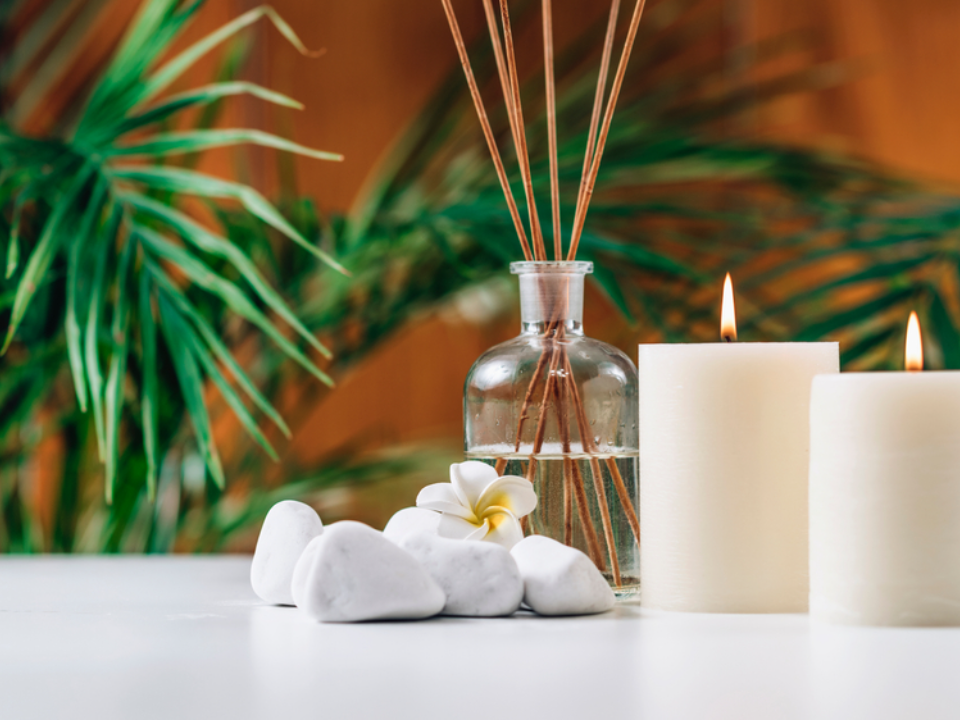
Aromatherapy has long been used to improve sleep quality, and for good reason. Essential oils like lavender, sandalwood, and chamomile are known for their calming and sleep-inducing properties. You can diffuse these oils in your bedroom or apply a few drops to your pillow. The soothing scents help calm the mind and promote a more restful environment.
Incorporating aromatherapy into your night routine is a gentle, non-invasive way to improve sleep. It only takes a few moments to set up a diffuser, and the calming effect can last throughout the night. Many people find that the addition of soothing scents helps them wind down quicker and enjoy deeper sleep. Aromatherapy can be a great addition to any evening routine.
Avoid Heavy Meals Before Bed

Eating large or rich meals right before bed can disrupt your ability to fall asleep. Your body works hard to digest heavy foods, which can leave you feeling uncomfortable and restless during the night. Instead, opt for lighter snacks if you’re feeling hungry, such as a small handful of nuts or some yogurt. These foods are easier to digest and won’t interfere with your sleep cycle.
Timing is important as well, so try to eat your last meal at least two to three hours before bedtime. This gives your body time to digest and settle before you try to sleep. By avoiding heavy meals late in the evening, you’ll likely notice improvements in your sleep quality. A lighter meal in the evening is not only better for sleep but also for your overall health.
Create a Relaxing Bedtime Environment
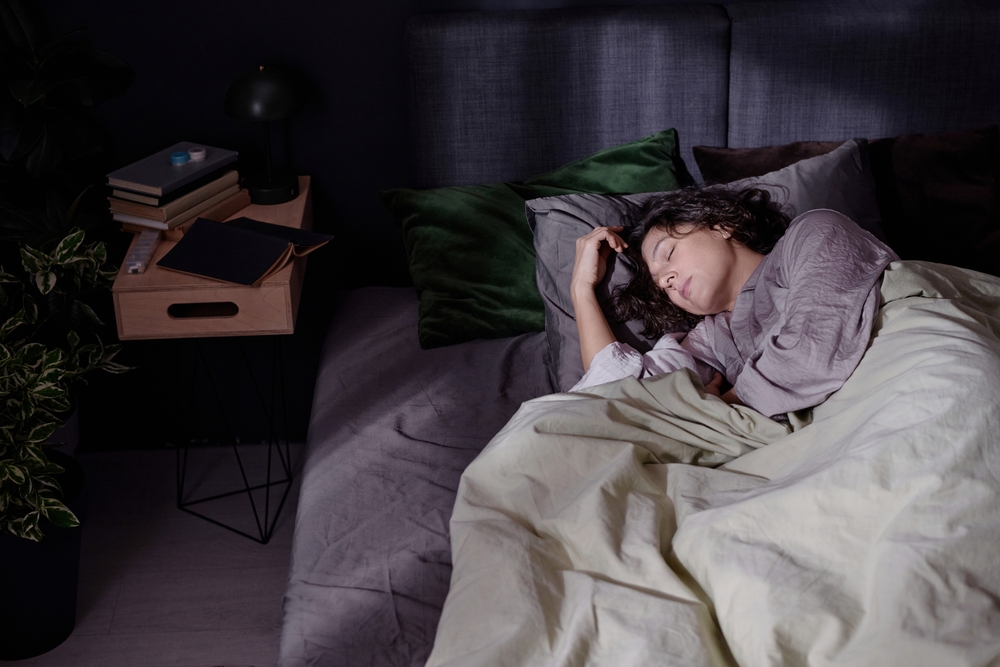
Your bedroom should be a sanctuary for sleep, free of distractions. Keep your space clean, quiet, and dark to promote relaxation. Consider investing in blackout curtains to block out any unwanted light. You can also use earplugs or a white noise machine if noise is an issue in your environment.
Having a calming environment makes it easier for your body to transition into sleep mode. The more serene your space, the more likely you are to feel relaxed and ready for bed. With the right environment, your body will start to associate your bedroom with rest. Take small steps to improve your sleep space and see the difference it makes.
Limit Naps During the Day

Taking long naps during the day can interfere with your ability to fall asleep at night. If you feel the need to nap, try to keep it short around 20 to 30 minutes is ideal. This will give your body a quick energy boost without leaving you feeling groggy or affecting your nighttime sleep. Longer naps can disrupt your sleep cycle and make it harder to fall asleep when bedtime comes around.
A consistent sleep schedule is important for maintaining a healthy sleep cycle. If you feel that you need a nap, try scheduling it earlier in the day to minimize its effect on your nighttime rest. By limiting naps and focusing on getting better sleep at night, you’ll find it easier to stay on track with your routine. Your body will begin to adjust, and you’ll start falling asleep faster each night.
Read a Book

Reading a book before bed is a great way to unwind and transition into sleep mode. The act of reading can help shift your focus away from the stress of the day, providing a mental break. Opt for a book that is light and relaxing rather than something too thrilling or stimulating. Fiction is often a good choice, as it allows your mind to escape into another world.
Reading before bed also creates a calming ritual that signals to your brain that it’s time to wind down. The soft glow of a bedside lamp paired with a good book can create a cozy, peaceful atmosphere. This can help you relax, which is key to falling asleep faster. Make reading a regular part of your routine for better sleep.
Use a Sleep Mask
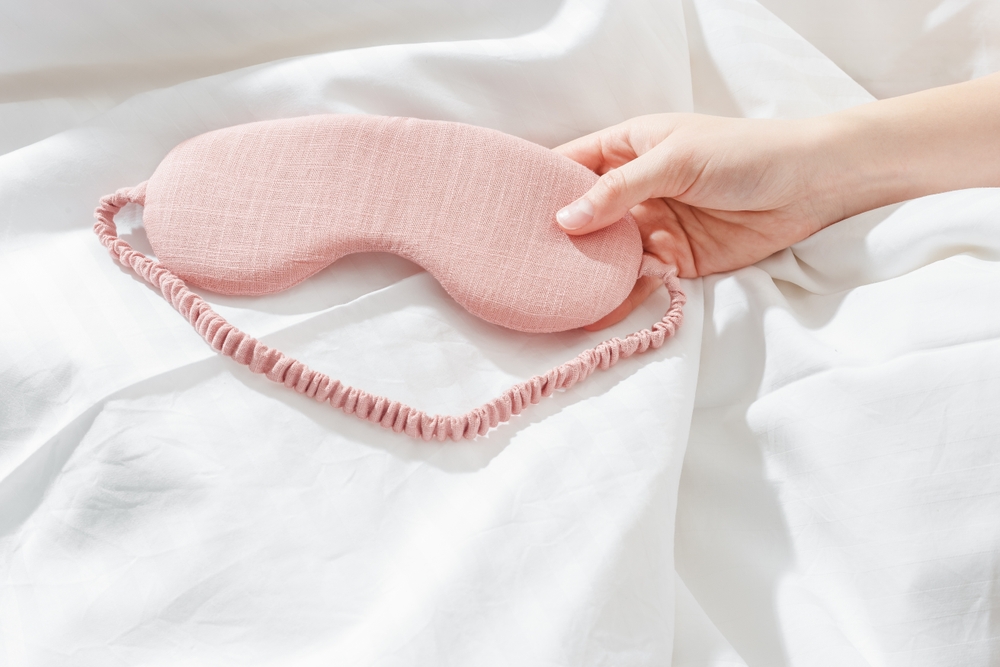
If you struggle with falling asleep in a bright room, a sleep mask can be a simple solution. A sleep mask blocks out light, creating a dark environment that helps signal to your body that it is time to sleep. It’s especially useful if you’re traveling or if your bedroom gets too much ambient light. This small change can have a big impact on how quickly you fall asleep.
Using a sleep mask is a non-invasive way to create a more comfortable sleep environment. Many people find that they fall asleep faster and experience deeper sleep with the help of a mask. With minimal effort, this small item can help you create a restful environment wherever you go. Try using a sleep mask as part of your nighttime routine for a better night’s sleep.
Practice Gratitude Journaling

Taking a few minutes to reflect on the positive aspects of your day can help reduce stress and ease your mind. Gratitude journaling involves writing down things you are thankful for, which helps shift your focus to the good rather than the negative. This practice can promote a sense of calm and contentment before bed, making it easier to sleep.
The act of journaling also helps clear your mind of lingering thoughts that might keep you awake. By focusing on what went well during the day, you create a positive mental space. Gratitude journaling is a simple, effective tool to incorporate into your nightly routine. It’s a great way to end your day on a peaceful note, improving both your mood and sleep quality.
This article originally appeared on Avocadu.