
12 Hardy Vegetables You Can Start in January Indoors
January may seem like a quiet time in the garden, but it is the perfect moment to start growing hardy vegetables indoors. Planting these vegetables now sets you up for a strong start to the growing season. You can create a little garden oasis inside your home, even when the weather is cold. With the right conditions, these vegetables will thrive and be ready for transplanting as the weather warms.
This post may contain affiliate links, which helps keep this content free. Please read our disclosure for more info.
Kale
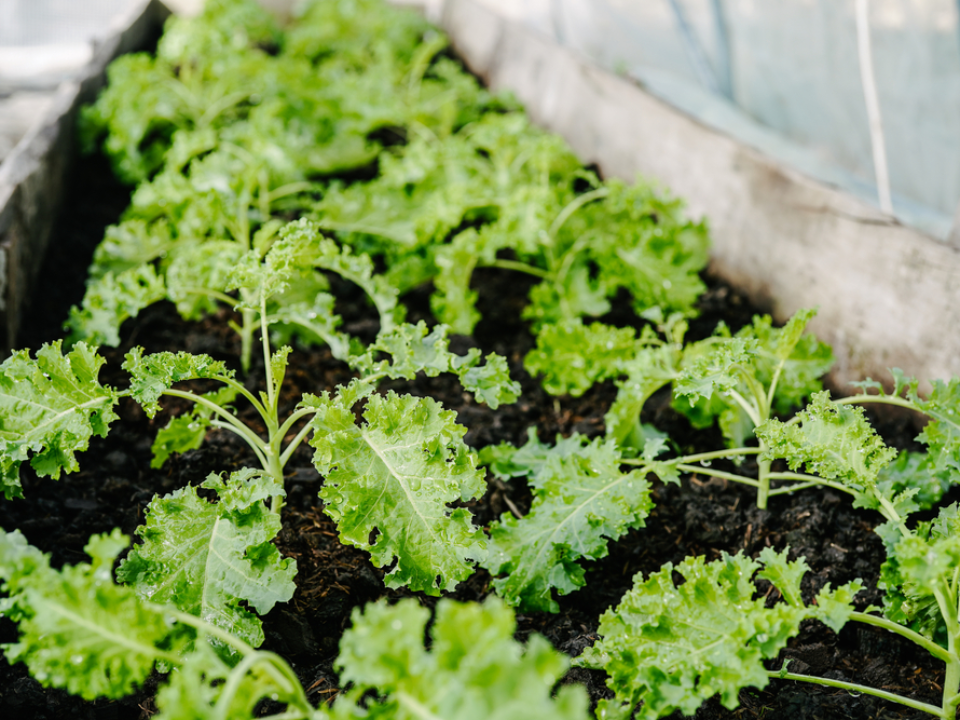
Kale is a leafy green that thrives in cool conditions and will develop sweeter leaves as temperatures stay low. It handles chilly indoor starts well and will be ready to plant out once frost risk diminishes. This vegetable is packed with nutrients and gives you a harvest that extends into early spring. Starting it indoors gives you strong, healthy plants that can be moved into the garden when outdoor conditions are right.
A wide variety of kale, from curly leaf to flat leaf types, offer slightly different textures and flavours for your kitchen. Sow the seeds in a seed tray with moist soil and provide gentle light until shoots appear. Once seedlings have a few true leaves, tease them into larger pots to avoid crowded root systems. With care, these plants will quickly fill out when moved outdoors.
Spinach
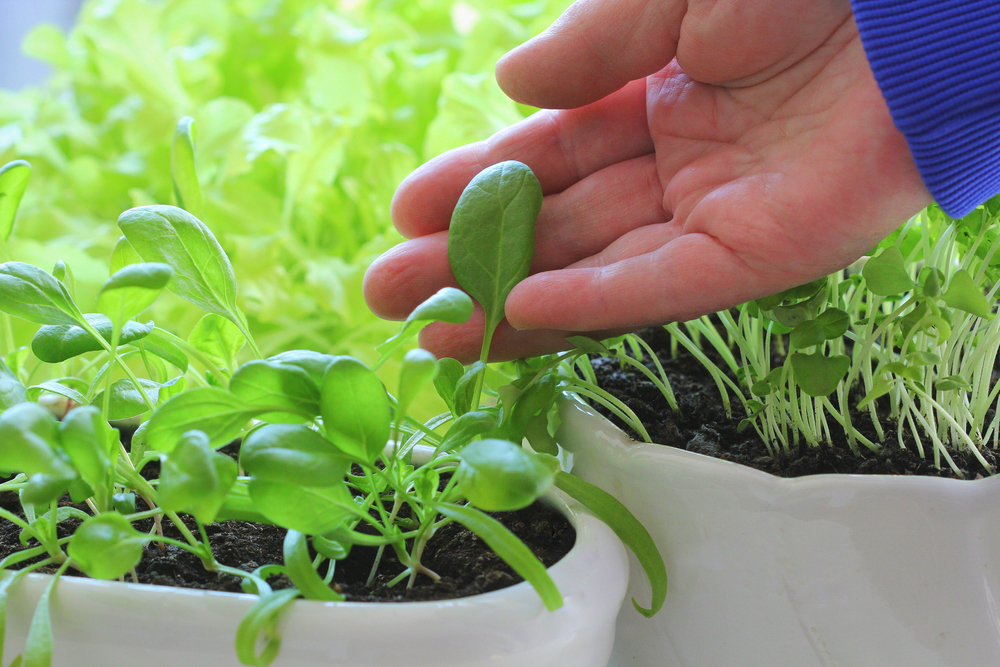
Spinach is a cool-season green that germinates rapidly in moist, cool soil and holds up well to lower temperatures. This leafy plant can be sown indoors at the start of the year, giving you a head start on fresh spring harvests. When seedlings are large enough, you can transplant them outside under protective cover as the weather allows. Spinach’s tender leaves are ideal for salads, cooking, and baby green mixes.
One key tip for spinach is to give it even moisture and gentle light so it does not bolt too early. Some gardeners choose shallow containers to encourage root health and sturdiness in young plants. When hardened off, these seedlings adapt well to the garden bed. With consistent care, you will enjoy a tasty crop in cool seasons.
Swiss Chard
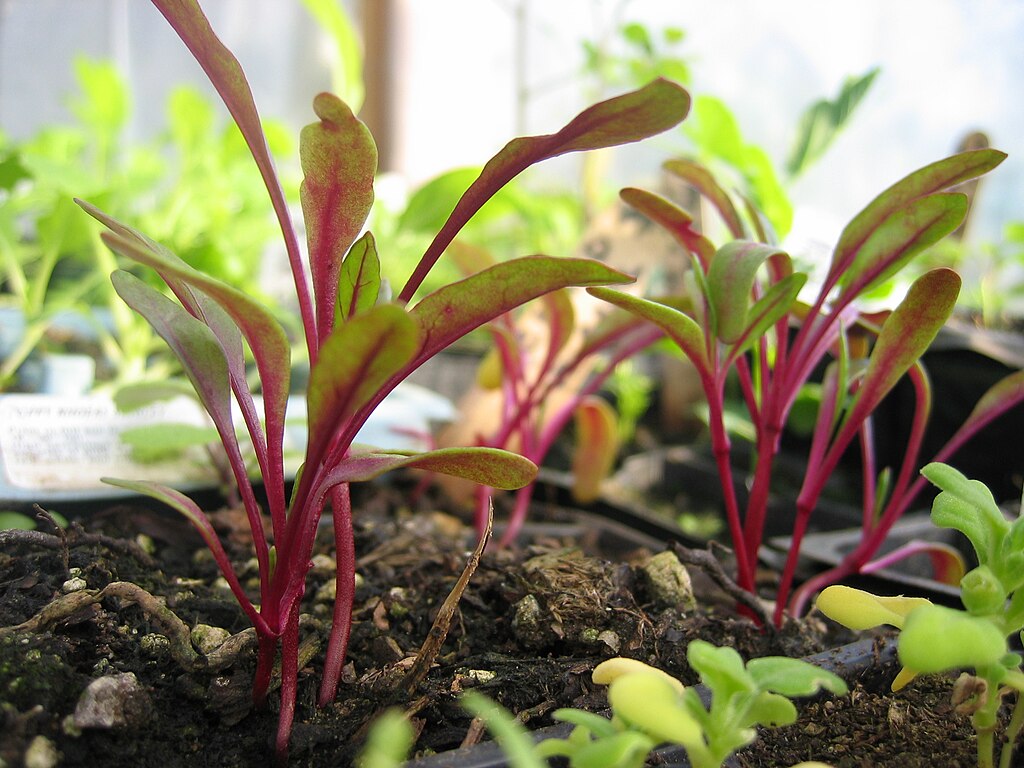
Swiss chard is a hearty leafy green that takes well to early indoor sowing and later garden planting. Its colourful stems and leaves allow you to add visual interest as well as nutrition to your crops. Starting these seeds in January gives them space to grow strong before going outside in early spring. Young plants can tolerate light cool spells once they are hardened off ahead of outdoor planting.
This vegetable does best with consistent watering and a neutral soil mix. As the seedlings grow, give them room to spread by repotting into larger containers. When transplanted outside, chard will continue to produce abundant leaves for months. Its resilience makes it a great choice for year‑round gardeners.
Broccoli
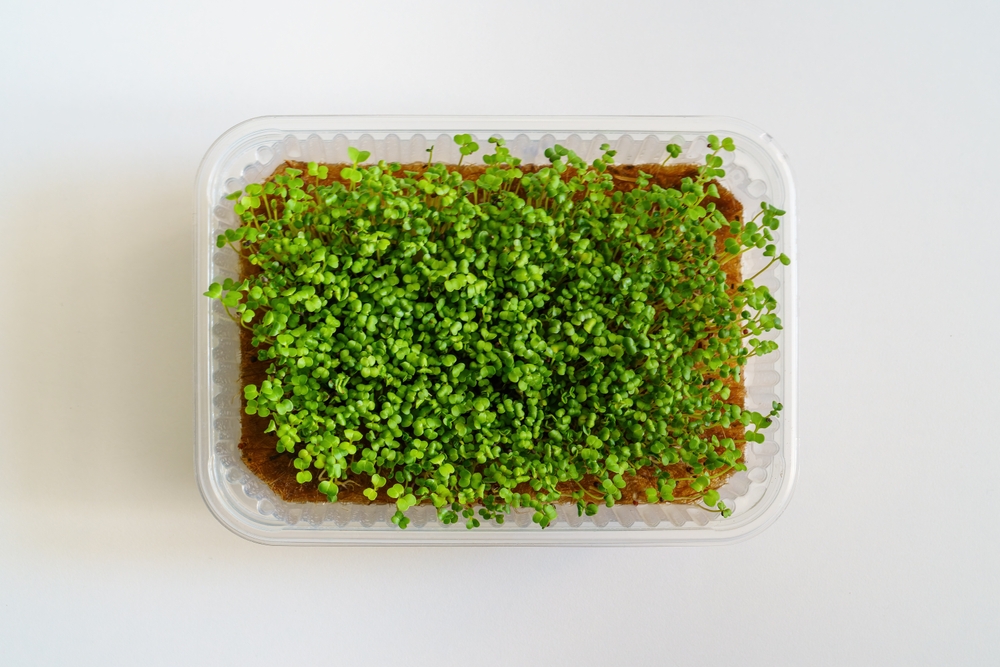
Broccoli seedlings started in January indoors will gain strength ahead of early spring planting. These brassica family plants prefer cooler soil and show good growth when introduced outdoors after frost danger passes. Start seeds shallowly in moistened mix, then thin to the strongest sprouts to avoid overcrowding. Healthy transplants can then move into the garden where cool temperatures suit their growth habit.
As broccoli matures, support its needs with even watering and regular nutrients. This plant produces tight heads that are best harvested before they begin to loosen. Offering light protection outdoors in early spring can help young plants settle into their final bed. Eager gardeners enjoy the hearty heads that come from early starts.
Cabbage
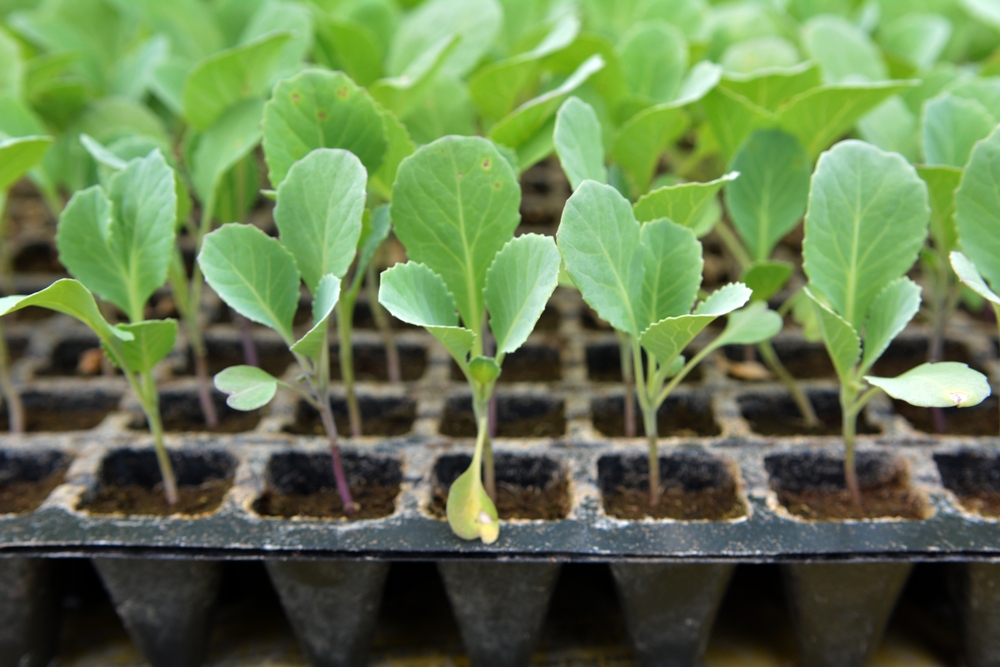
Cabbage holds up well to winter starts and will form firm heads when seedlings are strong by the time spring arrives. January is a perfect month for sowing cabbage seeds under lights or on a bright windowsill. Once these plants have several true leaves, you can place them in larger pots to develop deeper roots. When your local soil warms a little, move the seedlings outside to continue growing.
Different cabbage types bring a range of sizes and flavours, from tight green heads to ruby red forms. Consistent moisture and light feeding will help young plants stay vigorous. Watch for pests as they move outside, and use protective row covers if needed. This vegetable gives dependable yields for summer harvests.
Cauliflower
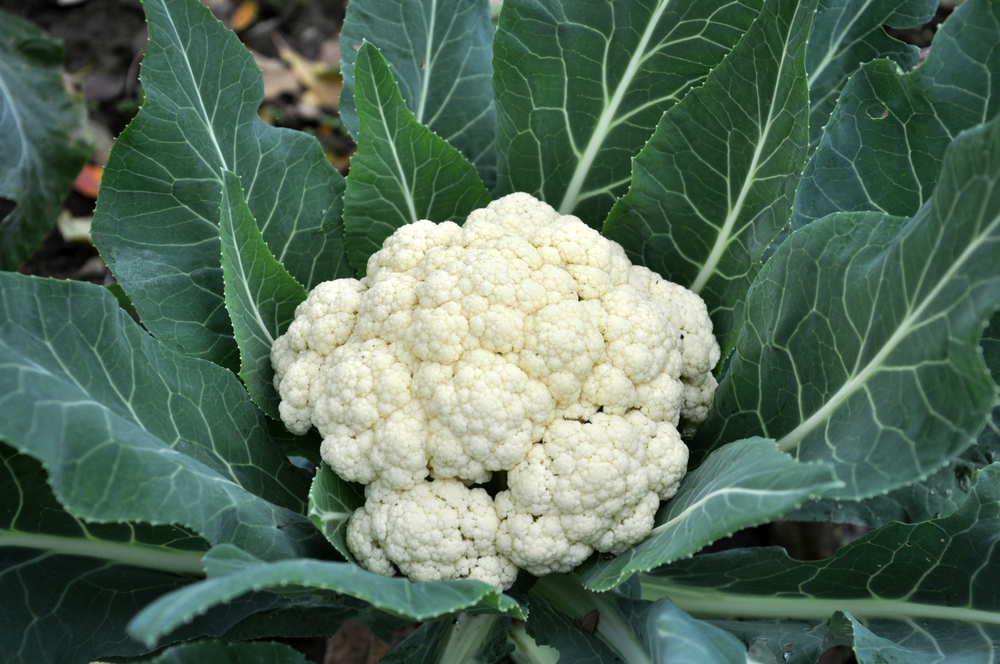
Cauliflower can be a cool‑weather crop that starts well indoors in January before heading to the garden. The seeds require warmth to sprout, but cooler temperatures once shoots emerge help shape strong seedlings. Plant these seeds in quality growing mix and keep them just moist until growth begins. Once several true leaves form, transfer the seedlings to bigger pots to strengthen roots.
As plants mature outdoors, they require steady moisture and, for some varieties, protection from intense sun. Cauliflower heads form compact, creamy florets that make excellent additions to meals. Gardeners who start early enjoy earlier harvests compared to direct outdoor sowings. This plant rewards careful attention with tender, delicious heads.
Onions
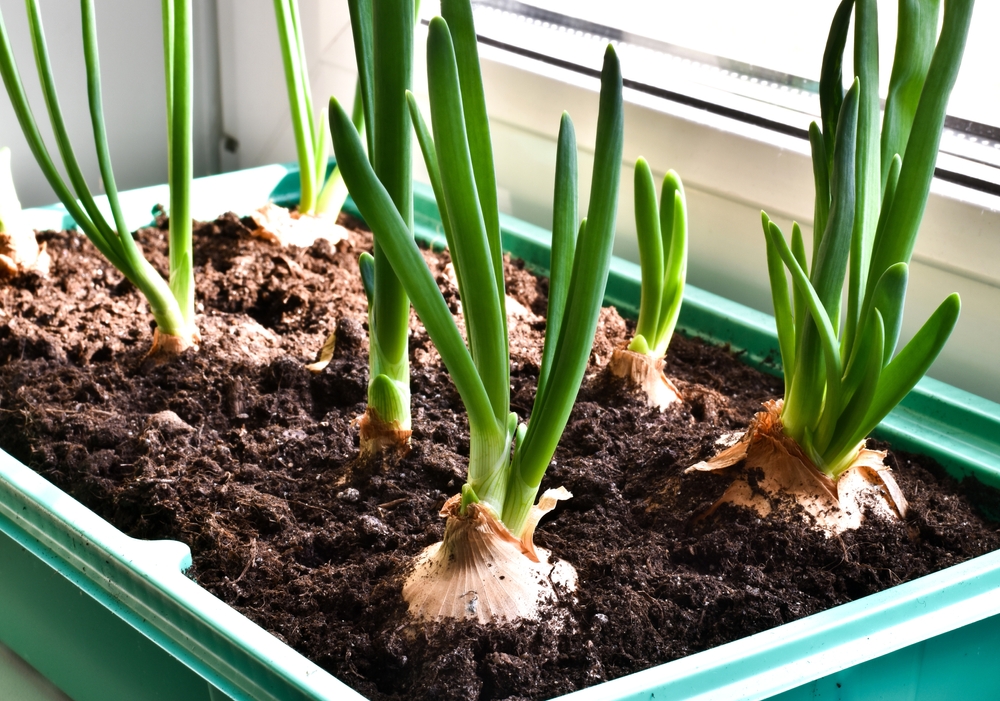
Starting onion seeds indoors in January can give you well‑developed transplants with long-season growth ahead. Onions need an extended growing time to form sizeable bulbs, so early indoor sowing is helpful. Sow seeds in fine, moist soil and place containers where light is steady. Thin seedlings as they grow so they have room to reach their potential.
When seedlings are tall and firm, you can trim their tops to encourage stronger root systems before transplanting. Once the outdoor soil is workable, plant these transplants in rows spaced to allow air flow. Bulb onions will grow through the cool months into early summer. Harvest when the tops begin to fall over and dry.
Peas
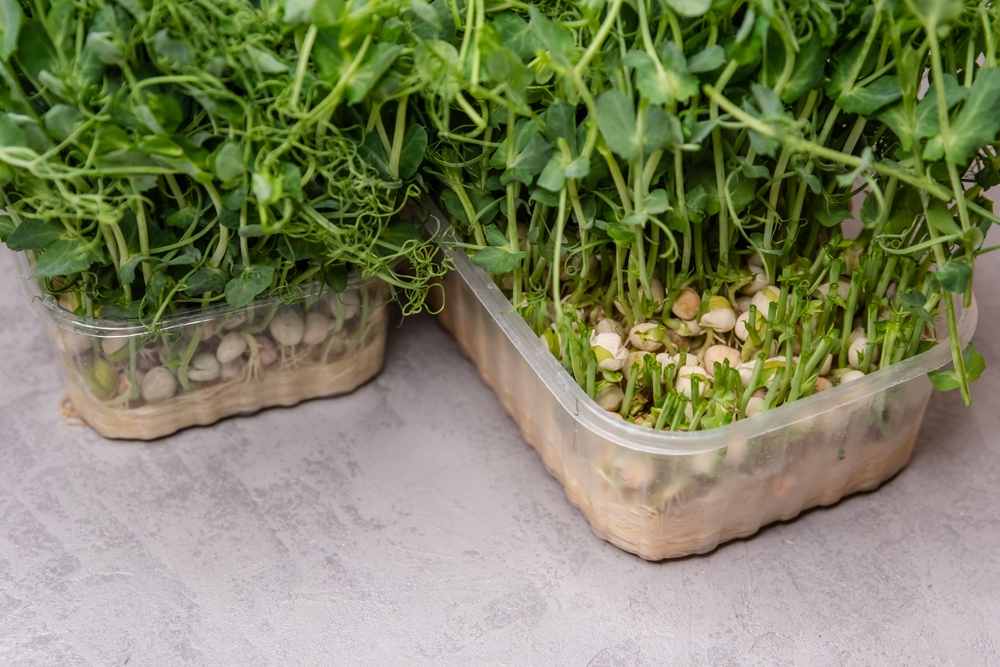
Peas are cool‑season legumes that can be started indoors in January and transplanted outdoors into cold frames when the soil can be worked. These plants enjoy cool air and will sprout quickly with moist soil and light warmth. Indoor starts allow you to enjoy tender pods earlier in spring. Provide support stakes early so vines can climb once moved to their garden space.
Choose dwarf or bush pea varieties if space is limited, or give climbing types ample room and structure. Peas bring sweet flavour and fresh harvests to spring meals. When young plants have set a few leaves, gradually introduce them to outdoor breezes. They flourish in cooler temperatures.
Radishes
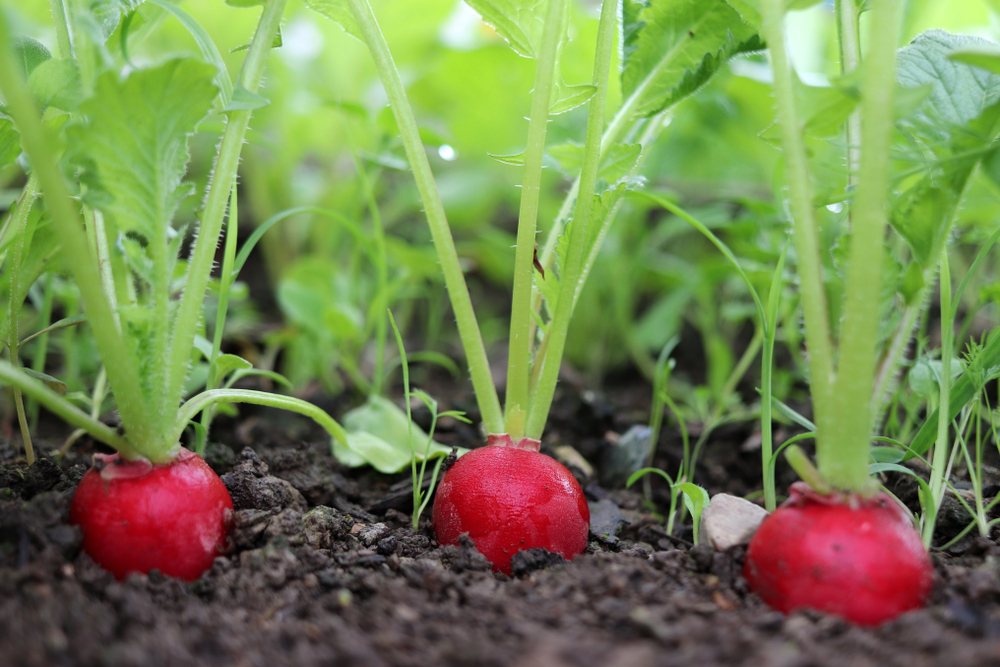
Radishes are among the fastest‑growing vegetables and starting them indoors in January gives you early roots for crisp harvests. They tolerate cool conditions and will sprout quickly when soil stays moist. Because radishes mature in a few weeks, an indoor start lets you enjoy them sooner than waiting for outdoor planting. Choose shorter, round varieties for container growth to make the most of your space.
Once seedlings are sturdy, they can go outdoors with protection from frost where needed. Thinning is key so roots have room to form without competition. Radishes lend vibrant colour and peppery taste to salads and side dishes. Their quick cycle makes them satisfying for winter gardeners.
Mustard Greens
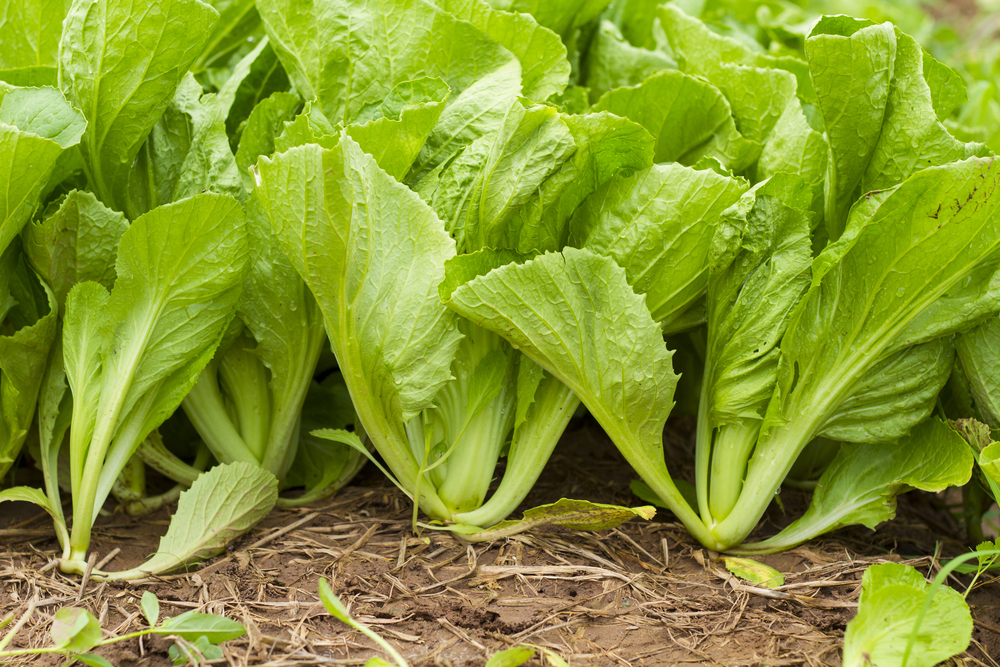
Mustard greens are leafy vegetables with a peppery flavour that stand up well to cool temperatures and indoor starts. Sow seeds in a moistened mix and give them gentle light until they gain a set of healthy leaves. These plants move outside easily once weather allows, adding early spring greens to your harvest. Their bold flavour gives salads and sautés a spirited kick.
These greens grow quickly compared to many other vegetables, so indoor starts help you enjoy early crops. Keep soil evenly damp to encourage steady growth. When seedlings reach transplant size, introduce them to cooler outdoor air over several days. Mustard greens make a lively addition to your winter garden list.
Beet Greens and Beets
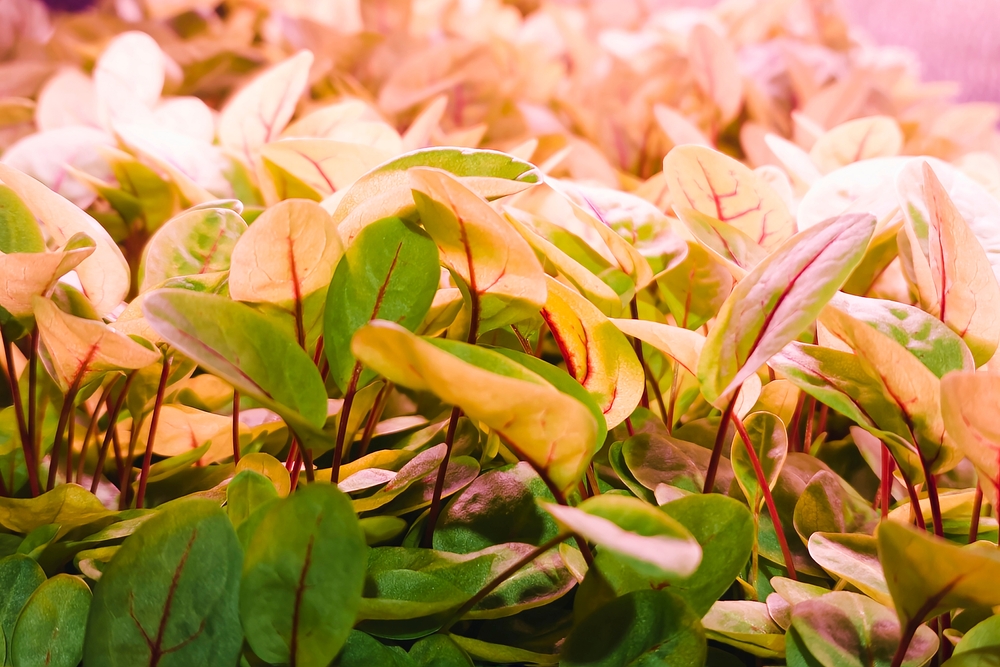
Beets are dual‑purpose vegetables, giving you edible greens and roots that benefit from early starts under cover. Sow beet seeds in containers deep enough for root formation, and keep soil evenly moist until sprouts appear. The greens offer tender leaves for salads, while the roots develop flavour as temperatures stay cool. Once seedlings are established you can set them outside in prepare beds with good drainage.
Beet seedlings prefer steady light so they do not stretch thin. When you place them outdoors after frost risk, give a light cover on chilly nights if needed. Both roots and greens will add colour and nutrition to your meals. Beets bring satisfaction to gardeners who start early.
Celeriac
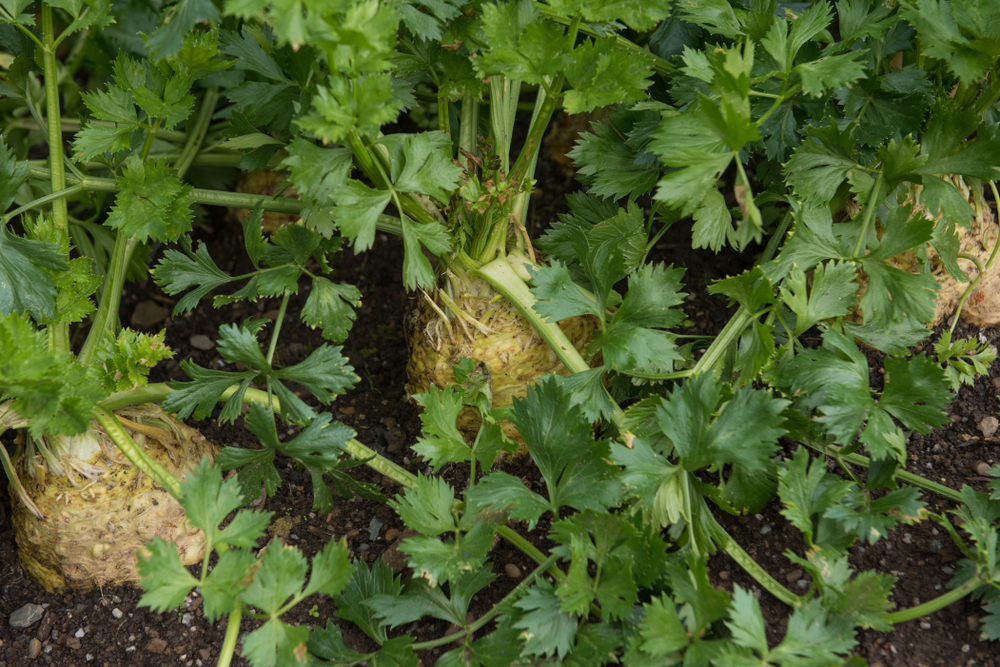
Celeriac is a hearty root vegetable with a knobbly exterior and creamy interior that grows best with long seasons of steady growth. Starting celeriac seeds indoors in January is ideal because it takes many weeks to reach transplant size. Give these seedlings warmth to germinate then move them into cooler light for steady development. When they are strong and ready, transplant them outside in rich soil where they will finish maturing.
This plant’s flavour deepens with the lingering cool of spring and early summer. Keep the soil moist and rich so roots develop well. Celeriac’s unique texture makes it excellent in soups and roasts. Gardeners who plan well enjoy its distinctive harvest.
This article originally appeared on Avocadu.