
13 Hardy Indoor Plants That Make Long Nights Feel Cozier
The colder months do not have to leave your home feeling dull and empty. Adding hardy indoor plants to your living space can brighten up even the darkest days. These plants are perfect for low-light areas and require little maintenance. They help to create a cozy atmosphere that will make your nights feel more comfortable. If you are looking for easy-to-care-for plants that bring warmth and beauty indoors, keep reading for our top picks.
This post may contain affiliate links, which helps keep this content free. Please read our disclosure for more info.
ZZ Plant
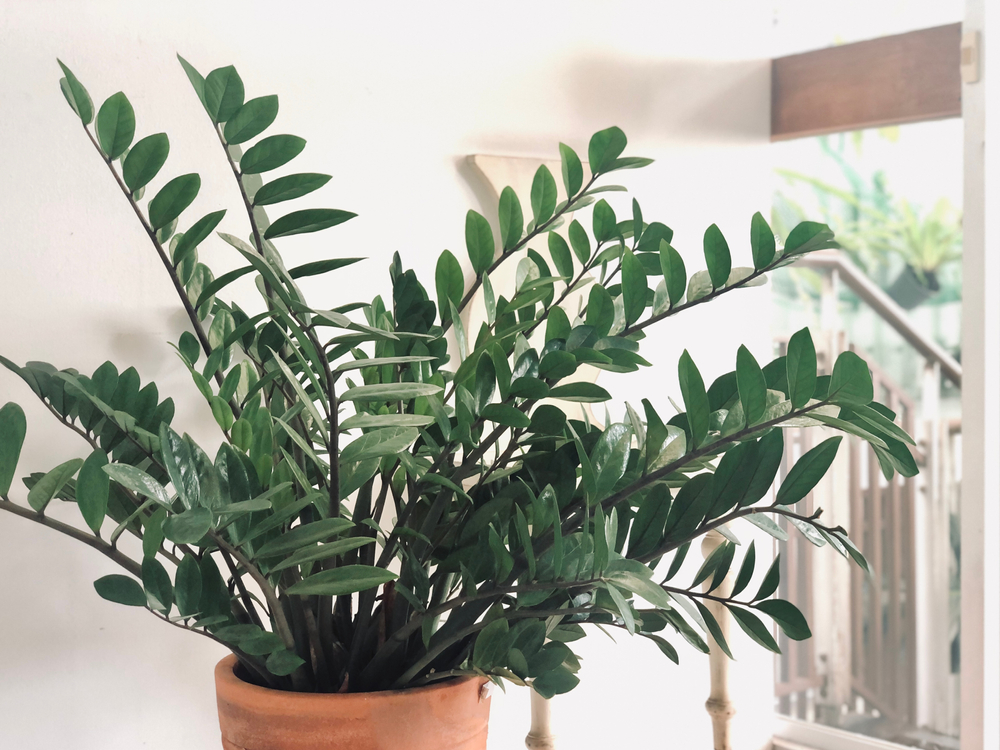
The ZZ plant, known scientifically as Zamioculcas zamiifolia, is one of the most resilient houseplants you can bring into a dim corner. Its glossy, deep green leaves rise from thick stalks that store water, meaning it will not wilt quickly if you forget to water for a while. This plant tolerates low light, letting it live happily in spaces without direct sunshine, and it can stay healthy with minimal attention. Its ease of care makes it a favorite for anyone wanting thriving greenery through long nights and chilly months.
More than just good looks, the ZZ plant thrives in a range of indoor temperatures and can live for years with only occasional watering and repotting. It is tolerant of different light conditions but avoids very bright, direct su,n which can scorch its foliage. If placed in a room with minimal light, rotate it occasionally so all sides get a chance to grow evenly. Although it is toxic if eaten, placing it out of reach of pets or children keeps both the plant and the home safe.
Snake Plant
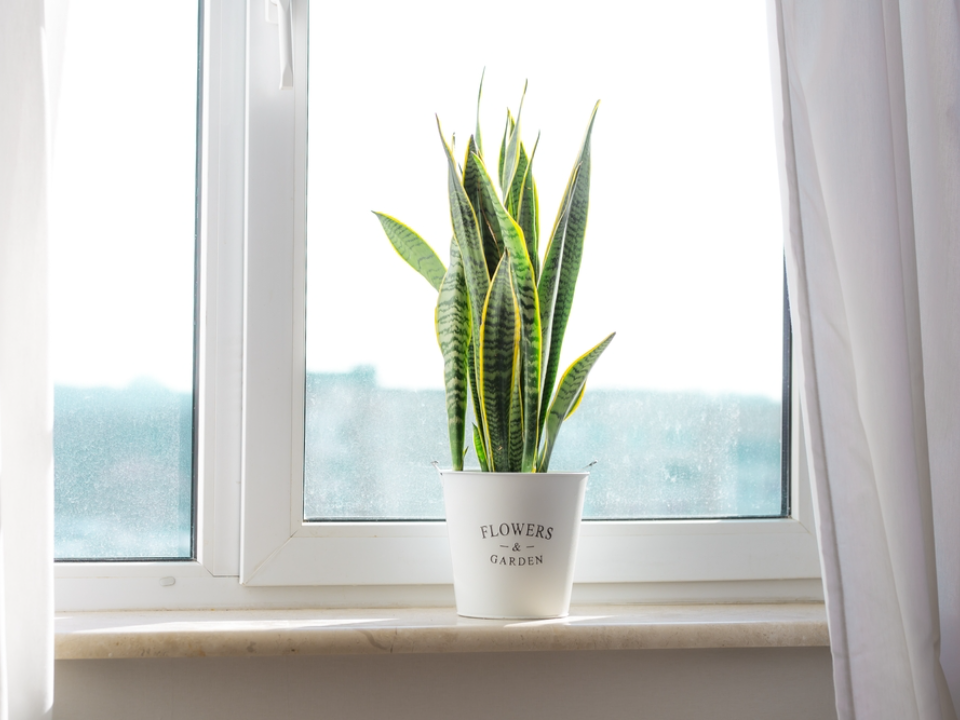
The snake plant features upright, sword-like leaves that bring a striking vertical element into indoor spaces. Dracaena trifasciata is known for growing well even when light levels are low, which makes it excellent for spots far from windows. Its ability to withstand irregular watering means you can enjoy its sculptural foliage without constant checking or fuss. Many people place this plant in bedrooms or living rooms to add life and a sense of calm to the surroundings.
During the winter months, let the soil dry out between waterings because overwatering can lead to root issues. A well drained potting mix supports steady growth and keeps the base of the plant free from rot. Snake plants can reach a few feet tall over time, becoming a grown accent piece that fills vertical space. They also work beautifully alongside other indoor greenery for a balanced indoor garden.
Pothos
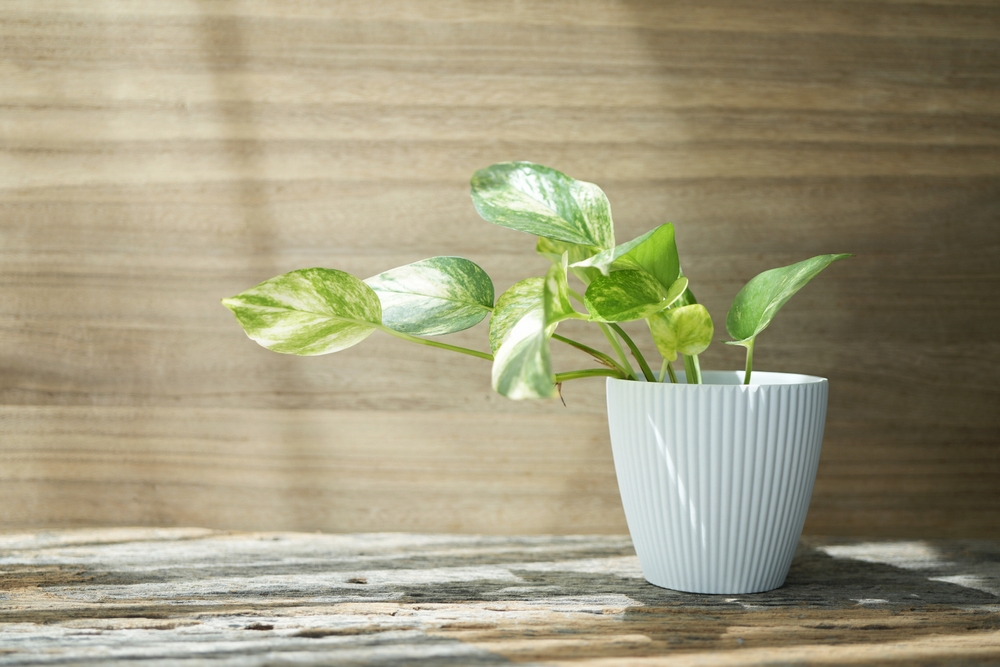
Pothos, also called devil’s ivy by some gardeners, has heart-shaped leaves that trail elegantly from shelves or baskets. This plant tolerates a broad range of indoor light conditions and continues to grow even when light is limited, which makes it ideal for rooms with long nights. With a quick look to trim back any long vines you do not want, it keeps a full, lush appearance without heavy attention. Pothos plants spread out, filling space and lending a gentle, welcoming feel to even dim corners.
It performs best in bright, indirect light, but with regular watering and spot checks of soil moisture, it survives in lower light as well. Some varieties have variegated leaves that add contrast against plain walls or darker décor. You can also guide vines along a wooden trellis or let them hang freely for a relaxed, organic vibe. For added interest, combine different types of pothos to create an indoor garden that feels warm and alive.
Peace Lily
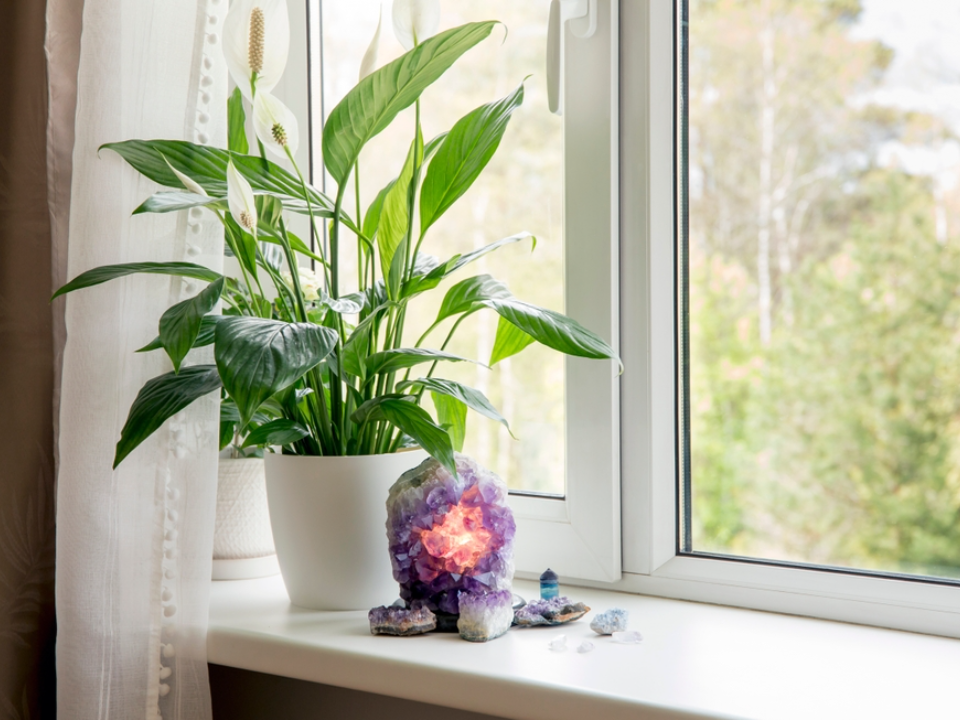
The peace lily is a classic indoor choice with glossy green leaves and occasional white blooms that seem to glow against dim backgrounds. It tolerates low light conditions nicely, though more light can bring out more blooms during the longer days of the year. This plant prefers evenly moist soil, so keep a regular check on dampness and water when the top soil feels dry. Peace lilies are well loved for their calm presence and ability to freshen up living spaces with little effort.
When shown a bit of light each day, the plant rewards you with striking white flowers that lift the mood of any room. Browning leaf tips may indicate watering habits need adjustment, so adjust slowly as seasons shift. Peace lilies also like higher humidity, which makes them pleasant companions near a kitchen or bathroom. With its graceful form and soft blooms, a peace lily brings gentle life into darker hours.
Cast Iron Plant
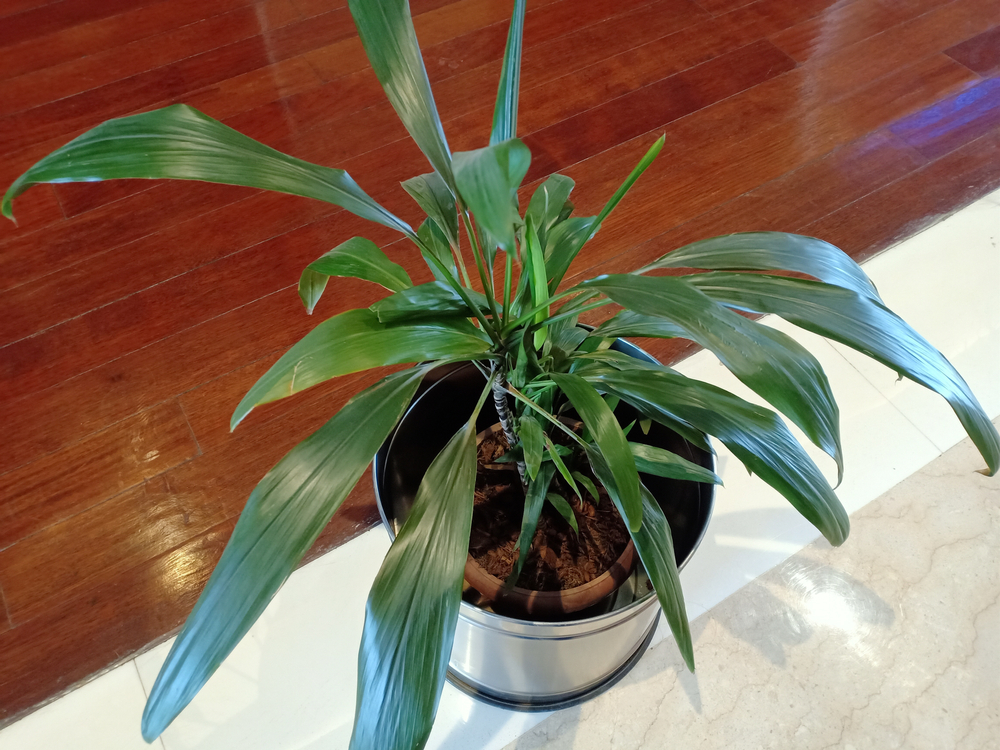
The cast iron plant is named for its rugged nature and capacity to survive where many other plants struggle. Its broad, dark green leaves make a strong visual statement in shady spaces without needing constant care. It tolerates low to moderate lighting, which makes it a dependable choice for living areas that only see indirect sunshine. Originally a forest plant, it handles uneven indoor conditions without much complaint.
This plant can live for many years and fill a corner with elegant, sturdy foliage that offers a timeless look. Allow the soil to dry just slightly between waterings, and avoid placing it near heat vents that might dry it too quickly. Its slow growth means it will remain compact for a long time, which is useful for smaller rooms or apartments. For many indoor gardeners, the cast iron plant is a reliable reminder that greenery can feel good without demanding daily attention.
Boston Fern
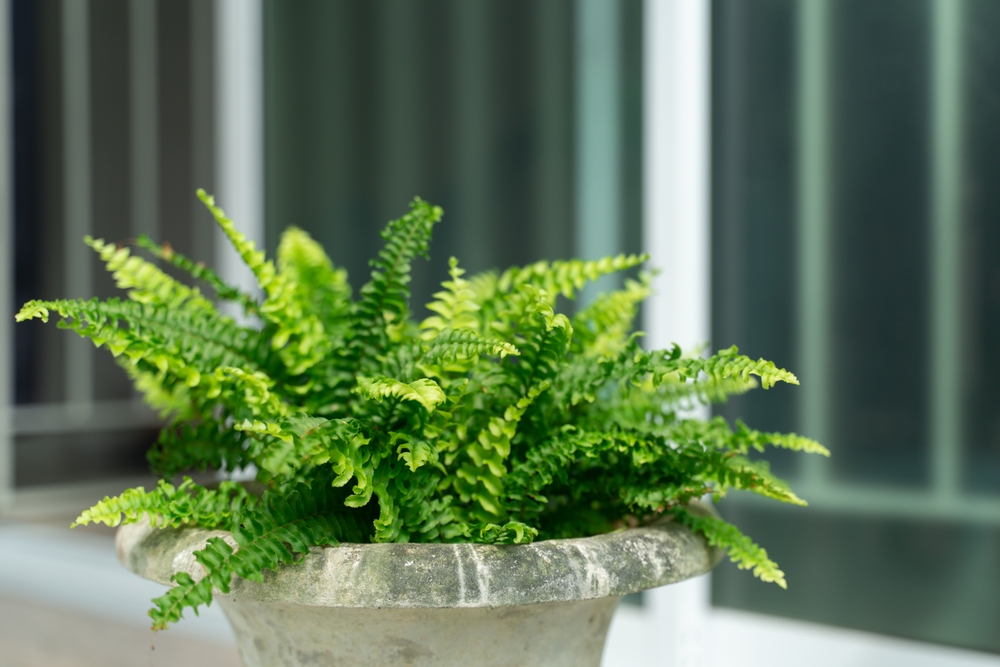
Boston ferns bring a soft, feathery texture that adds warmth and lushness to any interior. Known to do well in filtered or indirect light, they like spots where light is not harsh but still present throughout the day. Regular moisture is key for these ferns, so keep the soil lightly damp and mist the fronds often to keep humidity high. Their cascading fronds fill hanging baskets and shelves, helping rooms feel alive even when days are short.
Position them near bathrooms or kitchens where extra humidity helps keep fronds full and deep green. If leaves start to brown at the edges, tweak watering or humidity levels slowly until they mellow. Trimming old fronds encourages new growth and keeps the plant looking fresh. As a classic indoor green, Boston ferns offer a soft, inviting presence that steadies long, dark evenings.
English Ivy
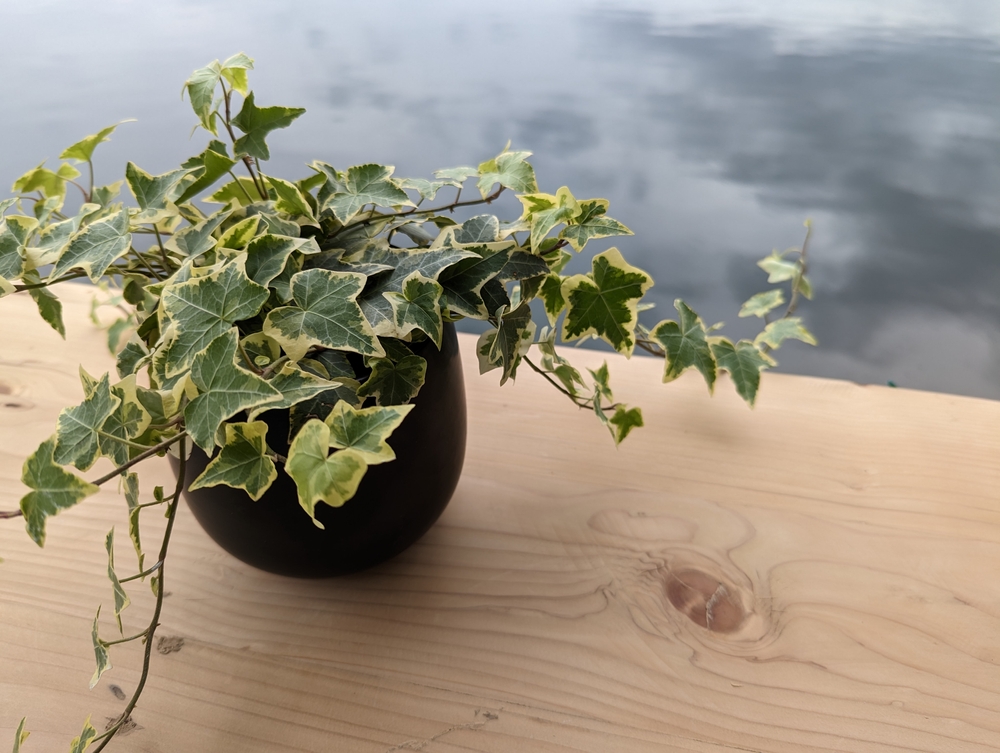
English ivy makes a lovely indoor plant with vines that can climb supports or hang down gracefully from elevated containers. This plant tolerates lower light and also thrives in moderate humidity, which makes bathrooms and kitchens suitable homes. Its leaves add lively texture, and regular gentle trimming keeps the growth in check without much effort. Many plant lovers enjoy its classic look against brick walls or wooden shelves, which anchors indoor spaces with gentle greenery.
Check soil moisture once a week and water if the top layer feels dry, but avoid soaking the roots. Ivy can spread quickly if allowed, so use trellises or supports to guide its vines the way you want. When put with other foliage, it can lighten up a corner and link plant groupings visually. English ivy also works well in hanging baskets, where vines can trail toward the floor.
Spider Plant
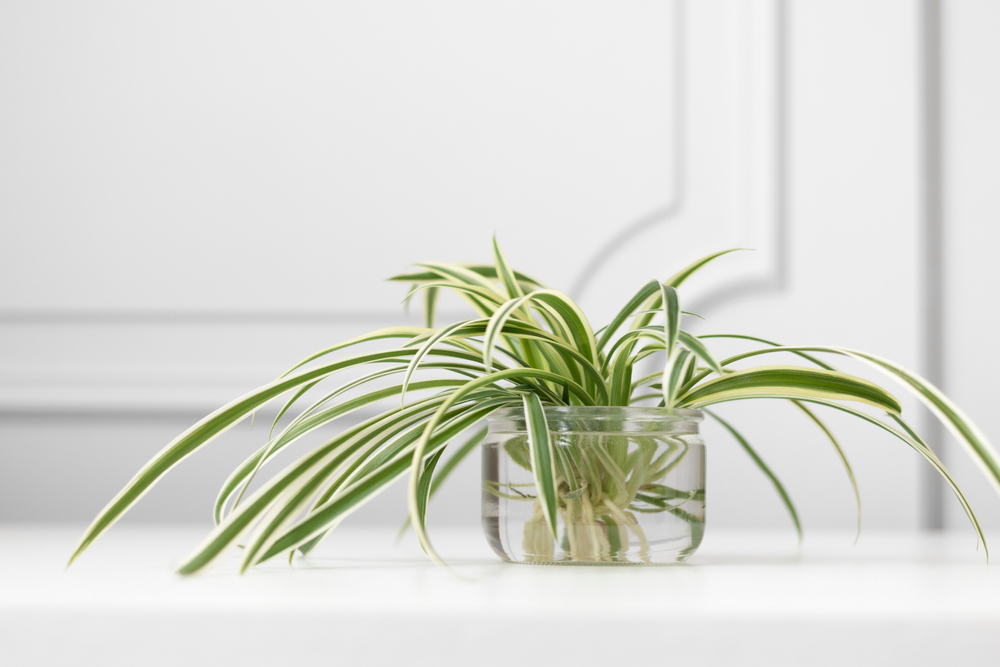
The spider plant is a friendly, arching green with slender leaves that bring motion into a still room. This plant tolerates a range of light conditions, even spaces where sunshine is limited for much of the day. It grows steadily and produces small plantlets that seem to hang on threads, adding an almost playful feel to your interior. Spider plants prefer soil that dries slightly between waterings, and they appreciate brighter light when available.
The plantlets can be clipped off and potted into new containers, which gives you a chance to expand your indoor garden. Spider plants work well in kitchens, living rooms, or near windows where some indirect sunshine filters through. Their lively appearance helps a room feel more connected to nature, even during long, quiet nights. With minimal fuss, this plant becomes a cheerful presence in any space.
Jade Plant
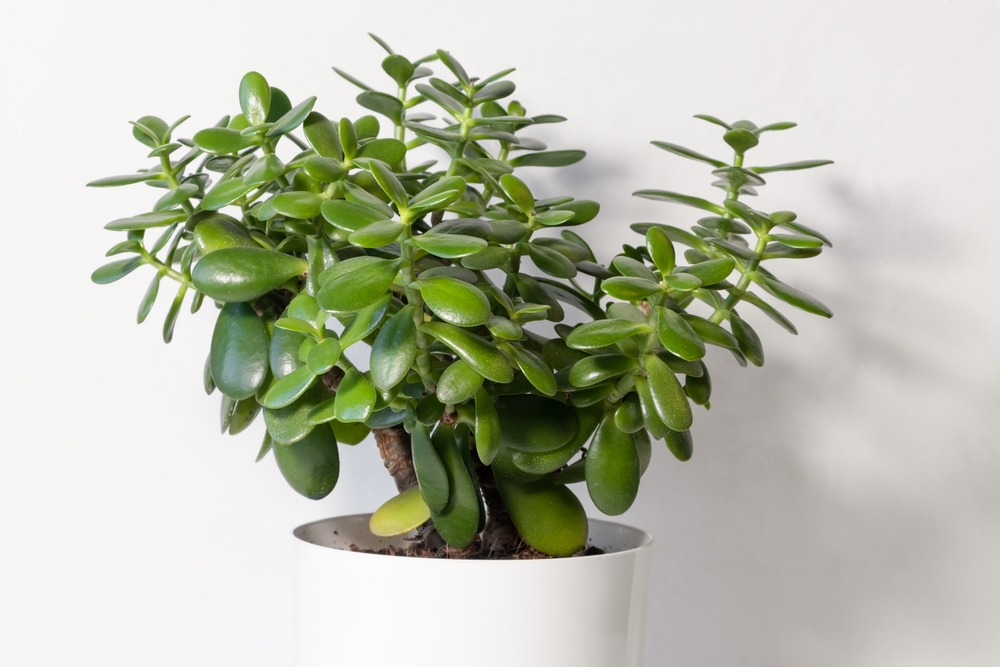
The jade plant has thick, fleshy leaves that store water for times when your care schedule is busy or unpredictable. This succulent thrives with modest attention and can sit comfortably near windows or in brighter indoor light. Its upright branches and plump leaves give a sense of solidity that fits well with structured décor or simple, minimalist spaces. While it prefers bright light, jade plants still do well inside where sunshine can reach it for part of the day.
Water only when the soil is dry, which prevents root conditions caused by overhydration. As it grows, its trunk-like stems will thicken, lending a sculptural quality to your indoor greenery. Use a pot with good drainage and let excess water escape freely to keep its roots healthy. Jade plants can live for many years, offering a steady companion through changing seasons and long evenings.
Aspidistra
Often known as the cast iron plant, aspidistra is famous for handling conditions that other plants struggle with. Its large, dark green leaves stand up well in low-light corners where sunshine barely reaches. This plant is not fussy about temperature swings and handles dust and cooler nights inside without complaint. For spaces that feel chilly or quiet, aspidistra fills them with broad, comforting foliage that feels timeless.
Keep water sparse and let the top soil dry out before watering again, as this species does not like sitting in wet soil. Aspidistra is slow growing, but it will expand gently over time into a stunning, low-maintenance feature. Use it near seating areas to make rooms feel calmer and more inviting. Its vibrant presence uplifts spaces without requiring constant watering.
Philodendron
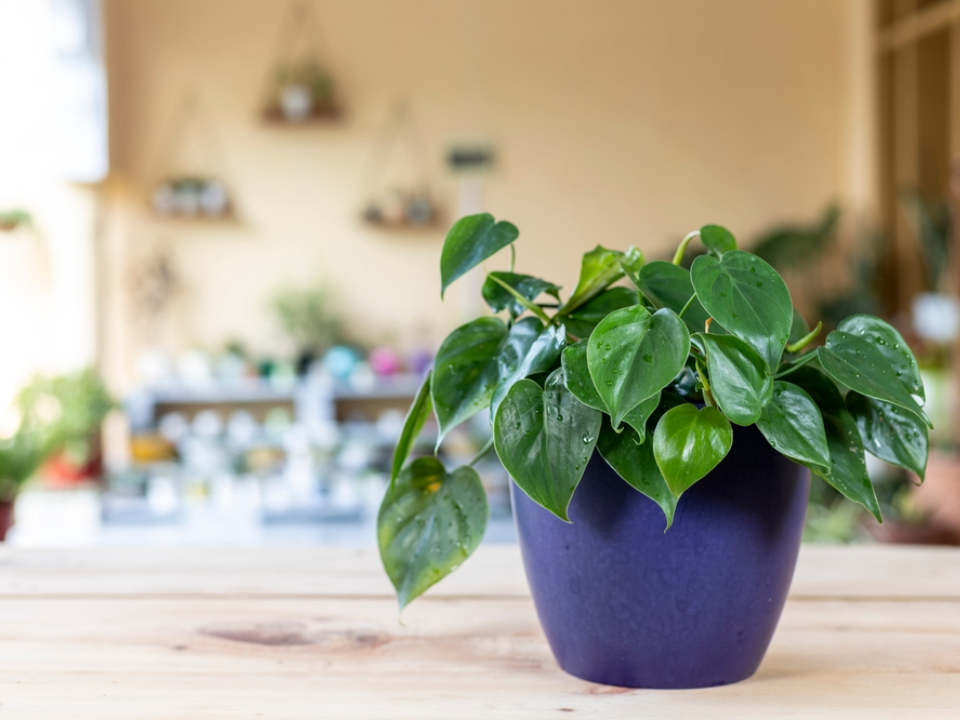
Philodendrons offer a range of leaf shapes and colors, from glossy green to variegated patterns that bring visual interest to indoor rooms. They tolerate lower light and continue to grow steadily even when sunshine is limited. Their vines or stems can trail or climb, depending on how you choose to display them, which makes them flexible for different spaces. Regular light watering keeps their soil happy, and they will reward you with healthy foliage.
Filming vines up a support or letting them drape from shelves creates an inviting, layered feel in your indoor garden. The plant handles a bit of ignoring better than many others, which suits people with busy days and long nights. Philodendrons pair well with simple décor and richer colors, enhancing mood and indoor energy. As they grow, feed them occasionally in growing months to maintain lush leaves.
Calathea
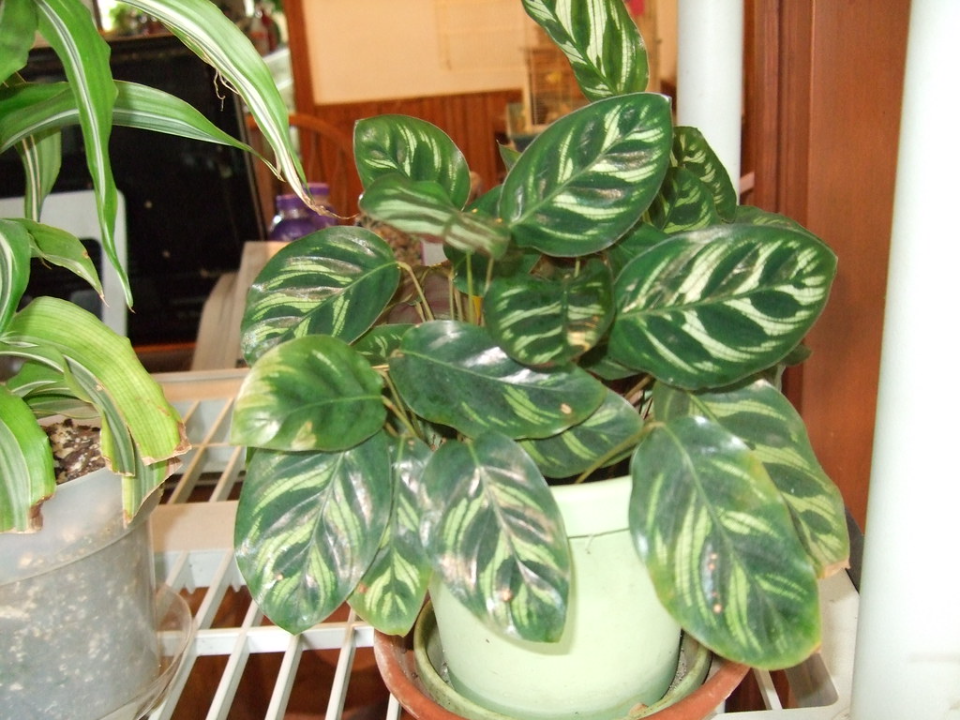
Calathea plants are known for their striking leaf patterns that open and close slightly with changes in light. They enjoy indirect light and steady humidity, which makes them great for bathrooms or living rooms where air moisture is comfortable. Their colorful, patterned leaves bring visual richness that stands out even in dimmer rooms. Keep their soil consistently moist without flooding, and your Calathea will stay vibrant and lively.
Choose Calathea varieties that suit your décor with leaves that range from green and purple to striped patterns that draw the eye. A well positioned fern brings a sense of depth and movement to plant groupings. Mist occasionally to keep humidity at levels the plant prefers. With its dramatic foliage, Calathea gives indoor spaces a lush feel that warms long nights.
Chinese Evergreen
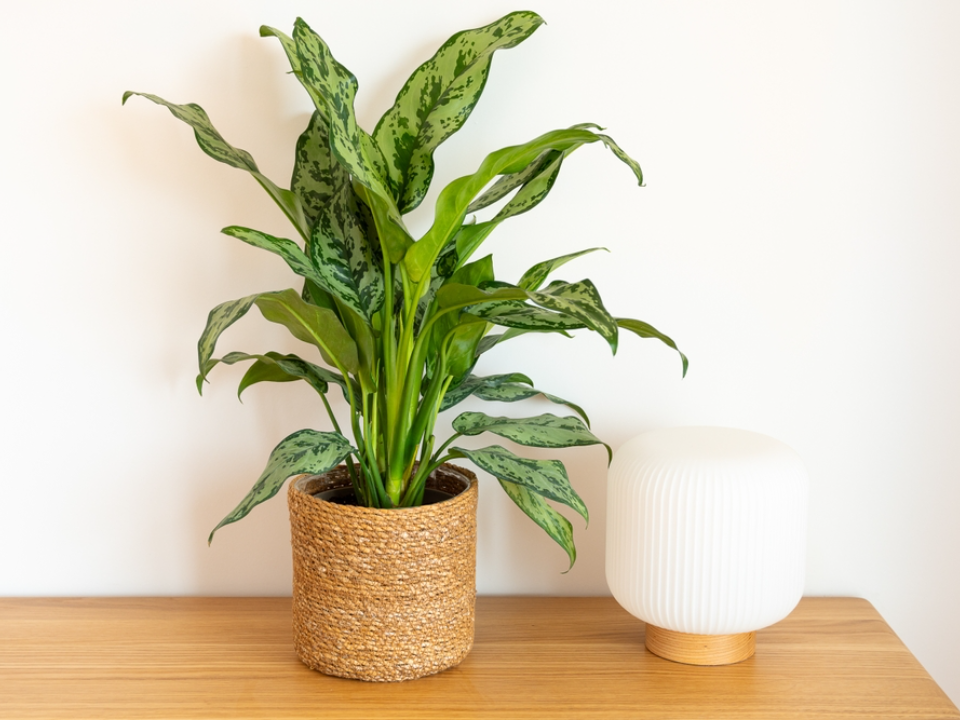
Chinese evergreens have leaves patterned in silver, green, or cream that lighten up spaces with lower sunshine. They do well in low to medium light, which makes them adaptable to many indoor spots. Their bushy form fills horizontal space on shelves or tables with gentle foliage that feels welcoming. This plant asks for regular but moderate watering, and it rewards you with a full, healthy form that matches many décor styles.
Place Chinese evergreen plants near areas where people gather, and the leaves add calm and softness to the scene. Keep them away from harsh direct rays to preserve their leaf patterns. Occasional pruning keeps the shape compact and attractive. With minimal care, they become quiet but strong companions in any room.
This article originally appeared on Avocadu.