
14 Hardy Flowers You Can Plant Before Your Last Frost Date
Planning your garden before the last frost date can give you a head start on the growing season. Hardy flowers are a great option for planting early, as they can handle cooler temperatures. These flowers will add vibrant color to your garden without the risk of frost damage. By choosing the right varieties, you can enjoy blooms sooner than expected.
This post may contain affiliate links, which helps keep this content free. Please read our disclosure for more info.
Pansies
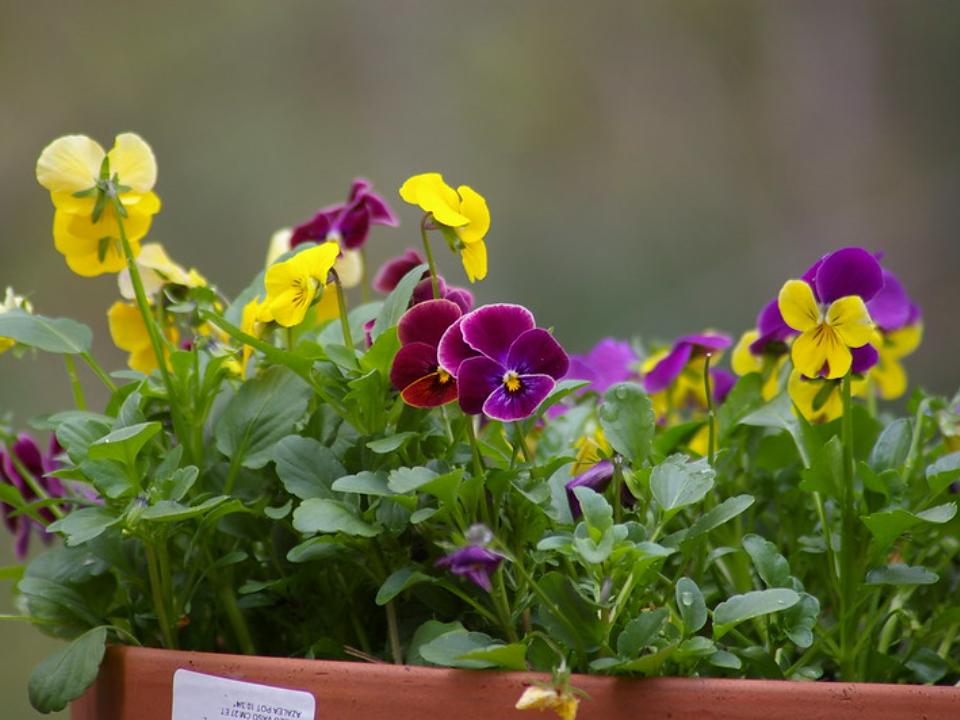
Pansies are one of the most reliable hardy flowers to plant before your last frost date. They are known for their vibrant colors and ability to withstand early spring’s cooler temperatures. Pansies thrive in full sun to partial shade, and their broad range of colors adds a cheerful touch to any garden. While they can handle some frost, it is best to plant them after the risk of heavy snow has passed.
These flowers are ideal for planting in borders, containers, and hanging baskets. Pansies can tolerate the cold, but they do best in well-drained soil that is kept consistently moist. They are perfect for adding early color to your garden and are often one of the first flowers to bloom in spring. If you deadhead them regularly, pansies will keep blooming throughout the season.
Violas
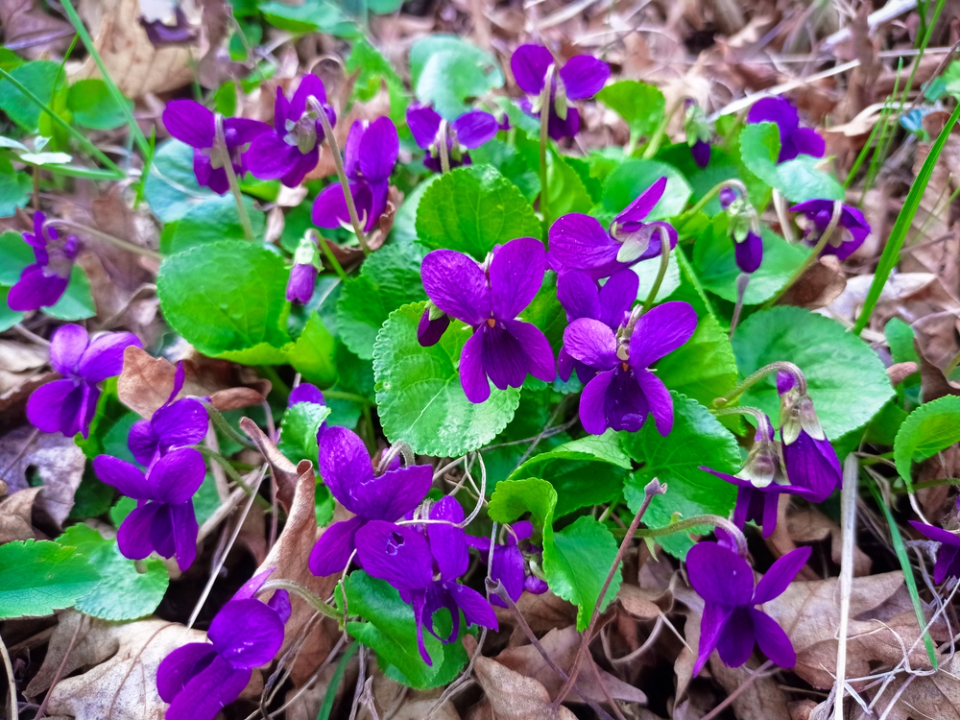
Violas, closely related to pansies, are another excellent choice for early planting. Their small, dainty flowers come in a variety of vibrant shades, making them an attractive addition to gardens. Like pansies, they are cold-hardy and can survive light frosts without damage. Violas grow well in containers, hanging baskets, or in the ground, where they can tolerate both sun and partial shade.
These flowers tend to thrive in well-drained soil and can benefit from a layer of mulch to protect their roots from the cold. Violas are perfect for those looking to add a burst of color to their garden as early as possible. With proper care, they will continue to bloom well into the spring and even into early summer. Their small size and compact growth make them perfect for filling in empty spaces in flower beds.
Primroses
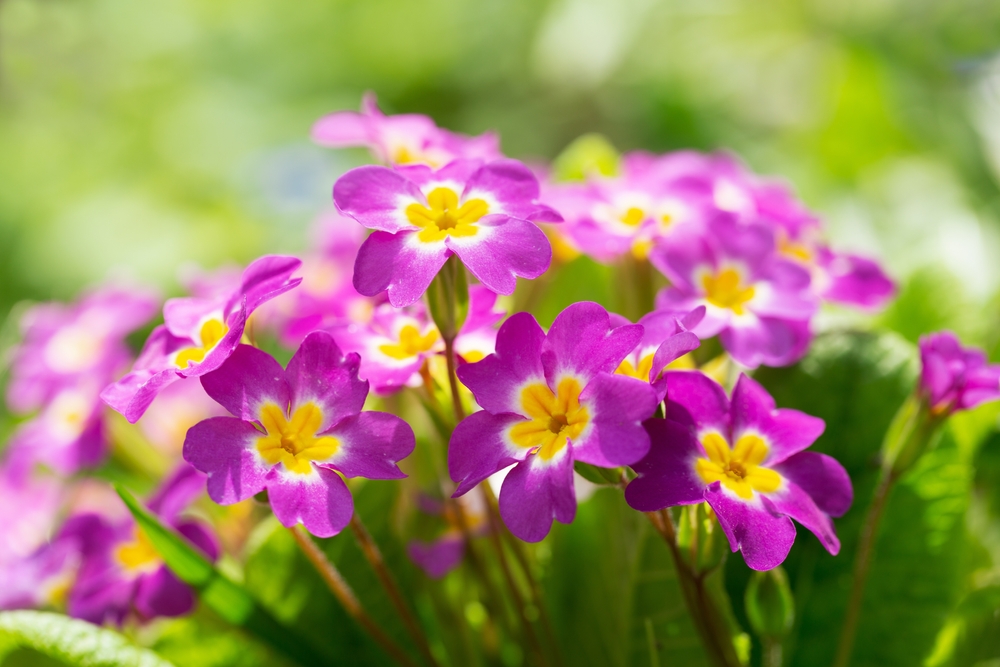
Primroses are a wonderful choice for gardeners eager to see color in their gardens before the frost is fully gone. These perennial flowers come in a wide range of colors, from soft pastels to bold reds and yellows. Primroses thrive in cool weather and can tolerate light frosts, making them a perfect early spring bloomer. They prefer partial shade but can also adapt to full sun if the soil remains consistently moist.
Primroses are great for planting in garden beds, along borders, or even in containers. They are low-maintenance plants that require minimal care once established. Primroses bloom early, often as soon as the soil can be worked in the spring. Adding organic matter to the soil before planting will help improve their growth and flower production.
Snapdragons
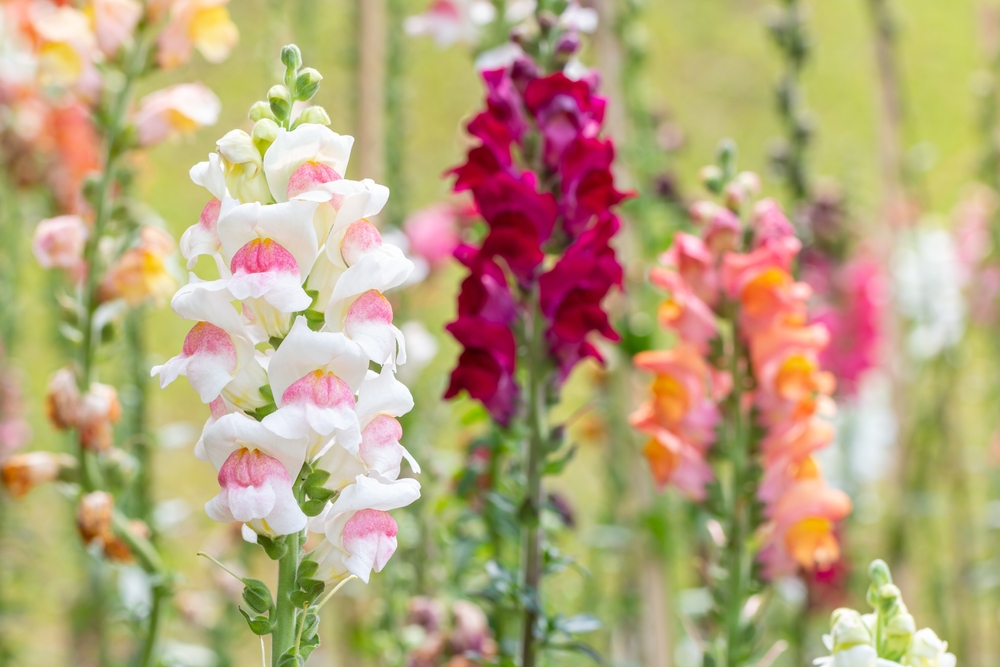
Snapdragons are another hardy flower that can be planted early to add color to your garden. They are known for their unique, dragon-shaped blooms that come in many vibrant colors. Snapdragons can handle cool temperatures and light frosts, making them perfect for planting before the last frost. They thrive in full sun and well-drained soil, which helps prevent root rot.
These flowers are great for planting in flower beds or containers. Snapdragons can grow quite tall, depending on the variety, making them ideal for the back of flower beds. If you want to prolong their blooming period, pinching back the flowers can encourage more blooms later in the season. Snapdragons are perfect for adding vertical interest to your garden while still thriving in early spring conditions.
Sweet Williams
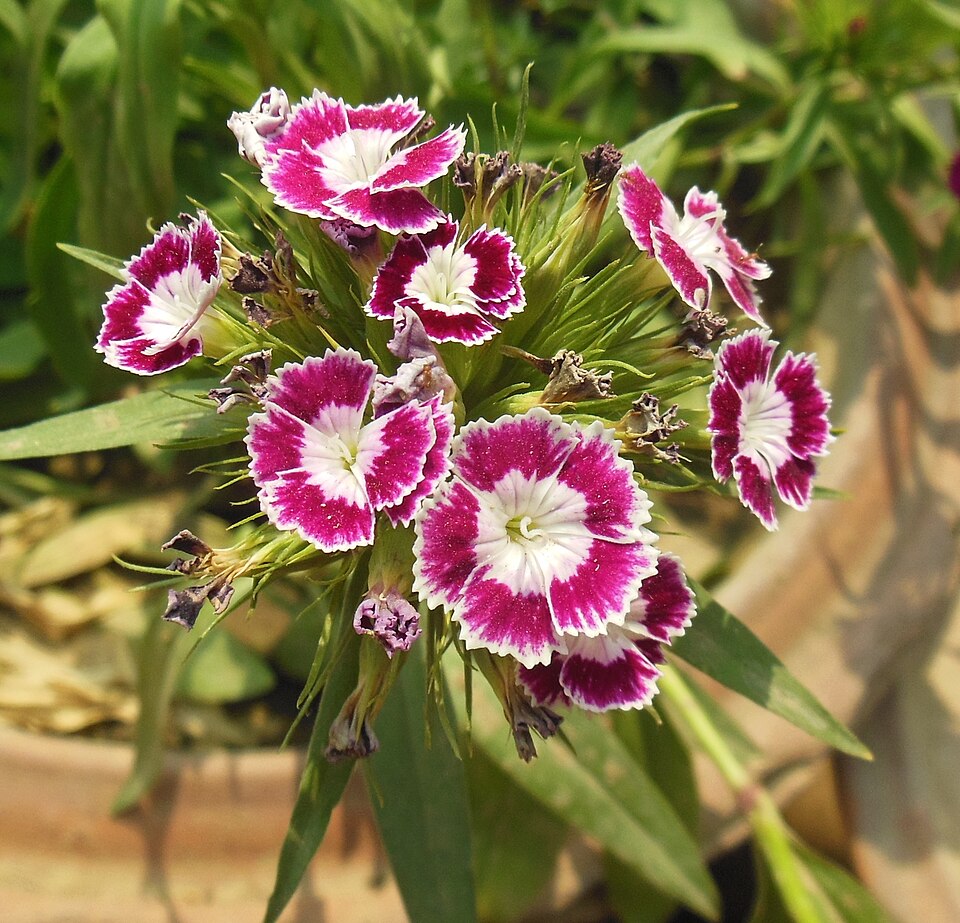
Sweet Williams, with their clusters of small, colorful flowers, are perfect for adding early color to your garden. They are hardy flowers that can withstand cooler temperatures, making them ideal for planting before the last frost. Sweet Williams are often used in cottage gardens and can tolerate both sun and partial shade. They prefer moist, well-drained soil that is slightly alkaline.
These flowers are known for their long-lasting blooms, which can persist for several weeks in late spring and early summer. Sweet Williams can be planted in garden beds, borders, or containers, and they are particularly effective when planted in masses. After flowering, the plant can be cut back to encourage more growth. Sweet Williams make a great addition to any garden, offering both beauty and fragrance.
Crocuses
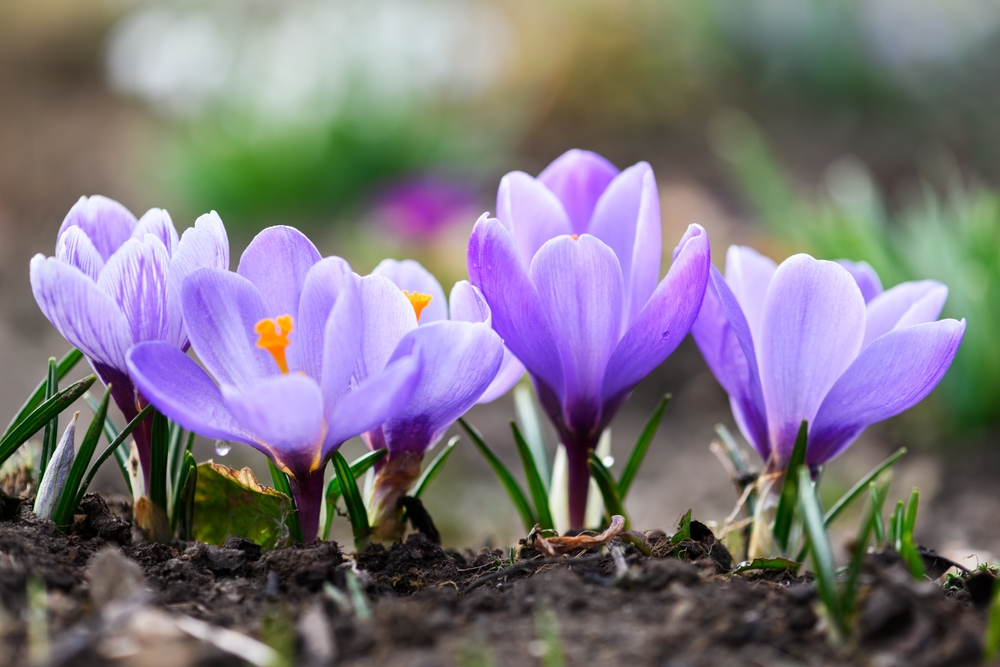
Crocuses are one of the earliest flowers to bloom, often poking through the soil while there is still snow on the ground. These small, vibrant flowers are perfect for planting before your last frost date and will add a splash of color to your garden in the early spring. Crocuses are hardy, able to withstand cold temperatures and frost without damage. They thrive in full sun or partial shade and prefer well-drained soil.
Crocuses are excellent for planting in lawns, garden beds, or containers. They are one of the first signs of spring, making them a favorite among gardeners. After blooming, the foliage dies back, allowing space for other plants to take over the area. Crocuses are relatively low-maintenance, and their early blooms make them a perfect addition to any garden looking to welcome the spring season.
Calendulas
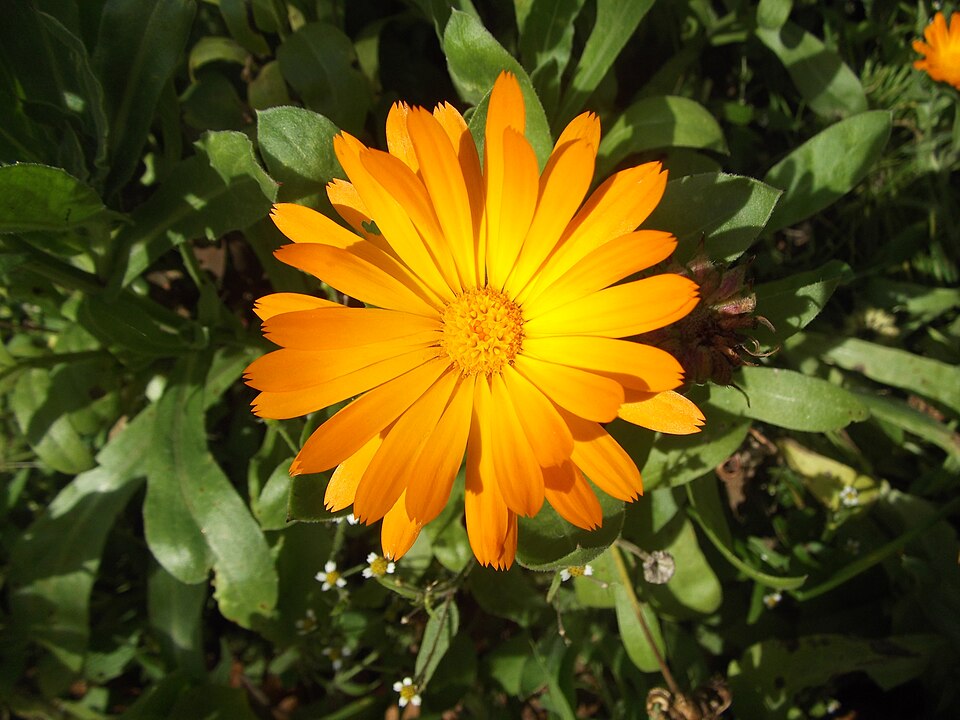
Calendulas, often referred to as pot marigolds, are another hardy flower that can be planted early in the spring. These cheerful flowers are known for their bright, daisy-like blooms in shades of yellow and orange. Calendulas thrive in cool temperatures and can handle light frosts, making them perfect for early spring planting. They grow best in full sun and well-drained soil.
Calendulas are versatile and can be planted in garden beds, containers, or as edging plants. These flowers are easy to care for and will bloom continuously throughout the growing season. They are also known for attracting pollinators such as bees and butterflies, making them a great choice for eco-friendly gardens. Calendulas are not only beautiful but also useful, as their petals can be harvested for use in medicinal and culinary applications.
Hellebores
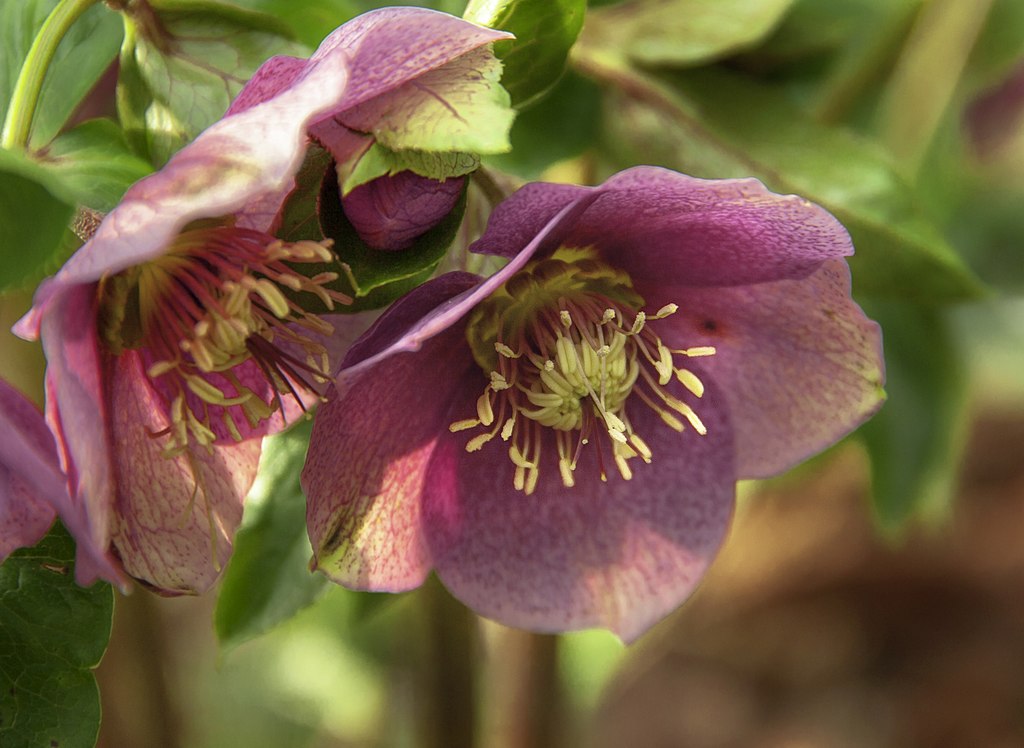
Hellebores, also known as Lenten roses, are one of the first flowers to bloom in the spring. They are cold-hardy and can withstand frost, often blooming while there is still snow on the ground. These perennial flowers are known for their beautiful, nodding blooms that come in shades of white, pink, purple, and green. Hellebores thrive in partial to full shade and prefer well-drained soil.
Hellebores are excellent for planting in shady areas where other flowers might struggle to grow. They are low-maintenance and can be left undisturbed for several years once established. Their long-lasting blooms provide early color and interest in the garden, and they can be used in both formal and naturalistic planting schemes. Hellebores are particularly valuable for gardeners looking to add winter interest to their landscape.
Tulips
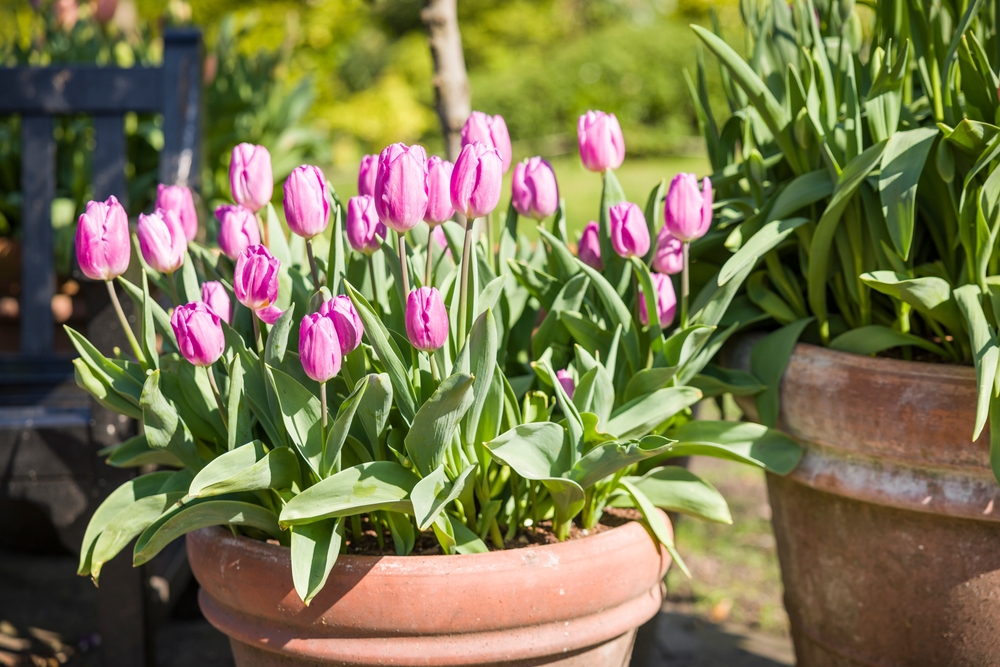
Tulips are one of the most popular spring flowers, known for their striking, colorful blooms. These flowers are hardy enough to be planted before your last frost date and will often bloom just as the weather starts to warm. Tulips come in a wide range of colors, from bright reds and yellows to soft pastels. They prefer full sun and well-drained soil to thrive.
These flowers are often planted in fall, but you can also plant pre-chilled bulbs in early spring for a quicker bloom. Tulips are excellent for planting in beds, borders, or containers. They are low-maintenance and require minimal care once planted. If you want to prolong their blooms, you can cut the flowers back after they bloom and allow the foliage to naturally die back.
Scilla
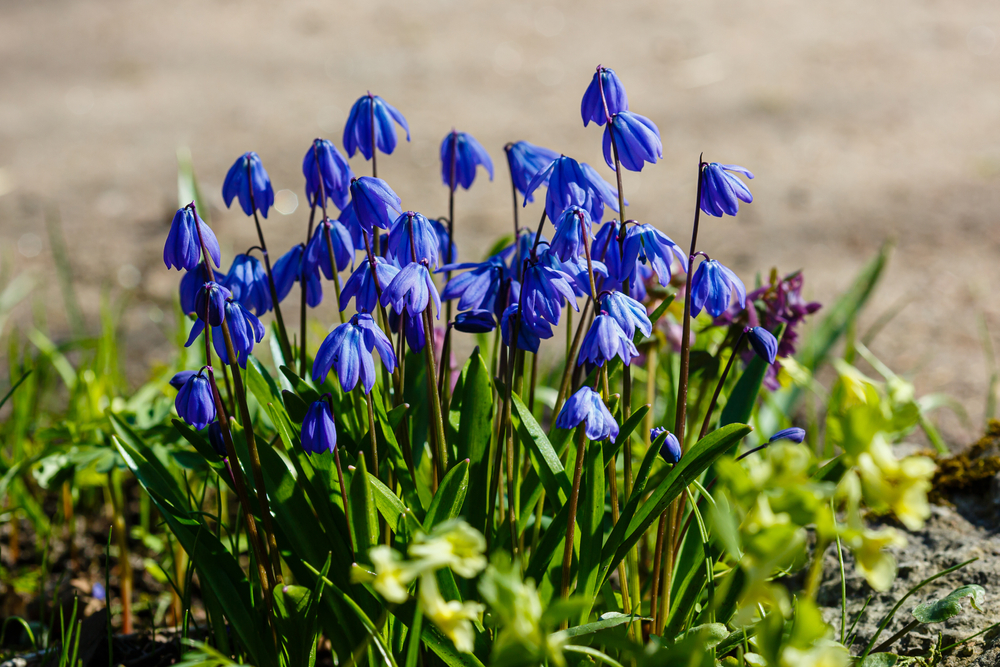
Scilla, also known as Siberian squill, is an early-blooming flower that is perfect for planting before the last frost date. These small, star-shaped flowers come in shades of blue, white, and pink. Scilla is very hardy and can survive light frosts, making them ideal for early spring planting. They prefer well-drained soil and can tolerate full sun to partial shade.
Scilla flowers are often used in mass plantings for a dramatic effect, and they are particularly effective in woodland or naturalized gardens. They are easy to grow and will often naturalize in the garden, returning year after year. Scilla’s delicate blooms and low-growing habit make it a great option for ground cover or for planting around the base of larger plants.
Daffodils
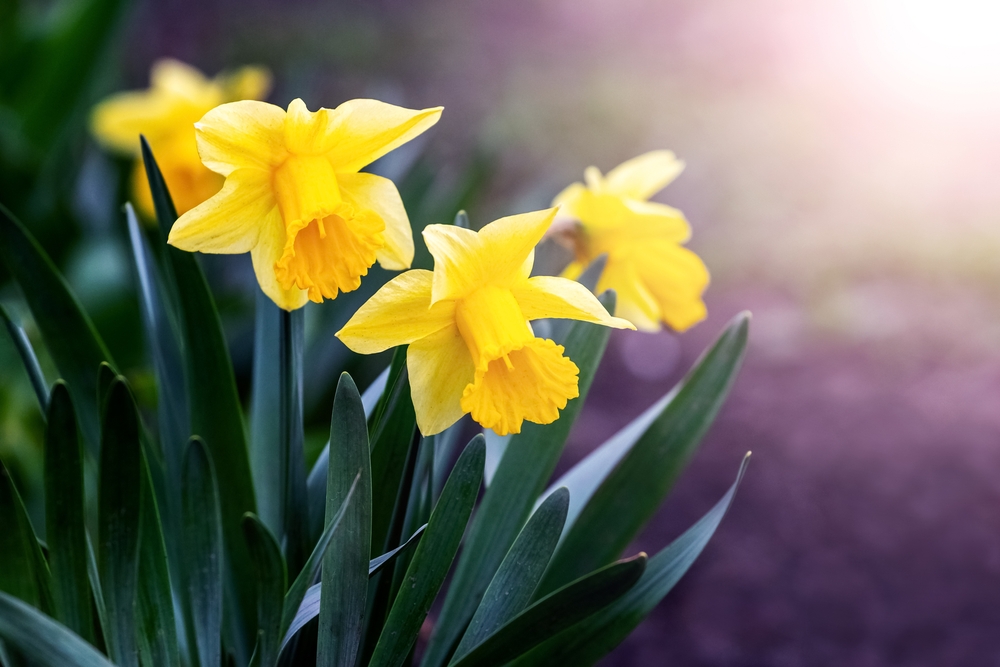
Daffodils, also known as narcissus, are among the most beloved spring flowers. These bright yellow flowers are often the first to bloom in spring and are cold-hardy enough to handle early frosts. Daffodils prefer well-drained soil and thrive in full sun or partial shade. They are easy to grow and maintain, making them a great choice for both novice and experienced gardeners.
Once planted, daffodils will bloom year after year, often naturalizing and spreading throughout the garden. They look great planted in large groups or along borders and make excellent cut flowers for indoor arrangements. Daffodils are also great for attracting pollinators and will add early color to your garden. Their cheerful appearance and simple beauty make them a favorite among gardeners.
Dianthus
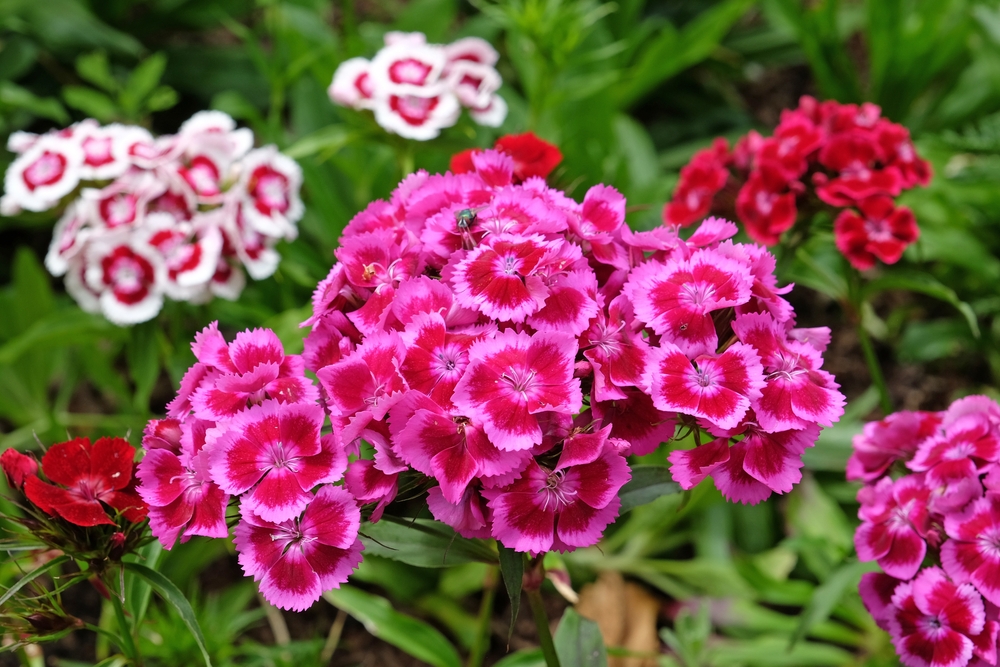
Dianthus, also known as pinks, are hardy flowers that can be planted early in the spring. Known for their spicy fragrance and fringed, ruffled petals, dianthus comes in a variety of colors, from white to deep red. These flowers are perfect for adding early-season color to your garden and can withstand light frosts. Dianthus prefer full sun and well-drained soil for optimal growth.
These flowers are versatile and can be used in flower beds, containers, or as edging plants. Dianthus flowers have a long blooming period, lasting well into summer, and they require minimal care once established. Deadheading spent flowers will encourage more blooms and extend the flowering period. Their fragrant, colorful flowers make them a great addition to any garden looking for early color.
Peonies
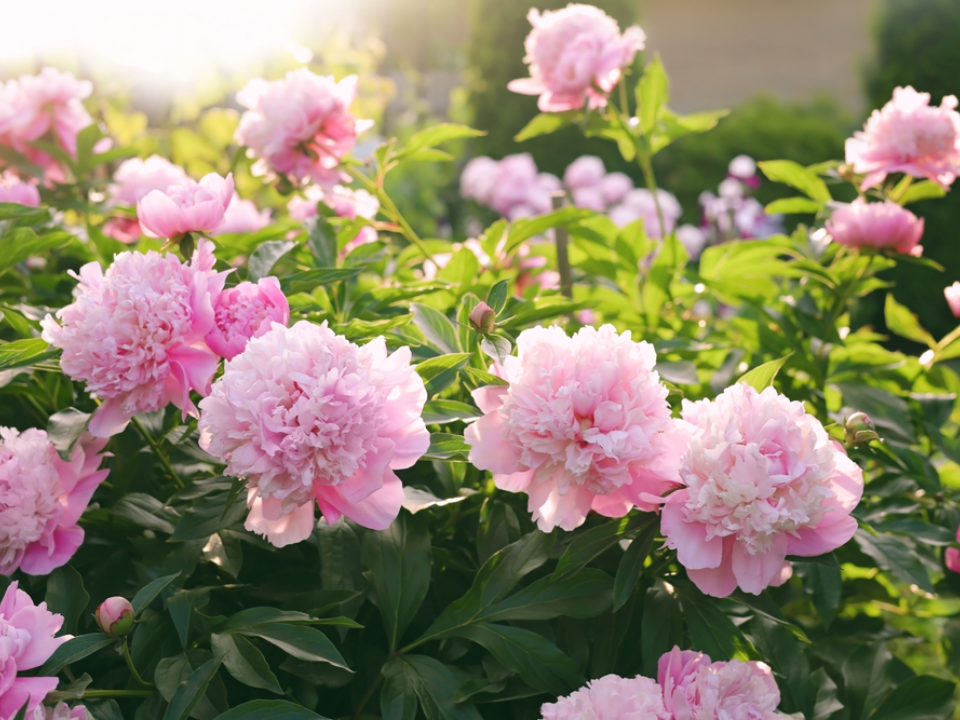
Peonies are classic spring flowers known for their large, fragrant blooms. These hardy perennials are perfect for planting before your last frost date and can survive light frosts. Peonies come in a variety of colors, including pink, red, white, and yellow. They prefer full sun and well-drained, slightly acidic soil.
Peonies are long-lasting and can thrive for many years once planted. They are a great addition to the back of flower beds or borders due to their height and dense foliage. Peonies require minimal care but may need support as they grow to prevent their large flowers from drooping. Once established, peonies will reward gardeners with beautiful blooms year after year.
Iris
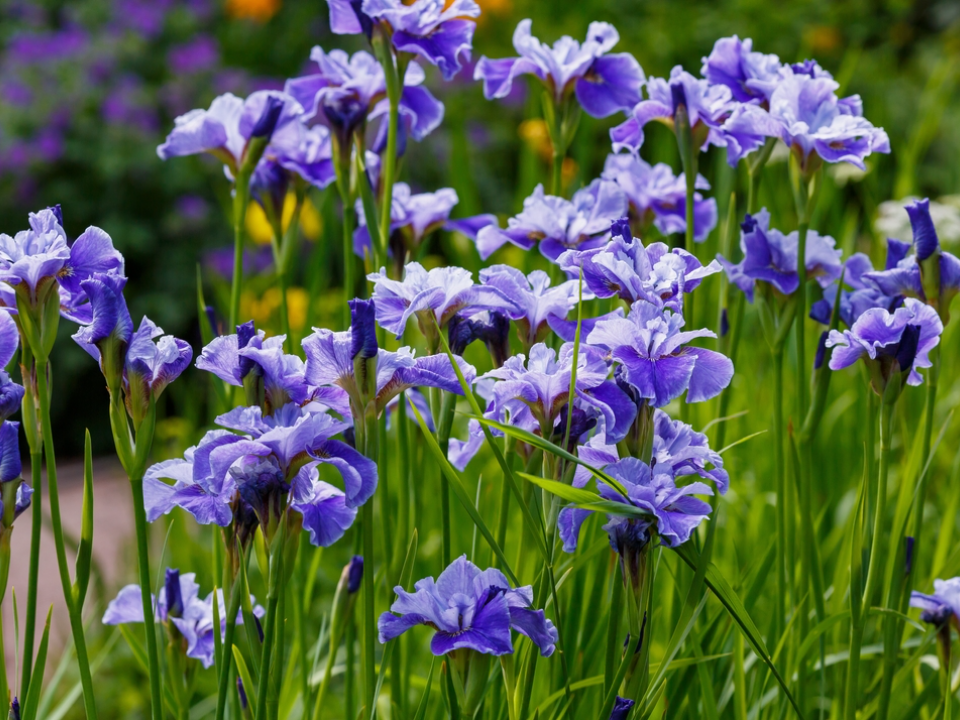
Iris is a striking flower that can be planted early in the spring. Known for their unique, spiky flowers in shades of purple, blue, yellow, and white, irises add a dramatic touch to any garden. These hardy flowers can tolerate frost and prefer well-drained soil and full sun. Irises are great for planting along borders or in flower beds where they will stand out.
Irises come in various varieties, including bearded and Siberian, which cater to different growing conditions. They require little maintenance once established, but may benefit from dividing every few years to prevent overcrowding. Irises are ideal for adding vertical interest and early-season color to the garden. Their bold, beautiful flowers make them a favorite among gardeners.
This article originally appeared on Avocadu.