
15 Hard to Kill Houseplants for a Fresh Start in January
The start of a new year often brings the urge to reset daily routines. Choosing plants that forgive small mistakes can make resetting easier. Many low-effort houseplants stay healthy with basic care and patience. They suit apartments, offices, and homes with changing light. Take a look and see which options make sense for your space.
This post may contain affiliate links, which helps keep this content free. Please read our disclosure for more info.
Snake Plant
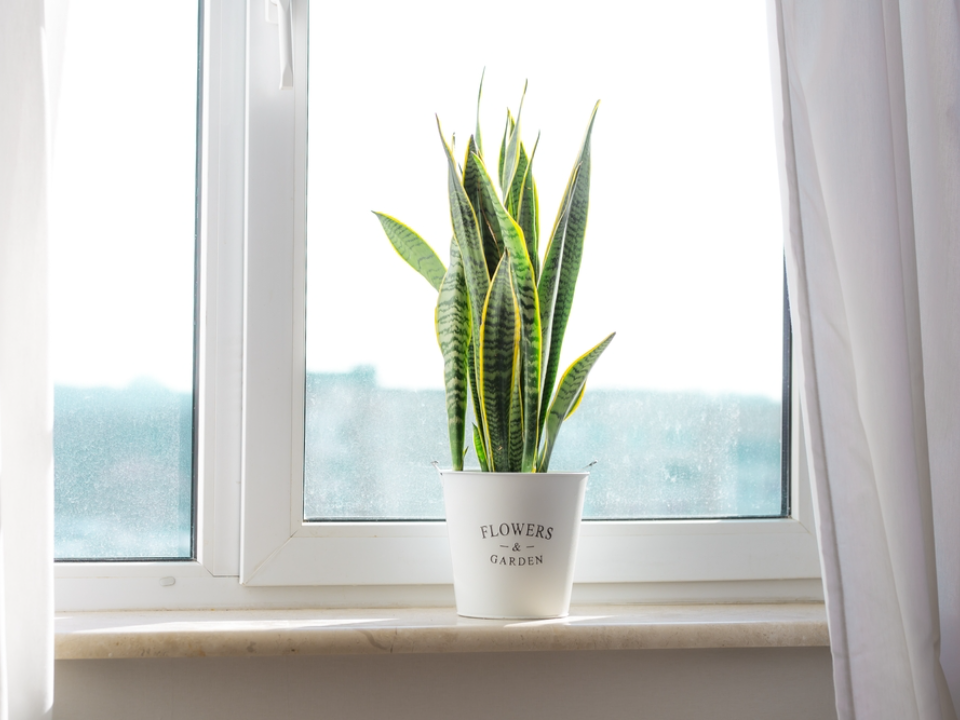
If your January light is limited, a snake plant can still look good and keep growing. It prefers bright, indirect light, yet it tolerates dim corners for long stretches. Let the potting mix dry out fully before watering, since soggy soil is the main way it runs into trouble. Its stiff leaves store moisture, so it often does better with less attention than with frequent check-ins.
Over time, the plant can send up new shoots that you can divide when the pot feels crowded. A fast-draining mix and a pot with drainage holes help keep roots healthy. Rotate the pot once in a while so the growth stays even instead of leaning. Wipe dust off the leaves so the plant can take in light more easily during winter.
ZZ Plant
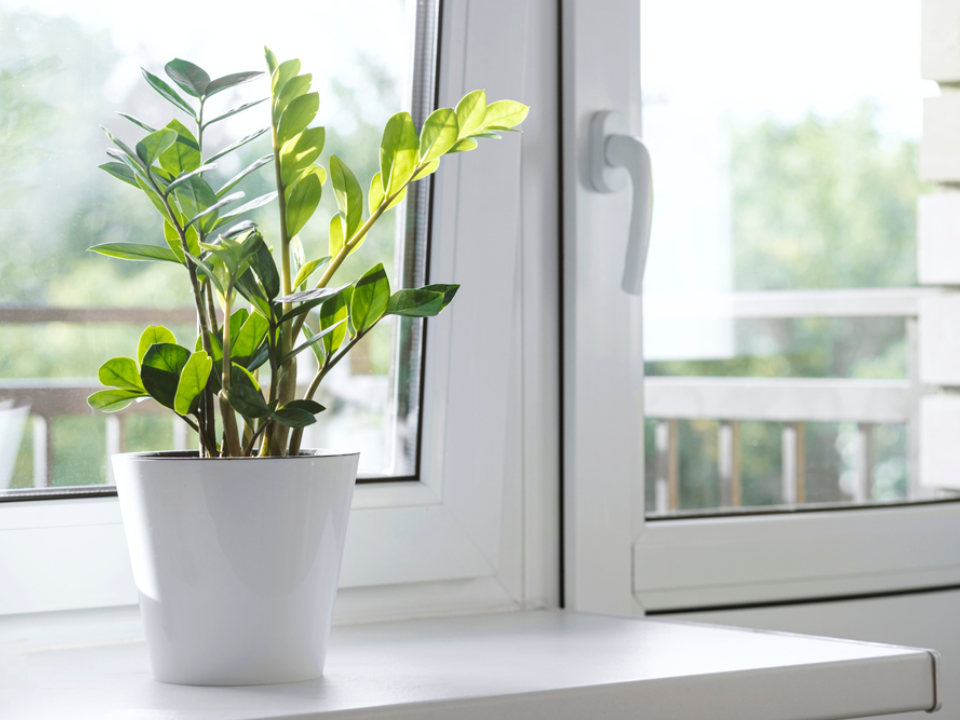
A ZZ plant is a steady option when you want greenery without a tight care schedule. It handles low light well, and it can go a long time between waterings because it stores water in thick rhizomes. Water only after the mix dries out, then let the excess drain away. Slow growth in winter is normal, so do not mistake that for a problem.
Place it a few feet from a bright window or in a well lit room and it will stay neat and glossy. If stems start to flop, it is often a sign of low light rather than thirst. Dust the leaflets now and then because the waxy surface can collect grime. Repotting is not urgent since it likes being slightly snug in its container.
Pothos (Epipremnum aureum)
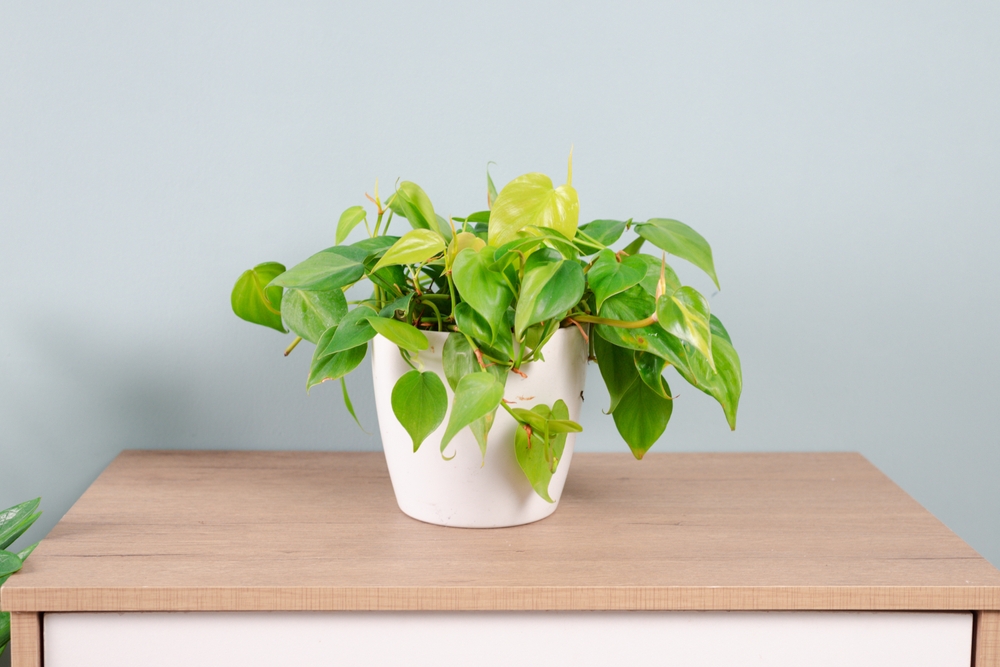
Pothos is a classic starter plant because it adapts to a wide range of indoor conditions. It can grow in medium light, low light, or bright indirect light, though variegated types hold their pattern best with more light. Water when the top portion of the mix feels dry, then let it drain. The vines make it easy to see new growth, which feels satisfying in January.
You can keep it trailing from a shelf, climbing a pole, or trimmed as a fuller tabletop plant. If the stems get long and sparse, cut them back and root the cuttings in water or a moist mix to fill the pot out. Yellow leaves often point to too much water, while small leaves can point to low light. Keep it out of reach of pets if chewing is a concern.
Spider Plant (Chlorophytum comosum)
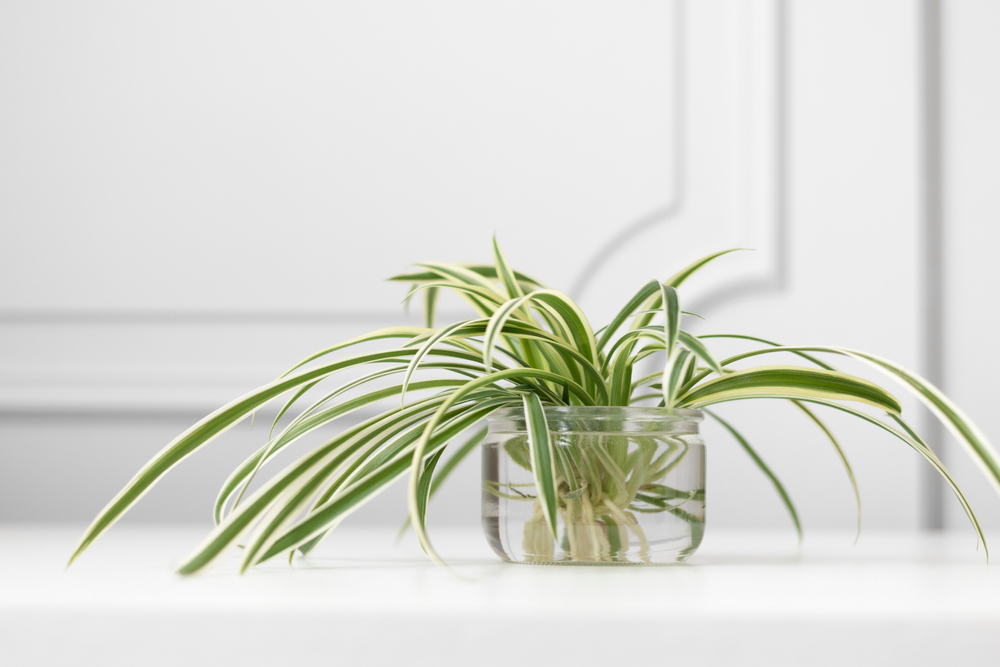
Spider plants handle indoor life well, including dry winter air and busy weeks. They like bright, indirect light, yet they still cope with medium light without drama. Water when the top of the mix dries, and avoid keeping the pot constantly wet. Their arching leaves and little offshoots can make a room feel fresh without much work.
Those offshoots, often called plantlets, can be rooted to make new plants with minimal effort. If leaf tips brown, it can be from dry air or mineral buildup, so occasional flushing with plain water may help. Use a pot with drainage and a light mix so roots do not sit in water. In January, a simple spot near a window often keeps growth steady.
Cast Iron Plant (Aspidistra elatior)
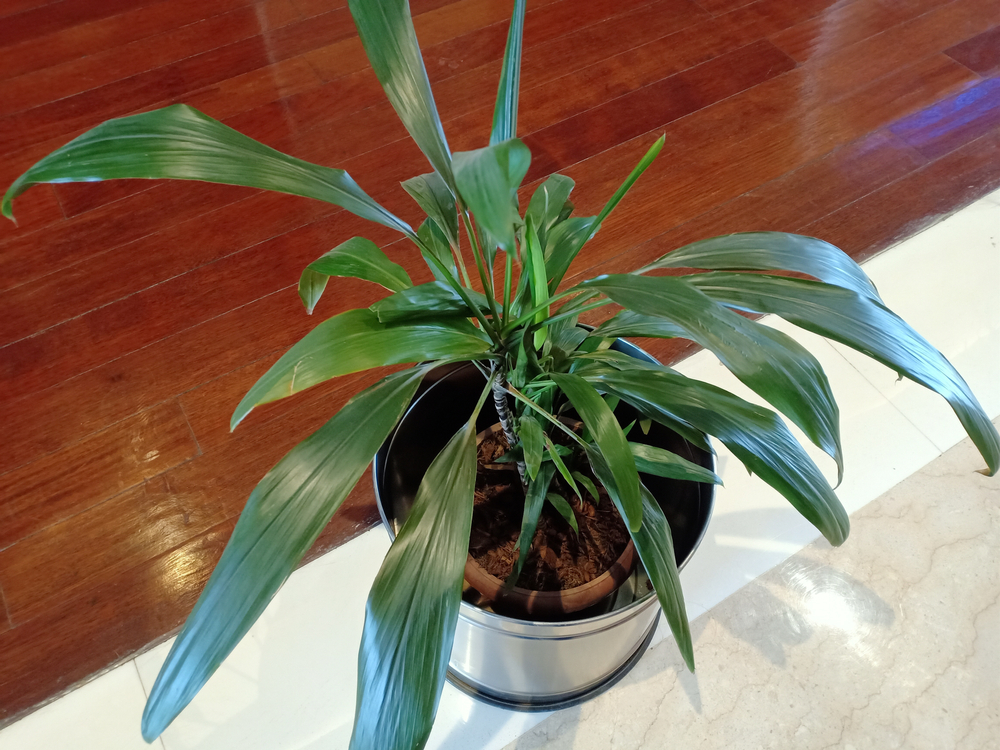
A cast iron plant is known for tolerating low light and missed waterings better than many houseplants. It prefers shade to bright, filtered light, and direct sun can scorch the leaves. Let the soil dry between waterings, especially in cooler months. The broad leaves look tidy, which suits a clean start to the year.
This is a slow grower, so patience is part of the deal. If you want to repot, spring is usually easier on the plant, but it does not demand frequent pot changes. Wipe the leaves to remove dust, since indoor air can dull the shine over time. When growth finally fills the pot, division is a simple way to make a second plant.
Chinese Evergreen (Aglaonema)
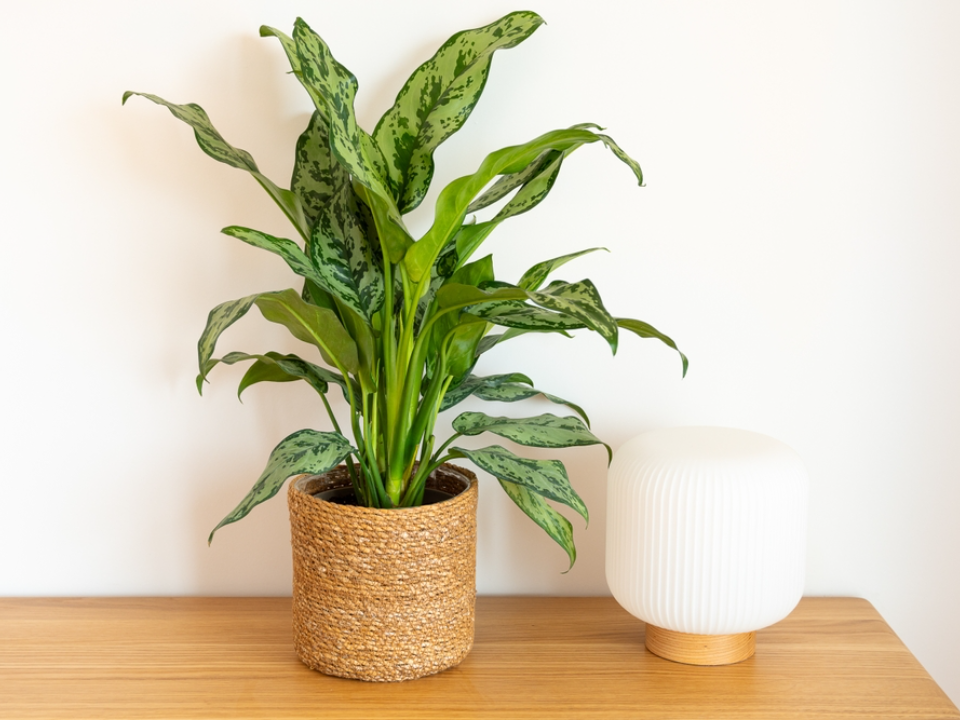
Chinese evergreen is popular because it tolerates lower light while still offering patterned leaves. It tends to like even moisture, so water after the top layer of mix dries rather than letting it go bone dry for too long. Bright, indirect light keeps color stronger, though many types still do fine farther from windows. In January, it can brighten a room when outdoor gardens feel far away.
Keep the plant in a warm spot because cold drafts can stress the leaves. If you see drooping, check the mix first, since both overwatering and underwatering can cause a similar look. A pot with drainage helps prevent root issues, especially during winter when drying takes longer. Like many common houseplants, it can be irritating if chewed, so placement matters in pet friendly homes.
Heartleaf Philodendron

Heartleaf philodendron is forgiving and grows well indoors with basic care. It prefers bright, indirect light but tolerates medium light, making it easy to place. Water when the top part of the mix dries, and the leaves usually stay glossy and full. The heart shaped foliage gives a soft look that feels calming during winter.
You can let it trail, train it up a support, or keep it trimmed to stay compact. If growth gets leggy, snip a few stems and root them to thicken the pot. A light, airy mix helps the roots breathe and reduces the risk of staying wet too long. Keep it out of reach of pets if nibbling is likely.
Rubber Plant (Ficus elastica)
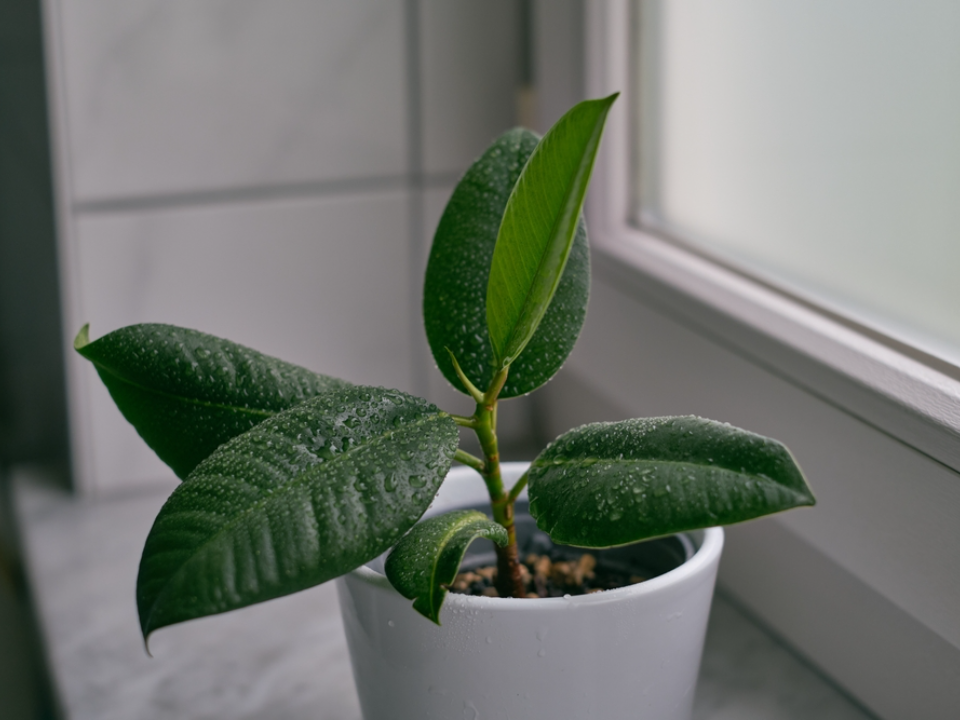
Rubber plants can be surprisingly low maintenance once they settle into a good spot. They like bright, indirect light, though many tolerate medium light if you keep expectations modest for growth speed. Water after the top layer dries, since constant moisture can lead to leaf drop. The large leaves make a strong statement without needing daily attention.
Because the leaves are wide, dust can build up fast, so a gentle wipe keeps them looking clean. If the plant leans, rotate the pot occasionally so it grows straighter. A stable temperature helps, so avoid cold window glass and strong drafts. With time, it can become a small indoor tree that still follows simple rules.
Aloe Vera
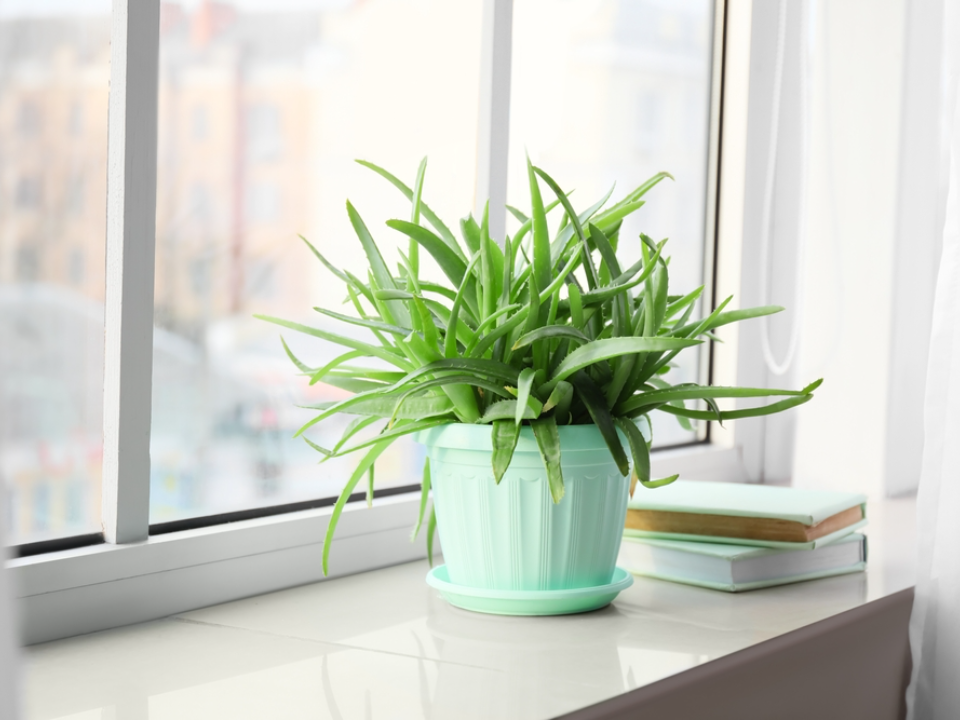
Aloe is a practical plant because it stores water in its leaves and asks for little beyond light and restraint with watering. Place it in bright light, including a sunny window if possible, and use a fast draining mix. Water only after the mix dries fully, and reduce watering even more during winter. In January, it is a good reminder that less can be more with indoor plant care.
Choose a pot with drainage, since trapped water is the quickest way to cause rot. If the leaves look thin or curled, it may need more light or slightly more water, but check the soil before changing anything. Aloe pups often appear at the base, and you can separate them once they have roots. Handle the gel carefully if you use it, and avoid letting pets chew the plant.
Jade Plant (Crassula ovata)
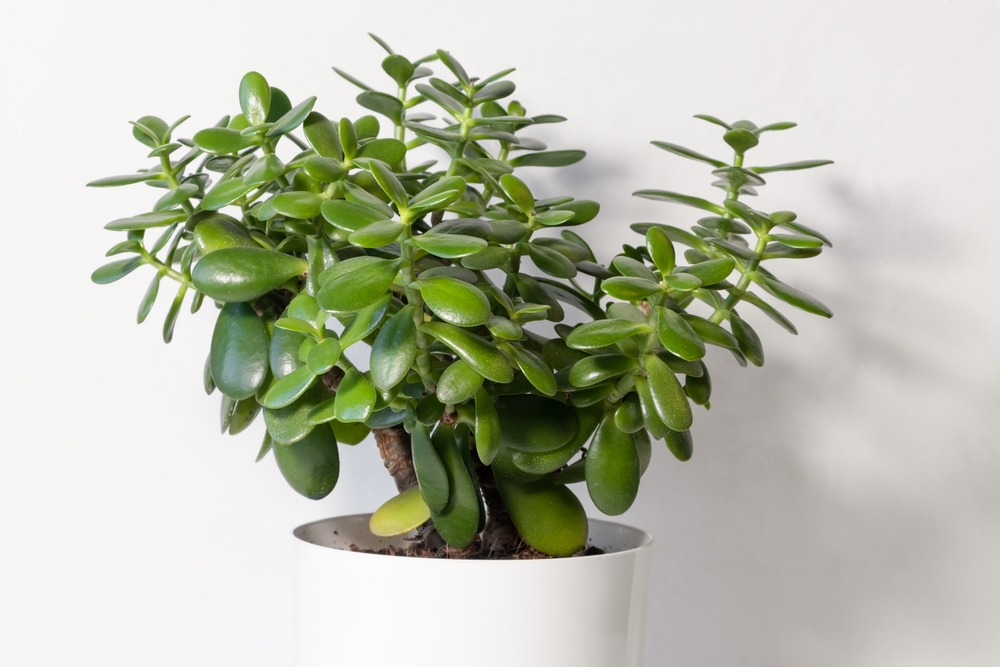
Jade plants are long lived succulents that thrive with bright light and infrequent watering. Let the potting mix dry out fully, then water deeply and let it drain. Their thick stems and leaves store moisture, which makes them forgiving during busy weeks. A jade on a windowsill can feel like a small indoor anchor for a new year routine.
If the plant starts stretching, it usually wants more light, so move it closer to a bright window. Pruning helps shape it, and cuttings can root after the ends callus for a short period. Use a gritty, fast draining mix so roots do not stay wet in winter. With patient care, it can develop a tree like form over time.
Ponytail Palm (Beaucarnea recurvata)
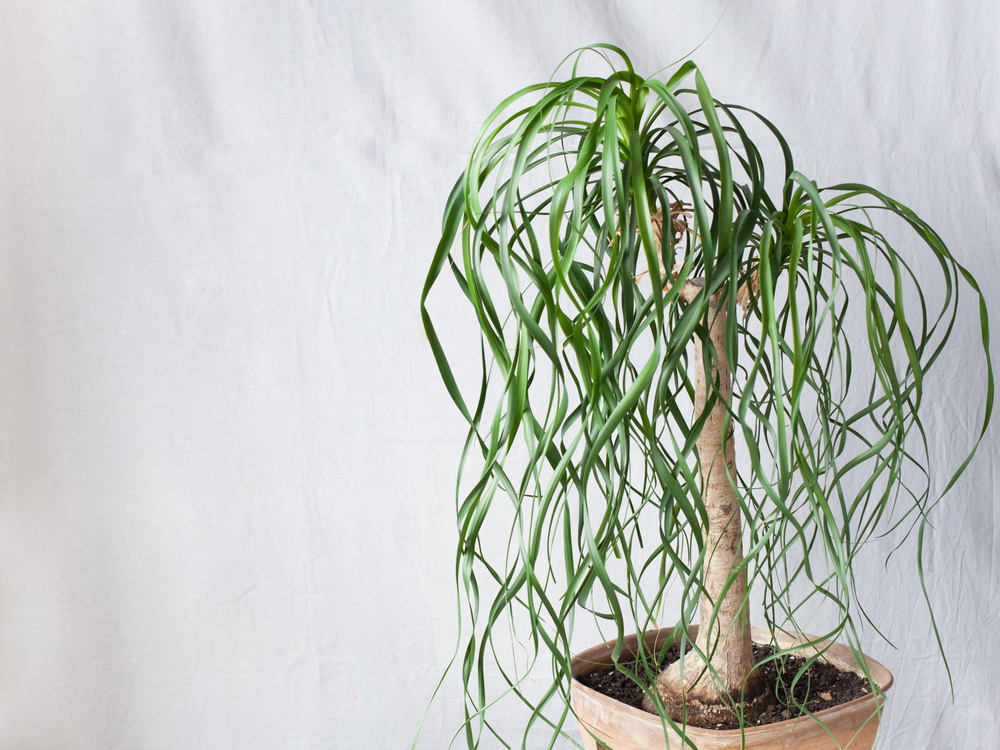
Ponytail palm is actually a succulent type plant, and its swollen base stores water. It likes bright light and can handle some direct sun, making it a strong pick for a sunny room. Water after the mix dries out, since the plant prefers drying over staying wet. The curly leaves add personality without asking for constant care.
A pot with drainage and a gritty mix help prevent root issues. Growth is slow, so you will not need frequent repotting, and it often stays manageable indoors. If leaf tips brown, it can be from dry air or inconsistent watering, so check the soil and adjust gently. This plant tends to do best when you keep care simple and steady.
Peace Lily (Spathiphyllum)
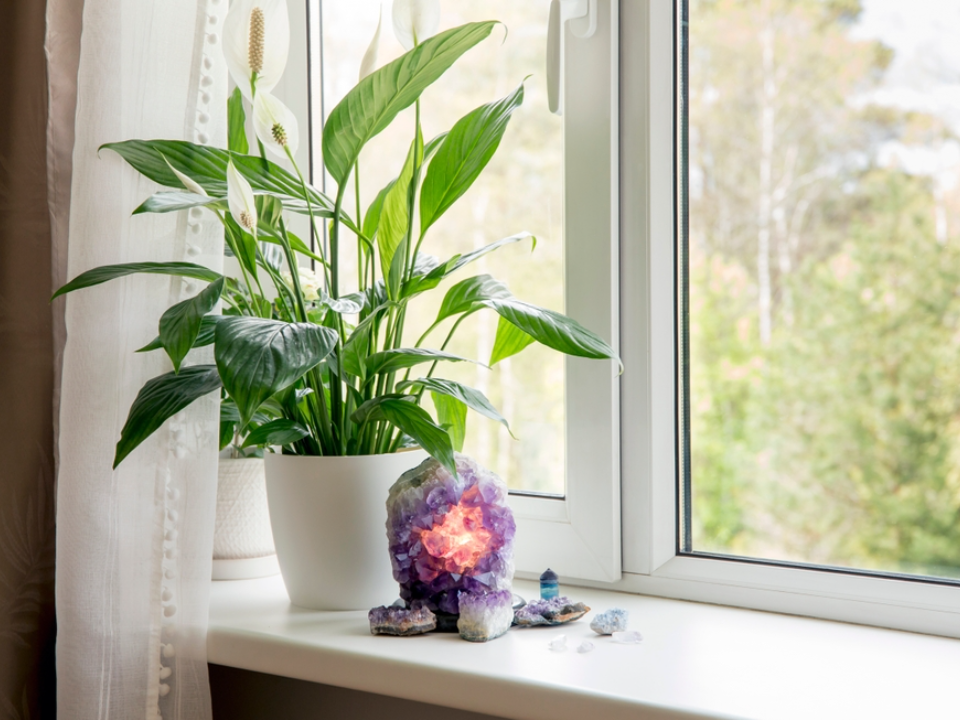
Peace lilies are often chosen because they handle indoor light well and still flower indoors in good conditions. They prefer medium to bright indirect light, though they can tolerate lower light with fewer blooms. Water when the top of the mix dries a bit, and watch for drooping as a clear sign it is thirsty. In January, it is a nice option for someone who likes a plant that communicates.
Do not let it sit in water, since soggy soil can cause root problems. If the air is dry, occasional misting or a pebble tray can help the leaves stay smooth. The plant is known to be toxic if ingested, so place it thoughtfully around pets. With stable care, it keeps its tidy look and can bloom again and again.
Dracaena marginata
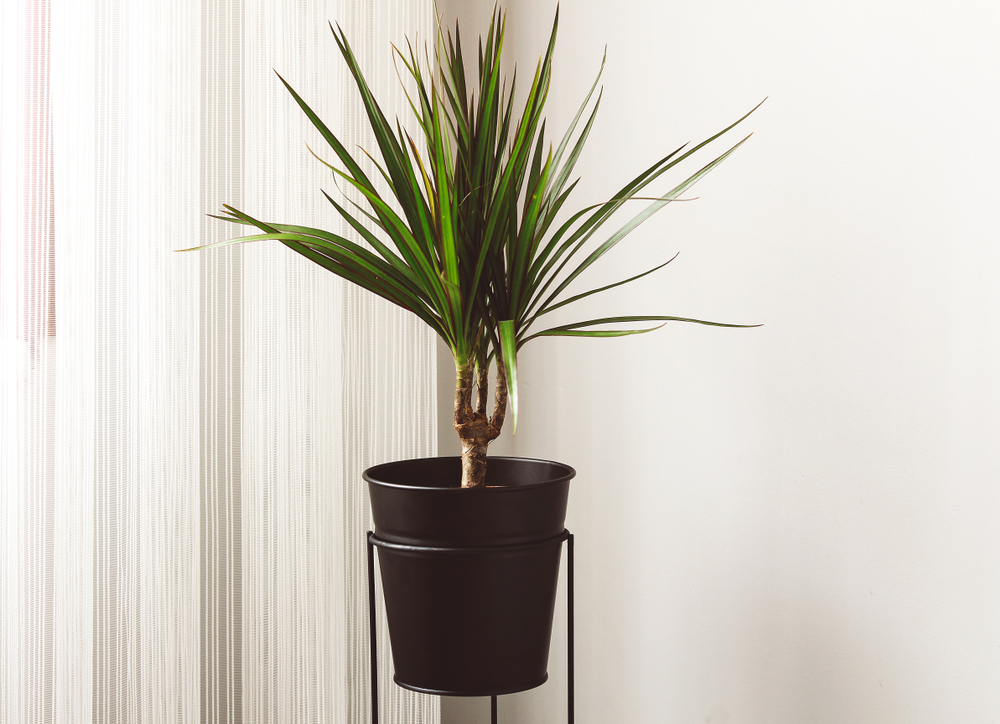
Dracaena marginata has a clean, upright shape that suits minimalist spaces and small rooms. It tolerates medium light and can handle lower light, though brighter indirect light supports stronger growth. Water after the top part of the mix dries, and avoid frequent small sips that keep the soil damp. Its narrow leaves and cane like stems make it look like a tiny indoor palm.
Use a pot with drainage so excess water can escape. If leaves brown at the tips, it can be from dry air or minerals in tap water, so filtered water can help. Rotate the plant occasionally so it does not lean toward the light. It is also considered toxic to pets, so keep it placed with care.
Peperomia Obtusifolia
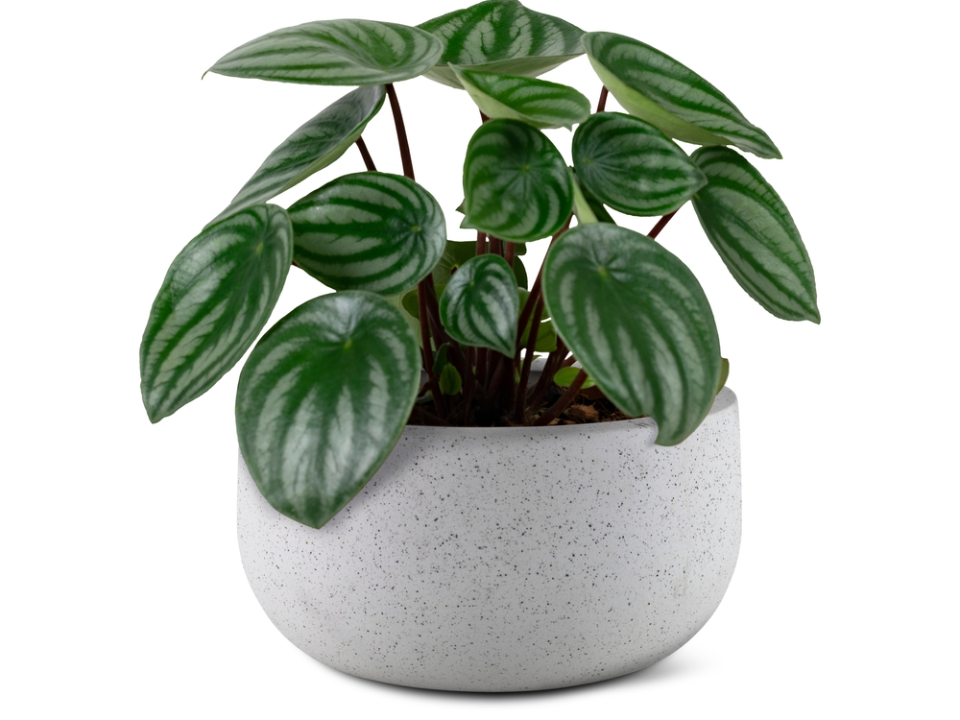
Peperomia obtusifolia, often called baby rubber plant, stays compact and handles indoor life well. It likes bright, indirect light, yet it tolerates medium light without falling apart. Water when the top of the mix dries, since it prefers drying slightly between waterings. The thick leaves store some moisture, which makes it forgiving when schedules get busy.
A light, airy mix helps keep roots healthy. If leaves start to wrinkle, it can be a sign it is too dry, while soft stems can point to too much water. Because it stays smaller, it works well on desks and side tables where January routines happen. Pinching tips can encourage a fuller shape without much effort.
Christmas Cactus (Schlumbergera)

Christmas cactus can be easier than people expect, especially if you treat it like a tropical cactus rather than a desert one. It prefers bright, indirect light, and it does well in a stable indoor spot away from harsh sun. Water when the top of the mix dries, keeping it lightly moist rather than dry for long periods. Even after the holiday bloom, the segmented stems stay attractive through winter.
A well draining mix is still helpful, yet it should hold a bit more moisture than a typical succulent mix. If buds drop, sudden temperature shifts or drafts are common causes, so a consistent spot matters. After blooming, a short rest with slightly less water can support the next flowering cycle. This plant can live for many years and often gets passed along in families.
This article originally appeared on Avocadu.