
10 Handmade Quilts With Patterns That Sell for Hundreds
Quilts are timeless creations that blend artistry and practicality, often becoming heirlooms passed down for generations. What makes a quilt special is the careful thought and effort that goes into its design and stitching. Some of these quilts, particularly those with unique or historical patterns, can sell for hundreds of dollars. They are more than just a source of warmth. They are pieces of art that reflect culture and craftsmanship. Let’s explore what makes certain handmade quilts so desirable in the marketplace.
This post may contain affiliate links, which helps keep this content free. Please read our disclosure for more info.
Vintage Quilt with Dresden Plate Pattern
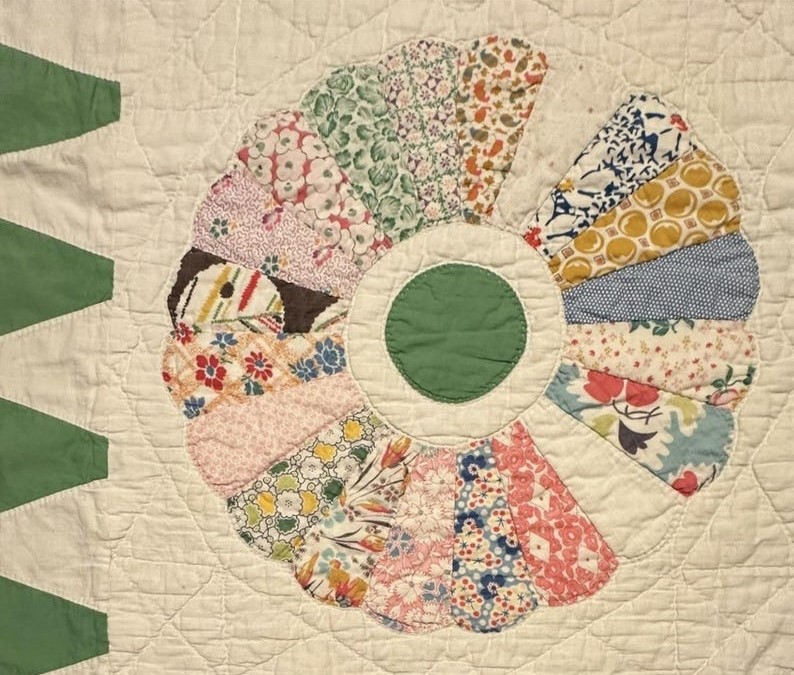
Quilts using the Dresden Plate pattern were popular in the 1920s and 1930s. The design, which features circular sections resembling flower petals, often requires intricate piecing, which makes these quilts more valuable. When in good condition, these quilts can fetch prices around $150 to $250, with some rare examples reaching higher amounts. The skill required to create this pattern, along with the age of the quilt, adds to its desirability. The Dresden Plate remains a favorite among collectors for its timeless charm and delicate craftsmanship.
Quilts with this pattern often incorporate fabrics from the 1920s and 1930s, adding to their historical value. As they represent the domestic art of quilting during the Great Depression, they are seen as both functional and decorative pieces of history. Collectors prize them not only for their aesthetic appeal but for the time and effort required to create the detailed, symmetrical design. Their continued popularity ensures they remain valuable collectibles.
Quilt with Log Cabin Pattern (mid-20th century or older)

The Log Cabin pattern has long been associated with American quilts, symbolizing warmth and homeliness. The design features a series of strips of fabric, often in contrasting colors, arranged around a central square. A well-made Log Cabin quilt from the mid-20th century can sell for $200 to $350, depending on the size and condition. The appeal lies in its clean lines and the emotional connection it evokes with American pioneer history. Quilts with this design continue to be sought after for their rich cultural and historical significance.
Log Cabin quilts also benefit from the fact that they are often made from recycled or repurposed fabrics, such as old clothes or feed sacks. This adds a level of resourcefulness and nostalgia, which only enhances their value. The wide range of color combinations available makes Log Cabin quilts versatile and appealing to a variety of tastes. Collectors seek them for both their beauty and the legacy of frugality they represent.
Hand-Applique Quilt from Early or Mid 20th Century
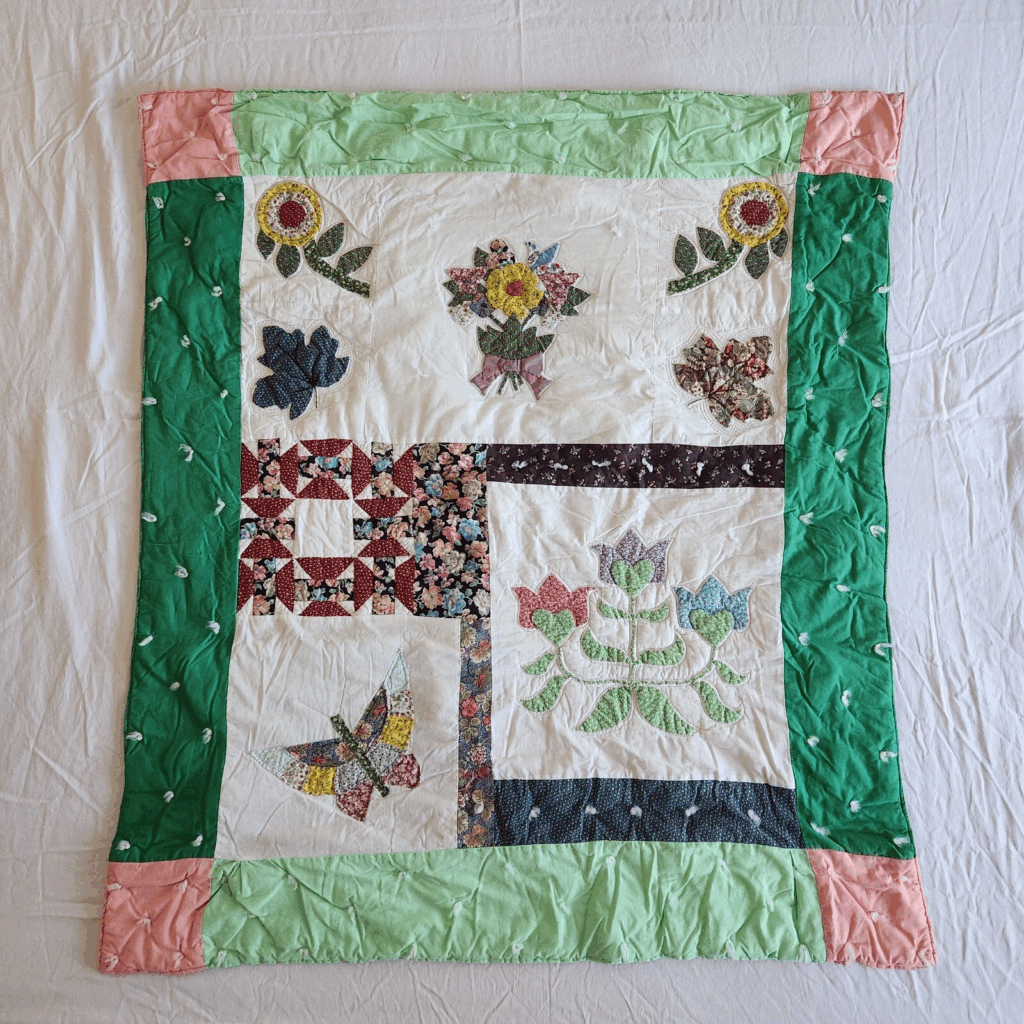
Applique quilts, where fabric shapes are sewn onto a base fabric to form designs like flowers or animals, became popular in the early to mid-20th century. The labor-intensive stitching and creativity involved in applique work add to the quilt’s value, making it desirable to collectors. These quilts are typically worth between $250 and $400, depending on their condition and the complexity of the design. The skill required to apply the fabric pieces by hand rather than machine stitching makes these quilts stand out.
Applique quilts are often characterized by detailed designs that tell a story or reflect a specific theme. Because they were created with patience and dedication, they are highly valued for both their beauty and craftsmanship. The use of vivid fabrics and intricate designs, such as flowers or stars, contributes to their artistic appeal. A quilt with a well-executed applique pattern is often considered a family heirloom and can command a premium price in the market.
Amish or Plain-Style Quilts
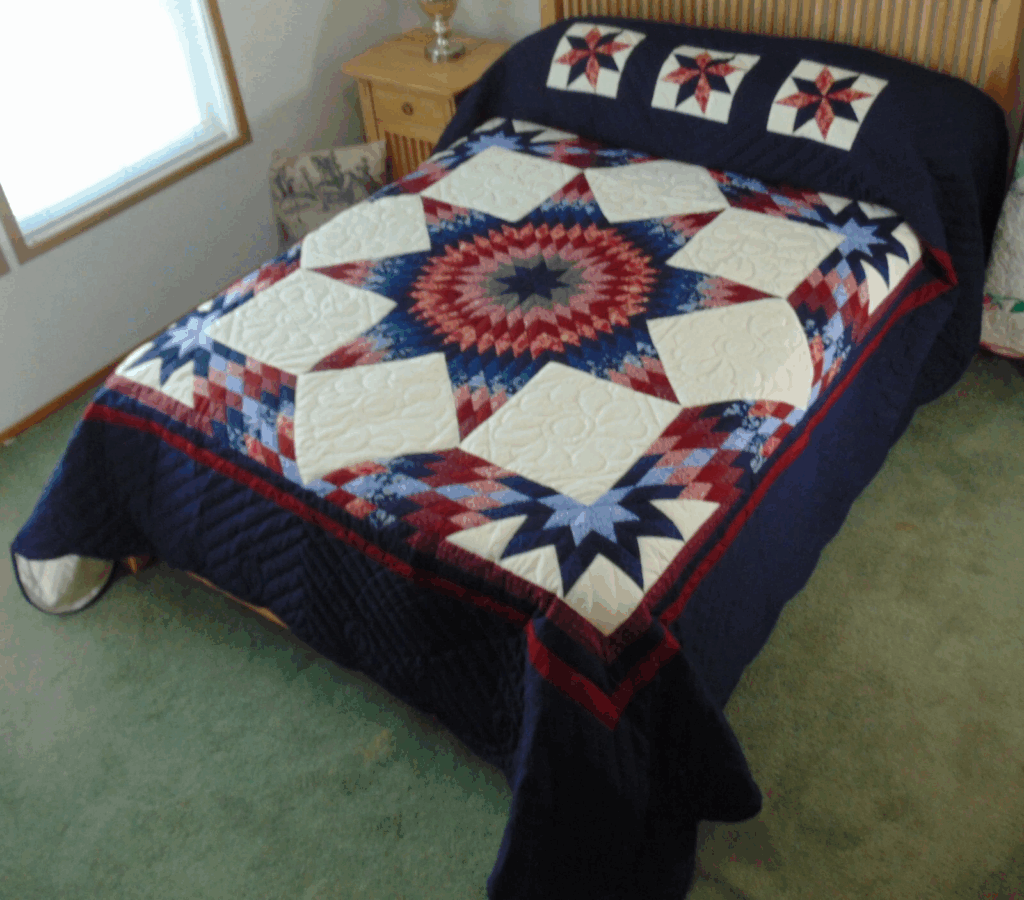
Amish quilts are known during mid mid-20th century or earlier, for their simple, geometric designs and solid color fabrics, often hand-sewn with precision. These quilts reflect the Amish way of life, where simplicity and craftsmanship are highly valued. A well-maintained Amish or Plain-style quilt can be sold for $200 to $350, depending on its size and the quality of the stitching. The distinct, unadorned style of these quilts appeals to collectors who admire their craftsmanship and cultural significance.
Amish quilts are often hand-quilted with fine attention to detail, making them both durable and beautiful. They typically feature patterns like Nine Patch or Diamond in the Square, with each quilt reflecting the skill and tradition of the maker. These quilts are treasured for their ability to blend into various home decors, offering a touch of traditional craftsmanship. Due to their timeless appeal and cultural importance, they continue to be highly sought after in the antiques market.
Feed-Sack Quilts from Depression Era
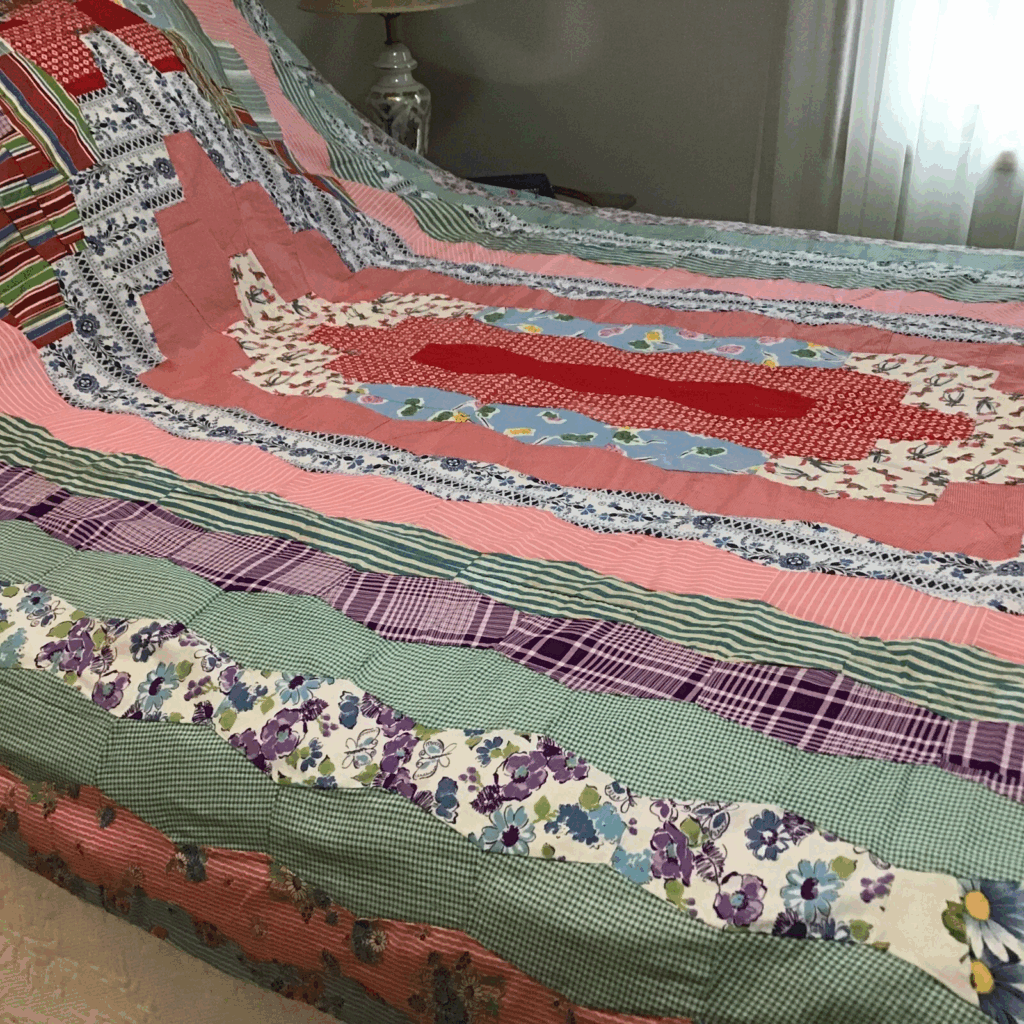
Feed-sack quilts were created during the Great Depression, 1930s-1940s when fabric was scarce, and families repurposed feed sacks to make quilts. These quilts often feature simple patchwork designs and were made using the fabrics from colorful feed sacks. A well-preserved feed-sack quilt from this era can sell for $300 to $500 or more, especially if it includes rare patterns or fabrics. Their historical significance and frugality during tough times make them desirable among collectors.
Feed-sack quilts are unique because of the resourcefulness they represent. They were made from fabric used to package flour, sugar, and other dry goods, often printed with floral patterns or bright colors. This reuse of materials not only provided warmth but also added a certain charm to the quilts. The inclusion of specific feed sack brands or rare fabric patterns can increase the value of these quilts, making them a true piece of Americana.
Quilts with Rare or Uncommon Patterns (for example complex patchwork, medallion, or unusual block layouts)
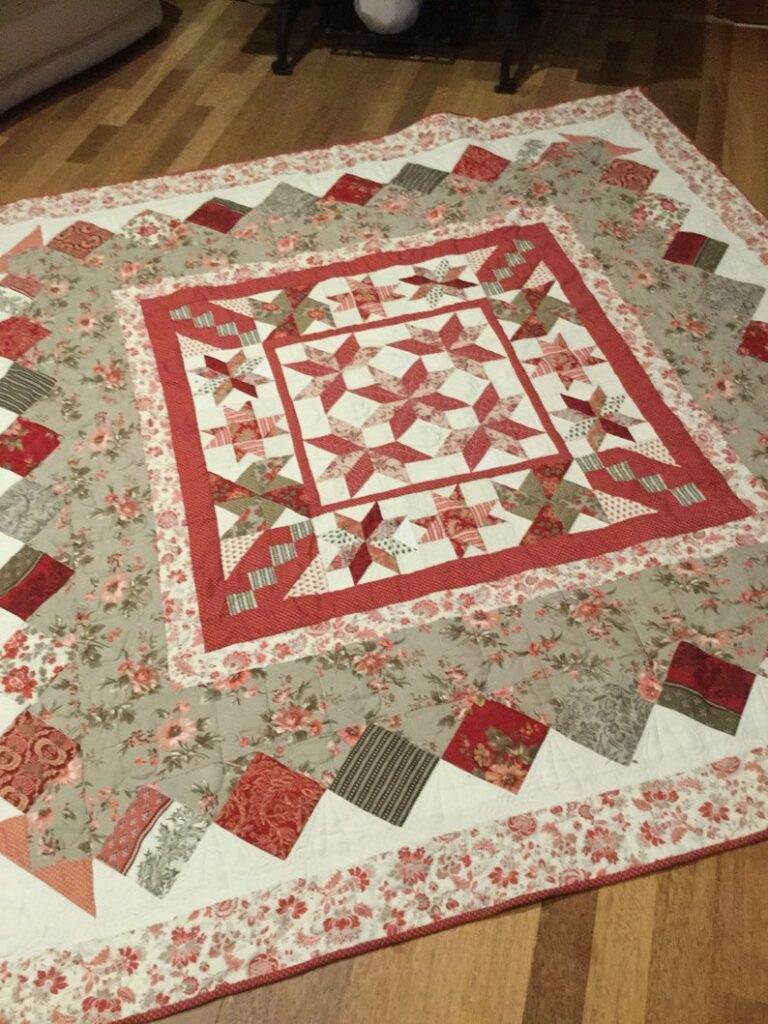
Quilts featuring rare or uncommon patterns, such as complex patchwork, medallion-style designs, or unique block layouts, can sell for significantly higher prices. The rarity of these patterns, combined with excellent craftsmanship, makes them particularly appealing to collectors. Quilts with such designs can fetch $300 or more, depending on the fabric, condition, and maker. The value rises if the quilt is made with vintage or unique fabrics, further enhancing its desirability.
These quilts often reflect the creativity and skill of the maker, showcasing innovative layouts that make them stand out. The complexity of these patterns means that they took longer to create, adding to their historical and artistic value. Collectors often seek these rare designs, as they offer something different from more commonly available quilts. Their uniqueness and the time invested in making them contribute to their high market value.
Tulip Basket Quilt
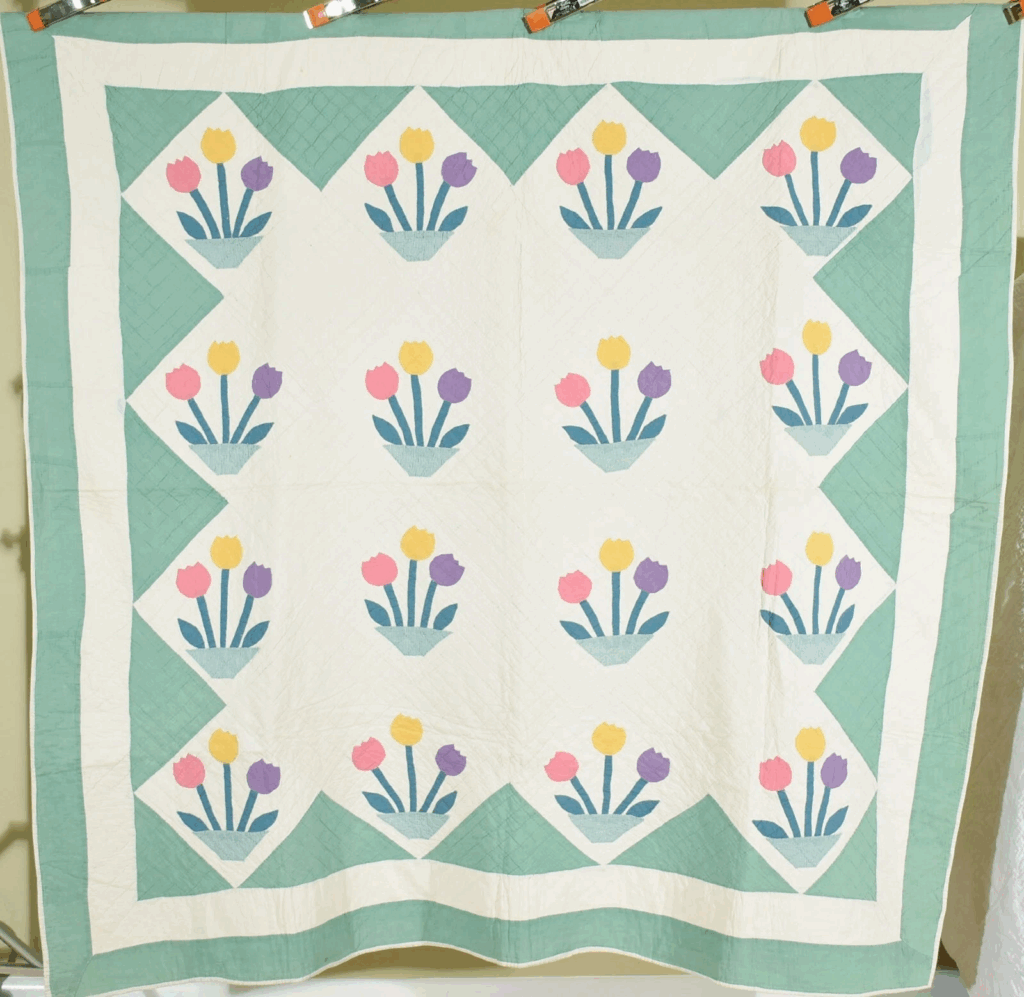
The Tulip Basket pattern was a popular design during the 1930s and 1940s, often made with bright, colorful fabrics. This quilt design features baskets of tulips arranged in a repeating pattern, with each flower symbolizing a sense of warmth and positivity. Well-made Tulip Basket quilts can be valued at $200 to $400 depending on the fabric quality, size, and stitching. The bold use of colors and the symbolism behind the tulip pattern make these quilts particularly desirable to collectors. The timeless nature of this design also ensures its continued popularity, making it a sought-after piece for those interested in vintage quilts.
The Tulip Basket design reflects the optimism of the era, particularly during the Great Depression when many families used scraps of fabric to create something beautiful. These quilts are often made using a mix of cotton fabrics, including floral prints and solid colors, adding texture and variety to the overall design. Due to the hand-pieced elements and hand quilting, these quilts stand as beautiful examples of domestic art from the mid-20th century. Their charm, combined with their historical significance, ensures they continue to capture the attention of collectors today.
Star of Bethlehem Quilt (Late 19th Century to Mid-20th Century)
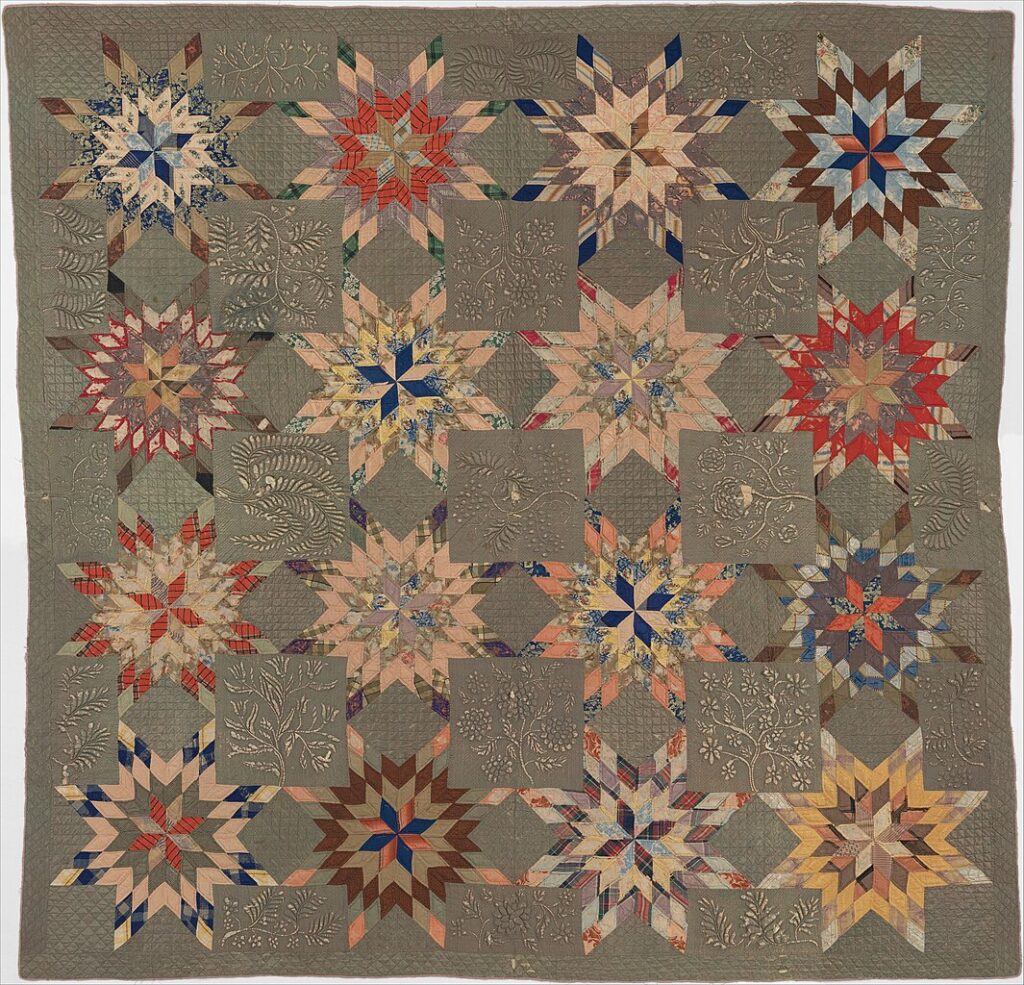
The Star of Bethlehem pattern is a striking design that uses stars and diamonds to create a sense of movement and light. These quilts are typically made with bold, contrasting colors, and the use of star shapes makes the quilt appear both vibrant and intricate. Depending on the size and quality of the quilt, a Star of Bethlehem quilt can sell for anywhere from $250 to $500. The pattern’s rich symbolism and intricate stitching add to its appeal for those who appreciate the craftsmanship of vintage quilts.
This pattern, named after the star that guided the Wise Men, is often chosen for its dramatic effect and spiritual symbolism. Quilts made with this design are usually hand-pieced, which adds to their value and uniqueness. Because the pattern involves a lot of complex blocks and geometric shapes, Star of Bethlehem quilts require significant skill to create, which makes them highly regarded by collectors. The combination of historical context, intricate design, and timeless appeal ensures that these quilts remain valuable in the quilt market.
Blue and White Churn Dash Quilt
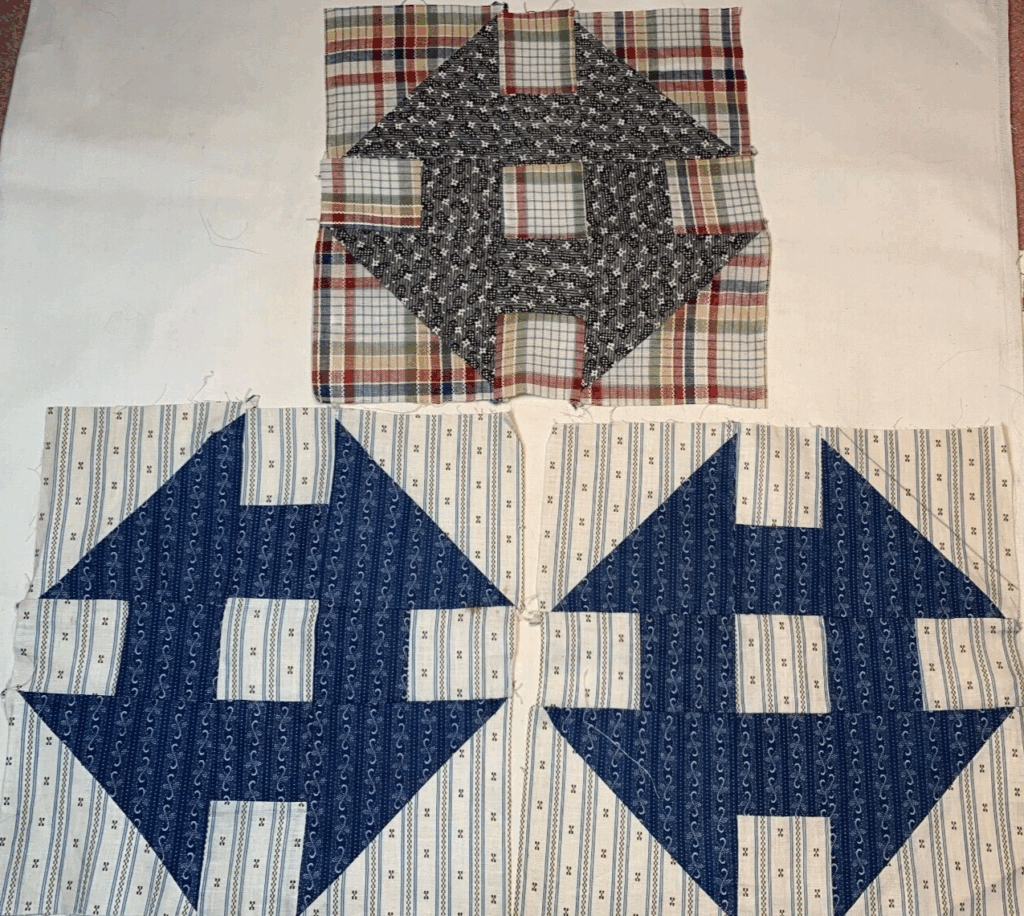
The Churn Dash pattern is one of the oldest American quilt patterns, and its use of alternating blocks creates a charming, repetitive design that is easy to appreciate. Blue and white Churn Dash quilts, especially those from the early to mid-20th century, can sell for between $200 and $350. The color combination, with its classic and timeless appeal, makes this quilt design a favorite among collectors who appreciate traditional styles. Churn Dash quilts are highly collectible due to their simplicity, versatility, and the skill needed to create the perfectly aligned blocks.
These quilts often feature a symmetrical design with alternating blocks of blue and white, and they are made with cotton fabrics that wear well over time. The Churn Dash design was often used as a practical quilt pattern, but it became popular for its aesthetic charm, making it a timeless piece in the world of quilting. The quilt’s sturdy construction and cozy feel make it a great addition to any home, while its age and condition continue to influence its market value. As one of the most loved traditional patterns, Blue and White Churn Dash quilts maintain their place as a highly valued collectible.
Double Wedding Ring Quilt
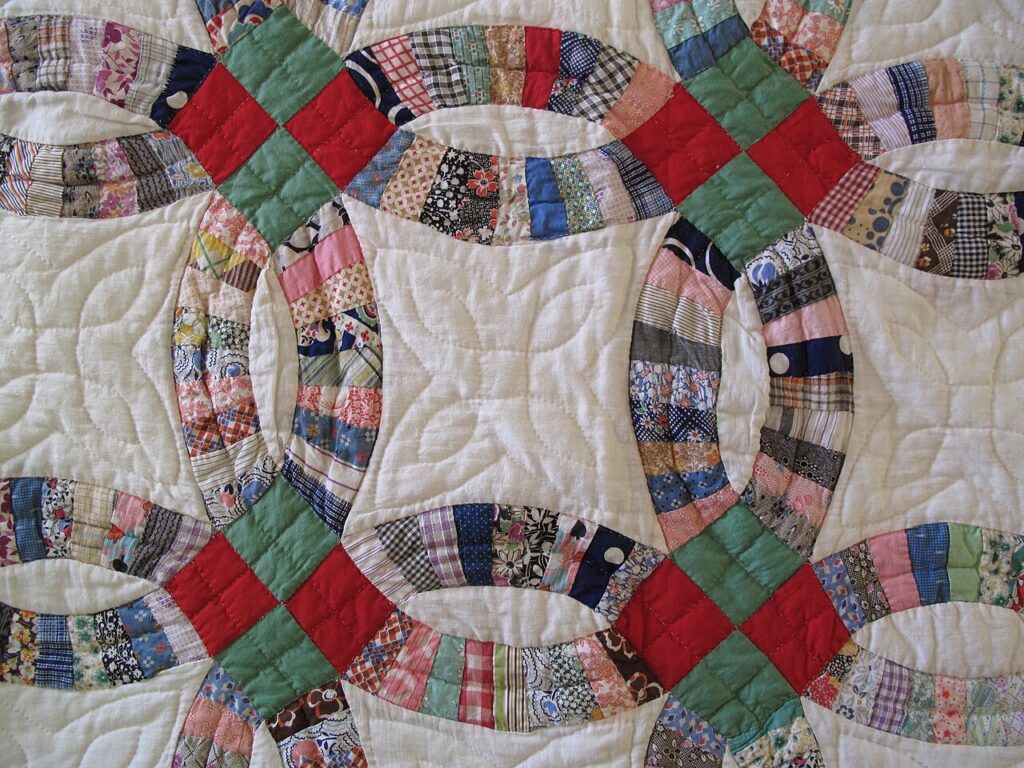
The Double Wedding Ring quilt, 1930s to 1960s, is a classic American pattern known for its interlocking rings, symbolizing marriage and unity. This pattern has remained a favorite due to its intricate design and symbolic meaning, making it a popular choice for weddings and anniversaries. Double Wedding Ring quilts from the mid-20th century can fetch prices ranging from $300 to $500, with well-maintained examples sometimes exceeding that amount. The careful piecing of the interlocking rings requires skill, and the visual impact of the pattern makes these quilts highly sought after by collectors.
These quilts are often made using a combination of solid and patterned fabrics, with each ring typically made from different pieces of cloth, adding a beautiful patchwork effect. The tradition of making Double Wedding Ring quilts dates back to the early 20th century, but they gained popularity during the 1930s and beyond. The design’s versatility allows it to blend easily with various interior styles, making it not just a beautiful quilt but also an heirloom piece. With its rich history and emotional value, the Double Wedding Ring quilt remains a valuable item in the quilting community.
This article originally appeared on Avocadu.