
13 Hand Drawn Scenes That Remain Unmatched
In a world dominated by digital visuals, hand-drawn scenes continue to captivate and inspire. The intricate details and personal touch found in these works stand out like no other. Whether from classic illustrations or contemporary creations, their impact is undeniable. These scenes offer a sense of warmth and nostalgia, connecting us to an artistic tradition that spans centuries.
This post may contain affiliate links, which helps keep this content free. Please read our disclosure for more info.
The Lion King – Mufasa’s Death
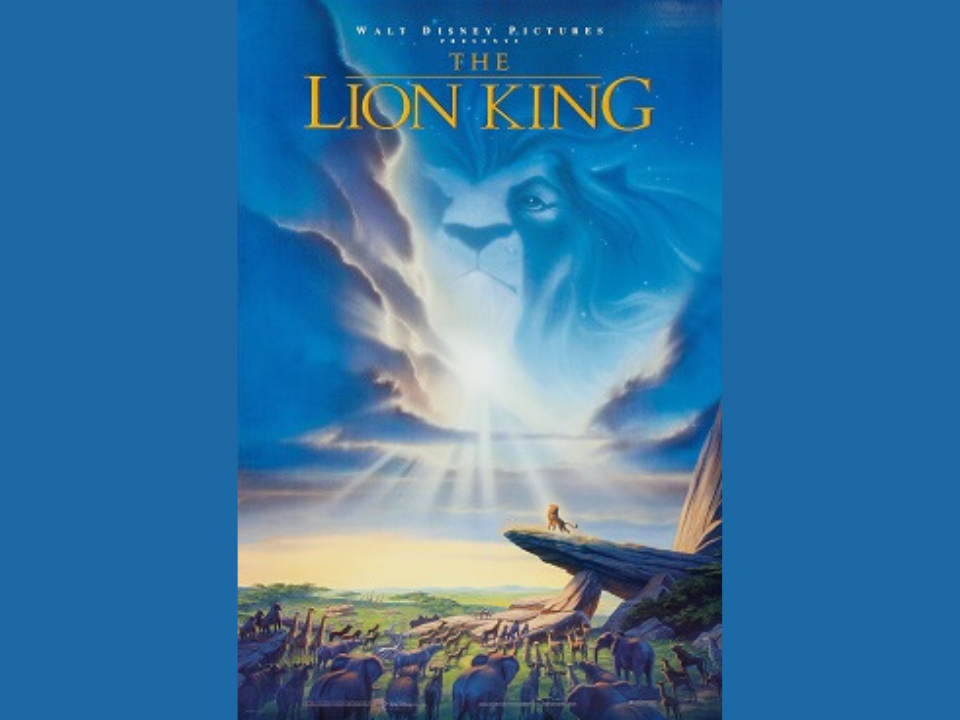
The hand-drawn scene of Mufasa’s death in The Lion King remains one of the most emotionally intense moments in animated film. The visual artistry of the scene, coupled with the heartbreaking music, captures the tragedy of a son losing his father. The power of the animation is in its simplicity, with the vast savanna, the shadows of the wildebeest, and Simba’s helplessness. The intricacies of the character’s expressions make this a standout moment in animation history.
The lasting impact of this scene is a testament to the ability of hand-drawn animation to evoke deep emotions. It is not just a moment of loss, as it is a pivotal turning point for Simba’s character. The tragedy is enhanced by the subtle, detailed movements of the characters, showing that even in the midst of chaos, the smallest gestures can be powerful. This scene is an iconic representation of the emotional depth that hand-drawn animation can achieve.
Sleeping Beauty – Aurora’s Enchanted Dream
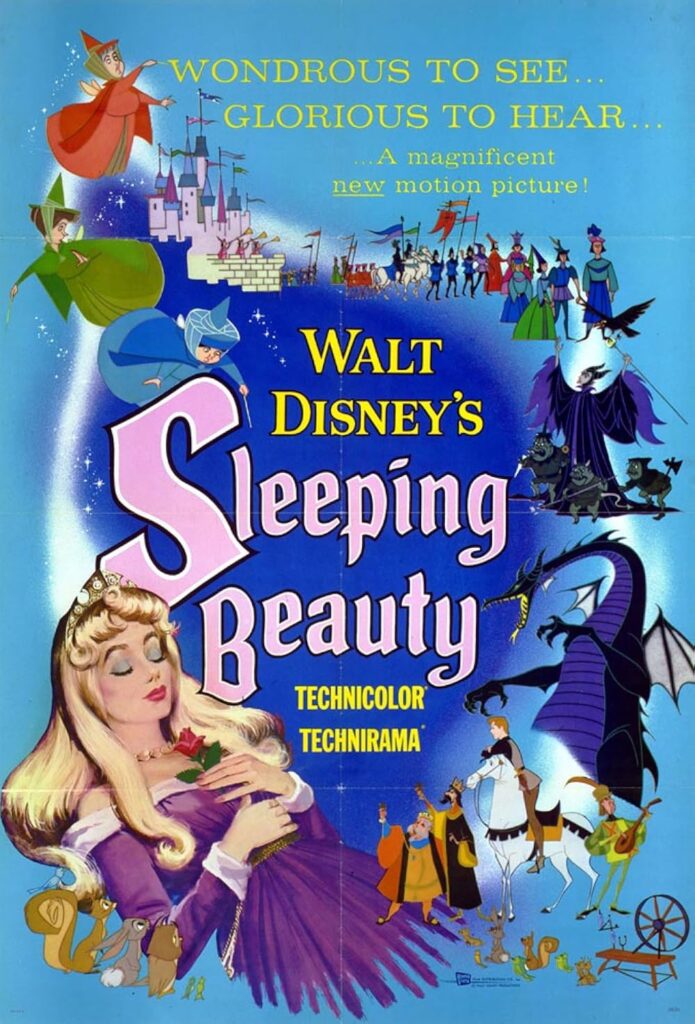
In Sleeping Beauty, the hand-drawn sequence where Princess Aurora dreams of meeting her true love is one of the most delicate and beautifully animated moments in Disney’s history. The soft, fluid movements of Aurora, coupled with the pastel colors, evoke a sense of otherworldliness. The delicate line work and graceful animation capture the magical essence of a fairytale dream. Each frame is meticulously crafted to convey both the innocence and the enchantment of the scene.
This dreamy sequence captures the spirit of 1950s animation, where the flow of the characters and the setting were meticulously drawn to reflect the atmosphere. The gentle colors and whimsical movements make it feel like a dream unfolding before the audience’s eyes. It is an example of how hand-drawn animation can bring an ethereal world to life, drawing the viewer into a story of magic and love.
Akira – The Psychic Explosion
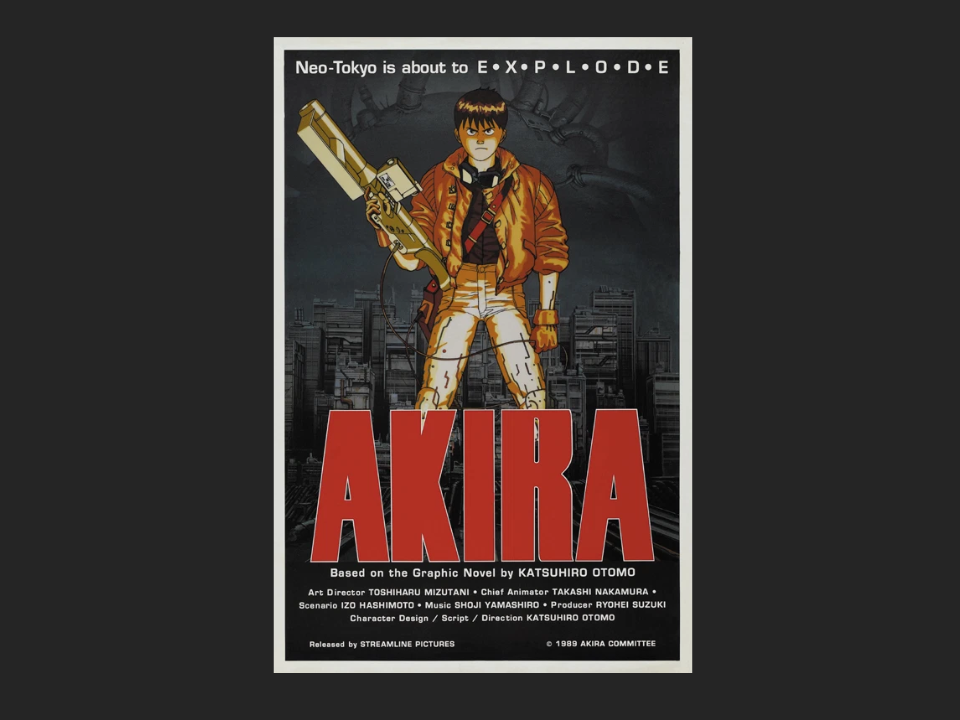
Akira, one of the most celebrated anime films, is full of hand-drawn scenes that push the limits of animation. The psychic explosion, where Tetsuo’s powers spiral out of control, is an unforgettable moment that is both visually stunning and deeply unsettling. The chaotic energy of Tetsuo’s transformation is portrayed through swirling lines and flashes of light, with every movement intricately drawn to convey his emotional turmoil. The fluidity and intensity of the animation help to convey the immense power and the loss of control.
This moment stands as a defining scene in animation, combining futuristic technology with deep human emotions. The hand-drawn art captures the surreal and intense nature of the film, with every detail adding to the overwhelming scale of Tetsuo’s psychic abilities. Akira proves that hand-drawn animation can create complex, explosive scenes that resonate deeply with viewers.
Snow White and the Seven Dwarfs – The Evil Queen’s Transformation
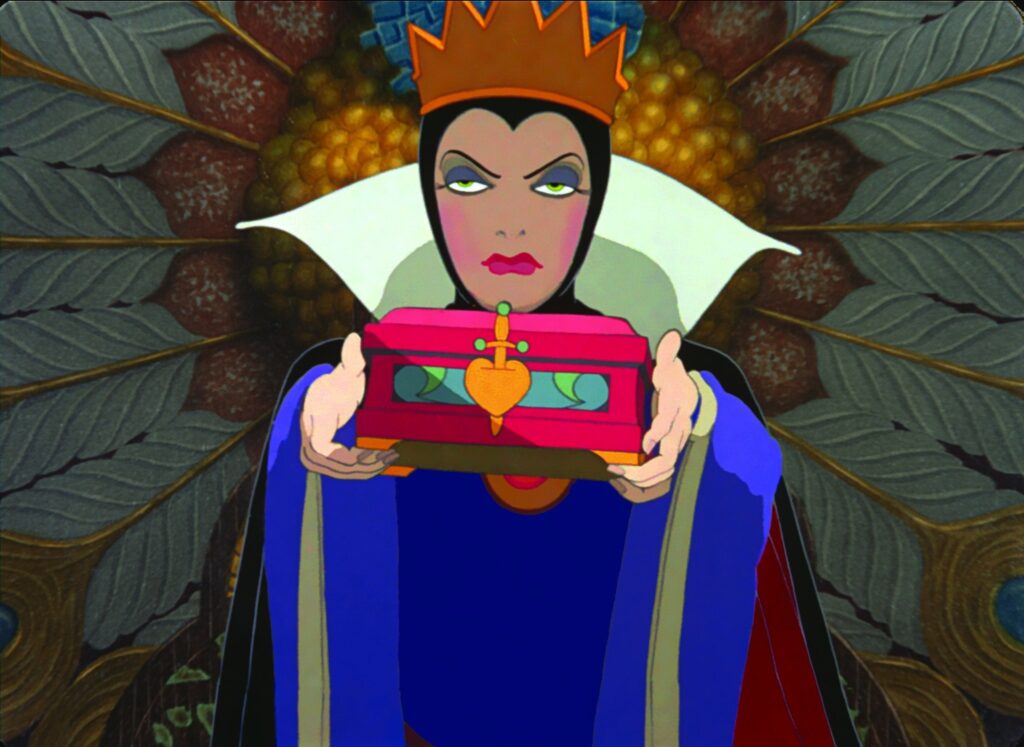
In Snow White and the Seven Dwarfs, the Evil Queen’s transformation into the old hag is a landmark moment in animation. The sequence is both eerie and fascinating, with the seamless transition between the Queen’s regal beauty and her twisted new form. The hand-drawn animation plays a crucial role in conveying the horror and magic of the moment, with every change in the Queen’s appearance meticulously rendered. The tension and suspense are enhanced by the artful use of shadows and color.
This transformation scene remains a classic example of how hand-drawn animation can elevate a character’s evil nature. The attention to detail, especially in the fluid motion of her body as she changes, makes it an unforgettable moment in Disney’s animation legacy. The visual storytelling in this scene captures the essence of fear and enchantment, setting the stage for the story’s darker themes.
Spirited Away – Chihiro’s Transformation
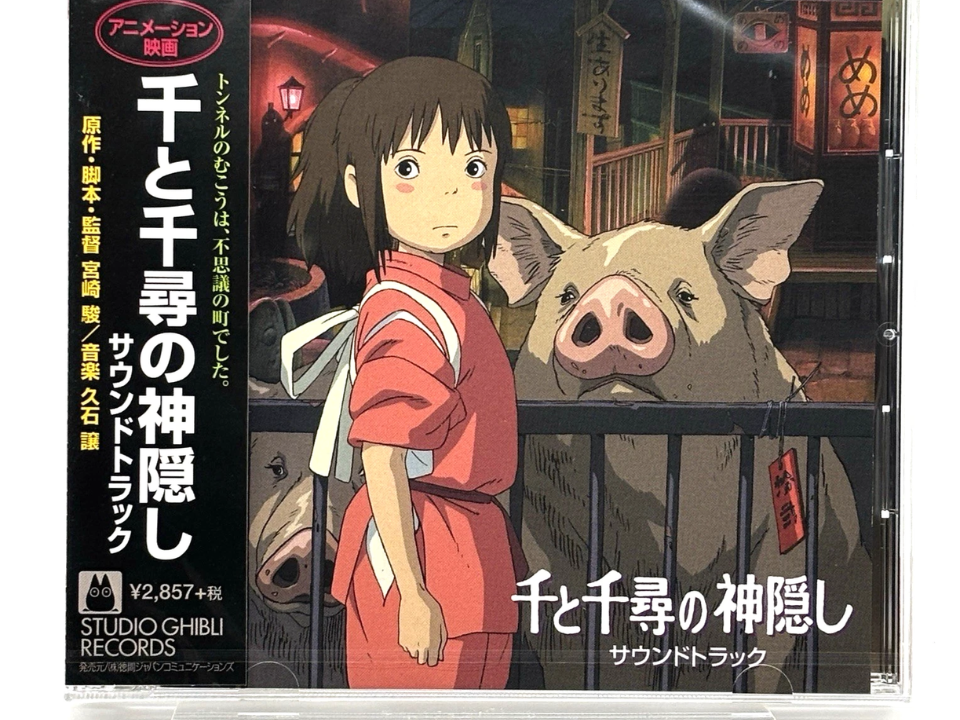
In Spirited Away, the moment when Chihiro is transformed into a creature by the River Spirit is a stunning example of hand-drawn animation. The fluidity of the transformation, combined with the expressive quality of the characters’ movements, conveys the surreal nature of the world she has entered. Every stroke of the animation adds to the sense of wonder and unease that pervades the film. Chihiro’s vulnerability is captured through the delicate details of her body’s change, highlighting her struggle.
The way the scene flows, where Chihiro’s physical transformation is paired with her emotional growth, reflects Hayao Miyazaki’s genius in using hand-drawn animation to tell complex stories. The vibrant colors, along with the intricately detailed characters, make this transformation unforgettable. It is a prime example of how animation can explore identity and growth through visual storytelling.
The Iron Giant – The Giant’s Sacrifice
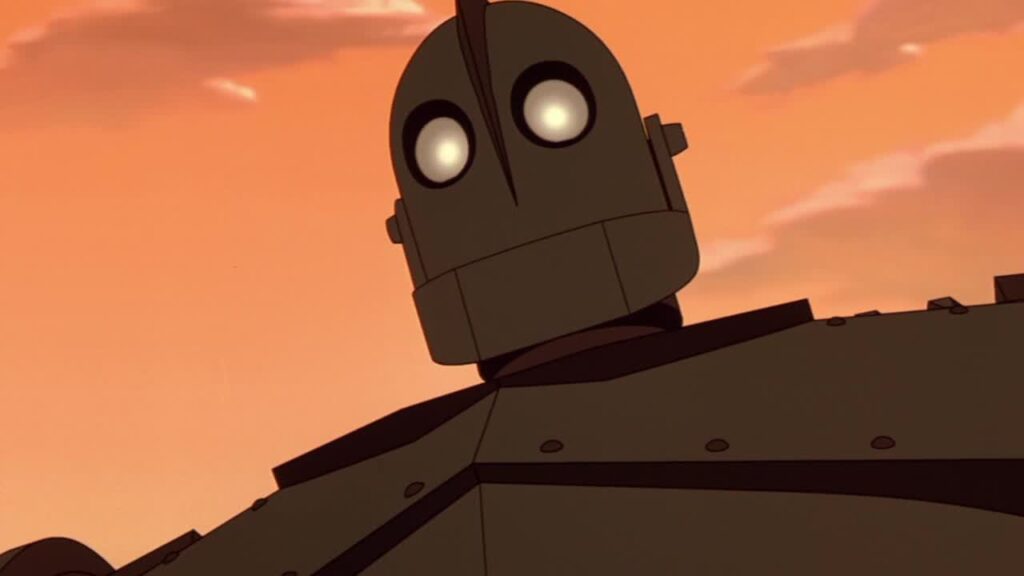
In The Iron Giant, the sacrifice made by the giant at the end of the film is a defining moment in the history of animation. The hand-drawn animation during this scene is both powerful and heart-wrenching, with every motion of the Giant’s body and his final gesture of selflessness drawn with incredible care. The composition, with the giant flying toward the missile, creates an emotional buildup that culminates in his ultimate act of heroism. The simplicity of the drawing style only enhances the rawness of the moment.
The final scene highlights the depth of the character’s transformation, from a mindless weapon to a being capable of love and sacrifice. It is a beautiful example of how animation can deliver profound emotional moments. The scene’s lasting power comes from the careful balance of artistry and storytelling, where hand-drawn animation amplifies the film’s themes of friendship, sacrifice, and hope.
Fantasia – The Rite of Spring
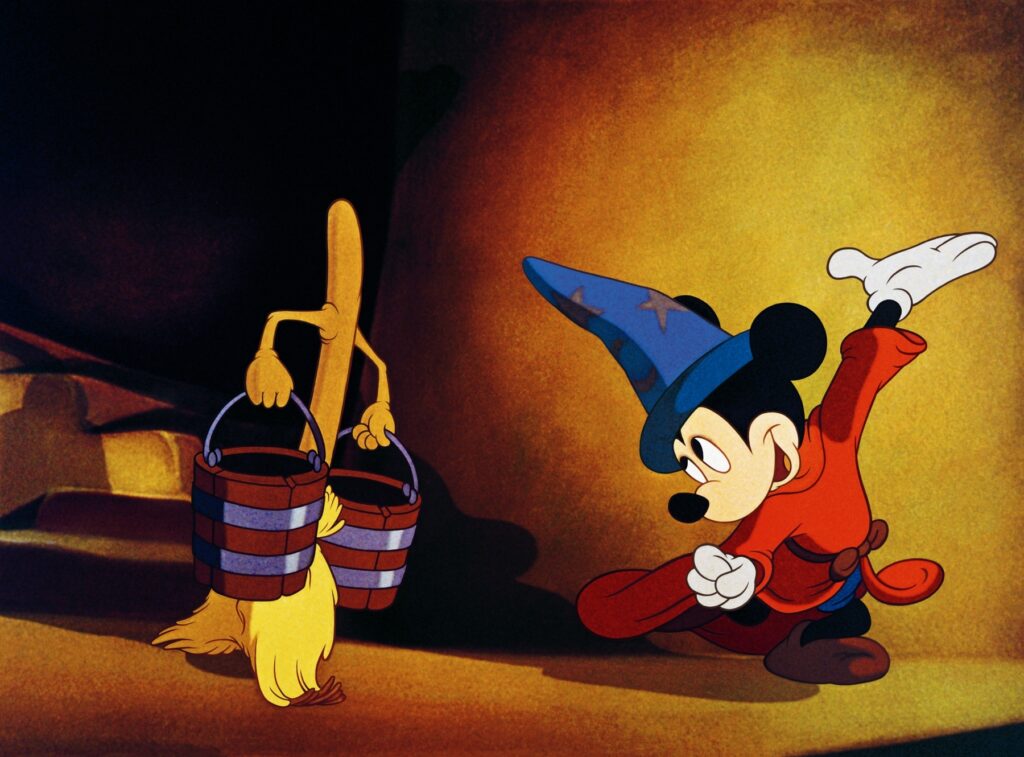
In Fantasia, the hand-drawn sequence of “The Rite of Spring” is a stunning depiction of the dawn of time. The animation showcases the beginning of the Earth, from the formation of planets to the rise of dinosaurs. The fluid movement of the landscapes and creatures is brought to life with meticulous hand-drawn details. The use of color and texture creates an immersive environment that feels both alien and familiar, reflecting the grandeur of creation.
The sequence is a masterpiece in blending animation with classical music, where every beat of Igor Stravinsky’s score is matched by the rhythmic flow of the animation. The way the prehistoric creatures are drawn with such realism adds to the scene’s gravity. It remains one of the most memorable and ambitious moments in animation history.
The Little Mermaid – Ariel’s Underwater World
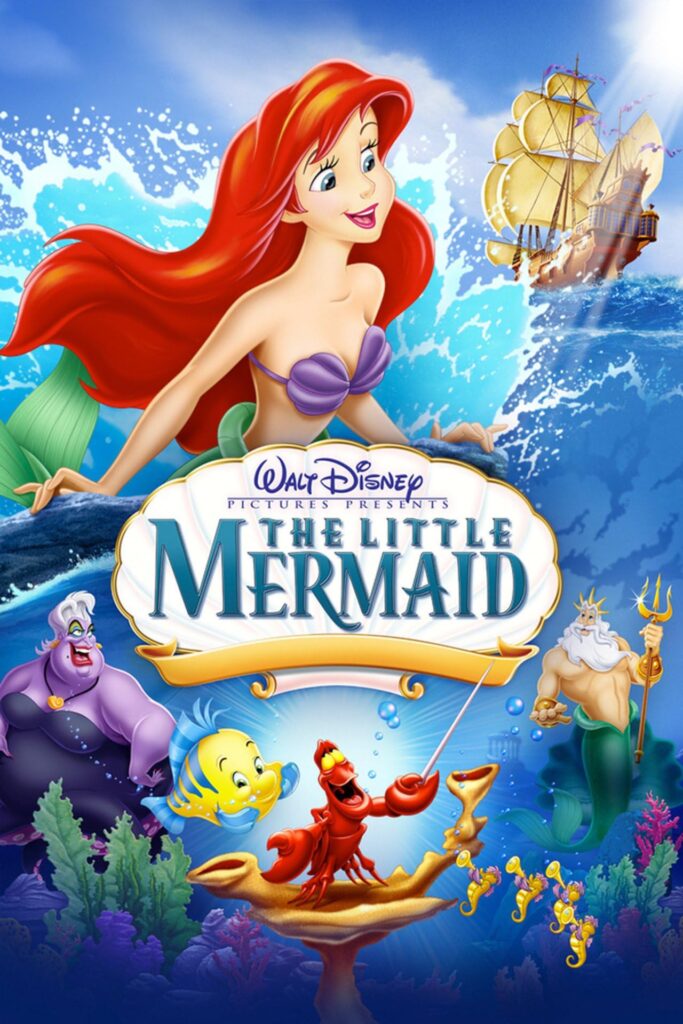
The opening sequence of The Little Mermaid, where Ariel explores her underwater kingdom, remains a timeless example of hand-drawn animation. The fluidity of Ariel’s movements through the water, paired with the vibrant colors of the sea creatures, captures the wonder of her world. Each frame is filled with intricate details, from the shimmering scales on the fish to the delicate movement of the seaweed. The scene conveys the freedom and beauty of the ocean, bringing Ariel’s world to life with every brushstroke.
What stands out in this scene is how the hand-drawn animation creates a sense of immersion. The weightlessness of the underwater world is perfectly captured, making it feel as if the audience is drifting along with Ariel. The scene sets the tone for the rest of the film, establishing both the visual richness and the emotional depth of the story.
Bambi – The Forest’s Awakening

In Bambi, the hand-drawn sequence that depicts the awakening of the forest in spring is a beautiful portrayal of nature’s cycle. The lush colors of the trees, flowers, and animals create a serene and magical atmosphere. The fluid animation of the forest coming to life, with animals emerging from their burrows and plants blooming, is both captivating and peaceful. Each movement feels like a gentle breath of life being breathed into the world.
This sequence remains one of the most charming and atmospheric moments in animation. The hand-drawn details make the forest feel alive, with every movement of the animals and the rustling of leaves adding to the scene’s charm. The simplicity and elegance of the animation make this moment in Bambi a standout in the Disney canon.
Cinderella – The Transformation of the Pumpkin
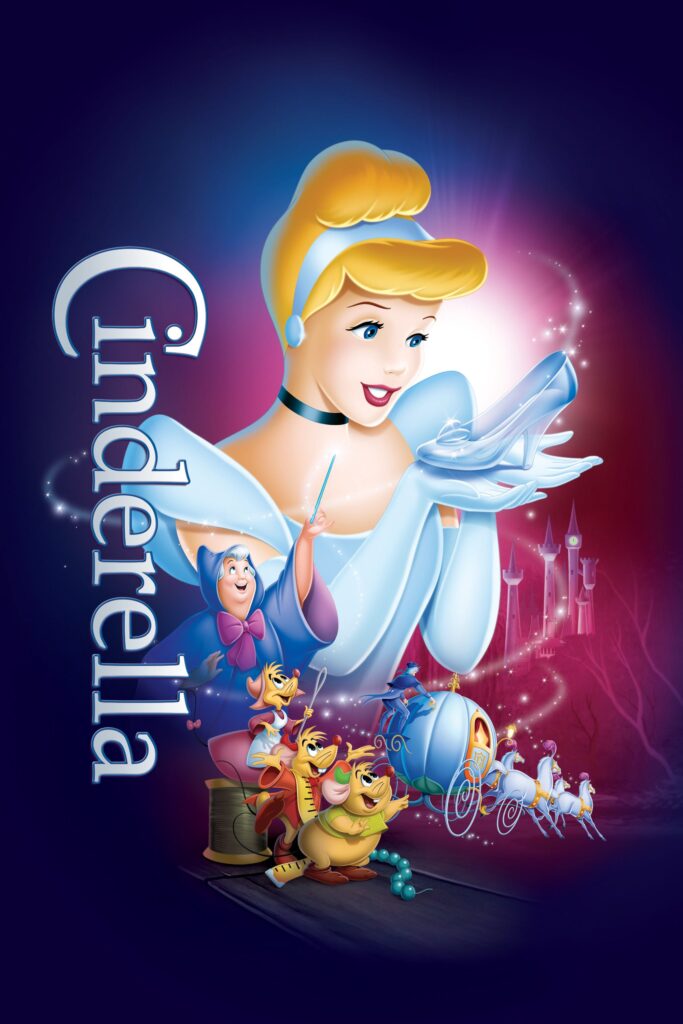
In Cinderella, the moment when the pumpkin turns into a carriage is a classic example of the magic of hand-drawn animation. The fluid movement of the pumpkin transforming, followed by the detailed conversion of the mice into horses, showcases the power of visual storytelling. The precision of each hand-drawn frame makes the transformation both enchanting and believable. It is a key moment that shows the power of magic in the world of Disney.
The whimsical nature of the transformation is amplified by the careful use of color and light. The scene’s magical qualities are enhanced by the graceful movements and the detailed texture of the characters and objects. It remains one of the most memorable animated transformations in film history.
Pinocchio – The Transformation of Pinocchio into a Real Boy
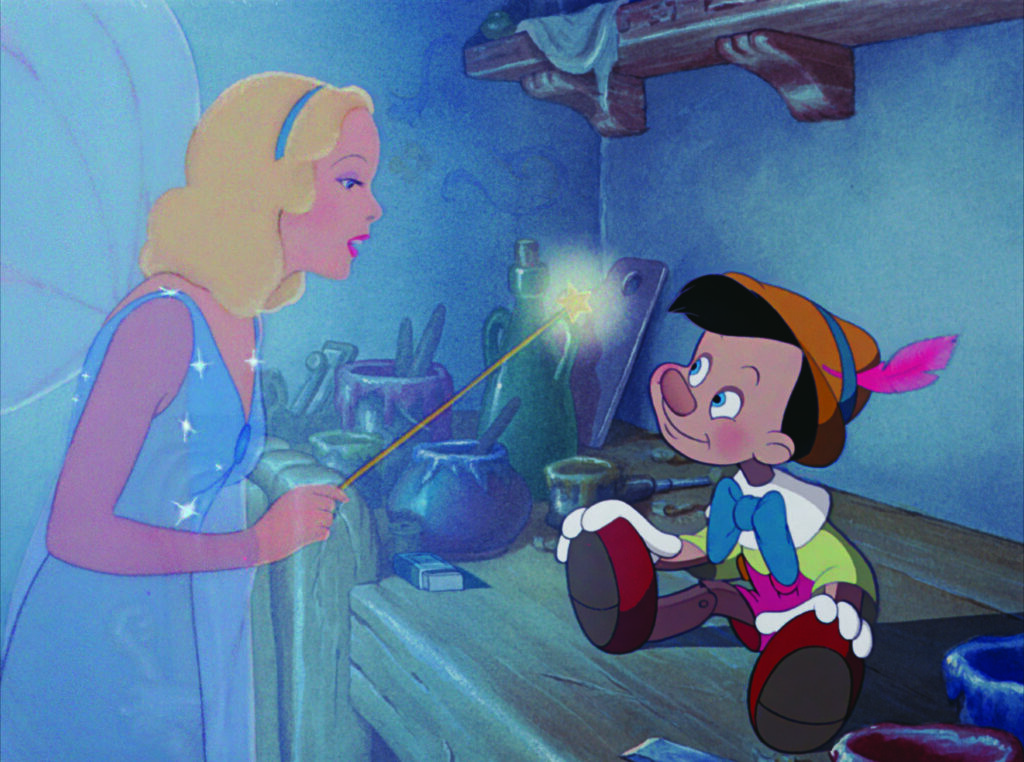
In Pinocchio, the moment when Pinocchio turns into a real boy is one of the most heartwarming moments in animation. The hand-drawn animation beautifully captures the emotional weight of the transformation, as Pinocchio’s wooden body softens into flesh. The joy and relief on Geppetto’s face are depicted with incredible detail, adding depth to the moment. The scene is not just a physical transformation, as it symbolizes Pinocchio’s growth and his journey toward becoming human.
The animation of Pinocchio’s transformation remains one of the most emotional and detailed scenes in Disney’s history. The fluidity of his movement as his body changes adds to the magical atmosphere. This moment is a culmination of the film’s themes of love, sacrifice, and growth, making it an unforgettable hand-drawn masterpiece.
The Nightmare Before Christmas – Jack Skellington’s Discovery of Christmas Town
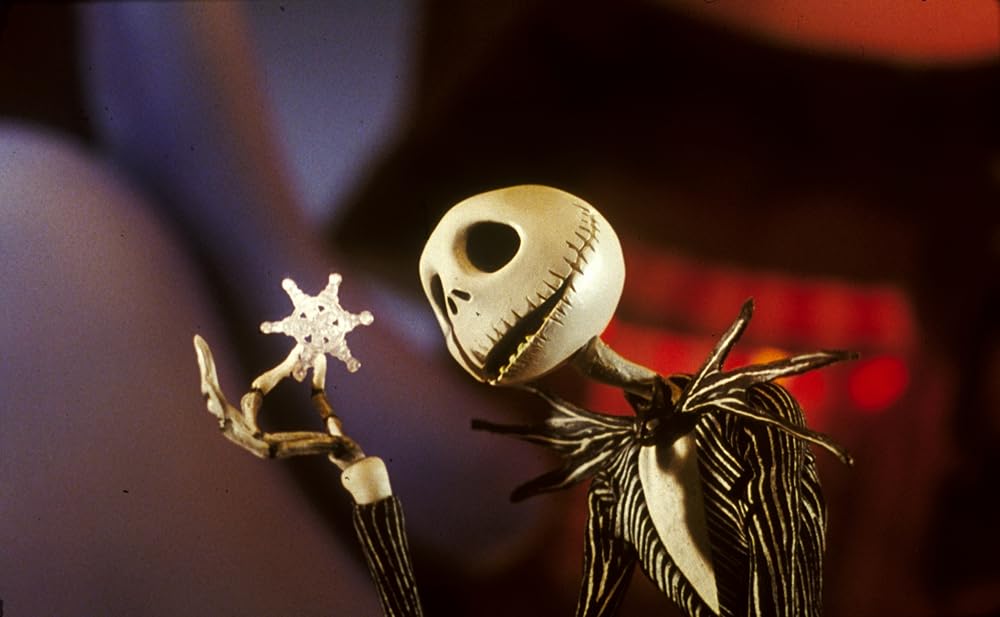
In The Nightmare Before Christmas, the hand-drawn scene where Jack Skellington first discovers Christmas Town is full of wonder and mystery. The bright colors and whimsical shapes of the buildings stand in sharp contrast to the dark and eerie world of Halloween Town. Jack’s fascination with the new world is portrayed with intricate details, from the twinkling lights to the joyful atmosphere. The scene exudes a sense of discovery and excitement.
The hand-drawn animation captures the magic of Christmas through Jack’s wide-eyed wonder. Every movement, from Jack’s expressions to the soft fluttering of snowflakes, adds to the charm of the scene. The detailed use of light and shadow gives the town a magical quality, making it one of the most memorable moments in the film.
Dumbo – Dumbo Flying for the First Time
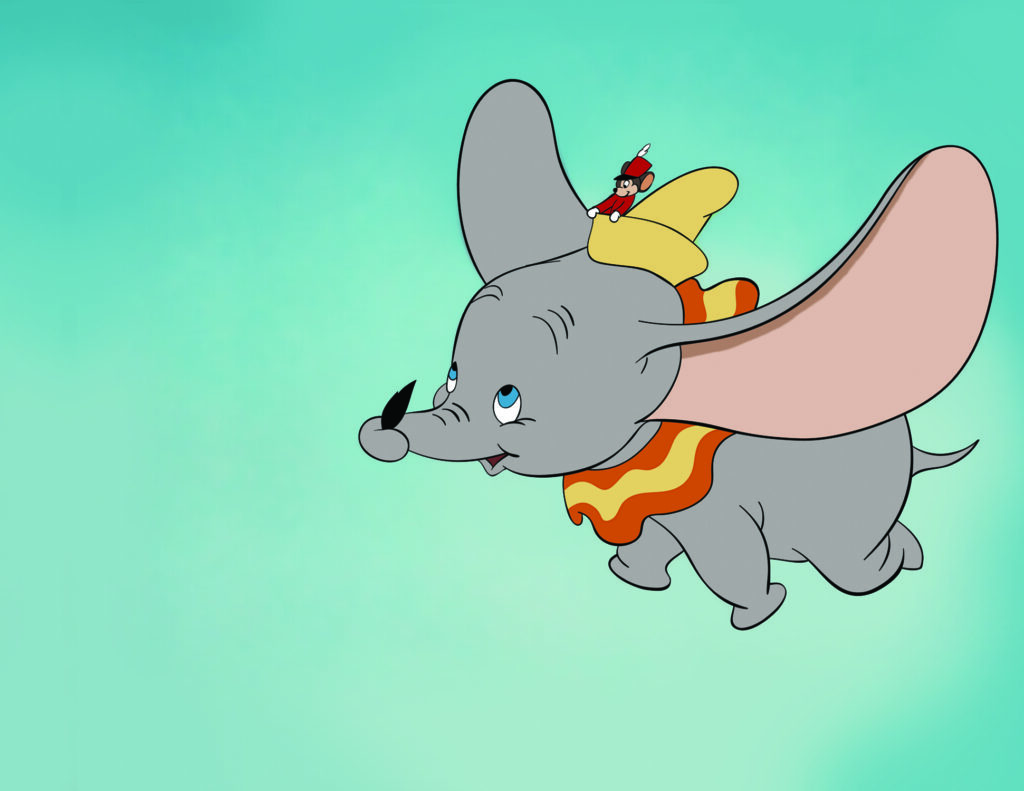
In Dumbo, the scene where Dumbo first takes flight is an emotional and visually stunning moment. The hand-drawn animation brings Dumbo’s delicate wings to life, capturing the graceful movement of his flight. The fluidity of the animation and the vibrant colors in the background create a sense of wonder and achievement. Dumbo’s small, timid nature is contrasted with the vastness of the sky, symbolizing his growth and newfound confidence.
The flying sequence is one of the most memorable moments in Disney’s animation history. The careful movement of Dumbo, paired with the swelling music, makes this a truly magical scene. The hand-drawn quality of the animation adds a sense of warmth and sincerity to Dumbo’s triumph, making it a beloved moment for audiences of all ages.
This article originally appeared on Avocadu.