
15 Hand Care Tips for February When Washing and Cold Air Add Up
February’s cold air and constant hand washing can lead to dry, irritated skin. Luckily, you can protect your hands with a few simple habits that help lock in moisture. Whether you’re indoors or braving the outdoors, hand care becomes essential during these months. With a few thoughtful adjustments to your routine, your hands can stay soft and healthy. Here are some tips to help you combat winter dryness and keep your skin smooth.
This post may contain affiliate links, which helps keep this content free. Please read our disclosure for more info.
Moisturize Regularly to Lock in Hydration
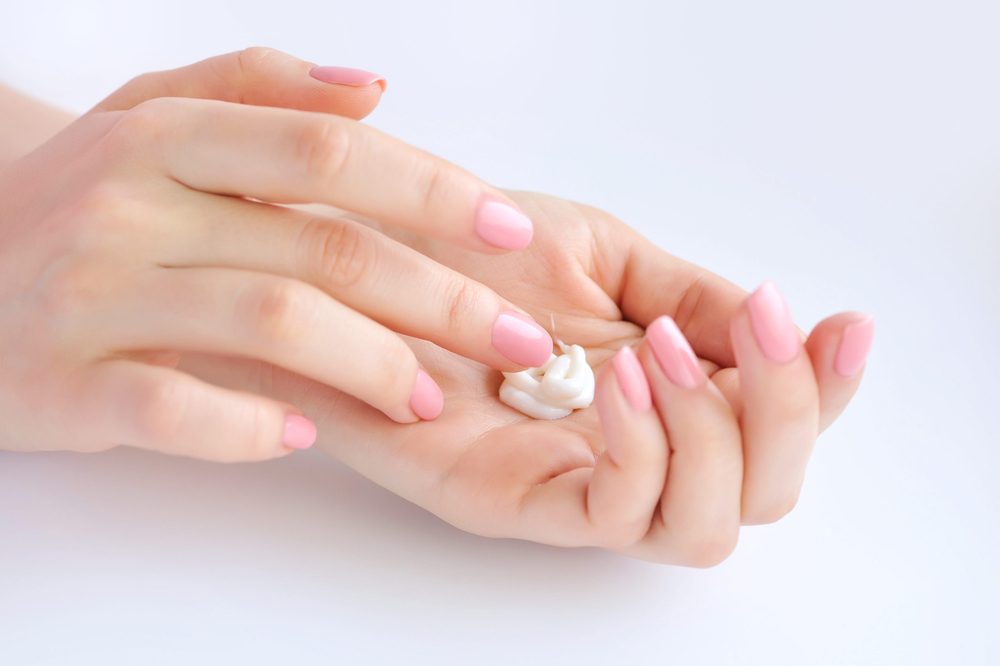
The cold, dry air of February can quickly strip your hands of moisture, so it’s essential to moisturize often. Apply a rich hand cream as soon as you finish washing your hands to help lock in hydration. Make sure to choose a hand cream with ingredients like shea butter or glycerin, as they help to create a barrier and retain moisture. Keep a small bottle in your bag, so you can reapply throughout the day, especially after hand washing.
During the colder months, opt for a thicker cream rather than a light lotion. Focus on massaging the cream into your nails and cuticles, as they can also become dry and cracked. For extra hydration, you can apply a generous amount of cream before bed and wear cotton gloves to allow the moisture to absorb overnight.
Use Gentle Hand Soap
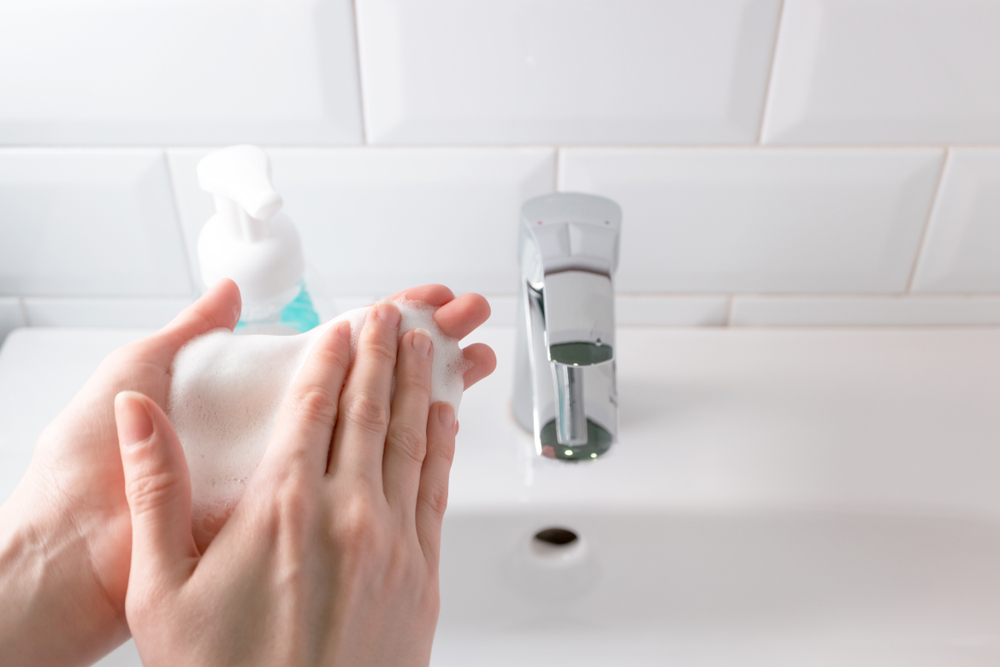
The hand soap you use can make a big difference in how your skin feels after washing. Opt for a moisturizing or gentle formula that won’t strip your skin of its natural oils. Look for hand soaps that are free of harsh chemicals like sulfates, which can dry out the skin. After washing, gently pat your hands dry with a towel instead of rubbing them, which can lead to further dryness.
If possible, switch to a soap with added ingredients like aloe vera or honey, which help soothe and hydrate the skin. You may also want to use a foaming hand wash, as it’s often gentler on the skin than traditional soap. Keep a moisturizing hand soap in your bathroom to help your skin stay soft with every wash.
Wear Gloves to Protect Your Hands

When doing household chores or braving the cold weather, protect your hands with gloves. Wet hands exposed to cold air can dry out quickly, so wearing gloves can create a barrier against harsh elements. Consider wearing rubber gloves while washing dishes or using cleaning products, as these can be especially drying.
For outdoor protection, choose a pair of warm, insulated gloves to shield your hands from the cold. If your hands get wet while shoveling snow or doing other outdoor activities, make sure to dry them off and apply a moisturizer as soon as possible. Keeping your hands covered minimizes exposure to both cold air and water, which are both drying.
Exfoliate to Remove Dead Skin Cells
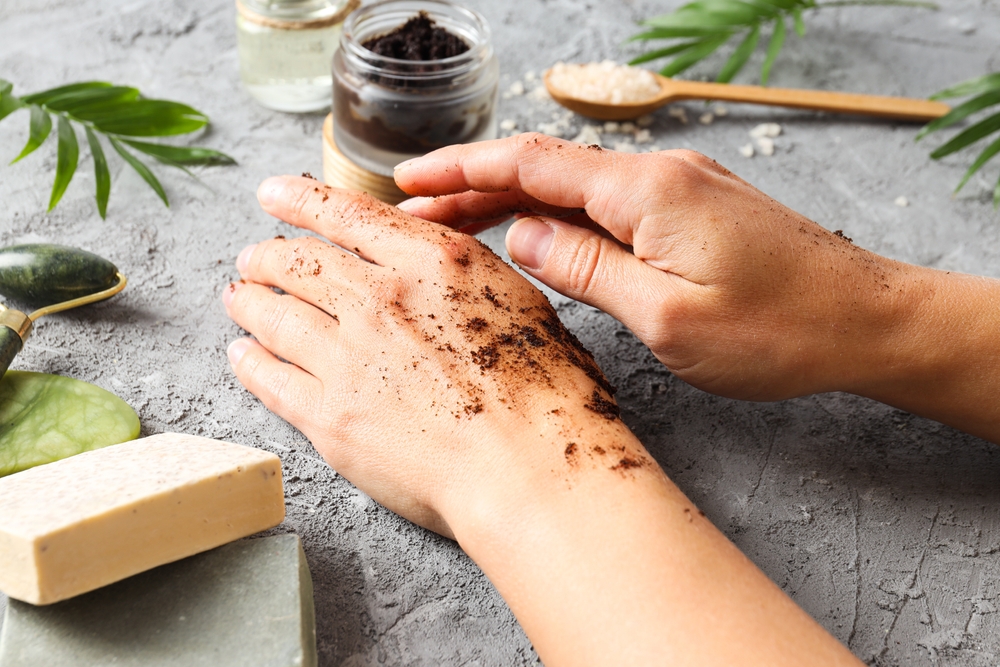
Exfoliating your hands once a week is a great way to keep your skin soft and smooth. You can use a gentle scrub made with sugar, salt, or oatmeal to remove dry, dead skin. Gently massage the scrub in circular motions to exfoliate without irritating the skin.
After exfoliating, follow up with a good moisturizer to lock in hydration. You can also make a DIY scrub by mixing sugar with olive oil for an extra moisturizing effect. Exfoliating not only helps your hands feel softer but also helps creams and lotions absorb better into the skin.
Apply a Deep Moisturizing Mask
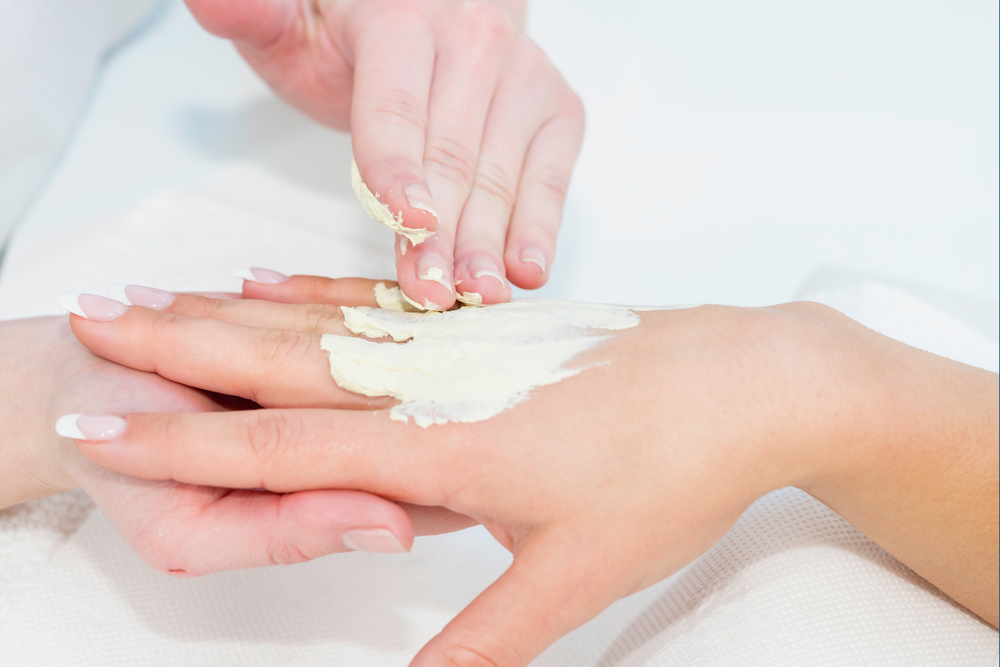
Just like your face, your hands need extra moisture during the winter months. A hand mask can provide deep hydration and help repair cracked skin. You can buy a pre-made hand mask or make your own by applying a thick layer of hand cream and then wearing cotton gloves overnight.
For a DIY version, try mixing honey with olive oil and applying it to your hands for 15-20 minutes. Wrap your hands in a towel or plastic wrap to keep the mixture in place while it soaks in. These masks are a great way to give your hands an extra dose of nourishment and help them recover from the cold.
Avoid Hot Water When Washing Your Hands
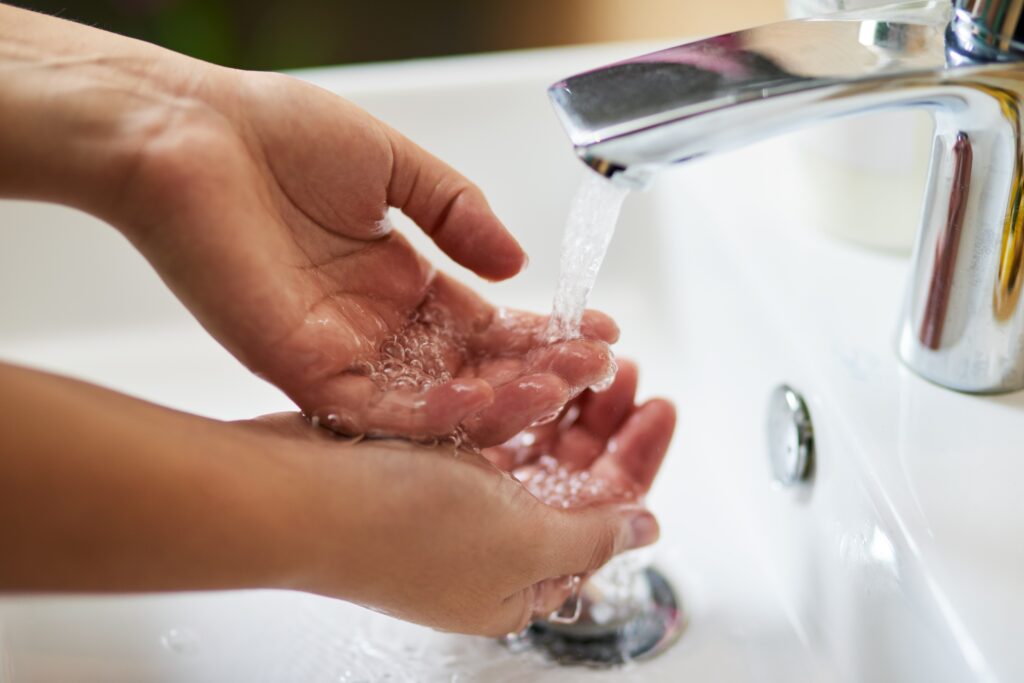
Washing your hands with hot water may feel good, but it can actually dry out your skin. Opt for lukewarm water instead, as it is much gentler on your skin. Hot water strips away the natural oils that protect your hands, leaving them more vulnerable to dryness and irritation.
Try to limit your hand washing to necessary times and avoid over-washing during the day. After washing, immediately apply moisturizer to keep your skin hydrated. A gentle, moisturizing hand soap will also help prevent your skin from drying out after every wash.
Use a Humidifier to Add Moisture to the Air

The dry air during the winter months can make your hands and skin even drier. Using a humidifier in your home helps add moisture to the air, which can prevent your skin from drying out. Place a humidifier near your bed or work area to keep the air hydrated while you sleep or work.
You can also add a few drops of your favorite essential oil to the humidifier for a calming scent while moisturizing the air. This simple step can make a noticeable difference in how your skin feels, especially during the colder months. Keep your hands hydrated by combining a humidifier with regular moisturizer.
Massage Your Hands and Nails

Massaging your hands and nails is a simple way to promote better blood flow and keep your skin feeling soft. Apply your favorite hand cream and gently massage it into your hands, focusing on your cuticles and nail beds. This will help nourish your nails and prevent them from becoming dry or cracked.
Regular massages also encourage the absorption of moisturizing products, which improves overall skin hydration. Try to incorporate this into your routine after washing your hands or before bed to give your skin an extra layer of care. This small act not only benefits your skin but also provides relaxation and relief from hand tension.
Avoid Smoking to Prevent Dry Skin

If you smoke, the chemicals in cigarettes can cause your skin to age more quickly and dry out. Smoking reduces the blood flow to your skin, which makes it harder for your body to maintain moisture. This can result in dry, flaky hands, especially in the winter when the cold air already has a drying effect.
If you’re trying to improve your hand care, consider cutting back or quitting smoking. Hydration will be easier to maintain once you remove the smoking factor from your routine. Eating foods rich in antioxidants and drinking plenty of water can also help promote healthy skin from within.
Choose a Hand Cream with SPF
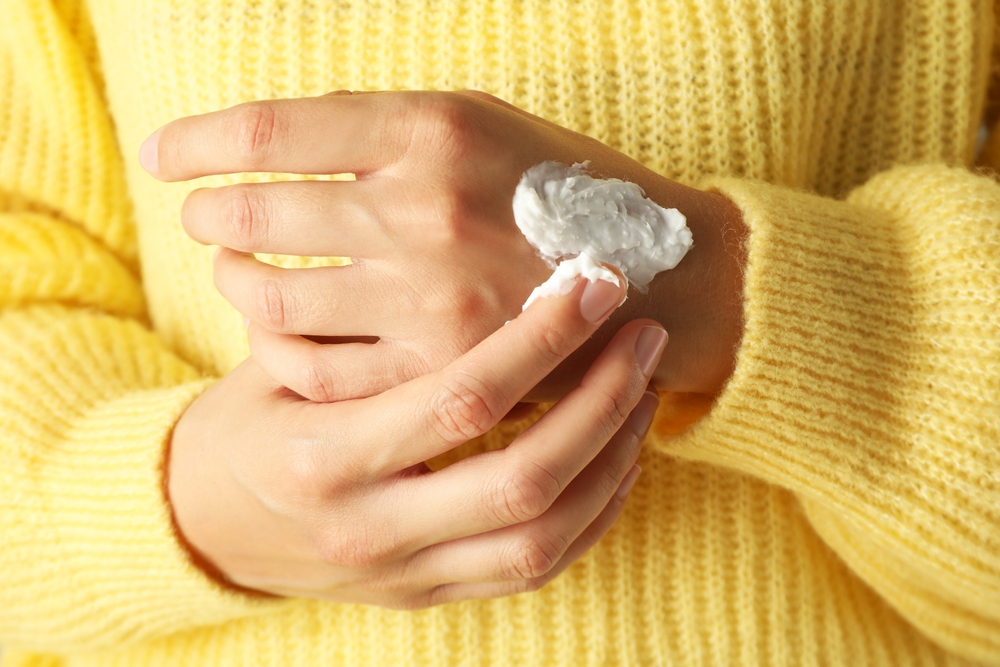
Even in winter, your hands can be exposed to harmful UV rays that cause premature aging and damage. Look for hand creams that contain SPF to protect your skin, especially if you’re spending time outside in the snow or sunshine.
Applying a hand cream with SPF not only helps keep your skin hydrated but also shields it from UV rays. Make it part of your daily routine, even when you’re indoors, as UV exposure can happen without you noticing. Your hands will thank you in the long run with fewer signs of aging and better skin health.
Stay Hydrated Throughout the Day

Hydration starts from within, and drinking plenty of water throughout the day is essential for healthy, glowing skin. Dehydration can lead to dry, flaky skin, making it harder for your hands to stay moisturized. Keep a water bottle handy and try to drink water regularly, especially in the colder months when you might forget to hydrate.
In addition to drinking water, consider eating foods with high water content, like cucumbers and fruits. Proper hydration helps your skin retain moisture, preventing it from getting dry and cracked. This simple habit can make a huge difference in how your hands feel and look.
Switch to a Gentle Hand Wash
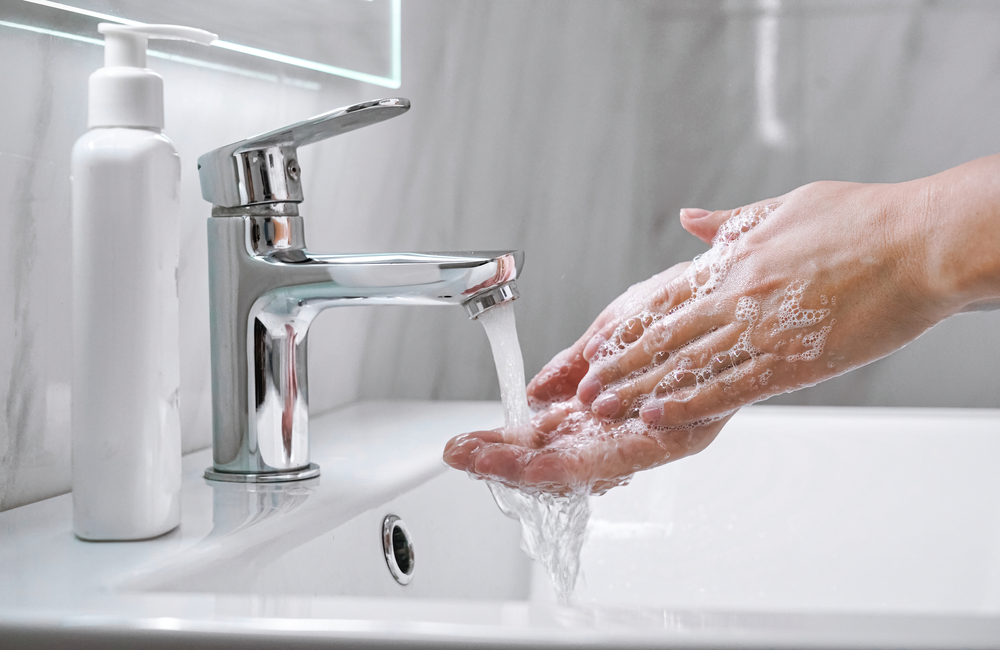
Sometimes, the harsh chemicals in some hand washes can cause skin irritation and dryness. Choose a gentle, moisturizing hand wash to protect your skin while keeping it clean. Look for a formula that includes ingredients like aloe vera, chamomile, or glycerin to nourish your skin as you wash.
Using a mild soap helps maintain the natural oils in your skin, which act as a barrier to prevent moisture loss. After washing, always follow up with a good moisturizer. If you wash your hands frequently throughout the day, this step will help keep your skin soft and hydrated.
Treat Cracked Skin with Ointments
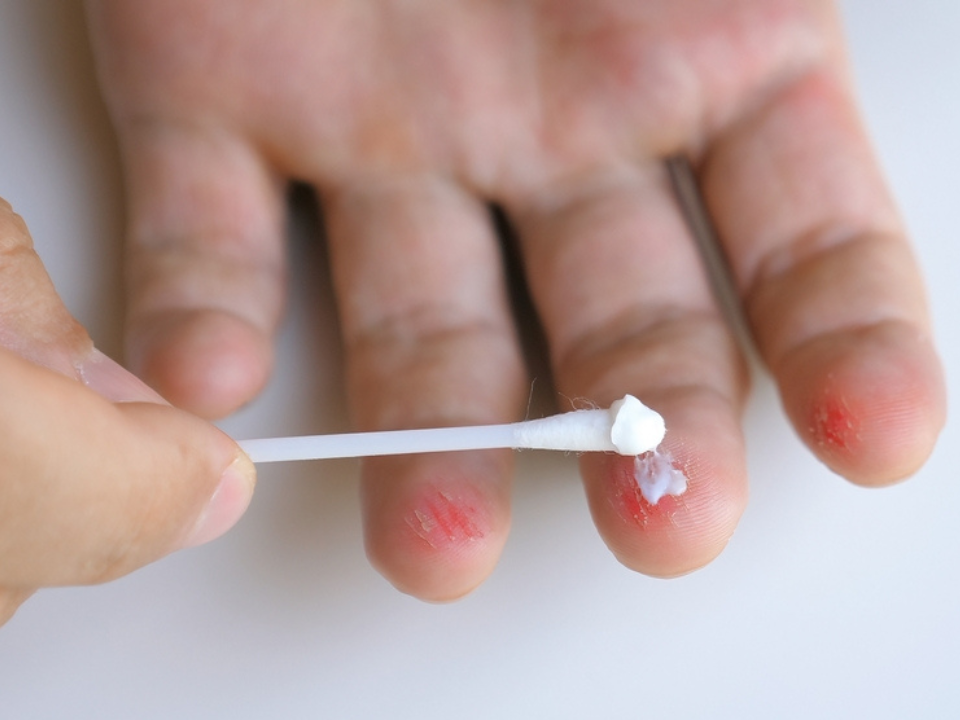
If your hands are suffering from deep cracks, an ointment with a thicker consistency can provide extra healing. Look for a product that contains ingredients like petroleum jelly or lanolin to help seal in moisture and protect the skin from further damage.
Apply the ointment directly to cracked areas before bed, and cover your hands with soft gloves to help the product absorb. This step works best for severe dryness or cracks caused by the cold air and frequent hand washing. For ongoing hand care, combine ointment treatments with regular moisturizing.
Use a Night Cream for Extra Hydration

Nighttime is the perfect opportunity to give your hands some extra hydration while you sleep. Apply a thicker hand cream or a night-specific product designed to deeply nourish the skin overnight. You can also layer a lightweight lotion on top for added moisture retention.
Overnight treatments allow your skin to absorb the ingredients without the interference of daytime activities. Consider using cotton gloves or socks to cover your hands and trap the moisture. This method can leave your hands feeling soft and rejuvenated by morning.
Treat Your Hands to a DIY Hydrating Soak
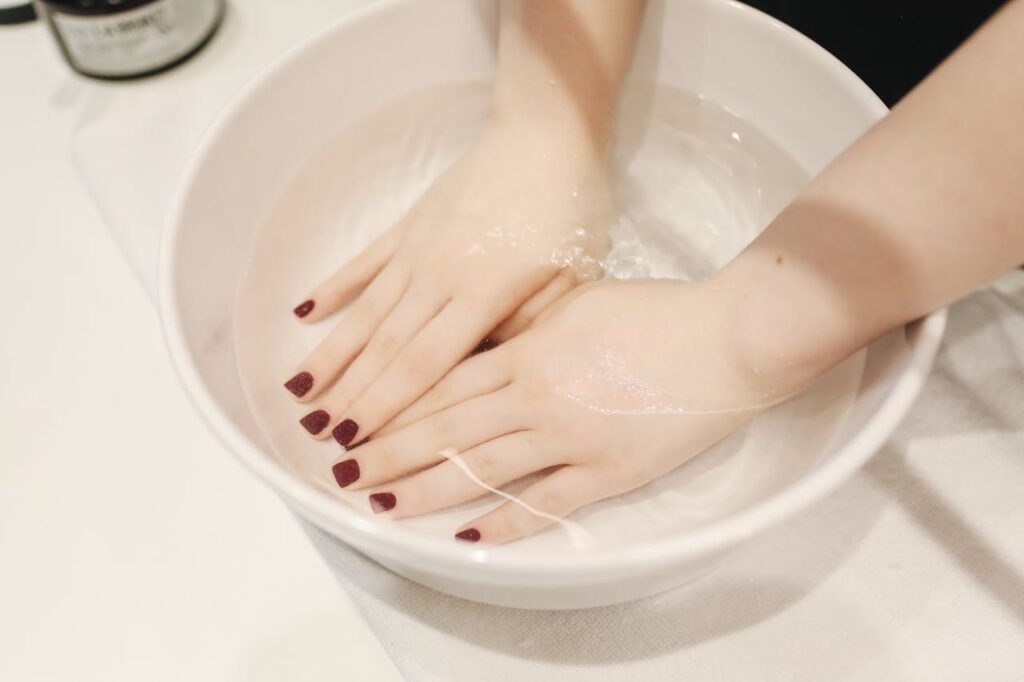
A hydrating soak is an easy and relaxing way to give your hands some extra love. Create a simple soak by mixing warm water with a few drops of essential oils like lavender or chamomile. Let your hands soak for 10-15 minutes, then follow up with a thick hand cream.
This soak helps relax the muscles in your hands while deeply moisturizing the skin. You can also add a small amount of honey or olive oil for added hydration. This easy, at-home remedy can make your hands feel refreshed and soothed.
This article originally appeared on Avocadu.