
15 Grocery Items People Always Overbuy and How to Stop Wasting Them
Have you ever found yourself throwing away food you didn’t use? Overbuying groceries is a habit that many of us fall into, but it doesn’t have to be. With just a few simple changes in how you shop, you can stop wasting food and money. It’s time to shop smarter and reduce the amount of food that goes to waste. Here’s how you can make sure your grocery list works for you, not against you.
This post may contain affiliate links, which helps keep this content free. Please read our disclosure for more info.
Fresh Produce
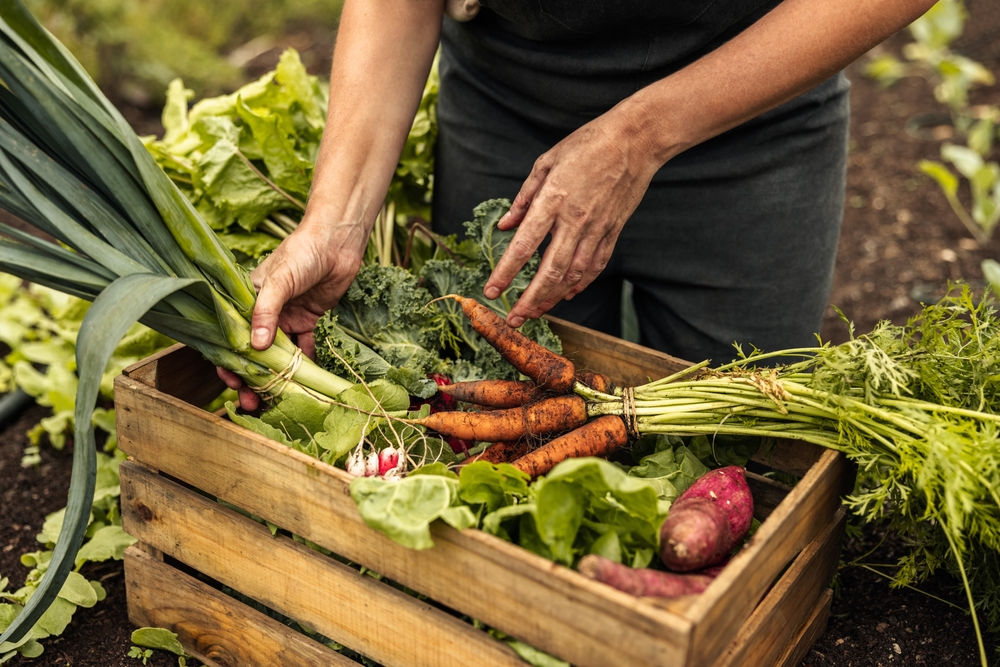
Buying fresh fruits and vegetables is often seen as the healthiest choice, but it’s easy to overbuy and end up wasting a significant amount of food. Many people get excited about vibrant produce and buy in bulk, thinking they will use it throughout the week. However, fruits and vegetables tend to spoil quickly, especially if not consumed within a few days. A simple solution is to plan meals around what’s in season or to buy smaller quantities more frequently.
To further minimize waste, try to only purchase fresh produce when you’re sure it will be consumed within a few days. Consider buying frozen fruits and vegetables as an alternative when fresh options aren’t necessary. They last longer and are often just as nutritious, making them a convenient choice for busy households. Another tip is to keep your refrigerator well-organized so you can easily see what needs to be used up first, helping you stay on top of your grocery list and avoid overbuying.
Bread

Bread is a common grocery item that often ends up being overbought, especially when it’s on sale, or you’re planning to make sandwiches or toast. However, bread has a short shelf life and can quickly become stale or moldy if not used promptly. One solution is to only buy bread when you know you’ll consume it within a few days. If you’re prone to overbuying, consider freezing any extra loaves to extend their freshness.
Freezing bread is a simple and effective way to avoid waste, and it can easily be thawed for later use. When stored in a freezer-safe bag, bread can last for up to three months without compromising its texture or flavor. If you prefer to buy in bulk, opt for smaller loaves or sliced varieties that can be consumed faster. By planning ahead and using these strategies, you can avoid wasting bread while still enjoying it as a staple in your home.
Dairy Products
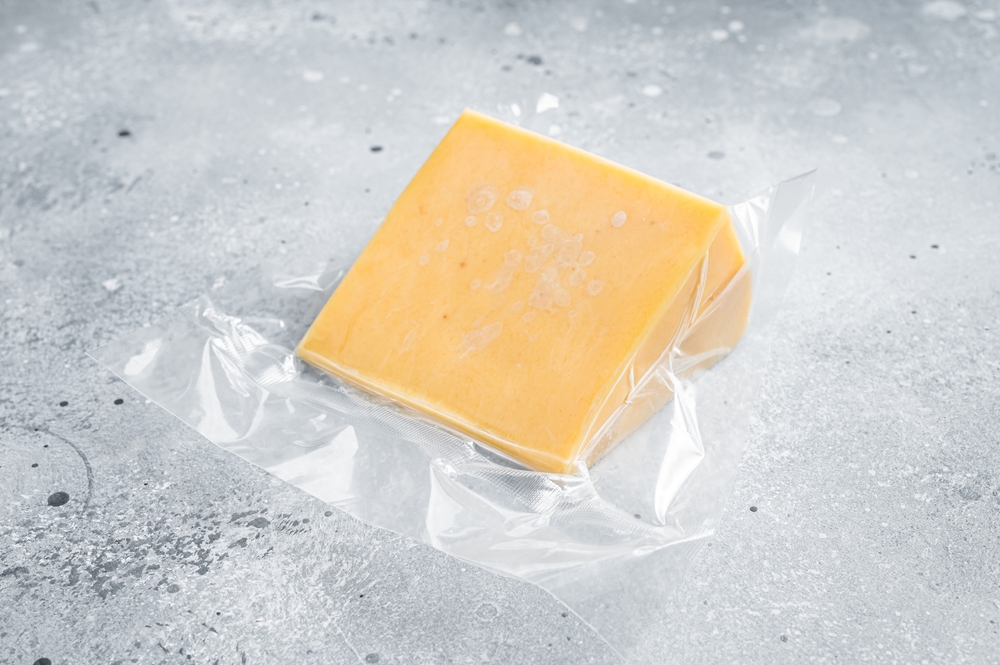
Dairy products like milk, cheese, and yogurt are essential in many households, but they’re often overbought and end up spoiling before they’re fully used. Dairy items, especially milk, can go bad quickly once opened, making it important to buy in moderation. One way to avoid waste is to purchase smaller containers or quantities of dairy products, particularly when you know you won’t use them immediately. Another tip is to check expiration dates regularly and consume products as they approach the end of their shelf life.
When buying cheese, opt for smaller portions or try buying pre-sliced varieties to avoid overbuying. For milk, consider purchasing smaller cartons or switching to longer-lasting alternatives, such as powdered milk. If you find yourself with extra yogurt or cheese that is nearing its expiration date, try incorporating it into cooking or baking recipes. This ensures the dairy products are used up before they spoil, reducing both waste and cost.
Meat and Seafood
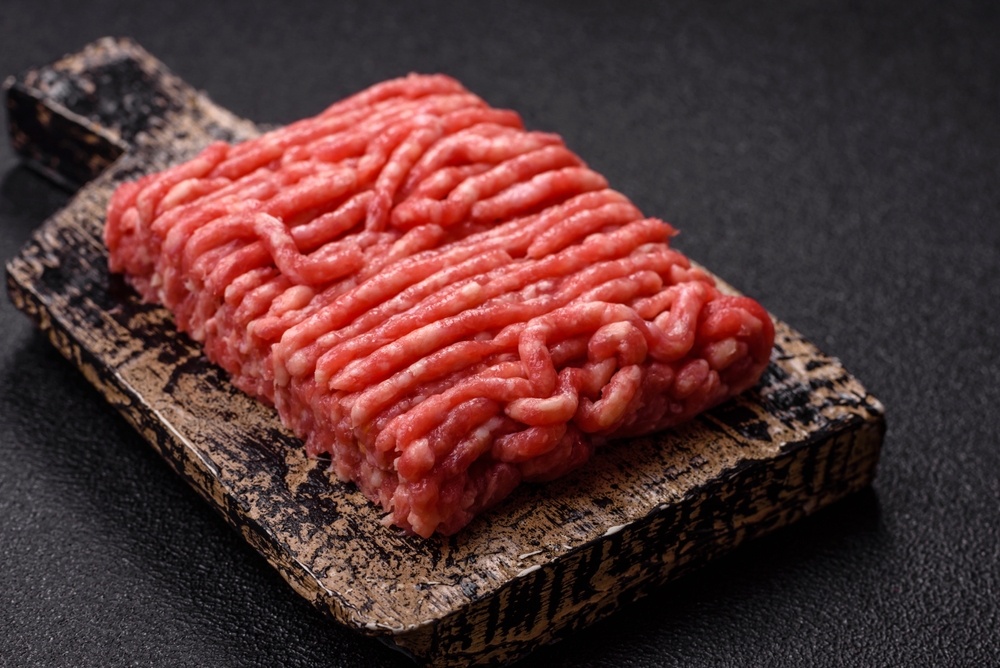
It’s easy to overbuy meat and seafood, especially when they are on sale or when preparing meals in advance. However, these items often have a short shelf life, and unless they’re frozen quickly, they can go bad fast. A simple solution is to plan meals around the meat and seafood you currently have at home, ensuring you buy only what you need for the week. For larger families, it’s better to purchase smaller portions at more frequent intervals to avoid overstocking.
When you buy meat and seafood in bulk, freezing is a great way to preserve these items for later use. Make sure to freeze them as soon as you get home from the store to maintain the best quality. Freezing also gives you the flexibility to cook with what you need and defrost the rest at a later date. This way, you can avoid throwing away expensive items and ensure your meals are made with fresh ingredients.
Eggs
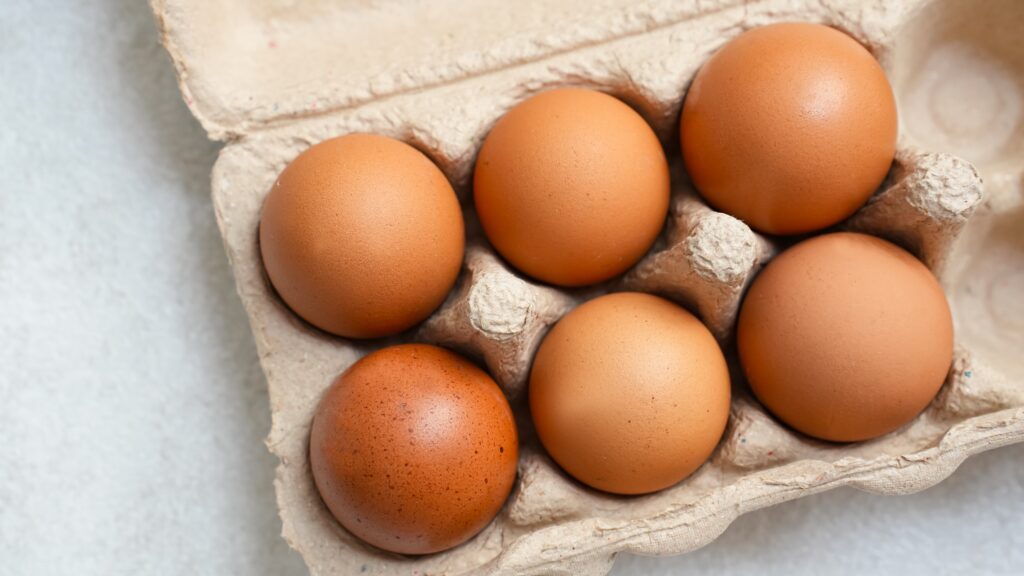
Eggs are a kitchen staple, but they’re often overbought because people think they’ll use them for multiple meals throughout the week. However, they have a shelf life of only a few weeks, and they’re easy to forget about once they’re sitting in the fridge. To avoid waste, plan your meals carefully and only purchase as many eggs as you’ll use in a short amount of time. A great strategy is to buy eggs in smaller cartons, so you won’t feel compelled to overbuy.
If you find yourself with extra eggs that are nearing their expiration date, they can be used for baking or in recipes that call for eggs as a key ingredient. Scrambled eggs, omelets, and frittatas are easy and versatile ways to use up eggs before they go bad. You can also try making egg salad or baking a batch of muffins to incorporate eggs into meals that can be enjoyed throughout the week. By using up eggs in time, you can keep your fridge organized and avoid unnecessary waste.
Canned Goods
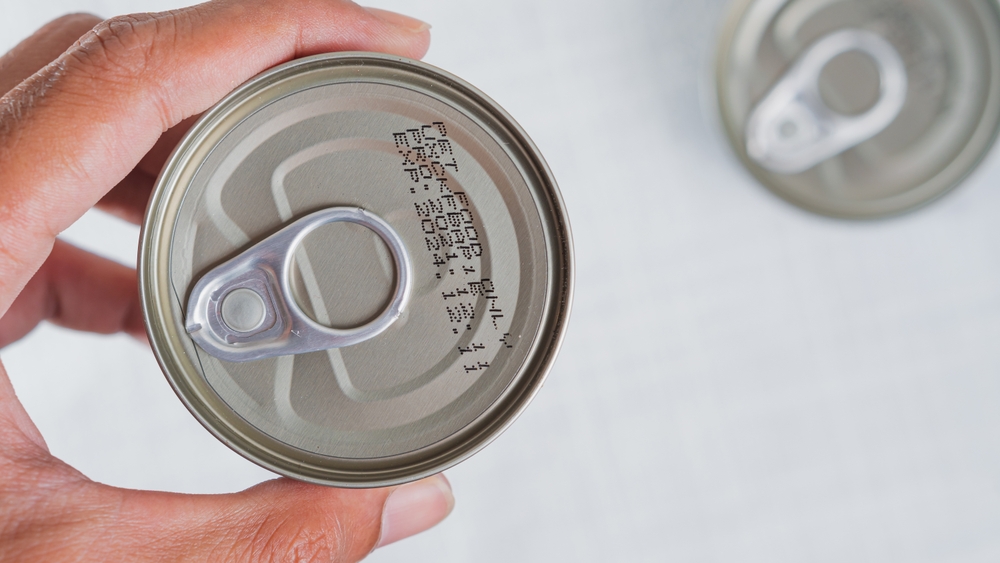
Canned goods, such as beans, vegetables, and soups, are often bought in excess due to their long shelf life and convenience. However, these items can easily pile up in the pantry and go unused for months. The key to avoiding waste with canned goods is to buy only what you will realistically use in the next few months. One way to ensure that your canned goods don’t go to waste is to regularly rotate your pantry and keep track of what you already have.
You can also make use of older canned items by planning meals around them. For example, use canned beans for a chili or soup, or incorporate canned vegetables into stews or casseroles. This not only reduces waste but also helps you save money by using what you already have at home. Consider donating any canned goods that you don’t need or will not use, helping both your pantry and your community.
Condiments and Sauces
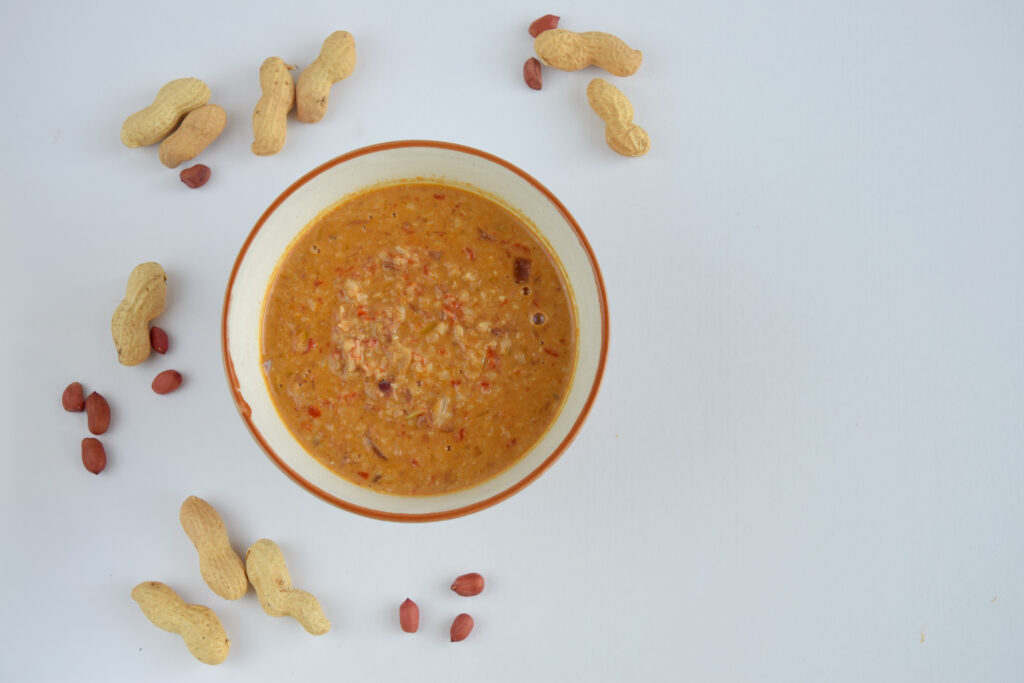
Condiments and sauces are common grocery items that are often overbought, especially when they’re on sale or you’re trying to try new flavors. However, many of these items end up sitting unused in the fridge for months, only to be tossed out when they’re no longer good. A good way to avoid overbuying condiments is to keep track of what you already have and use them regularly. Buying smaller bottles or containers can also help prevent excess.
When you open a new bottle of ketchup, mustard, or sauce, try to finish it before purchasing another one. Consider using sauces and dressings as marinades for meats or as toppings for salads and vegetables. If a bottle of sauce or dressing is nearing its expiration date and you haven’t used it all, find ways to incorporate it into your cooking. This way, your condiments and sauces don’t go to waste, and you’ll make the most of what you have.
Snacks and Chips
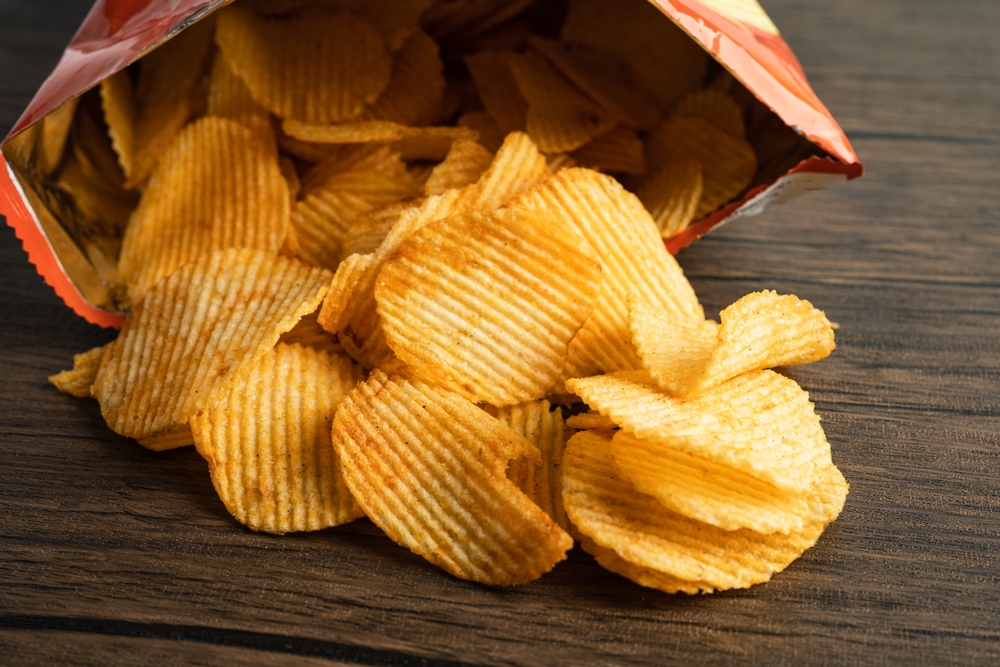
It’s easy to overbuy snacks and chips, especially when they’re on sale or when you’re stocking up for an event. However, these items often get opened but never finished, leading to stale bags and wasted food. To avoid waste, buy snacks in smaller packages or portion out individual servings to prevent overeating and ensure the snacks are consumed quickly. This will help you avoid stocking up on too much at once.
To keep snacks fresh for longer, store them in airtight containers after opening. You can also try healthier alternatives, such as homemade popcorn or baked chips, which you can control in terms of portions. If you have leftover chips or crackers that are getting stale, try adding them to soups or casseroles to prevent waste. Being mindful of how much you buy and keeping snacks sealed will help reduce waste and keep your pantry organized.
Frozen Foods
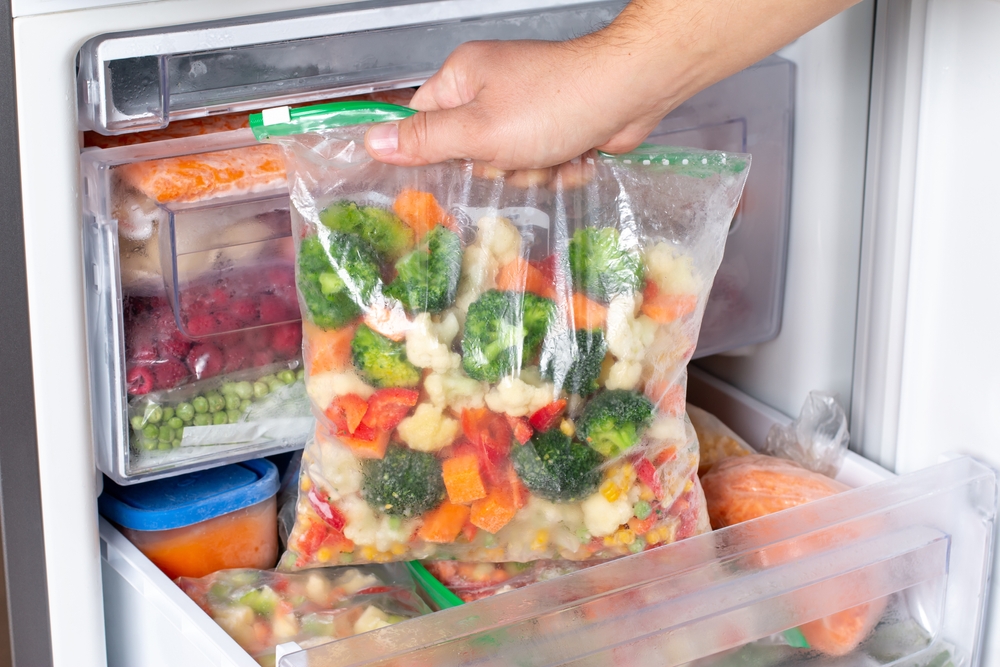
Frozen foods are convenient, but they’re often overbought in bulk, with the assumption that they will last forever. While frozen meals, vegetables, and snacks can last a long time, they still have an expiration date, and overstocking the freezer can lead to forgotten items. To avoid waste, plan meals around what’s already in your freezer and try to use up older frozen items first.
When purchasing frozen foods, buy only what you will use within the next few months. Label your frozen items with dates to keep track of how long they’ve been stored. Freezing meals in smaller portions can also help you avoid defrosting too much at once, and you’ll only thaw what you need. This strategy ensures that you’re using your freezer efficiently and not wasting any food.
Pasta and Rice
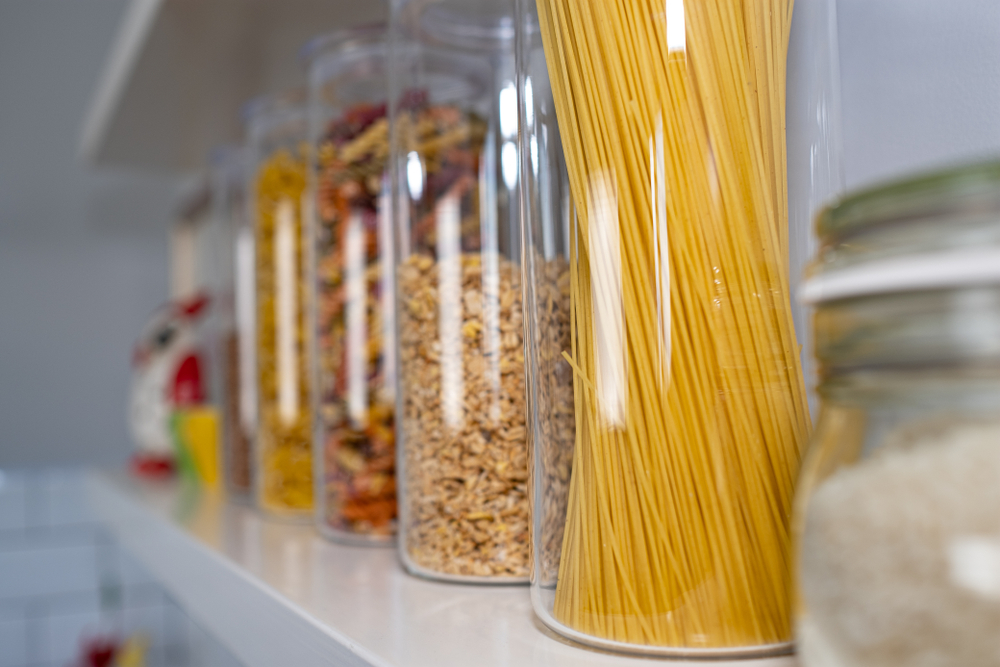
Pasta and rice are pantry staples that many people tend to overbuy, thinking they’ll use them in a variety of meals throughout the week. However, these items can take up valuable pantry space and often go unnoticed until they’ve reached their expiration date. To prevent overbuying, check your pantry before purchasing more, and only buy what you realistically need for the upcoming meals. You can always buy more when it runs out.
Another way to avoid wasting pasta and rice is by incorporating them into different dishes, such as soups, stir-fries, and casseroles. These ingredients are incredibly versatile, and you can easily use them up in a variety of meals. Additionally, storing pasta and rice in airtight containers can help maintain their freshness and prevent spoilage. By being mindful of portions and planning meals around what you already have, you can avoid wasting these pantry staples.
Spices and Seasonings
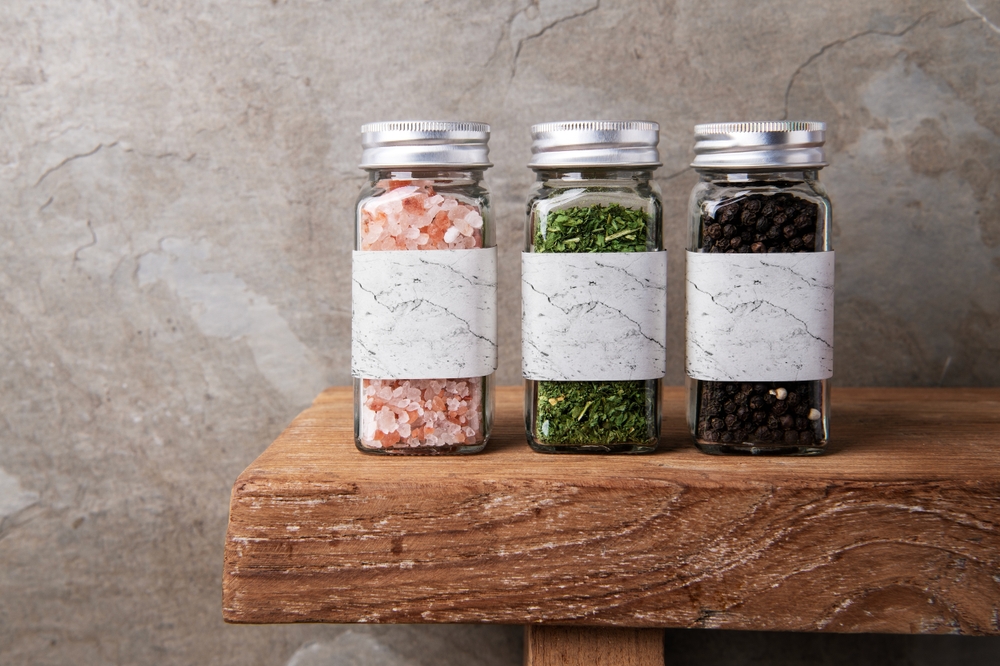
Spices and seasonings are essential for cooking, but they can easily be overbought, especially when they come in large containers or are bought on impulse. Over time, spices lose their potency, making them less effective in flavoring dishes, and often get pushed to the back of the spice cabinet and forgotten. To prevent this, buy smaller quantities of spices that you use most often, and avoid purchasing too many specialty items that you won’t use regularly. Consider investing in a spice rack with clear labels so you can easily see what you already have and avoid duplicates.
One strategy is to rotate your spices, using older ones first and replenishing as needed. If you have spices that are nearing their expiration date, try incorporating them into meals, soups, and marinades to use them up. You can also freeze herbs for longer shelf life, keeping them fresh for cooking. This way, your spices stay fresh, and you get the most out of the items in your pantry without having to throw anything away.
Salad Greens
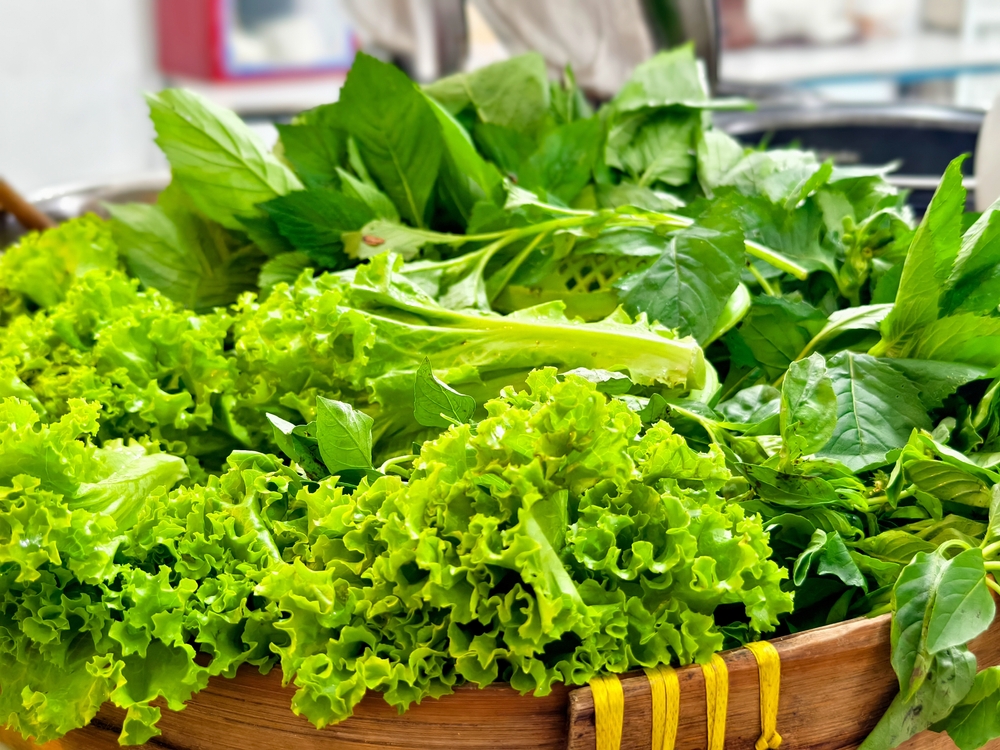
Salad greens like lettuce, spinach, and arugula are often overbought due to their popularity in healthy meals. Unfortunately, they have a short shelf life and can wilt or go bad quickly, resulting in wasted food. To prevent overbuying, consider purchasing pre-washed greens in smaller bags, or buy only what you’ll use within a couple of days. If you enjoy leafy greens but don’t want to buy them so frequently, consider growing your own in containers or small garden beds for a fresh supply that’s always available.
Another strategy is to use salad greens in different dishes such as wraps, smoothies, and stir-fries. You can also freeze certain types of leafy greens for use in soups, casseroles, or smoothies. If your greens are starting to wilt, try making a quick salad or blending them into a smoothie before they go to waste. With careful planning, you can enjoy fresh salad greens without worrying about wasting them.
Packaged Meals
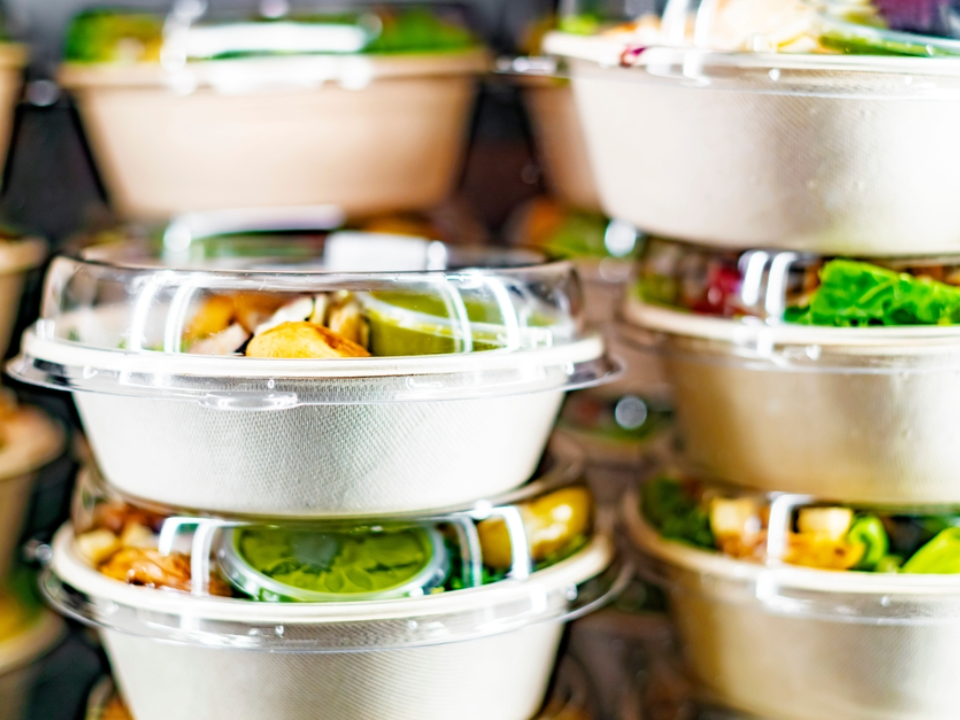
Ready-to-eat or packaged meals are convenient, but they often get overbought, thinking they’ll come in handy on busy days. These meals can sit in the fridge or pantry, forgotten, and end up being thrown out because they passed their expiration date. To avoid this, buy packaged meals in moderation and only when you know they’ll be used within the week. When you do purchase pre-packaged meals, try to incorporate them into your meal plan so they don’t stay in your fridge for too long.
If you have excess packaged meals that aren’t getting used, consider donating them to a local food bank or shelter. You can also use leftovers from these meals as ingredients for homemade dishes, like adding extra vegetables to canned soups or using rotisserie chicken in salads or sandwiches. This approach helps you make use of what’s already in your pantry, avoiding waste and saving money.
Ice Cream
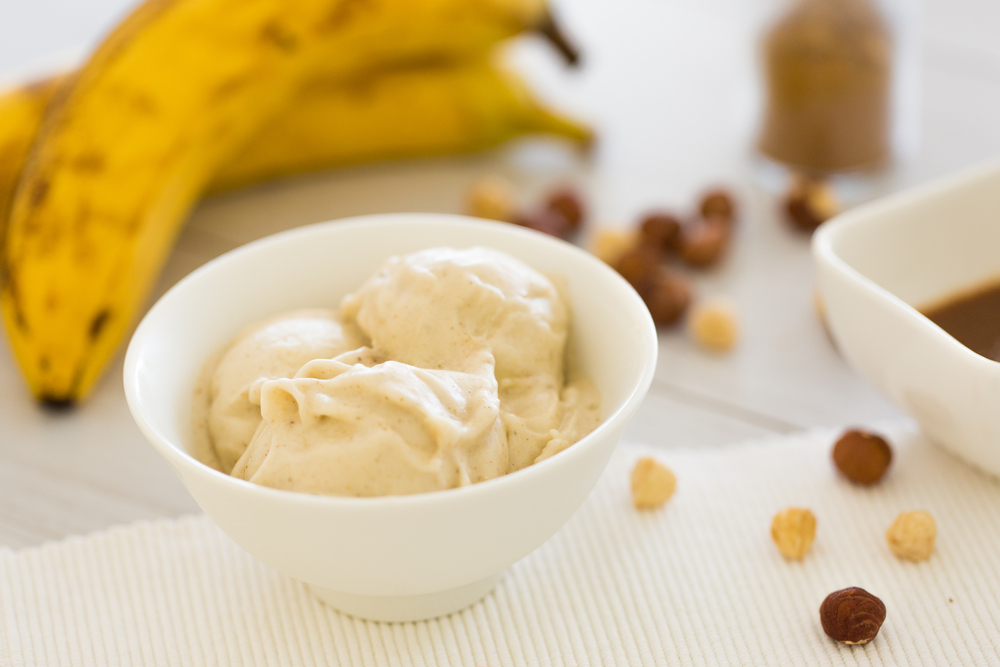
Ice cream is a beloved treat, but it’s easy to overbuy, especially when there’s a sale or you’re craving something sweet. Ice cream can sit in the freezer for months, and often gets forgotten until it’s too late to enjoy it before it’s freezer-burned. To prevent wasting ice cream, buy smaller containers, or only purchase it when you’re certain you’ll finish it within the next few weeks. If you do buy in bulk, make sure to store it properly in an airtight container to extend its shelf life.
If you have leftover ice cream that’s beginning to lose its freshness, try using it in milkshakes, sundaes, or homemade ice cream sandwiches. You can even mix it into baking recipes like cookies or brownies for added flavor. By getting creative with your leftover ice cream, you can ensure it gets used before it’s too late. This way, you can enjoy your favorite treat without letting it go to waste.
Wine and Alcohol
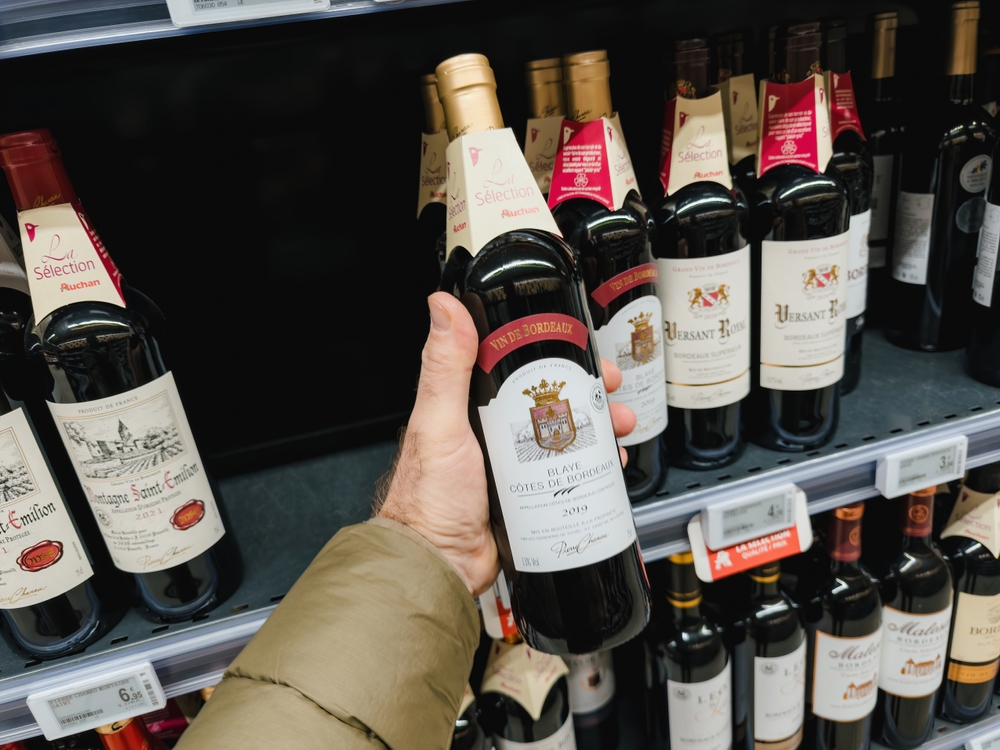
Buying wine and alcohol is easy, especially when stocking up for gatherings or celebrations. However, many people end up overbuying, leaving bottles that may never get opened and eventually go to waste. To avoid this, only buy wine and spirits that you know you’ll drink in the near future. If you want to stock up, consider buying smaller bottles or purchasing wine in bulk that you’ll consume within the next few months.
When storing wine, keep it in a cool, dark place to maintain its flavor. If you have unopened bottles that you know won’t be used soon, consider giving them as gifts or serving them at your next gathering. For alcohol, opt for smaller bottles or spirits you’re sure to use within the year. By keeping your stock in check, you can avoid waste while still enjoying your favorite drinks.
This article originally appeared on Avocadu.