
15 Game Shows You Can Watch Anytime and Still Get Into
Some shows are easy to jump into, even if you missed whole seasons. These game shows explain the rules fast and let you play along from the couch. Here are picks that fit a weeknight, a weekend, or any time you want something light and fun.
This post may contain affiliate links, which helps keep this content free. Please read our disclosure for more info.
Jeopardy!
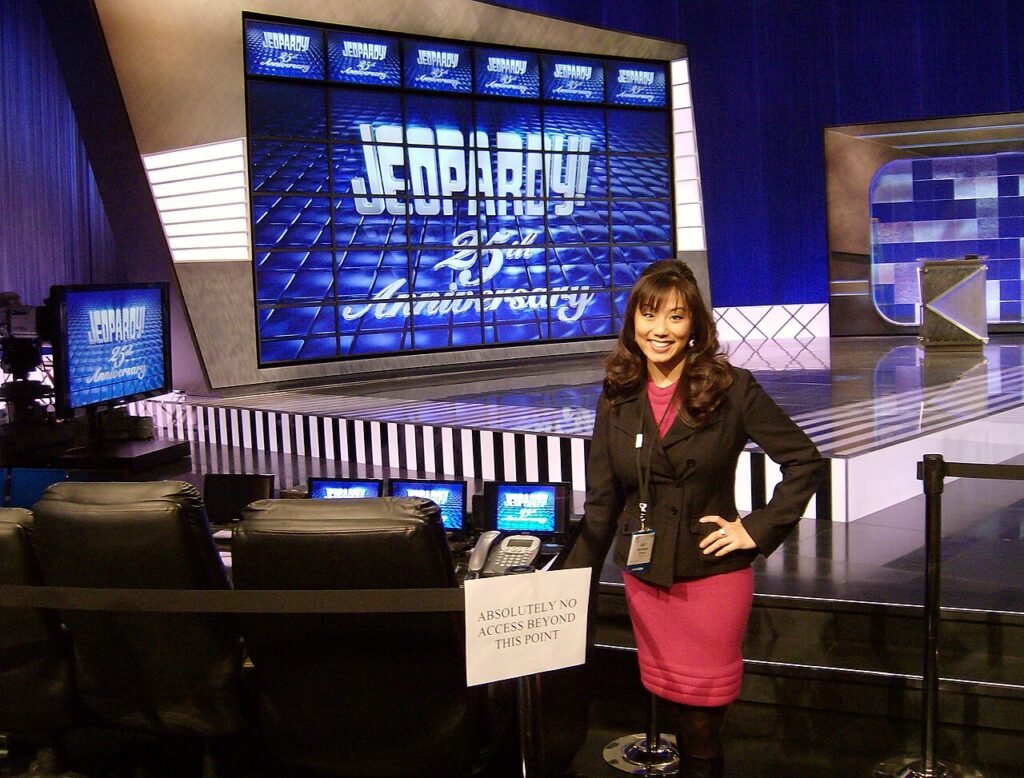
Jeopardy! is the one where knowing a little bit about everything actually pays off, and the clue-and-response style makes it feel like you are playing along even from the couch. The board jumps from pop culture to history to science fast, so it keeps everyone in the room paying attention. It is also fun to guess before the contestants ring in, then laugh when your “confident” answer was way off. Daily Double moments add that extra jolt because one big wager can flip the whole game.
If you watch with kids, it turns into a sneaky trivia lesson that does not feel like homework, especially when categories line up with what they just learned in school. You can pause and let everyone shout answers, then unpause and see who was closest. Even adults get pulled in because the difficulty ramps up quickly, but it never feels unfair. Final Jeopardy is the perfect finish since the quiet thinking time makes the room go weirdly competitive.
Wheel of Fortune
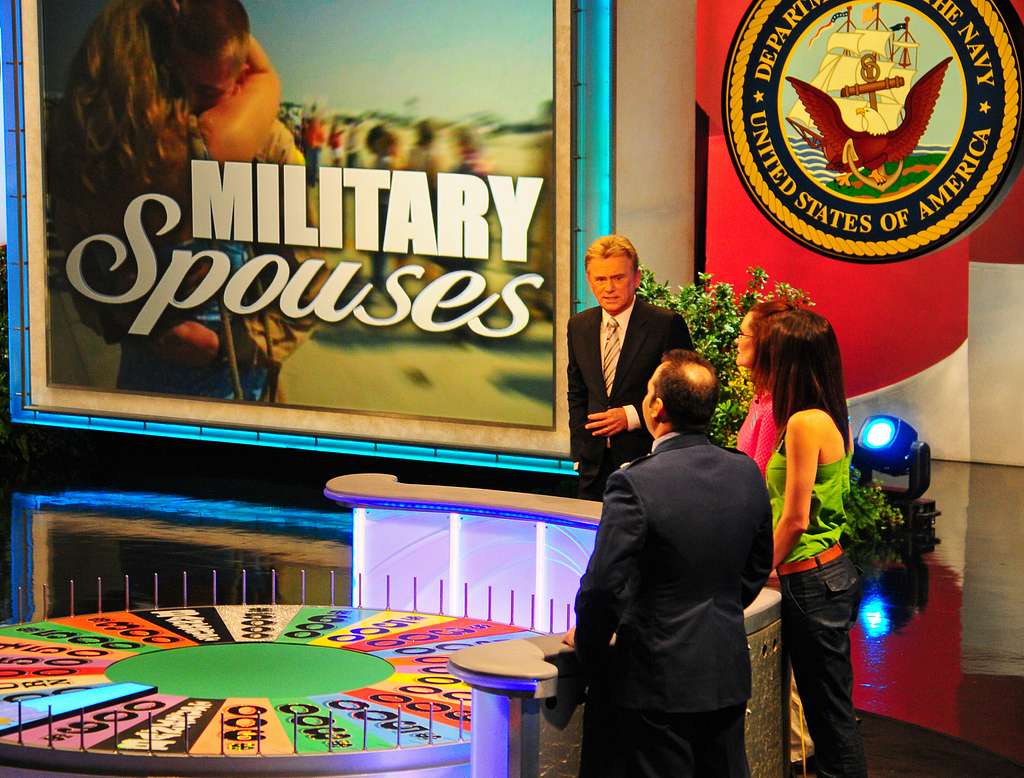
Wheel of Fortune is simple in the best way, since it is basically a word puzzle with a big spinning wheel and instant stakes. You see the letters, you feel like you should solve it, and suddenly you are yelling at the screen to buy a vowel. The prizes and the wheel wedges make every spin feel like something could go right or very wrong in two seconds. It is also easy to watch casually because you can miss a minute and still jump right back in.
At home, it works like a low pressure group game because everyone can toss out guesses without needing any special knowledge. The puzzles are usually friendly enough for mixed ages, so kids can grab the obvious letters while adults handle the longer phrase. There is a cozy rhythm to it that makes it perfect for dinner cleanup time. When someone nails the whole puzzle in one shot, it feels satisfying in a way that never gets old.
The Price Is Right
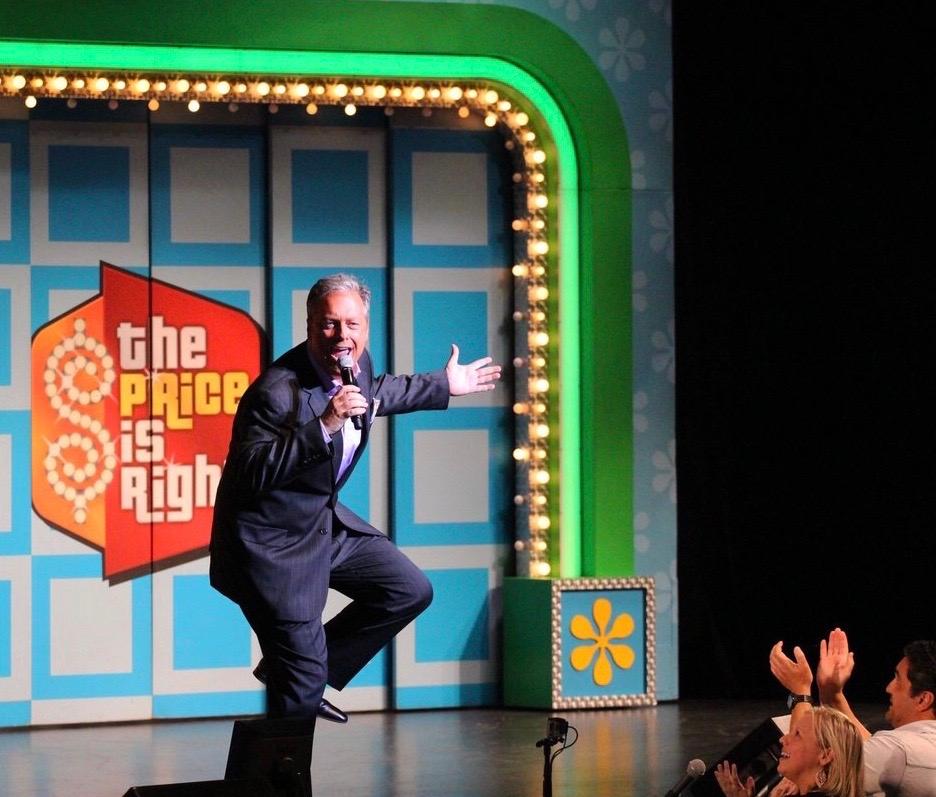
The Price Is Right feels like a party disguised as a game show, with all the cheering, bright set pieces, and contestants who look like they cannot believe they got picked. The whole point is guessing prices, so it is instantly relatable because everyone has an opinion about what something “should” cost. The games themselves are quick and varied, which keeps the pace moving and the reactions big. And yes, spinning that giant wheel looks fun every single time.
What makes it so watchable is how you start thinking like a bargain hunter without trying, especially when the prices surprise you. Families can play along by guessing out loud, and the range of products makes it feel like a weird trip through a department store. Some games reward careful thinking, while others are pure chaos, and that mix is the charm. When someone wins a car, it feels like the whole studio just won it too.
Family Feud
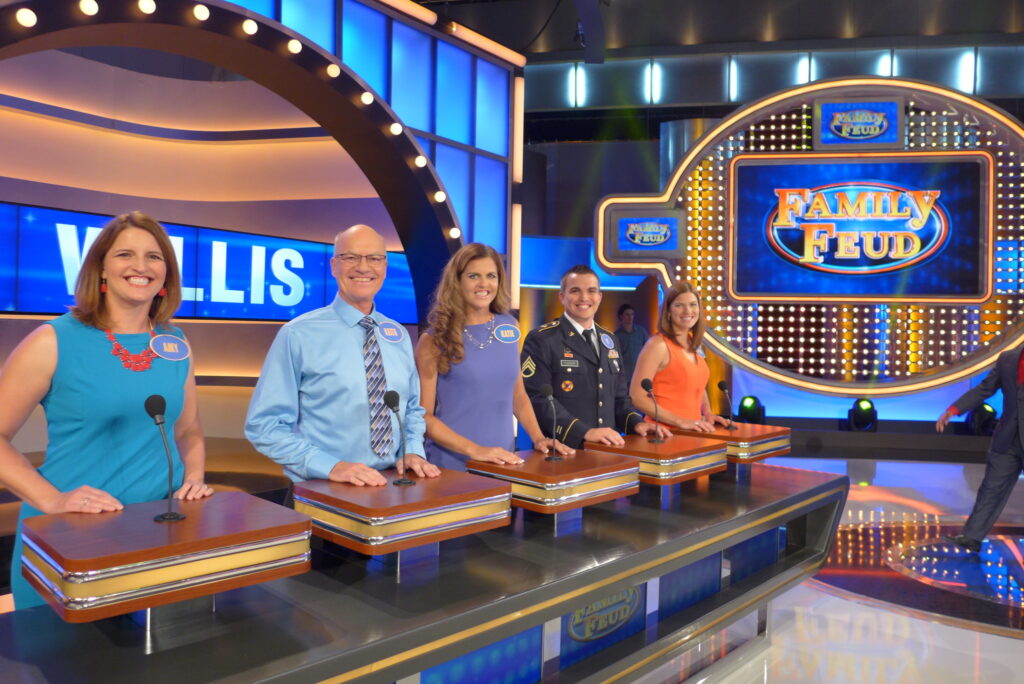
Family Feud is basically a social experiment where you find out what people say under pressure, and the results are often hilarious. The questions are simple on paper, but the answers get weird fast once the timer is running. Watching someone blurt out a wild guess and then seeing it actually on the board is part of the fun. The face off at the start sets the tone immediately, so it never drags.
It is also one of the easiest shows to turn into a living room game, since everyone can argue about what “most people” would say. Kids love it because the format is clear and the buzzer moments are exciting, while adults enjoy the constant little surprises. The fast money round adds a nice final sprint, and it always feels tense even when you think you know the top answers. Win or lose, the energy stays upbeat, which makes it a comfort watch.
The $100,000 Pyramid
The $100,000 Pyramid is all about quick thinking and teamwork, and it is amazing how hard it gets when you have to describe something without rambling. The categories sound easy until you are on the spot trying to give clues that are clear but not too obvious. You can feel the pressure rise as the seconds tick down, especially when the team is one good clue away from a sweep. That pyramid climb at the end gives it a real finish line feeling.
Watching it at home turns into a game of “how would I say that,” and you start judging your own clue giving skills pretty fast. It is also fun because the partners have to sync up, so you see little moments of panic and then sudden clarity. The best rounds feel like a perfect rhythm, where every clue lands and the guesses snap back instantly. When it falls apart, it is still entertaining because the fumbles are so relatable.
Let’s Make a Deal
Let’s Make a Deal is pure impulse in game show form, with contestants choosing between what they have and what might be behind a door or inside a box. The costumes and crowd energy make it feel like a carnival, and that vibe never really lets up. Deals can go from exciting to heartbreaking in seconds, which is why you cannot help watching the reveals. It is less about strategy and more about gut feelings, and that keeps it unpredictable.
At home, you end up picking your own door and sticking with it, even when the smart choice is obviously the other one. Kids usually love the visual silliness, while adults get invested in the little risk calculations. The host banter and quick pacing keep it light, even when someone “wins” something ridiculous. It is a good show when you want something bright and low stress but still suspenseful.
The Chase
The Chase has that fun setup where regular people go up against a trivia monster, and it feels like watching a heist movie made of questions. The team builds money together, then has to decide if they want to play it safe or risk more for a bigger payout. When the chaser starts answering at full speed, it gets intense fast. Even if you are good at trivia, the pressure makes you realize how hard it is to stay calm and accurate.
What makes it extra satisfying is the mix of teamwork and individual moments, because one player can save the group or accidentally put them in a hole. You can play along at home, but you also get caught up in the timing and the chase board drama. The final chase is the best part since it turns into a sprint where every correct answer feels like a win for the whole room. It is smart, tense, and still easy to follow.
Deal or No Deal
Deal or No Deal is basically suspense stretched into a full episode, and it works because you always feel like you would make a different choice than the person holding the case. Opening cases is simple, yet every reveal hits like a tiny plot twist, especially when a huge amount gets knocked out early. The banker offers add a layer of mind games, since you start wondering if the deal is fair or a trap. It is a show where the audience becomes a chorus of opinions instantly.
At home, you end up doing your own math, then ignoring it the second your emotions take over, which is exactly what happens to contestants too. The best episodes are the ones with big swings, where the player looks doomed and suddenly gets a lucky run. Families can watch together because the rules are easy, and the tension is clean and not mean. No matter what, that final case reveal always lands.
Press Your Luck
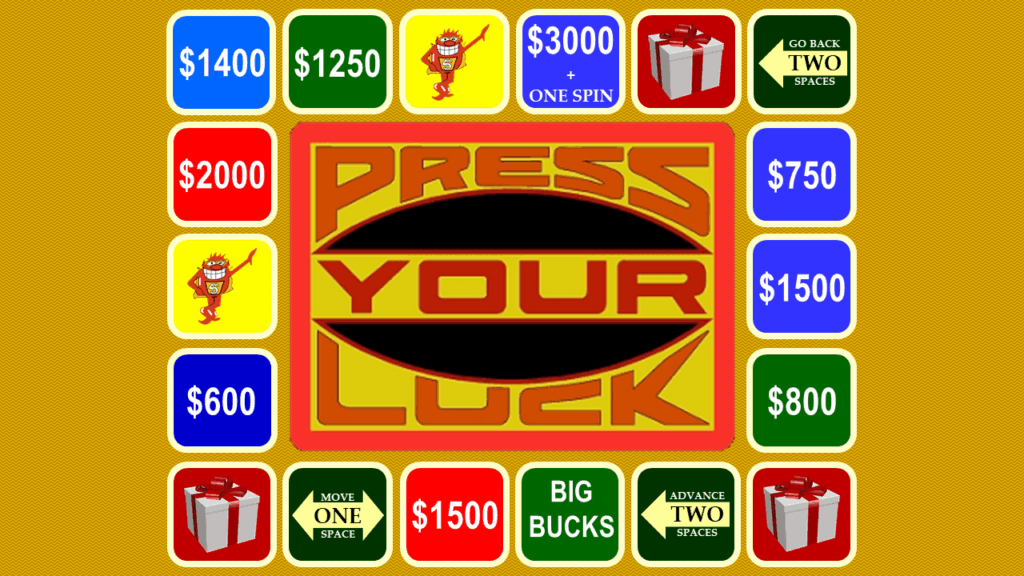
Press Your Luck is the rare game show where you are cheering for someone to take a risk while also begging them to stop immediately. The board is loud, the prizes jump around, and the dreaded Whammy keeps everything on edge. Watching contestants try to time the board feels like a mix of skill and chaos, which makes every spin exciting. When someone hits a Whammy at the worst possible moment, it is painful but also kind of legendary.
It is easy to play along by shouting where the big money is, even though you have no control at all, which is part of the joke. Kids usually get a kick out of the animated Whammy, while adults love the strategy of when to pass spins to an opponent. The pacing stays fast because the board does most of the talking, and the tension builds naturally. Few shows capture that “one more try” feeling so well.
Supermarket Sweep

Supermarket Sweep is like turning grocery shopping into a sport, and the idea is ridiculous enough to be perfect. The timed dashes through aisles make it feel frantic, especially when contestants start grabbing giant items and trying not to crash their cart. Even the trivia parts lead into the run, so it never feels like two separate shows glued together. The real fun is watching people make choices in the moment, like whether to go for expensive meat or load up on bonus items.
At home, you start yelling “turkeys” and “detergent” like you suddenly have strong opinions about supermarket strategy. It is a great family watch because the visuals are clear, the rules are simple, and the chaos is mostly harmless. Kids love the speed and silly grabbing, while adults enjoy the weirdly practical side of it. When the totals are revealed, it is always surprising how much a cart can be worth.
Who Wants to Be a Millionaire?

Who Wants to Be a Millionaire? has that dramatic vibe where each question feels like a big step, and the music makes even an easy answer sound important. The multiple choice format is friendly, but the difficulty ramps up in a way that makes you second guess yourself. Lifelines add a nice safety net, yet you still feel the tension when a contestant considers using one too early. It is a slower paced show, but the suspense keeps it moving.
Watching it casually turns into a debate about logic and probabilities, especially when you try to eliminate wrong answers out loud. Families can play along because the early questions are approachable, and it is fun to see who in the room actually knows random facts. The best moments are when someone talks through their reasoning and you can hear their confidence wobble. When a big answer locks in, it feels like a real event.
Are You Smarter Than a 5th Grader?
Are You Smarter Than a 5th Grader? is funny because it flips the usual setup, and suddenly adults are sweating over things kids learned in elementary school. The questions sound basic until you realize you have not thought about that topic in years. Having real kids on the show makes it charming, since they often seem calm while the adults spiral. It is a mix of trivia and light embarrassment, and it leans into that in a playful way.
It’s a great family watch because kids get to feel like the experts for once, and adults can laugh at themselves without it being harsh. The “I’m smarter” moment is always satisfying, but the misses are honestly the best part. It also sparks little conversations, like someone explaining how they remember a rule or a fact. You finish an episode feeling entertained and slightly humbled.
Cash Cab

Cash Cab is basically trivia meets surprise taxi ride, and the setup is what makes it so fun right away. People get in thinking they are just going somewhere, then suddenly they are on a game show with a running meter and questions flying at them. The street setting keeps it casual, and you get to see real reactions instead of polished studio energy. It feels like a quick snapshot of city life mixed with a quiz.
Watching it is easy because the questions come fast, and you are always curious if the riders will take the money or get kicked out. The “shout it out” vibe makes it feel like something you could stumble into yourself, which is part of the charm. Families can play along in short bursts, since each ride is its own little story. When someone wins, it feels extra satisfying because it came out of nowhere.
Minute to Win It
Minute to Win It is all about simple challenges that look easy until you try them, and that is why it is so entertaining. Everyday objects turn into obstacles, and the one minute timer makes everything more frantic than it should be. You can usually understand the goal instantly, so it is a great “jump in anytime” show. The best part is watching someone almost get it, then lose control right at the last second.
At home, it makes you want to set up your own mini version, especially because the challenges are usually relatable and goofy. Kids love the physical comedy, while adults appreciate how much focus it actually takes. The quick pace keeps it light, and you never have to wait long for a payoff. When someone finally nails a hard challenge, it feels weirdly triumphant.
Wipeout

Wipeout is the definition of slapstick competition, with big foam obstacles, water splashes, and people getting launched in ways that look cartoonish. The course is the star, and the contestants are basically brave volunteers who know they are about to fall a lot. Watching someone attempt an obstacle with full confidence and then immediately wipe out is the whole joke. It is energetic, silly, and impossible to take too seriously.
It’s a great group watch because everyone reacts at the same time, usually with a mix of laughter and sympathy. Kids tend to love it because it is physical and exaggerated, while adults can enjoy it as pure stress relief television. Even when you know what is coming, the timing and the unexpected slips keep it funny. By the end, you’re impressed that anyone finishes at all.
This article originally appeared on Avocadu.