
14 Fruits With More Fiber Than You Might Expect
Fruits are often seen as a source of natural sweetness, but they can also be packed with fiber. Many fruits offer more fiber than you might think, helping support digestion and overall health. Incorporating these fiber-rich options into your diet can make a big difference in your daily nutrition.
This post may contain affiliate links, which helps keep this content free. Please read our disclosure for more info.
Pears
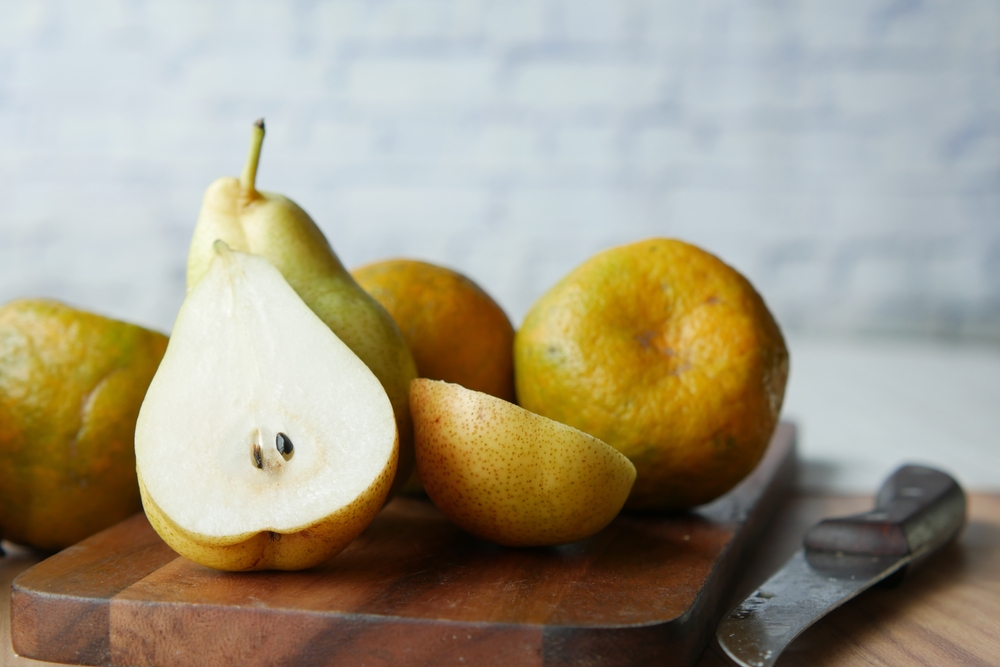
Pears are one of the best sources of fiber, with a medium-sized pear containing around 5-6 grams. They also provide vitamin C, potassium, and antioxidants that contribute to immune health, heart function, and digestive support. Pears are versatile in the kitchen, whether eaten fresh, baked, or used in salads. For a healthier dessert option, try baked pears drizzled with honey and cinnamon.
For this dessert, preheat the oven to 375 degrees Fahrenheit. Slice 4 pears in half and remove the cores. Place them in a baking dish and drizzle with 2 tablespoons of honey and sprinkle with 1 teaspoon of cinnamon. Bake for 25-30 minutes until tender and serve warm as a simple, nutritious dessert.
Apples
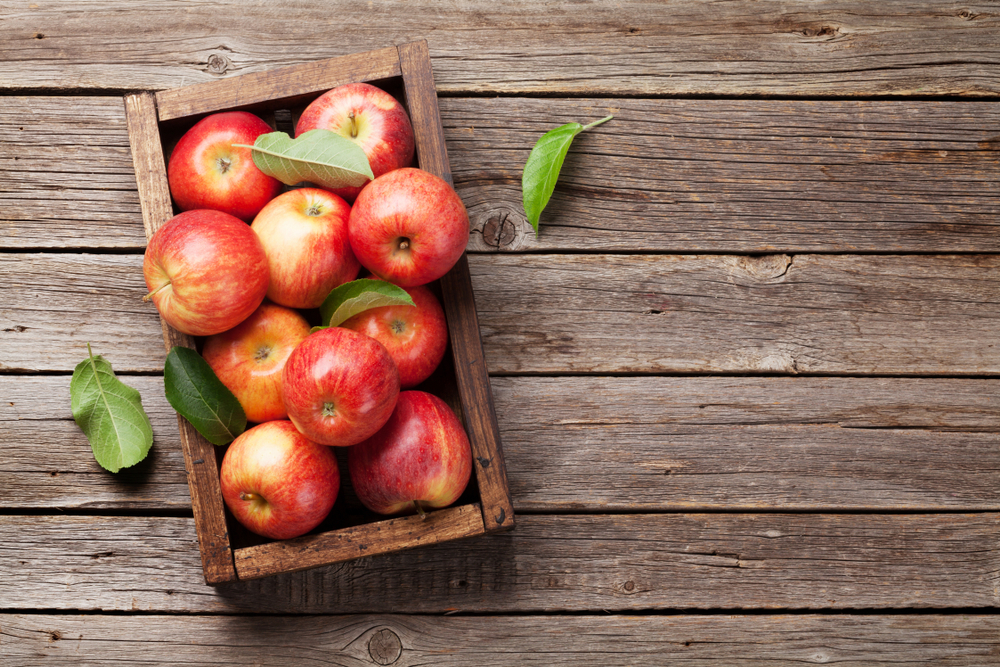
An apple a day truly can keep the doctor away. One medium apple contains about 4 grams of fiber, along with vitamin C and potassium. Apples are an easy snack option, but they can also be used in various baked goods and savory dishes. A great way to enjoy apples is by making baked apple slices stuffed with oats, walnuts, and cinnamon for a warm and healthy dessert.
To make baked apple slices, preheat your oven to 350 degrees Fahrenheit. Core 4 apples and stuff each with ½ cup of oats, one-fourth cup of chopped walnuts, 1 tablespoon of cinnamon, and a drizzle of honey. Place the apples in a baking dish and bake for 20-25 minutes until tender. Serve warm with a dollop of Greek yogurt for a delicious and fiber-rich dessert.
Raspberries
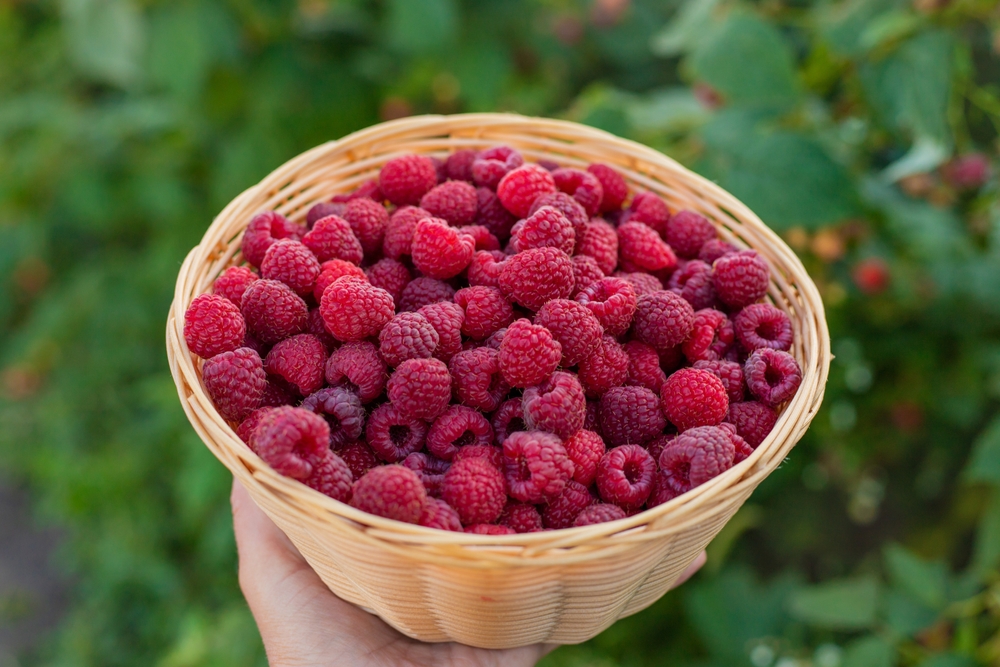
Raspberries are a powerhouse of fiber, offering 8 grams of fiber per cup. Aside from fiber, they are also packed with vitamin C, manganese, and antioxidants, supporting immunity and reducing inflammation. Raspberries can be added to smoothies, parfaits, or baked into desserts. One way to enjoy them is by making a refreshing raspberry chia pudding that’s both nutrient-rich and satisfying.
Blend 2 cups of raspberries, 1 tablespoon of honey, and 1 tablespoon of lemon juice until smooth. In a bowl, combine the raspberry puree with 2 tablespoons of chia seeds and 1 cup of almond milk. Stir well and refrigerate for at least 2 hours or overnight. Once set, stir again and serve topped with fresh raspberries for a creamy, fiber-filled treat.
Avocados
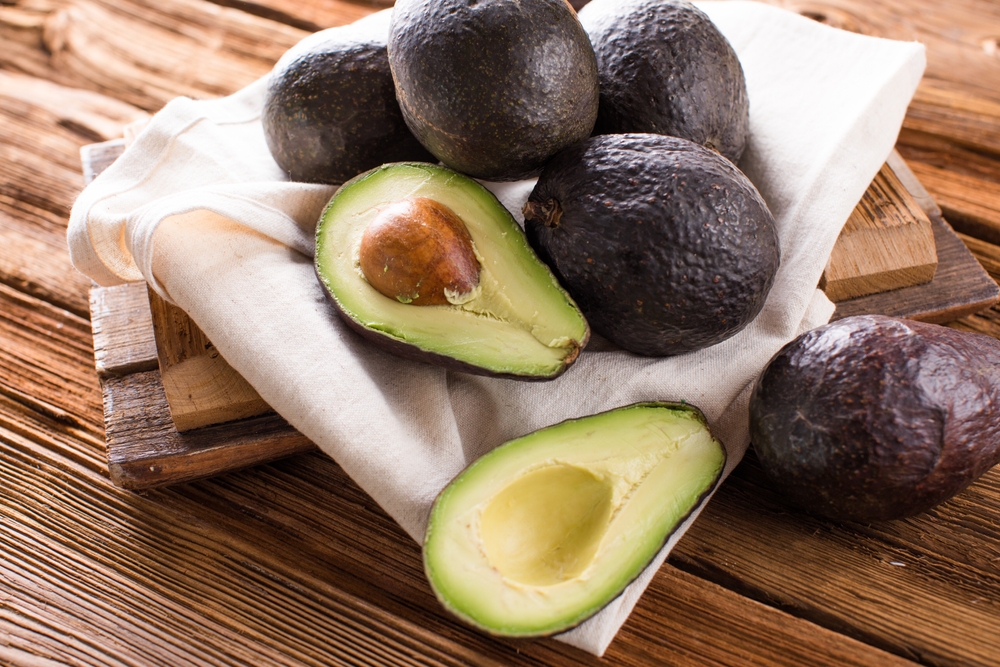
Avocados are not only rich in healthy fats but also offer about 10 grams of fiber per medium-sized fruit. They are packed with monounsaturated fats, potassium, folate, and antioxidants, making them excellent for heart health and overall wellness. Avocados can be used in savory dishes, spread on toast, or turned into smoothies and desserts. A delicious, healthy dessert option is an avocado chocolate mousse that’s both creamy and fiber-rich.
To make this dessert, blend 2 ripe avocados with one-fourth cup of cocoa powder, 2 tablespoons of honey, and 1 teaspoon of vanilla extract until smooth. Chill the mixture in the fridge for 30 minutes. Once chilled, serve topped with cocoa nibs or a drizzle of honey for a rich and satisfying dessert.
Bananas

Bananas are a great source of fiber, with one medium banana containing about 3 grams. They are also rich in vitamin C, vitamin B6, and potassium, supporting energy levels and heart health. Bananas are perfect for snacking, added to smoothies, or baked into bread. A simple way to enjoy them is by making banana bread using whole wheat flour for added fiber.
Preheat your oven to 350 degrees Fahrenheit. In a bowl, mash 3 ripe bananas and mix with 1 cup of whole wheat flour, one-half cup of oats, one-fourth cup of honey, 1 teaspoon of baking powder, and a pinch of salt. Pour the mixture into a greased loaf pan and bake for 40-45 minutes until a toothpick comes out clean. Let cool before slicing and serving.
Blackberries
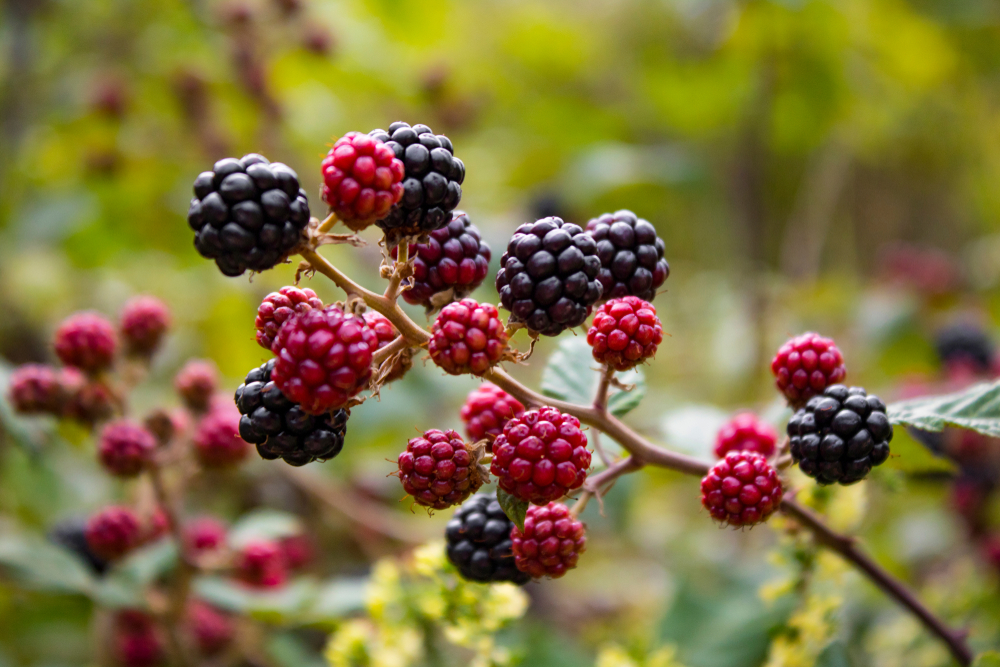
Blackberries are another high-fiber fruit, offering around 7-8 grams of fiber per cup. They are also packed with vitamin C, vitamin K, and antioxidants, which support immune health and protect against oxidative stress. Blackberries can be eaten fresh, added to fruit salads, or used in desserts. A healthy option is to make a light and creamy blackberry chia pudding for a fiber-packed snack or dessert.
In a bowl, mix 1 cup of blackberries, 1 tablespoon of chia seeds, 1 cup of almond milk, and 1 teaspoon of maple syrup. Stir well and refrigerate for at least 2 hours or overnight. Once set, stir again and serve topped with additional blackberries for a delicious dessert.
Oranges
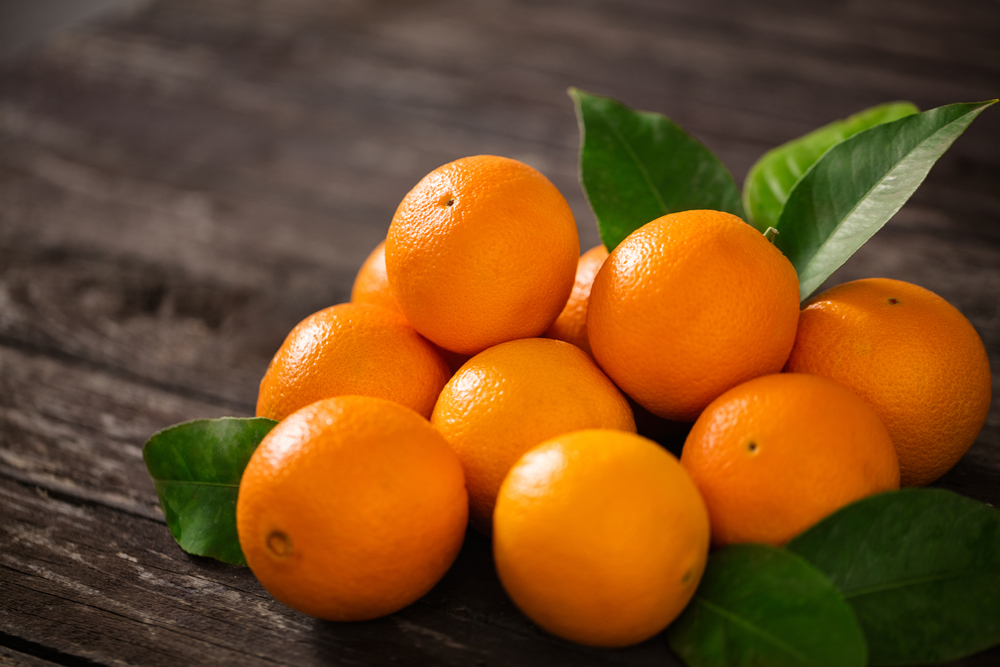
Oranges are not only a great source of vitamin C, but they also provide about 3 grams of fiber per medium-sized fruit. Along with fiber, they are high in potassium and antioxidants, which help with heart health and immune support. Oranges can be eaten on their own, added to salads, or turned into fresh juice. You can also make a simple and healthy citrus salad with oranges, honey, and mint.
Peel and segment 3 oranges, removing any seeds. Toss the segments with 1 tablespoon of honey, 1 tablespoon of fresh mint, and a pinch of salt. Chill for 10-15 minutes before serving for a refreshing, fiber-rich citrus salad.
Figs
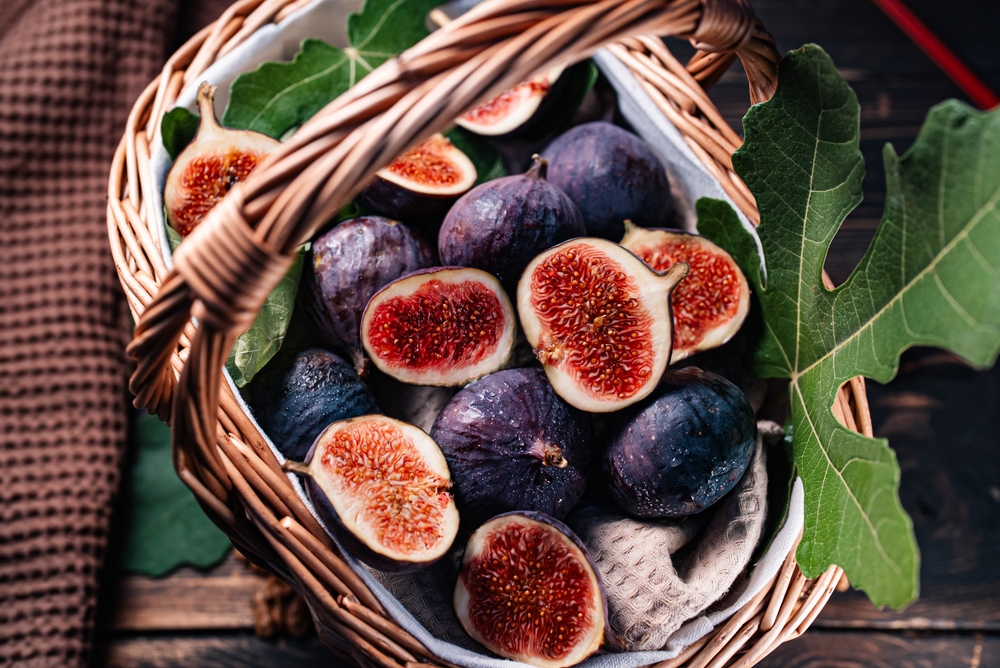
Figs are a great source of fiber, offering about 5 grams of fiber per medium-sized fruit. In addition to fiber, they are high in potassium, magnesium, and antioxidants, which help regulate blood pressure and support overall health. Figs can be eaten fresh, dried, or used in both savory and sweet dishes. You can make a simple fig and almond tart for a healthy, fiber-rich dessert.
To make fig and almond tart, preheat your oven to 375 degrees Fahrenheit. In a food processor, blend 1 ½ cups of almonds with 1 tablespoon of honey, 1 tablespoon of coconut flour, and a pinch of salt. Press the mixture into a tart pan, then arrange sliced figs on top. Bake for 20-25 minutes until the crust is golden, and the figs are tender.
Grapes
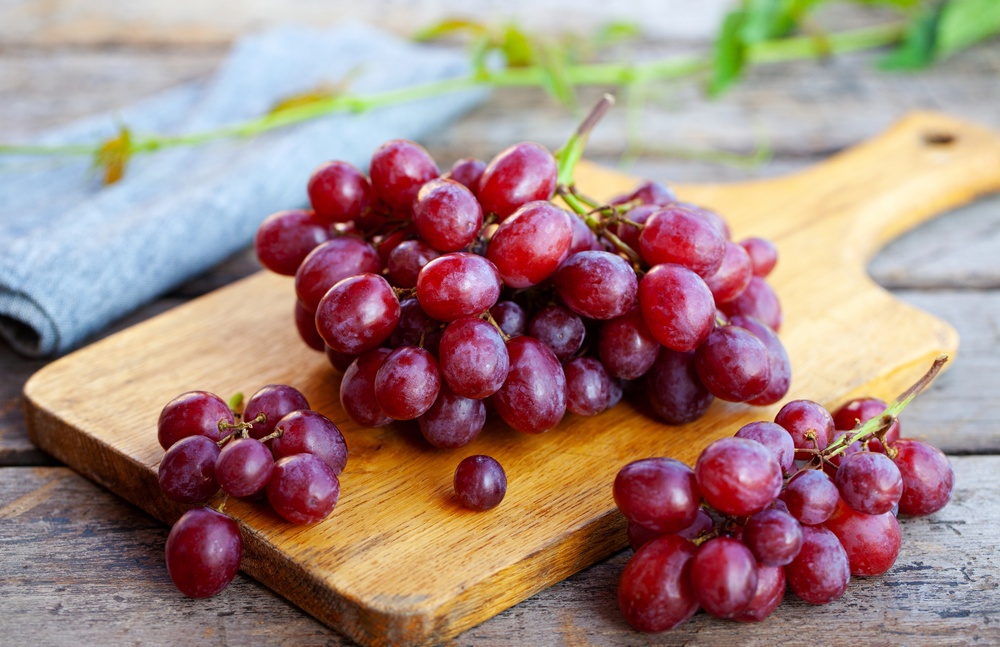
Grapes are a sweet and refreshing fruit, offering about 1 gram of fiber per 100 grams. Along with fiber, they are rich in vitamins C and K, antioxidants, and potassium, which help support heart health. Grapes can be eaten fresh, tossed into fruit salads, or used in baked goods. You can make a healthy grape and yogurt parfait with granola for a fiber-filled breakfast or snack.
In a bowl, layer 1 cup of fresh grapes, 1 cup of Greek yogurt, and 2 tablespoons of granola. Repeat the layers until the ingredients are used up. Top with a drizzle of honey and serve for a quick, fiber-rich breakfast or dessert.
Kiwi
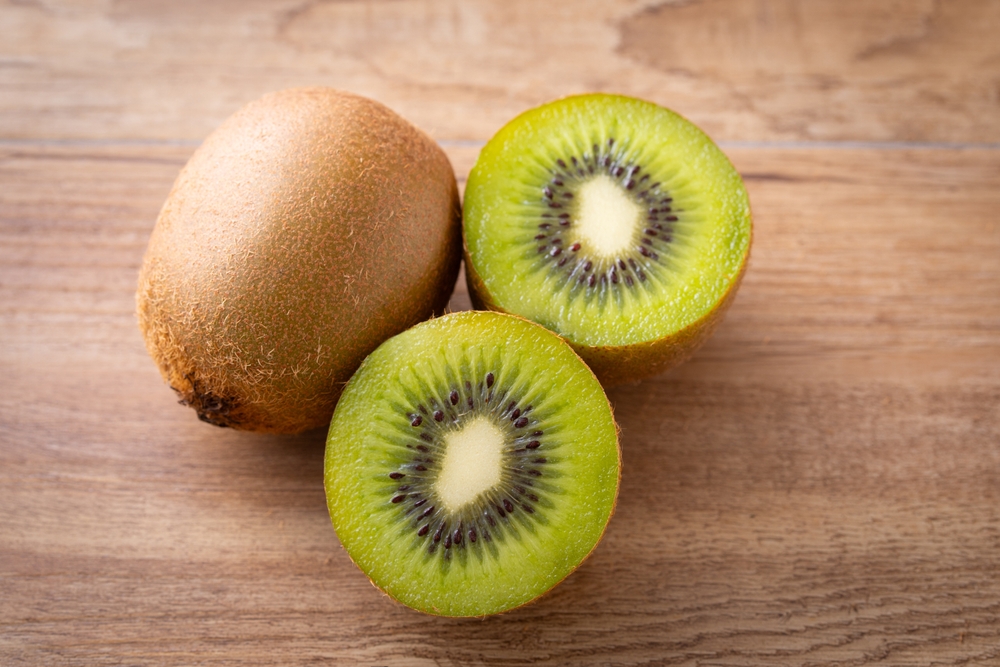
Kiwi is a surprisingly high-fiber fruit, with about 5 grams of fiber per medium-sized fruit. It is also an excellent source of vitamin C, vitamin K, and potassium, which support the immune system and overall health. Kiwi can be eaten on its own, added to fruit salads, or blended into smoothies. A delicious option is making a kiwi and coconut chia pudding for a creamy, healthy dessert.
Start by mixing 1 cup of almond milk, 2 tablespoons of chia seeds, 1 tablespoon of honey, and one-half cup of grated coconut. Stir well and refrigerate for at least 2 hours or overnight. When ready, top the pudding with sliced kiwis and serve for a refreshing dessert.
Mango
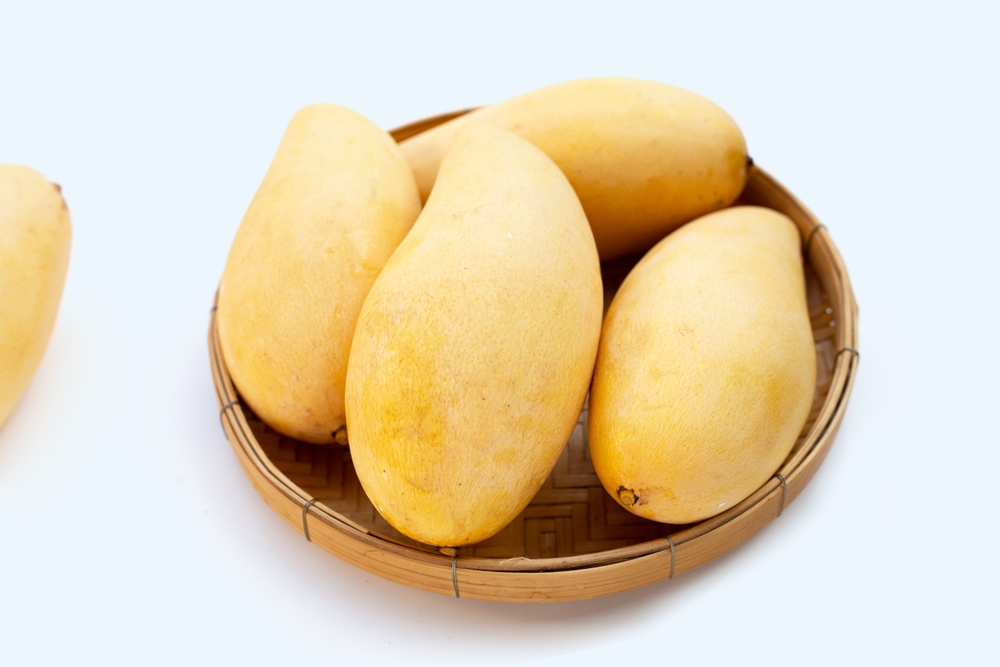
Mangoes are tropical fruits that offer about 3 grams of fiber per medium-sized fruit. They are also rich in vitamin A, vitamin C, and antioxidants, which promote skin health and boost the immune system. Mangoes can be eaten fresh, added to salads, or blended into smoothies. You can make a tropical fruit salad with mango and a zesty lime dressing for a refreshing, fiber-packed dish.
Peel and chop 2 ripe mangoes into cubes. Toss them with 1 cup of pineapple chunks, one-half cup of diced kiwi, and 1 tablespoon of lime juice. Mix gently and serve chilled for a refreshing, fiber-filled fruit salad.
Pomegranates
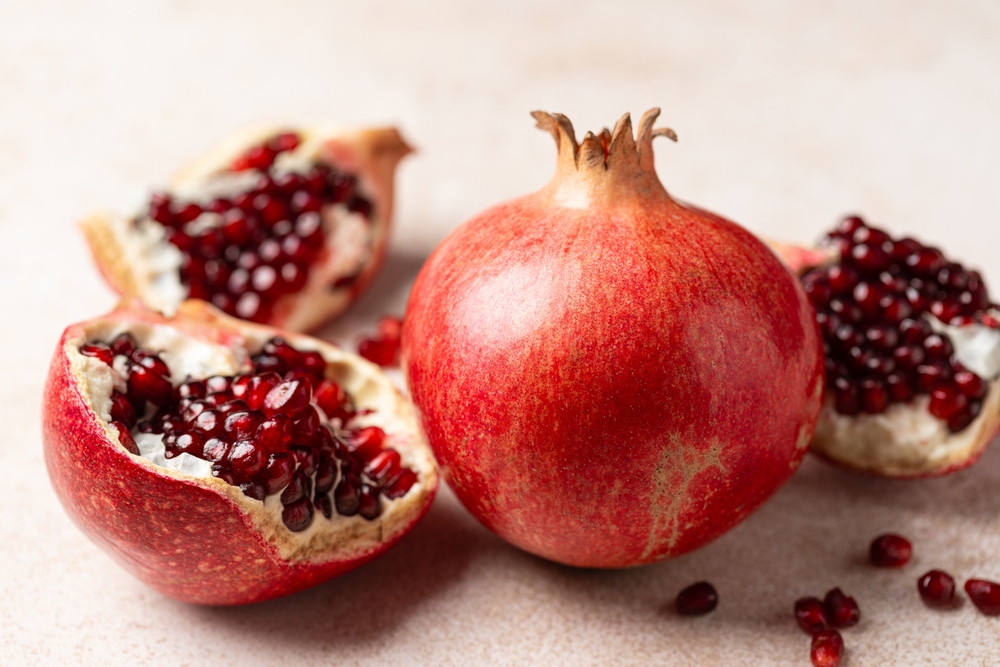
Pomegranates are not only rich in fiber, offering about 5 grams of fiber per half-cup of seeds, but they are also high in vitamin C, potassium, and antioxidants. These nutrients support heart health, reduce inflammation, and boost the immune system. Pomegranates are perfect for snacking, adding to salads, or turning into fresh juice. A great way to enjoy them is by making a refreshing pomegranate sorbet.
Blend 2 cups of pomegranate seeds, 1 tablespoon of honey, and 1 tablespoon of lemon juice until smooth. Pour the mixture into a shallow dish and freeze for 2-3 hours, stirring every 30 minutes. Once frozen, scoop and serve for a cooling, fiber-packed treat.
Strawberries
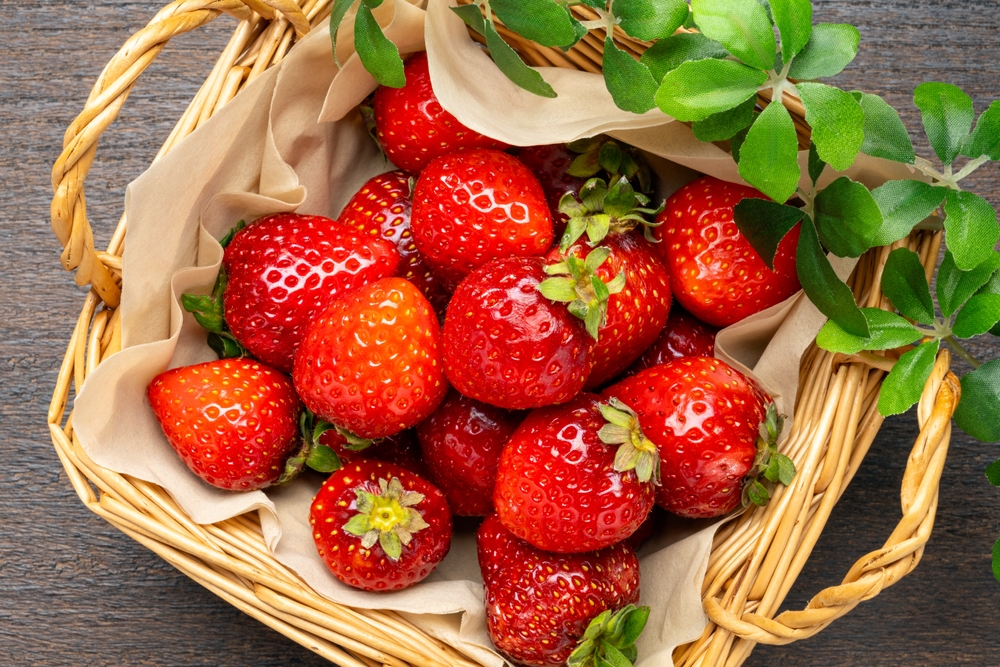
Strawberries are a low-calorie, high-fiber fruit, offering about 3 grams of fiber per cup. They are also rich in vitamin C, manganese, and antioxidants, which help protect the body from inflammation. Strawberries can be eaten fresh, used in desserts, or blended into smoothies. A quick and healthy way to enjoy them is by making a strawberry and banana smoothie.
Blend 1 cup of strawberries, 1 ripe banana, one-half cup of Greek yogurt, and one-half cup of almond milk until smooth. Add ice if you prefer a colder smoothie and blend again. Serve immediately for a nutrient-packed, fiber-filled drink.
Papaya
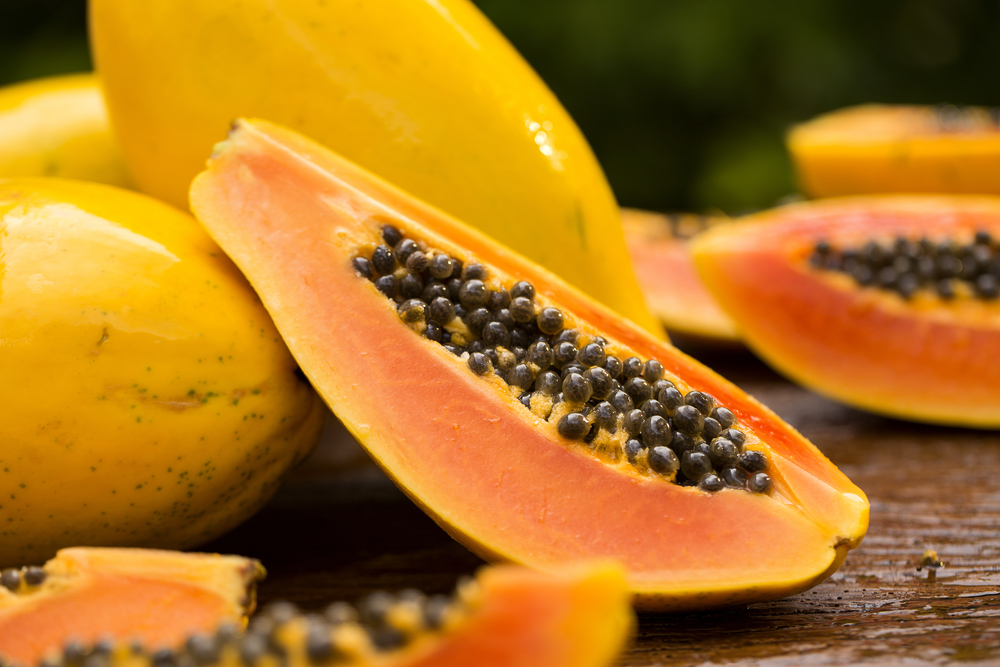
Papaya is a tropical fruit with about 2.5 grams of fiber per half-cup serving. It is also high in vitamin C, folate, and antioxidants, which support digestion and overall wellness. Papaya is perfect for snacking, added to fruit salads, or blended into smoothies. You can make a tropical papaya salsa that’s sweet and fiber-filled, ideal as a topping for grilled fish or chicken.
Dice 2 cups of papaya and mix with one-fourth cup of finely chopped red onion, one-fourth cup of chopped cilantro, and 1 tablespoon of lime juice. Stir well and serve immediately as a side dish or topping for grilled fish. This sweet and tangy salsa is a great way to incorporate fiber into your meals.
This article originally appeared on Avocadu.