
11 Fruits and Berries To Plant While the Ground Is Still Cool
Planting fruits and berries early in the season, while the ground is still cool, offers the perfect opportunity to establish strong root systems before the summer heat arrives. This early planting helps ensure that your plants grow healthy and resilient, leading to better yields throughout the growing season. Whether you’re looking to enjoy fresh strawberries, vibrant blueberries, or juicy raspberries, getting them in the ground while temperatures are mild gives them a head start for a bountiful harvest.
This post may contain affiliate links, which helps keep this content free. Please read our disclosure for more info.
Strawberries
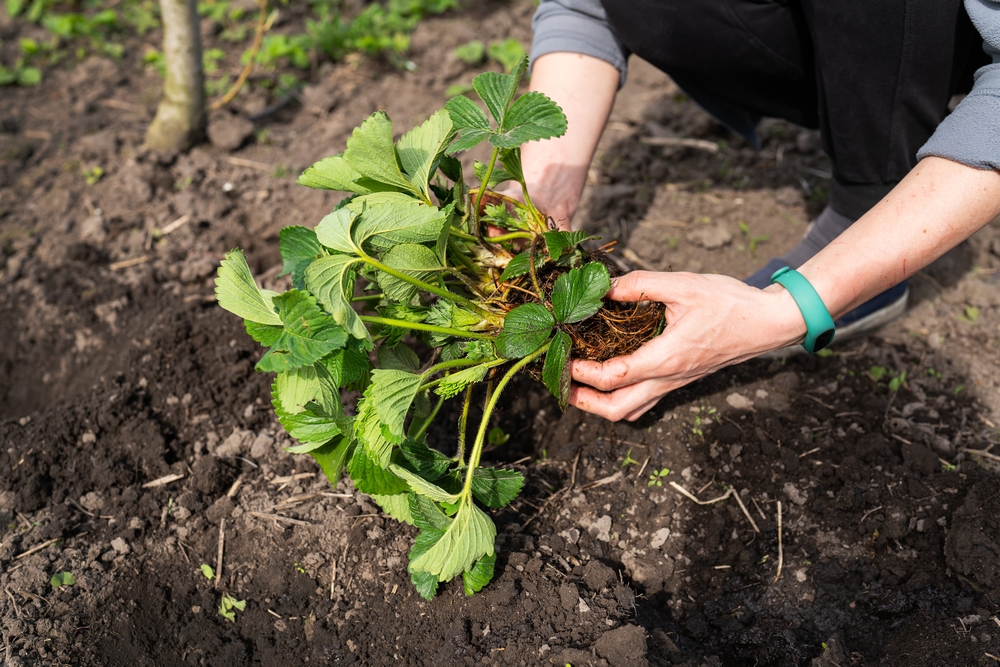
Strawberries are well-suited for early spring planting, especially when the ground is still cool. This allows the plants to establish strong roots without the stress of warm temperatures. Planting strawberries in cool soil ensures that their root systems have plenty of time to settle in, promoting healthy growth. As the ground begins to warm later in the season, the plants are already well-established and can direct energy toward producing fruit. This early start can lead to a more productive harvest, as the plants are less likely to be hindered by the challenges of dry, hot summer conditions.
In addition to root development, planting strawberries while the soil is still cool helps the plants survive periods of drought that often come with summer heat. Cool soil retains moisture better, allowing the strawberries to grow without the threat of dehydration. Early planting also helps reduce the risk of pest infestations, as the plants are less likely to attract pests that thrive in the heat of summer. All of this contributes to a stronger, more resilient strawberry patch that yields abundant fruit throughout the growing season.
Blueberries
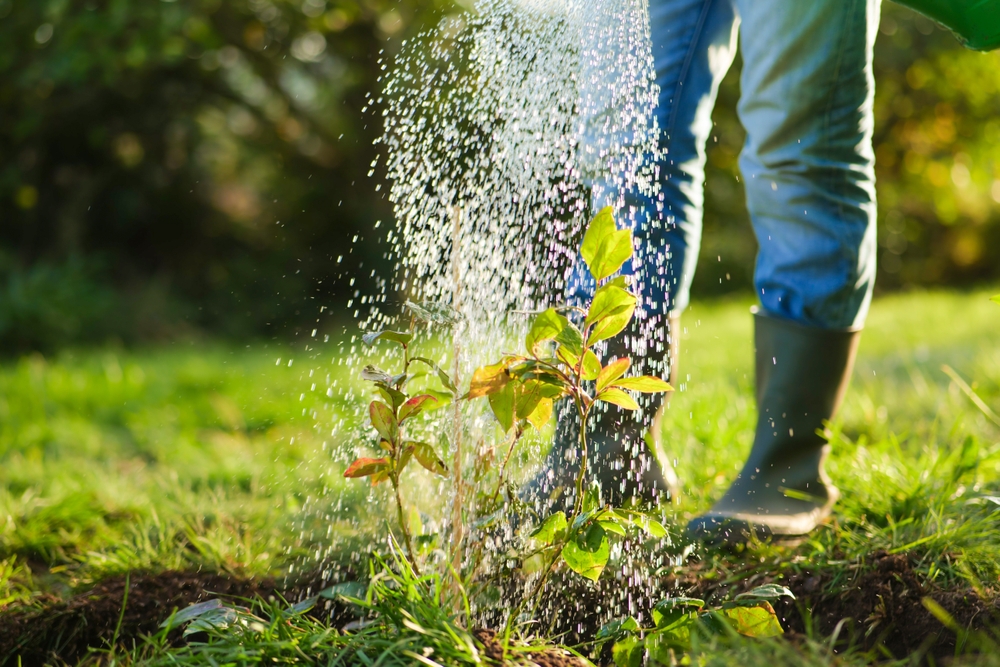
Blueberries are ideal for planting in the cool early months of the year, as they require time to develop strong root systems before the summer heat arrives. The cool soil temperatures allow the roots to grow steadily without the pressure of fluctuating summer heat. By planting blueberries early, you allow the roots to become deeply established, which will help the plants withstand the stress of warmer temperatures and drought later in the growing season. Additionally, blueberries are a hardy fruit that thrives in acidic soils, and planting them early gives them a chance to adjust to their environment without the interference of high temperatures.
Planting blueberries in cool soil also promotes better nutrient absorption and root growth, as the roots have time to access the necessary minerals before the plants put out new shoots. This early establishment results in stronger, more productive bushes when summer rolls around. Early planting also gives blueberries the chance to bloom and produce fruit earlier, extending the harvest period. As the plants continue to grow, their deep roots allow them to withstand harsh summer conditions, ensuring consistent fruit production year after year.
Raspberries
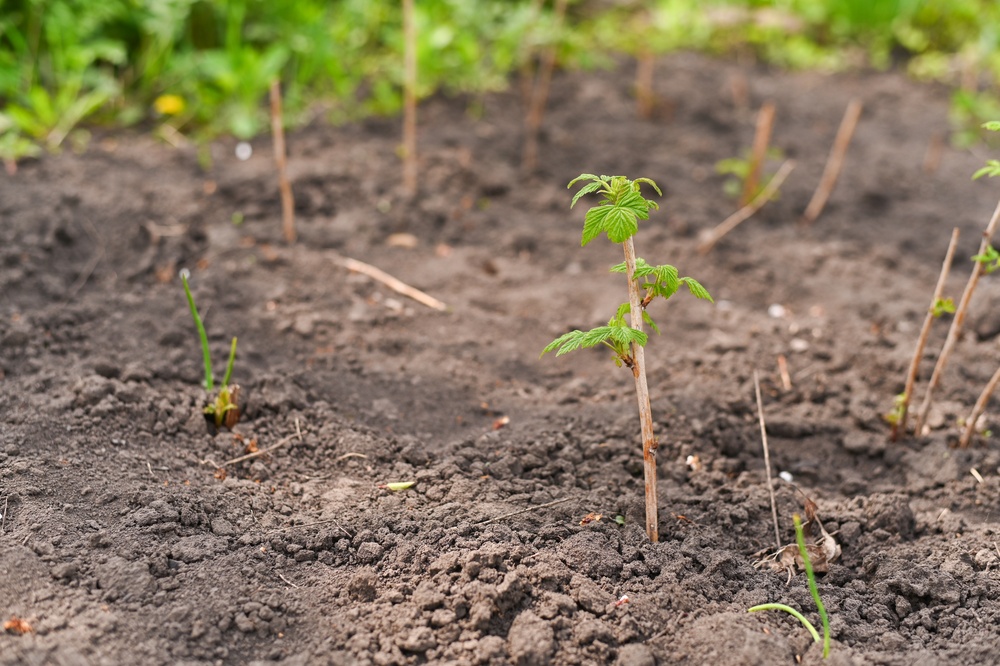
Raspberries thrive when planted while the ground is still cool, especially because they benefit from the period of dormancy that cool soil provides. Planting raspberries in early spring allows them to establish strong root systems before the heat of summer arrives. This is particularly important for raspberries, as they need time to establish themselves and settle in without the stress of fluctuating temperatures. When planted early, raspberries have the opportunity to develop healthy roots, which will support vigorous growth throughout the growing season and lead to abundant fruit production.
Cool soil helps to minimize transplant shock and encourages the plants to focus on root development rather than surviving extreme temperatures. As raspberries are hardy plants, they can withstand the cooler conditions of early spring, which allows them to adjust more easily and grow steadily. Planting raspberries while the ground is cool also helps reduce water loss, as the cooler temperatures ensure that moisture is retained longer. This contributes to healthier plants that are better able to handle the challenges of hotter months, resulting in higher yields of juicy berries when summer arrives.
Blackberries
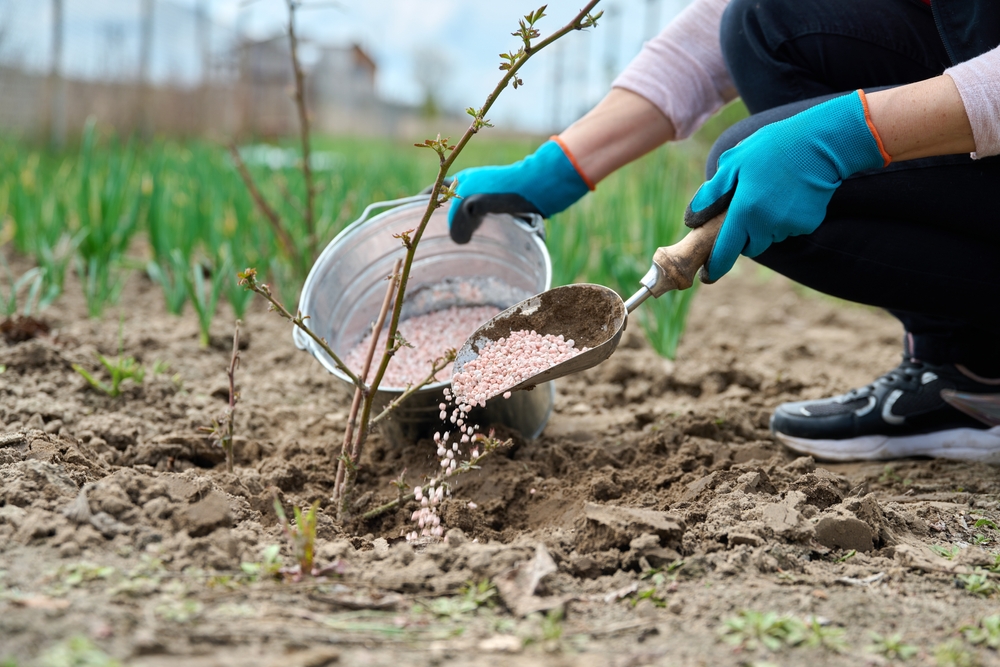
Blackberries, like raspberries, are best planted early in the season when the ground is still cool. This timing allows the plants to establish deep root systems, which is essential for ensuring a strong and healthy growth cycle throughout the warmer months. When planted in cool soil, blackberries are less stressed by temperature fluctuations, allowing them to focus on root growth rather than trying to cope with extreme heat. The cooler soil conditions also prevent dehydration, which can be an issue for young plants exposed to early summer heat.
Another benefit of planting blackberries early is that the plants will have time to adjust to their environment before the busy growing season begins. By the time the warmer months arrive, the plants will have a well-established root system that can effectively absorb nutrients and water. This not only leads to healthier plants but also ensures a more fruitful harvest. Early planting helps blackberries become more resilient against pests and diseases, as the plants have time to mature in more favorable conditions, setting the stage for a successful growing season.
Apple Trees
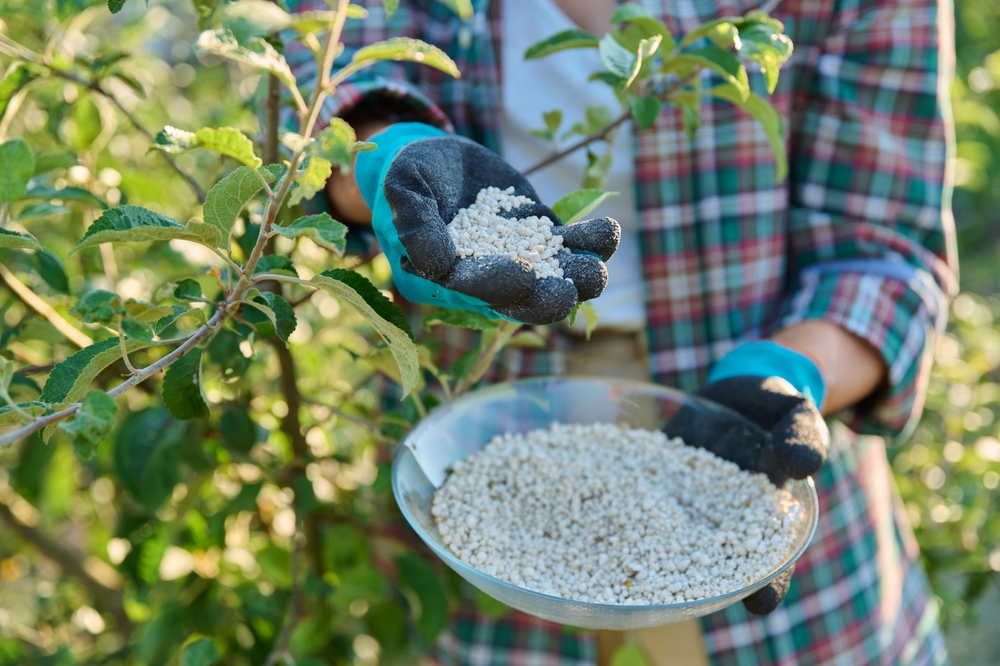
Apple trees benefit greatly from being planted in early spring when the soil is still cool. This is especially true for bare-root trees, which are dormant during this time. The cool soil helps the roots establish themselves without the stress of immediate exposure to hot temperatures. As the roots begin to grow and expand, the tree gains the stability it needs to withstand the summer heat. Early planting also allows apple trees to better adjust to their growing environment, ensuring a healthier tree that will produce an abundant crop of fruit.
Planting apple trees while the ground is cool gives the roots the chance to grow deeply before the intense summer heat arrives. The cooler soil holds moisture longer, which is beneficial for young trees that need consistent water during their early development. Additionally, early planting gives apple trees the necessary time to settle in before they begin to produce leaves and flowers. With a strong root system, apple trees are better equipped to handle summer droughts and pests, leading to a stronger harvest later in the year.
Pear Trees
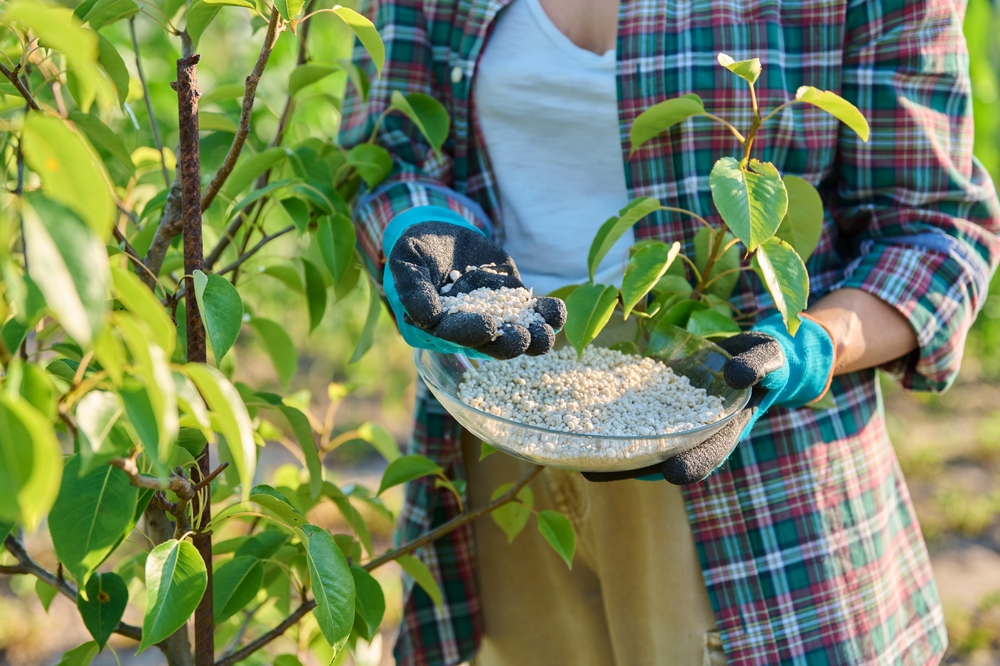
Planting pear trees while the ground is still cool allows them to establish solid root systems that will support their growth as the temperatures rise. Pear trees, like apple trees, are best planted while they are dormant, as it gives the roots ample time to settle before the growing season begins. The cool soil reduces the stress on young trees, allowing their roots to establish deep connections to the earth. This early growth helps the trees develop into robust plants that can handle the challenges of warmer temperatures later in the season.
Cool soil also ensures that pear trees do not suffer from dehydration during their early stages of growth. The temperature prevents excessive evaporation, which can be a problem when planting during warmer months. By planting pear trees early, you give them a head start on the growing season, enabling them to produce strong growth throughout the summer months. A well-established root system will allow the trees to better absorb nutrients and water, ensuring healthy growth and a successful fruit harvest when the time is right.
Peach Trees
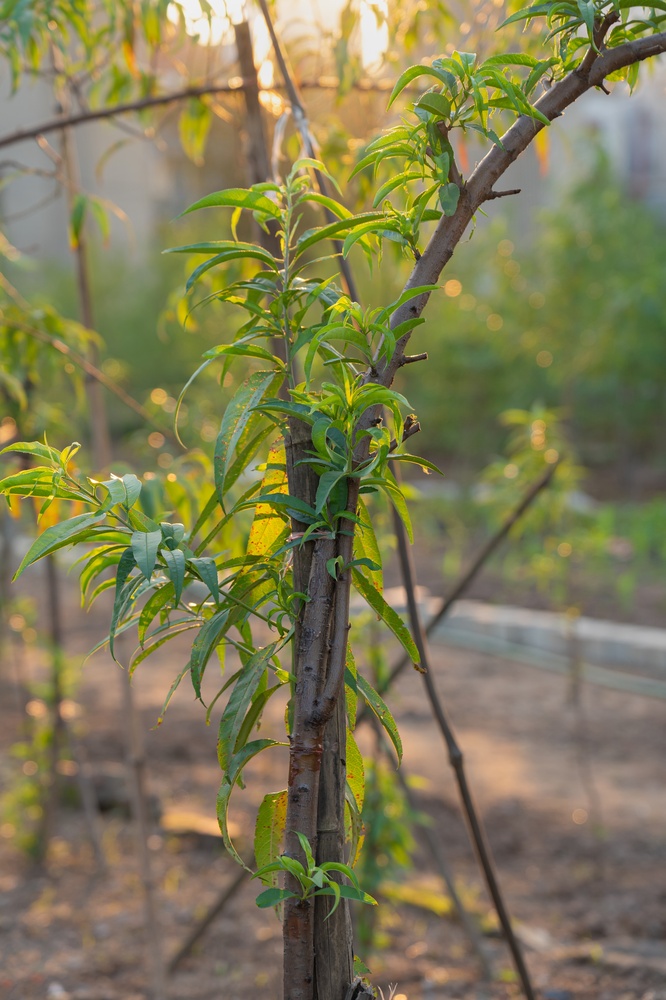
Peach trees are another fruit tree that benefits from being planted in early spring when the ground is still cool. The cool soil provides an ideal environment for peach trees to develop strong roots before the warmer weather arrives. Planting them early in the season allows the roots to become established while the tree is dormant, reducing the stress of summer heat and ensuring that the tree is healthy and strong when it begins to grow new shoots. Early planting also gives peach trees time to adjust to their environment and make the most of the cool temperatures before they need to focus on fruit production.
The benefit of planting peach trees early is that the roots have ample time to settle into the soil, allowing the tree to grow stronger and more resilient. Peach trees require plenty of water during their early growth stages, and the cool soil helps retain moisture, preventing dehydration. As the summer months approach, the tree will be well-established and able to handle the heat better, leading to healthier fruit production. Early planting is key to ensuring a bountiful harvest and minimizing the risk of damage from pests or heat stress.
Plum Trees
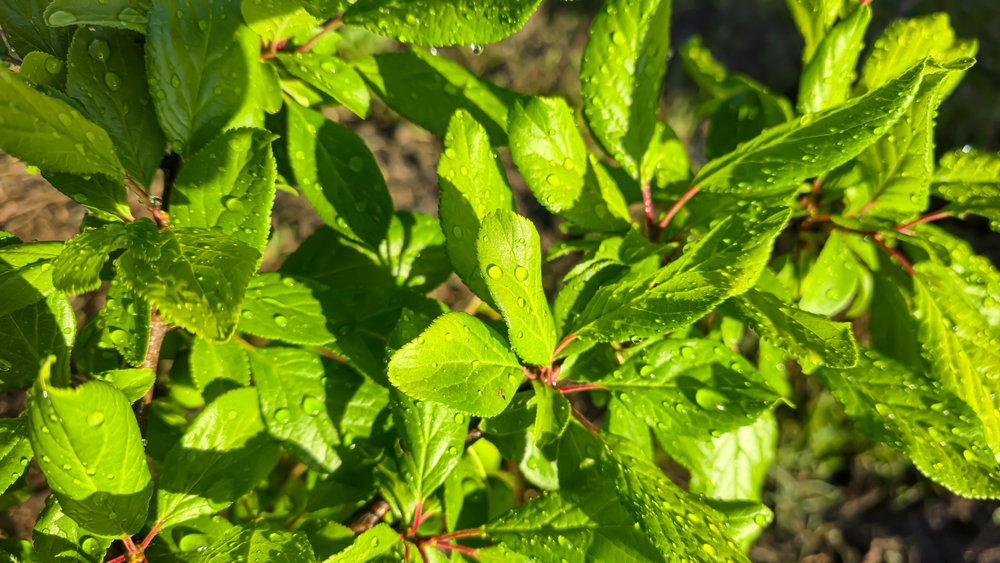
Plum trees thrive when planted in cool soil, particularly in early spring when the temperatures are still mild. Planting plum trees early allows the roots to establish themselves before the weather warms up, ensuring that the tree can grow without being stressed by high temperatures. The cool soil conditions are ideal for plum trees to settle in and begin developing their root systems. By the time summer arrives, the tree will have a strong foundation, allowing it to handle the warmer weather without compromising its growth.
In addition to providing better root establishment, early planting also ensures that plum trees have adequate time to access nutrients from the soil. The cooler soil retains moisture, which is crucial for young trees as they are establishing their roots. Planting plum trees while the ground is still cool helps reduce transplant shock and allows them to focus on developing healthy foliage and fruit later in the season. The earlier they are planted, the better they can withstand the challenges that come with the hotter months, resulting in a more successful harvest.
Cherry Trees
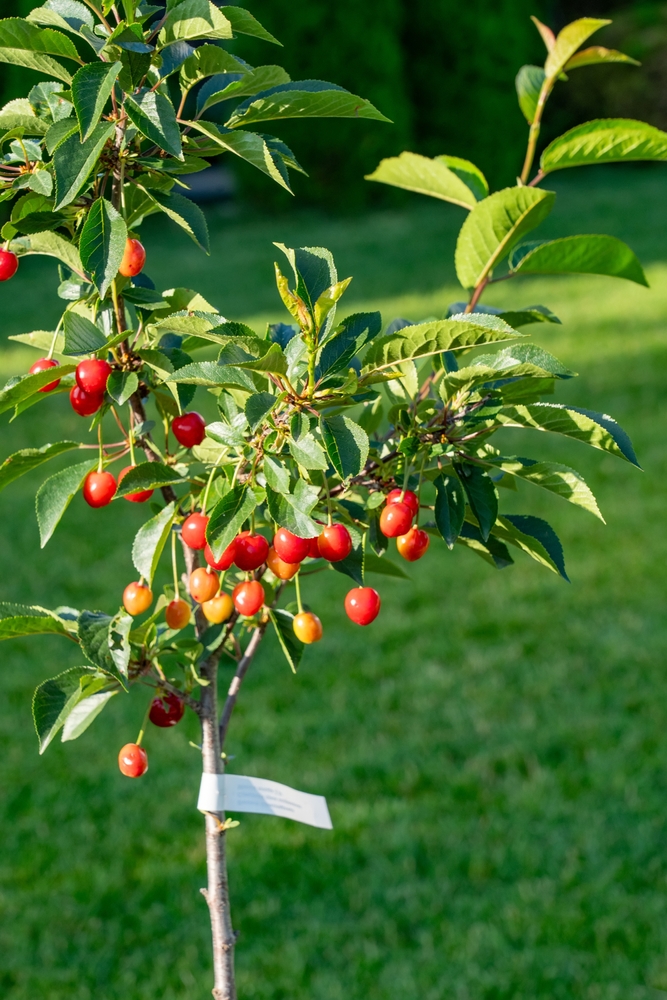
Cherry trees, like other fruit trees, benefit from being planted early in the season while the soil is still cool. This allows the roots to become well-established before the intense heat of summer arrives. The cool temperatures encourage root growth without the pressure of hot weather, which can slow down root development. Planting cherry trees while the soil is still cool helps the tree adapt to its environment, ensuring that it grows strong and productive throughout the year.
Cool soil also helps cherry trees retain moisture, which is especially important during their early growth stages. When the tree has time to establish a solid root system, it will be more resilient to drought and temperature fluctuations during the summer. Early planting promotes better overall growth, leading to a stronger, healthier tree that will produce a bountiful crop of cherries. This is the key to ensuring successful fruit production year after year.
Fig Trees
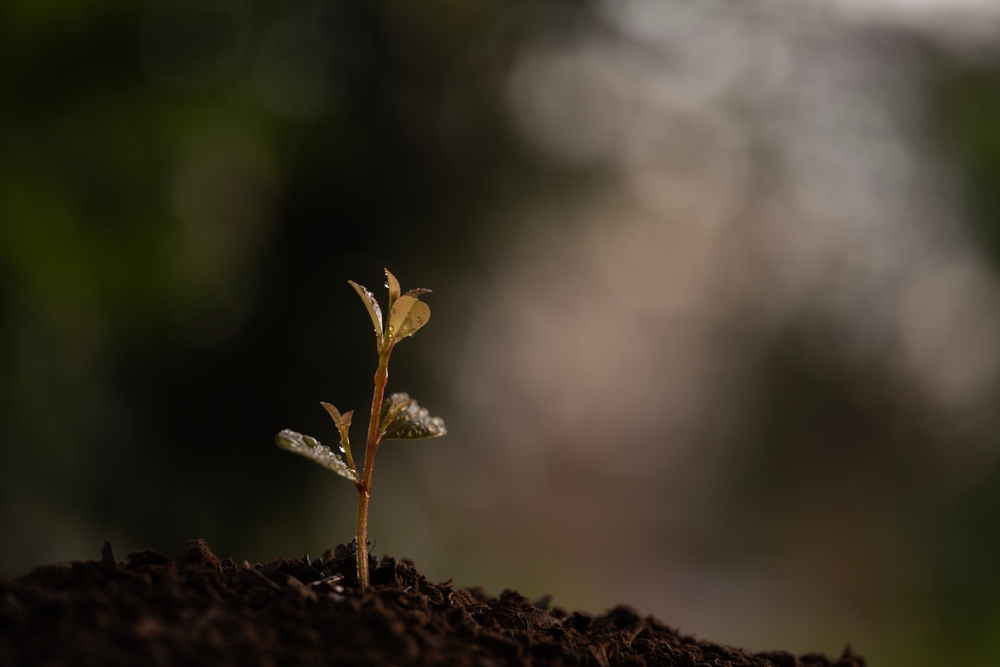
Fig trees are well-suited to early spring planting, as they thrive in cool soil conditions. Planting them early allows the roots to become well-established before the temperatures rise, which helps the tree focus on growth rather than survival. The cool soil ensures that the roots are able to settle in without the added stress of high temperatures. As the fig tree grows, the established root system will help it withstand the hot summer months, ensuring healthy growth and a fruitful harvest.
By planting fig trees while the soil is still cool, the tree can absorb the necessary nutrients and moisture it needs for strong growth. Cool soil retains moisture better than warmer soil, which helps prevent dehydration during the early stages of growth. Early planting also reduces the likelihood of transplant shock, ensuring that the tree adapts to its new environment more easily. The longer the tree has to establish itself, the better equipped it will be to handle the challenges of the growing season.
Mulberry Trees
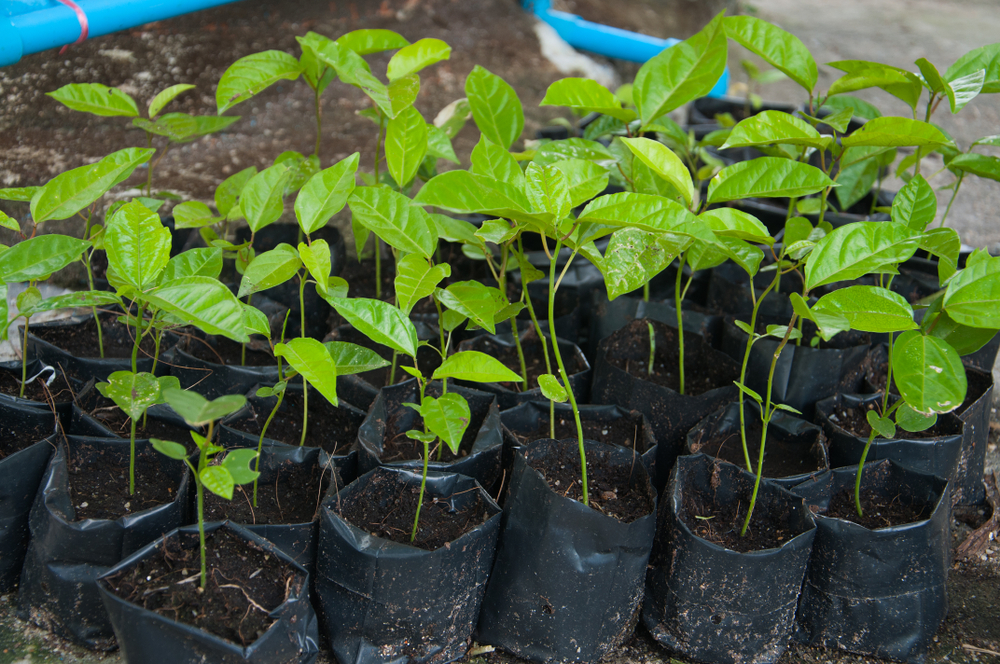
Mulberry trees are another excellent option for early spring planting, as they prefer cool soil for root establishment. The cool temperatures allow the roots to settle in and grow deep, ensuring the tree has a solid foundation before the summer heat. Planting mulberries early helps to reduce the risk of stress during the growing season, as the tree has had time to adjust to its environment. This early start gives the tree a chance to grow stronger, making it more resilient to pests and heat as the season progresses.
Cool soil also encourages healthy root growth in mulberry trees, ensuring that they have access to water and nutrients when they need them most. Early planting also reduces the chances of dehydration, as the cool soil retains moisture better than warmer soil. By the time summer rolls around, the tree will be better equipped to handle the heat, leading to more consistent fruit production. This results in a more successful harvest and a healthier tree over time.
This article originally appeared on Avocadu.