
13 Fruit Trees to Plant While They Are Still Dormant
Planting fruit trees while they are still dormant is one of the best ways to give them a healthy start. During this time, the trees are not actively growing, allowing them to focus on establishing strong roots. This quiet phase in their life cycle offers the perfect opportunity for planting, as they are less likely to suffer from transplant shock. When planted while dormant, fruit trees have the time to adjust before the warmer weather arrives, giving them the strength to thrive once spring kicks in. Whether you are a seasoned gardener or a beginner, planting during dormancy sets your trees up for successful growth and better fruit production. Choosing the right fruit trees for your climate and soil can lead to a fruitful harvest in the seasons to come.
This post may contain affiliate links, which helps keep this content free. Please read our disclosure for more info.
Apple Tree
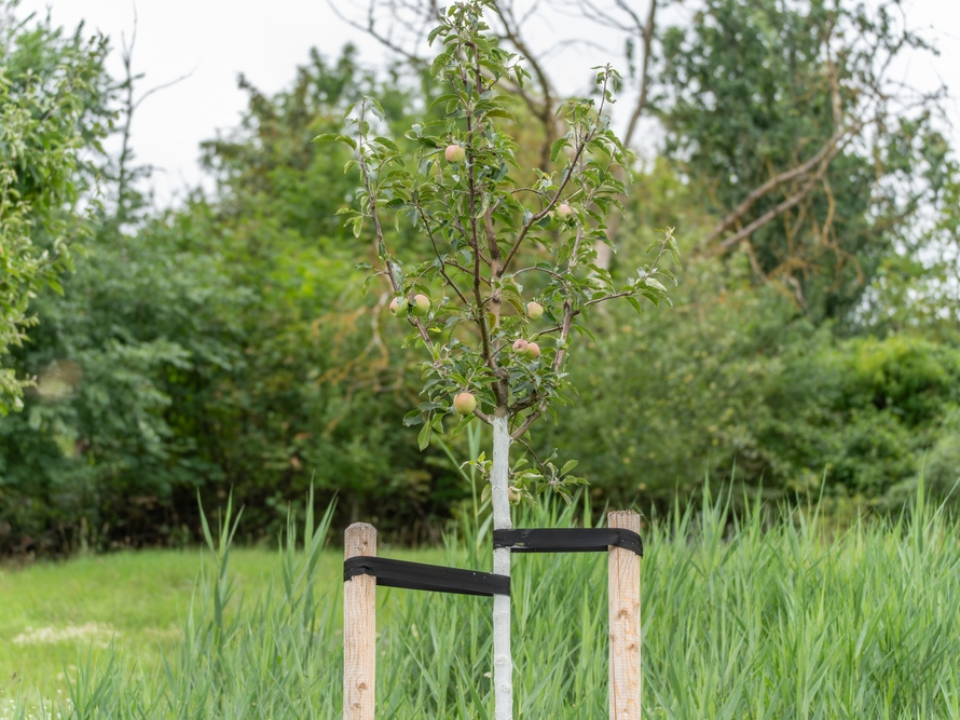
Apple trees are a great option to plant in late winter or early spring while they are still dormant. Planting them during this time allows them to establish strong roots before the growing season. These trees thrive in areas with cool winters and can tolerate frost, making them perfect for dormant planting. Apple trees require well-drained soil and ample sunlight to grow and produce quality fruit.
Their root systems develop during dormancy, which ensures they have a solid foundation when they start growing. Varieties like Honeycrisp and Granny Smith are popular for their ability to handle different climates. Pruning these trees during dormancy also helps shape their growth and promotes healthy fruit production. Planting them when dormant can result in healthier, more productive trees.
Pear Tree
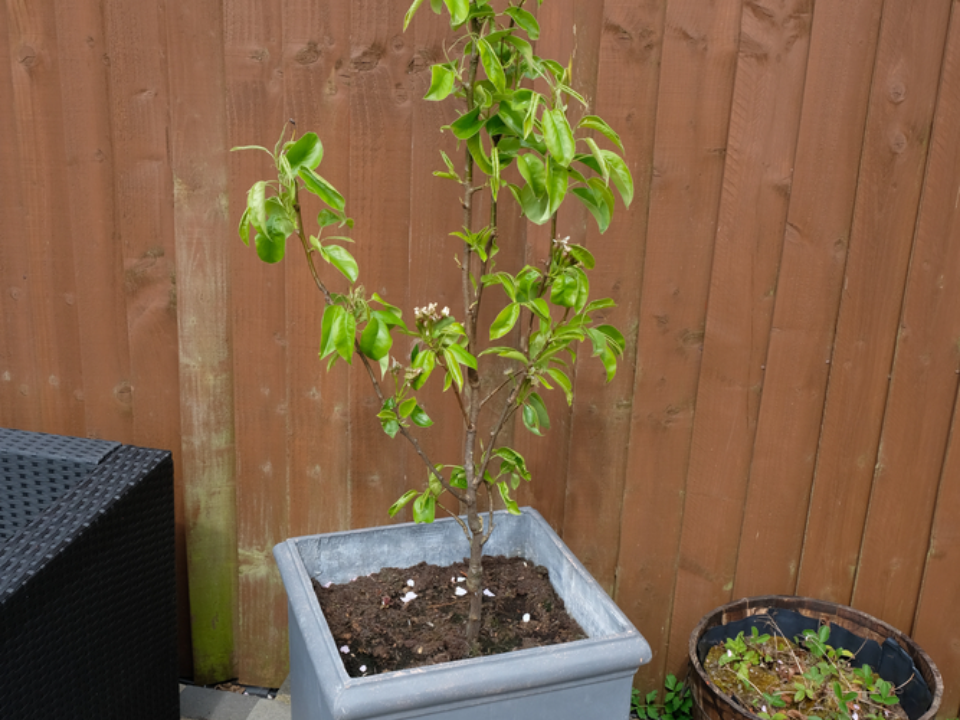
Pear trees, especially varieties like Bartlett and Bosc, benefit from being planted while dormant. This is because their roots take time to establish, and dormant planting allows them to settle into their new environment without being stressed by the heat of the growing season. Pear trees prefer well-drained, fertile soil and a sunny location.
Planting them while dormant helps prevent the risk of transplant shock, which can delay their growth. These trees are also resilient to colder climates and can handle early frost. Once they begin to grow, pear trees produce delicious, juicy fruits that are perfect for snacking, baking, or preserving. Dormant planting provides the optimal conditions for a strong and healthy start to their life cycle.
Cherry Tree
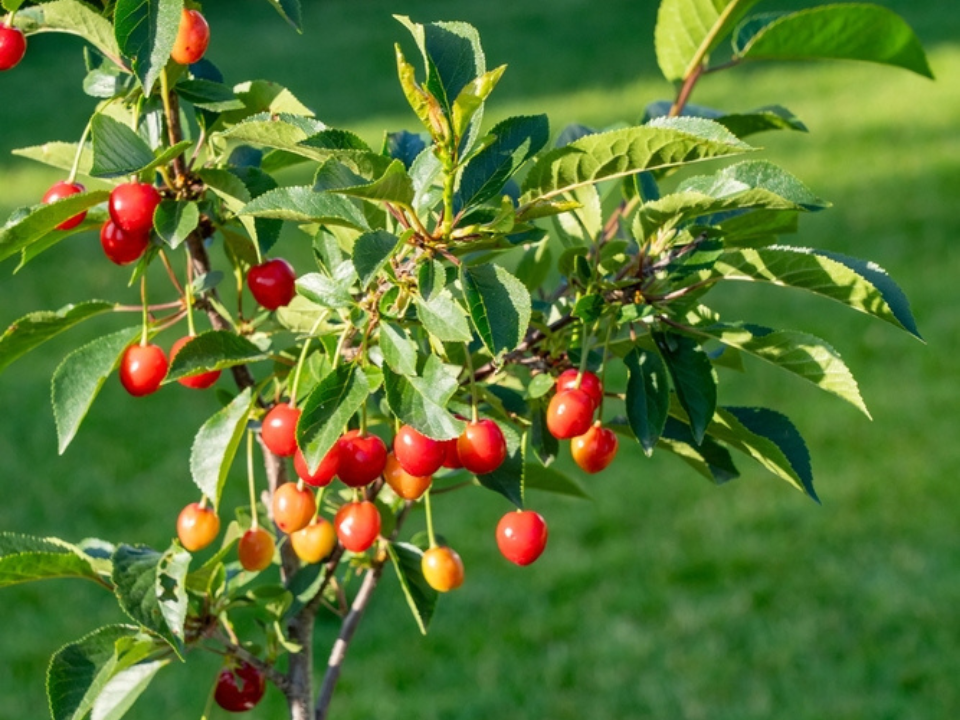
Cherry trees thrive when planted during their dormant phase, as this gives them a head start before the warm weather arrives. They do best in slightly acidic, well-drained soil and need full sunlight to grow and produce fruit. By planting them while dormant, cherry trees can focus on developing strong root systems, which allows them to withstand the heat and drought conditions during summer months.
Early spring planting can give them an edge in terms of fruit production, as the trees have already adjusted to their environment by the time warmer temperatures arrive. Varieties like Bing and Montmorency are particularly popular for their high-quality fruit. Cherry trees also require careful pruning while dormant to ensure good air circulation and proper fruit development.
Plum Tree
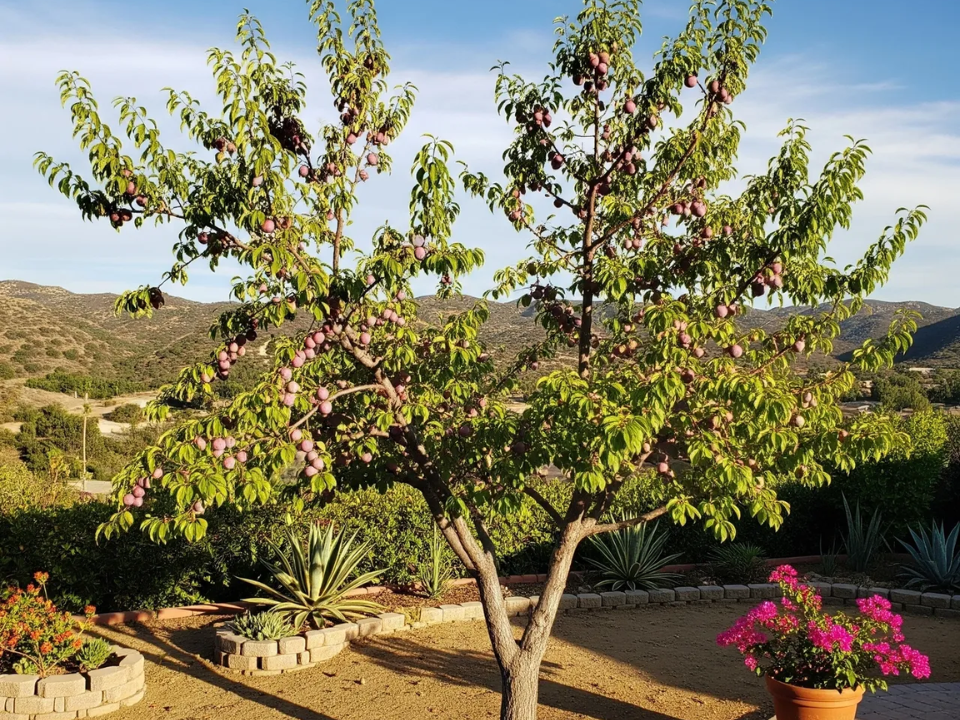
Plum trees are another excellent choice for dormant planting. They thrive in a variety of soils, though they prefer slightly acidic, loamy soil with good drainage. Dormant planting gives these trees a chance to develop a strong root system before the growing season. Plum trees are best planted in sunny locations and are hardy in many regions. Varieties such as Santa Rosa and European plums are great for making jams and preserves.
Planting them while dormant ensures they have time to settle in and adjust before they start producing fruit in late spring or early summer. Pruning the trees while they are dormant encourages healthy growth and fruit production, allowing you to enjoy fresh plums in the summer.
Peach Tree
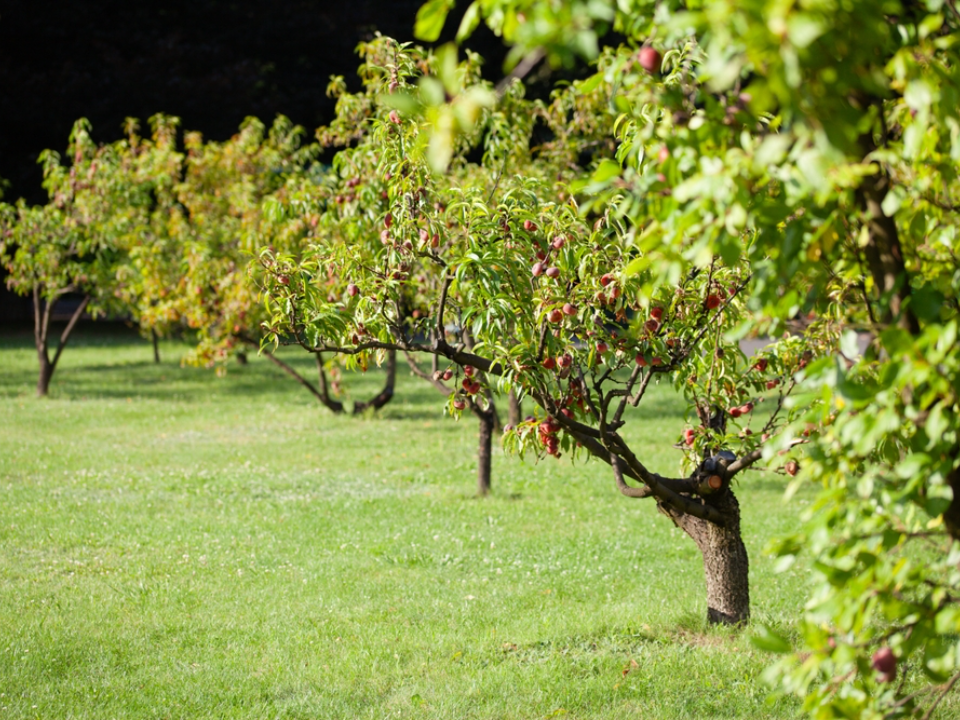
Peach trees benefit greatly from being planted while they are dormant. These trees require full sunlight and well-drained, sandy loam soil to thrive. Dormant planting allows peach trees to develop strong roots, which are essential for their growth and fruit production. Once established, peach trees produce sweet, juicy fruit that is perfect for fresh eating or baking.
Varieties like Elberta and Red Haven are known for their delicious fruit and resilience in colder climates. By planting the trees while they are dormant, you can ensure that they will be ready to grow vigorously once spring arrives. It also minimizes the chances of transplant shock, which is common when trees are planted during the growing season.
Apricot Tree
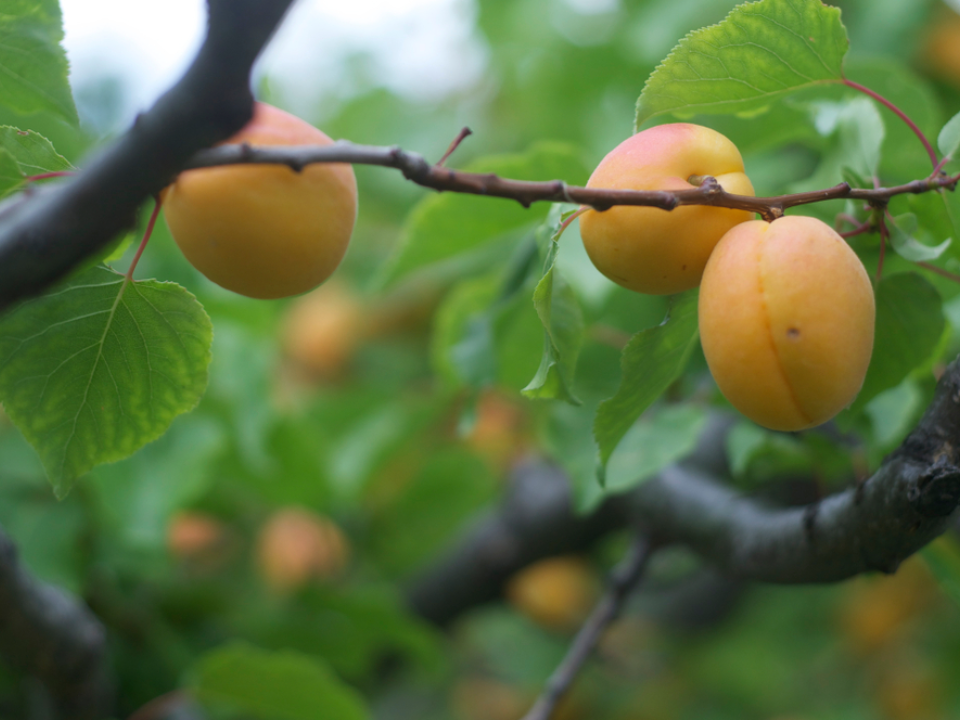
Apricot trees are an ideal choice for planting while dormant, as they require a cold winter period to break dormancy. These trees prefer full sun and well-drained soil to thrive. Dormant planting gives apricot trees a better chance to establish their roots, which helps them endure the summer heat. They are also relatively low-maintenance, making them perfect for gardeners looking for an easy fruit tree to grow.
Apricot trees bloom early in the spring, producing fragrant flowers before the leaves appear. Once the trees mature, they yield delicious apricots that can be eaten fresh, dried, or used in jams. By planting them during their dormant period, you give them the best opportunity for strong, healthy growth.
Fig Tree
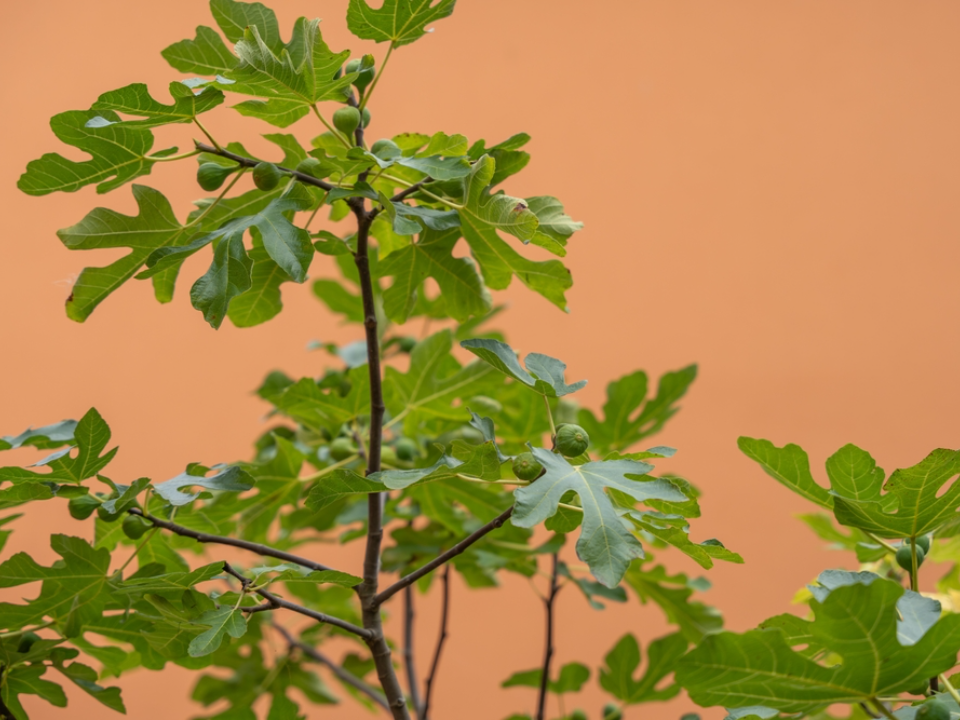
Fig trees are a wonderful option for those looking to plant fruit trees during dormancy. Figs are well-suited to warmer climates and require well-drained, slightly acidic soil to grow. Planting fig trees while dormant allows them to establish their roots early, giving them time to settle in before the growing season begins.
These trees thrive in full sunlight and are relatively low maintenance once established. Popular varieties like Black Mission and Kadota figs produce sweet, flavorful fruit that can be eaten fresh or dried. Figs do not like wet roots, so well-drained soil is a must. Dormant planting minimizes the risk of root rot and ensures the tree grows vigorously once spring arrives.
Mulberry Tree
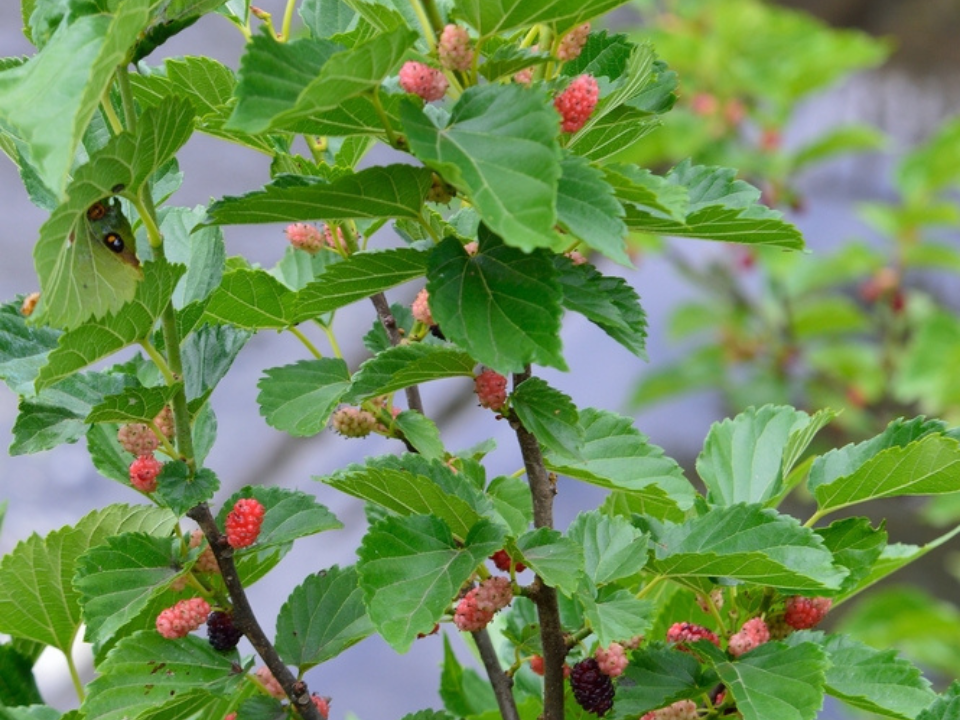
Mulberry trees are another excellent option for dormant planting. These trees prefer full sun and well-drained, fertile soil to thrive. Mulberry trees are relatively low-maintenance and can tolerate a wide range of soil types. Planting them while dormant allows them to focus on root development before the growing season begins.
Once the trees mature, they produce sweet, dark fruit that is perfect for eating fresh or making jams. Varieties like the Red Mulberry and Black Mulberry are especially popular due to their large, flavorful berries. Planting mulberries while dormant minimizes the chances of transplant shock and encourages healthy growth when the weather warms up.
Nectarine Tree
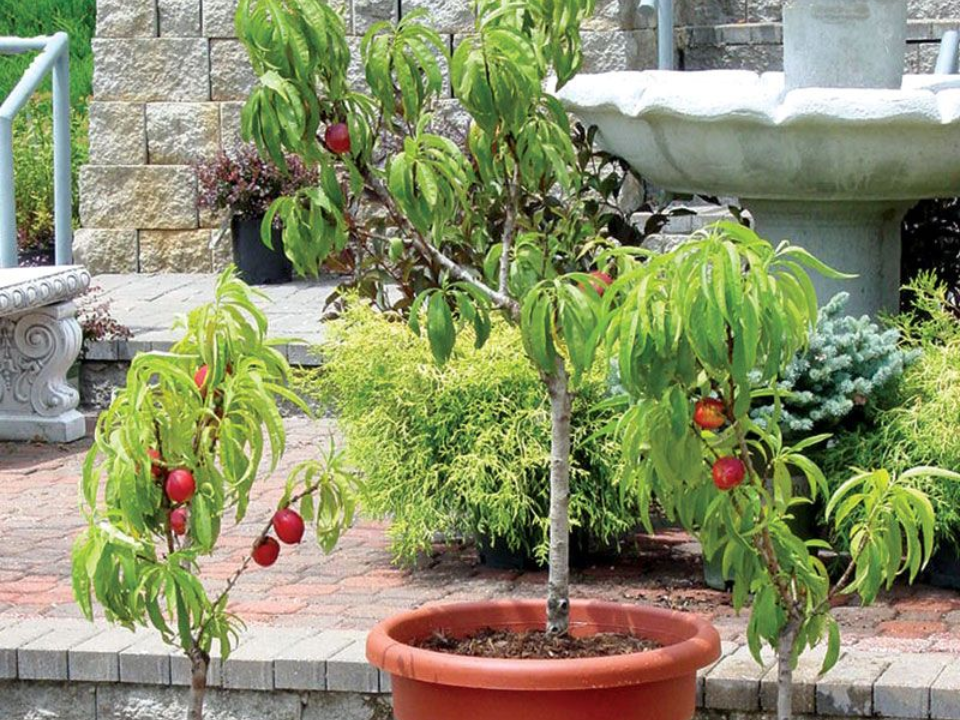
Nectarine trees are a great option for those looking to plant fruit trees during dormancy. These trees require full sun and well-drained, fertile soil to thrive. Planting them while dormant allows them to focus on developing a strong root system before the warmer months arrive. Nectarines produce delicious, juicy fruit that can be eaten fresh, canned, or used in baked goods.
Varieties like Fantasia and Sun Red are popular for their sweet, flavorful fruit. Nectarine trees require proper pruning to maintain healthy growth and to ensure a good fruit yield. By planting them while dormant, you provide the tree with a solid foundation for vigorous growth and fruit production in the summer.
Pomegranate Tree
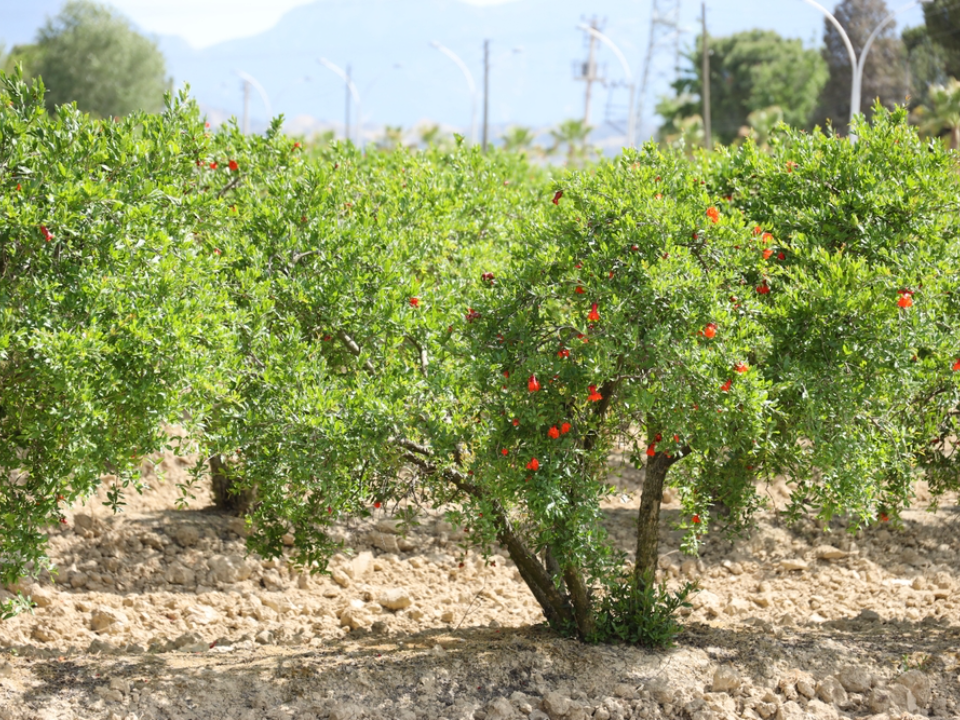
Pomegranate trees can be successfully planted while they are dormant, especially in warmer climates. These trees prefer full sunlight and well-drained soil to grow well. Dormant planting provides pomegranates with the chance to establish their roots, ensuring they can handle the summer heat.
Once established, pomegranate trees produce striking flowers and nutrient-packed fruit. Varieties such as Wonderful and Angel Red are known for their delicious, tangy fruit. Pomegranates are a great addition to any garden, as they are both ornamental and productive. By planting them while dormant, you give these trees the best possible start before the growing season begins.
Persimmon Tree
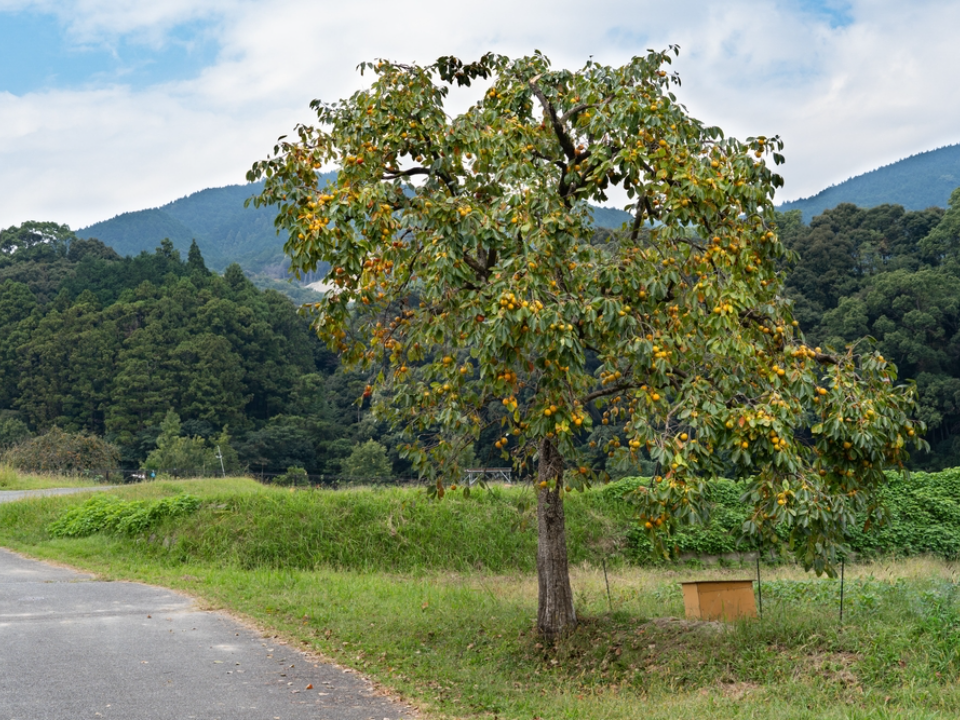
Persimmon trees are an excellent choice for dormant planting, particularly because they are adaptable to a wide range of climates. They grow best in full sun and well-drained soil, making them a low-maintenance option for many gardeners. By planting persimmon trees during their dormant period, you allow them to develop a strong root system that helps them withstand the heat of the summer months.
Persimmons produce sweet, firm fruit that can be eaten fresh or dried. Varieties like Fuyu and Hachiya are popular for their rich flavor and texture. These trees are also resilient to drought and disease, making them a great addition to any garden. Planting them while dormant ensures that they can focus their energy on root development rather than growth during the early part of the season.
Loquat Tree
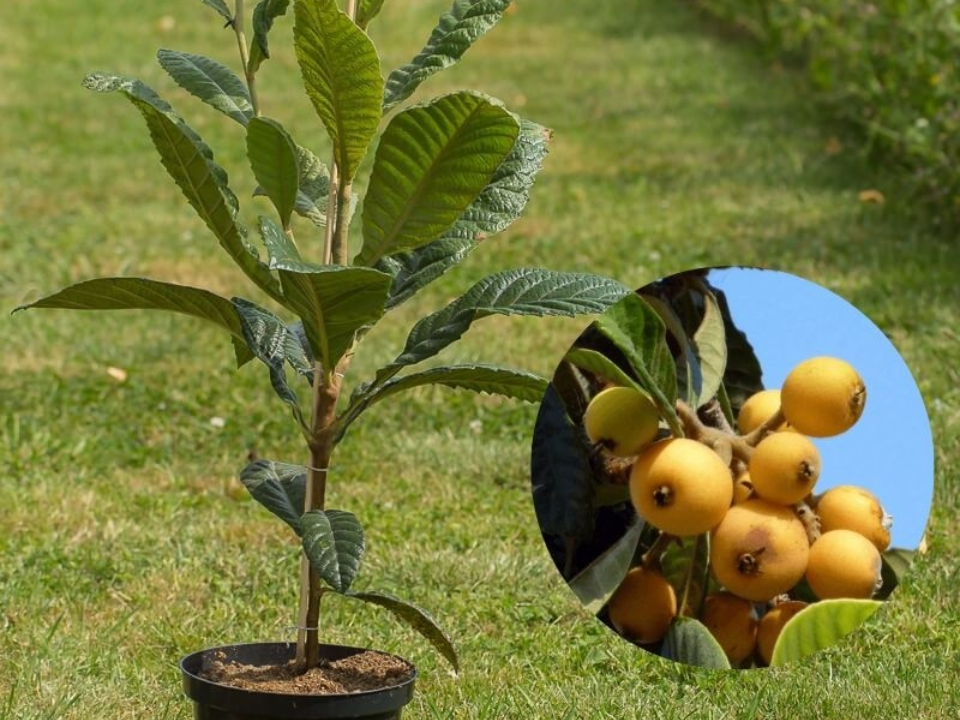
Loquat trees are a lesser-known fruit tree that thrives when planted while dormant. These trees prefer full sunlight and well-drained soil to grow strong and healthy. Loquats are hardy and can tolerate some cooler weather, which makes them an excellent choice for early spring planting.
The fruit of loquat trees is sweet and tangy, with a flavor similar to a combination of apricot and peach. By planting them while dormant, loquat trees have a chance to develop a solid root system before the warmer months arrive. Loquat trees are also relatively low-maintenance, requiring little care once they are established. Dormant planting gives them a head start, allowing them to grow quickly and bear fruit in their second or third year.
Quince Tree
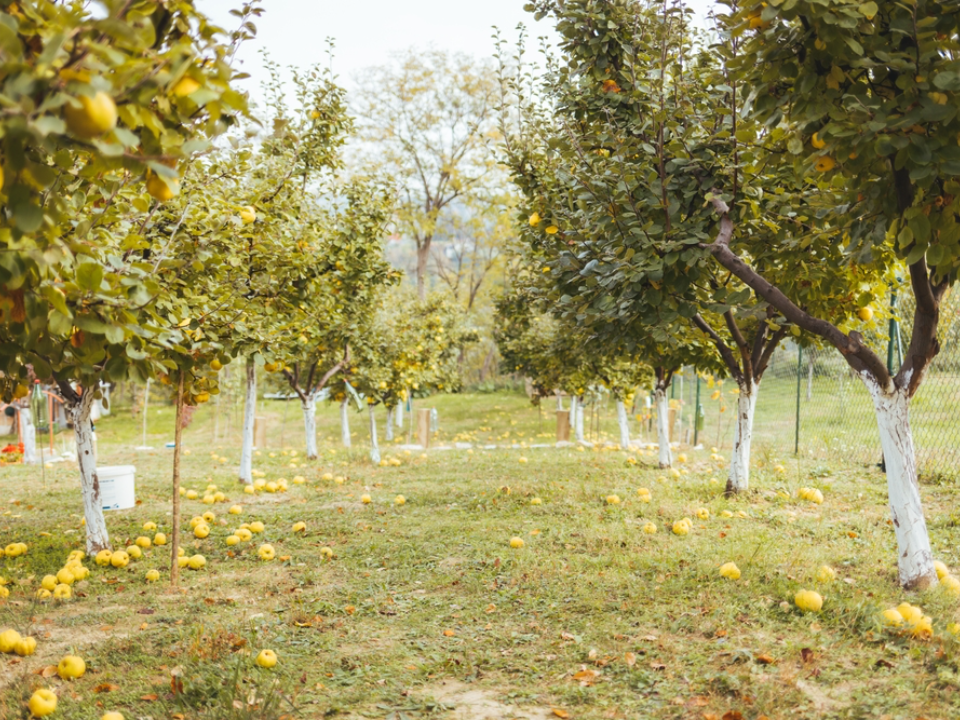
Quince trees are often overlooked but are a great option for planting while dormant. These trees prefer well-drained, slightly acidic soil and full sun to thrive. Dormant planting gives quince trees the best chance to establish their roots before the growing season. Once mature, quince trees produce fragrant, yellow fruit that is perfect for making preserves or baking.
Varieties such as Smyrna and Pineapple are popular for their aromatic fruit. Quince trees are also quite hardy, making them well-suited for a variety of climates. By planting them during dormancy, quince trees are able to grow strong and develop healthy fruit production systems early in the season.
This article originally appeared on Avocadu.