
17 Fruit Trees and Bushes to Plant Before Spring Hits Full Swing
Spring is just around the corner, and now is the perfect time to plan your garden. Whether you are looking to grow fruit for the first time or add to your existing collection, planting fruit trees and bushes can be both rewarding and fun. By getting started early, you can enjoy a bountiful harvest later in the season. Read on to discover some excellent choices to add to your garden before spring is in full swing. These options are easy to care for and will thrive in your backyard.
This post may contain affiliate links, which helps keep this content free. Please read our disclosure for more info.
Apple Tree
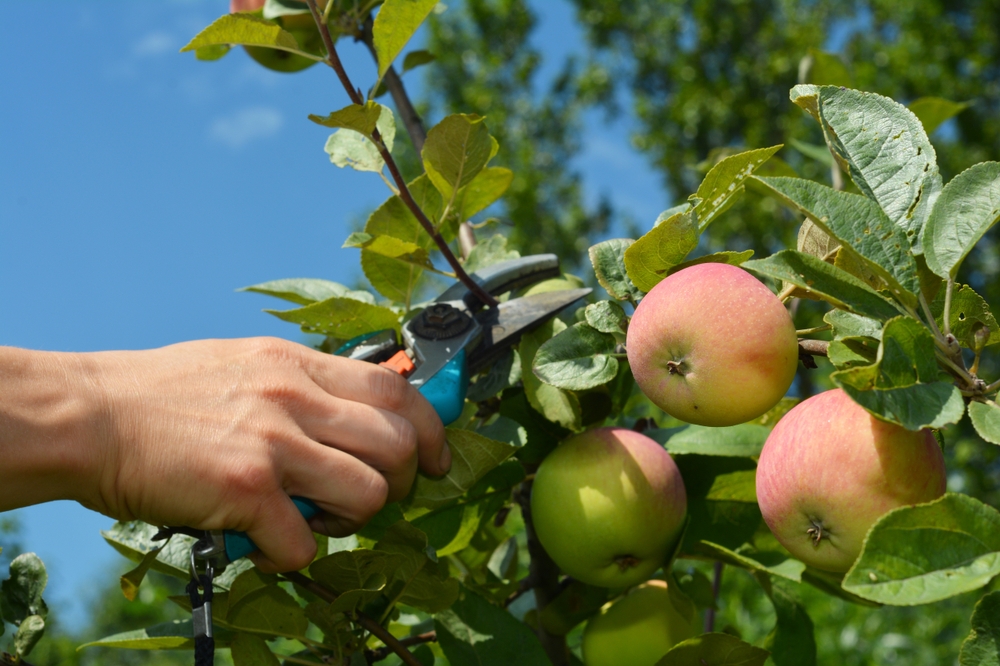
Apple trees are a great addition to any garden, offering both beauty and practicality. They thrive in well-drained soil and full sunlight, making them ideal for spring planting. Different varieties, such as Fuji, Gala, and Granny Smith, each produce distinct flavors and textures. When planting, be sure to space your apple trees properly to allow for air circulation and growth.
Apple trees need proper pollination, so it’s a good idea to plant at least two varieties near each other. They typically grow between 12 to 25 feet tall, depending on the variety. Once established, apple trees can bear fruit in 3 to 5 years, and they are known for their disease resistance when well-cared for. Regular pruning helps to keep the tree healthy and encourages strong fruit production.
Pear Tree
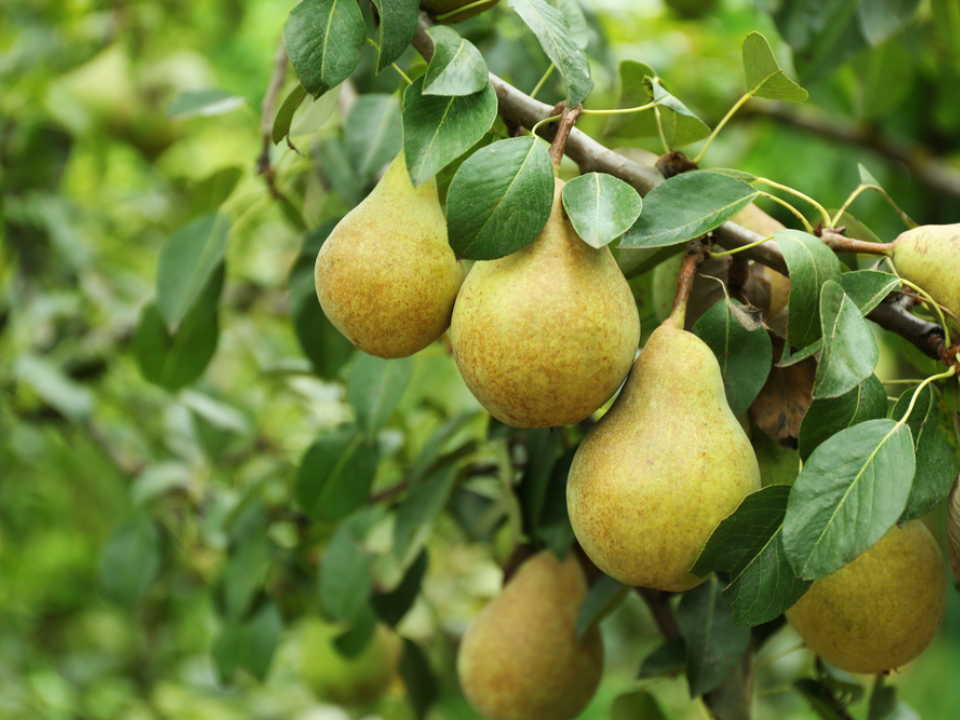
Pear trees are an excellent option for a spring garden, especially for those in temperate climates. These trees do well in sandy or loamy soil with good drainage and plenty of sunlight. Common varieties include Bartlett, Bosc, and Anjou, each offering unique flavor profiles. Planting in the early spring gives your pear tree enough time to establish itself before the growing season begins.
Much like apple trees, pear trees require cross-pollination to produce fruit, so consider planting two different varieties. Pear trees typically grow 15 to 20 feet tall, and they enjoy a regular watering schedule. They can start bearing fruit in 3 to 6 years, with the best yields seen in mature trees. Pears ripen at different times depending on the variety, so you will enjoy a staggered harvest season.
Cherry Tree
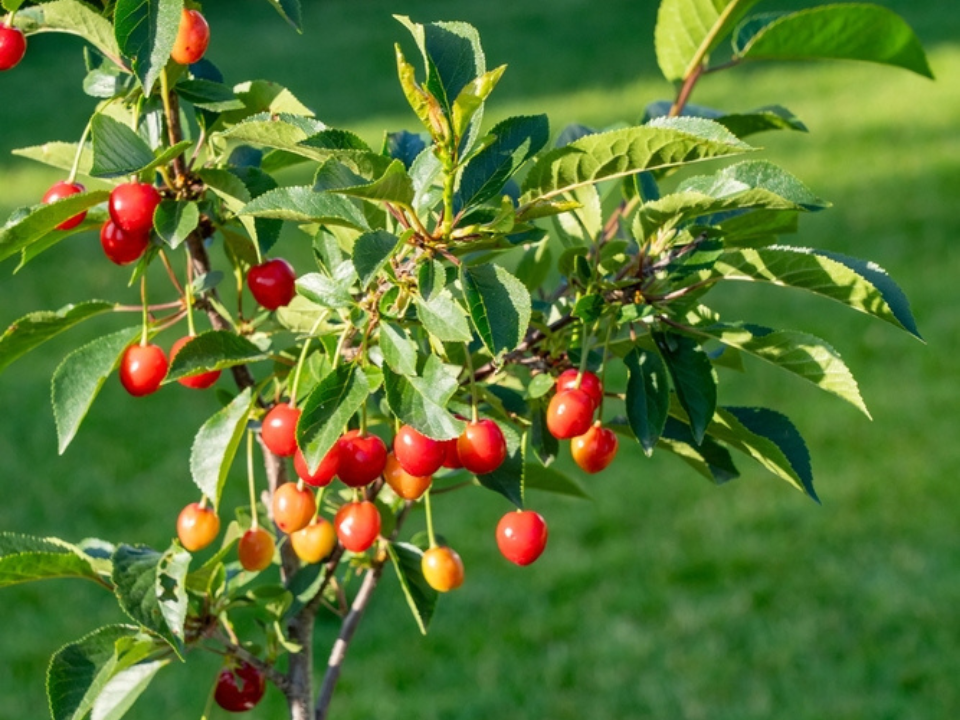
Cherry trees add a burst of color to your garden, with their stunning blossoms in early spring and their fruit in late spring to early summer. These trees do best in well-drained soil and need full sun to flourish. Cherry trees come in both sweet and tart varieties, such as Bing and Montmorency, offering a range of flavors for various uses. It is important to plant them in areas with good airflow to avoid fungal diseases.
For optimal fruit production, consider planting at least two cherry trees of different varieties for cross-pollination. Cherry trees usually reach a height of 15 to 30 feet, with a spread of around 20 feet. They begin bearing fruit after 4 to 7 years, with some varieties bearing fruit earlier than others. A little attention to pruning and care goes a long way in maintaining the health of the tree and improving fruit yield.
Peach Tree
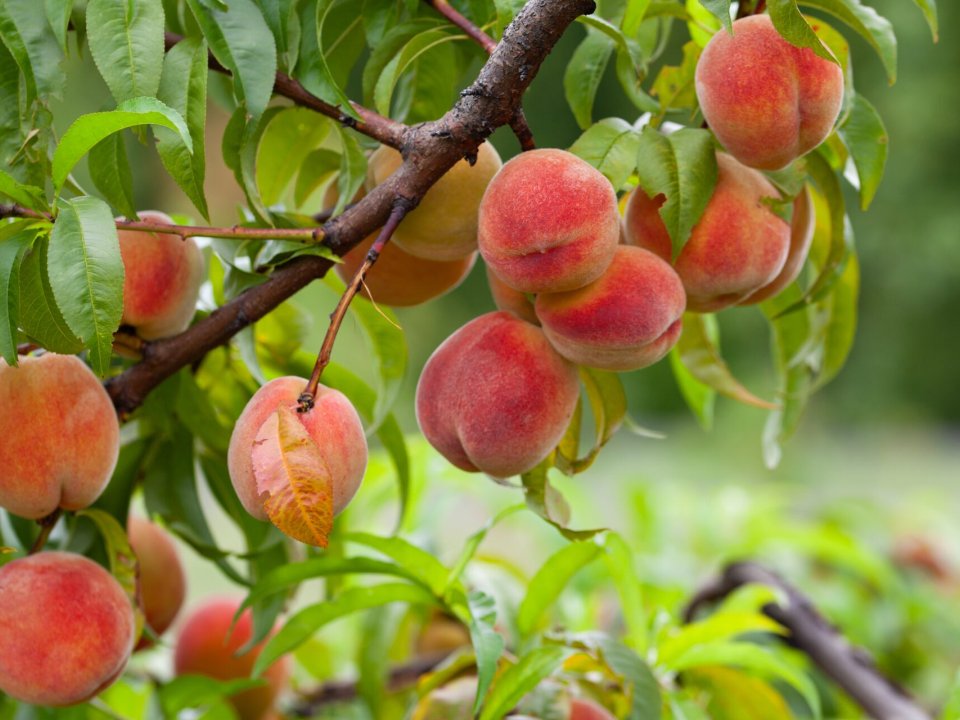
Peach trees are known for their fragrant blossoms and delicious fruit, making them a popular choice for spring planting. These trees prefer a warm climate and well-drained soil with plenty of sunlight. Popular varieties include Clingstone, Freestone, and Donut peaches. Plant your peach tree in an area with adequate space for its roots to expand as it grows.
Peach trees grow between 10 and 20 feet tall, and their fruit typically ripens in mid to late summer. They need regular watering, especially in hot weather, and a balanced fertilizer to encourage strong fruit growth. With the right care, peach trees can bear fruit in about 3 to 4 years. Pruning is important to remove dead or diseased wood and to shape the tree for better fruiting.
Plum Tree
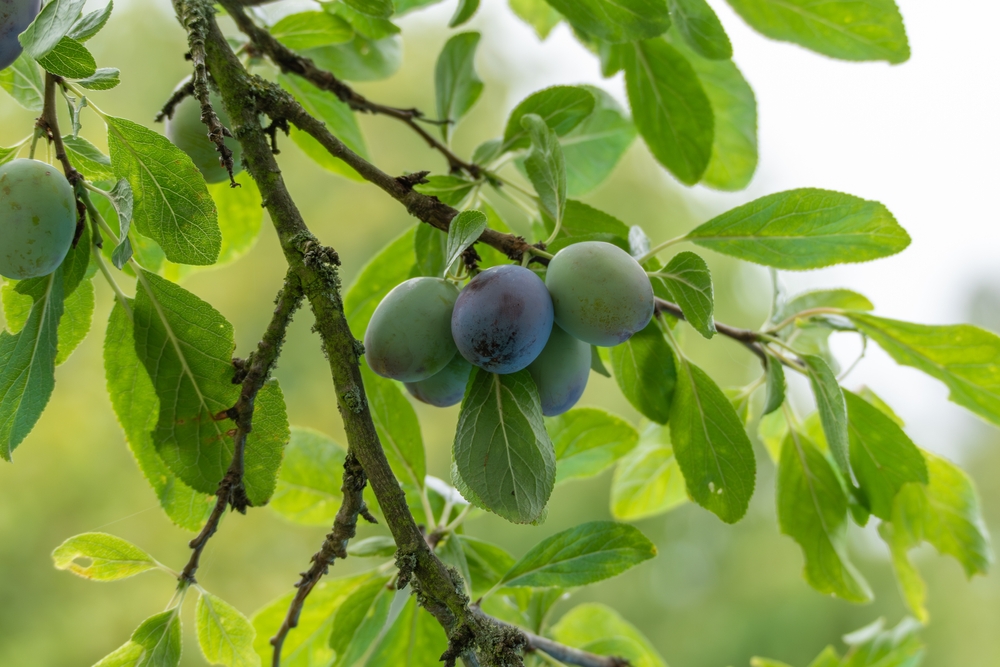
Plum trees offer sweet fruit with a variety of uses, from fresh eating to baking and preserving. They thrive in well-drained, loamy soil and need full sun to produce the best fruit. Varieties like European and Japanese plums each bring a unique flavor to the table. Early spring planting allows your plum tree to develop strong roots before the heat of summer.
Plum trees reach a height of about 15 to 20 feet and can be grown as a standard or dwarf tree. Like cherries and apples, plums require cross-pollination for optimal fruit production. They typically start bearing fruit in 3 to 6 years, with some varieties yielding earlier than others. Regular maintenance and pruning are key to ensuring a healthy tree and maximizing fruit production.
Fig Tree
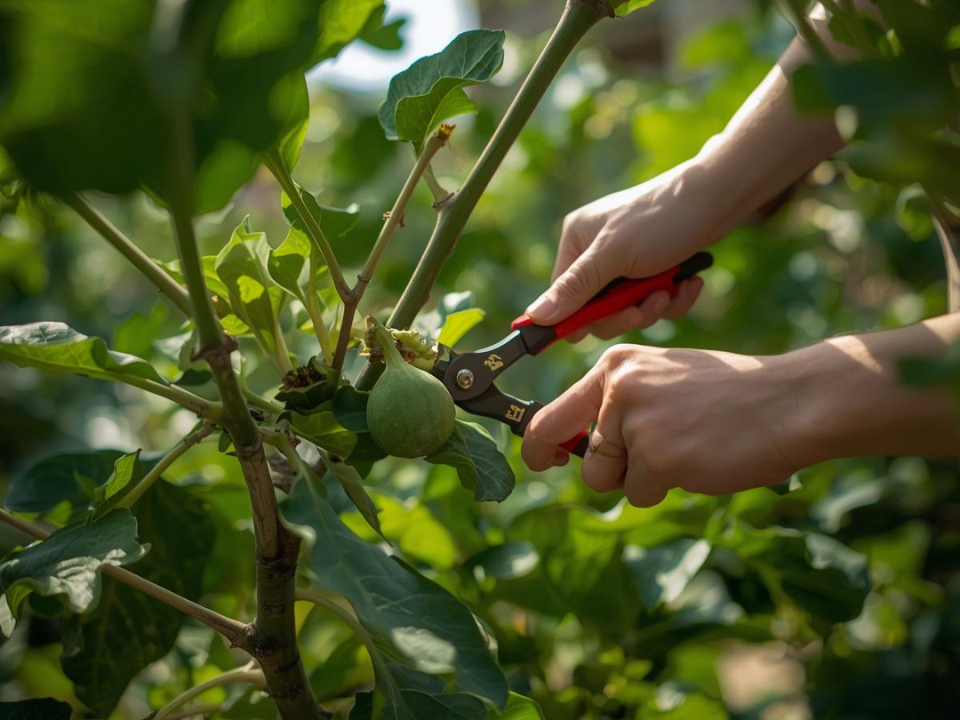
Fig trees are a unique addition to a garden, offering both ornamental beauty and delicious fruit. These trees thrive in full sun and prefer slightly acidic, well-drained soil. They are especially suited for warmer climates, where they can produce multiple crops each year. Varieties like Black Mission and Kadota are particularly popular for their sweet and rich flavors.
Fig trees generally grow 10 to 15 feet tall and can even be grown in containers, making them a great option for smaller spaces. They bear fruit after 2 to 3 years of growth, with a bountiful harvest in the summer. Figs require a warm, dry period to ripen properly, so be sure to plant them in a sunny spot. Once they are established, fig trees are quite low-maintenance, requiring minimal care beyond pruning and occasional watering.
Blackberry Bush
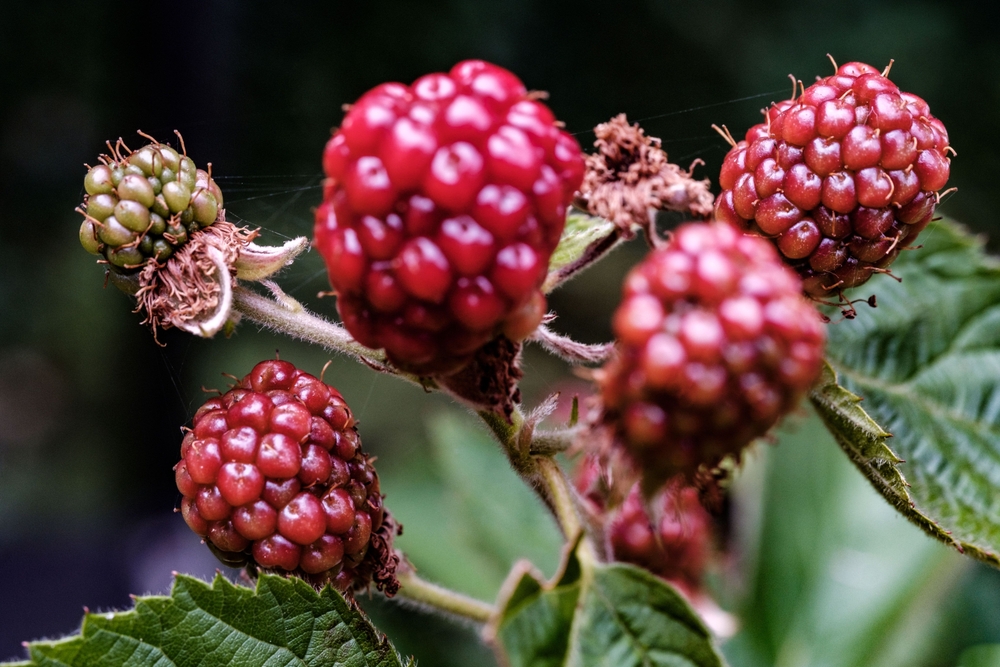
Blackberry bushes are a perfect choice for gardeners looking to enjoy fresh, juicy fruit in the summer. These bushes thrive in well-drained, slightly acidic soil and need full sun for optimal growth. Blackberries are easy to grow and are often seen as a staple for home gardens. With varieties like Marionberry and Boysenberry, these bushes produce sweet, flavorful fruit perfect for pies, jams, or fresh eating.
Blackberry bushes grow best when planted in rows, with proper spacing to allow for airflow. They can be trellised or allowed to grow freely, depending on the space available. These bushes typically begin producing fruit in their second year, with fruit ripening from mid-summer to early fall. Regular pruning helps control growth and ensures the bush remains productive.
Raspberry Bush
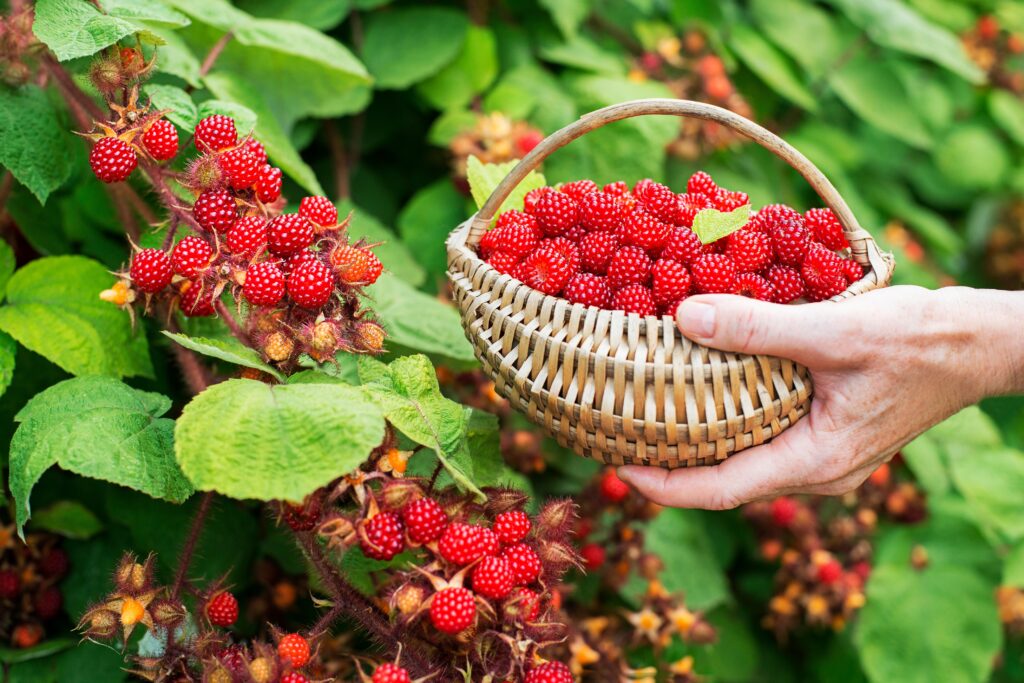
Raspberry bushes are another great option for gardeners looking to grow fruit in smaller spaces. These bushes prefer well-drained, fertile soil and full sun, but can tolerate some shade. Varieties like Red, Black, and Golden raspberries each produce their own unique flavors. These bushes are known for their productivity, with a single plant yielding a large amount of fruit each year.
Raspberries typically grow 3 to 4 feet tall and can be grown in containers or directly in the ground. They benefit from a trellising system to keep the canes upright and manageable. Raspberries generally start bearing fruit in their second year, with a harvest season that stretches from late spring to early summer. Pruning is important to remove old canes and encourage new growth for next year’s harvest.
Apricot Tree
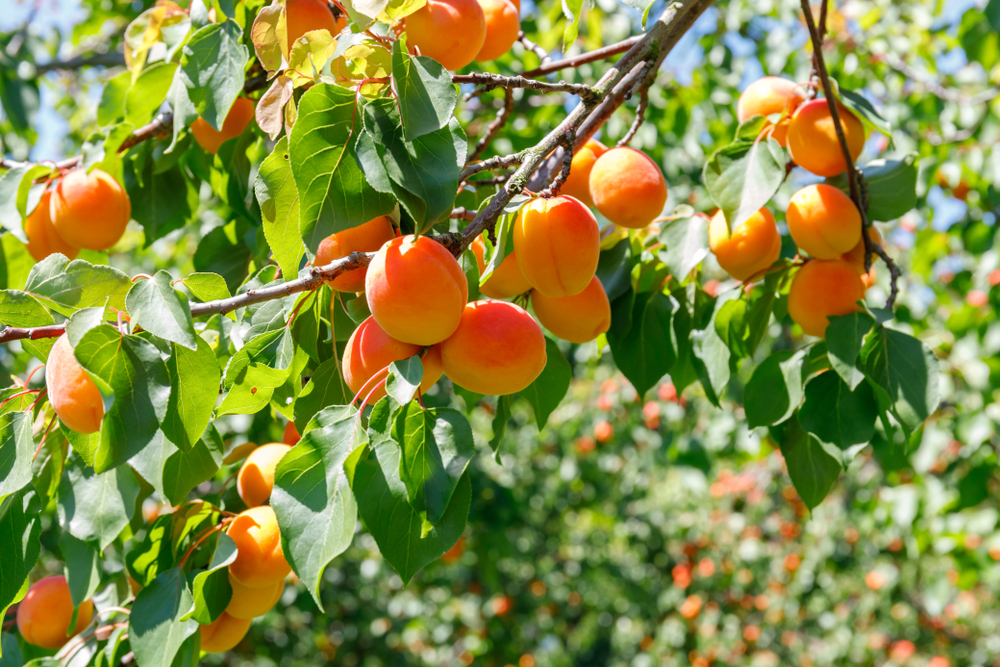
Apricot trees are a great choice for adding both beauty and fruit to your garden. These trees thrive in well-drained soil and need full sunlight to produce the best fruit. Varieties such as Tilton and Katy are prized for their sweet, slightly tart flavor. Apricots generally need a moderate winter chill to set fruit properly, so make sure your climate is suitable for planting.
Apricot trees typically grow 12 to 20 feet tall, depending on the variety. They begin bearing fruit in about 3 to 4 years, with a harvest season in late spring to early summer. These trees benefit from deep watering during dry spells and should be protected from frost. Regular pruning helps to maintain the tree’s shape and health, encouraging strong fruit production.
Lemon Tree
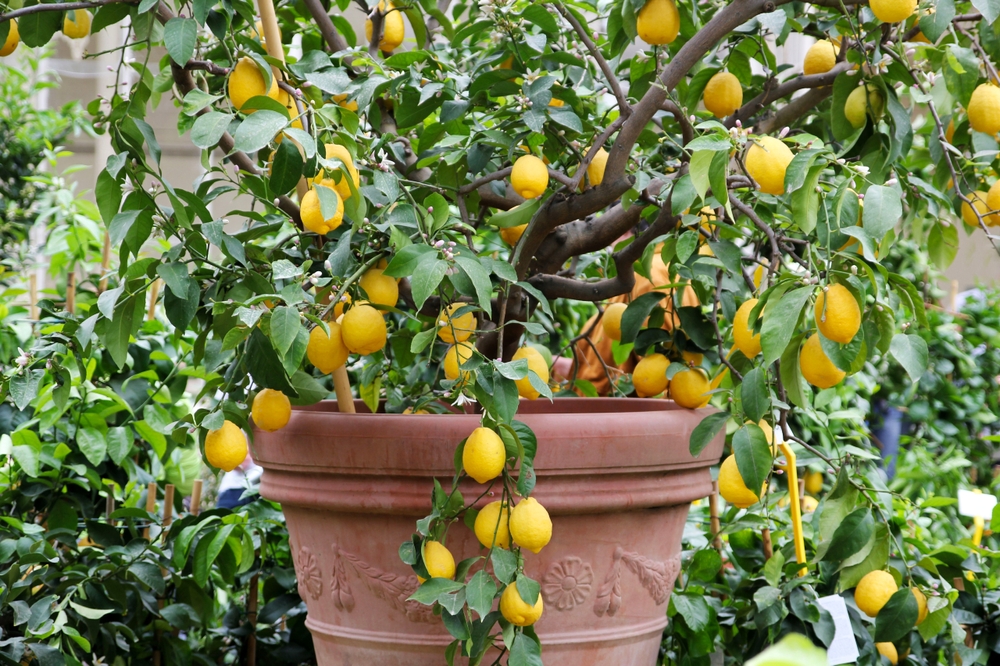
Lemon trees are a fantastic addition for those in warmer climates who want a reliable source of fresh citrus. They thrive in well-drained soil with plenty of sunlight, making them perfect for spring planting. Varieties like Eureka and Lisbon are known for their tart and juicy lemons. Lemon trees require a little more care compared to other fruit trees, but are well worth the effort for their delicious fruit.
Lemon trees typically grow between 10 and 15 feet tall, but dwarf varieties are available for smaller spaces. They usually bear fruit in 2 to 3 years, with lemons ripening year-round in warmer climates. Regular watering and fertilizing are important for healthy growth, especially during fruit-bearing months. Pruning should be done to remove any dead branches and encourage better airflow.
Persimmon Tree
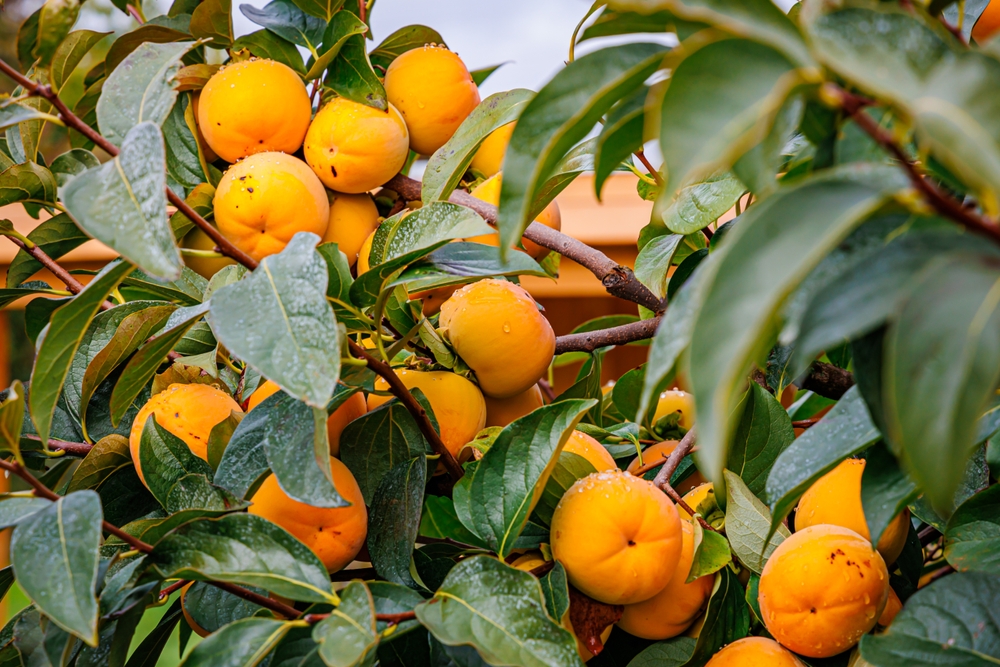
Persimmon trees are a unique choice for gardeners looking to grow a fruit that is both flavorful and ornamental. These trees do best in well-drained, fertile soil and need full sunlight to thrive. Persimmons, especially varieties like Fuyu and Hachiya, have a sweet, honey-like flavor when fully ripe. These trees are ideal for planting in areas with mild winters.
Persimmon trees typically grow 15 to 20 feet tall and can be grown as a standard tree or as a smaller, ornamental tree. They usually begin bearing fruit in 3 to 5 years, with the fruit ripening in late fall. These trees require minimal care once established, though pruning and regular watering are still important. Persimmons are often grown for both their beautiful foliage and their sweet fruit.
Kiwi Vine
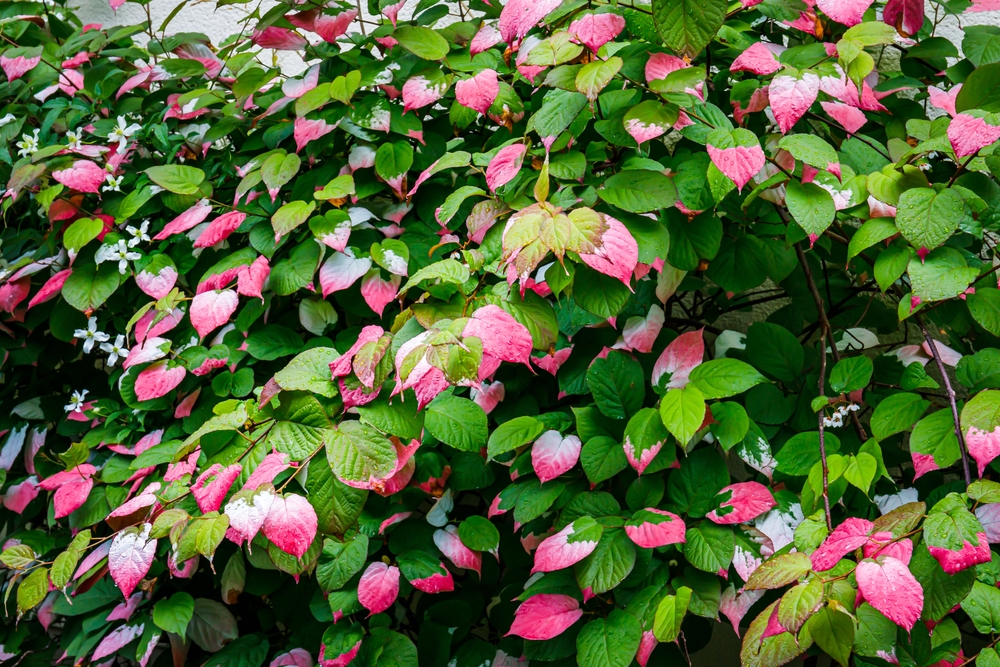
Kiwi vines are a fun and unusual option for gardeners who want to grow something a little different. These vines require well-drained soil and full sun to produce their sweet, tangy fruit. Varieties like Hardy Kiwi and Arctic Kiwi are especially well-suited for colder climates. The vines can be trained to grow on trellises or fences, making them great for vertical gardening.
Kiwi vines typically begin producing fruit in 3 to 5 years, with the fruit ripening in late summer to early fall. They require regular watering and feeding to produce the best fruit. To ensure a good harvest, it’s important to plant at least one male vine for every 8 to 10 female vines for cross-pollination. Kiwi vines are an excellent choice for those looking to try their hand at something unique and productive.
Pomegranate Tree
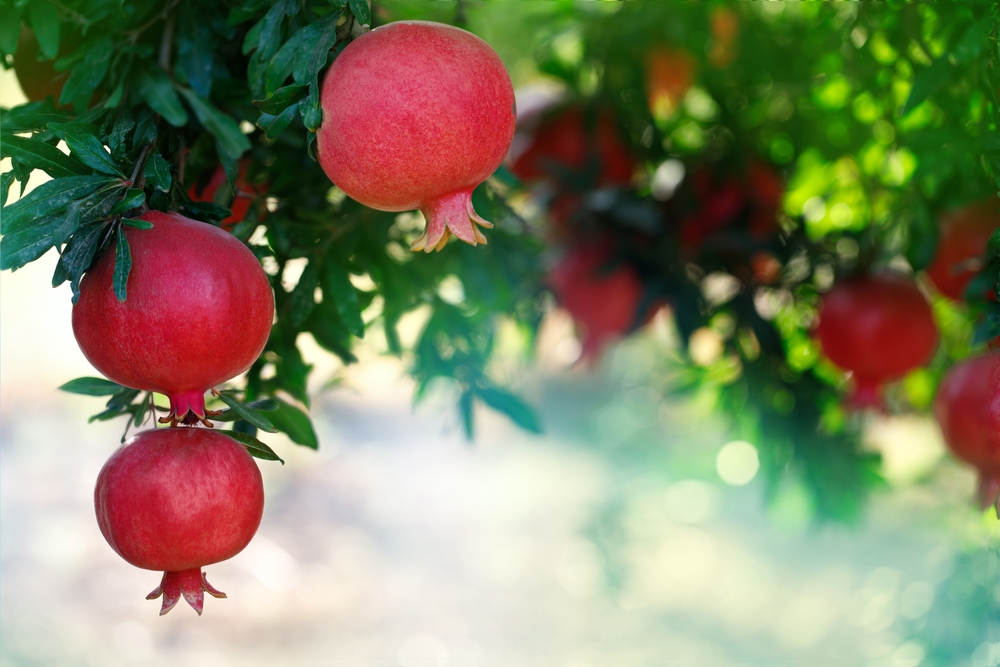
Pomegranate trees are a fantastic choice for gardeners looking for something that thrives in warmer climates. These trees do well in dry, well-drained soil and full sunlight. Varieties like Wonderful and Angel Red are prized for their large, flavorful fruit. Pomegranates are not only delicious but also packed with nutrients, making them a healthy addition to your garden.
Pomegranate trees can grow 12 to 20 feet tall and are relatively low-maintenance once established. They begin bearing fruit in about 3 to 4 years, with the fruit ripening in late summer to early fall. These trees benefit from deep watering and occasional feeding. Pruning is essential to maintain their shape and ensure the tree remains healthy.
Elderberry Bush
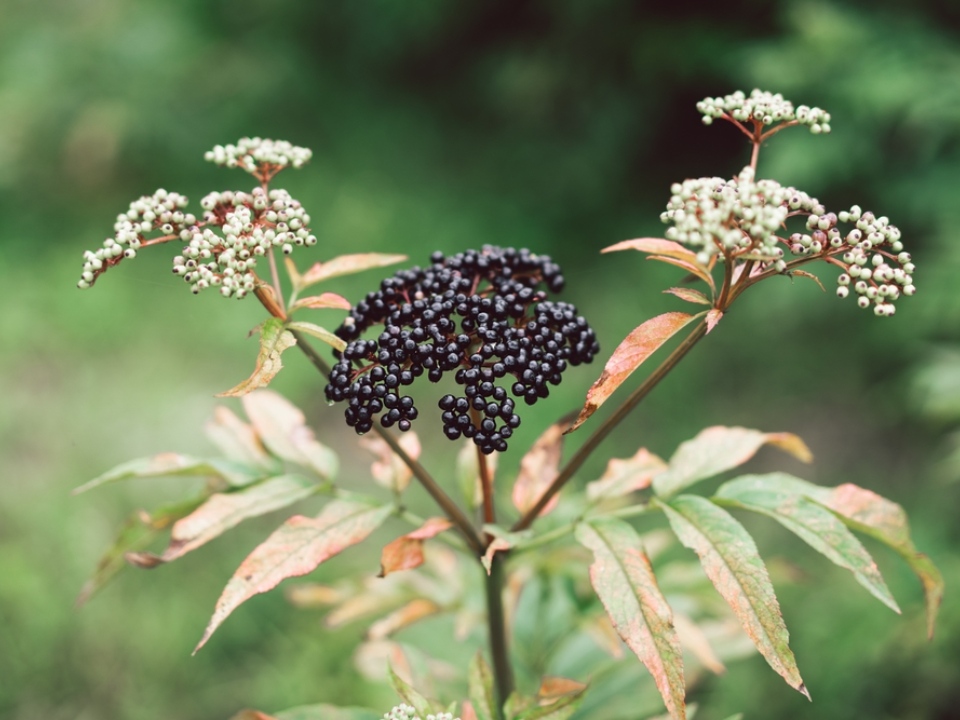
Elderberry bushes are a great choice for gardeners interested in both ornamental plants and fruit production. These bushes thrive in moist, well-drained soil and full sun. Elderberries are known for their dark purple fruit, which is commonly used to make jams, syrups, and wines. They also attract pollinators, making them a good choice for a pollinator-friendly garden.
Elderberry bushes typically grow 5 to 12 feet tall and can be grown as a small shrub or pruned into a small tree. They bear fruit in late summer to early fall and often produce a bountiful crop in the second year. Elderberries should be harvested when they are fully ripe to avoid toxicity. Regular pruning helps to keep the bush healthy and productive.
Mulberry Tree
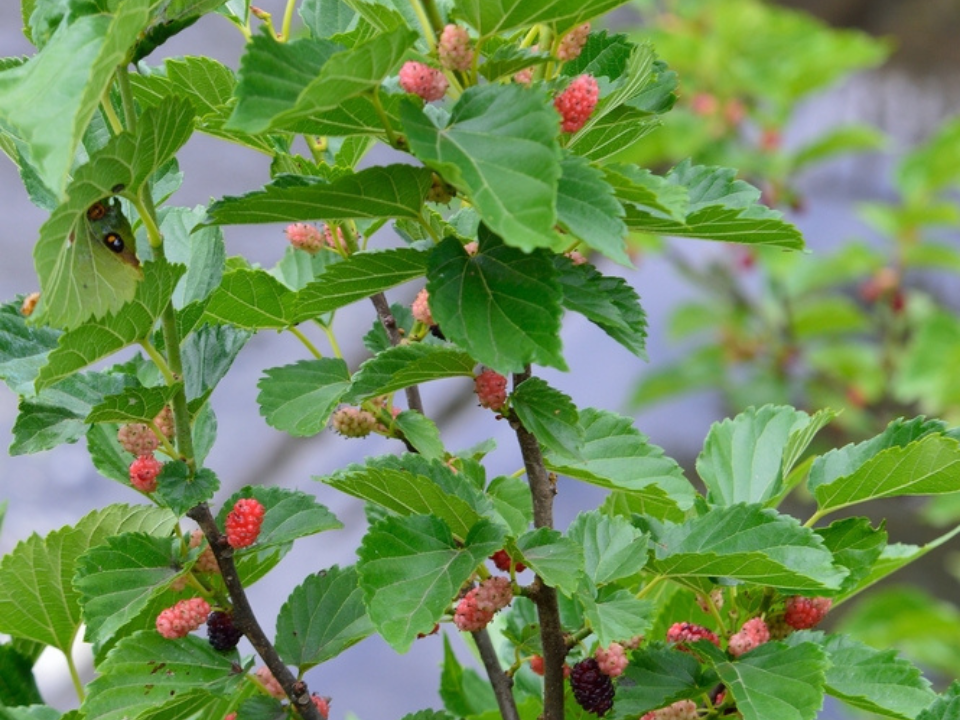
Mulberry trees offer sweet, juicy fruit that is perfect for snacking or making jams and jellies. These trees thrive in well-drained soil and full sun. Varieties like White and Red Mulberry are the most common, and they are known for their easy care and fast growth. Mulberries are a great option for those looking for a tree that produces fruit quickly.
Mulberry trees typically grow 30 to 50 feet tall, but dwarf varieties are available for smaller gardens. They can start producing fruit in 2 to 3 years, and the fruit ripens in late spring to early summer. Mulberries require minimal care once established, although they benefit from regular watering during dry spells. Pruning helps to shape the tree and encourages a better yield.
Sweet Orange Tree
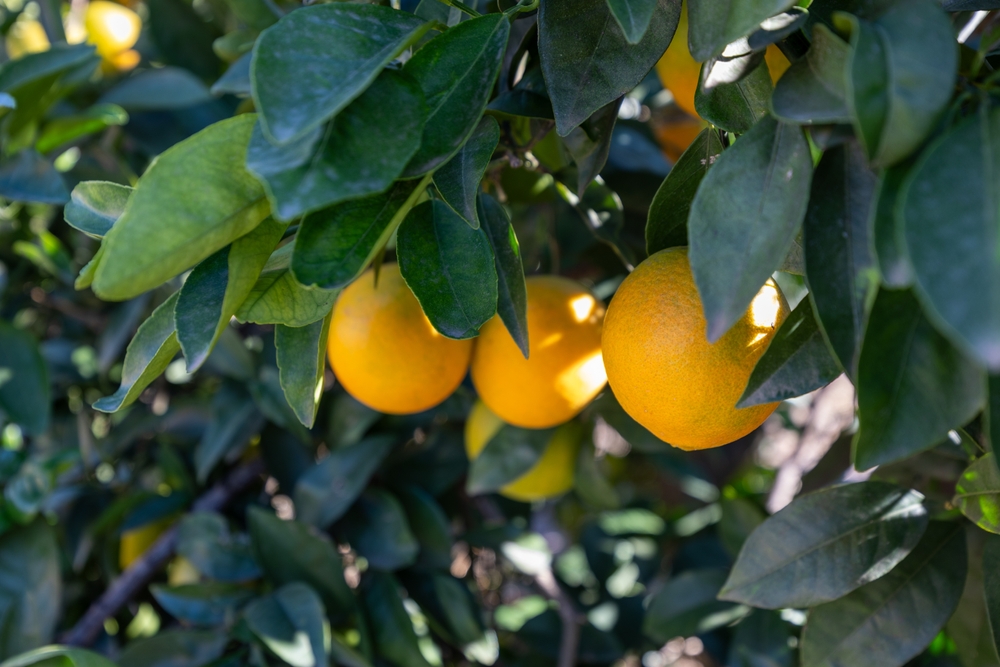
Sweet orange trees are perfect for gardeners in warmer climates who want a constant supply of fresh citrus. These trees do best in well-drained soil with plenty of sunlight. Varieties like Valencia and Navel oranges are some of the most popular for home gardens. Oranges are great for snacking, juicing, or using in recipes.
Sweet orange trees generally grow between 12 to 30 feet tall, depending on the variety. They begin bearing fruit in about 3 to 5 years, with a harvest season that extends from winter through early spring. These trees require regular watering and feeding to keep them healthy and productive. Pruning is essential to maintain the shape and health of the tree.
Guava Tree
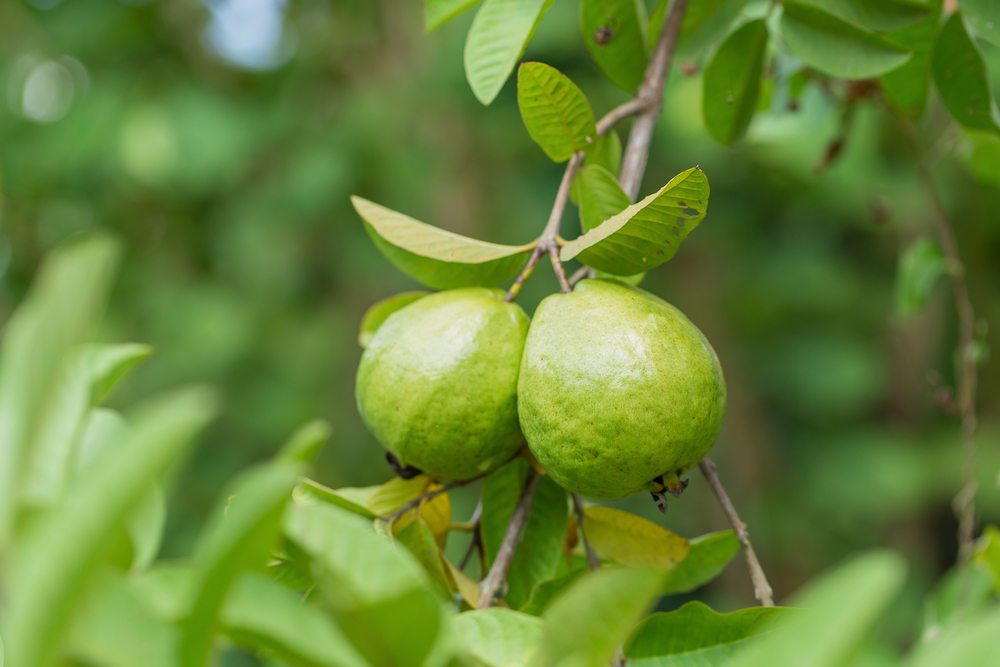
Guava trees are a tropical fruit option that thrives in warmer climates. These trees require full sunlight and well-drained soil to produce the best fruit. Varieties like Pineapple Guava and Strawberry Guava are known for their unique flavors. Guava trees can be grown as small trees or larger shrubs, depending on your available space.
Guava trees typically grow between 10 to 20 feet tall and produce fruit in 2 to 3 years. The fruit ripens in late summer to early fall and is perfect for making fresh juice, jams, or eating on its own. Guavas require regular watering, especially in hot weather, and benefit from occasional fertilizing. Pruning helps to keep the tree healthy and encourages better fruit production.
This article originally appeared on Avocadu.