
13 Fridge and Freezer Reset Tips That Cut Down on Food Waste
If food seems to spoil faster than expected, the setup may be part of the problem. Cluttered shelves make it hard to spot items that should be used soon. A reset helps you spot patterns and rethink how things are stored. Small changes can lead to fewer forgotten leftovers. Stick with this guide and see what works best in your kitchen.
This post may contain affiliate links, which helps keep this content free. Please read our disclosure for more info.
Start With a Full Clear Out
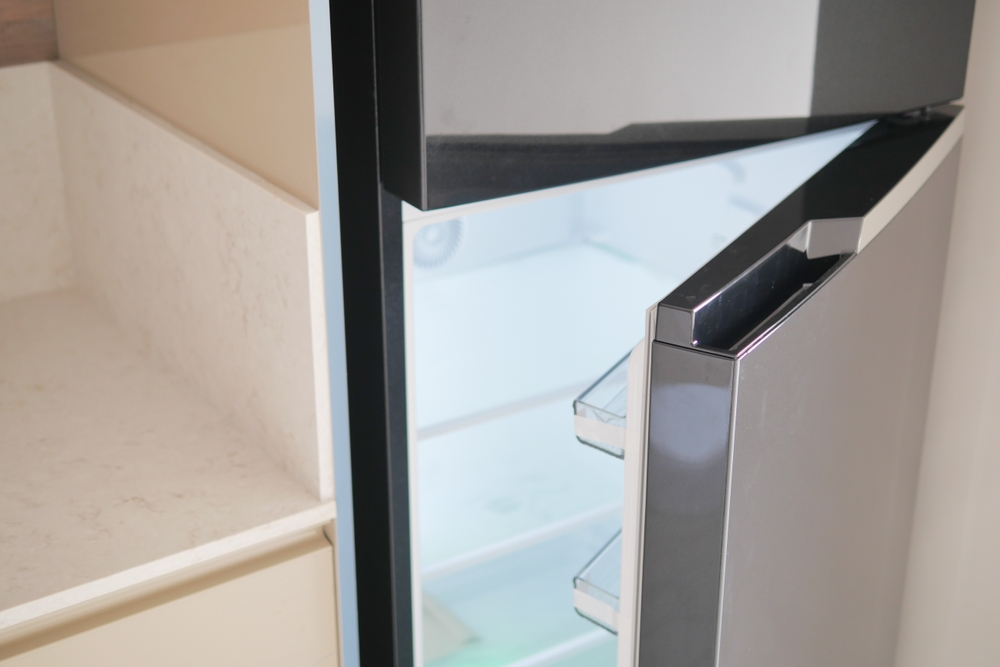
Removing everything from the fridge and freezer at once gives a clear picture of what is actually being stored and what has been forgotten over time. This process makes it easier to spot expired products, freezer burn, and duplicate items that take up space without serving a purpose. Cleaning shelves and drawers while they are empty helps reset the space visually and mentally. A clean starting point makes it easier to build better habits moving forward.
As food goes back in, placing items intentionally instead of randomly helps create order that lasts beyond the first day. Grouping similar foods together reduces visual clutter and speeds up decision-making during meals. When shelves feel organized, it becomes easier to notice what needs to be used soon. This approach helps food get eaten instead of ignored.
Check Dates and Be Honest
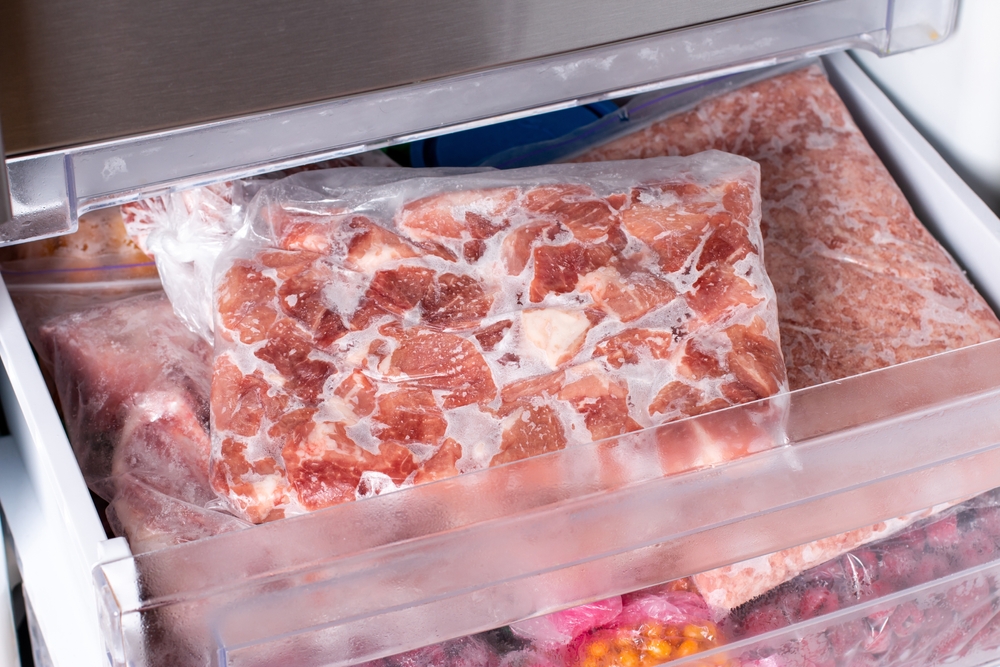
Food waste often comes from items that sit too long because their dates were never checked closely. Taking time to read labels and assess quality clears out items that should no longer be used. This step removes confusion and prevents questionable food from staying in circulation. It also reduces the risk of odors and spills from spoiled items.
After removing outdated food, placing newer items behind older ones helps keep the flow logical. Foods nearing their end date should stay visible so they do not get pushed aside. This visual cue supports better choices during busy days. A quick date check each week keeps this system working.
Create a Leftovers Zone
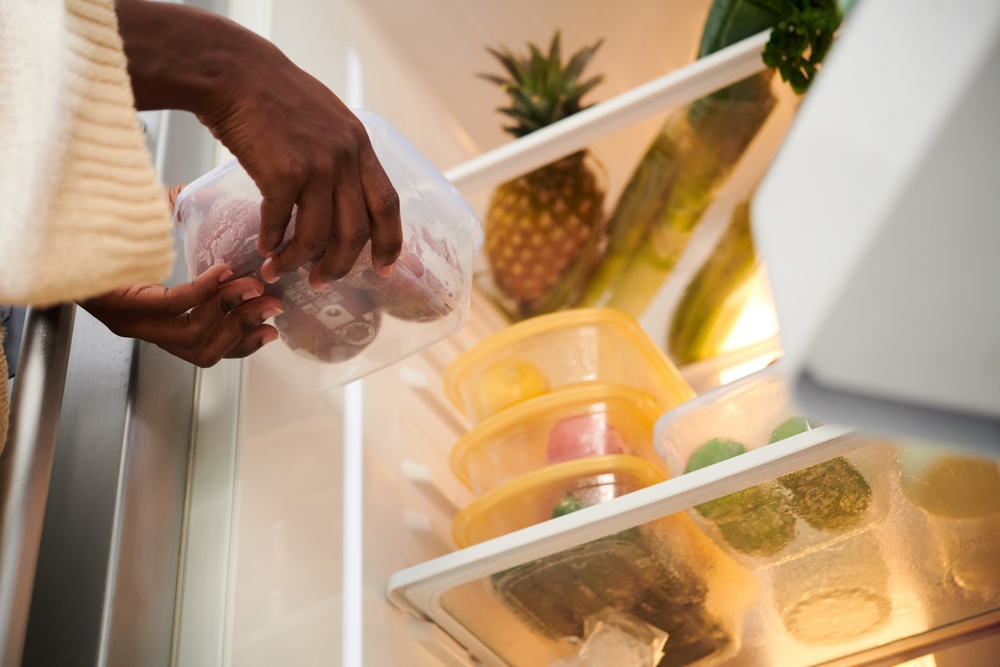
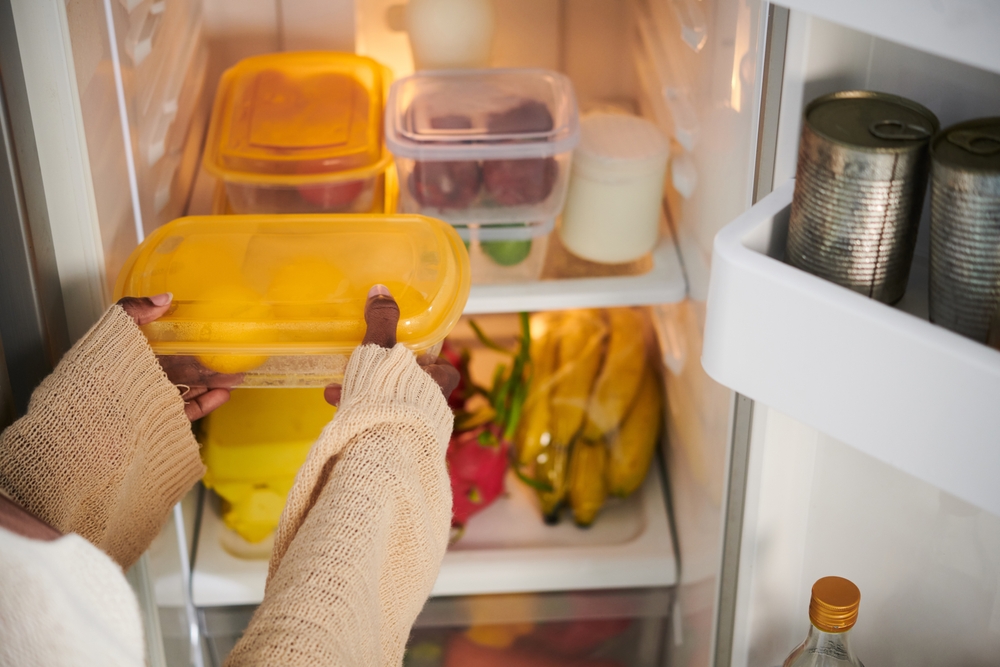
Leftovers often disappear because they are mixed in with packaged items and produce. Setting aside a specific shelf or bin just for leftovers helps keep them visible and easy to access. Clear containers make it easier to recognize meals without opening lids. Adding simple date labels removes uncertainty later in the week.
When leftovers are easy to spot, they become a natural option for lunches or quick dinners. This reduces the urge to cook new meals when food is already prepared. It also cuts down on forgotten containers hiding behind taller items. A designated spot keeps meals in rotation.
Use Clear Storage Containers
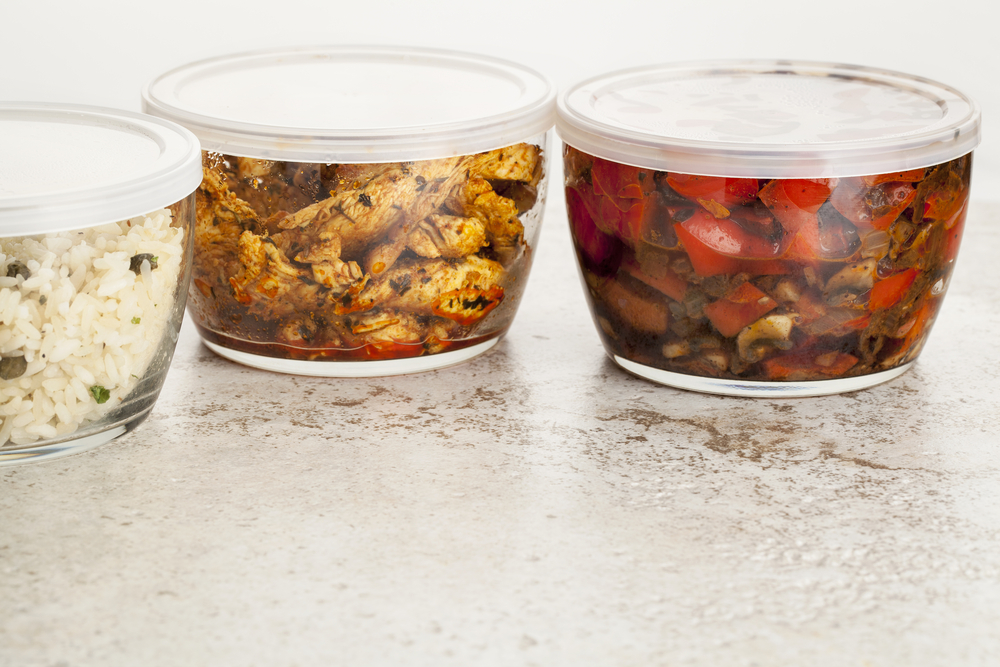
Containers that hide their contents make it easy to forget what is inside, especially when stacked. Clear containers allow food to stay visible even when placed behind other items. This is especially helpful for prepped ingredients and cooked foods meant to be used soon. Visibility plays a major role in food being used.
Clear containers also stack more neatly, which helps reduce wasted space. When shelves feel orderly, items are less likely to get pushed aside. This setup supports regular use rather than long storage. Food stays part of daily meals instead of becoming clutter.
Freeze With Purpose
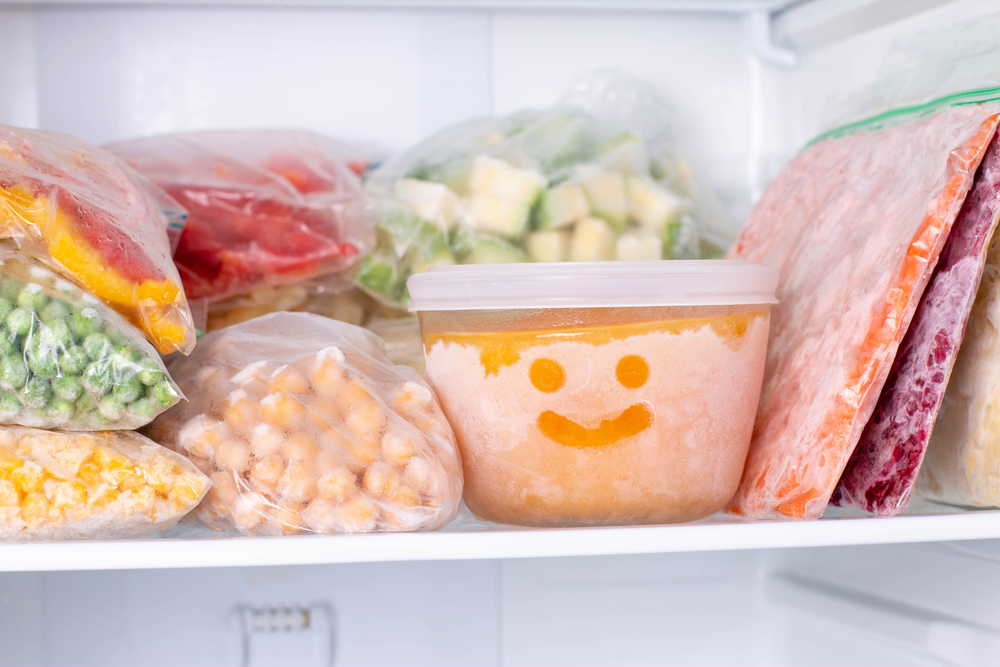
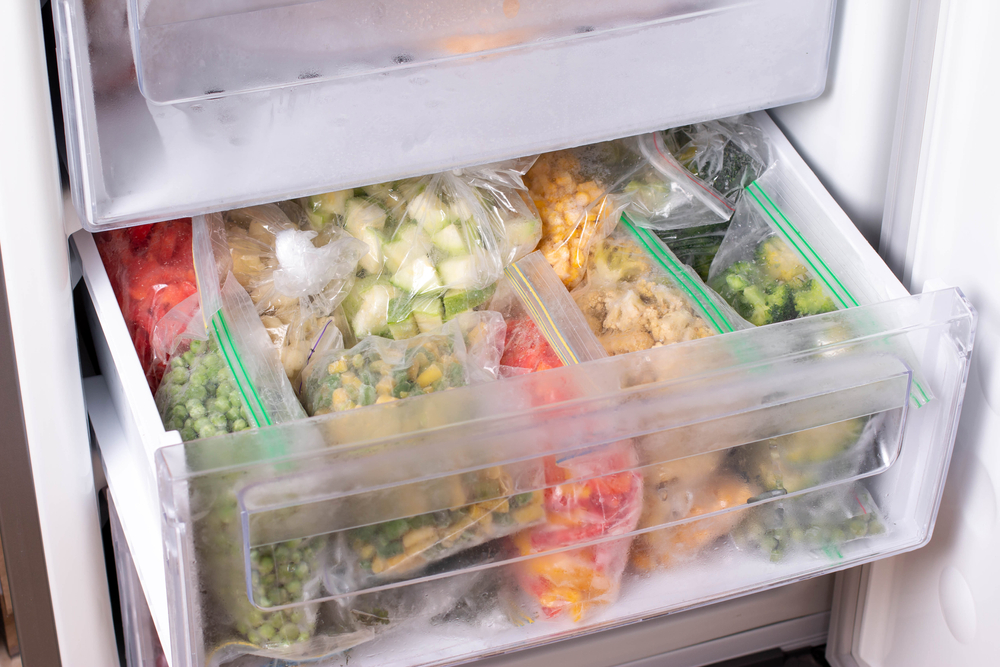
Freezing food without a clear plan often leads to mystery containers that never get used. Portioning food before freezing makes it easier to thaw only what is needed. Labels with names and dates help identify items quickly. These steps remove guesswork later.
Freezing soups and sauces flat saves space and speeds up thawing. Grouping similar frozen foods together makes the freezer easier to scan. Knowing what is available helps with meal planning. A purposeful freezer setup reduces waste over time.
Organize by Food Type
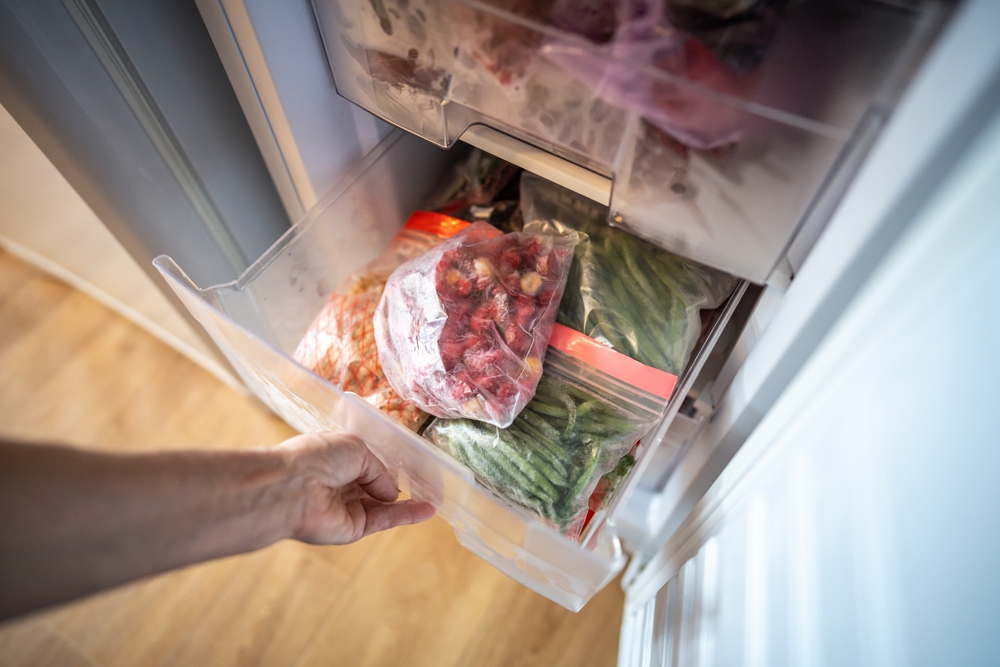
When different types of food are mixed together, items are harder to track. Organizing by category helps create a system that feels natural to use. Keeping ready to eat foods separate from raw ingredients improves clarity. This layout supports safer storage and easier planning.
Grouping similar foods also highlights what needs attention. It becomes easier to notice duplicates or items nearing spoilage. This awareness helps guide shopping and cooking decisions. A clear structure supports everyday use.
Store Produce the Right Way
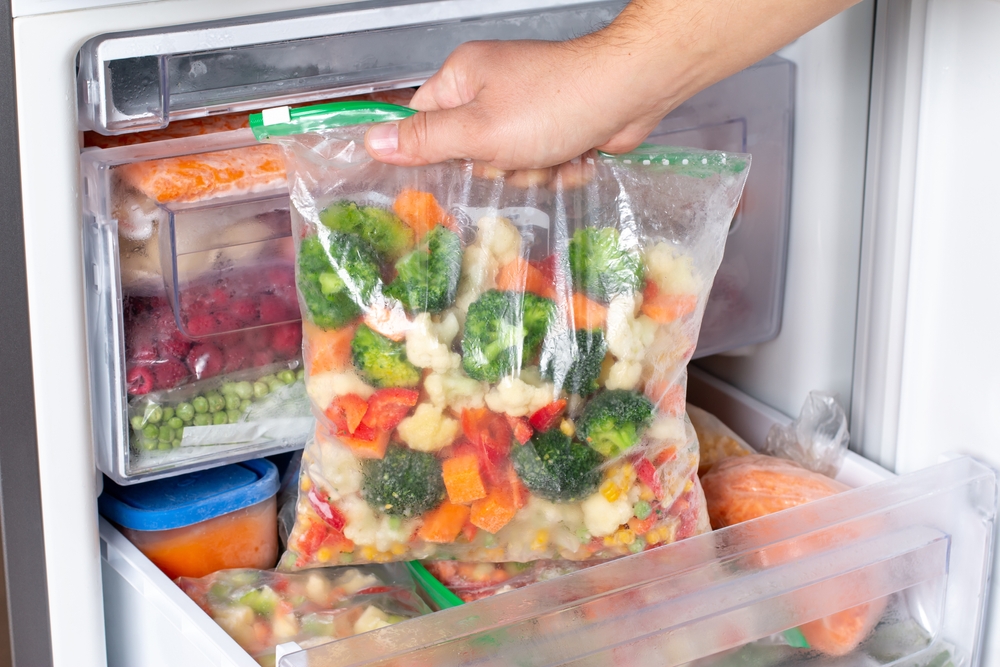
Produce spoils quickly when stored incorrectly, even if it is fresh at purchase. Some fruits and vegetables need airflow, while others need moisture control. Learning basic storage needs helps extend freshness. This reduces waste caused by early spoilage.
Removing produce from plastic bags often helps reduce trapped moisture. Crisper drawers work better when not overcrowded. Separating delicate items prevents bruising. These adjustments help produce last longer.
Keep a Simple Inventory List
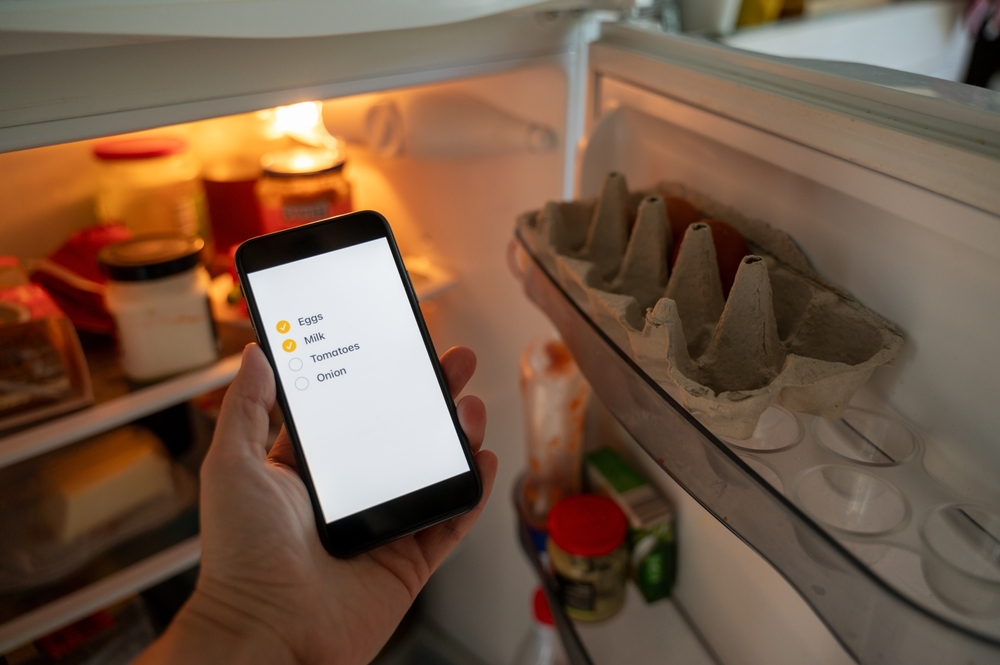
Freezers often become a place where food quietly disappears from memory, especially when items are stacked or stored in opaque containers. Keeping a simple inventory list nearby helps bring everything back into awareness and makes it easier to remember what is already on hand. The list works best when it is updated as items go in or come out, which prevents food from being forgotten until it is no longer usable.
The inventory does not need to include every detail to be effective, since even general notes can be enough to guide decisions. Listing broad categories like soups, meats, or prepared meals helps jog memory when planning dinners. Being able to glance at what is available often changes how meals are planned during the week. Over time, this habit helps older food get used instead of replaced.
Rotate Items Regularly
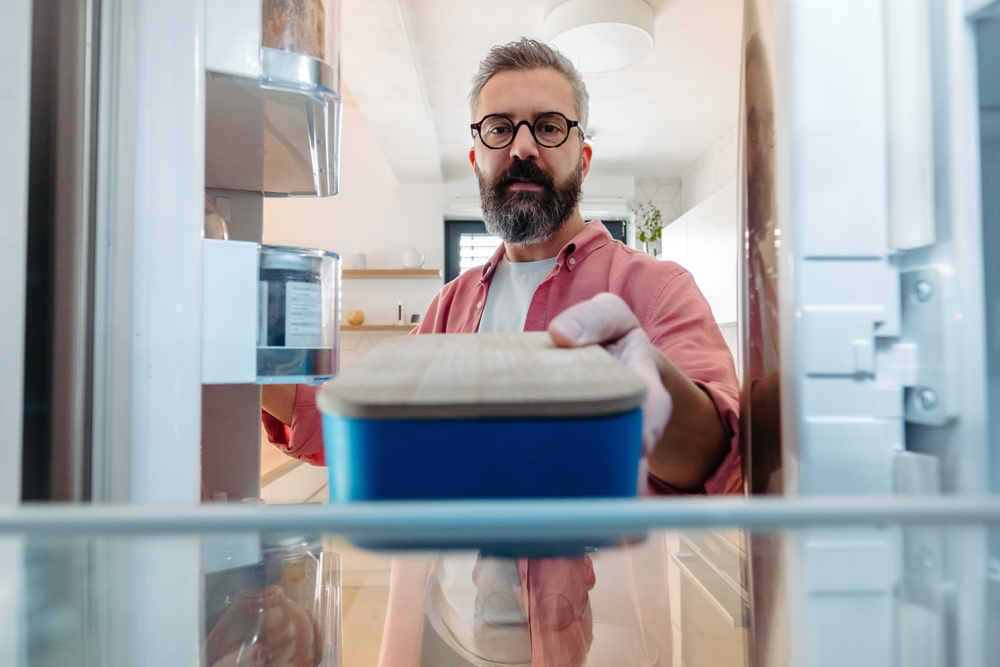
Food tends to disappear when shelves stay in the same order for too long, especially in busy households. Shifting items forward on a regular basis keeps older food visible and prevents it from being buried behind newer groceries. Placing newly purchased items behind what is already there helps create a natural flow. This routine keeps food moving instead of sitting untouched.
Regular rotation lowers the chances of finding expired items during a cleanout. It also helps highlight how quickly certain foods are being used, which can guide future shopping choices. The process does not take much time and can be done while unloading groceries. Over several weeks, it leads to noticeable improvement.
Avoid Overcrowding Shelves
When a fridge is packed too tightly, food becomes harder to see and easier to forget. Leaving some open space allows air to circulate properly, which helps maintain consistent temperatures. Items are easier to reach without shifting everything around. This setup reduces the risk of food being overlooked.
Crowded shelves often lead to items being pushed aside and forgotten. A balanced approach works better than filling every available spot. Open areas make it easier to scan what is available. They also make routine cleaning less frustrating.
Label Homemade Foods
Homemade meals often lack clear storage information, which can lead to uncertainty about how long they have been sitting. Adding simple labels helps track when food was prepared and how long it has been stored. This removes hesitation when deciding whether something is still good to eat. Even basic notes make a difference.
Labels are especially helpful for frozen meals that look similar once solid. Being able to identify items quickly avoids unnecessary thawing. This helps maintain food quality and reduces waste. Clear labeling supports better use of homemade food.
Use the Door Shelves Wisely
The fridge door experiences more temperature changes than other areas, which affects certain foods. Condiments and items with longer shelf life handle these conditions better than dairy or raw ingredients. Keeping sensitive foods in colder sections helps them last longer. Placement plays an important role in food storage.
This setup also improves daily convenience. Items used often remain easy to reach without opening the main shelves. Cold areas stay reserved for foods that benefit from stable temperatures. Small adjustments like this add up over time.
Clean Spills Right Away
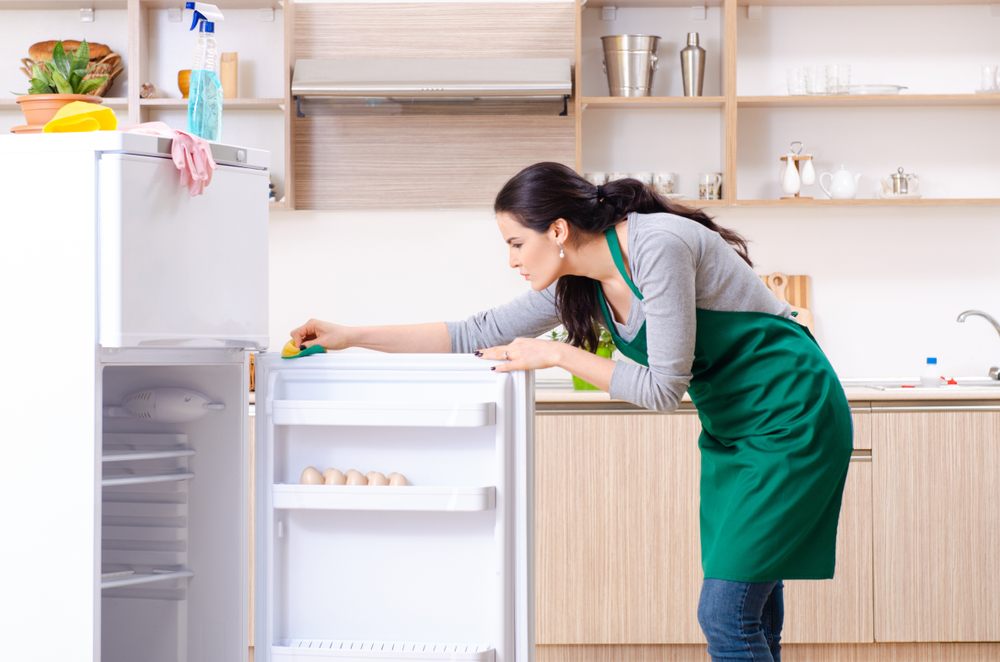
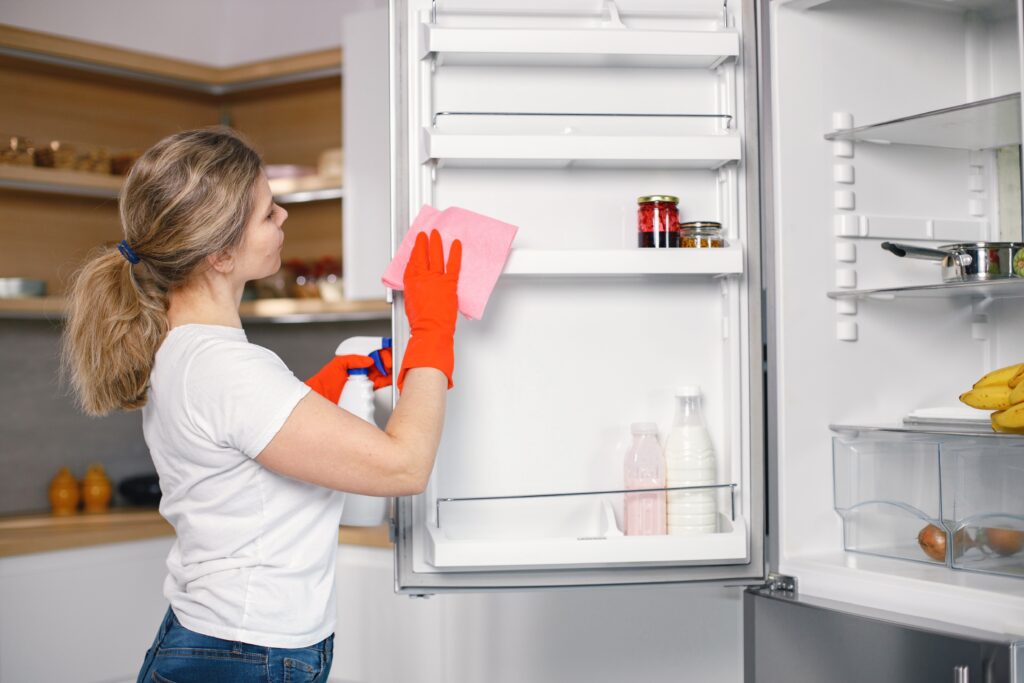
Spills that linger can turn into sticky messes and unpleasant smells that make the fridge less inviting. Cleaning them as soon as they happen keeps shelves usable and prevents residue from spreading. Containers are less likely to stick or tip over. A clean surface supports better organization.
A fridge that smells fresh makes stored food more appealing. This encourages people to use what is there instead of avoiding it. Regular wiping helps maintain order without extra effort. Clean habits support better food use overall.
This article originally appeared on Avocadu.