
14 Fresh Produce to Buy Right Now and What to Make With It
Buying produce in season makes weeknight cooking feel easier and more fun. This list gives you a handful of great picks to grab at the store and simple ideas for what to cook with each one. Use it to plan a few meals, pack lunches, or stretch what you buy across the week.
This post may contain affiliate links, which helps keep this content free. Please read our disclosure for more info.
Asparagus
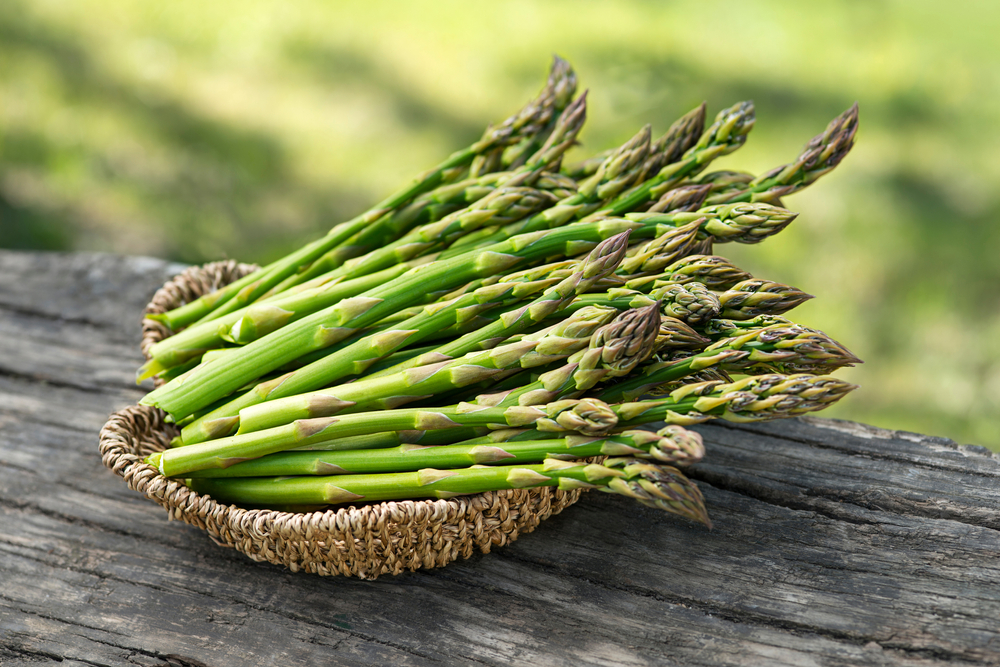
Asparagus is one of those veggies that cooks fast and still feels special on a regular night. Look for firm stalks with tight tips, and skip any bunch that looks limp or dried out at the ends. If the stalks are thick, peel the lower third so it stays tender when you roast it. A quick roast at 425°F with olive oil, salt, and pepper is usually all it needs.
For dinner, toss roasted asparagus into pasta with lemon zest, parmesan, and a splash of pasta water to make a light sauce. It also tastes great chopped into a frittata with eggs, a little cheese, and whatever herbs you have. If you want something snacky, wrap a few stalks with prosciutto and bake until crisp. Leftovers hold up well in a simple grain bowl with rice and a soft boiled egg.
Strawberries
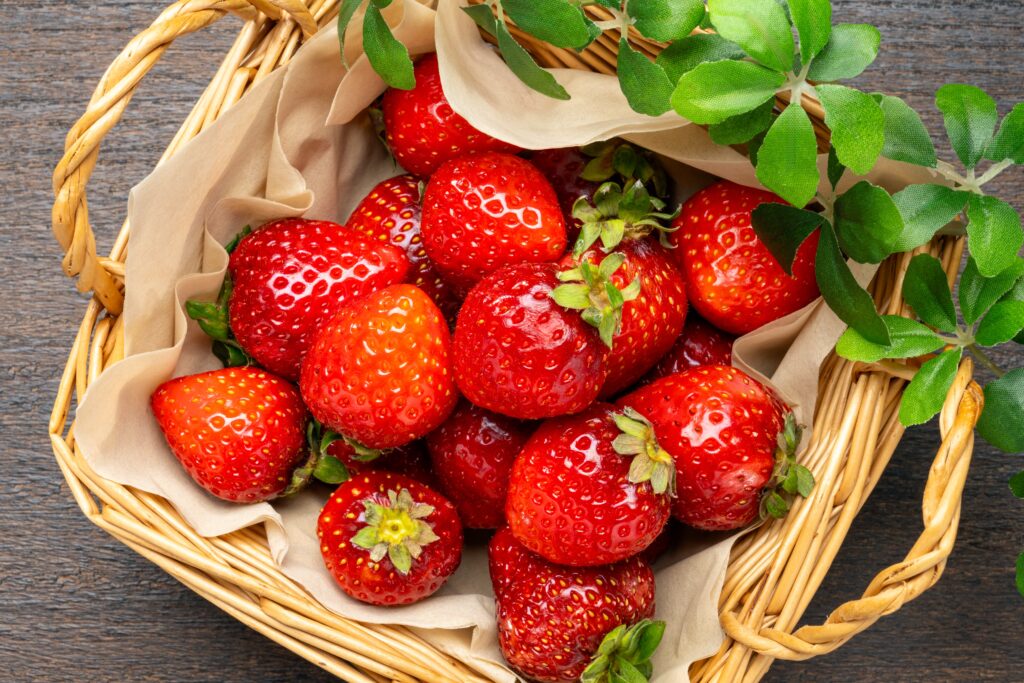
Fresh strawberries should smell sweet even before you cut them, and that scent is a good sign they will taste good. Pick berries that are bright red with green tops that look fresh, not shriveled. When you get home, keep them dry in the fridge and wash them right before you eat them. If any berries look soft, use those first so the rest stay nice longer.
Strawberries are easy in a bowl with yogurt and granola, but they also shine in simple desserts. Slice them and spoon them over warm biscuits with whipped cream for a quick shortcake. For a fast drink, blend strawberries with banana, milk, and a spoonful of peanut butter for extra richness. You can also toss them with a little sugar and lemon juice, then use the syrupy juices to top pancakes or vanilla ice cream.
Snap Peas
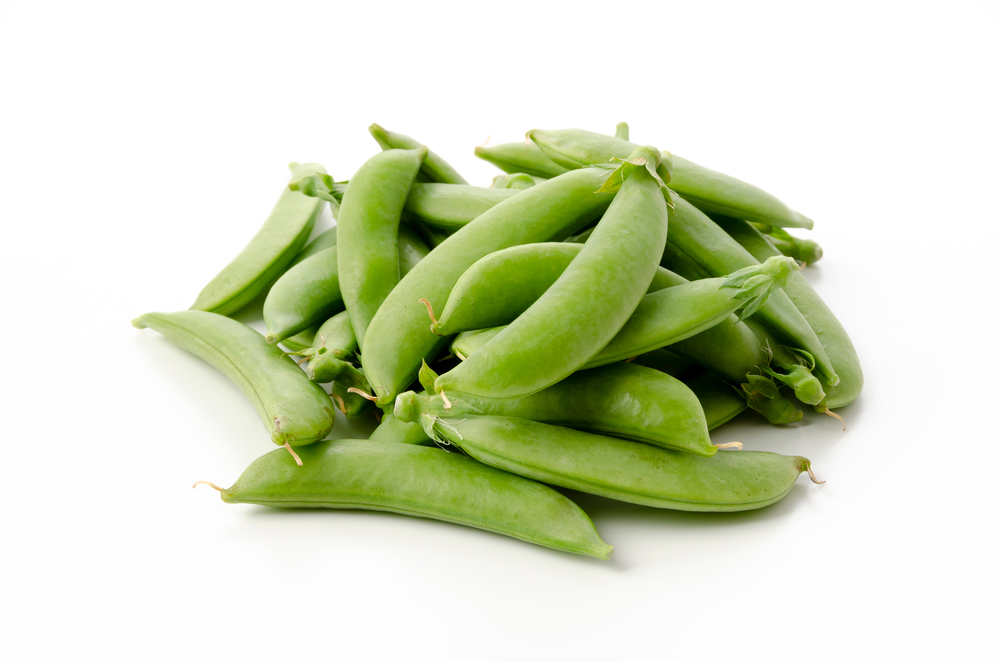
Snap peas are at their best when they are crisp and sweet, almost like a snack you would steal while cooking. Choose pods that look plump and bright green, not dull or wrinkled. The string along the seam can be tough, so it is worth pulling it off before you cook or serve them raw. They keep their crunch if you cook them quickly and do not overdo it.
For an easy side, toss snap peas in a hot pan with a little oil, salt, and a squeeze of lime. They also work well in a quick stir fry with chicken, garlic, and a simple soy sauce mixture. If you want a cold dish, blanch them for one minute, then cool them and add them to noodle salad with sesame oil and rice vinegar. Raw snap peas are great with hummus, ranch, or a simple yogurt dip.
Radishes
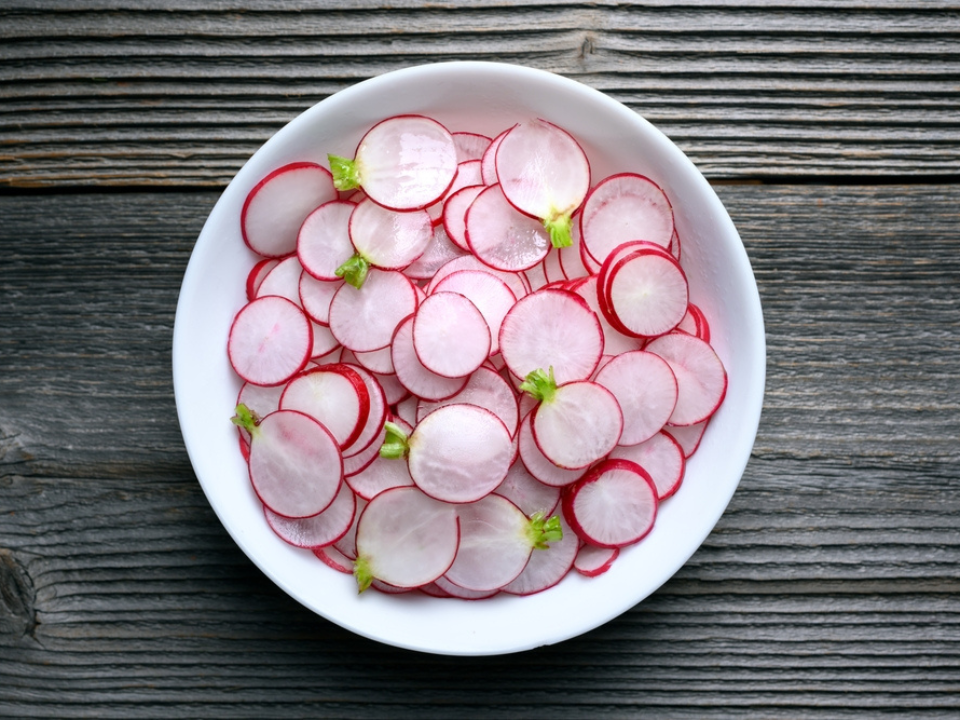
Radishes add crunch and a peppery bite that can wake up a meal that feels a little flat. Look for radishes that are firm and smooth, and if the greens are attached, they should look perky. You can store the radishes and greens separately so they stay fresh longer. If you slice them thin, they mellow out a bit and feel less sharp.
Try them in tacos, on sandwiches, or scattered over a salad for extra snap. Roasting radishes changes them a lot, and they turn mild and slightly sweet with a soft center. You can roast them with olive oil and salt at 425°F, then finish with butter and herbs. Another easy idea is quick pickled radishes with vinegar, sugar, and salt, which are great on rice bowls and burgers.
Baby Spinach
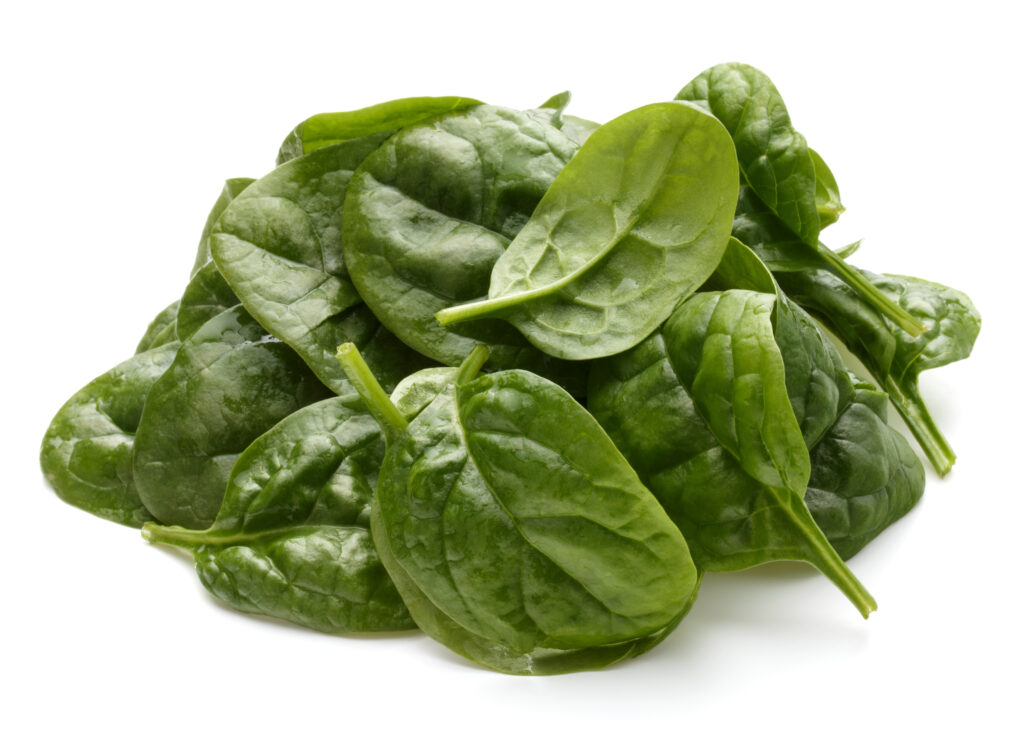
Baby spinach is handy because it goes from a big pile to a small handful in minutes. Choose leaves that look bright and dry, not slimy or crushed in the bag. If you notice condensation inside the container, line it with a paper towel at home to help it last. It is mild enough to use raw, but it also cooks down beautifully in warm dishes.
For a fast dinner, saute garlic in olive oil, add spinach, and toss it with pasta and a squeeze of lemon. It also slides easily into scrambled eggs, omelets, or breakfast wraps without much effort. If you are making soup, stir spinach in at the end so it stays green and tender. Another simple move is to use it as the base for a salad and add whatever is in the fridge, like chicken, nuts, or sliced fruit.
Broccoli
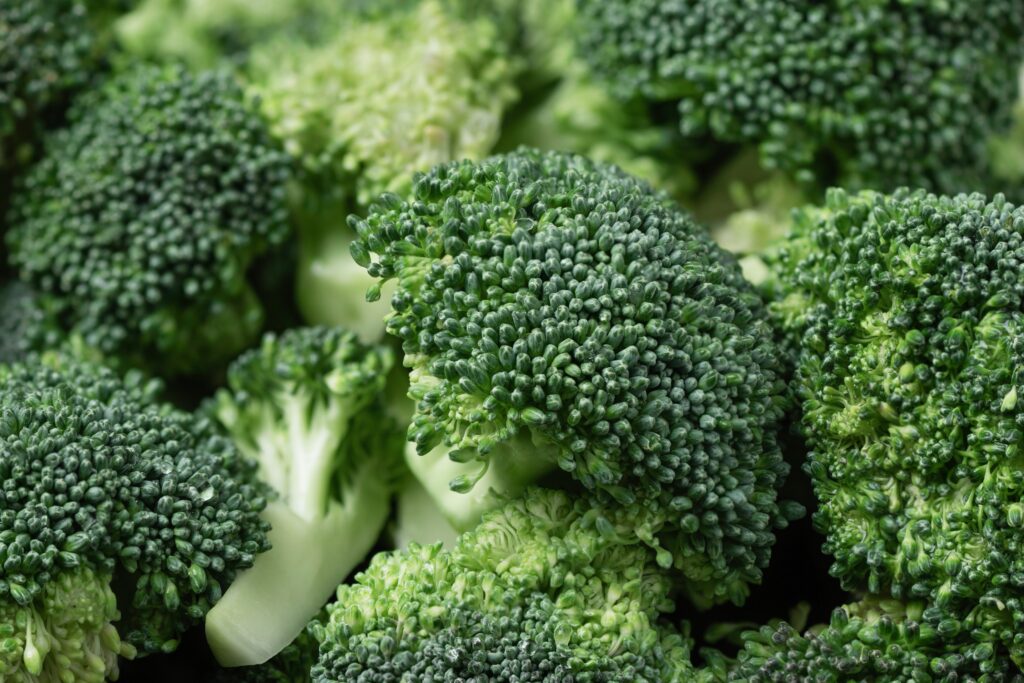
Broccoli is a reliable buy because it can become a side dish, a main dish, or a snack with very little work. Look for tight, dark green florets and stems that feel firm, not rubbery. If the florets are starting to yellow, the flavor can be stronger and the texture less pleasant. Do not toss the stems, because peeled stems are sweet and great sliced into coins.
Roast broccoli at 425°F until the edges get crisp, then finish with lemon and a little parmesan. For something cozy, make broccoli cheddar soup with onion, broth, milk, and shredded cheese, then blend it until smooth. Broccoli also works in a quick stir fry with beef or tofu and a simple sauce made from soy sauce and a little honey. If you want a kid friendly option, serve roasted broccoli with a yogurt based dip or a mild cheese sauce.
Carrots
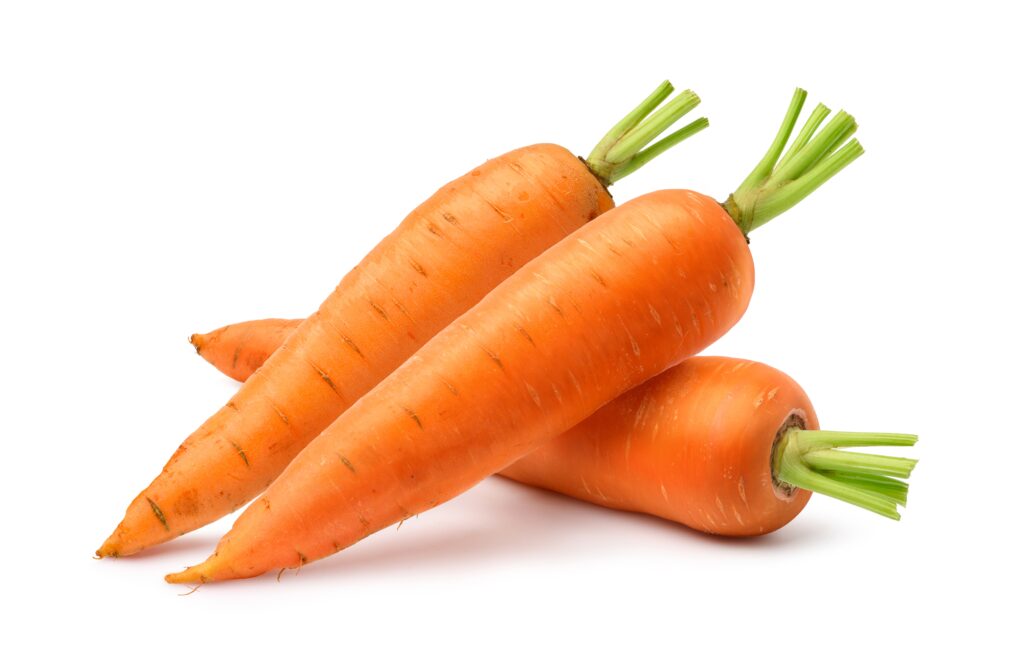
Carrots stay fresh longer than a lot of produce, so they are a smart pick when you want groceries to last. Choose carrots that feel firm and look bright, without cracks or limp tips. If you buy carrots with tops, remove the greens so the roots do not dry out. The flavor is sweeter when carrots are fresh, which helps in both savory dishes and snacks.
Roast carrots with olive oil, salt, and cumin, then finish with a drizzle of honey for a simple side. Shred them for a quick carrot salad with lemon, raisins, and a little mayo or yogurt. They also make a great base for soups, especially blended carrot ginger soup with a bit of coconut milk. If you need something easy for lunches, pack carrot sticks with hummus or peanut butter.
Mushrooms
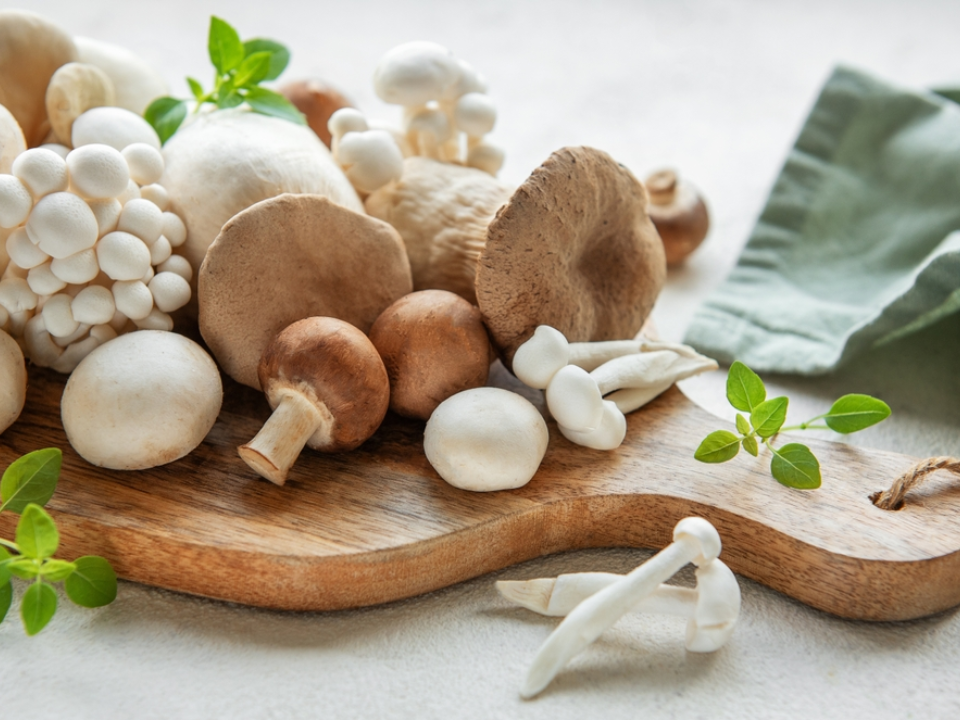
Mushrooms bring a savory, hearty flavor that makes simple meals taste richer. Look for caps that are dry and smooth, not slimy, and avoid packages with a lot of moisture. Store them in a paper bag or keep the package slightly open so they do not get soggy. When you clean them, a quick wipe with a damp paper towel works better than soaking them.
Saute mushrooms with butter and garlic until they brown, then pile them on toast with a fried egg. They are also excellent in pasta, especially with a splash of cream and a little parmesan. For a simple dinner, cook mushrooms with onions, then add ground meat and use it as a filling for tacos or lettuce wraps. If you want something comforting, stir them into risotto or a creamy rice skillet.
Zucchini
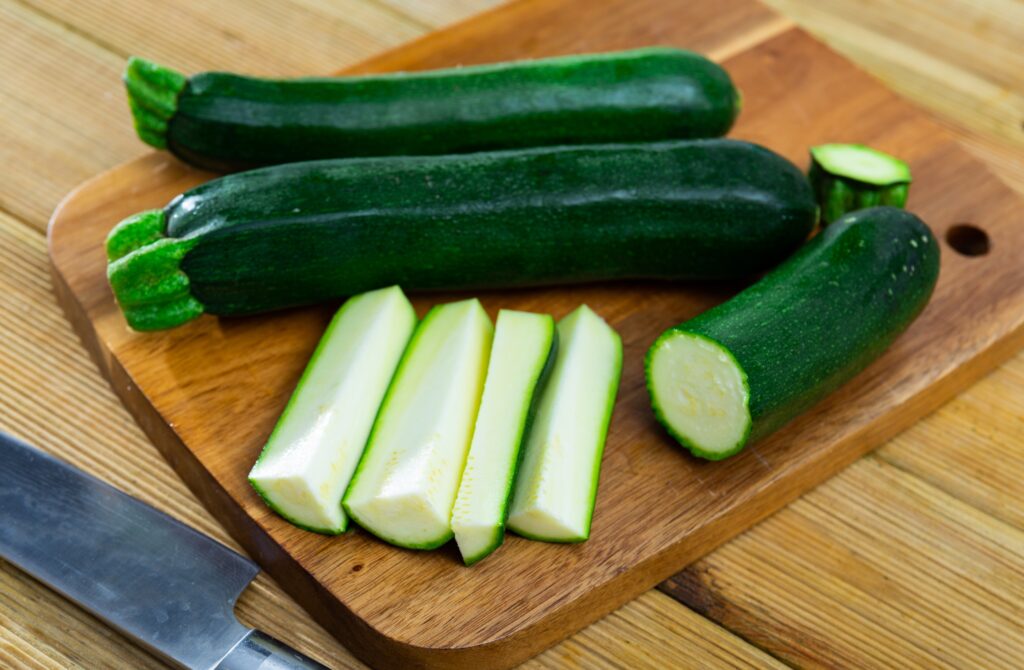
Zucchini is mild and easy to use, and it takes on whatever flavor you pair it with. Pick zucchini that feel heavy for their size with smooth, glossy skin. Smaller zucchini usually have a better texture and fewer watery seeds. If you are not using it right away, keep it in the crisper drawer so it stays firm.
Grate zucchini and make quick fritters with egg, flour, and a pinch of salt, then pan fry until golden. Slice it into half moons and saute it with garlic and olive oil for a simple side that goes with almost anything. You can also cut it into ribbons with a peeler and toss it with pesto for a light, fast dinner. If you have extra, add shredded zucchini to muffins or quick bread for a soft texture.
Cauliflower
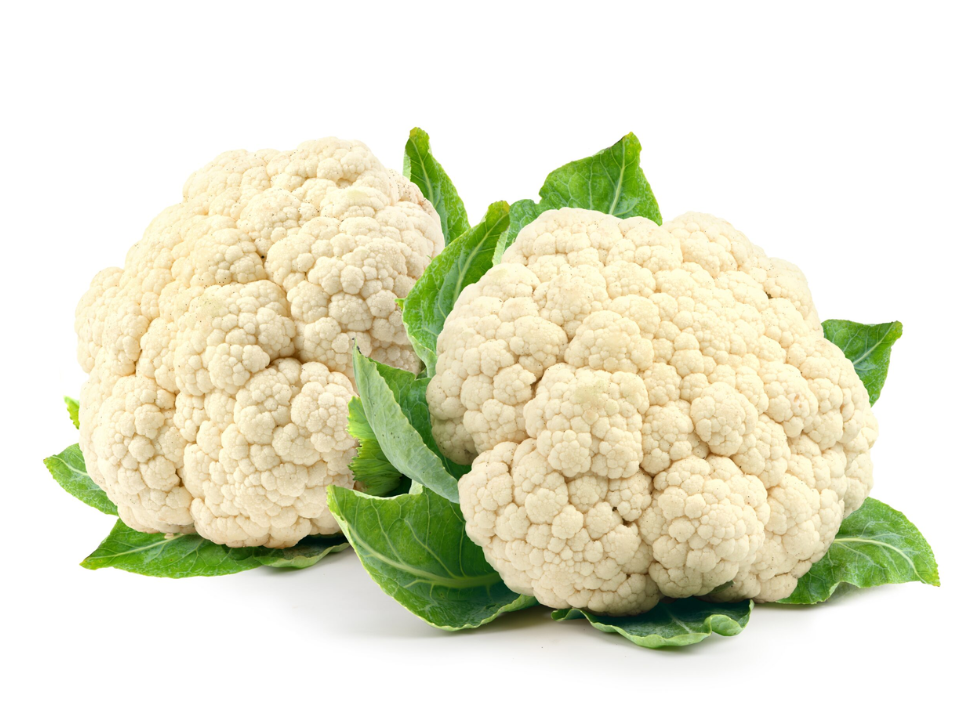
Cauliflower is a flexible vegetable that can feel different depending on how you cook it. Look for heads that are firm with tight florets and minimal brown spots. If the leaves are still attached and green, that is usually a good sign of freshness. Cauliflower can smell a bit strong if it sits too long, so use it within a few days.
Roast cauliflower florets at 425°F until browned, then toss with curry powder and serve in warm tortillas with slaw. You can also mash cooked cauliflower with butter and garlic for a creamy side dish. For something crunchy, try roasted cauliflower “bites” with buffalo sauce and a dip. It is also great in a simple sheet pan dinner with chicken thighs and a lemony seasoning.
Cabbage
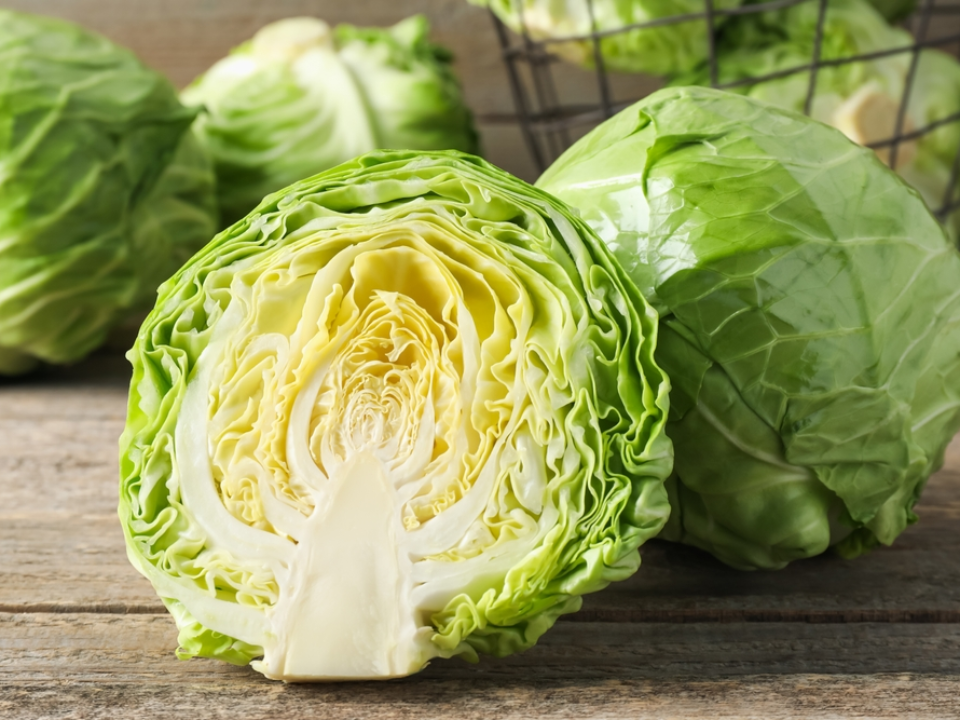
Cabbage is cheap, sturdy, and stays good in the fridge for a long time, which is why it is worth buying. Choose a head that feels heavy and tight, not loose and airy. The outer leaves can look a little rough, but the inside should be crisp. Once you cut it, wrap it well so it does not dry out.
Make a crunchy slaw with cabbage, vinegar, and a little mayo, then serve it with tacos, sandwiches, or grilled chicken. For an easy dinner, stir fry sliced cabbage with noodles, ground meat, and a sauce made from soy sauce and garlic. Cabbage also works in soups, especially with potatoes and sausage for a simple one pot meal. If you like roasted vegetables, roast wedges of cabbage until the edges caramelize, then finish with salt and a squeeze of lemon.
Lemons
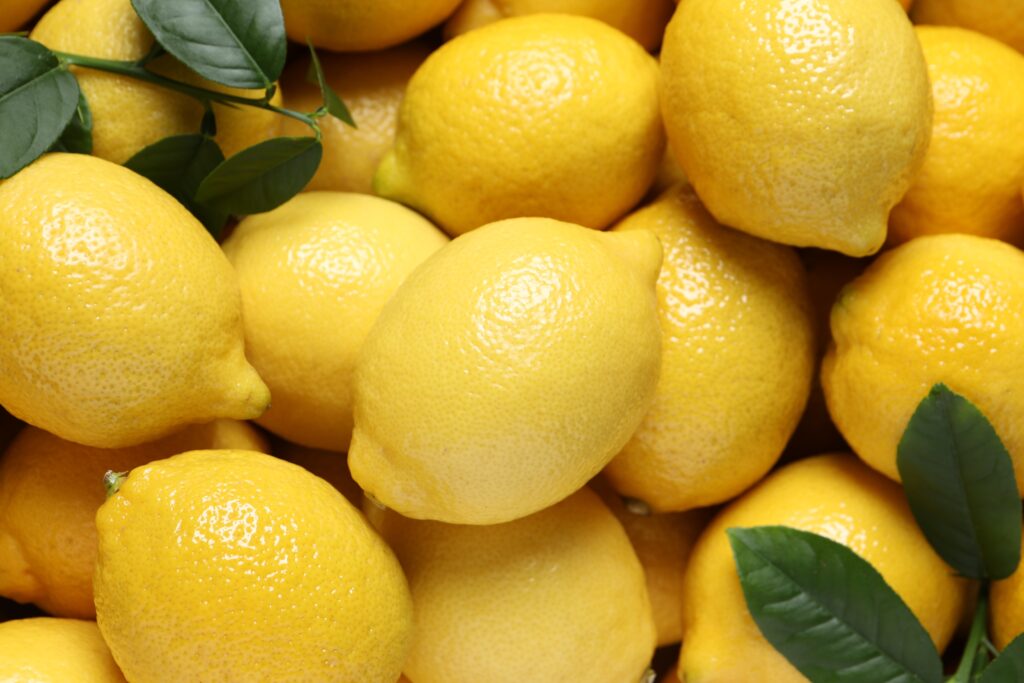
Lemons make almost any dish taste fresher, and it is surprising how often you will reach for one. Pick lemons that feel heavy with smooth, bright skin, which usually means they have more juice. If you want extra zest, choose ones with thinner skin rather than thick, bumpy rinds. Keep a few on the counter for daily cooking and store extras in the fridge.
Use lemon juice to finish roasted vegetables, chicken, or fish right before serving. Lemon zest is great in pasta, muffins, and salad dressings because it adds flavor without extra liquid. Make a quick vinaigrette with lemon juice, olive oil, salt, and a little mustard, then toss it with greens or a grain bowl. You can also stir lemon into soups at the end, which brightens the whole pot in seconds.
Avocados
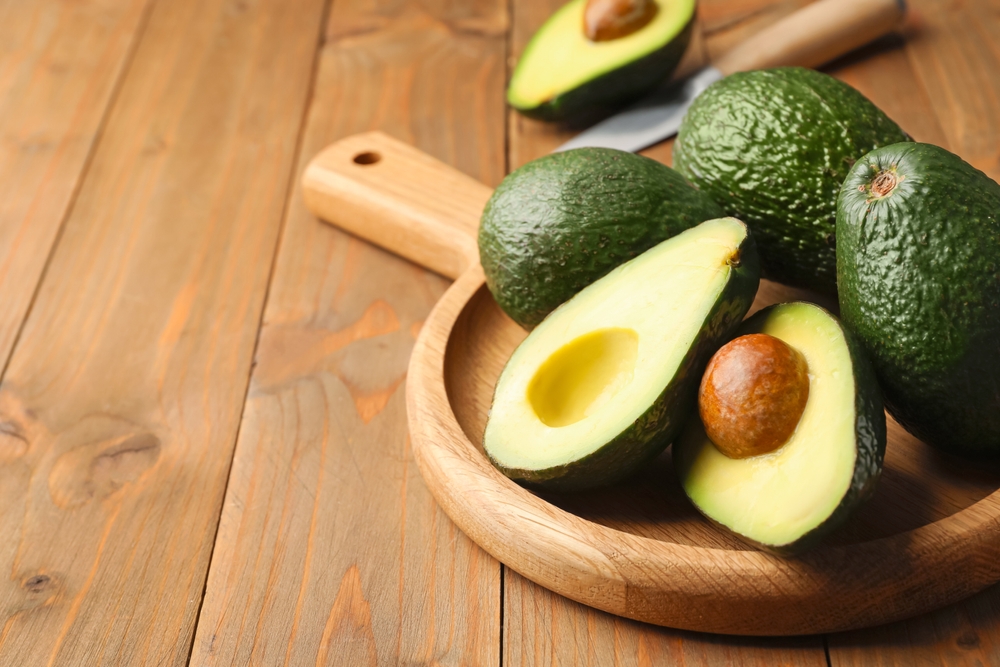
A good avocado should give slightly when you press it, but it should not feel mushy or dent easily. If you need it later in the week, buy firmer ones and let them ripen on the counter. Once it is ripe, move it to the fridge to slow things down. If you cut one and do not use it all, keep the pit in and cover it tightly to help prevent browning.
Avocado toast is easy, but it is also great in wraps with turkey, lettuce, and tomato. Mash it with lime, salt, and chopped onion for quick guacamole for taco night. For a simple lunch bowl, add sliced avocado to rice with beans, salsa, and shredded cheese. You can even blend avocado into a smoothie with cocoa powder and banana for a creamy, dessert like drink.
Fresh Herbs
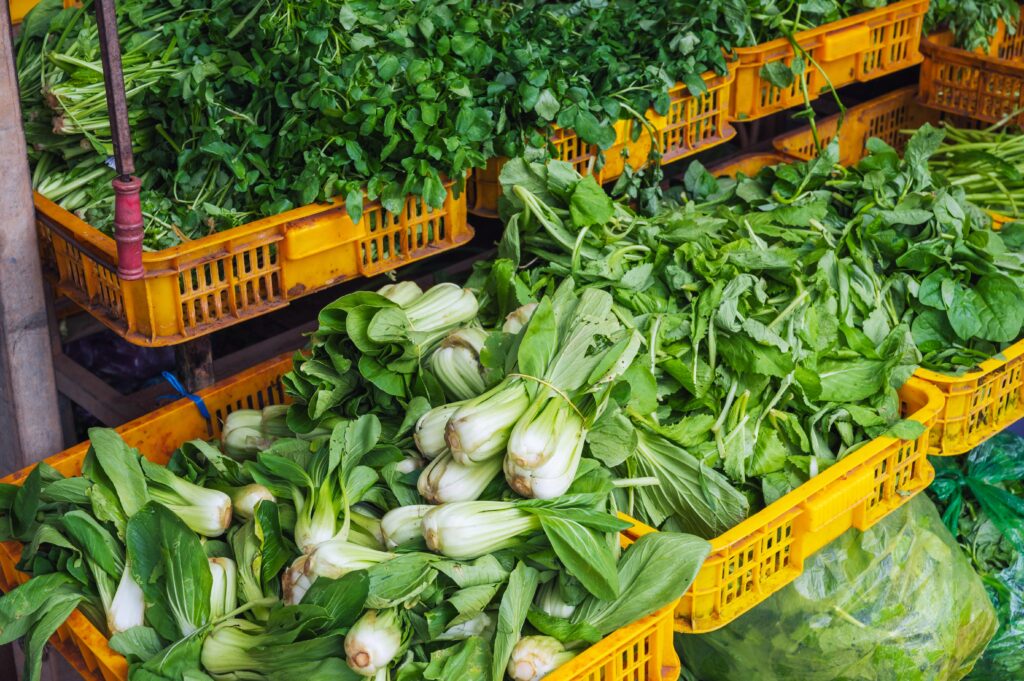
Fresh herbs make meals taste brighter without much effort, and they can make leftovers feel less boring. Choose bunches that look perky and green, not wilted or slimy at the stems. If you bring them home in plastic, unwrap them so moisture does not build up. You can also stand them in a jar with a little water, like flowers, and cover loosely with a bag.
Chop herbs into a quick green sauce with olive oil, lemon, and garlic, then spoon it over chicken or roasted potatoes. They are also great stirred into rice, eggs, and buttered pasta right before you eat. If you have extra, mix chopped herbs into softened butter, then chill it and slice off pieces for steaks or vegetables. Another easy option is to add herbs to a simple salad dressing so it tastes fresh and lively.
This article originally appeared on Avocadu.