
12 Forgotten Homologation Cars That Were Built for Racing Rules
Racing regulations have always pushed manufacturers to innovate, and homologation cars are a prime example. These special vehicles were created to comply with strict rules, allowing manufacturers to take part in racing events. However, many of these cars never became household names, lost in the shuffle of more popular models. Despite their limited production, homologation cars often feature incredible engineering.
This post may contain affiliate links, which helps keep this content free. Please read our disclosure for more info.
Toyota Celica GT Four ST165 Rally Car
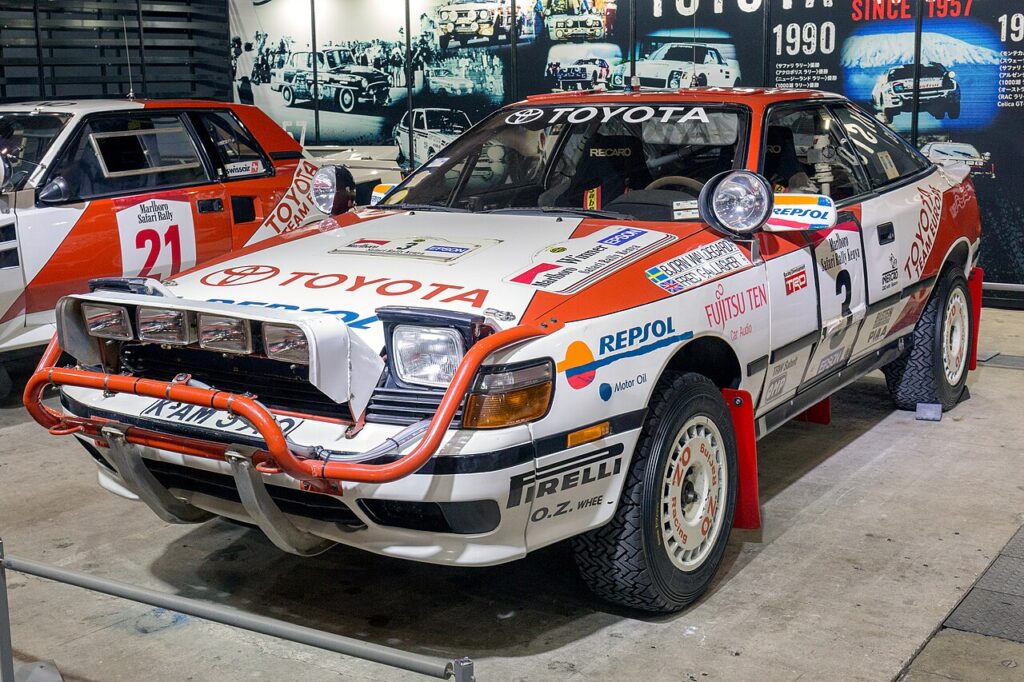
Released in the late 1980s, the Toyota Celica GT Four ST165 was created to meet Group A rally regulations. Despite its success in early rally seasons, the car became forgotten as Toyota moved on to newer models. The market value for a well-preserved example is around $45,000 to $60,000, though many have been modified or lost due to heavy use in competition. It is still remembered in niche rally communities, but its appeal outside of these circles is limited. The car remains a significant piece of Toyota’s motorsport history.
The ST165’s distinct turbocharged engine and all-wheel-drive system made it a formidable force in early rally events. However, as rally regulations evolved, the ST165 was quickly overshadowed by more modern models. Its rarity today, coupled with the rally heritage, has led to its steady, though niche, market interest. Owners often maintain them for vintage rally events or enthusiast meets. Its value reflects both rarity and the passionate interest of the small group of fans who appreciate its significance.
Lancia Beta Montecarlo Turbo
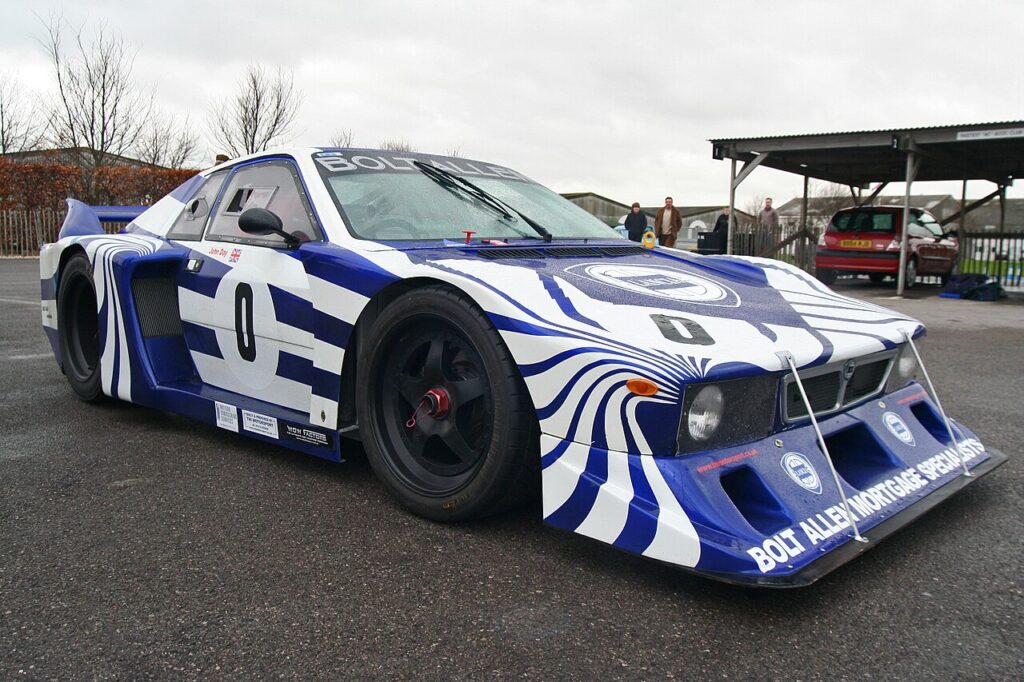
The Lancia Beta Montecarlo Turbo was homologated for Group 5 racing in the late 1970s, where it showed promise with its unique mid-engine design. While it had brief racing success, its reputation for reliability issues led to its quick fade from mainstream automotive circles. Today, clean examples can be found on the market for approximately $70,000 to $100,000, especially those with documented racing histories. Many of the original cars were neglected or modified beyond recognition, making well-maintained examples rare. Enthusiasts with an appreciation for Group 5 racing keep the legacy of this model alive, but it is not widely remembered by casual collectors.
Lancia’s troubles in the 1980s and a shift in racing focus contributed to the car’s disappearance from the spotlight. The Beta Montecarlo Turbo had its moments of glory but never became a mainstream icon. Those who own these cars often cherish them for their unique engineering and their role in racing history. Finding restoration parts can be difficult, but there are dedicated clubs for fans of classic Lancia models. For collectors who love the obscure, this car holds a special place.
Audi Quattro Sport Ur
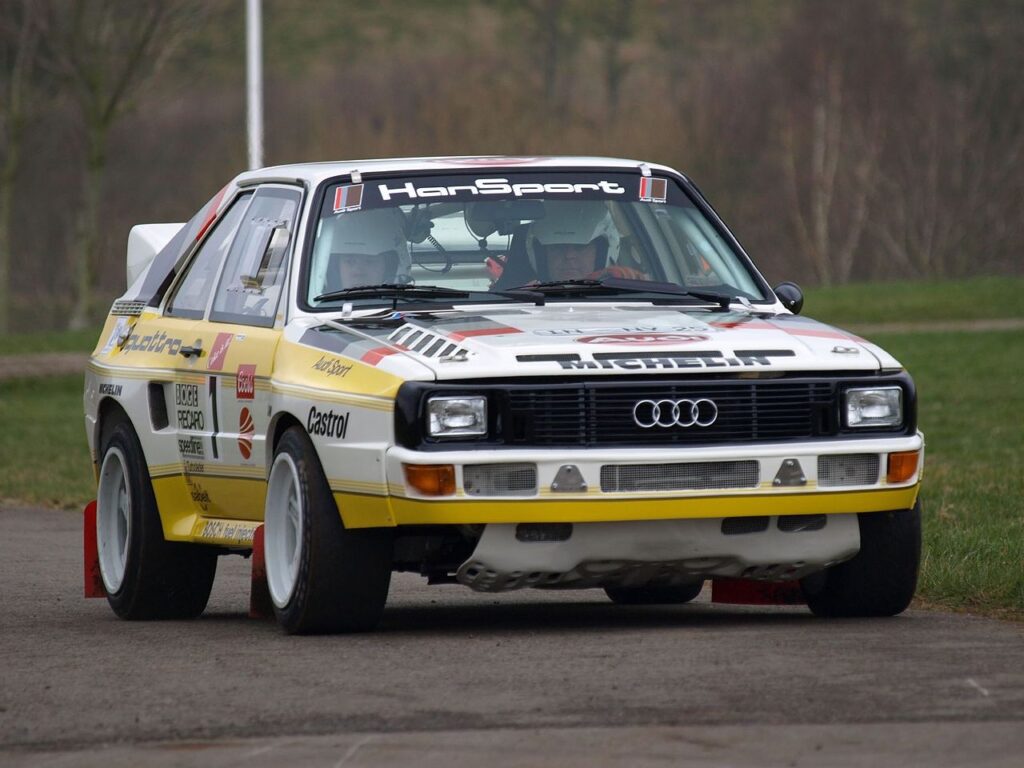
Introduced in the early 1980s, the Audi Quattro Sport Ur revolutionized rally racing with its all-wheel-drive system, giving Audi a competitive edge. While its performance on the track was legendary, the homologation version became a niche model as rallying shifted to newer designs. The market value of a well-preserved Quattro Sport Ur can range from $110,000 to $150,000, especially for low-mileage examples. Despite its racing success, the car was quickly overshadowed by other, more widely recognized Audi models. The Quattro Sport Ur remains a gem for dedicated Audi fans and rally enthusiasts.
Audi’s success with the Quattro system in Group B racing is iconic, but the Sport Ur model didn’t capture the mainstream market. The complexity and cost of the car kept it from becoming a mass-market success, even though it was a game-changer in motorsport. Enthusiasts continue to admire the Quattro’s balance, performance, and history. Dedicated groups keep its legacy alive by sharing knowledge and restoration tips. For those who value rally history, the Quattro Sport Ur is a high-value collector’s item.
Mazda RX7 Group B
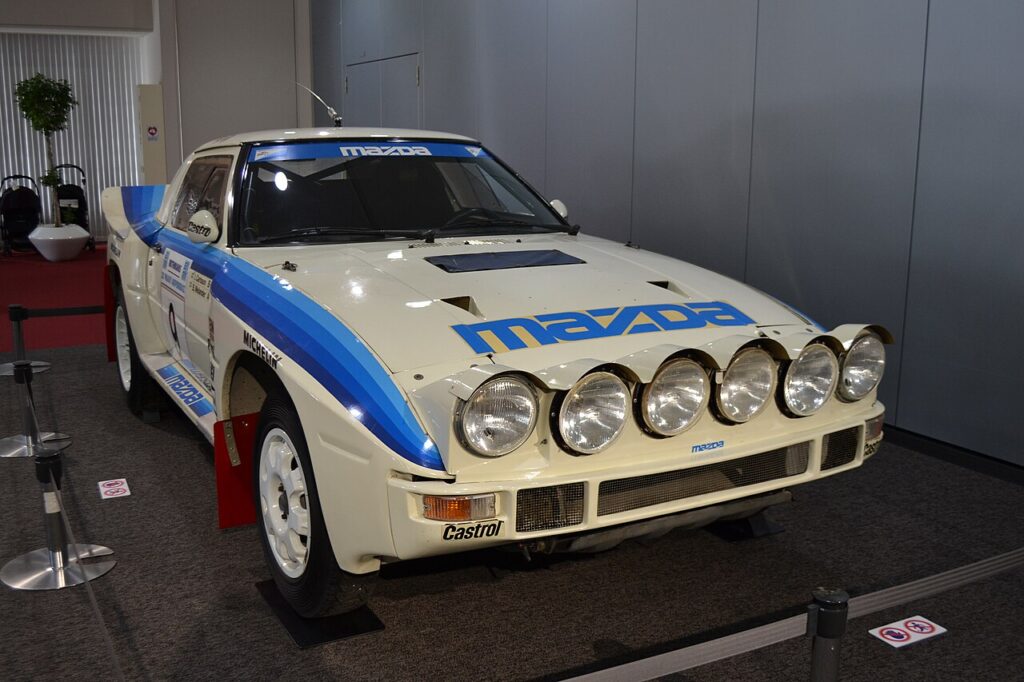
The Mazda RX7 Group B was built in the 1980s to compete in Group B rally racing, with its rotary engine providing a unique advantage over competitors. It had moments of success but struggled with the transition as Group B cars became more powerful and complex. Market prices for surviving examples typically range from $100,000 to $140,000, particularly for cars with original race histories. The model is often overlooked due to its rotary engine, which has fewer enthusiasts than more common engine types. However, those who appreciate Mazda’s performance and the unique qualities of rotary engines continue to value this car highly.
The RX7 Group B’s distinctive engine and lightweight design made it competitive in its day, but the end of Group B racing marked the beginning of its decline. Despite this, the car has a small but passionate following among rally fans and those who appreciate rotary technology. The rarity of the RX7 Group B, combined with its performance capabilities, makes it an appealing model for collectors of forgotten rally cars. As a result, its market value has been steadily increasing. Vintage rally fans and rotary enthusiasts are the primary groups that keep the RX7 Group B relevant today.
BMW M1 Procar
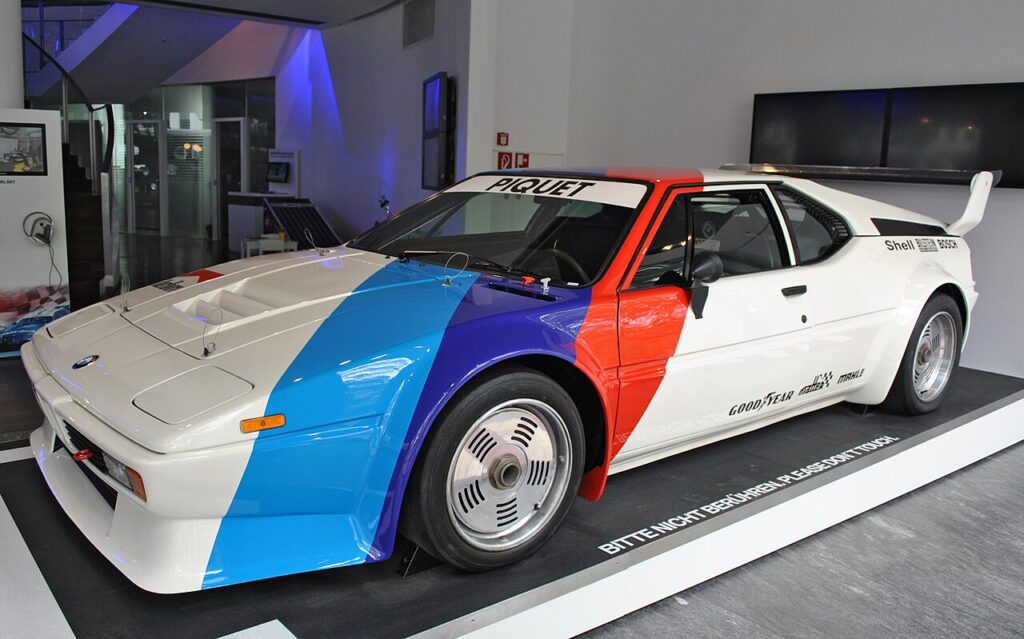
BMW introduced the M1 Procar in the late 1970s as a racing car for the Procar series, a competition that ran alongside Formula 1 events. Despite its brief but exciting racing history, the M1 Procar never achieved broad recognition and was eventually forgotten by many outside motorsport circles. Today, these cars can fetch anywhere from $300,000 to $400,000, with the highest values going to cars with racing provenance. The M1 Procar’s limited production makes it a rare find, and many of the original models have been modified or sold off to collectors. Though it faded from the public’s eye, the car’s racing history and unique design ensure it remains a valuable collector’s piece.
The Procar series itself was short-lived, which contributed to the car’s lack of mainstream success. Despite this, the M1 Procar’s blend of high performance and Formula 1 connections made it a standout for those in the know. Those who own these cars appreciate the engineering that went into both the road and race versions. Restoration can be expensive due to the car’s limited parts supply, but enthusiasts continue to treasure it. For collectors who focus on rare performance cars, the M1 Procar remains a high-value asset.
Alfa Romeo 155 GTA ITC
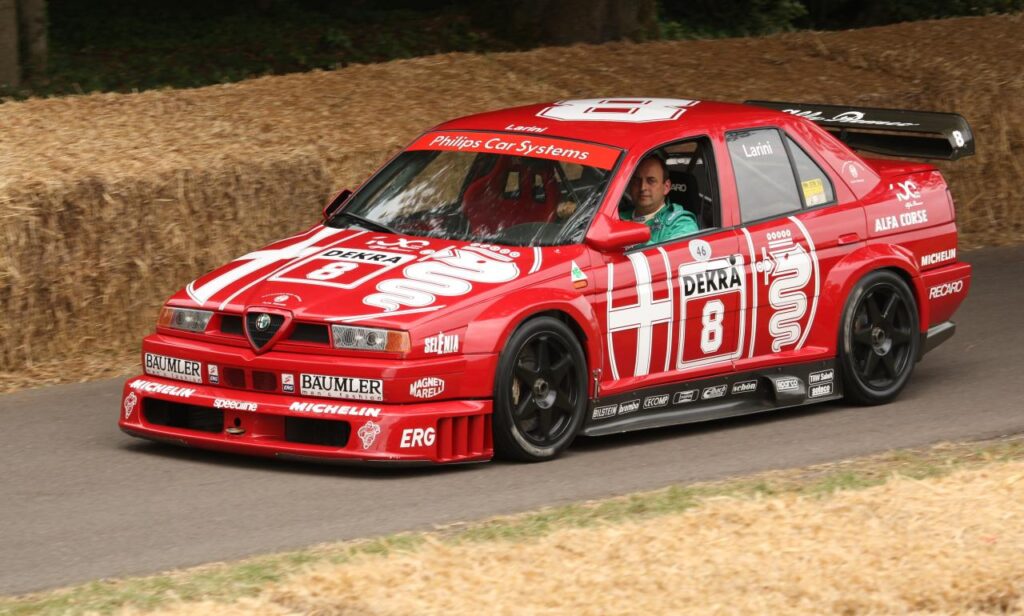
The Alfa Romeo 155 GTA was built in the early 1990s for the International Touring Car Championship (ITC) rules, where it competed against some of the best touring cars of the time. Though it had some racing success, it failed to reach widespread fame, often overshadowed by more popular competitors. Market prices for well-maintained models can range from $120,000 to $180,000, with cars that participated in the ITC being the most sought after. After the series ended, interest in the car dropped off, as other models from Alfa Romeo gained attention. Still, the 155 GTA remains a hidden gem among collectors who remember its racing achievements.
The 155 GTA’s unique styling and racing pedigree make it a standout, but it has not achieved mainstream success. The shift in touring car racing to newer formats left the 155 GTA behind in terms of popularity. Nonetheless, it remains a highly valued model in the niche world of touring car fans. For owners, maintaining the car means keeping its racing history intact, which can be a challenging yet rewarding experience. As time goes on, the 155 GTA continues to gain respect within its small circle of dedicated collectors.
Nissan 240RS Rally Car
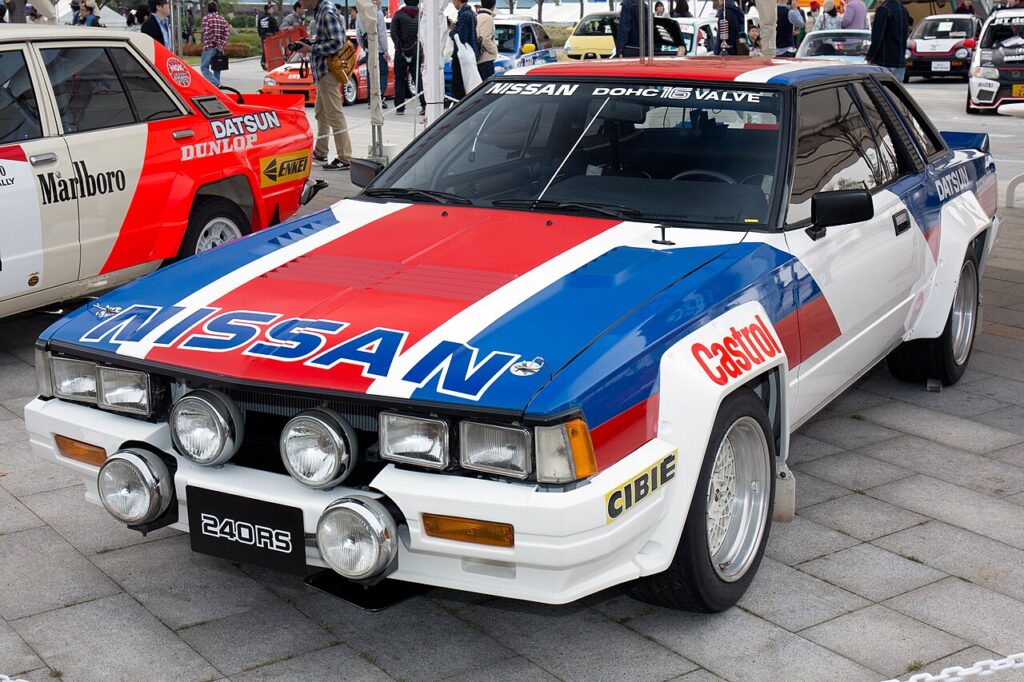
Released in the early 1980s, the Nissan 240RS was designed specifically for Group A rally racing, where it showed promise with its naturally aspirated engine. Despite being competitive, it was overshadowed by more powerful turbocharged models from other manufacturers. The car’s market value is typically between $80,000 and $120,000, with some examples fetching higher prices due to their race history. Many of the original cars were either used in tough competition or modified, making fully original models rare. The 240RS is largely forgotten by the general public but is still celebrated among rally car fans.
Nissan’s push into international rallying with the 240RS was part of a broader motorsport strategy, but it didn’t last long. As the rally scene shifted to newer models and turbocharged engines, the 240RS fell out of the spotlight. Today, those who own these cars enjoy them at vintage events and rally gatherings. The car’s rarity, combined with its competitive past, keeps it valuable in specific circles. For collectors of historic rally cars, the 240RS remains a standout example.
Porsche 911 Carrera RSR 3.0
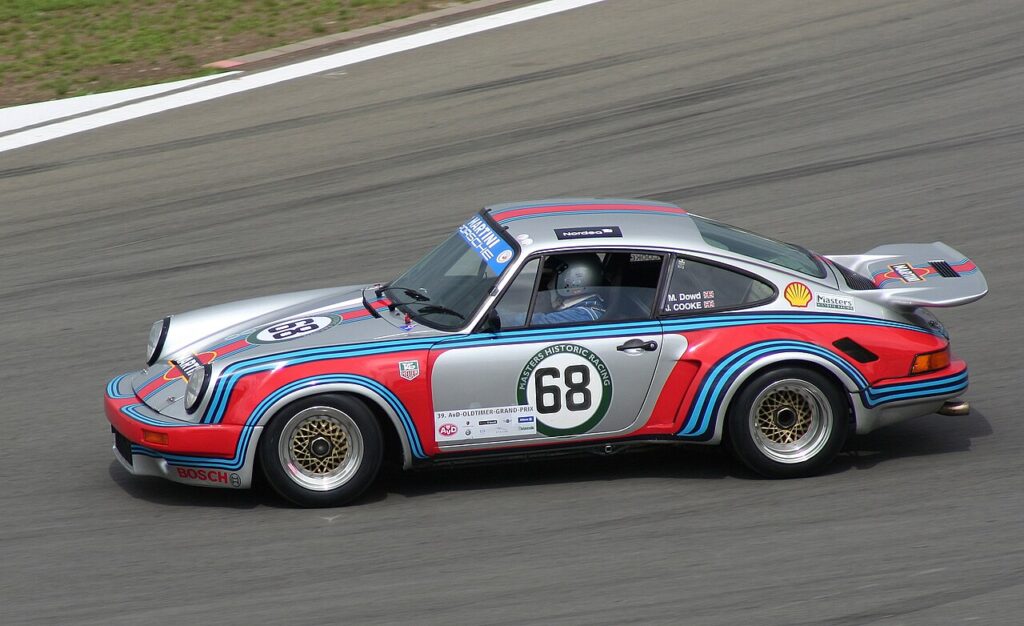
The Porsche 911 Carrera RSR 3.0 was introduced in the early 1970s to comply with racing regulations that required certain road-going models. It competed successfully in motorsports, but its focus was limited to racing, and it never achieved widespread recognition as a road car. Today, an original RSR 3.0 can fetch between $500,000 and $900,000, with models in excellent condition or with racing history being the most valuable. Many were used in high-level competition and altered, making untouched cars particularly rare. Despite not being a mass-market icon, the RSR 3.0 is a high-value item among Porsche collectors.
The RSR 3.0 stands out for its engineering and success on track, but it never garnered broad fame outside motorsport circles. When Porsche shifted to more mainstream models, the RSR became a niche collector’s car. Those who value its history and performance continue to maintain it as one of Porsche’s racing icons. Restoration is expensive, but for the right owners, the RSR 3.0 is a must-have. It holds a special place in the hearts of Porsche enthusiasts and collectors.
Peugeot 205 Turbo 16
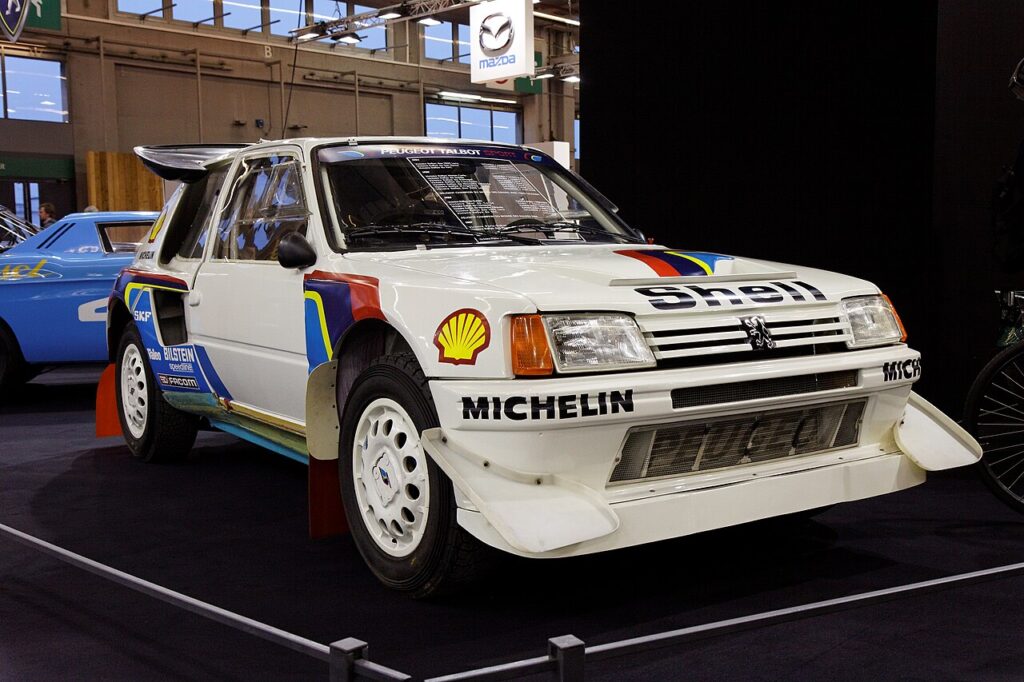
The Peugeot 205 Turbo 16 was released in the early 1980s to meet homologation requirements for Group B rally racing, where it found immediate success. Known for its turbocharged engine and all-wheel-drive system, it was one of the most successful rally cars of its era. Today, the value of a well-maintained 205 Turbo 16 can range from $450,000 to $700,000, with prices rising due to its rally pedigree. Many of the original cars were heavily modified for competition, which makes original, unmodified models rare. Despite its fame in rally circles, the car is relatively unknown to the general public.
The 205 Turbo 16 was a powerhouse on rally stages, but the Group B regulations and the resulting ban of the class ended its competitive career. As a result, the 205 Turbo 16 has faded from widespread recognition, though it remains a prized possession for rally fans and car collectors. The car’s distinctive design and powerful performance continue to attract attention in enthusiast communities. Limited production and its success on the rally stage make it a valuable collector’s item. The 205 Turbo 16 remains an important piece of Peugeot’s motorsport history.
Mercedes 190E 2.5 16V Evolution II
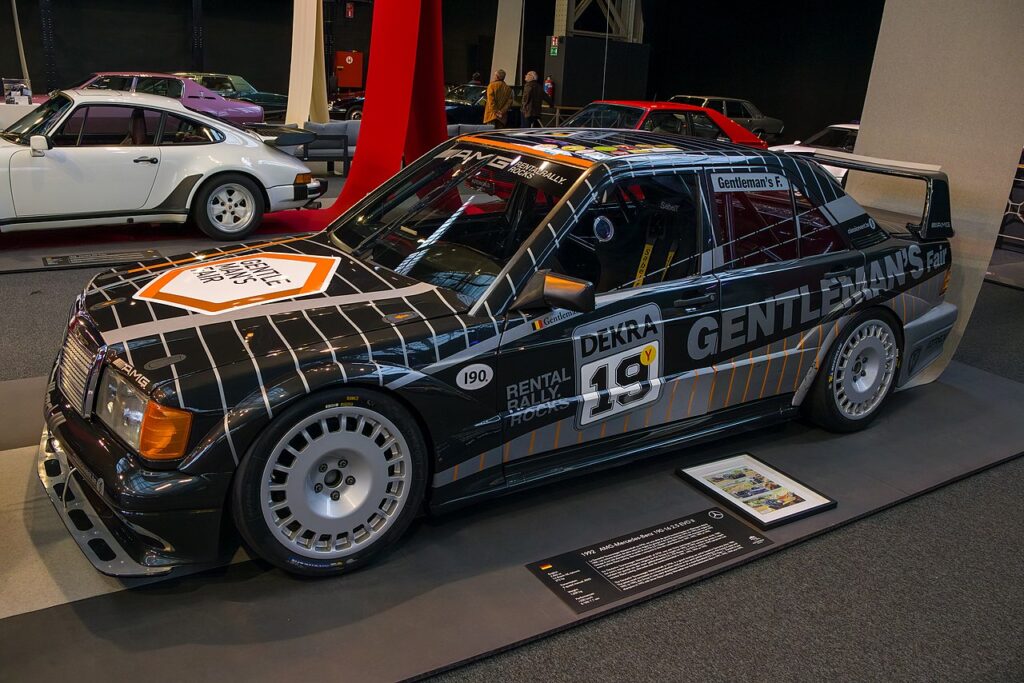
Released in the early 1990s, the Mercedes 190E 2.5 16V Evolution II was built for the DTM (Deutsche Tourenwagen Masters) racing series. It combined sharp bodywork and a lively engine but was overshadowed by more famous competitors like the BMW M3. Today, these cars are valued between $200,000 and $280,000, with low-mileage, well-preserved examples fetching even higher prices. Many were raced or modified, reducing the number of original cars available. It remains a favorite among collectors who appreciate its racing heritage and unique engineering.
The Evolution II’s place in motorsport history is cemented by its performance in DTM, but it didn’t achieve widespread fame outside of racing circles. As newer racing cars and Mercedes models emerged, the 190E faded from public view. However, fans of classic performance cars continue to admire its build quality and performance. Restoring a 190E 2.5 16V Evolution II requires attention to detail, and parts can be difficult to find. For those who appreciate the history of the DTM series, this car remains a high-value collector’s item.
Toyota Supra Group A
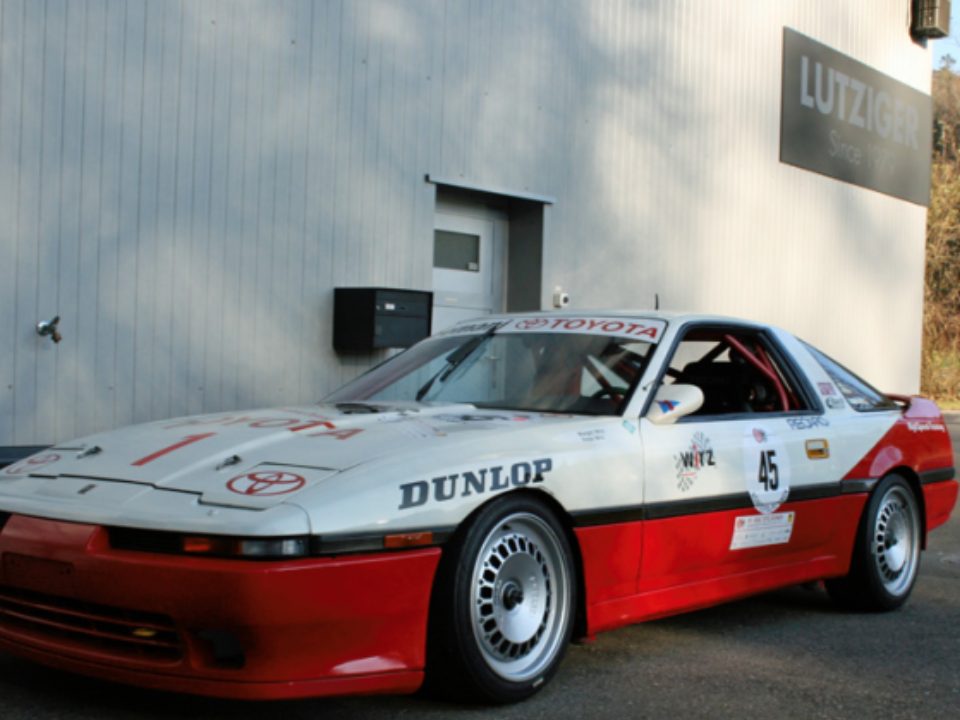
The Toyota Supra Group A was built to meet homologation requirements for Group A touring car racing in the late 1980s. It had a strong racing presence but was overshadowed by other more prominent models in the racing scene. In the current market, these cars are typically valued between $90,000 and $130,000, with higher values for cars with race histories or low mileage. Many have been modified or repurposed, reducing the number of original examples available. Still, the Supra Group A remains a special car for those who remember its racing heritage.
The Supra’s role in Group A racing was significant, but after rule changes and the arrival of newer models, it fell out of the spotlight. Despite this, the Supra remains a favorite among collectors who appreciate its racing pedigree and performance. With strong reliability and performance, the Supra Group A is an enjoyable car to drive and restore. Enthusiast clubs and vintage motorsport events continue to celebrate its achievements. Today, it holds a special place among Toyota fans and classic car collectors.
Renault 5 Turbo 2 Rally
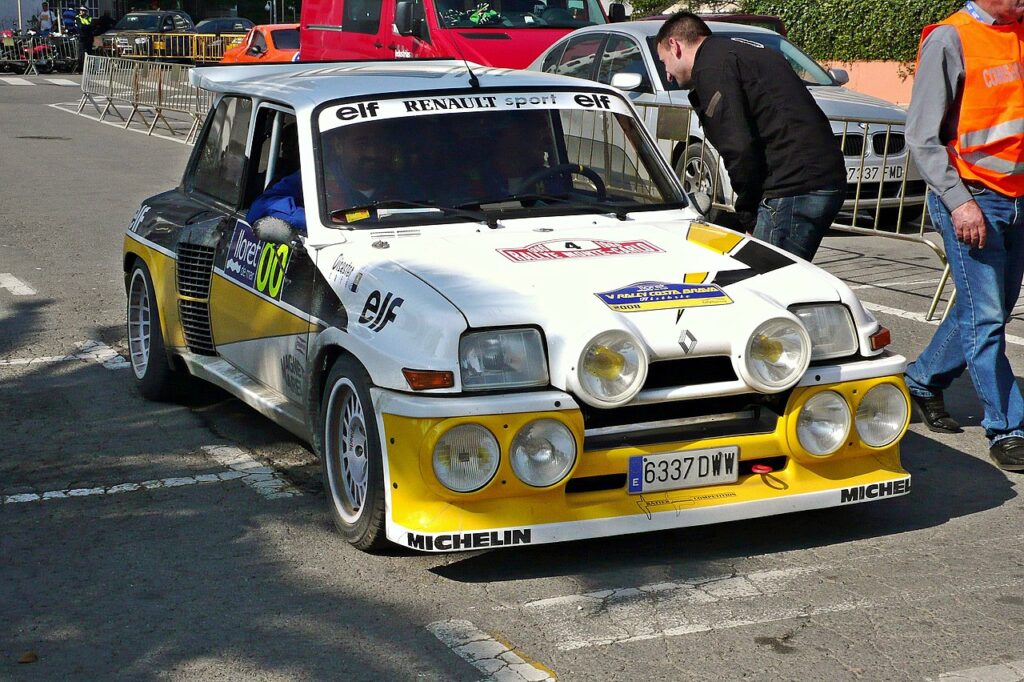
Released in the 1980s, the Renault 5 Turbo 2 was designed for Group B rally racing, featuring a rear engine and aggressive bodywork. Its quirky design and mid-engine layout brought excitement but did not maintain broad fame outside rally circles. The value of an original Renault 5 Turbo 2 is estimated to be between $250,000 and $350,000, with prices rising due to its rally heritage. Many of these cars were raced or modified, which makes finding an original example rare. However, it still enjoys popularity among vintage rally fans who remember its motorsport days.
The Renault 5 Turbo 2 was distinctive and powerful in its day, but its reputation has remained relatively obscure compared to other rally cars. Once Group B ended, the car was no longer in the limelight, and it slowly faded from view. For those who own one, maintaining its racing heritage is a key part of ownership. The car’s unique design and turbocharged engine continue to attract attention at vintage events. The Renault 5 Turbo 2 remains a quirky, rare, and valuable collector’s item.
This article originally appeared on Avocadu.