
10 Foreign Coins With Holes That Became Collector Favorites
Coins with holes are a distinct feature in the world of currency, often representing a practical solution for merchants and consumers in the past. These coins, found across various cultures, were sometimes used as tokens or currency that could be strung together for easy transport. Today, they’ve become valuable collector items, prized for their rarity and unique design. Whether from ancient or modern times, these coins offer a peek into the everyday lives of people from different parts of the world.
This post may contain affiliate links, which helps keep this content free. Please read our disclosure for more info.
China 1 Cash Coin
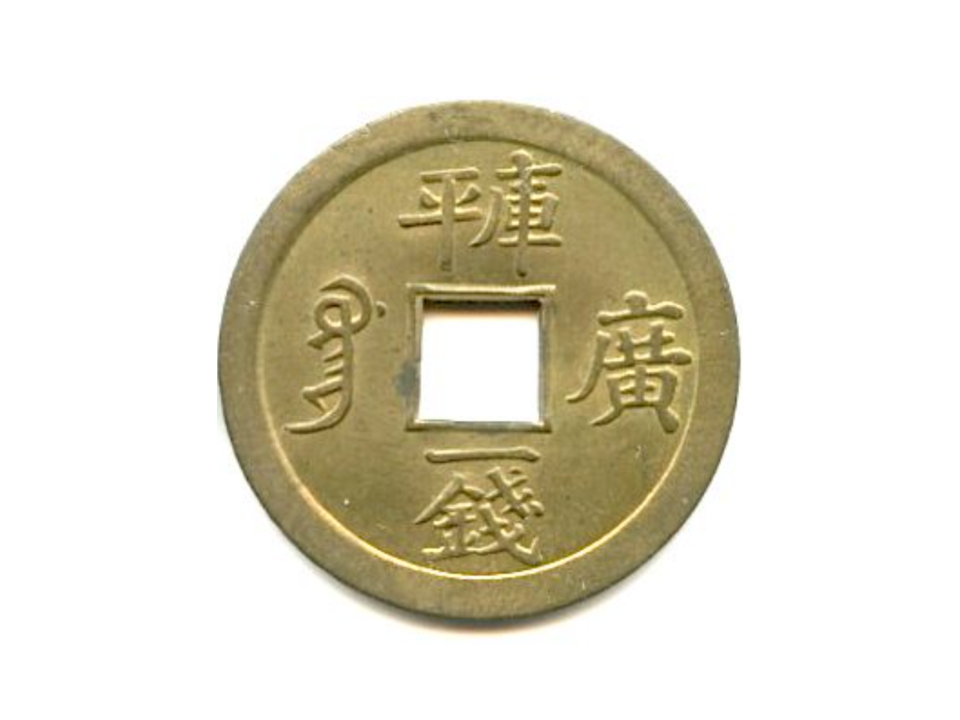
The 1 Cash coin was widely used in China for centuries and often featured a square hole in the middle. It was produced during various dynasties, with many examples from the Qing Dynasty. The hole in the coin allowed it to be strung together, making it easier to carry in large quantities. Today, these coins can range in value from $5 to $100, depending on the age and condition.
Collectors are drawn to these coins for their historical significance and unique design. The square hole and simple inscriptions make them an iconic piece of Chinese currency. Over time, the coin’s scarcity and the rich cultural history attached to it have made it a popular item for collectors worldwide.
1940-1945 Japan 5 Sen Coin

The 5 Sen coin from Japan was minted during World War II and featured a round hole in the center. The coin was made of copper and used primarily for small transactions. Its unique hole design made it stand out compared to other coins of the time. Today, the value of these coins ranges from $10 to $50, depending on their condition and specific year.
What makes the 5 Sen coin particularly appealing is its connection to a significant period in Japan’s history. The coin was widely circulated during a time of wartime rationing and economic challenges. Its rarity, especially in good condition, adds to its allure among collectors of wartime memorabilia.
1940-1945 Norway 10 Ore Coin
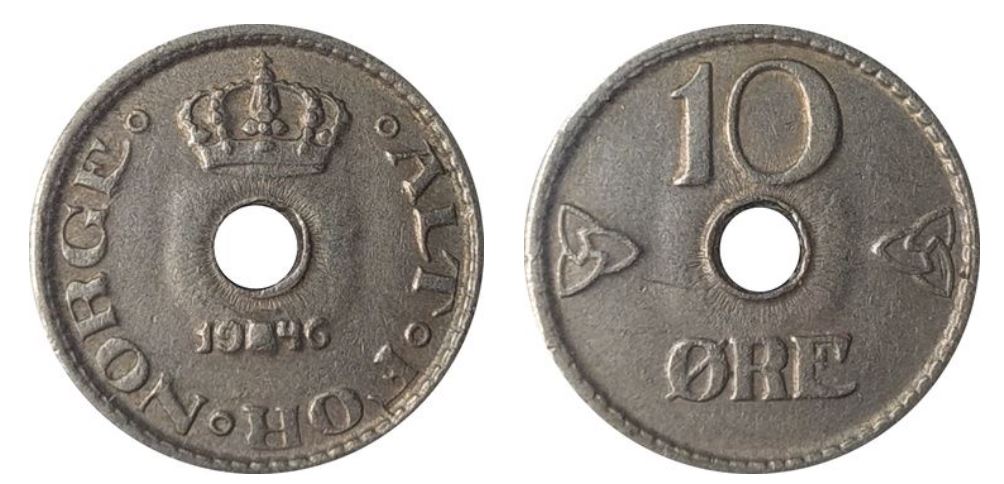
During World War II, Norway issued a 10 Ore coin that featured a hole in the center, making it easier for people to carry large quantities of coins. Minted between 1940 and 1945, this coin was part of the currency issued during the Nazi occupation of Norway. The value of this coin is estimated to range from $20 to $60, depending on its condition and rarity.
The 10 Ore coin is especially notable for its use during Norway’s darkest years of occupation. Its small size, combined with the hole design, makes it a distinctive piece of currency from this turbulent period. Today, it holds value not only as a numismatic item but also as a historical artifact from World War II.
1940s Thailand 10 Satang Coin
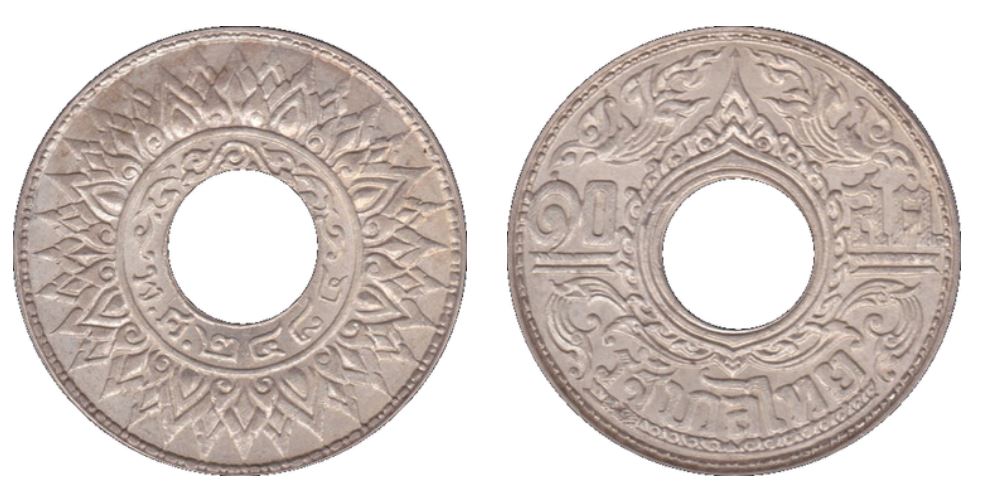
The 10 Satang coin from Thailand, minted in the 1940s, features a hole in the center, making it one of the more practical coins for everyday use. This small denomination was issued to cater to daily transactions, and the hole allowed it to be strung together in large quantities. The value for this coin is between $5 and $25, depending on its condition.
The 10 Satang coin is valued for its practicality and for being a part of Thailand’s mid-century currency system. Its small size and hole design make it an interesting addition to any collection of Asian numismatic items. While not rare, it is a sought-after coin for collectors interested in Southeast Asian currency.
1940s Poland 5 Groszy Coin
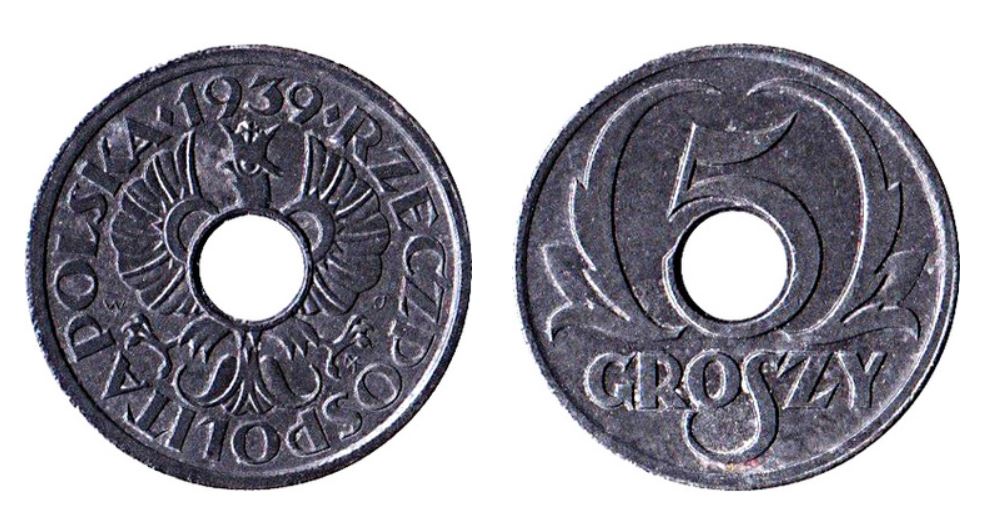
The 5 Groszy coin from Poland was minted during the 1940s, a period when the country was under German occupation during World War II. This coin features a hole in the center, a common design for smaller denominations at the time. Due to the scarcity of these coins and the historical context, the 5 Groszy coin can now be valued between $10 and $40, depending on its condition. Well-preserved examples are harder to find, making it a sought-after item for collectors.
This coin was part of the currency issued by the Polish government-in-exile during wartime. Its practical hole design allowed for easier handling, and it remains a unique piece of World War II numismatic history. Collectors of European wartime coins often seek out the 5 Groszy for its connection to Poland’s struggles during the early 20th century.
1900 Japan 5-Yen Coin
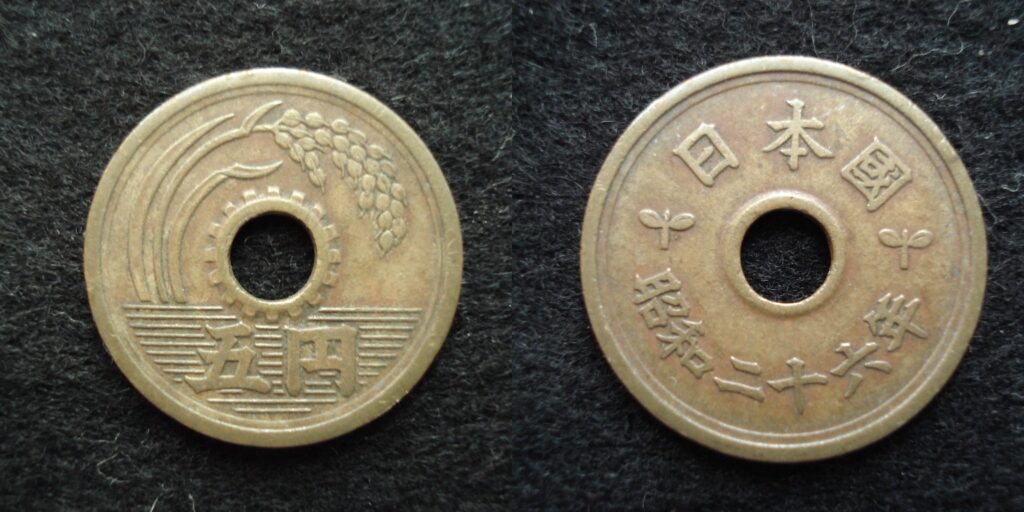
The 1900 5-Yen coin from Japan is a historical currency piece that features a hole in the center, part of a series designed for everyday transactions. It was minted during the Meiji period, a time when Japan was undergoing modernization and industrialization. Today, this coin is valued between $50 and $150, depending on its condition. Its historical importance, particularly during Japan’s rise as a global power, adds to its collector appeal.
Collectors are drawn to this coin because it represents a key moment in Japan’s transformation from an isolated nation to a major global power. The 5-Yen coin features intricate design elements that showcase the craftsmanship of the period. Due to the coin’s age and limited availability in good condition, it continues to be a rare and valuable find in the numismatic world.
1954 Greece 5 Lepta coin
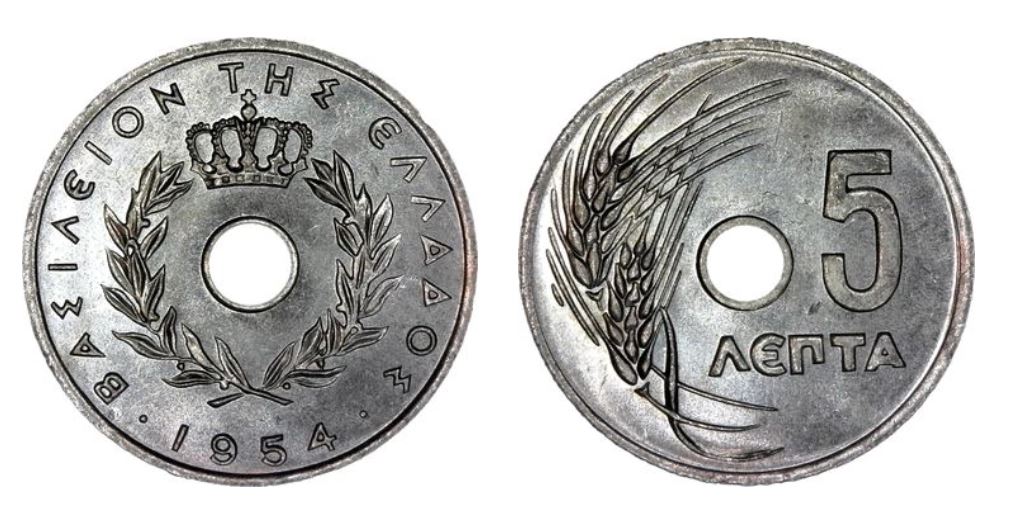
This coin from Greece, minted during the 1940s, features a hole in the center and was used primarily during World War II. The coin served as a small denomination used by Greek civilians under German occupation. Its value today ranges from $20 to $60, depending on its condition. Coins from this era are relatively rare, and those in good condition are highly prized by collectors.
This coin’s historical value stems from its use during a time of great hardship in Greece. The hole in the coin made it easier to carry in bulk, a practical feature during wartime. Collectors are drawn to the coin not only for its design but also for its symbolic connection to the struggles faced by Greece during World War II.
1940s Hungary 2 Filler Coin

The 2 Filler coin from Hungary, minted in the 1940s, features a hole in the center and was used during the country’s involvement in World War II. The coin’s design was simple but functional, allowing people to carry and manage small amounts of money with ease. Today, the value of this coin is estimated to be between $10 and $30, depending on its condition.
This coin is significant for collectors due to its historical importance during the time of the Axis powers’ occupation of Hungary. The hole in the coin added to its practicality, making it easy for people to use in everyday transactions. The scarcity of these coins in good condition makes them a valuable piece of wartime numismatic history.
1997 Spain 25 Pesetas Coin
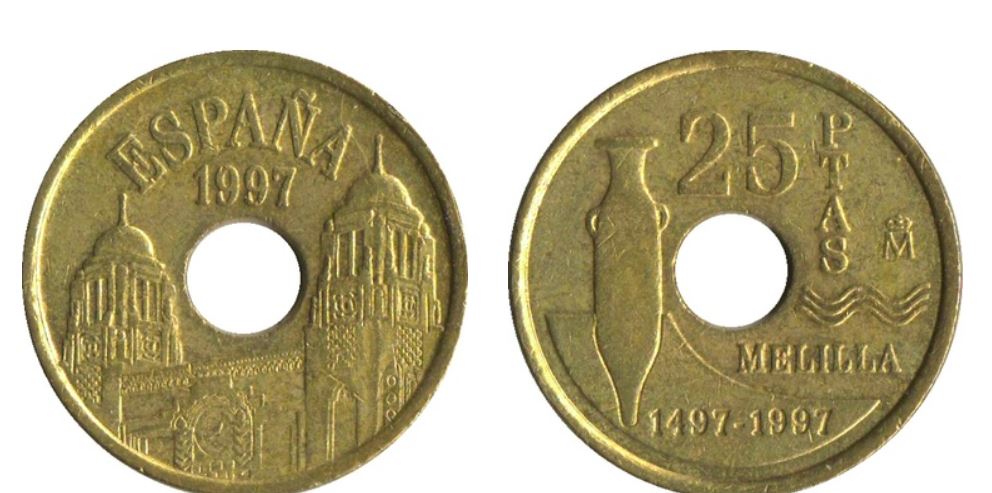
The 50 Pesetas coin from Spain, issued in 1997, features a hole in the center and was part of the country’s currency system before the introduction of the euro. The coin is relatively modern compared to others on this list, but its unique design and limited availability make it a collectible item. It is estimated to be worth $5 to $20, depending on its condition and rarity.
The 50 Pesetas coin reflects Spain’s history during the transition from the peseta to the euro, a significant moment in the country’s monetary system. The hole in the coin is a practical feature that allowed for easier transportation and storage. Collectors appreciate the coin for both its historical context and its connection to Spain’s transition to the euro.
1940s Vietnam 5 Xu Coin
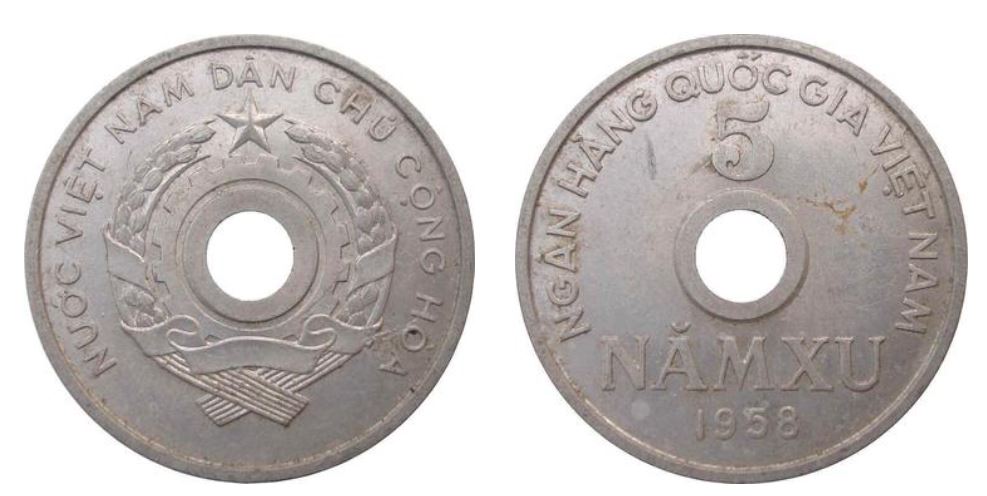
Minted in the 1940s, the 5 Xu coin from Vietnam features a hole in the center and was part of the country’s currency during the Japanese occupation. The coin was part of an effort to stabilize the economy during a turbulent period in Vietnamese history. The current value of this coin ranges from $10 to $30, depending on its condition and rarity.
Collectors are drawn to this coin for its historical significance, as it was issued during a critical moment in Vietnam’s colonial history. The practical hole design made it easier for people to carry larger quantities of coins. The coin’s rarity, combined with its connection to World War II, makes it a popular item for collectors of Southeast Asian numismatics.
This article originally appeared on Avocadu.