
15 Foot Creams and Balms That Actually Help Cracked Heels
Dry, cracked heels can make every step feel rough, especially after long days on your feet. The good news is that the right foot cream or balm can soften thick skin and help seal in moisture. This list rounds up solid options you can use day or night, plus a few that work well under socks for extra comfort.
This post may contain affiliate links, which helps keep this content free. Please read our disclosure for more info.
Kerasal Intensive Foot Repair Skin Healing Ointment
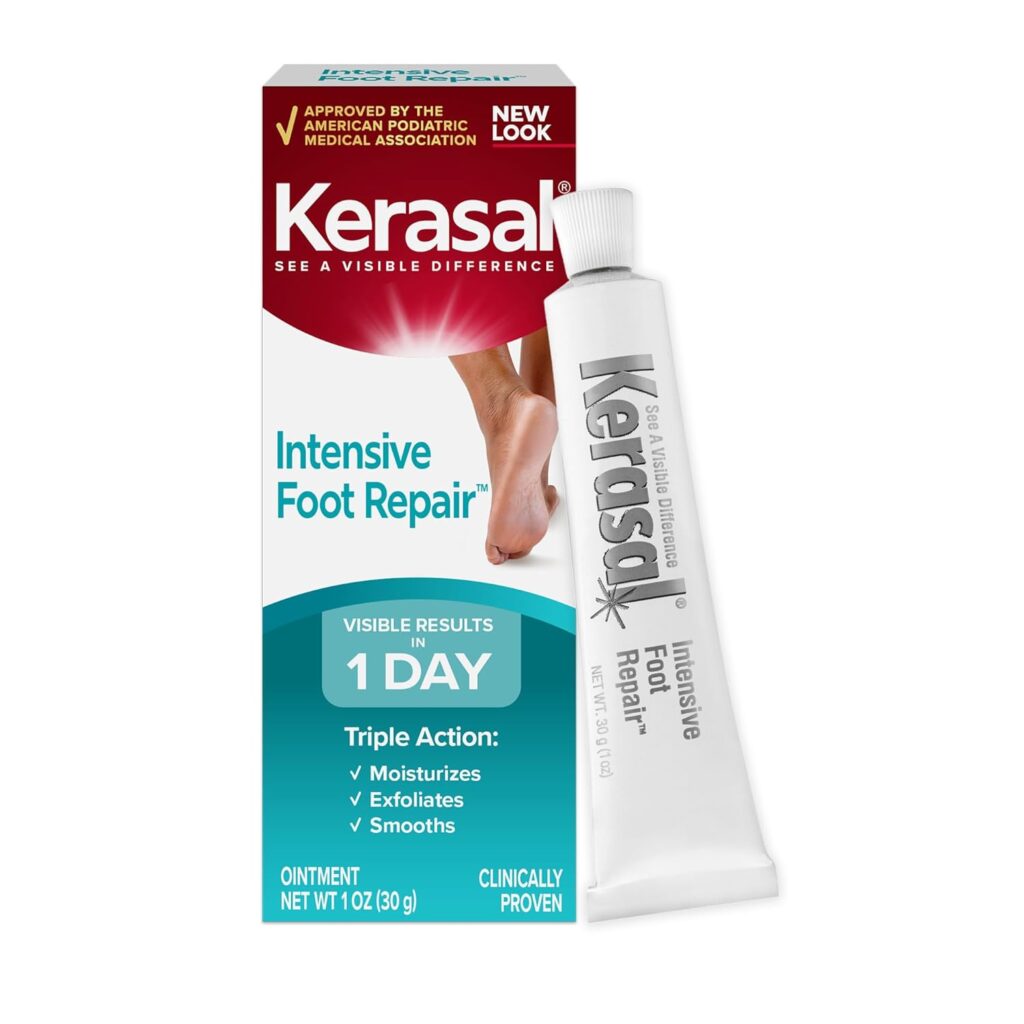
Kerasal is a go to when heels feel thick, rough, and a little stubborn, since it combines exfoliating acids with a heavy moisture base. It spreads like a slick ointment, so a pea sized amount goes a long way, especially if you warm it between your fingers first. Many people like it for quick smoothing because it helps loosen the dry, built up layer that makes cracks look deeper. Use it on clean, dry feet and keep it focused on the heel and any callused patches.
For best results, put it on at night and pull on cotton socks so it stays put instead of rubbing off on sheets. If your skin is sensitive, start every other night until you see how your feet react. You may feel a mild tingle at first, which is common with products that loosen dead skin. Once things calm down, you can switch to a few nights a week for upkeep.
O’Keeffe’s Healthy Feet Foot Cream
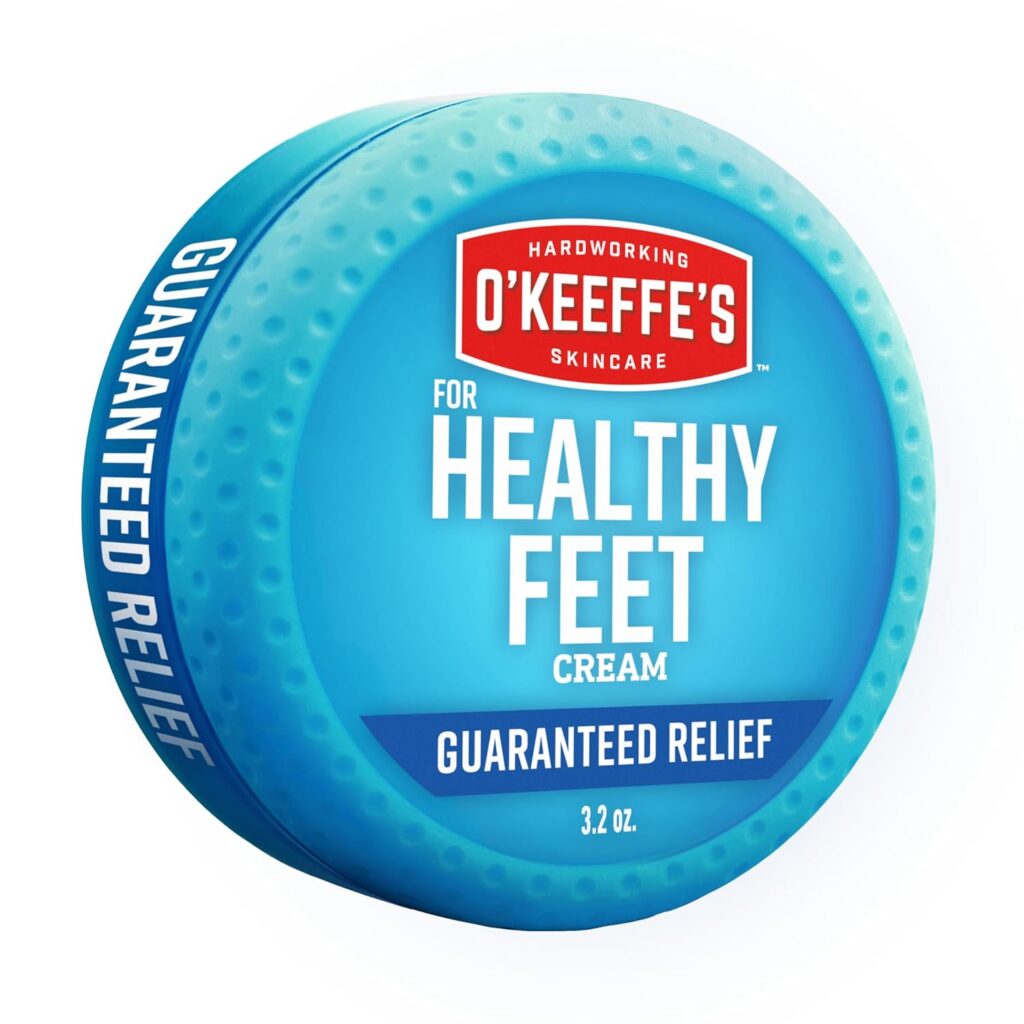
This one is a classic for a reason, since it is thick but not greasy and it sinks in quickly. It is easy to use during the day because it does not leave your feet feeling slick inside socks or sandals. The formula is all about heavy moisture and barrier support, which is helpful when your heels look dry but you do not want a strong exfoliating feel. A small dab rubbed into the heel area after a shower can make a noticeable difference in comfort.
If your heels crack often, try using it twice a day for a week and see how your skin responds. The trick is consistency, so keep it by your bed or near your bathroom sink where you will remember it. It also works well after you gently file your heels, since it helps keep the skin from drying right back out. When your feet feel better, a once a day routine usually keeps them in decent shape.
O’Keeffe’s Healthy Feet Night Treatment
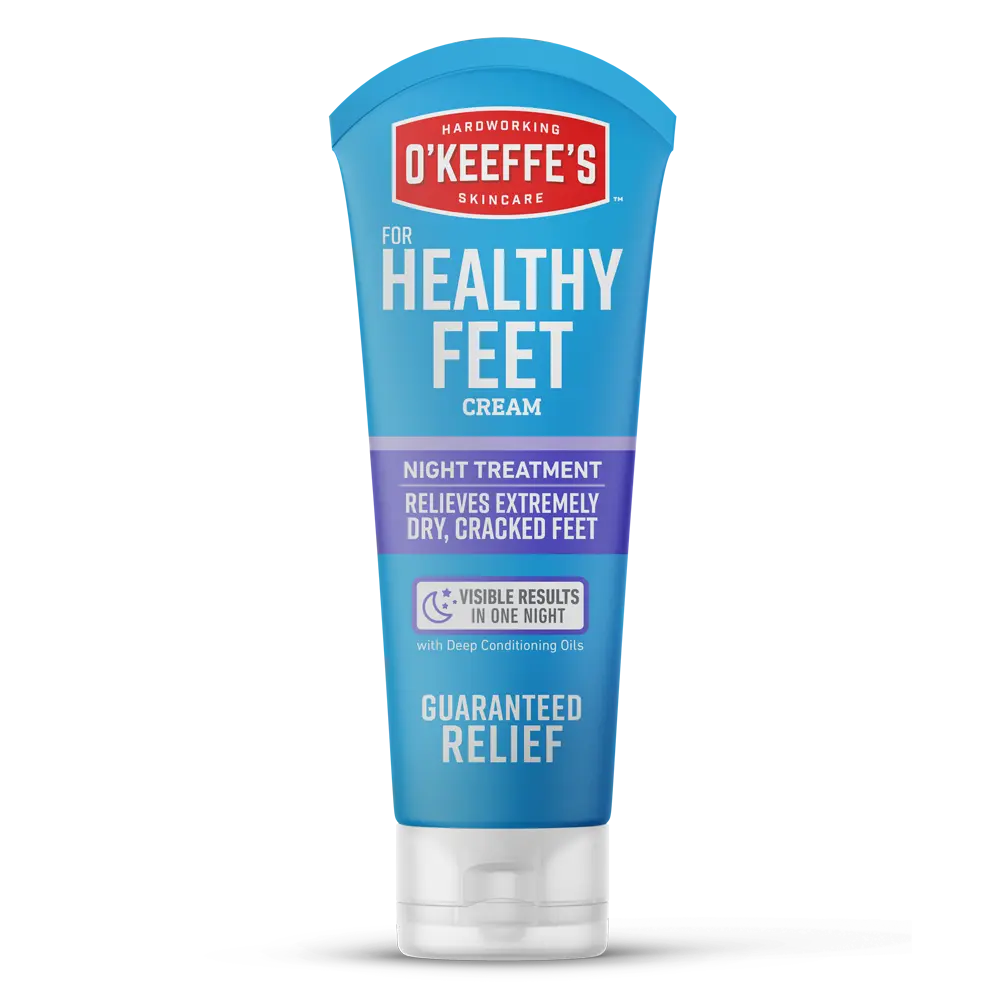
The night treatment is thicker and more occlusive than the standard cream, so it feels made for socks and bedtime. It can be a good pick when the skin looks chalky and tight, or when the heel edges feel sharp against sheets. Because it is meant to sit on the skin for hours, it is great for people who do not have time to reapply during the day. You can smooth a generous layer over heels and even bring it up to the sides of the foot where cracks like to form.
Put it on right before bed, then add cotton socks to keep it from sliding around. In the morning, you will usually notice softer skin even if the cracks are still there. Keep going nightly until the roughness eases, then use it a few times a week to maintain. If you also use a foot file, do that earlier in the day, not right before applying a heavy night layer.
Flexitol Heel Balm
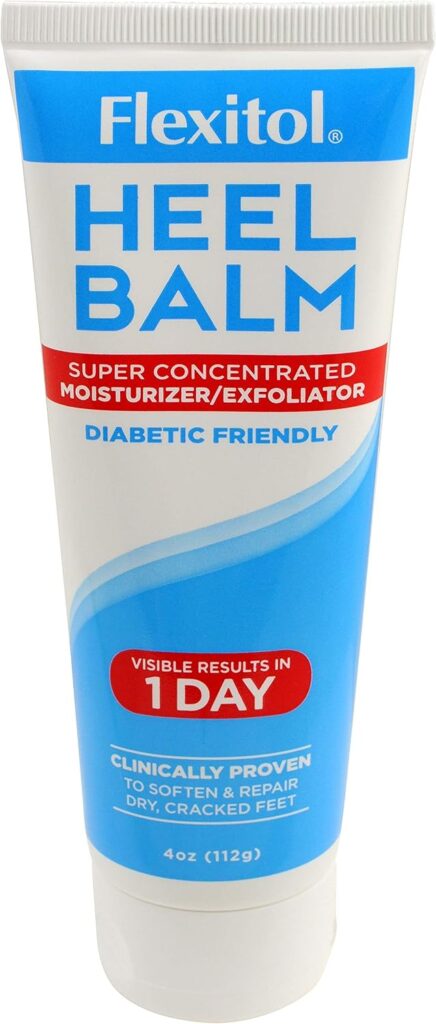
Flexitol Heel Balm is popular for very dry, thick heels because it feels rich and almost waxy on the skin. It has a stronger exfoliating angle than many basic creams, which can help with that hard rim that builds up around cracks. The balm texture clings well, so it does not disappear right away after application. If your heels snag on socks, this is the kind of product that aims to smooth that rough edge over time.
It works best on clean feet, and it helps to rub it in for a full minute so it really coats the dry areas. Night use with socks is usually the easiest way to stick with it, especially if you dislike a heavy feel in the daytime. Some people prefer to alternate it with a plain moisturizer once the worst roughness calms down. If you notice stinging on open splits, apply lightly and focus more on the surrounding thick skin at first.
Flexitol Heel Magic
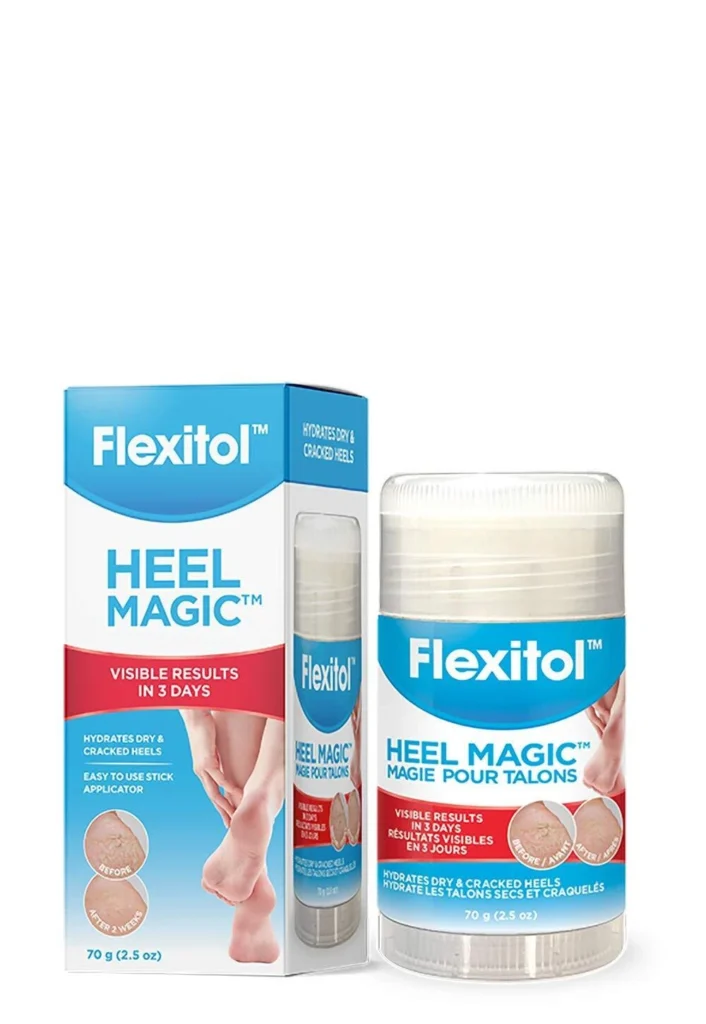
Flexitol Heel Magic is set up like a stick, which makes it quick to swipe on without getting product all over your hands. The texture is more like a waxy balm than a cream, so it can feel protective when the skin is dry and catching on fabrics. It is especially handy for touch ups during the day if you notice rough spots but do not want to carry a tube. The stick format also makes it easy to aim right at the heel edge, where cracks often start.
You can apply it after washing your feet, then smooth it with your fingers if you want more even coverage. It is also a nice option for travel, since it is less likely to leak in a bag. For deeper heel dryness, use it at night and wear socks so it stays on the skin longer. If you like the feel but need more smoothing, pair it with gentle filing a few times a week.
AmLactin Foot Repair Cream With 15% Lactic Acid
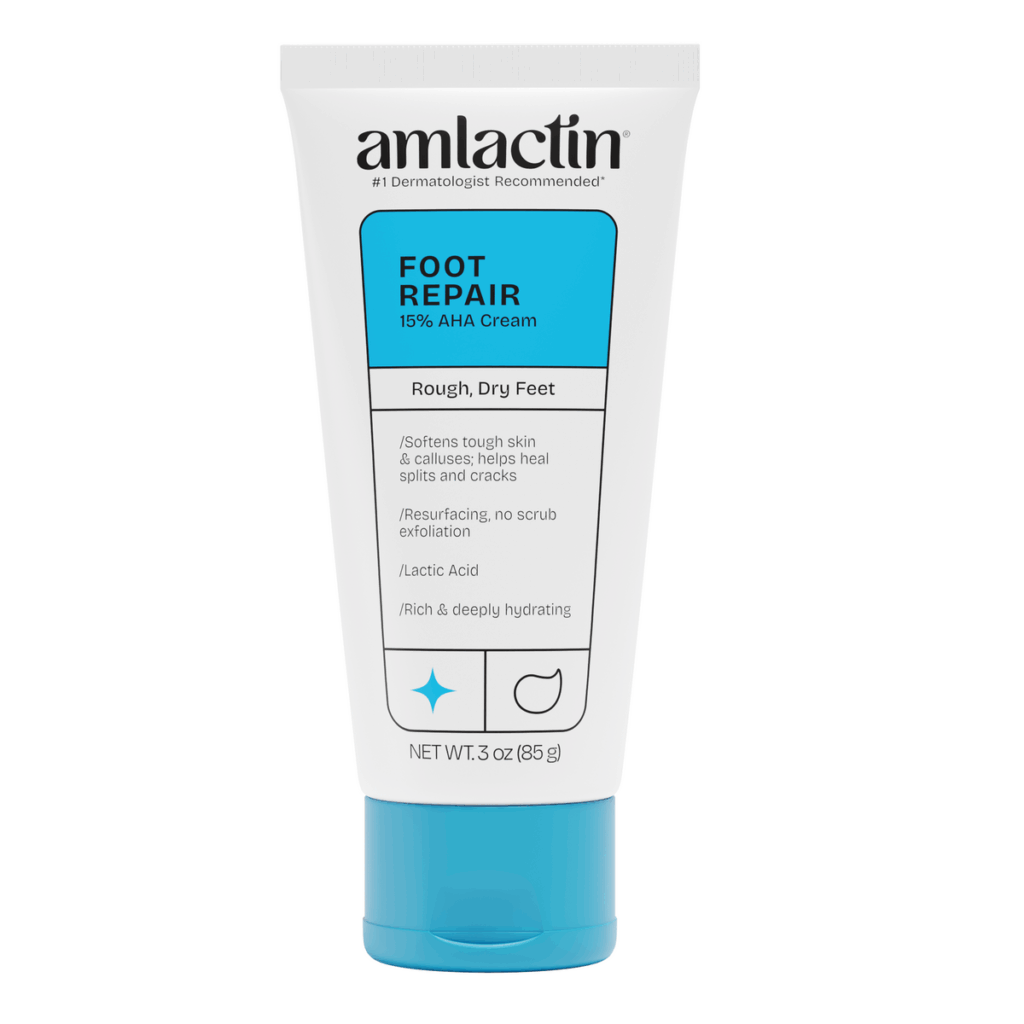
AmLactin Foot Repair leans into lactic acid, so it does more than just moisturize, it also helps soften the thick layer that makes heels feel hard. The cream has that slightly medicinal scent some acid lotions have, but it fades once it sinks in. It works well for roughness along the heel and the ball of the foot, where skin tends to build up. If you have heels that feel like sandpaper, this is the kind of formula that can slowly smooth things out with regular use.
Start with once a day, since acids can feel strong if your skin is not used to them. Night use is often easiest, and socks help keep the cream on your feet instead of on the floor. If you are also using a scrub or foot peel, do not stack everything on the same day because that can make skin feel irritated. After a couple of weeks, many people switch to a few times a week to keep the texture from coming back.
Eucerin Advanced Repair Foot Cream
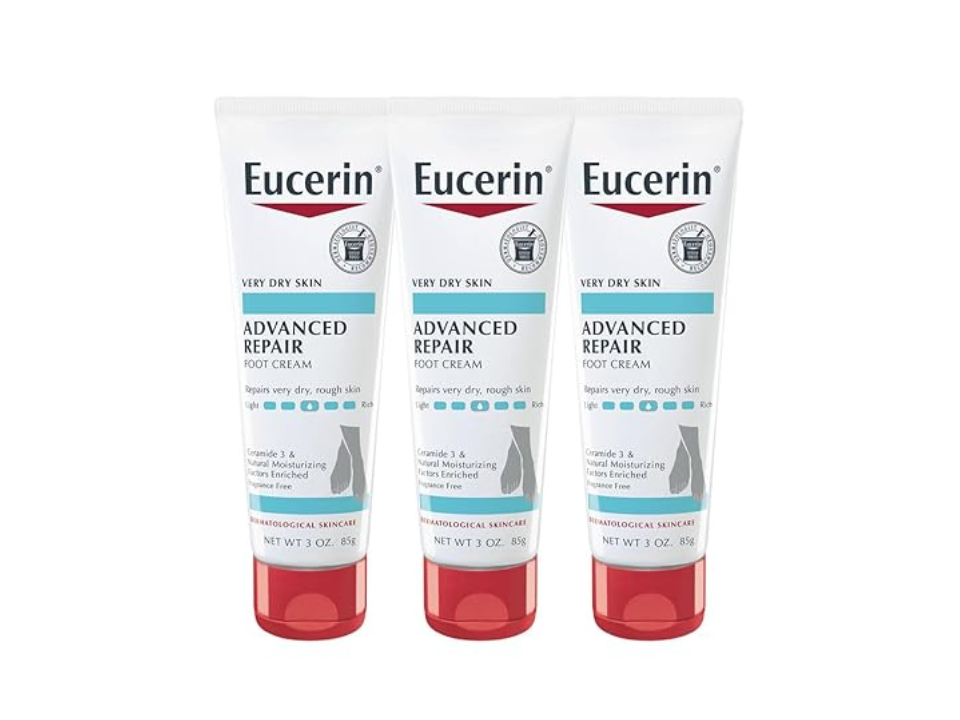
Eucerin Advanced Repair is a solid pick when you want a reliable, no drama foot cream that still feels deeply moisturizing. It has a rich texture, but it does not feel as sticky as some heel balms. The formula focuses on hydration and barrier support, which can help heels that look ashy and feel tight after showers. It is also easy to spread, so you can coat the whole foot without tugging on dry skin.
Use it right after bathing while your skin is still slightly damp, then focus a little extra on heels and toe edges. If you are dealing with cracks, twice a day for a week can help soften the skin so it is less likely to split further. It plays well with socks and shoes, so daytime use is not a problem for most people. Once your feet feel better, keep it in rotation a few times a week as a simple maintenance step.
Gold Bond Healing Foot Cream With Aloe
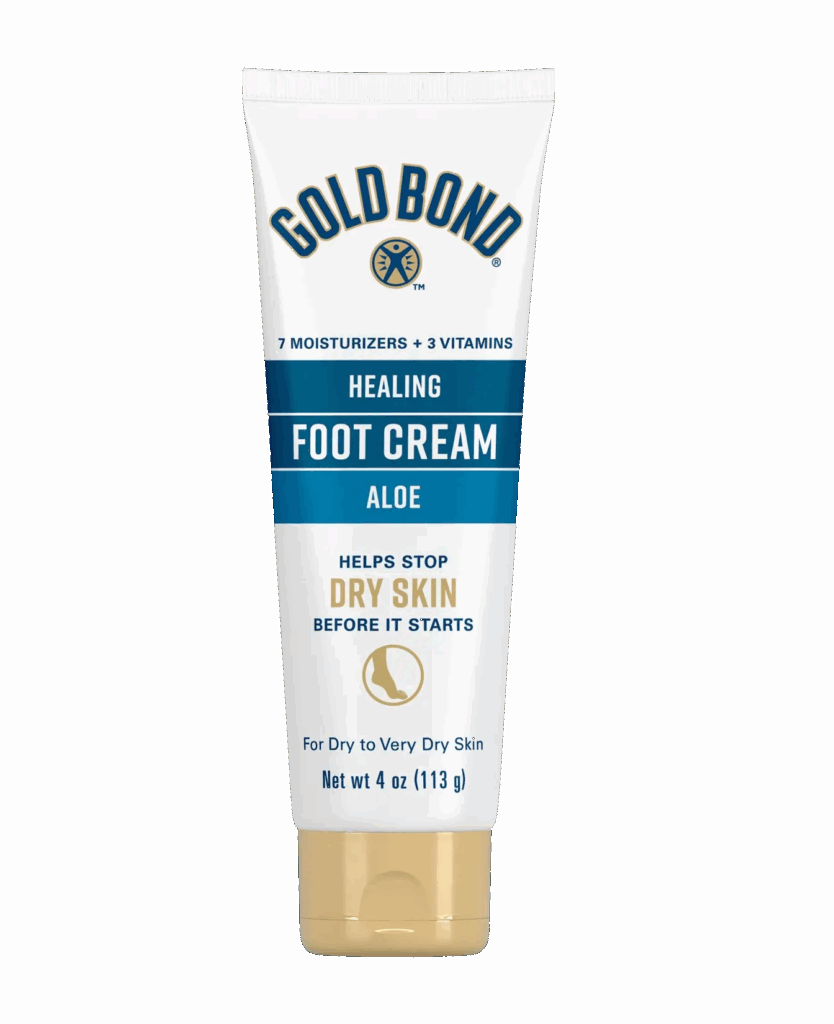
This cream is made for rough, dry feet and it gives that classic Gold Bond feel, thick, comforting, and easy to rub in. The aloe addition is nice when your heels feel irritated from dryness or too much friction. It is the kind of product you can keep by the couch and apply while watching TV, since it is straightforward and quick. Many people like it for everyday dryness that is not extreme but still annoying.
Try applying it after a shower and again before bed if your heels crack easily. Socks help at night, especially if your skin drinks up moisture and feels dry again by morning. If you also like to file your heels, do that gently and then follow with this cream right away. It can also work as a general foot moisturizer for the tops of feet and toes, not just the heel.
Burt’s Bees Coconut Foot Cream
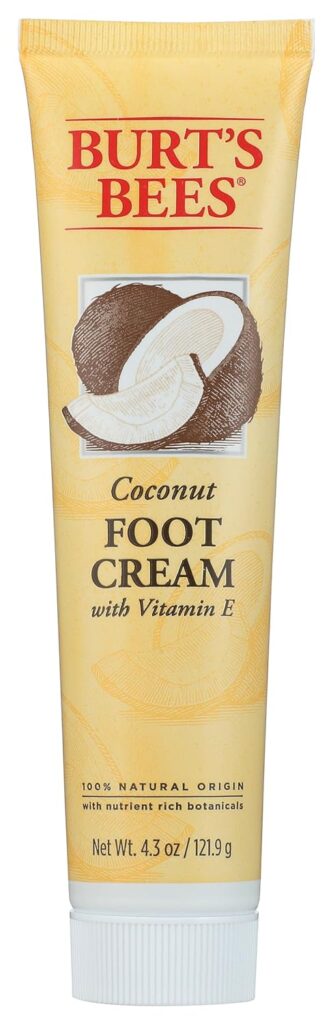
Burt’s Bees Coconut Foot Cream feels more like a treat, since it has a richer, more buttery texture and a noticeable scent. It is a good choice if your feet are dry and you want something that feels comforting, especially at night. The cream coats the skin well, so it is great for people who prefer a heavier layer instead of a fast absorbing lotion. If your cracks are mild, the moisture and occlusive feel can help keep the heel edges from getting worse.
Because it is rich, a little goes a long way, and it helps to massage it in for a minute. Socks are your friend with this one, both to lock it in and to keep you from slipping on floors. If your heels are deeply cracked, you may want to pair it with a more exfoliating option a few times a week. On its own, it is excellent for daily softness and comfort, especially in dry winter weather.
Aquaphor Healing Ointment
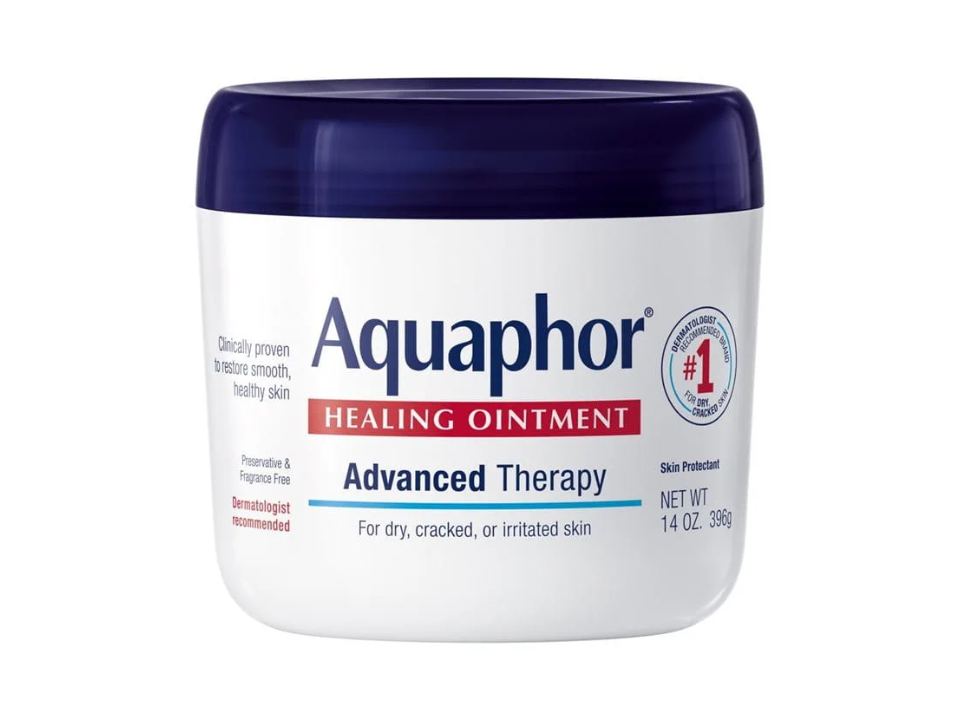
Aquaphor is not a fancy foot product, but it is one of the easiest ways to seal in moisture when heels are dry and splitting. It is very occlusive, so it sits on top of the skin and helps prevent water loss overnight. If you already have a basic foot cream you like, layering Aquaphor on top can make that cream work harder. The texture is slick and shiny, so it is best saved for bedtime unless you are staying off your feet.
Apply it after a shower or after your regular foot cream, then pull on thick cotton socks. In the morning, your skin usually feels softer and less tight, which can make cracks less painful. If you have open, bleeding splits, keep things clean and consider focusing on moisture and protection rather than heavy exfoliating right away. Used a few nights a week, it is a simple way to keep heels from drying out again.
CeraVe Healing Ointment
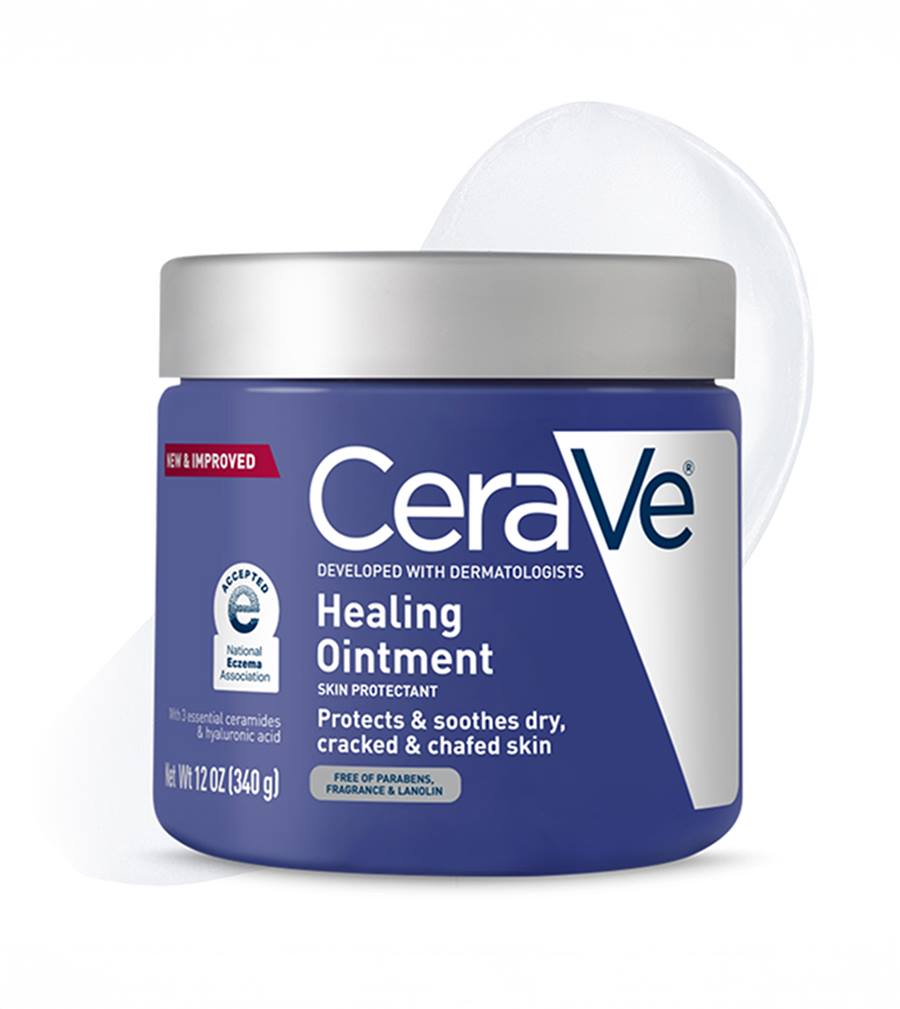
CeraVe Healing Ointment is similar in feel to other protective ointments, but it includes ceramides and other skin friendly ingredients that support the barrier. It is a smart option when your heels crack because the skin is dry and fragile, not just rough. The texture is thick and glossy, so it is best for night use or for days when you are wearing socks and closed shoes. It also works well for toe edges and any spots that rub inside shoes.
Use it as a top layer over a foot cream if you want extra staying power. It helps to apply to slightly damp skin, then let it sit a minute before putting socks on. If you dislike greasy products, keep the amount small and focus on the heel rim rather than the whole foot. With regular use, many people notice fewer rough patches forming between pedicures.
CeraVe SA Renewing Foot Cream
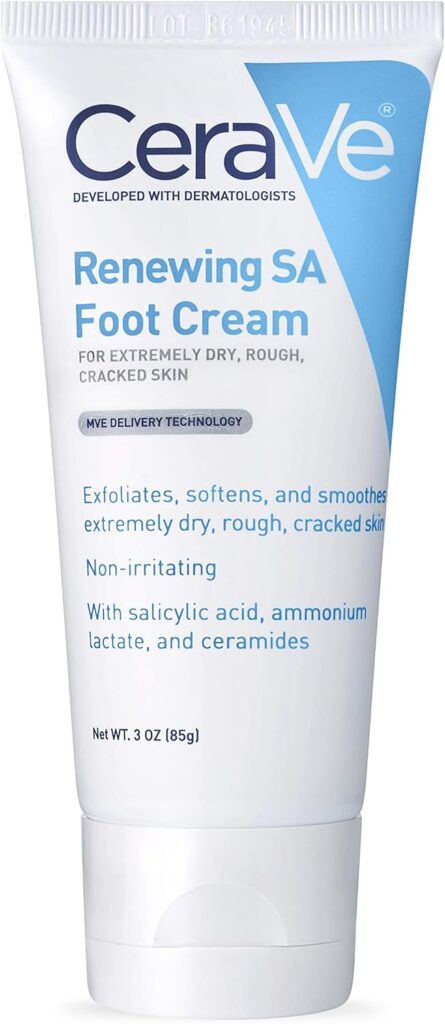
This foot cream is a mix of moisturizer and gentle exfoliation, which is helpful when heels feel both dry and rough. The salicylic acid angle can help with thick, built up patches that do not respond to plain lotion. It is still a cream, not a peel, so it feels easy to fit into a routine without a lot of fuss. If your heels get rough fast, it can help keep that texture under control.
Start with once a day, preferably at night, and see how your feet handle it. If you feel irritation, back off to a few times a week and use a plain moisturizer on other days. Socks can help it work overnight, but make sure your feet are dry first so you do not trap too much dampness between toes. When your heels look smoother, keep it as a maintenance product a few nights a week.
Dr. Scholl’s Severe Cracked Heel Repair Restoring Balm
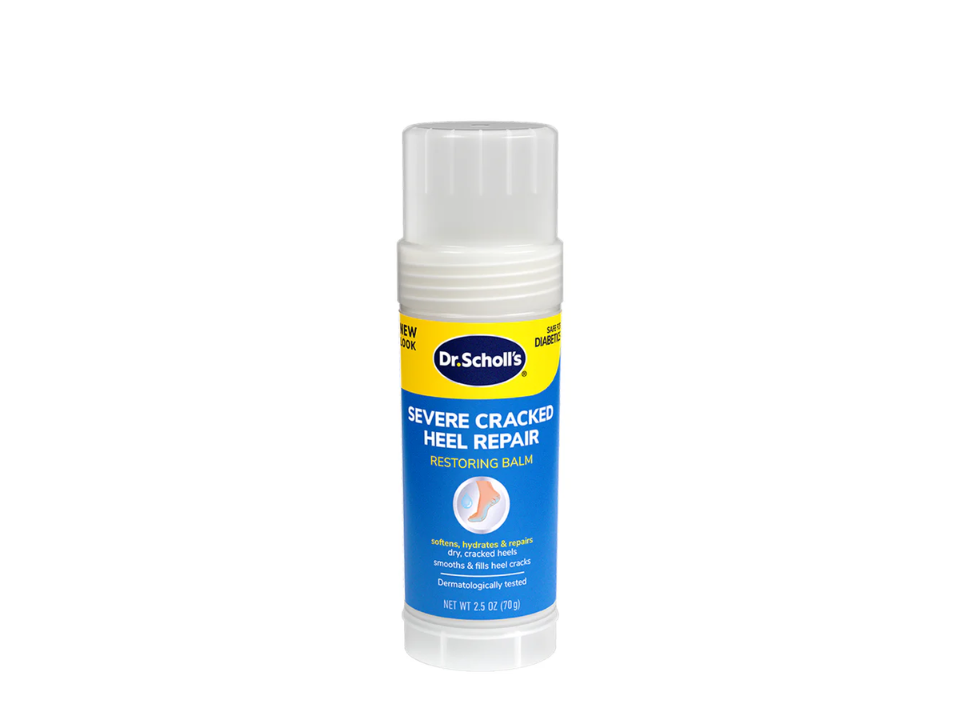
This balm is meant for heels that look visibly split and feel sore, so it tends to be thicker and more protective than a basic foot lotion. It usually comes in a format that makes it easy to apply right where you need it, without coating your whole foot. The feel is comforting, especially if your heels catch on blankets or feel tender in shoes. If you have a rough heel edge that keeps reopening, a protective balm can help keep the skin from drying and splitting further.
Use it at night, and consider applying a second light layer after the first one sinks in a bit. Socks make a big difference, since they keep the balm in contact with your skin instead of rubbing off. During the day, a smaller amount can help if you are wearing closed shoes and want some protection. Pair it with gentle filing once the skin is less sore, and avoid aggressive scraping that can make cracks worse.
Dermal Therapy Heel Balm
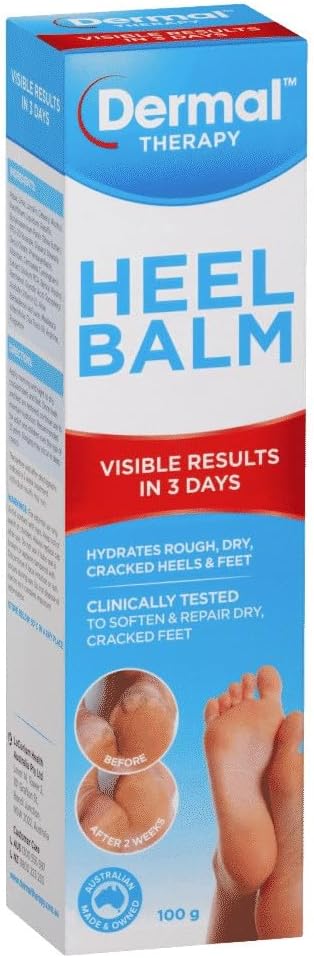
Dermal Therapy Heel Balm is often chosen when heels are very dry and thick, and you want something that feels serious but still easy to use. It has a dense balm texture that grips dry skin, so it does not feel like it vanishes right away. Many people like it for nightly use because it softens the hard outer layer while keeping the surface moisturized. If you have heels that feel rough no matter what you use, this type of balm can be a steady, consistent option.
Apply it after washing and drying your feet, then massage it into the heel rim and any rough spots. Socks help it stay in place, and they also keep you from tracking balm onto floors. If you also soak your feet, do that first, dry thoroughly, then apply the balm while your skin still feels warm. With regular use, the heel edge usually feels less sharp and looks less chalky.
Hey Honey Walk the Walk Propolis Foot and Heel Cream
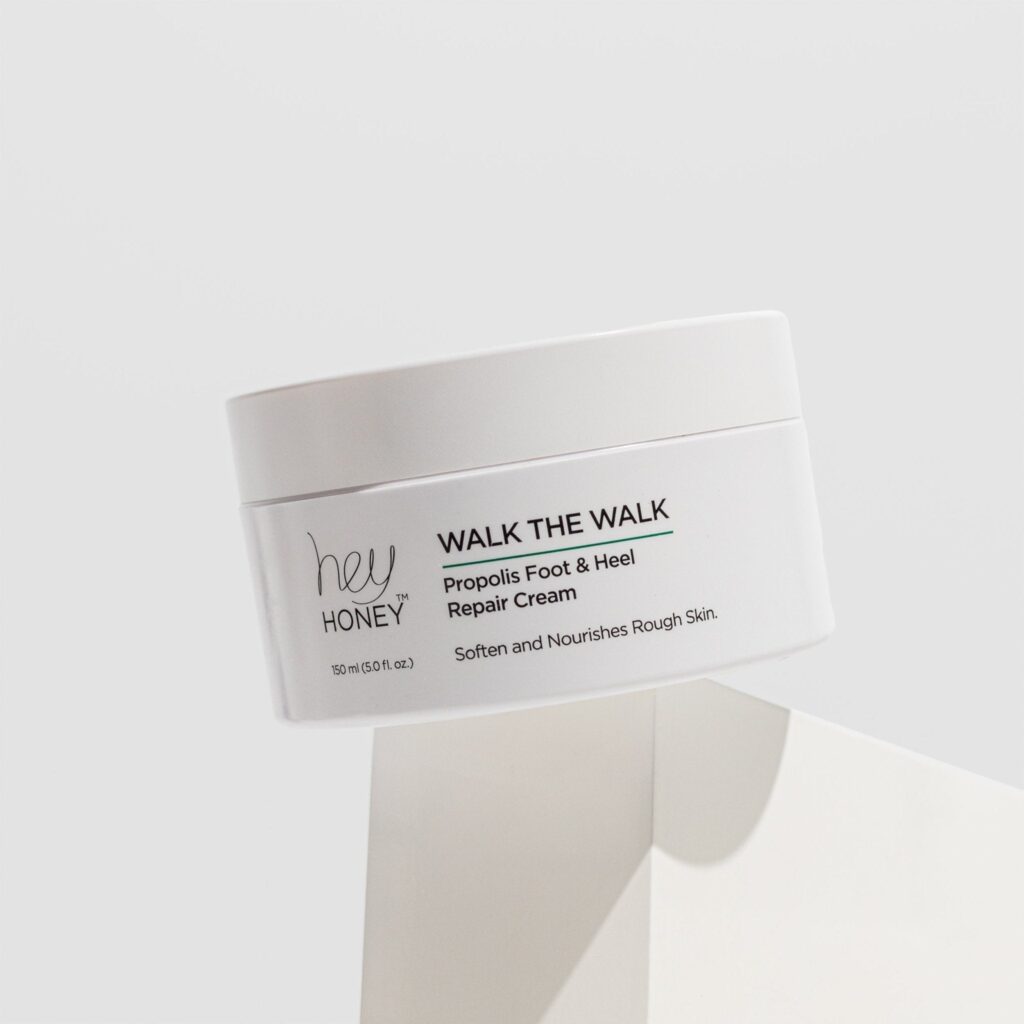
This cream feels like a richer, spa style product, and it is nice if you want something moisturizing that still feels pleasant to use. The propolis angle is often marketed for soothing skin, which can be appealing when heels feel irritated from dryness. It spreads smoothly and can work well for the whole foot, not just the heel. If you are trying to stick with a foot routine, a cream that feels good can make it easier to use regularly.
Try it at night after a shower, then wear socks so it stays on the skin longer. If your heels are deeply cracked, you may want to add an exfoliating foot cream on alternate nights, since this one leans more moisturizing than resurfacing. It can also be a good daytime option because it does not always feel as heavy as ointments. With consistent use, you may notice softer skin and less roughness around the heel edge.
This article originally appeared on Avocadu.