
12 Foods with More Calcium Than a Glass of Milk
When most people think about calcium, milk is usually the first food that comes to mind. Still, it is far from the only thing you can eat when you want to get more of this mineral into your diet. There are plenty of foods that can give you just as much calcium, and some can give you even more. That is good news if you want more variety in your meals or you simply do not drink much milk. From leafy greens to pantry staples and a few surprising picks, there are many tasty ways to fill your plate with calcium-rich foods.
This post may contain affiliate links, which helps keep this content free. Please read our disclosure for more info.
Collard Greens
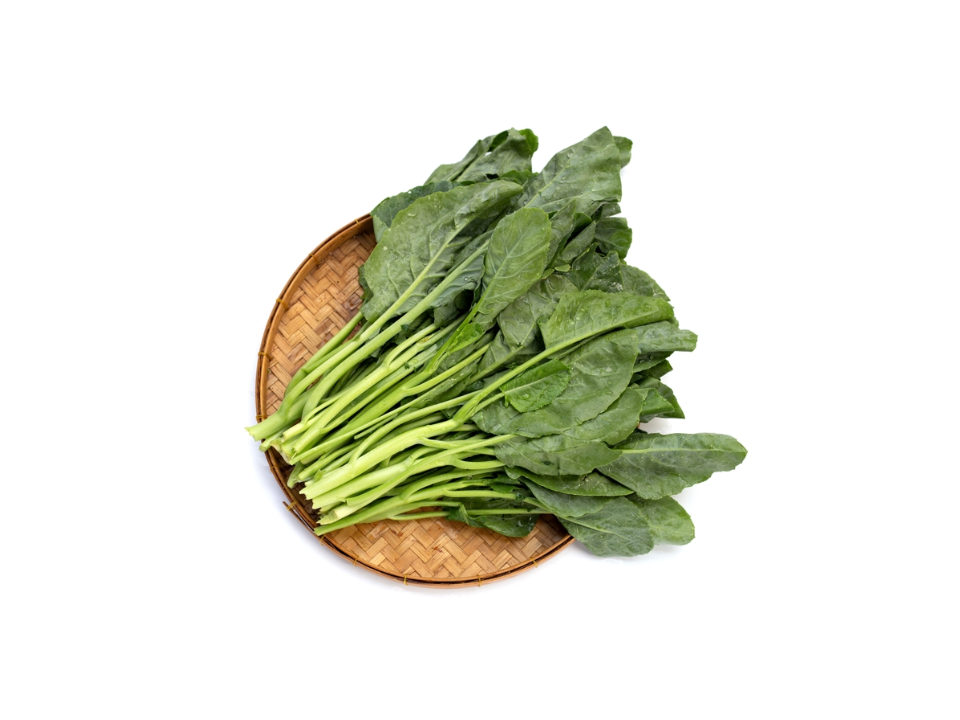
Collard greens are packed with calcium, making them a fantastic alternative to milk for boosting your intake. Just one cup of cooked collard greens can provide about 268 milligrams of calcium. These greens are not only rich in calcium but also contain fiber, vitamins A and C, and antioxidants. Including collard greens in your diet can support strong bones and teeth.
Whether cooked into a dish or enjoyed in a smoothie, they offer a great way to improve your calcium levels. Their slightly bitter flavor pairs well with a variety of seasonings and dishes. You can sauté them, add them to soups, or use them in wraps for a nutritious boost.
Tofu

Tofu is an excellent plant-based source of calcium, particularly when it is made with calcium sulfate. A half-cup of tofu can provide up to 253 milligrams of calcium. This versatile food is often included in vegetarian and vegan diets for its ability to provide essential nutrients without the use of dairy.
Tofu is rich in protein and can be used in both savory and sweet dishes. It absorbs the flavors of the food around it, making it an ideal addition to stir-fries, curries, and even smoothies. Tofu is also low in fat, making it a great option for heart health. Regular consumption can contribute to bone health, particularly for those who avoid dairy products.
Almonds
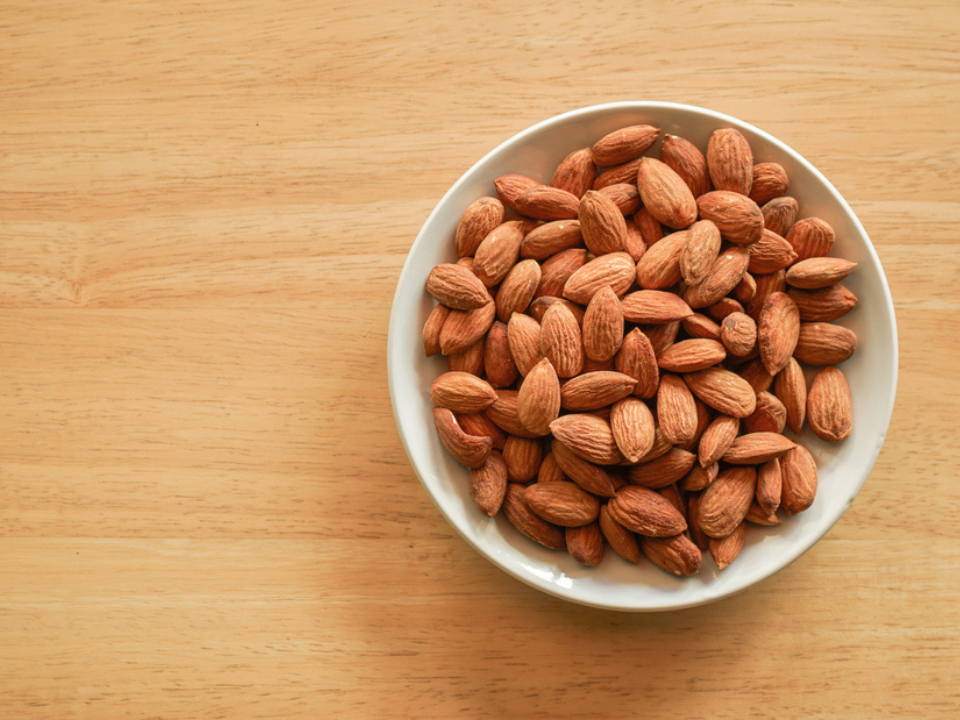
Almonds are a great source of calcium, offering about 76 milligrams of calcium per ounce, or about 23 almonds. They are also packed with healthy fats, protein, and fiber, making them a nutritious snack that can support your overall health. The calcium in almonds can help in building and maintaining strong bones.
In addition to their calcium content, almonds provide a range of vitamins and minerals, including vitamin E and magnesium. Almonds can be enjoyed raw, roasted, or used to make almond butter, almond milk, or added to baked goods for an extra nutrient boost.
Chia Seeds
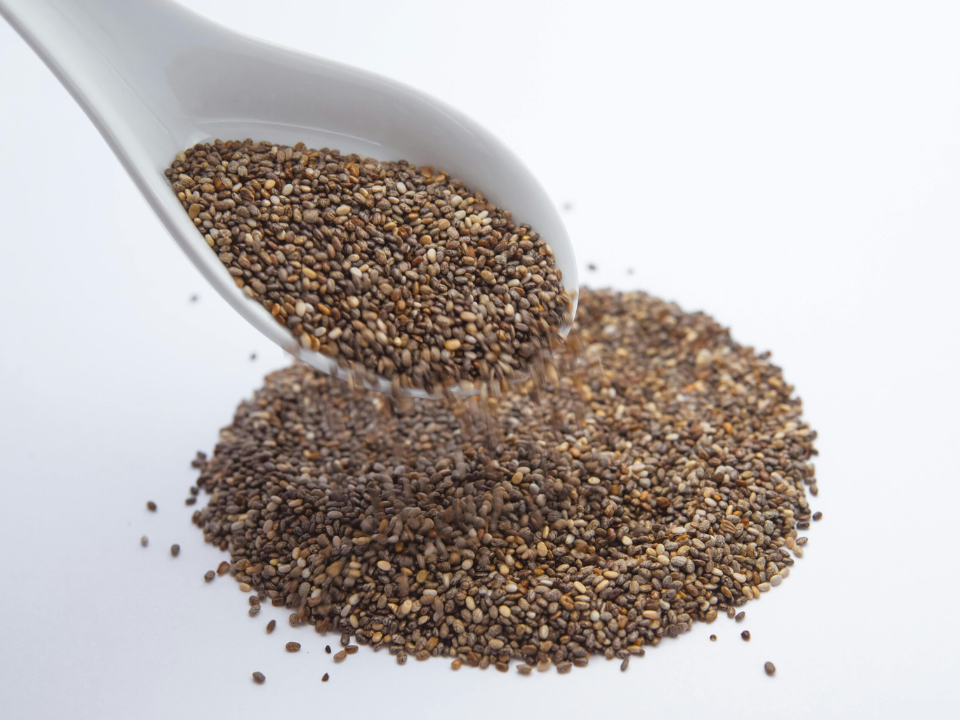
Chia seeds are a tiny powerhouse of nutrition, containing approximately 179 milligrams of calcium per ounce. They are also rich in omega-3 fatty acids, fiber, and antioxidants. Chia seeds are an easy food to incorporate into your diet. Simply add them to smoothies, yogurt, or oatmeal, or let them soak overnight in water or almond milk to create chia pudding.
The calcium content in chia seeds makes them a fantastic option for individuals looking to increase their calcium intake without dairy. They are also incredibly versatile and can be used in both sweet and savory dishes. Their mild taste allows them to blend seamlessly into various meals.
Bok Choy

Bok choy is another leafy green that offers a healthy dose of calcium. One cup of cooked bok choy contains around 158 milligrams of calcium. In addition to calcium, bok choy is a good source of vitamins A, C, and K, as well as folate. This mild-flavored vegetable is often used in Asian dishes such as stir-fries and soups, but it can also be enjoyed raw in salads.
Bok choy is a low-calorie, high-nutrient food that can support bone health. It is also packed with fiber, which can contribute to digestive health. With its crisp texture and subtle flavor, bok choy can be a versatile ingredient in many recipes.
White Beans
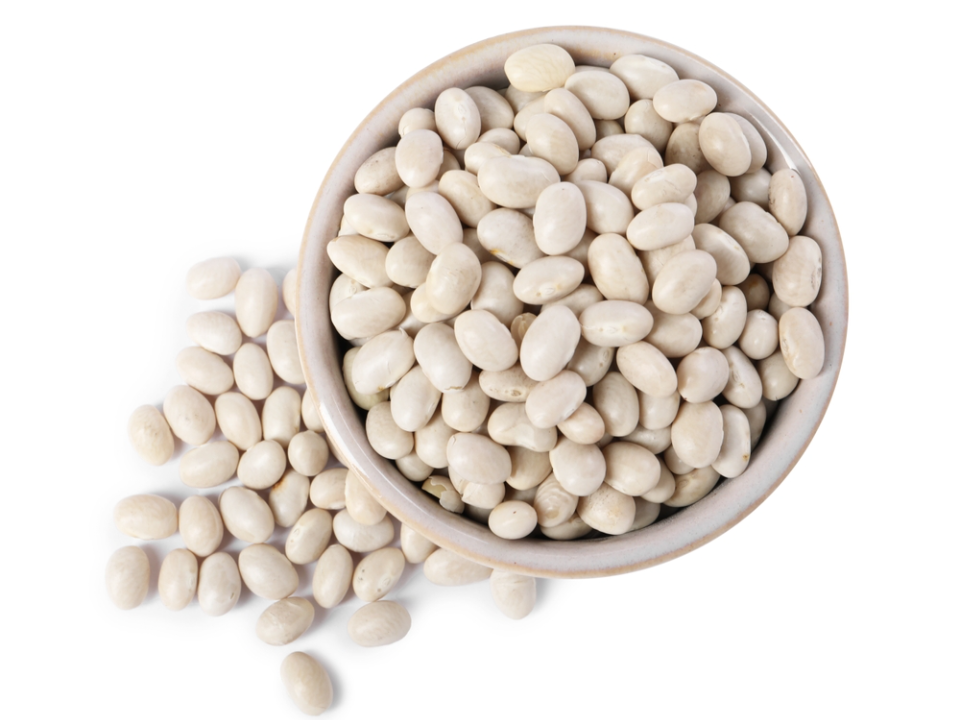
White beans, such as navy beans and cannellini beans, are rich in calcium, with about 161 milligrams of calcium per cup when cooked. They are also an excellent source of plant-based protein, fiber, and iron. Including white beans in your diet can help promote bone strength while also providing steady energy throughout the day.
They are a great addition to soups, stews, salads, or even mashed as a spread. White beans are versatile and easy to incorporate into a wide range of meals, from simple bean salads to more complex dishes like baked beans or chili. Their mild flavor pairs well with a variety of seasonings and vegetables, making them a nutrient-dense food.
Figs

Figs are a delicious and naturally sweet fruit that provides a surprisingly high amount of calcium. One half-cup of dried figs can provide about 121 milligrams of calcium. Along with calcium, figs are rich in fiber, potassium, and antioxidants. The sweetness of figs makes them a perfect addition to both savory and sweet dishes.
They can be eaten on their own as a snack, chopped into salads, or used as a natural sweetener in baking. Dried figs are especially convenient since they are available year-round. Figs can support bone health while satisfying your sweet tooth in a natural way.
Sesame Seeds
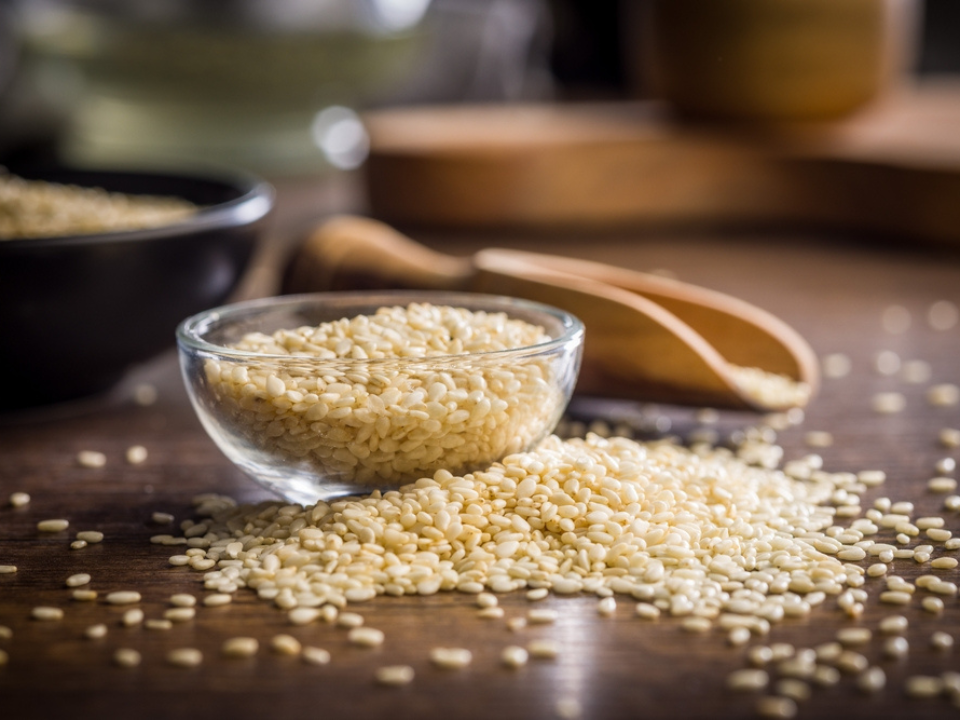
Sesame seeds are an excellent source of calcium, with just one tablespoon offering about 88 milligrams. These tiny seeds are also rich in healthy fats, protein, and other essential minerals like magnesium and iron. The calcium in sesame seeds plays a key role in maintaining strong bones and teeth.
They can be sprinkled on salads, added to smoothies, or used in baking. Tahini, a paste made from ground sesame seeds, is another great way to enjoy these seeds. Sesame seeds have a unique nutty flavor that adds texture and flavor to a wide range of dishes. Including them in your diet can provide numerous health benefits, from improving bone health to supporting heart health.
Kale
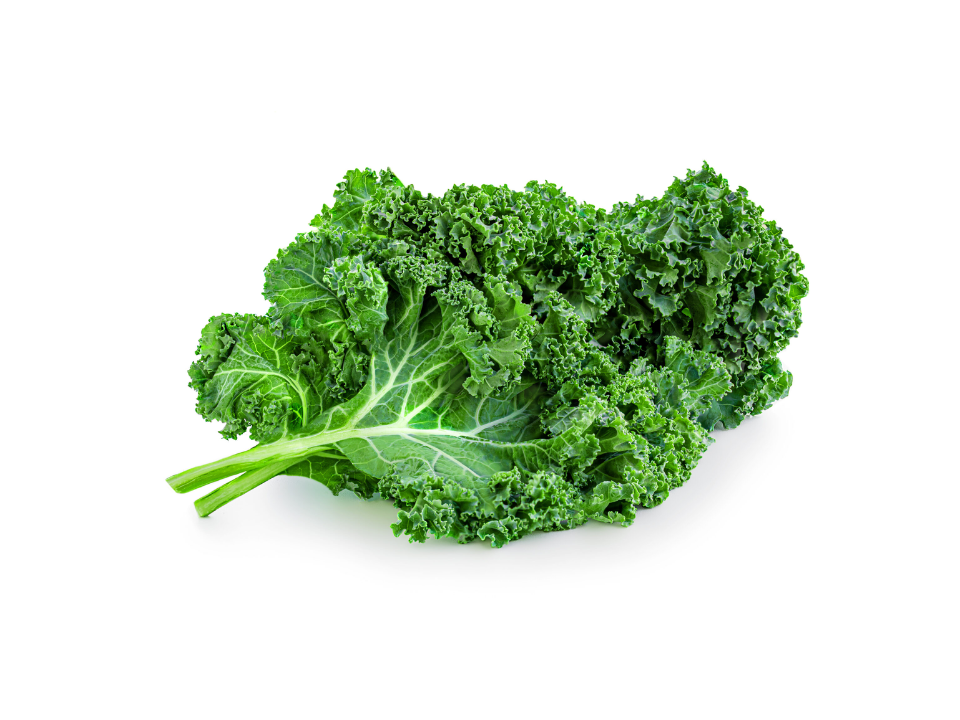
Kale is one of the most calcium-rich leafy greens available. One cup of cooked kale provides around 177 milligrams of calcium. Kale is also loaded with vitamins A, C, and K, as well as antioxidants and fiber. This nutrient-packed vegetable can help support bone health, promote a healthy immune system, and contribute to overall well-being.
Kale can be sautéed, added to smoothies, or used as a base for salads. Its slightly bitter flavor can be softened by massaging the leaves with olive oil or adding a citrus dressing. Whether cooked or raw, kale is an excellent choice for anyone looking to increase their calcium intake.
Plain Low Fat Yogurt

Plain low fat yogurt is a very easy way to get more calcium than a glass of milk in one serving. An 8 ounce serving has about 415 milligrams of calcium, which puts it well ahead of milk. It is also a food that feels easy to work into breakfast, snacks, or even simple sauces. You can eat it with fruit, stir in oats, or use it as a base for dips and dressings.
The texture makes it filling, and the protein content gives it more staying power than many quick snacks. Since it is plain, you can keep the flavor simple or dress it up any way you like. For anyone who wants a familiar food with a strong calcium total, yogurt is one of the easiest choices.
Cheddar Cheese

Cheddar cheese may not look like a calcium heavy food at first glance, yet it can still come out ahead of milk. A 1.5 ounce serving gives about 306 to 307 milligrams of calcium, which is enough to pass a typical cup of milk. That makes it a useful food when you want something richer and savorier.
A few slices in a sandwich, over eggs, or melted into a baked dish can add up quickly. Cheddar also works well in small amounts, so you do not need a giant serving to get the benefit. Since it is concentrated, it is easy to fit into meals without adding much volume. This is a good reminder that a compact serving can still carry a solid calcium total.
Ricotta Cheese

Ricotta cheese can give you more calcium than milk when the serving is large enough. A half cup of part skim ricotta has about 337 milligrams of calcium, which puts it above a glass of milk. That makes ricotta more than just a pasta filling or dessert ingredient. You can spread it on toast, spoon it into grain bowls, or mix it with herbs for a soft and creamy topping.
Its mild flavor makes it easy to pair with sweet fruit or savory vegetables. The texture also helps it feel filling, which is useful when you want food that satisfies as well as nourishes. If you like soft cheeses, ricotta is one of the more useful choices for pushing calcium intake higher.
This article originally appeared on Avocadu.