
17 Flower Seeds to Start Indoors in February for Early Color
February is the perfect time to get a jumpstart on your garden by starting flower seeds indoors. This gives you the chance to enjoy vibrant blooms early in the season, adding color to your home and garden even before spring officially arrives. By starting seeds indoors, you can ensure strong, healthy plants ready to be transplanted when the weather warms up. Many flowers thrive in cooler temperatures and can be easily grown indoors during the colder months. With the right care and attention, you’ll have a beautiful array of colorful flowers ready to brighten up your garden as soon as spring begins. Whether you’re an experienced gardener or just getting started, there’s something truly special about watching your flowers grow from seed to bloom.
This post may contain affiliate links, which helps keep this content free. Please read our disclosure for more info.
Pansies
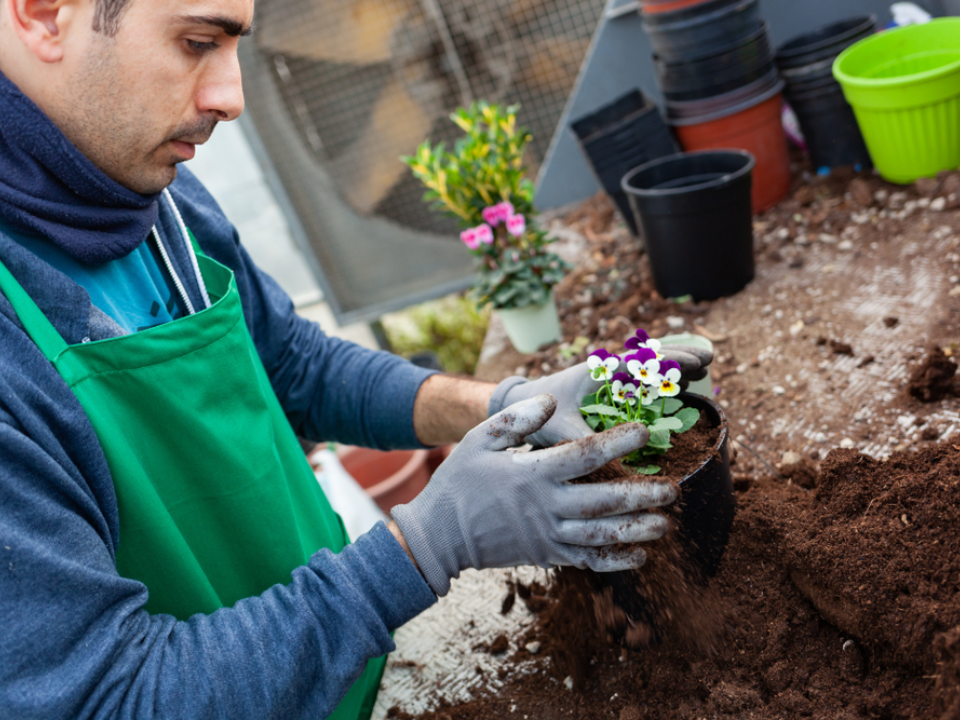
Pansies are one of the first flowers to bring color to your garden after the long winter months. These cool-season annuals thrive in early spring and are known for their vibrant, cheerful blooms. When started indoors in February, pansies give you a jumpstart on the season and are perfect for adding color to window boxes and containers. They prefer cooler temperatures and can tolerate light frost, which makes them ideal for early spring planting.
Pansies come in a variety of colors, from purples and yellows to reds and blues, allowing you to mix and match for a bright display. When planting them indoors, be sure to give them plenty of light to help them develop strong stems and healthy foliage. After a few weeks, harden them off before transplanting them outside to enjoy their blooms as early as March or April. Their early flowers can last well into the spring, giving you months of colorful joy.
Snapdragons
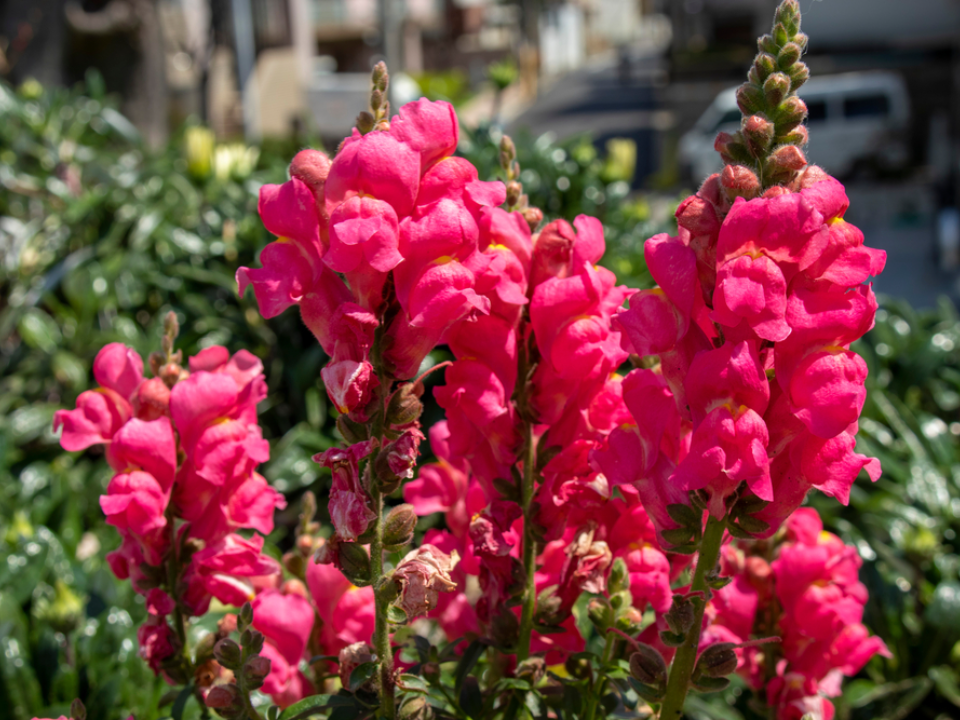
Snapdragons are a popular choice for gardeners who want early blooms with a splash of color. Their tall spikes of flowers in shades of red, yellow, pink, and purple are perfect for adding vertical interest to your garden. By starting them indoors in February, snapdragons can be ready for planting outdoors as soon as the soil is workable in early spring. These flowers thrive in cooler temperatures and are known for their hardiness.
Snapdragons do well in both full sun and partial shade, making them versatile in various garden settings. They can grow anywhere from 12 inches to 3 feet tall, depending on the variety, and are perfect for borders, containers, and even cutting gardens. Starting them indoors gives them a head start, allowing you to enjoy their long-lasting blooms well into the summer months. Regular pinching and deadheading will help keep the plants compact and encourage even more blooms.
Sweet Peas
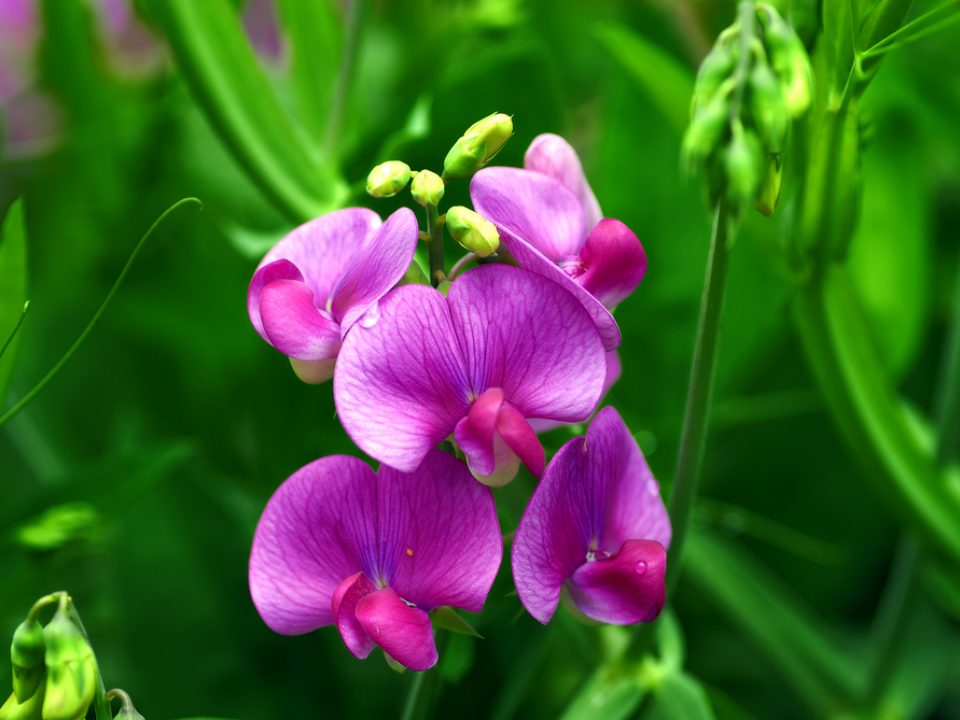
Sweet peas are fragrant flowers that add a lovely scent and vibrant color to your garden. They are often grown for their climbing vines, which can be trained on trellises or fences. Starting sweet peas indoors in February ensures that they will be ready to plant outside as soon as the weather warms up.
These flowers come in a variety of colors, including soft pastels, bold purples, and vibrant pinks. They are known for their delightful fragrance, which can fill your garden or home with a sweet scent. Sweet peas prefer cooler temperatures and can be quite hardy once they are established. To get the best results, start them in a cool location with plenty of light and well-drained soil. When the plants are ready to be moved outside, they will quickly take to the garden and begin climbing, offering stunning blossoms by early spring.
Calendula
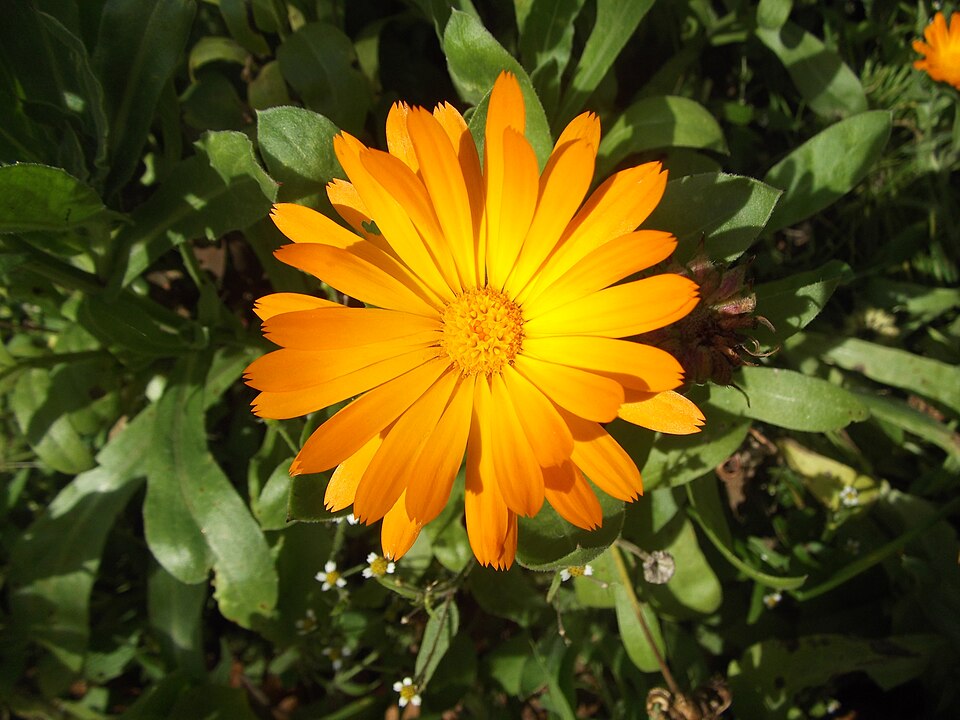
Calendula, also known as pot marigold, is a cheerful flower with bright yellow, orange, or golden blooms that are sure to bring a pop of color to any garden. These flowers are perfect for starting indoors in February, as they can tolerate cooler temperatures and bloom early in the spring. Calendula is a versatile plant that thrives in full sun to partial shade and grows well in various soil types. They can be planted in garden beds, containers, or even hanging baskets, and they make an excellent addition to any flower arrangement.
Starting them indoors allows them to establish strong roots before being moved outside, giving you a head start on the season. These flowers not only add color but are also known for their medicinal properties, with petals that are often used in herbal remedies and skincare products. Regular deadheading will encourage continued blooming throughout the spring and summer.
Begonias
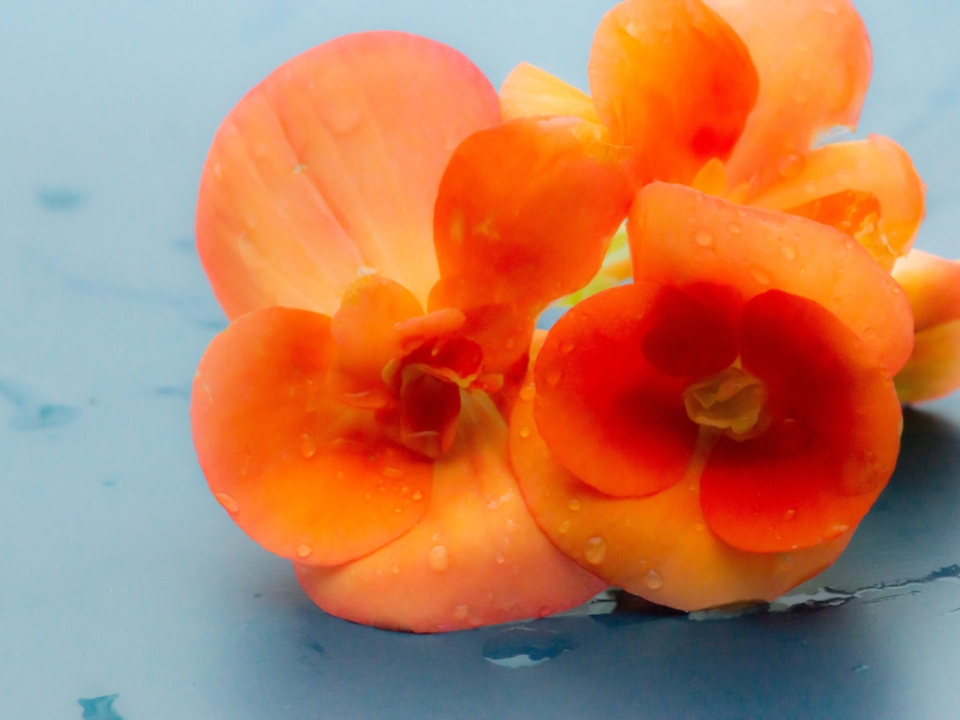
Begonias are a fantastic choice for those looking to add a splash of color to their indoor or outdoor garden. Starting begonias indoors in February ensures they will be ready for transplanting by early spring, giving you a jump on the growing season. These plants are known for their stunning, waxy leaves and beautiful flowers, which come in shades of pink, red, white, and orange.
Begonias are perfect for containers and hanging baskets, as they tend to grow compact and spread out. They prefer indirect light and consistent moisture, making them ideal for indoor growing. When grown in the right conditions, begonias will reward you with an abundance of blooms, creating a striking display of color in your home or garden. They are also relatively low-maintenance and can thrive in both sunny and partially shaded spots. By starting them indoors, you can enjoy their beauty earlier in the season.
Zinnias
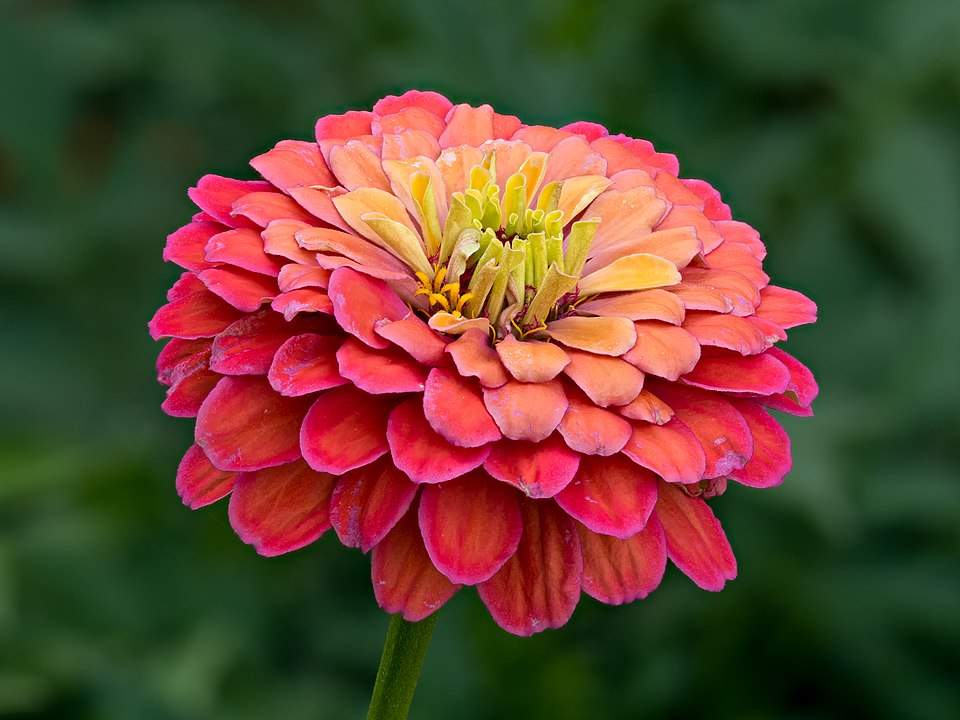
Zinnias are bright, bold flowers that thrive in full sun and offer a cheerful addition to any garden. These flowers are easy to start indoors in February and grow quickly, giving you an early start to the growing season. Zinnias come in a wide range of colors, including pinks, oranges, reds, and purples, making them perfect for adding a burst of color to flower beds, containers, or hanging baskets.
These flowers are known for their resilience and can handle heat and drought, making them ideal for summer gardens. Zinnias are also excellent for attracting pollinators, including bees and butterflies, making them a beneficial addition to any garden. They have a long blooming period, starting in early summer and lasting until the first frost. Starting them indoors allows you to get a jump on the growing season and ensures that you can enjoy their vibrant colors early on.
Lobelia
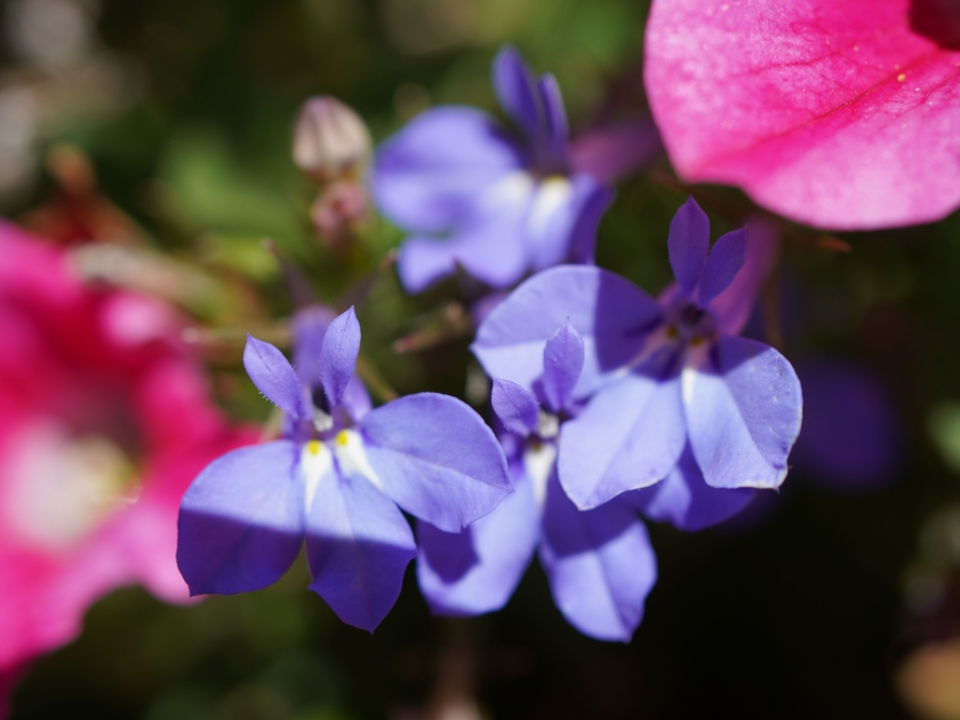
Lobelia is a delicate, trailing flower that thrives in cooler temperatures and is perfect for adding color to hanging baskets or containers. When started indoors in February, lobelia can be ready for transplanting outdoors by early spring, adding a burst of blue, purple, or white to your garden. This flower is known for its cascading habit, making it ideal for adding visual interest to the edges of flower beds, hanging baskets, or window boxes.
Lobelia prefers cooler temperatures and partial shade, so it is a great option for areas that do not receive full sunlight. Starting lobelia indoors gives it time to establish its roots and produce strong, healthy plants before being moved outdoors. These flowers are also great for attracting pollinators, such as hummingbirds and bees, which will add more life to your garden. With proper care, lobelia will bloom continuously throughout the spring and summer, providing long-lasting color.
Verbena
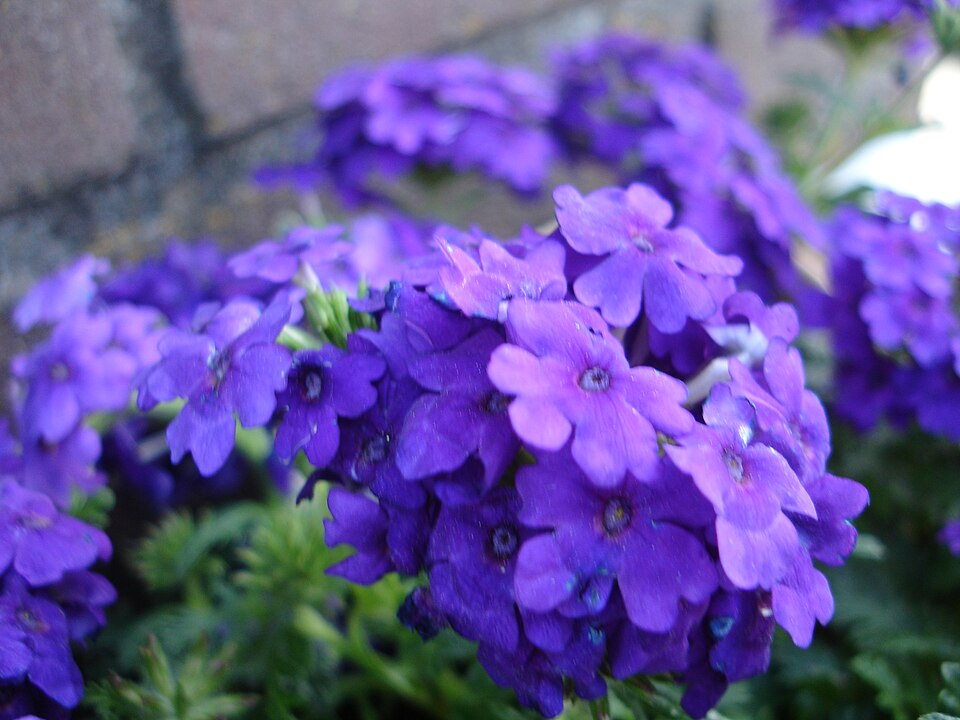
Verbena is another excellent choice for gardeners looking to start flowers indoors in February. Known for its vibrant blooms in shades of pink, purple, red, and white, verbena can add a stunning pop of color to garden beds, containers, and hanging baskets. Verbena is a fast-growing flower that thrives in full sun and well-drained soil. Starting it indoors gives it a head start on the growing season and ensures that it will bloom early in the spring.
These flowers are also known for their resilience and can tolerate heat, making them an excellent choice for summer gardens. Verbena is attractive to pollinators, including bees and butterflies, which makes it a great addition to any wildlife-friendly garden. It can be a bit finicky about its growing conditions, but with the right care, verbena will reward you with a long period of vibrant blooms.
Marigolds
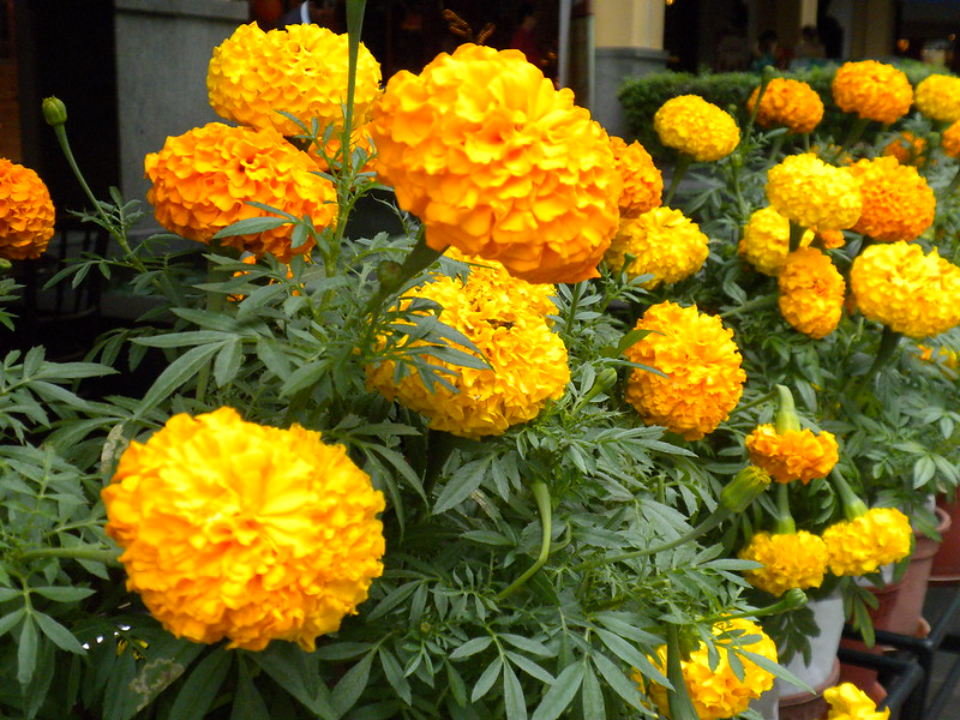
Marigolds are a classic garden favorite known for their bright orange and yellow blooms. These cheerful flowers can be started indoors in February and are perfect for adding early color to your garden. Marigolds are known for their resilience and can grow in a variety of soil types and weather conditions. They thrive in full sun and are also excellent for repelling pests, making them a great companion plant in vegetable gardens.
Starting marigolds indoors gives them a head start, allowing them to bloom earlier in the season. They are also relatively low-maintenance and can thrive with minimal care. Marigolds are perfect for adding color to borders, containers, and hanging baskets, and their long blooming season will keep your garden colorful for months.
Alyssum
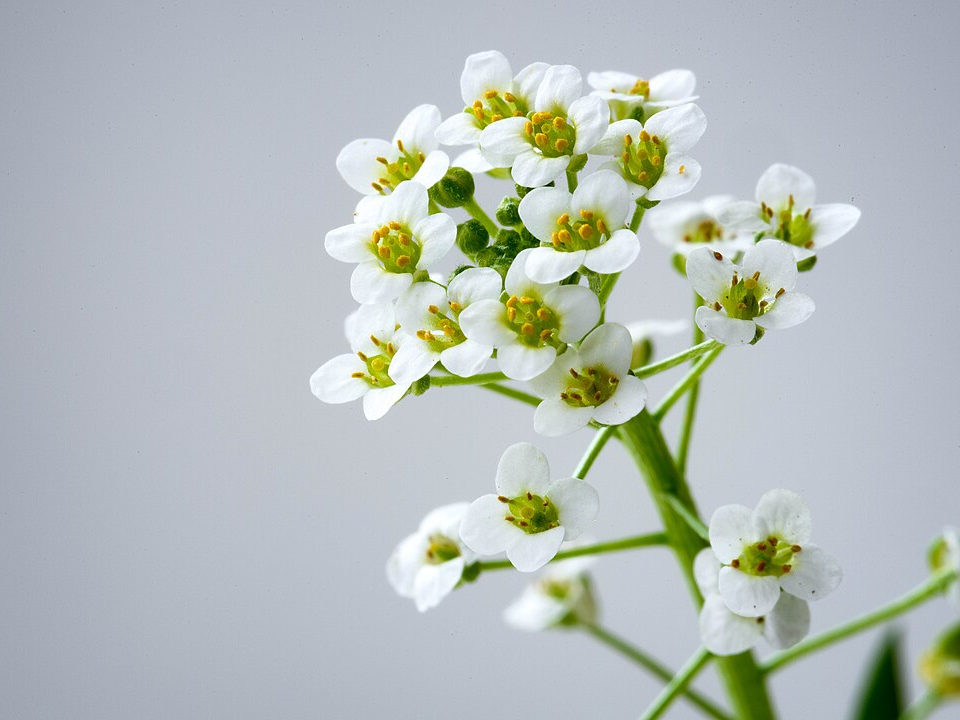
Alyssum is a low-growing, fragrant flower that can bring a soft, carpet-like appearance to your garden. When started indoors in February, alyssum can be ready to plant outdoors as soon as the weather warms up. These flowers are typically white, pink, or purple, and their sweet scent makes them a great addition to flower beds or containers.
Alyssum thrives in cooler temperatures and is known for its ability to grow in both full sun and partial shade. Starting alyssum indoors ensures that it will be established and ready to bloom early in the season. This flower is also excellent for attracting pollinators, including bees and butterflies, adding more life to your garden. With proper care, alyssum will bloom continuously from early spring to late summer, providing long-lasting color and fragrance.
Coleus
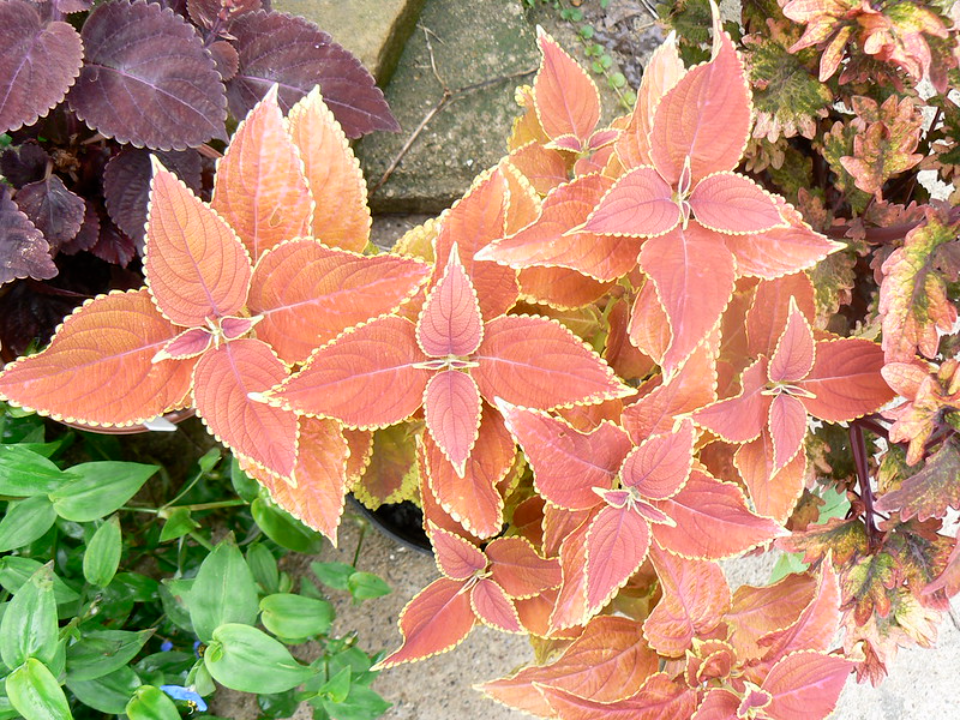
Coleus is a beautiful plant known for its colorful foliage rather than its flowers. Starting coleus indoors in February allows the plant to establish strong roots before being moved outdoors for the summer. These plants come in a wide range of colors, from deep reds and purples to vibrant greens and yellows. They thrive in bright, indirect light and prefer slightly moist, well-drained soil.
Coleus grows quickly, and by starting them indoors, you will have robust plants ready to add bold color to your garden as soon as the weather warms up. They are perfect for containers, hanging baskets, and garden beds, and they will keep their color all season long if properly cared for. Coleus is also great for shady areas where other flowers may struggle to grow.
Petunias
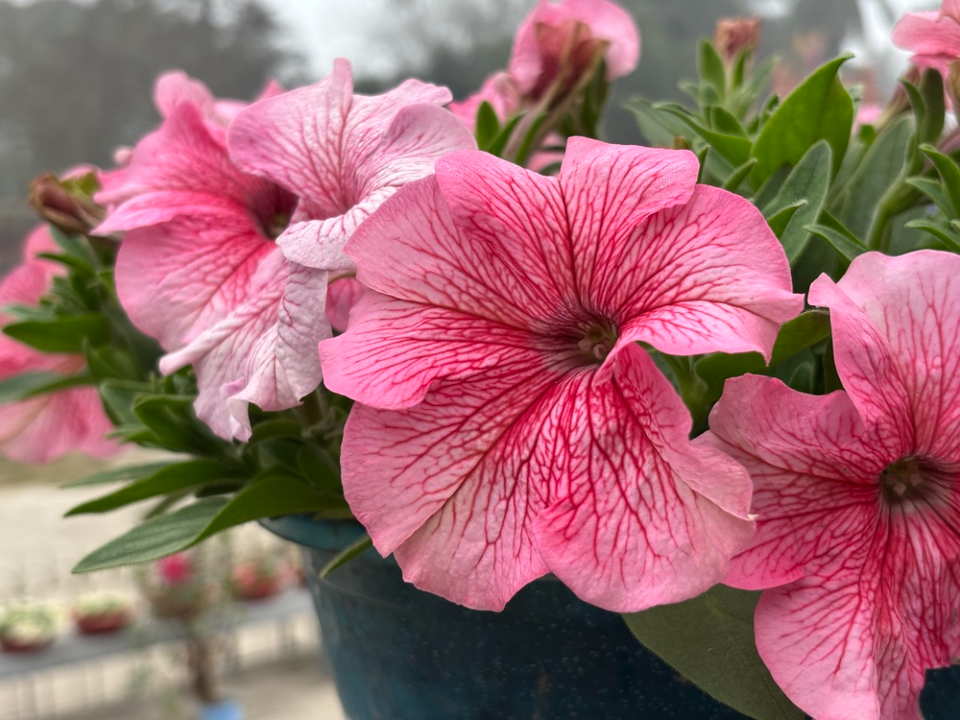
Petunias are a popular flower for hanging baskets and containers, known for their wide variety of colors and patterns. Starting them indoors in February gives them a jumpstart on the season, allowing you to enjoy their vibrant blooms earlier in the spring. Petunias prefer full sun and well-drained soil, and they come in shades of pink, purple, red, white, and even striped varieties.
By starting them indoors, you will have strong, healthy plants ready to thrive as soon as outdoor temperatures rise. These flowers are also relatively easy to grow and care for, making them a great choice for both beginner and experienced gardeners. Petunias can bloom continuously throughout the summer, especially if you deadhead regularly to remove spent flowers and encourage new growth.
Bachelor’s Buttons
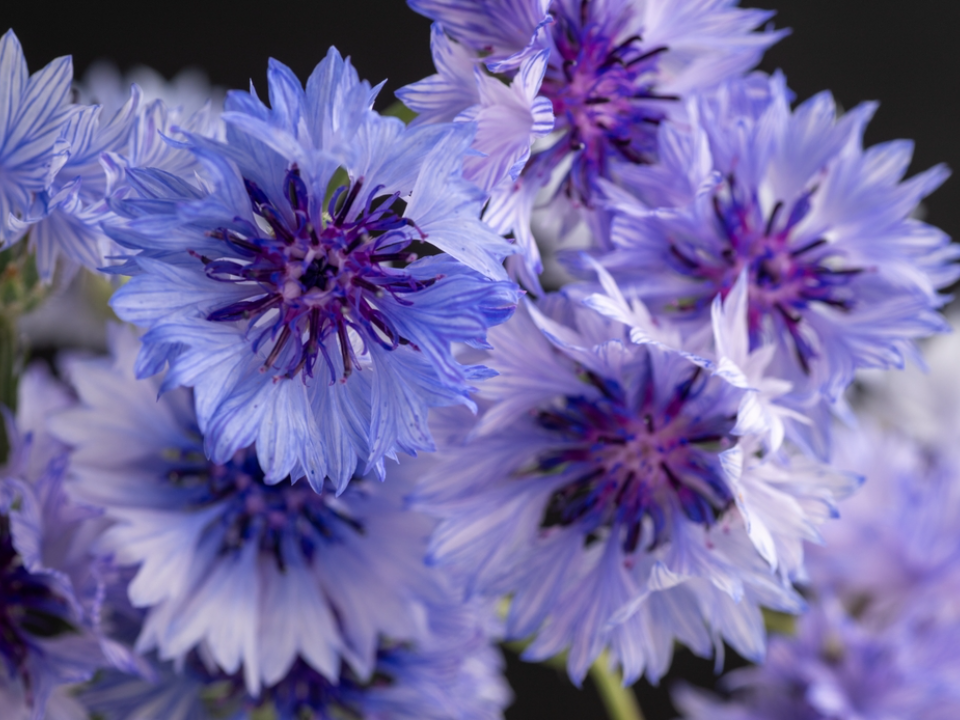
Bachelor’s buttons, also known as cornflowers, are hardy annuals that add a unique touch to any garden with their delicate, blue blooms. These flowers are great for starting indoors in February, as they grow quickly and are hardly enough to survive cooler spring temperatures. Bachelor’s buttons thrive in full sun and well-drained soil and are known for attracting pollinators like bees and butterflies.
They are perfect for planting in garden borders, containers, or cutting gardens, and their colorful blooms make them an excellent addition to any flower arrangement. Starting these flowers indoors will help you get a head start on the season, and they will bloom as early as late spring. Bachelor’s buttons are also relatively easy to grow, making them a great choice for gardeners of all experience levels.
Impatiens
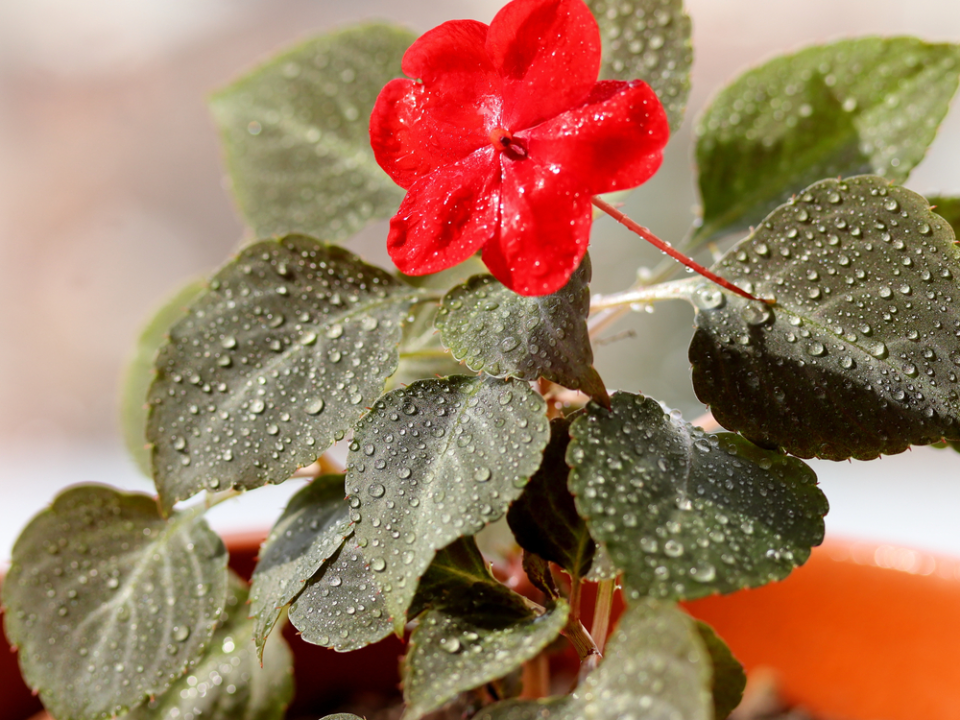
Impatiens are known for their bright, colorful blooms and their ability to thrive in shady spots. Starting them indoors in February allows you to enjoy their vibrant pink, red, white, and purple flowers earlier in the season. These flowers prefer moist, well-drained soil and partial to full shade, making them ideal for areas of your garden that do not receive direct sunlight.
Impatiens grow well in containers, hanging baskets, and flower beds, and they will continue blooming throughout the summer months with proper care. By starting them indoors, you will give them a head start and ensure they are ready for transplanting when the weather warms up. They are perfect for adding color to shaded spots where other flowers may not grow as well. Regular watering and occasional feeding will help keep these plants healthy and vibrant.
Sunflowers
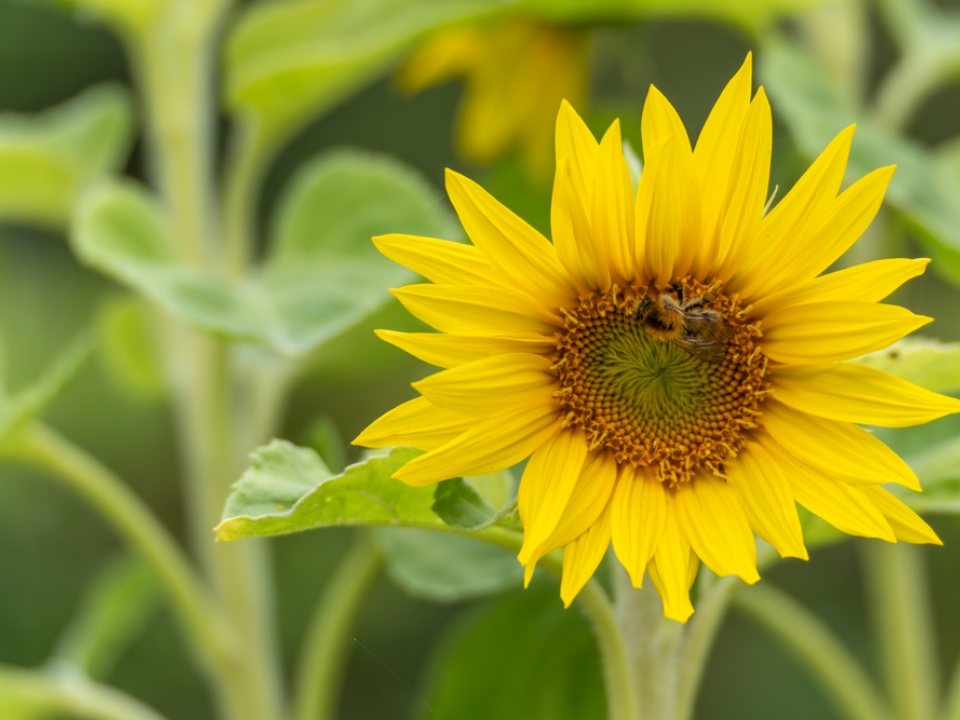
Sunflowers are iconic summer flowers known for their large, cheerful blooms and tall, sturdy stalks. While sunflowers are typically planted directly in the ground after the last frost, starting them indoors in February allows you to have taller, stronger plants that are ready to be planted outdoors as soon as the soil is warm.
These flowers thrive in full sun and require plenty of space to grow. Sunflowers are relatively easy to care for and grow quickly, making them ideal for gardeners looking to add a statement piece to their garden. The large blooms, which come in shades of yellow, orange, and even red, attract bees, birds, and other pollinators. Starting them indoors ensures that they will be strong and healthy when it is time to move them outside for the growing season.
Gaillardia (Blanket Flower)
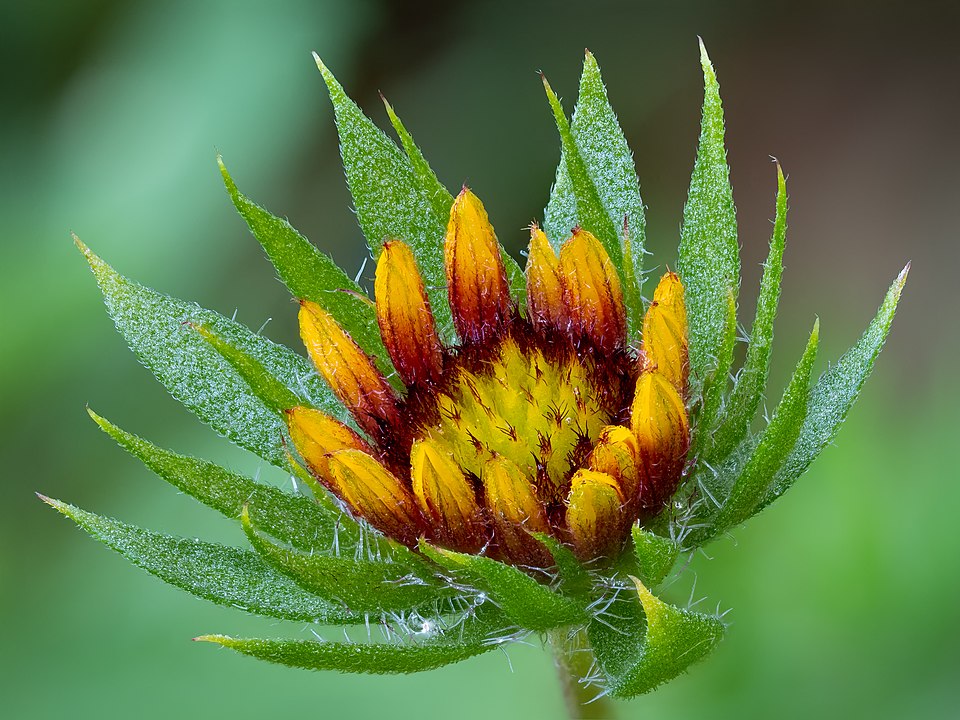
Gaillardia, or blanket flowers, are known for their vibrant, daisy-like blooms in shades of red, orange, and yellow. These flowers are perfect for starting indoors in February, as they require a long growing season to reach their full potential. Gaillardia thrives in full sun and well-drained soil, making them ideal for hot, dry locations in the garden.
These flowers are drought-tolerant and heat-resistant, making them a great choice for low-maintenance gardens. Starting them indoors allows them to develop strong roots before being transplanted outdoors when the weather warms up. Gaillardia is excellent for attracting pollinators such as bees and butterflies, and it can be grown in garden beds, borders, or containers. Once established, these flowers will bloom continuously throughout the summer, providing vibrant color all season long.
Salvia
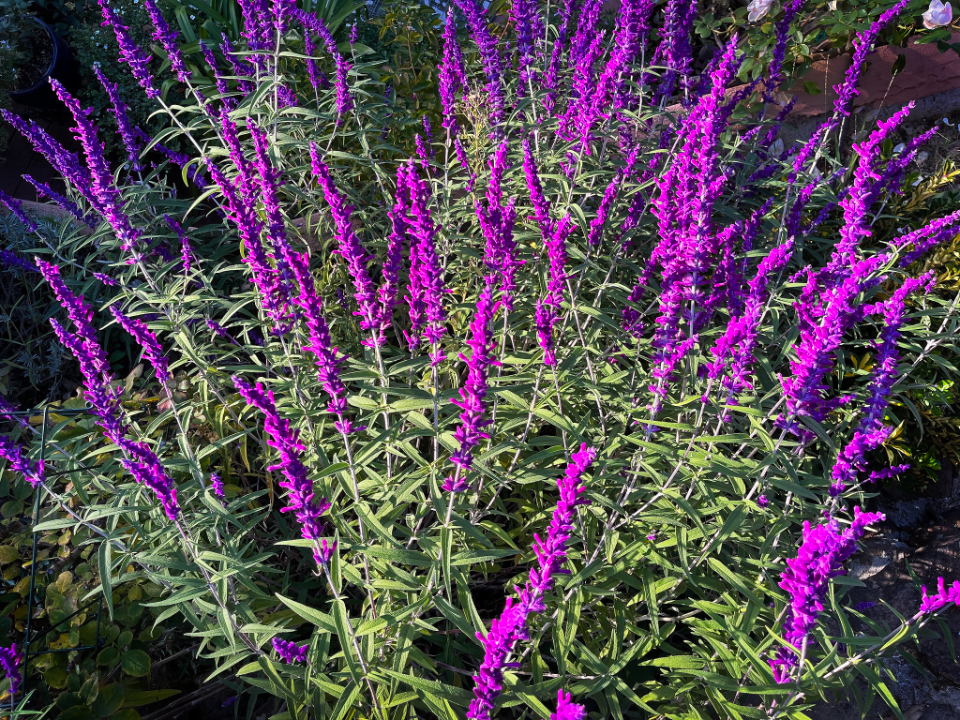
Salvia is a versatile flower that comes in a variety of colors, including red, purple, and pink. These flowers are perfect for starting indoors in February, as they need a long growing season to develop their full, bushy form. Salvia thrives in full sun and well-drained soil and is known for attracting hummingbirds, bees, and butterflies. These flowers can grow up to 3 feet tall, depending on the variety, and make excellent additions to garden borders, containers, and cut flower gardens.
Starting them indoors gives them a head start on the growing season, allowing you to enjoy their colorful blooms as early as late spring. Salvia is also known for its heat tolerance and can continue blooming even in hot, dry conditions. Regular watering and occasional deadheading will encourage continued blooms throughout the summer months.
This article originally appeared on Avocadu.