
15 Films That Shifted the Future of Practical Effects
Practical effects have come a long way, thanks to groundbreaking films that pushed the boundaries of what was possible. These movies not only entertained audiences but also revolutionized the way effects were created on screen. By blending creativity with technology, filmmakers were able to bring their visions to life in ways never seen before. As we take a closer look, it becomes clear how these films set new standards for future productions.
This post may contain affiliate links, which helps keep this content free. Please read our disclosure for more info.
Star Wars (1977)

Star Wars revolutionized practical effects in cinema, introducing groundbreaking techniques that set the standard for visual storytelling. Director George Lucas and his team at Industrial Light & Magic (ILM) brought new technologies to the forefront, such as motion control cameras for spaceship shots. The film also showcased detailed models and elaborate creature designs that made the science fiction world feel real. With iconic scenes like the Death Star explosion, Star Wars raised the bar for what could be achieved with practical effects at the time.
The lasting influence of Star Wars can be seen in how it inspired an entire generation of filmmakers to experiment with practical effects. The film’s success paved the way for an explosion of similar techniques in the industry. Model-making and miniatures were crucial in bringing the galaxy to life, from the Millennium Falcon to the TIE fighters. Today, the Star Wars franchise continues to inspire filmmakers to blend practical and digital effects for stunning visuals.
Jurassic Park (1993)
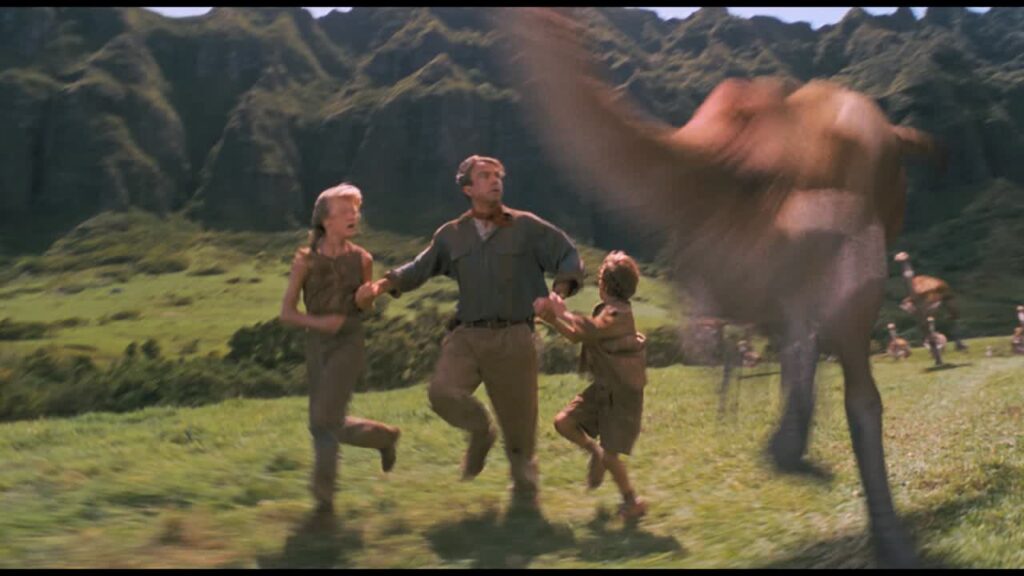
Jurassic Park showcased the impressive capabilities of practical effects combined with cutting-edge animatronics, creating lifelike dinosaurs that amazed audiences worldwide. Director Steven Spielberg and his team used both full-scale mechanical models and innovative stop-motion techniques to bring the prehistoric creatures to life. The T-Rex, for example, was a remarkable achievement in animatronics, as its massive size and movement were convincing to the audience. This film set a new precedent for using practical effects in conjunction with digital technology.
The combination of animatronics and groundbreaking visual effects in Jurassic Park shifted the way filmmakers approached creature design. The film’s success showed that practical effects could be just as powerful as CGI when done correctly. While the film also utilized groundbreaking digital effects, the lifelike quality of the animatronics played a key role in making the dinosaurs feel real. Jurassic Park remains a pivotal film in the evolution of practical effects in cinema.
The Thing (1982)
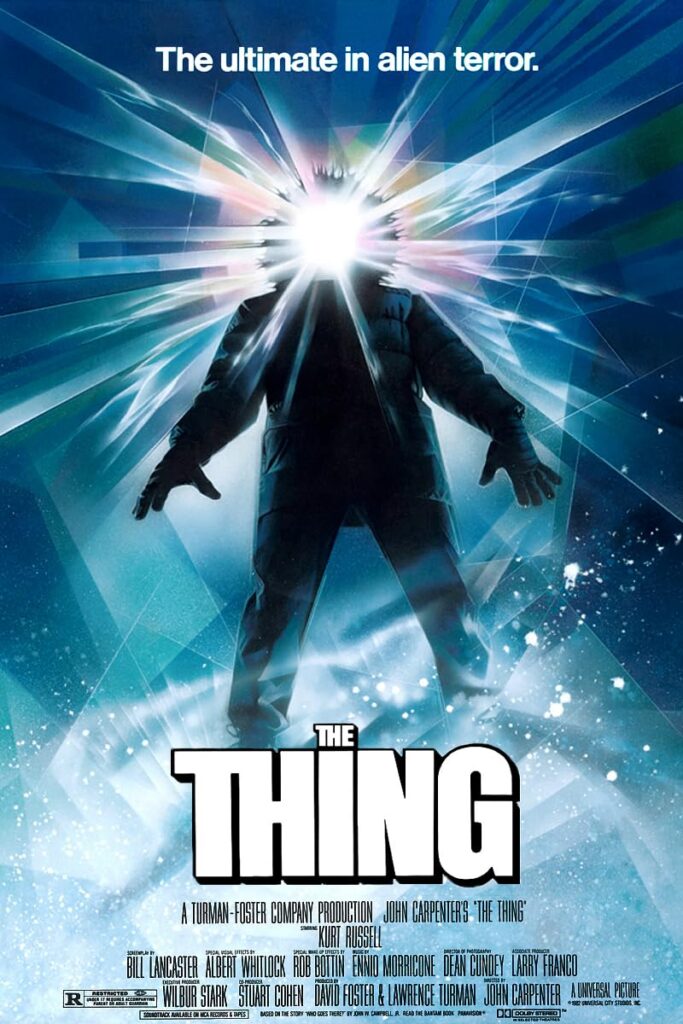
John Carpenter’s The Thing is widely regarded as a high point for practical effects in horror, with its terrifying alien transformations still impressing audiences today. The film featured mind-boggling creature designs brought to life by special effects guru Rob Bottin, whose work in animatronics and practical makeup made the alien horror feel all too real. One of the most iconic scenes, the transformation of the dog into a grotesque creature, was achieved using detailed puppet work and intricate prosthetics.
Despite being overshadowed by the rise of digital effects in later years, The Thing remains a masterclass in practical effects, with its physical transformations holding up to the test of time. The grotesque alien forms and slime-covered creatures are still widely considered some of the best practical effects in film history. Carpenter’s ability to combine suspense with grotesque visuals set a new standard for the genre. Even today, The Thing is admired by filmmakers for its attention to detail in creature design.
An American Werewolf in London (1981)
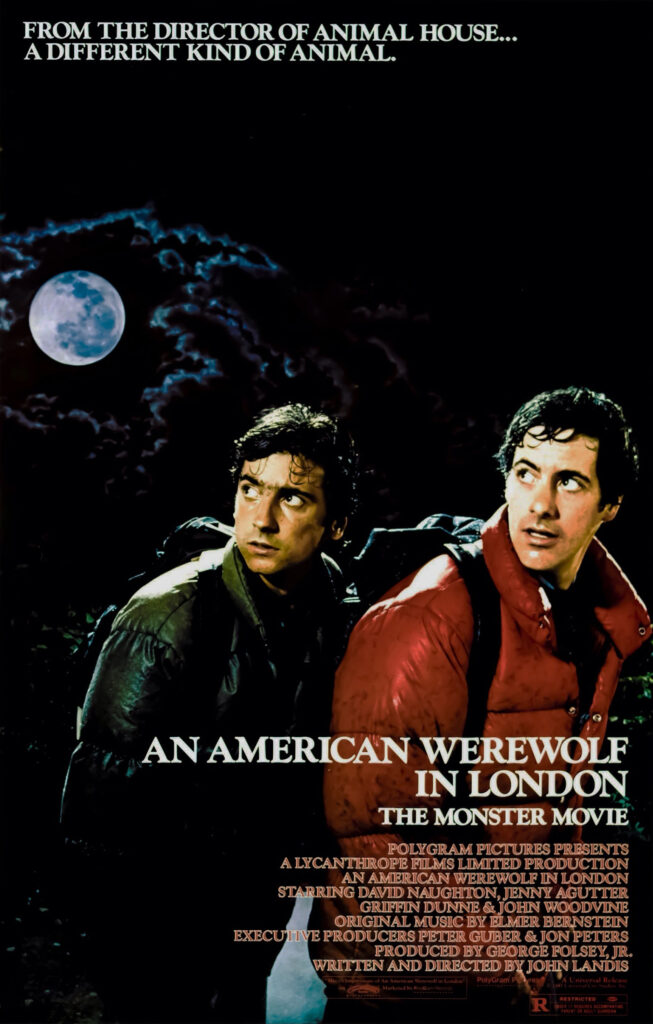
An American Werewolf in London is a landmark in werewolf transformation sequences, with its groundbreaking practical effects capturing the brutality of the transformation. Special effects artist Rick Baker was tasked with creating the iconic werewolf transformation, a sequence that has since become legendary in horror. The use of prosthetics, makeup, and mechanical effects was revolutionary at the time, with the werewolf’s body shifting in ways that had never been seen on screen. The meticulous attention to detail in the transformation set new standards for horror films.
The film’s werewolf effects earned Rick Baker an Academy Award for Best Makeup, a testament to the film’s lasting impact. The seamless blend of animatronics and practical makeup during the transformation made it both a horrifying and awe-inspiring moment. Even in an era dominated by practical effects, An American Werewolf in London stood out for its innovative use of physical transformations. Today, the transformation scene is still studied by special effects artists and filmmakers alike.
The Terminator (1984)
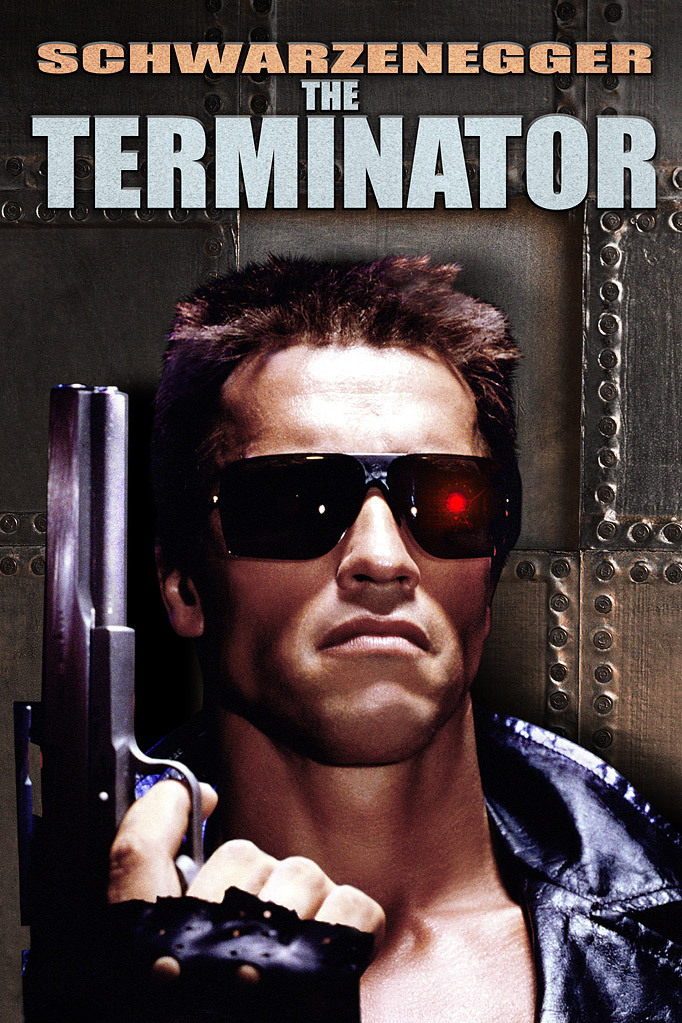
James Cameron’s The Terminator broke new ground in practical effects, particularly with its portrayal of the Terminator cyborg. The film’s most notable achievement was the use of practical effects to create the iconic cyborg makeup, with special effects artist Stan Winston designing the terrifying endoskeleton that was used in key scenes. The transformation from human to machine was achieved through prosthetics and makeup, creating a believable and chilling character. The film’s futuristic vision of technology blended perfectly with practical effects, bringing a cold, mechanical menace to life.
The film’s success in blending practical effects with a compelling narrative helped set the tone for subsequent science fiction films. Winston’s work on the Terminator’s endoskeleton is still regarded as one of the most iconic practical effects in cinema. The Terminator proved that with the right techniques, even a low-budget film could create unforgettable visual effects. The legacy of the cyborg remains a touchstone in the evolution of practical effects in science fiction.
King Kong (1933)
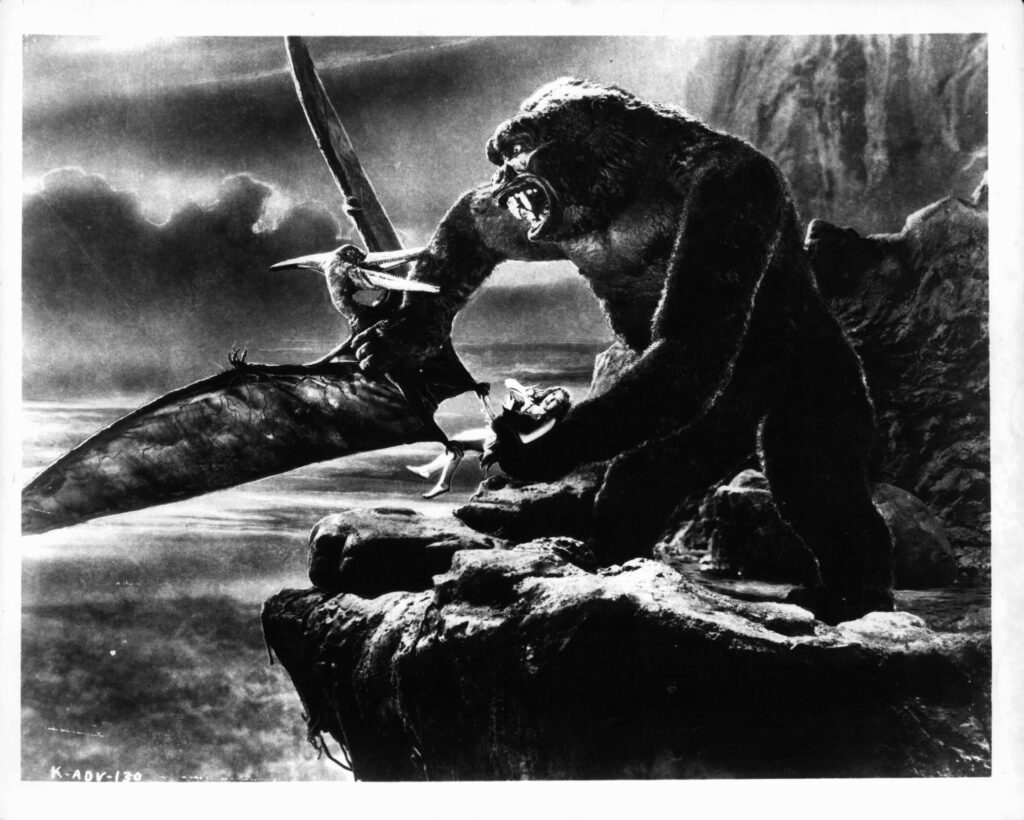
The 1933 version of King Kong introduced moviegoers to a giant ape brought to life through stop-motion animation and miniature sets. King Kong, as the titular character, was brought to life by Willis O’Brien using innovative stop-motion techniques that allowed the ape to interact with human actors. The miniature sets created a sense of scale, with Kong towering over the city in a way that had never been seen before. This film set the stage for future monster movies, blending scale models and stop-motion to create lifelike creatures.
The film was a pioneering achievement for its time, with Kong’s expressive face and movements remaining impressive even by today’s standards. The combination of stop-motion animation with live-action footage was groundbreaking, offering a glimpse into the potential of practical effects. The visual storytelling in King Kong influenced countless films that followed, including many monster films and adventure movies. This film remains a key milestone in the development of practical effects.
Robocop (1987)
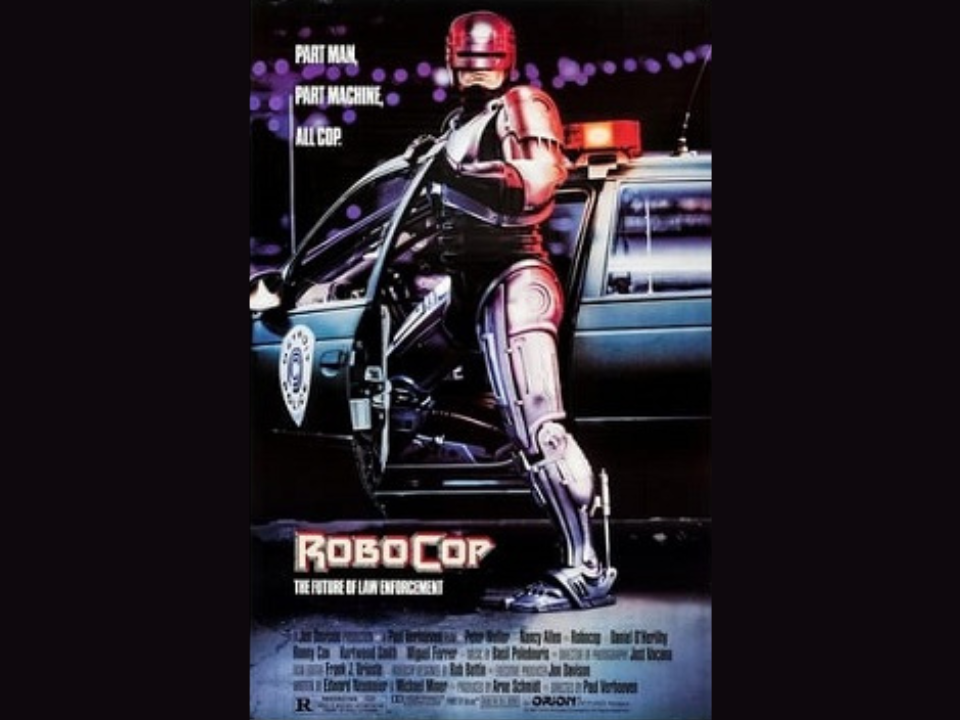
Paul Verhoeven’s Robocop blended futuristic technology with practical effects to bring the titular cyborg cop to life. Special effects artist Rob Bottin’s work in creating Robocop’s mechanical body and armored suit was crucial in establishing the character’s intimidating presence. The practical effects used in Robocop helped create the cyborg’s convincing movements and mechanical interactions, making him a memorable figure in science fiction.
The success of Robocop demonstrated the potential of practical effects in portraying robots and machines on screen. Bottin’s detailed work on Robocop’s suit set a high bar for future cyborg portrayals, with the design standing out for its complexity and functionality. The film’s mix of violence, social commentary, and cutting-edge effects made it a landmark in both the sci-fi genre and in practical effects history. Robocop remains a classic, with its practical effects still admired by fans and filmmakers.
The Fly (1986)
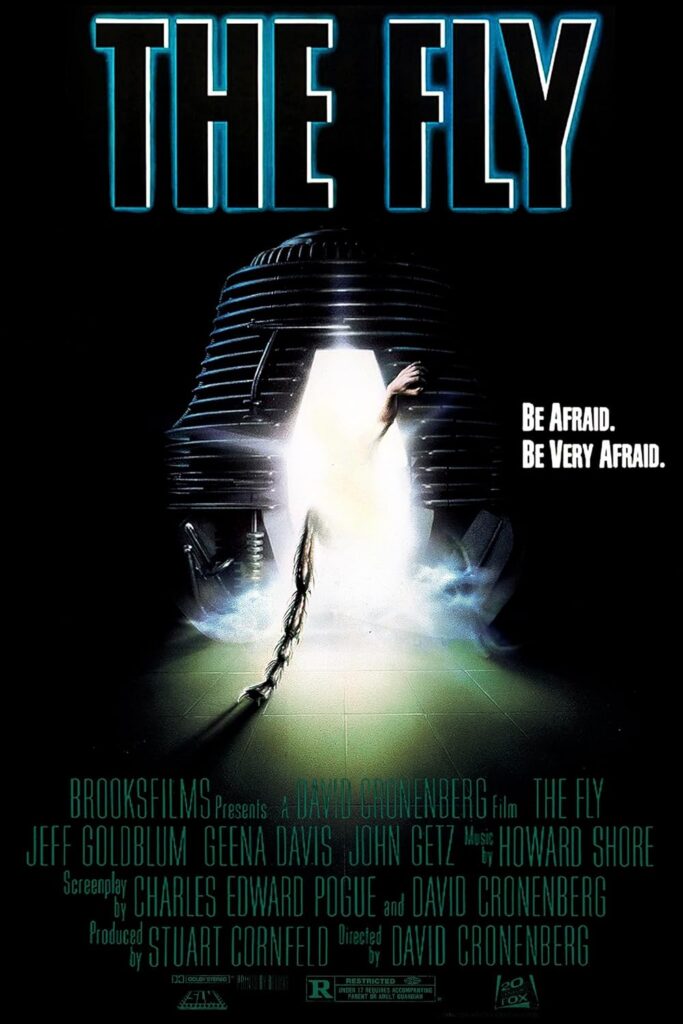
David Cronenberg’s The Fly stands as a benchmark for grotesque transformation sequences, showcasing the best of practical effects in horror. The film’s protagonist, played by Jeff Goldblum, slowly transforms into a human fly, with the process captured through detailed makeup and prosthetics. Special effects artist Chris Walas used a combination of foam latex, animatronics, and practical effects to depict the horrifying and gradual transformation.
The Fly is celebrated for its groundbreaking work in body horror, with its practical effects earning widespread acclaim. The film’s transformation scenes remain a high point for practical effects in cinema, with the meticulous designs elevating the horror to another level. Cronenberg’s use of practical effects to create a deeply emotional and disturbing transformation set a new standard for the genre. The Fly continues to be regarded as a perfect example of how practical effects can enhance a film’s narrative and themes.
E.T. the Extra-Terrestrial (1982)
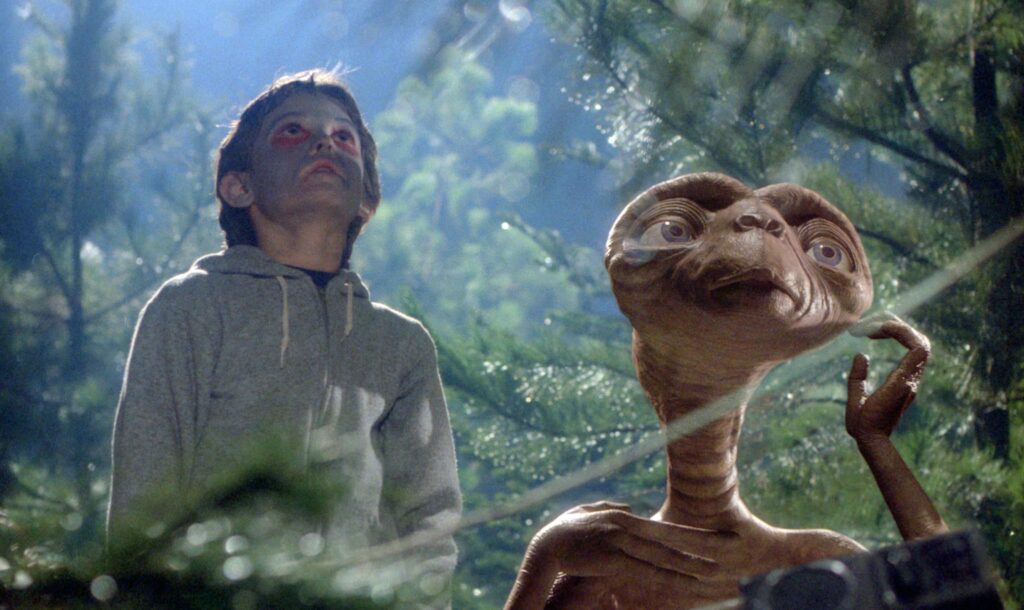
E.T. the Extra-Terrestrial captivated audiences with its heartwarming story and the groundbreaking practical effects used to bring E.T. to life. The alien was created using a combination of animatronics and puppetry, with special effects artist Carlo Rambaldi designing a creature that felt both alien and human. The character’s expressive face and movements were achieved through intricate puppet work, allowing E.T. to interact with the human characters in a way that felt real. Spielberg’s use of practical effects made the alien relatable and added depth to the film’s emotional core.
The lasting impact of E.T. lies in how it set the standard for creature design in film. The film’s success proved that practical effects could create characters that were not only visually stunning but also emotionally resonant. The alien’s interactions with the human characters, brought to life through puppetry and animatronics, have left a lasting legacy in the history of practical effects. E.T. continues to be a touchstone for filmmakers who aim to create compelling characters using practical techniques.
The Abyss (1989)
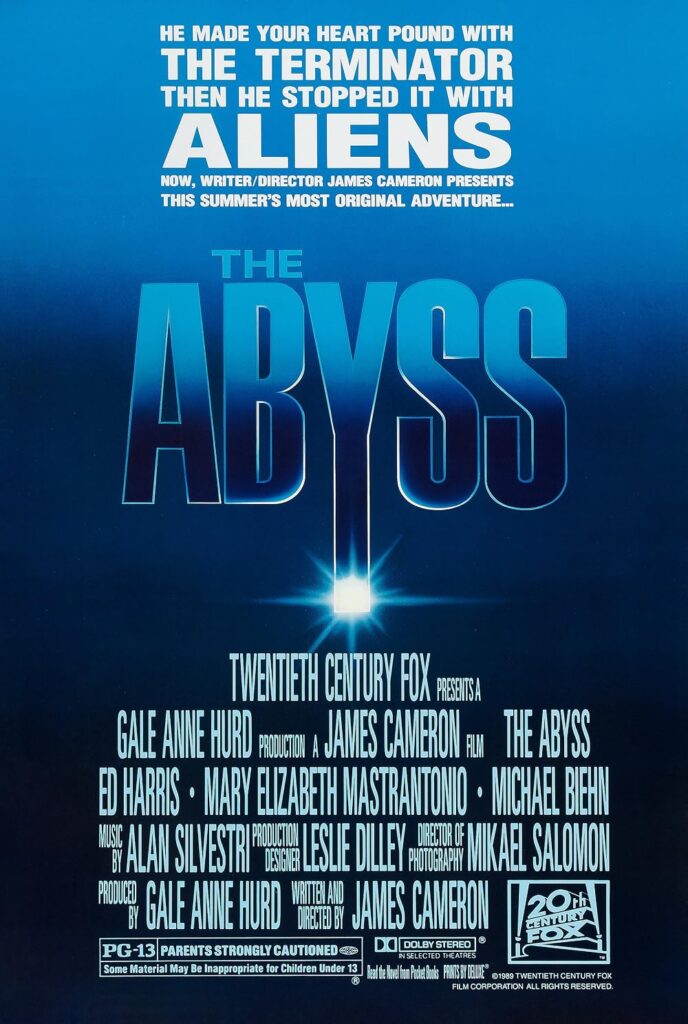
James Cameron’s The Abyss pushed the boundaries of practical effects with its use of underwater photography and complex animatronics. The film’s aquatic creatures, particularly the alien life form known as the “water tentacle,” were created using groundbreaking techniques that blended practical effects with early digital effects. The tentacle, in particular, was a marvel of practical design, with the fluidity of its movements achieved using animatronics and hydraulic systems.
The Abyss showcased how practical effects could be used to convey alien life forms in a believable way, even in an underwater environment. The film’s innovative use of water-based animatronics and advanced cinematography set a high bar for effects in science fiction. The success of The Abyss paved the way for future films to explore new frontiers in practical and digital effects. Cameron’s ability to blend both techniques helped push the industry forward, making this film a key player in the evolution of practical effects.
Alien (1979)
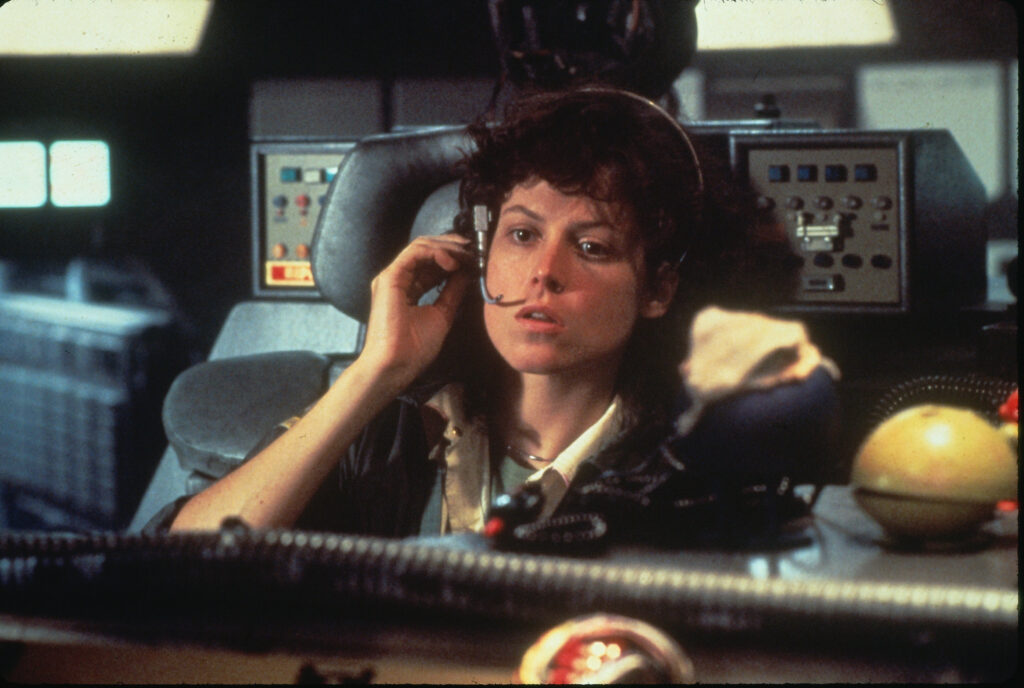
Ridley Scott’s Alien revolutionized the science fiction and horror genres by introducing the Xenomorph, one of the most terrifying creatures ever brought to life. The film’s creature design, created by H.R. Giger, was brought to life using a combination of puppetry, animatronics, and innovative creature suits. The use of practical effects made the Xenomorph feel real, and the iconic chest-burster scene remains one of the most shocking moments in cinematic history. The haunting creature and its dark, atmospheric surroundings were crafted with minimal reliance on digital effects, showcasing how effective practical effects could be in creating unforgettable monsters.
The influence of Alien on the horror genre cannot be overstated. Its practical effects set a high bar for how creatures should appear in dark, confined spaces, with every movement of the Xenomorph creating an immense sense of dread. The film’s success showed that a creature’s appearance could be both alien and terrifying without relying heavily on special effects. Today, Alien continues to be a reference point for filmmakers looking to use practical effects to bring their monsters to life.
The Dark Crystal (1982)
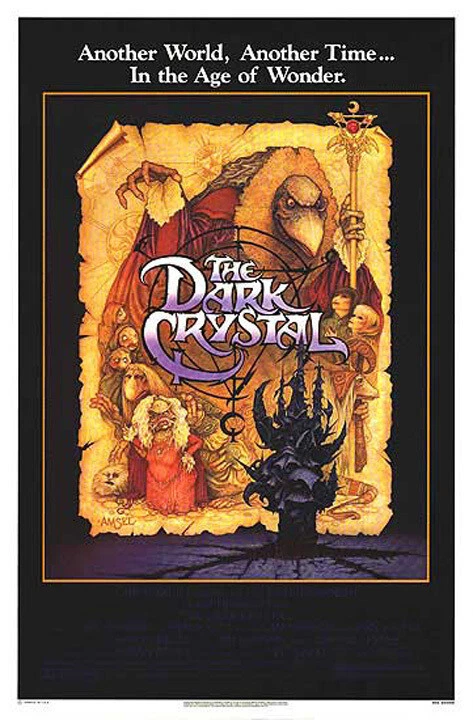
Jim Henson’s The Dark Crystal is a stunning example of how puppetry and practical effects can create a completely immersive world. The film is set in a fantastical universe inhabited by elaborate creatures and characters, all of whom were brought to life using sophisticated puppetry and animatronics. The creation of the Gelflings, Skeksis, and other creatures was an immense task, with puppeteers working behind the scenes to bring each character’s movements to life.
Despite the lack of modern digital technology, The Dark Crystal remains a testament to the power of practical effects in building an entire fantasy world. The film’s success inspired a generation of filmmakers to look at puppetry and animatronics in new ways, influencing subsequent productions like Labyrinth and other Henson creations. The skill and dedication of the puppeteers and animators involved in The Dark Crystal proved that practical effects could create deeply emotional characters and a world as rich and detailed as any digital creation.
The Wizard of Oz (1939)
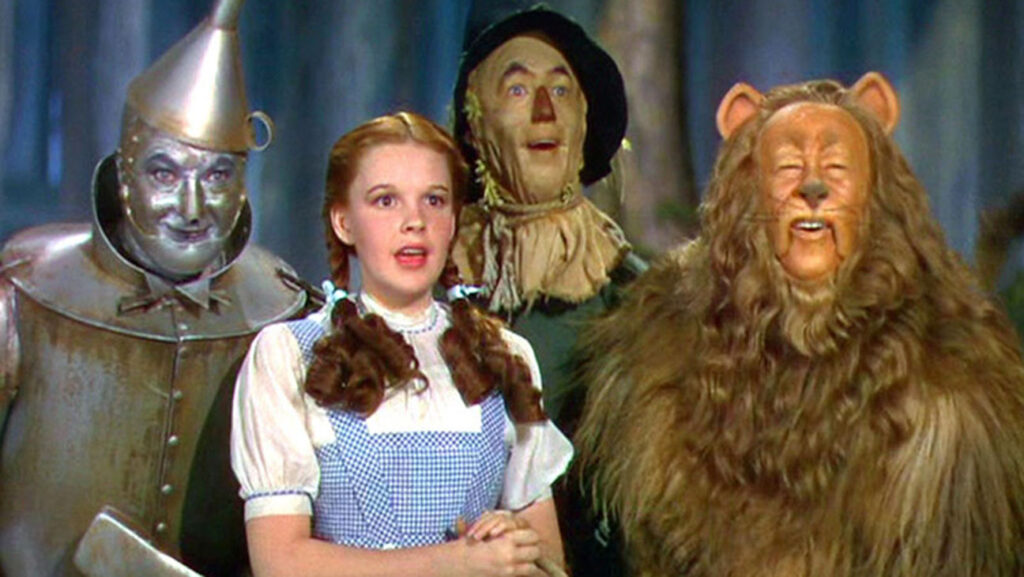
The Wizard of Oz is a groundbreaking film that made use of practical effects to create an enchanting, colorful world unlike anything audiences had seen before. The film featured the iconic Wicked Witch of the West, whose melting transformation was achieved using practical effects and clever makeup techniques. The Yellow Brick Road, the Emerald City, and even Dorothy’s ruby slippers were meticulously designed with a focus on creating a magical, believable environment.
The film’s practical effects were ahead of their time, blending them with a strong narrative that kept audiences engaged. The work done on the flying monkeys, the tornado scene, and the various fantastical creatures set the stage for future fantasy films. The Wizard of Oz became a classic not only because of its story but because it showcased how practical effects could transport viewers to entirely new worlds. It continues to be one of the most beloved films in cinematic history, influencing generations of filmmakers.
The Matrix (1999)
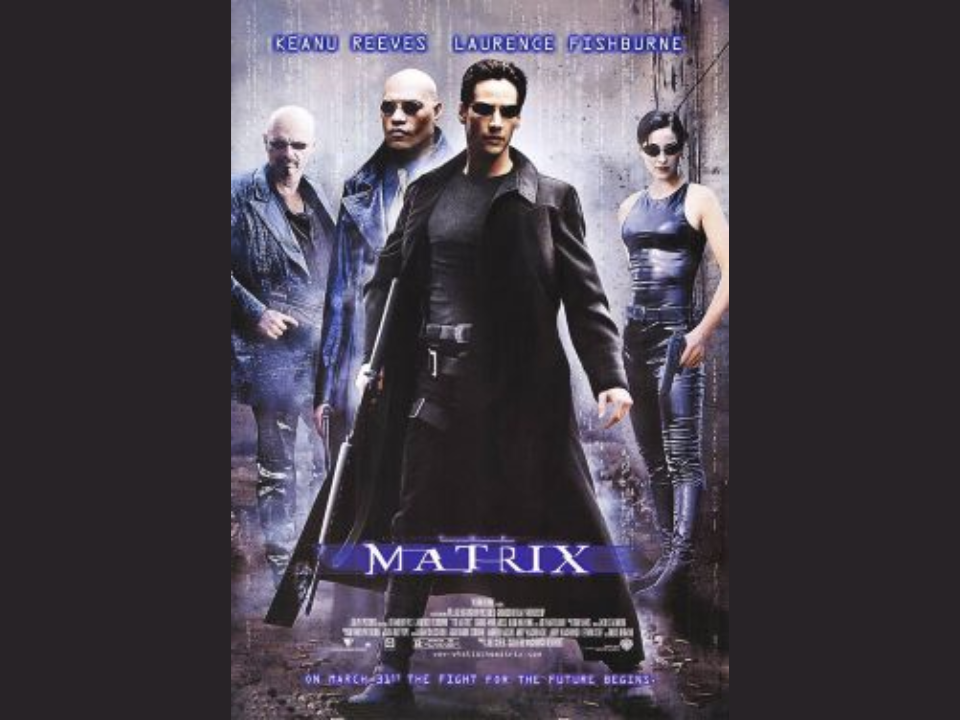
The Matrix forever changed the action genre by blending revolutionary visual effects with groundbreaking practical effects. While the film is best known for its use of “bullet time” and digital effects, it is the practical stunts, fight choreography, and wire work that laid the foundation for these innovations. The film’s fight scenes, especially those involving Keanu Reeves and Laurence Fishburne, relied on intricate choreography and practical effects to make the action sequences feel raw and visceral.
The film’s success highlighted the importance of combining practical stunts with digital effects to create something entirely new. The Matrix set the tone for future action films, showing that practical effects could work in tandem with cutting-edge CGI to create the illusion of superhuman abilities. The choreography in the fight scenes, especially the iconic bullet-dodging moments, is still widely regarded as some of the best practical stunt work ever filmed. The Matrix proved that practical effects still had a vital role to play in an increasingly digital age.
Terminator 2: Judgment Day (1991)
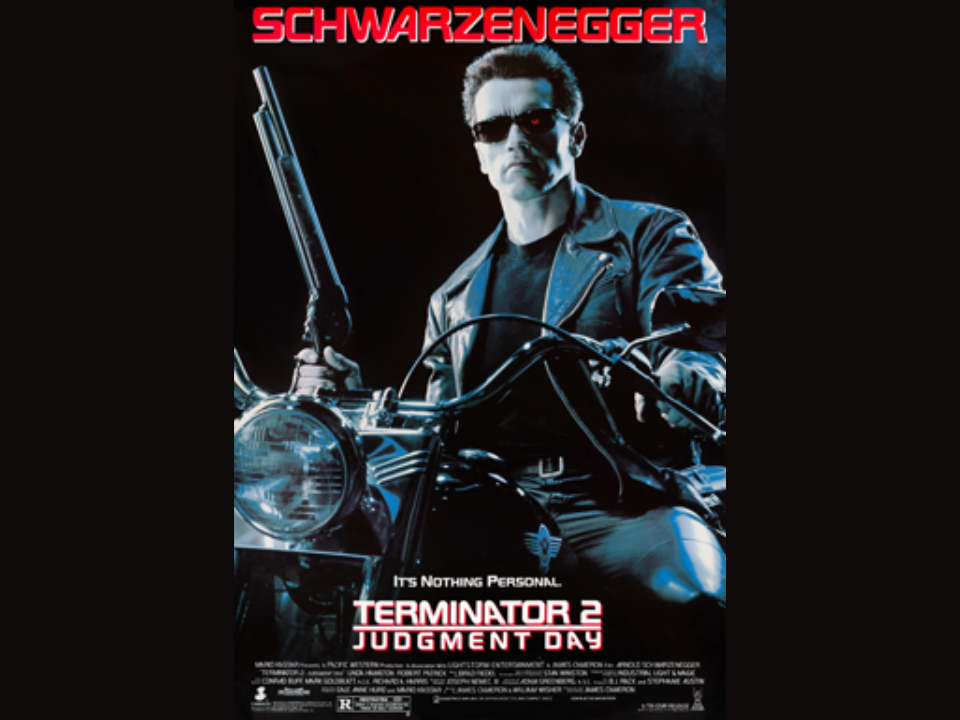
Terminator 2: Judgment Day took the groundbreaking practical effects from the first Terminator film and pushed them to new heights. The film’s use of liquid metal effects, achieved through a combination of practical and digital effects, created the iconic T-1000, an unstoppable, shape-shifting villain. The blend of practical effects and cutting-edge CGI was revolutionary, setting the stage for how future films would use both techniques to enhance storytelling.
While Terminator 2 is often remembered for its CGI, the film’s practical effects were equally important in making the action sequences feel grounded and realistic. The use of animatronics to create the T-800’s endoskeleton and Arnold Schwarzenegger’s portrayal of the cyborg were key elements in bringing the character to life. The movie’s success showed that practical effects could be combined with new technologies to push the boundaries of what was possible in filmmaking.
This article originally appeared on Avocadu.