
12 February Garden Walk Checks That Catch Problems Early
February might seem like an odd time to check your yard, but it’s actually the perfect opportunity to spot any issues before they become major problems. A simple walk can help you identify dead spots, broken branches, or unwanted pests hiding in the corners. Early detection makes for easier fixes and a healthier yard.
This post may contain affiliate links, which helps keep this content free. Please read our disclosure for more info.
Examine Trees and Shrubs for Broken Branches
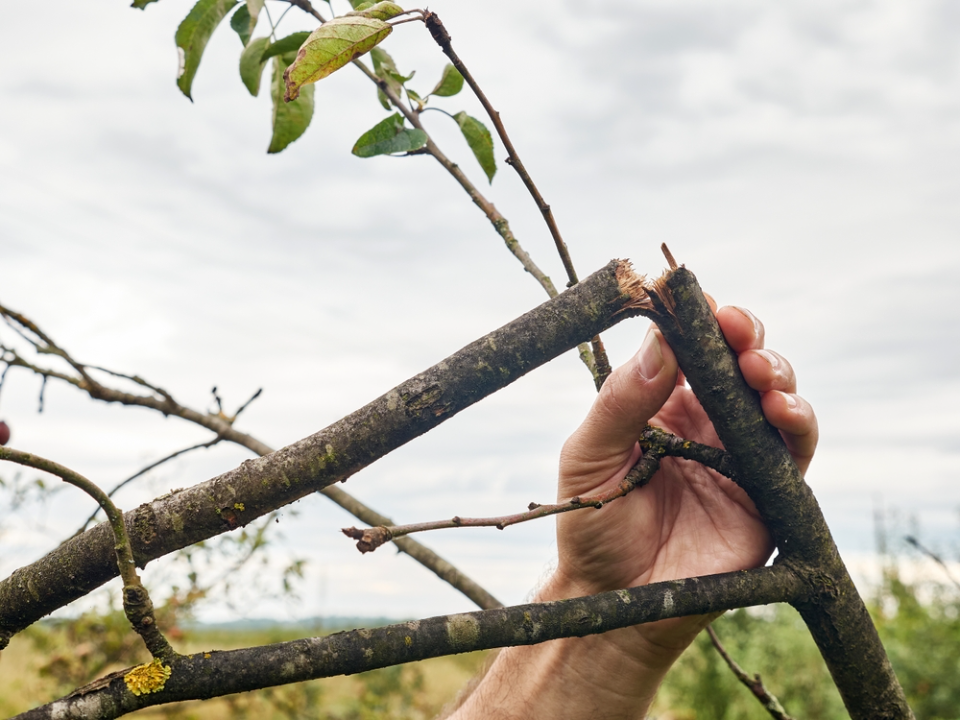
After winter storms, it’s essential to check trees and shrubs for broken or damaged branches. Broken limbs can pose a risk to both your yard and the rest of your landscape, especially as the weather warms up. Gently shake tree branches to identify weak or hanging branches that could fall. Trimming these now can prevent further damage later, particularly when spring winds pick up.
In addition, pay attention to any areas where branches are rubbing against each other. This can cause bark damage, making the plants vulnerable to disease. Look for signs of pest infestations or fungal growth that could have occurred during the colder months. If you spot any of these issues, pruning or treating the plants early will help them recover and thrive when the growing season begins.
Look for Pests or Signs of Infestation
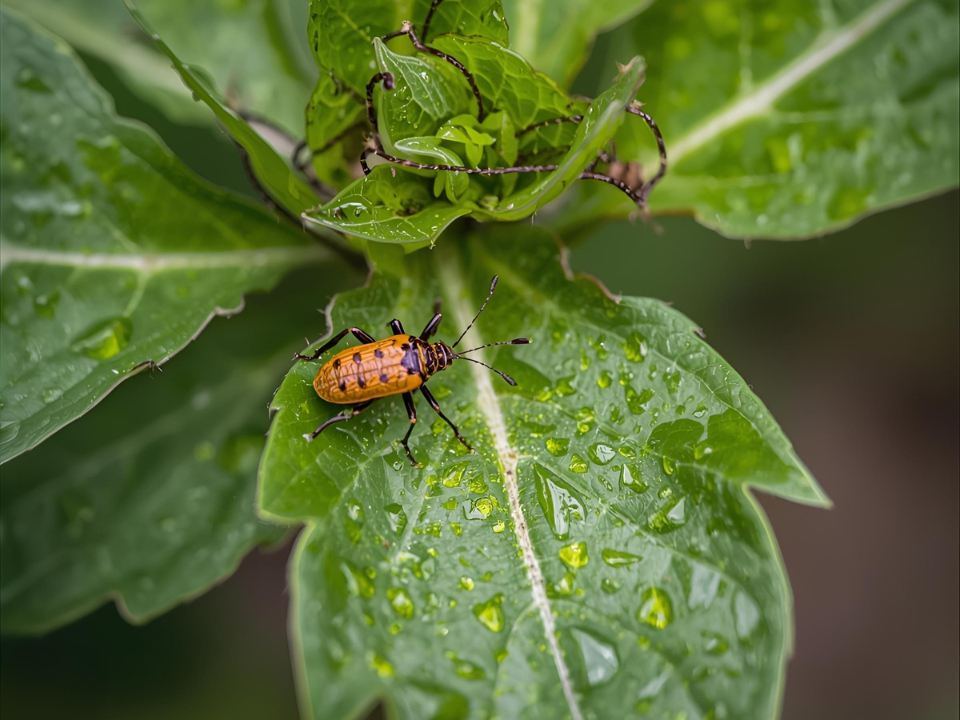
Though many pests are dormant during the winter, some may begin to stir in February as temperatures start to rise. Take a close look at plants, trees, and structures for any signs of pests, such as holes in leaves or sticky residue on surfaces. Look under mulch, in tree bark crevices, and in the soil for any visible pests or eggs. The earlier you spot them, the easier it will be to control their spread before they become a serious problem.
If you find evidence of pests, such as aphids or spider mites, you may need to take preventive measures like spraying neem oil or using beneficial insects to control the population. Some pests also like to hide in garden structures like sheds or under plant pots, so be sure to check these areas as well. Taking action now can save you time and frustration later in the season when pests are in full force.
Evaluate Mulch for Proper Depth and Coverage
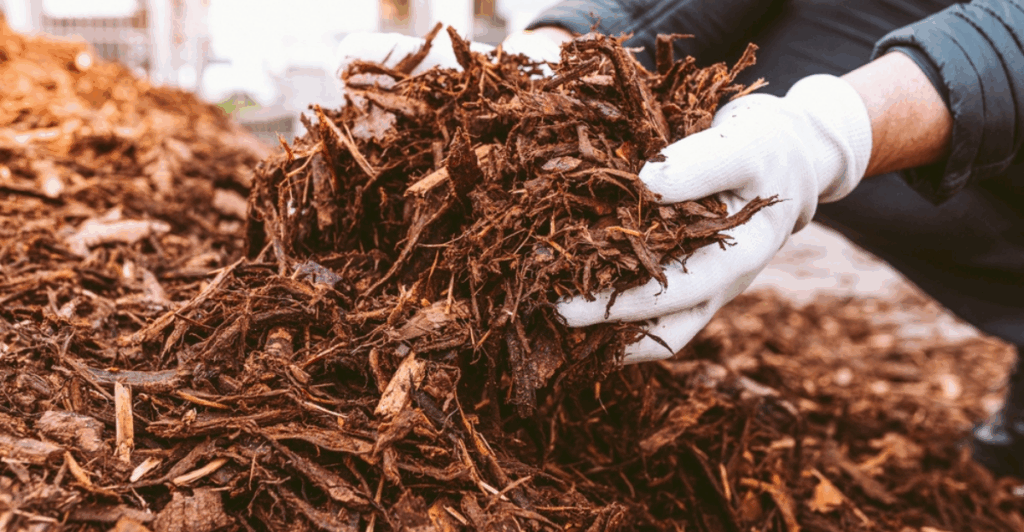
Mulch plays a vital role in protecting plants during winter, but it’s essential to ensure it’s evenly distributed and at the correct depth. As you walk through your yard, check that the mulch around trees, shrubs, and garden beds is still intact. Over time, mulch can break down or get displaced by wind or rain, leaving roots exposed to the elements. If you notice bare patches or areas where the mulch has thinned, add more to protect your plants.
For most plants, a layer of mulch that’s 2-3 inches deep is ideal. Too much mulch can suffocate plants, while too little can expose them to extreme temperatures. Pay attention to how the mulch is affecting moisture retention as well, especially if you’ve had a dry winter. Proper mulch coverage helps prevent weeds and regulates soil temperature, giving your plants a better chance for success in the spring.
Check Your Irrigation System for Leaks or Damage
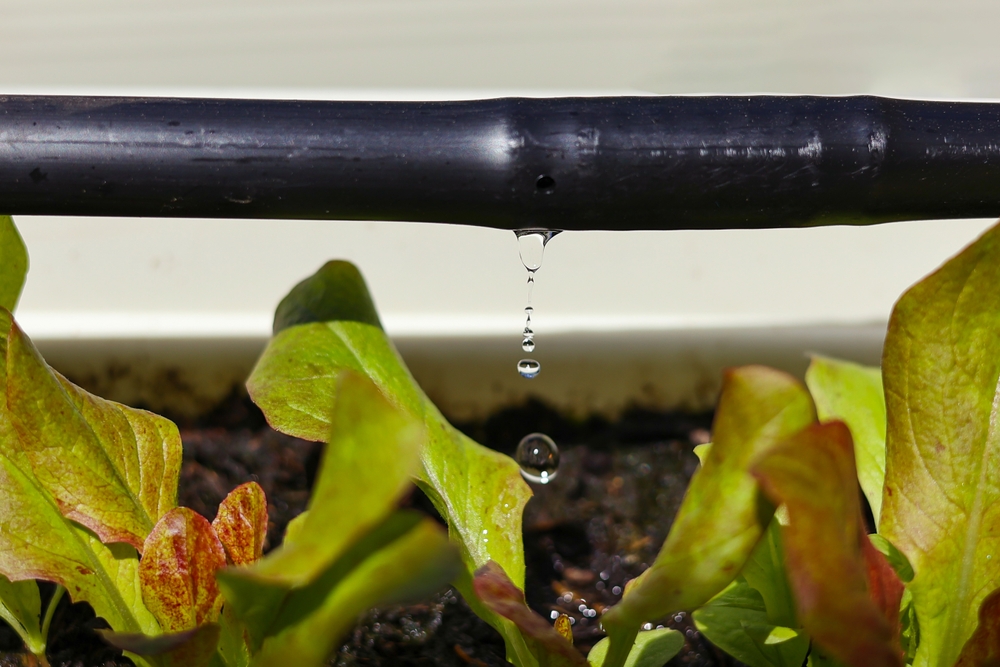
Before spring arrives, it’s a good idea to inspect your irrigation system for any issues that might have occurred over the winter. Cold temperatures can cause hoses and pipes to crack, and frozen water can damage fittings or nozzles. Walk along your irrigation lines, checking for leaks or visible wear and tear. Test the system by running a short cycle to make sure everything is working properly.
Take the time to check sprinkler heads for clogs, cracks, or misalignments. It’s easy for debris to get caught in the system, and these blockages can impact water distribution. If you have drip irrigation, ensure the lines are still connected and functioning properly. Fixing issues now will help ensure your system runs smoothly when it’s time to water your plants for the upcoming season.
Look for Weeds Trying to Make a Comeback
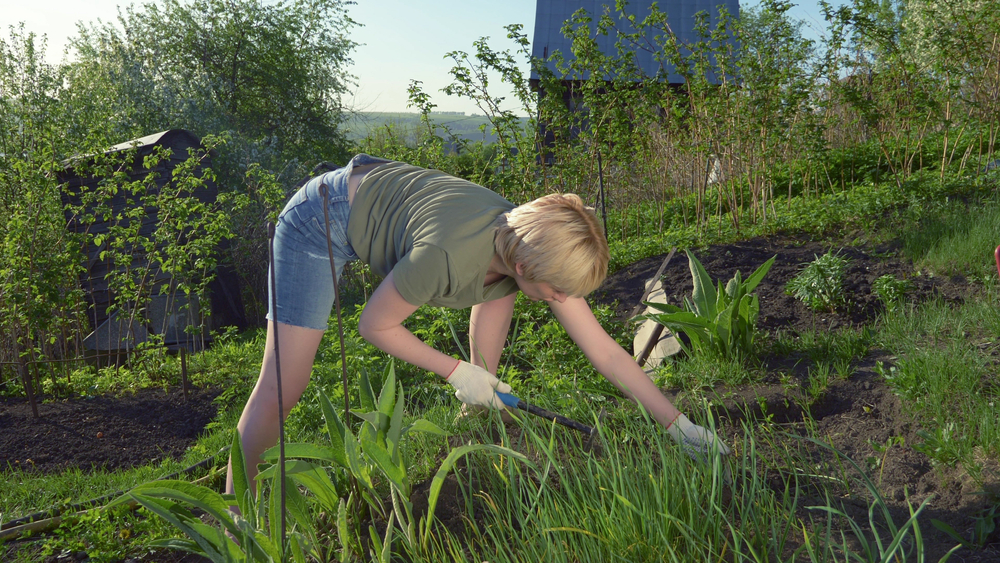
While weeds are often the last thing on our minds during winter, they can sneak up during early spring. Walk through your yard and check garden beds and lawn areas for weeds beginning to sprout. These unwanted plants can quickly take over, especially if the weather warms up early. The best time to remove weeds is before they get too established and start to spread.
Hand-pulling weeds or using a hoe to remove them is the most effective way to keep them under control. In garden beds, be sure to check the edges where weeds often creep in. Applying a pre-emergent weed control product in the early spring can also help prevent future growth. Keeping your garden free of weeds from the start will allow your plants to thrive without competition.
Inspect Fencing and Garden Structures
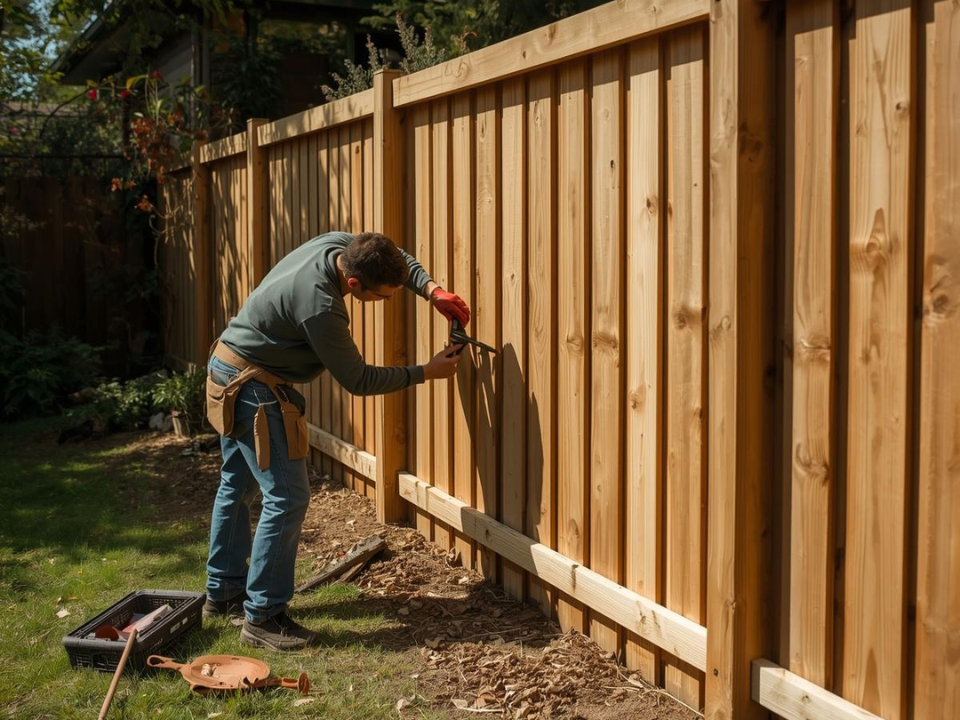
Winter storms can be hard on garden structures like fences, trellises, and raised beds. As you walk around, check for any signs of wear or damage. Look for leaning fences, broken gates, or sagging trellises that could need repairs. Fixing these issues early prevents them from becoming more difficult or costly to repair when the growing season begins.
It’s also a good time to check any protective coverings or garden structures like cold frames or hoop houses. Make sure they are still securely fastened and intact. If anything has shifted or broken over the winter, now is the perfect time to make repairs. Ensuring your structures are in good shape will help your plants stay protected and supported throughout the year.
Assess the Condition of Outdoor Furniture
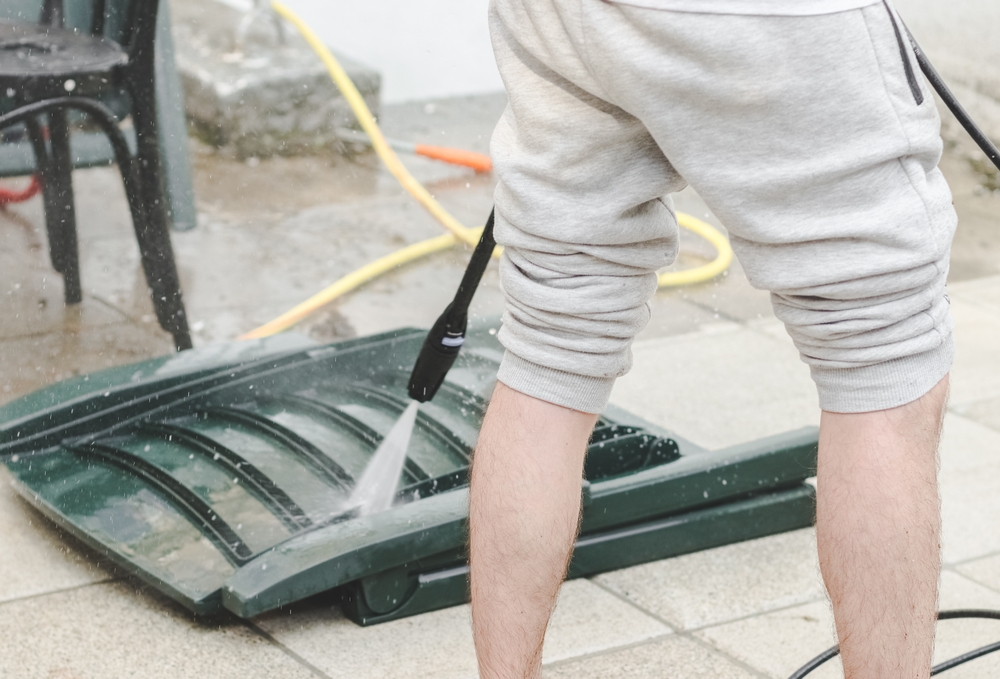
If you have outdoor furniture, February is a good time to check its condition after winter. Snow, rain, and cold temperatures can take a toll on furniture materials like wood, metal, and fabric. Look for any signs of rust, mildew, or fading, especially if the furniture has been left uncovered. Taking care of these issues now will help extend the life of your outdoor pieces.
Consider giving your furniture a cleaning or applying a protective coating if necessary. For wooden furniture, you may need to sand it down and apply a fresh layer of sealant. For metal pieces, remove any rust and treat the surface to prevent further damage. Keeping your outdoor furniture in good condition ensures it will last through another season of outdoor gatherings.
Look for Evidence of Mice or Rodents
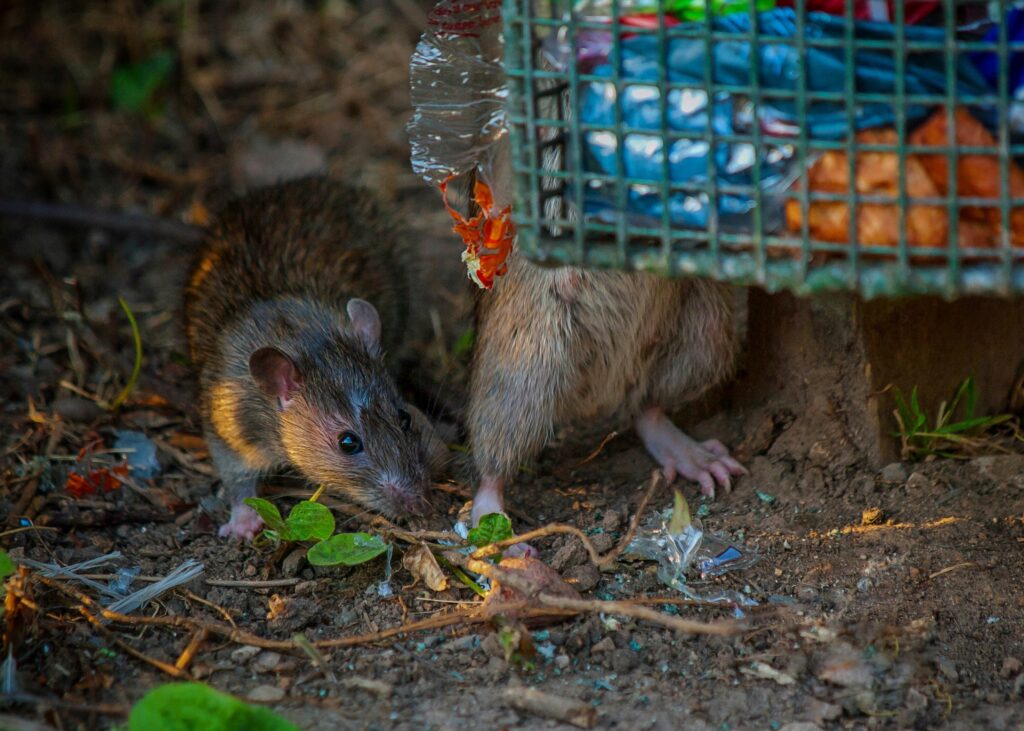
Mice and other rodents may seek shelter in your yard or garden structures during the winter months. While inspecting your yard, check for any signs that these critters have made themselves at home. Look for droppings, gnaw marks, or nests made from shredded materials. Rodents can damage plants and structures, so it’s important to address any signs of an infestation early.
If you spot any evidence of rodents, you may need to set traps or call in pest control to help clear the problem. Make sure to seal any gaps in structures or entry points around your home to prevent further entry. Keeping your yard rodent-free ensures that plants and garden tools remain safe from damage.
Check for Snow and Ice Buildup on Roofs and Gutters
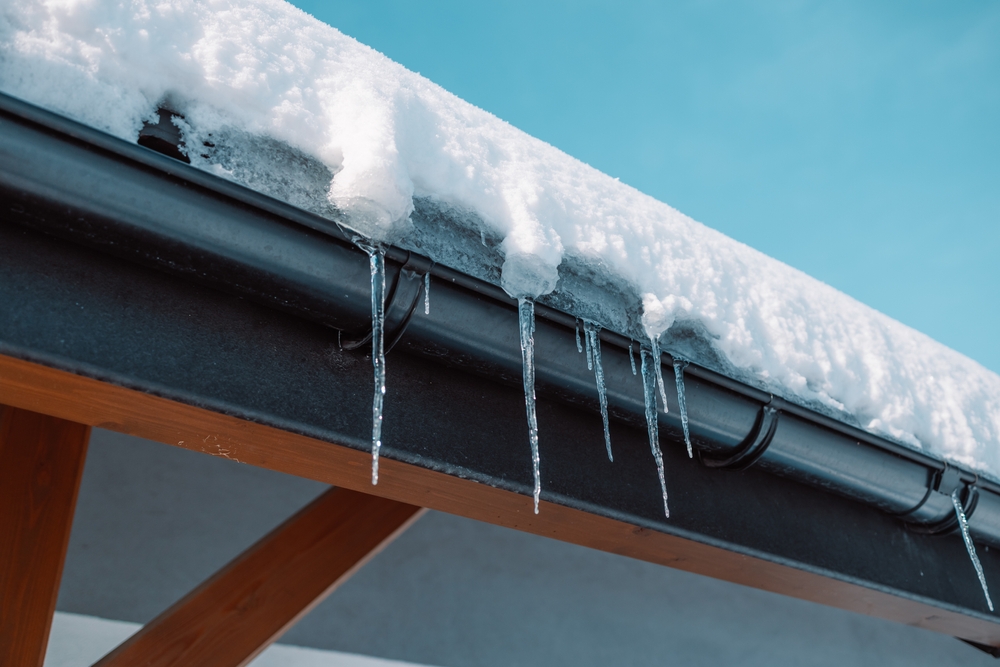
Winter can cause snow and ice to accumulate on your roof and in your gutters. During your February walk, check for any areas where snow or ice have built up, as this can lead to ice dams that prevent water from draining properly. Look for signs of damage to your gutters or downspouts, as ice can cause them to crack or come loose. If you notice any issues, it’s important to address them before the spring rains arrive.
Climbing up to clear your gutters or hiring a professional to remove excess snow can help prevent water damage to your home. Clearing debris from gutters also ensures that they function correctly when it’s time for spring showers. Taking care of these tasks early can prevent costly repairs later on, keeping your home protected year-round.
Check for Damage to Walkways and Patios
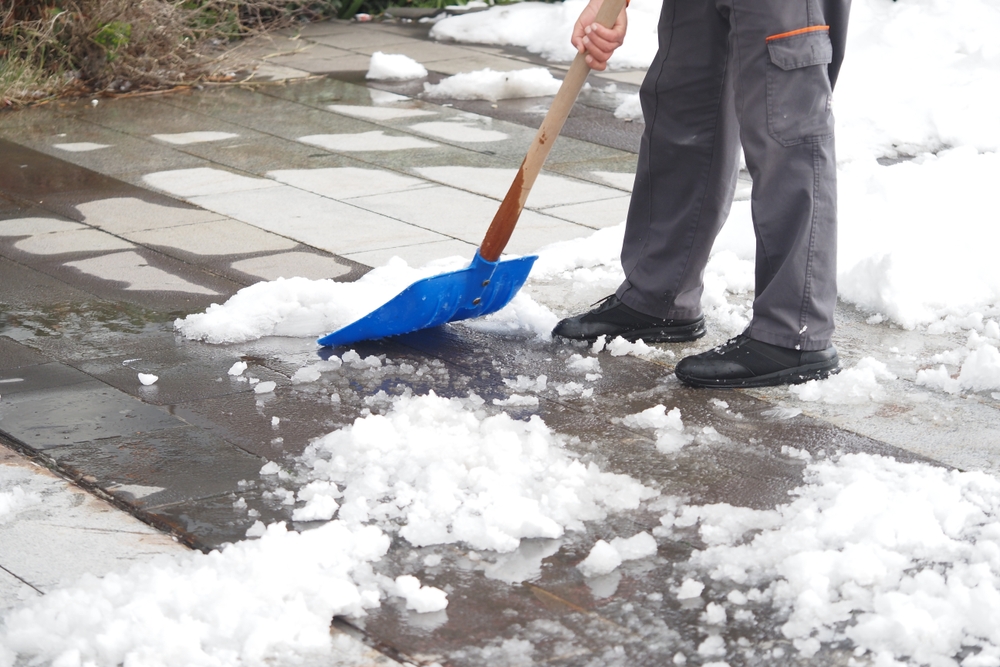
Winter can be tough on walkways and patios, causing cracks or shifting due to freezing and thawing cycles. As you walk around your yard, inspect these areas for any signs of damage. Cracked paving stones or uneven bricks can pose a tripping hazard and may need to be repaired or replaced. Take note of any areas where the surface has become uneven or broken.
Reinforcing or replacing damaged sections now will help you avoid further complications as the weather warms. Pay attention to any areas where water pools, as this can worsen damage over time. Ensure that your walkways and patios are safe and functional for use as spring and summer approaches. Fixing these issues early prevents larger, more expensive repairs down the road.
Look for Early Signs of Spring Flowers
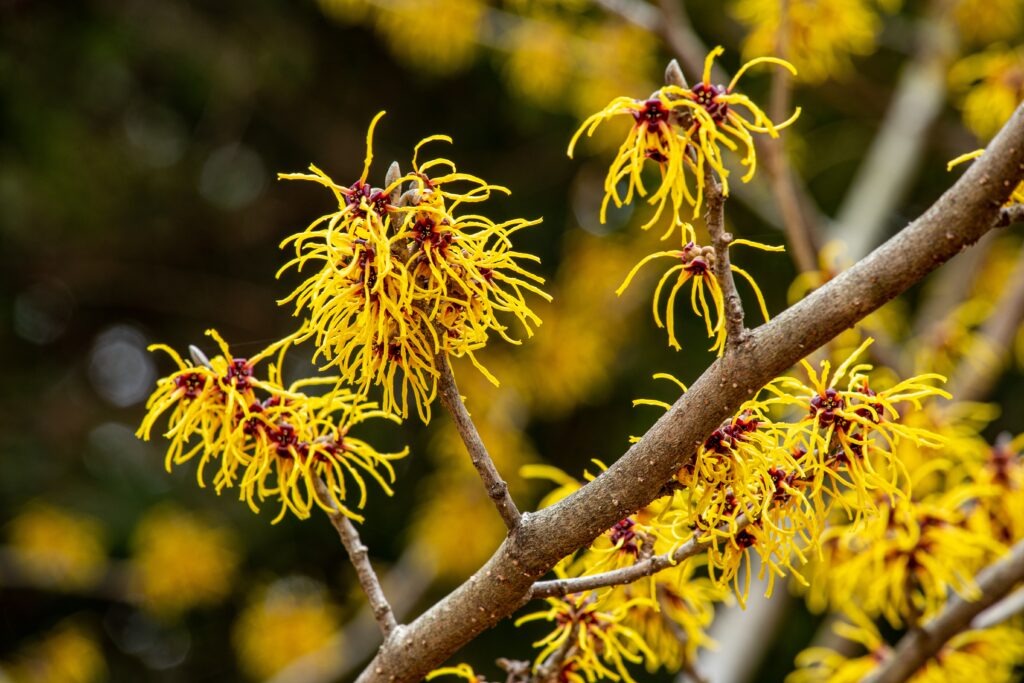
As the temperatures start to rise, some early-blooming flowers may begin to emerge. Look for crocuses, daffodils, or tulips pushing through the soil. These early flowers add beauty and color to your garden while also signaling that the growing season is just around the corner. Checking for signs of growth gives you a head start in planning for planting and caring for the rest of your garden.
If you notice bulbs starting to sprout, be sure to protect them from any unexpected cold snaps. Adding a layer of mulch can help insulate the plants and keep them safe. Early blooms often require less care than later ones, but keeping an eye on them ensures they get the best start possible. Spring is on the way, and these flowers are the first signs that your yard will soon come alive.
Test Soil Temperature
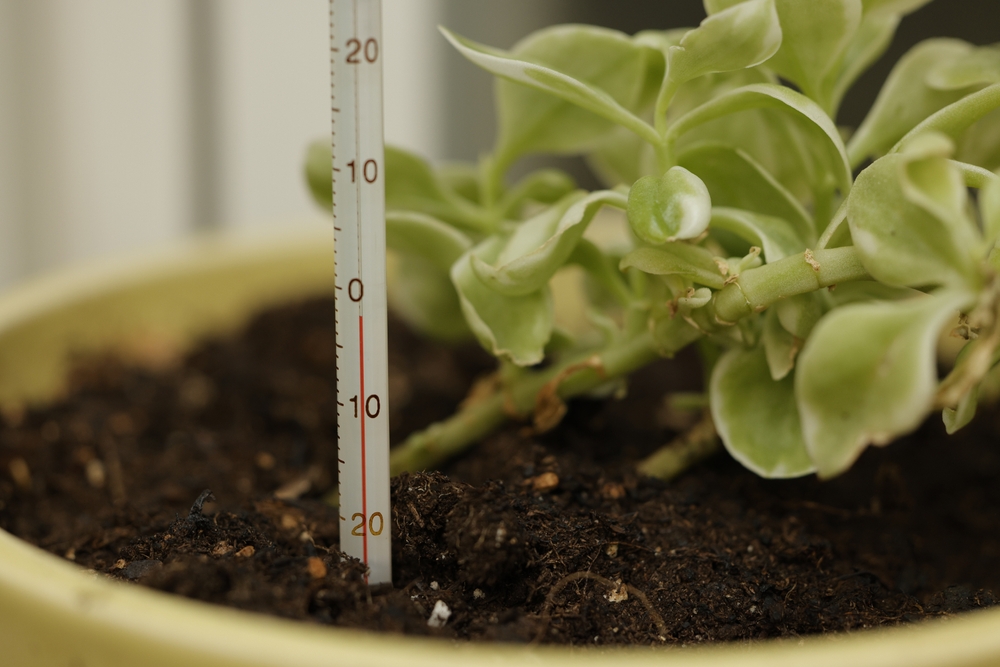
Before planting new seeds or bulbs, it’s important to test your soil temperature to ensure it’s warm enough for growth. Use a soil thermometer to check the temperature in various spots around your yard. Soil that is too cold can slow down or even halt the germination process. Testing the temperature now will help you decide when it’s safe to start planting.
As the soil warms up, you can gradually introduce seeds and young plants that require warmer conditions. Early preparation ensures a smoother transition into the planting season. Pay attention to the fluctuations in temperature throughout the month, as it will give you a better sense of when to begin gardening in earnest. Understanding soil conditions is a key factor in successful spring planting.
This article originally appeared on Avocadu.