
13 Fast Growing Spring Vegetables You Can Harvest Soon
When spring planting begins, many gardeners hope to bring in something tasty without waiting too long. Luckily, some vegetables move along faster than others and can make the season feel rewarding right away. That early progress can keep the whole garden feeling lively and worth the effort.
This post may contain affiliate links, which helps keep this content free. Please read our disclosure for more info.
Radishes
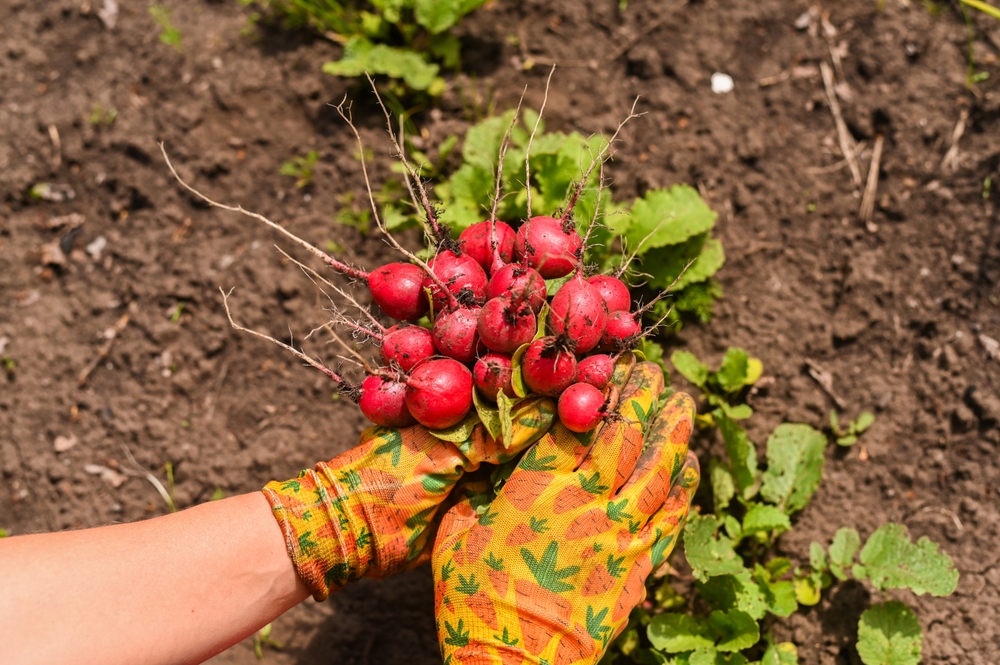
Few spring vegetables give such quick results as radishes. Many varieties are ready in about 20 to 30 days, which makes them a favorite for gardeners who want something to pick early. They do best in cool weather with loose soil, full sun, and regular watering. A simple way to enjoy them is in a crisp salad with lettuce, cucumber, and a light dressing.
To keep them growing well, thin the seedlings early so each root has space to fill out properly. Try to keep the soil lightly moist, since dry conditions can make the roots turn pithy or overly spicy. It is also a good idea to harvest them once they reach a nice size, because waiting too long can hurt the texture. Even the leafy tops can be used, which gives this quick crop even more value in the kitchen.
Leaf Lettuce
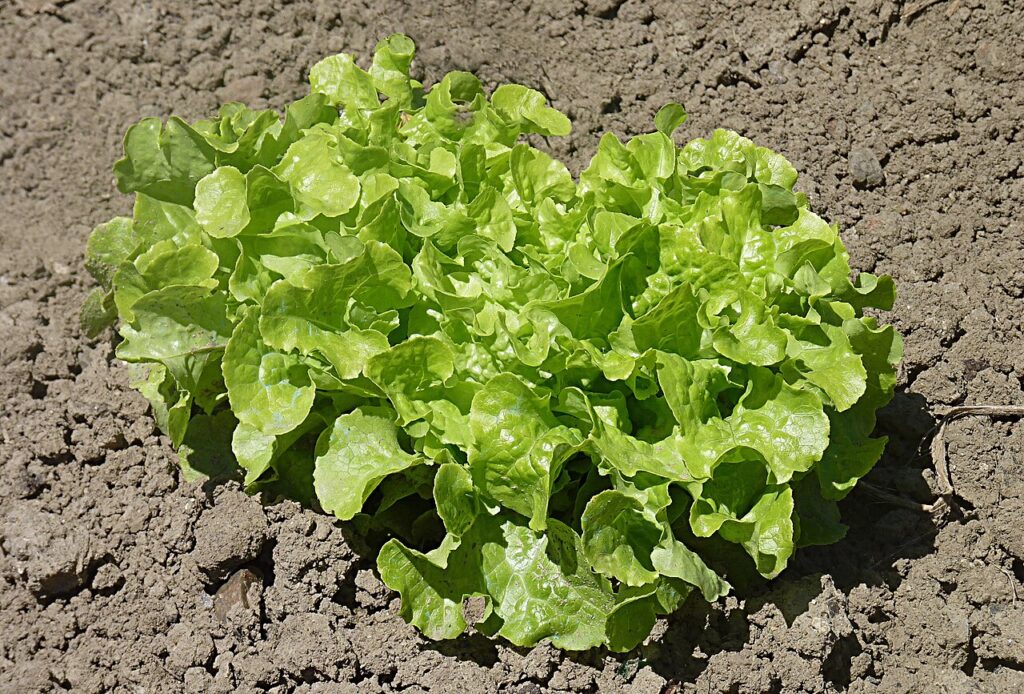
When the garden is just getting started, leaf lettuce is often one of the first crops to feel rewarding. Baby leaves can be ready in about 25 to 30 days, especially in cool spring weather. Rich soil, steady moisture, and a little mulch can help the leaves stay soft and fresh. It works very well in a simple garden salad with herbs and sliced tomatoes.
For faster leaf growth, pick the outer leaves often and let the center keep producing more. This method gives you several harvests instead of just one large cutting. Morning sun is usually enough in spring, especially in places where the afternoons warm up quickly. Since it regrows nicely, leaf lettuce is one of the easiest ways to keep fresh greens on hand.
Spinach
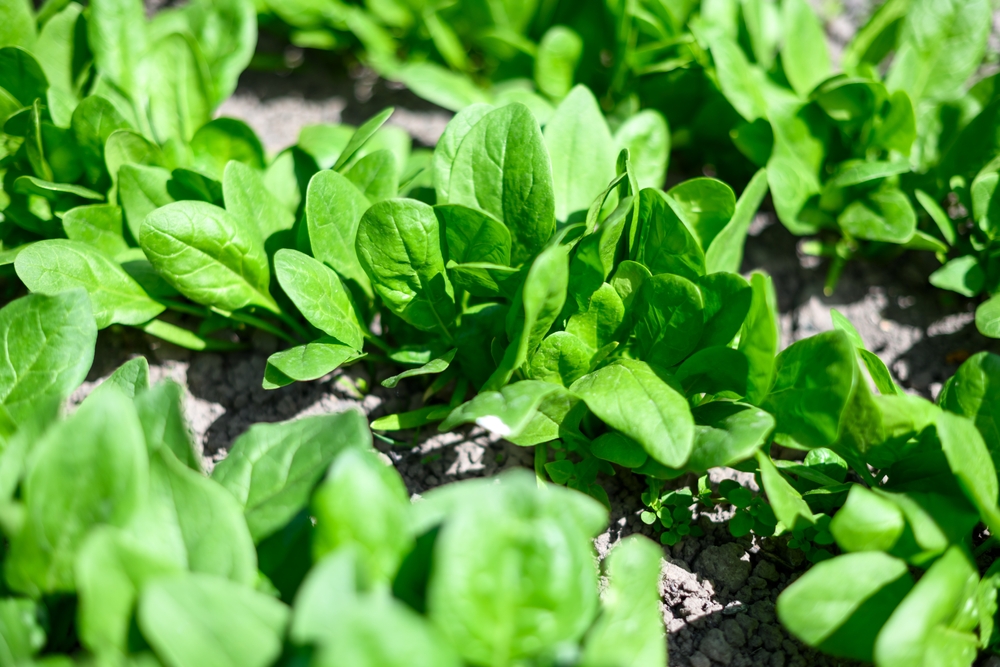
Spinach moves along nicely in spring and can give you baby leaves in about 25 to 35 days. Cool air, moist soil, and a spot with sun or light shade help it grow well from the start. A little compost and even watering can keep the leaves tender and full. One easy way to use it is in a warm omelet or a quick pan side dish with garlic.
The main thing to watch with spinach is heat, since warmer days can make it bolt and lose quality. Picking the outer leaves first can stretch out the harvest and give the center time to keep growing. Try not to let the soil dry all the way out, because that can slow leaf growth. It is a very useful spring crop since it works in salads, cooked dishes, and breakfast meals alike.
Arugula
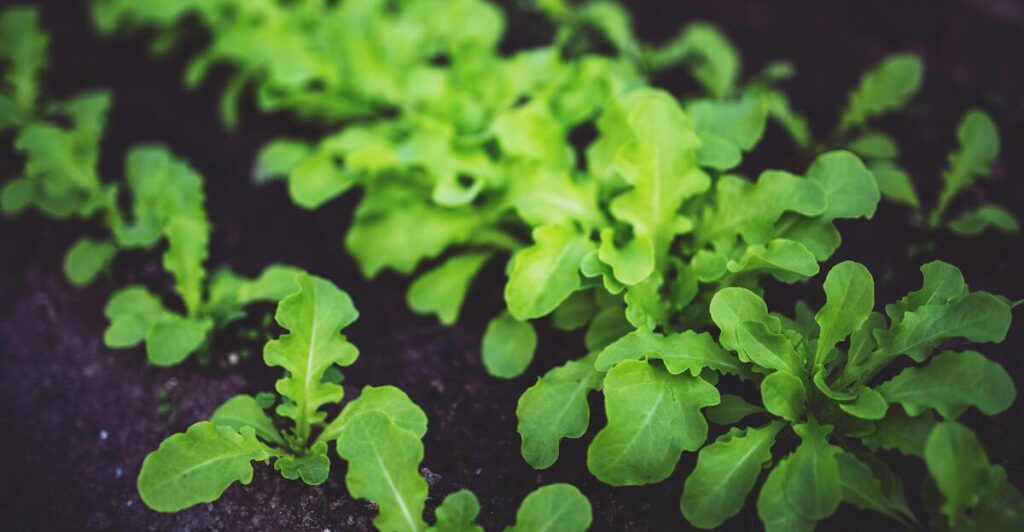
If you like greens with a little bite, arugula is a great one to plant early in the season. It can be ready for baby leaf harvest in as little as 20 to 30 days. Cool conditions, moist soil, and some relief from strong afternoon heat help it grow fast and taste its best. Fresh arugula is especially good scattered over flatbread or pizza after baking.
To keep it tender, cut the leaves while they are still young instead of leaving them on the plant too long. You can sow more seeds every week or two if you want a longer run of fresh greens through spring. Steady moisture matters here too, since dry soil can make the leaves stronger and rougher. Since it grows so quickly, arugula is a nice pick for gardeners who like fast results and easy meals.
Green Onions
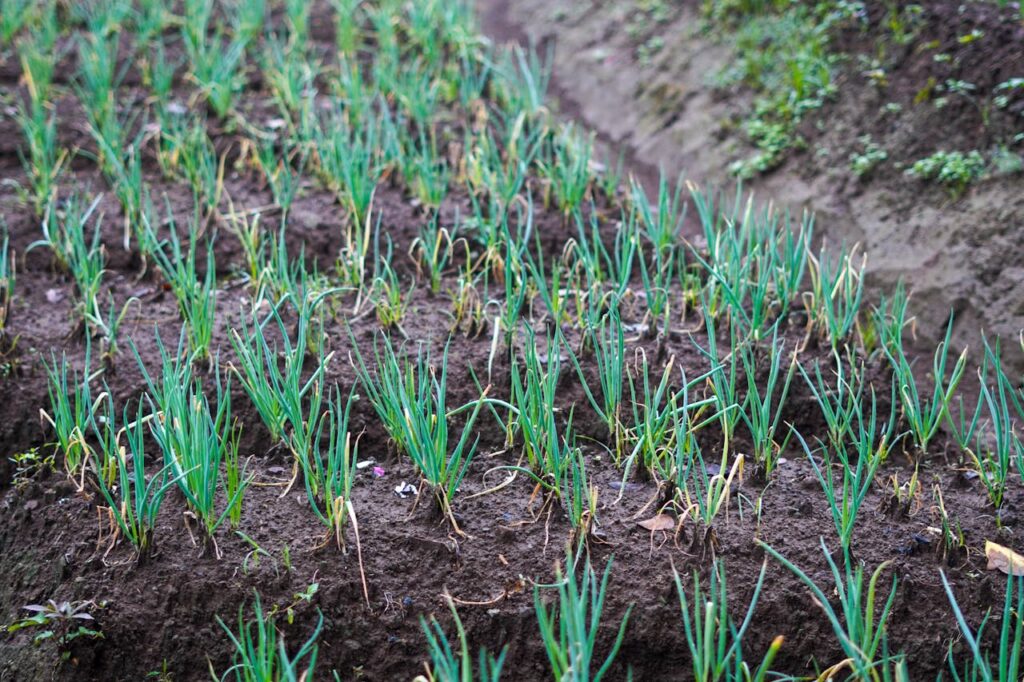
Green onions are one of those spring crops that slip easily into both the garden and the kitchen. Smaller ones can be ready in about 20 to 30 days, while thicker stems take a bit more time. They like loose soil, good light, and enough water to keep growth steady. Chopped green onions are great in fried rice, noodle bowls, or on top of baked potatoes.
A thin layer of compost can help them size up better without much trouble. It also helps to keep weeds out of the bed, since they compete for water and space. You can pull some early while leaving the rest to grow thicker, which gives you a little flexibility at harvest time. Since both the white stems and green tops can be used, very little of the plant goes to waste.
Mustard Greens
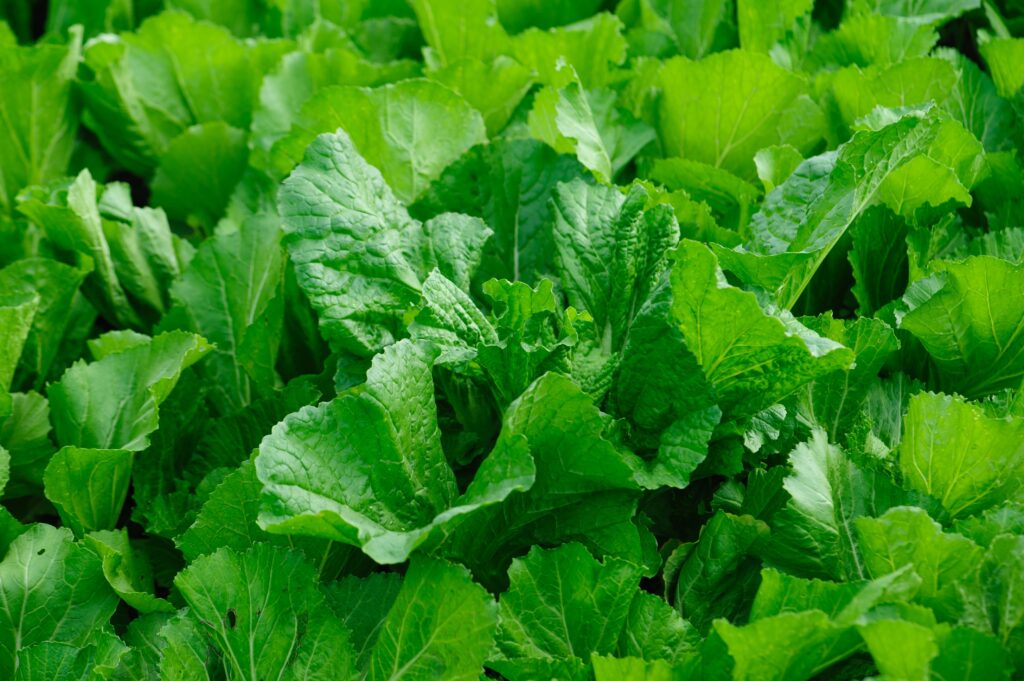
For gardeners who want leafy greens with more punch, mustard greens are a strong spring pick. Young leaves are often ready in about 25 to 35 days when grown in cool weather. Fertile soil, regular watering, and enough room between plants help them size up nicely. They taste great in a quick pan side dish with garlic and a little oil.
If you want the best texture, harvest the leaves while they are still young and tender. Larger leaves can still be used, though they often have a stronger taste and firmer bite. A little afternoon shade can help once the weather starts warming up more than expected. Mustard greens are a nice change from milder salad greens and can bring more character to spring meals.
Bok Choy
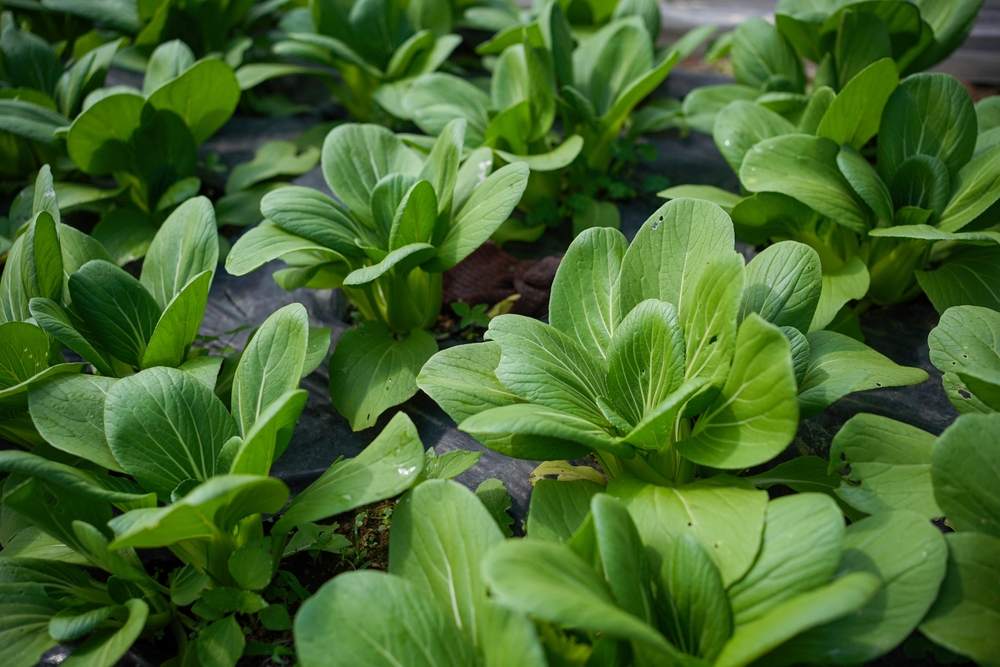
Bok choy gives a nice mix of quick growth and hearty texture, which makes it a useful spring vegetable. Baby plants can be picked in about 30 days, while full heads usually take closer to 45 days. Rich soil, even moisture, and a sunny space help it grow well in cool weather. It is especially good in a fast stir-fry with garlic and soy sauce.
Try to water it at the base and keep the soil from swinging between very dry and very wet. That steady care helps the plant keep growing without stress. Smaller bok choy is especially handy for weeknight cooking because it cooks quickly and uses the whole plant. Since both the stems and leaves are good to eat, it brings a lot to the table without a long wait.
Carrots
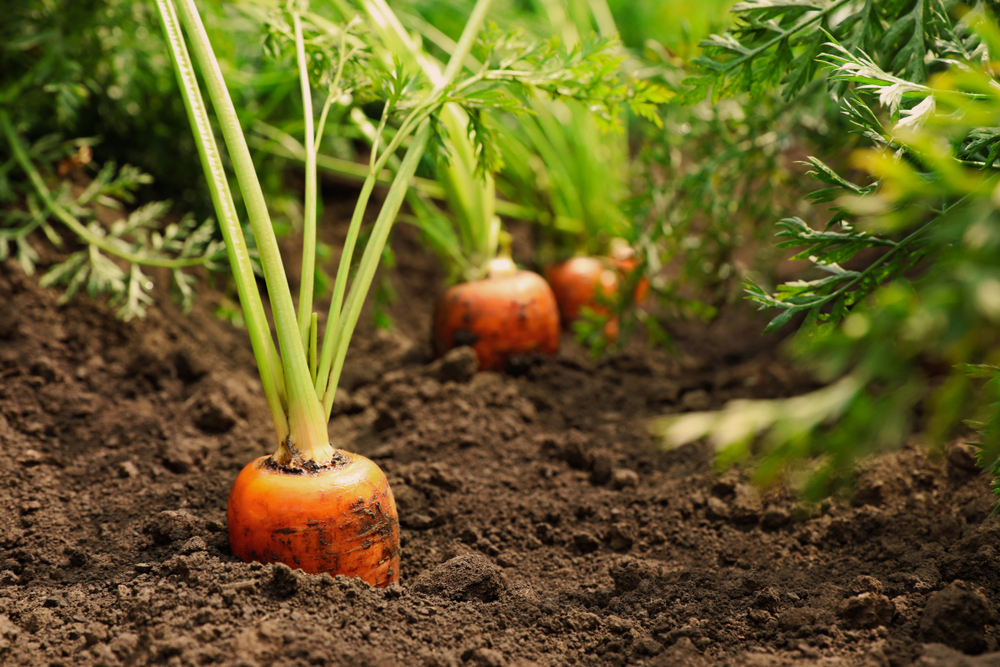
There is something satisfying about pulling up baby carrots while the season still feels new. They are often ready in about 30 to 40 days when grown in loose, soft soil. Keeping the seedbed moist early on is important since carrot seeds need steady moisture to sprout well. Baby carrots are delicious roasted with olive oil and herbs for a simple side.
Thin the seedlings once they come up so the roots have enough room to grow straight and smooth. Soil with rocks or hard clumps can lead to misshapen roots, so a soft bed makes a real difference. A light feeding with compost is usually enough for healthy growth in spring. Since baby carrots come up sooner than full-size ones, they are a nice way to get an early harvest from the same crop.
Turnips
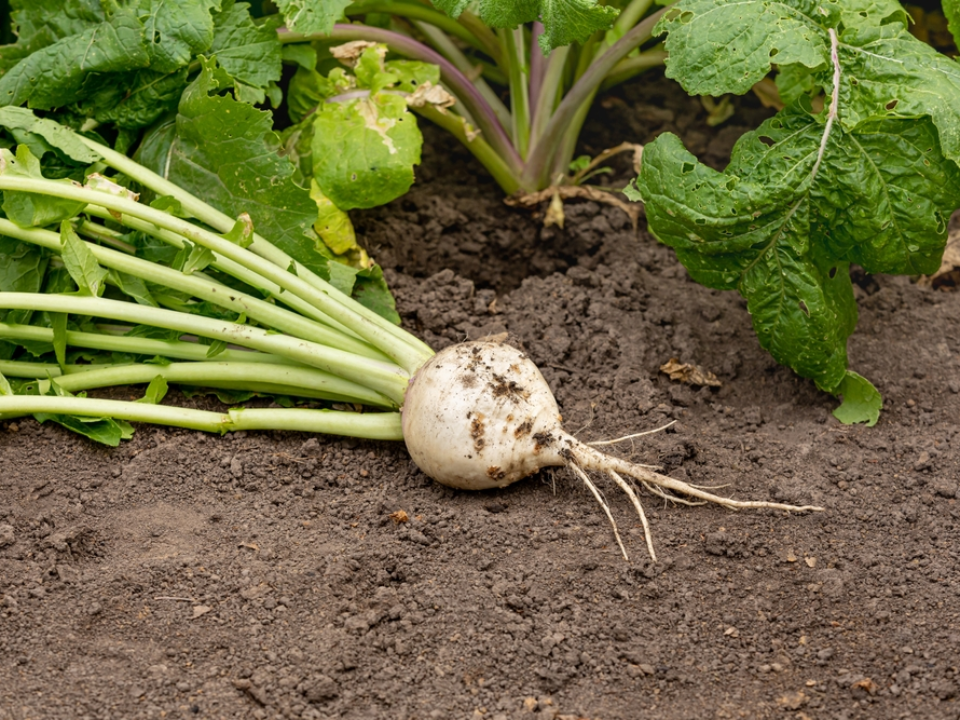
Turnips are a handy spring crop because they can give you both roots and greens in a short stretch of time. Small roots are often ready in about 30 to 40 days, and the tops can be picked even earlier. They grow best in cool weather with full sun, loose soil, and steady watering. A good way to serve them is roasted with carrots and onions.
For the nicest texture, thin them early so the roots can form without crowding. Keeping weeds out of the bed helps too, since turnips grow better when they do not have to compete. Smaller roots usually taste sweeter and milder than larger ones that stay in the ground too long. Since the greens can be cooked as well, this plant gives you two good reasons to grow it.
Pea Shoots
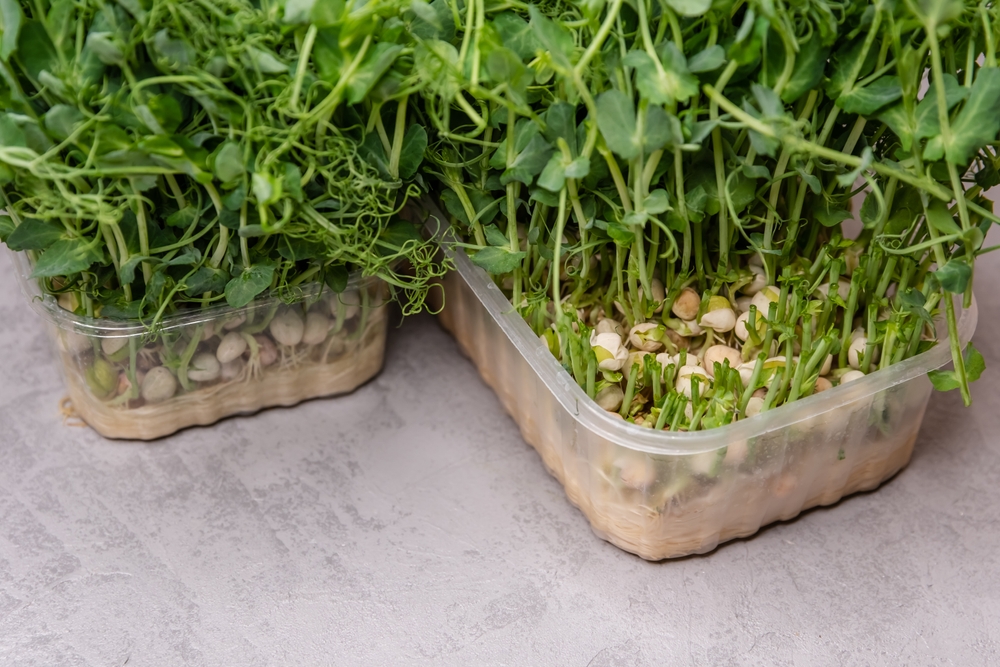
Not many spring vegetables come along as quickly as pea shoots. These tender greens can be ready in just 14 to 21 days, which makes them one of the fastest things to harvest. They grow well from thickly sown pea seeds in a sunny spot with lightly moist soil. Pea shoots are excellent in salads or tossed into a quick stir-fry.
Because they are grown for their young stems and leaves, you can sow them close together without much trouble. Cut them once they reach a few inches tall, and you may even get a little regrowth depending on the variety and conditions. They are also easy to grow in shallow containers, which is helpful for small spaces. Their mild, fresh taste makes them an easy addition to many spring dishes.
Swiss Chard
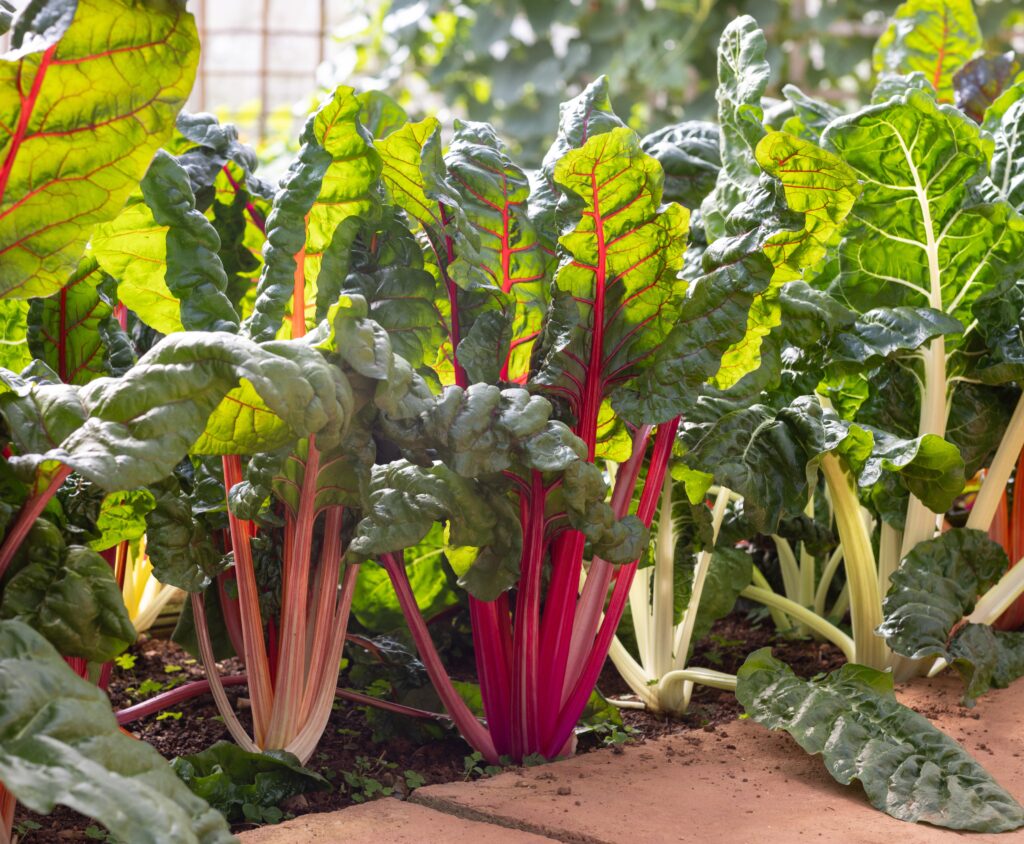
Swiss chard brings color to the garden and starts giving back fairly quickly in spring. Baby leaves can be ready in about 30 days, and larger leaves follow after that. Rich soil and regular watering help the plant keep sending up fresh growth. It tastes very good cooked with garlic, onion, and a little lemon.
Harvesting the outer leaves first is the best way to keep the plant producing for a longer stretch. Since chard handles shifting spring weather better than some other greens, it often stays useful as the season moves along. A little compost at planting time can support fuller growth and better leaf size. The colorful stems also make it a nice-looking plant in the garden while still being very practical in the kitchen.
Kale
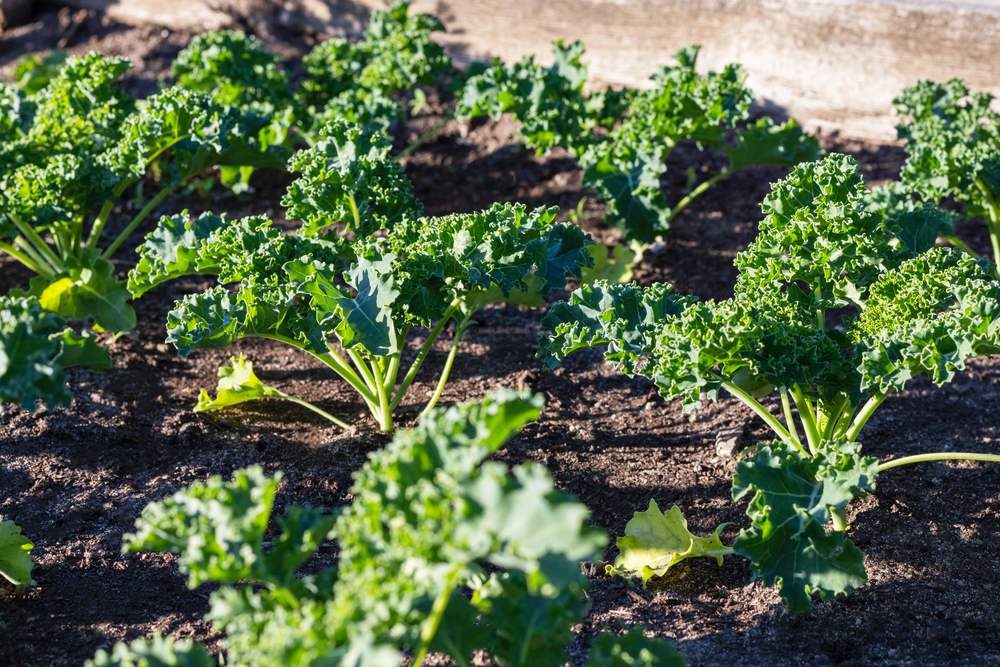
Even in the cooler part of spring, kale settles in well and starts producing before too long. Baby leaves can often be picked in about 30 to 40 days when the plants are growing steadily. Fertile soil, full sun, and regular moisture help it put on fresh growth at a good pace. Kale works well in soup, in a pan side dish, or baked into crisp chips.
For a longer harvest, pick the older outer leaves and leave the center growing. This habit keeps the plant active and gives you more meals from one planting. Cooler weather often gives kale a milder taste, which is one reason it does so well in spring gardens. Since it can keep going after the first cutting, it is a dependable crop for gardeners who like repeat harvests.
Beets
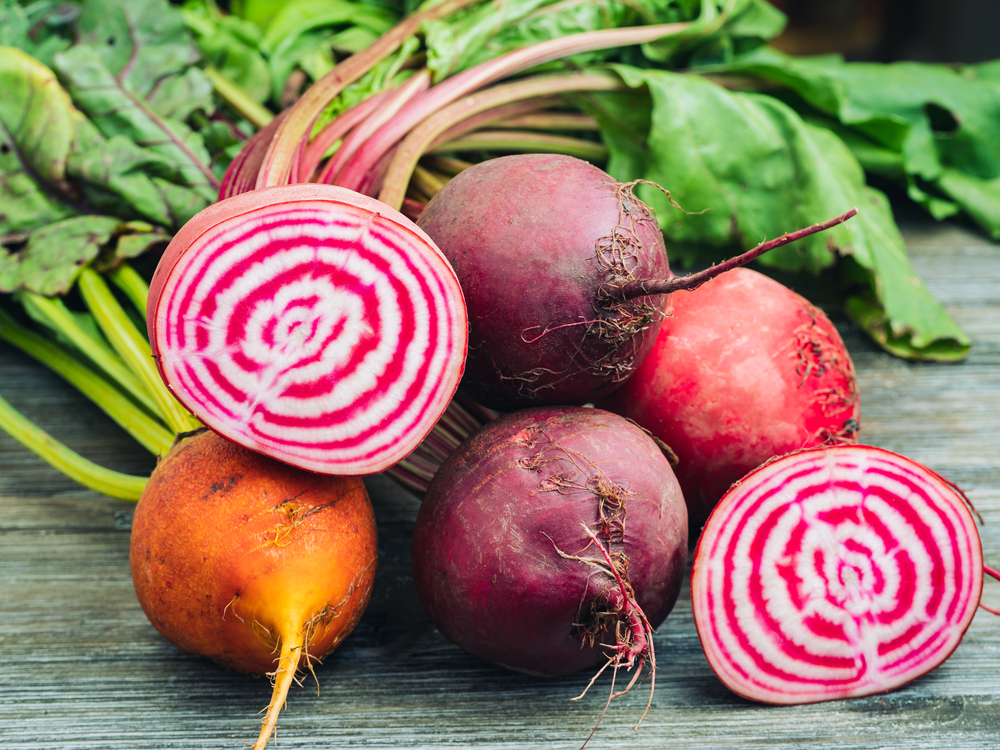
Beets are a nice choice for spring because they give you useful greens first and roots soon after. Small roots are often ready in about 35 to 45 days, while the tops can be picked earlier. Loose soil, full sun, and even watering help the plants grow faster and form better roots. Roasted beets are especially good in a salad with greens and cheese.
One helpful thing to remember is that a single beet seed can produce more than one seedling, so thinning is important. Giving each plant enough room helps the roots grow rounder and more evenly. Keep weeds under control so the bed stays open and the young plants do not get crowded. Since both the greens and roots are edible, beets are a very worthwhile spring crop for gardeners who want more from one planting.
This article originally appeared on Avocadu.