
15 Fast Growing Houseplants That Feel Rewarding to Keep
If you love plants that show progress fast, these are the kinds that make it easy to stay excited. They put out fresh leaves, trail longer, or fill in a pot before you know it. Some are tough enough for beginners, while others grow quickest with bright light and steady watering. Here are fast growing houseplants that feel satisfying to keep as they change week by week.
This post may contain affiliate links, which helps keep this content free. Please read our disclosure for more info.
Pothos (Epipremnum aureum)
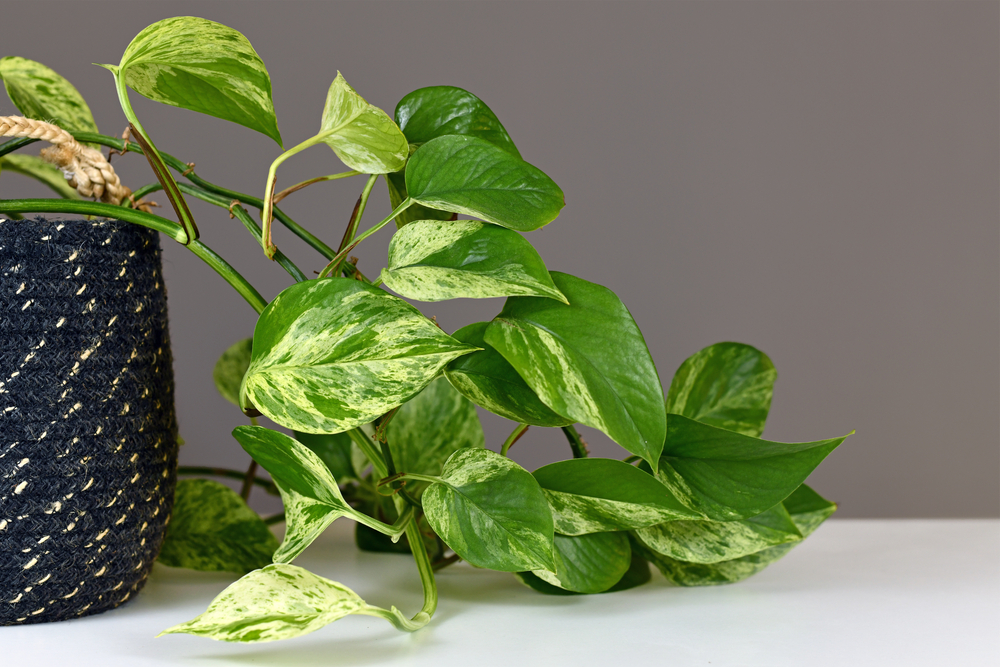
Pothos is one of those plants that seems to grow while you are looking at it, especially in bright, indirect light. New leaves unfurl quickly, and the vines lengthen in a way that makes the plant feel busy and full of life. The leaves are often glossy and heart-shaped, and many varieties show splashes of cream, yellow, or pale green. It is also forgiving if you miss a watering, which makes the fast growth feel even more rewarding.
Let the top inch or two of soil dry out before watering again, since soggy soil can lead to root trouble. If you want a fuller pot, snip a few vines and root the cuttings in water, then plant them back into the same container. A simple moss pole or wall hooks can guide the vines upward if you want height instead of trailing. Wipe the leaves now and then so the plant can take in light without a dusty layer.
Heartleaf Philodendron (Philodendron hederaceum)

Heartleaf philodendron grows in long, graceful strands that can quickly spill over a shelf or climb a support. Its leaves are soft-looking and slightly matte, with that classic heart shape that makes it feel cozy and familiar. When it is happy, it puts out new leaves often, and the stems stretch steadily through the season. It is a great choice if you want something that looks lush without needing constant attention.
Water when the soil surface feels dry, and do not let the pot sit in water after you water it. Give it bright, indirect light for faster growth, although it can still do fine in medium light. Pinching the tips encourages branching, so the plant looks fuller instead of stringy. Cuttings root easily in water, which makes it simple to share or thicken your own plant.
Spider Plant (Chlorophytum comosum)
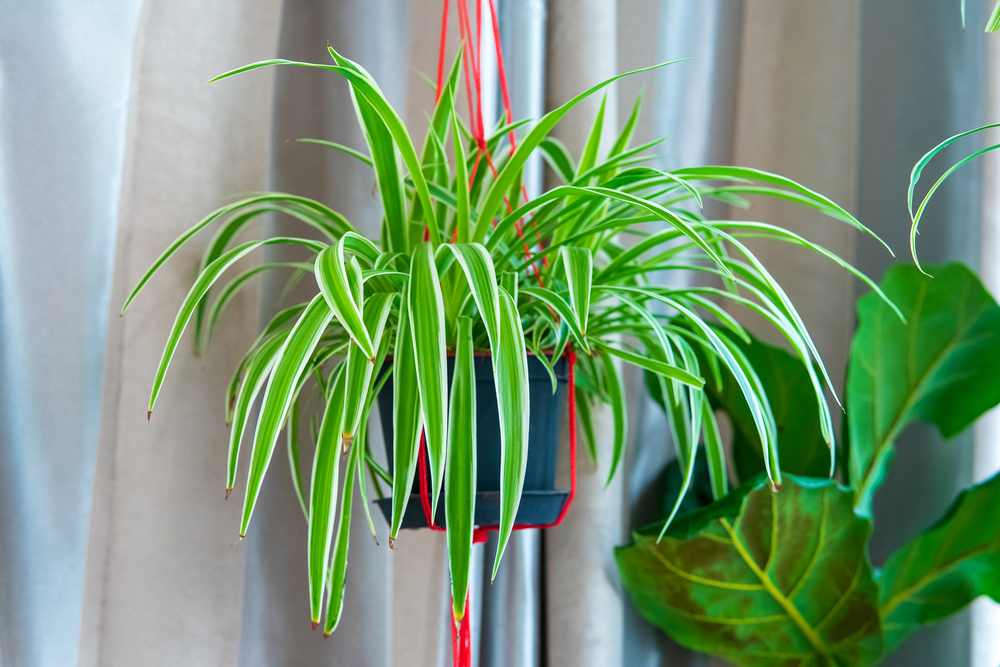
Spider plants grow quickly and show it in a fun way, since they send out long stems with baby plantlets on the ends. The arching leaves make a fountain shape, and the plant can look bigger within weeks when it is in a bright spot. Many varieties have stripes that keep the foliage looking crisp and lively. It is also a classic for a reason, since it stays cheerful even when conditions are not perfect.
Water when the top part of the pot dries, then let extra water drain out fully. If the tips turn brown, it often helps to use filtered water or let tap water sit out overnight before watering. Those babies can be rooted in a small glass of water or pinned into soil while still attached to the mother plant. A snug pot can actually help it send out more plantlets, so do not rush to upsize.
Tradescantia Zebrina (Wandering Dude)
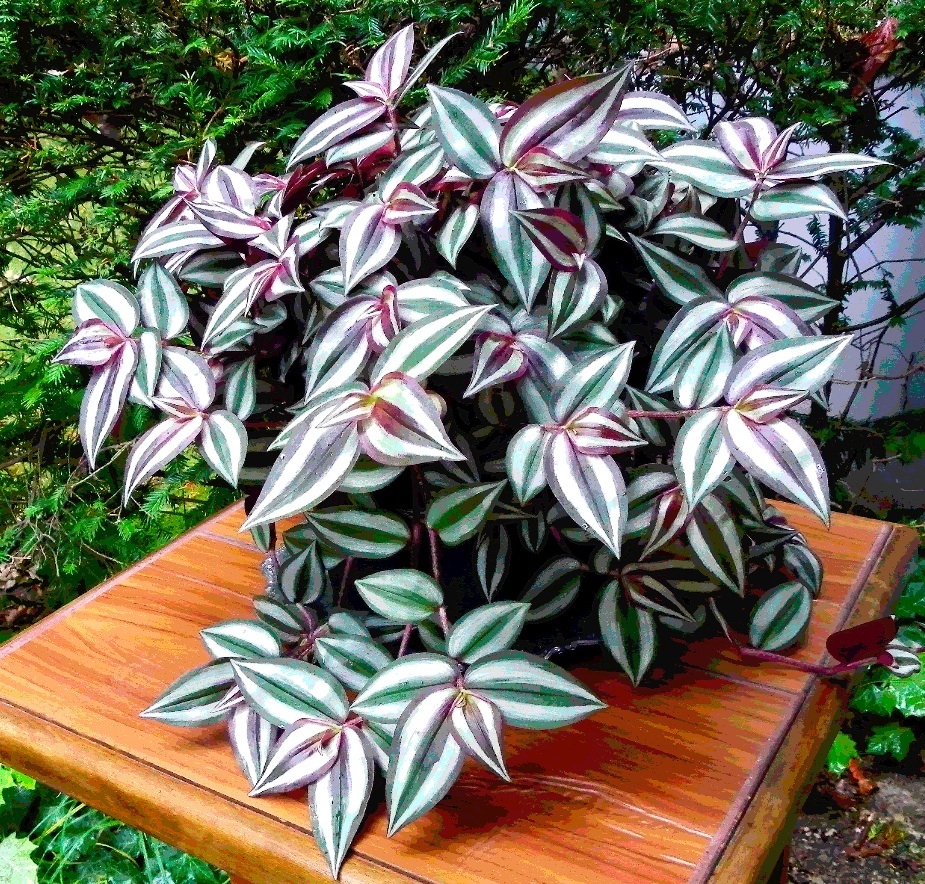
Tradescantia zebrina grows fast and looks dramatic, with trailing stems and purple-striped leaves that catch light. It can fill a hanging basket quickly, and the plant keeps branching when you pinch or trim it. The leaves are small enough that new growth appears constantly, so it always looks refreshed. In brighter light, the color deepens and the striping becomes more striking.
Water when the soil feels mostly dry, since it does not like to stay wet for long. If the stems get leggy, cut them back and place the cuttings right into the pot, because they root easily. Rotate the pot so one side does not thin out, especially if it sits near a window. You can also take short cuttings for water rooting if you like watching the roots form.
Purple Heart (Tradescantia pallida)
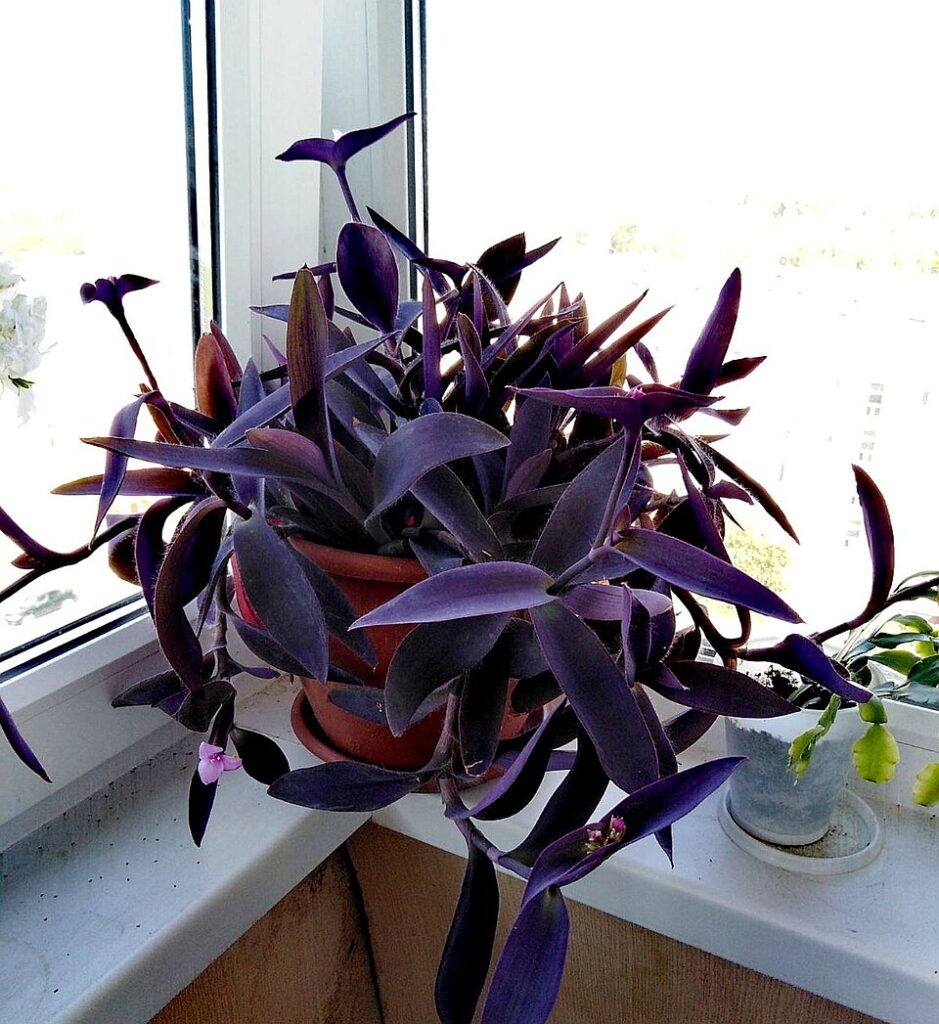
Purple heart is a fast grower with long, narrow leaves that can turn a rich purple when it gets enough sun. The stems extend quickly and can trail or sprawl, making it a great plant for baskets or wide pots. It also produces small pink flowers at times, which adds a sweet surprise. The color makes the growth feel extra noticeable, since new leaves often show fresh, bright tones.
Give it strong light for the best color and denser growth, including some gentle sun if possible. Water when the soil has dried a bit, and avoid keeping it constantly damp. Pinching the tips helps it branch, so it looks fuller instead of stretched out. If pieces break off, do not worry, because they usually root with little effort.
Swiss Cheese Vine (Monstera adansonii)
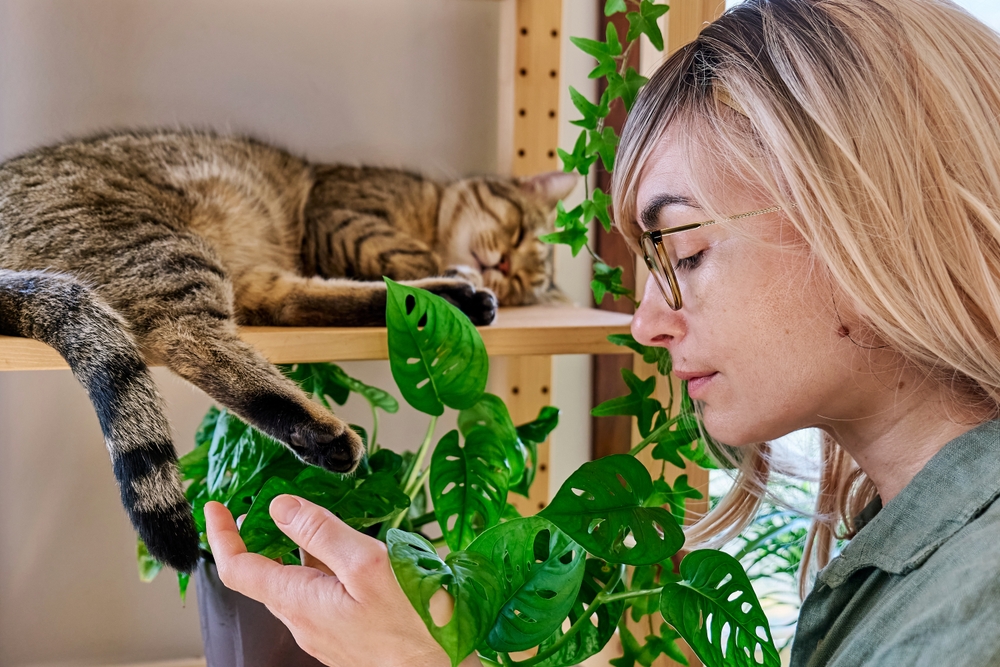
Monstera adansonii grows quickly once it settles in, sending out vines with holey leaves that feel playful and tropical. New leaves often start solid and then develop their openings as they mature, which makes the plant feel like it is changing in stages. It can climb a pole for bigger leaves, or trail from a pot for a softer look. When the light is right, it rewards you with steady, visible progress.
Keep the soil lightly moist but not soggy, and water once the top layer begins to dry. Higher humidity helps the leaves look smoother and less crispy, especially in dry seasons. A moss pole or trellis encourages stronger growth and can lead to larger leaves over time. If you want more vines, take a cutting with a node and root it in water or damp soil.
Arrowhead Plant (Syngonium podophyllum)
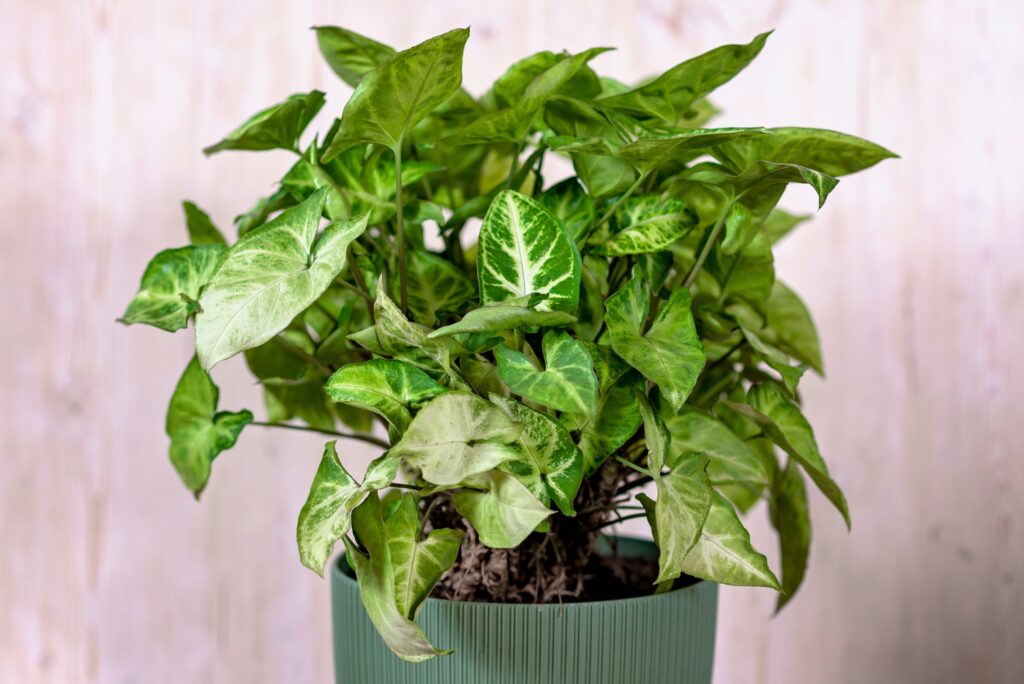
Arrowhead plants grow fast and keep changing shape, which makes them feel exciting to watch. Young leaves look like pointed arrows, then older leaves can become more divided, giving the plant a new look as it matures. Many varieties come in soft green, creamy white, or pink tones that make fresh growth stand out. It also tends to push new leaves often in bright, indirect light.
Water when the top inch of soil dries, and do not let it stay soaked for long. If you want a bushier plant, pinch back stems and rotate the pot for even growth. It can trail nicely, or you can train it upward on a support as it grows. Cuttings with nodes root easily, so it is simple to multiply and fill out the pot.
Coleus (Plectranthus scutellarioides)
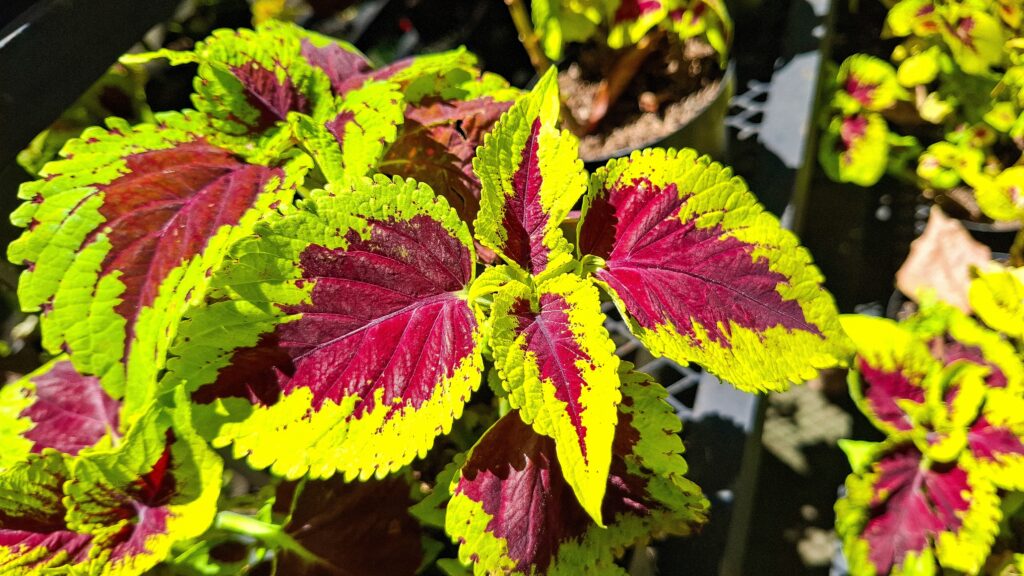
Coleus grows quickly and puts on a real show, since the leaves come in bold mixes of green, pink, red, and purple. It fills in fast, and it can look twice as big in a short time when it is happy. The leaf patterns vary by variety, so each new set of leaves feels like a fresh little reveal. Indoors, it can be a colorful way to add that garden feeling to a sunny window.
Give it bright light, and some gentle morning sun can help keep the colors strong. Water when the soil surface feels dry, because coleus wilts dramatically when it gets too thirsty. Pinching the tips is important, since it helps the plant branch and stay compact instead of tall and floppy. If it tries to flower, removing the flower spikes can keep the plant focused on leafy growth.
Polka Dot Plant (Hypoestes phyllostachya)
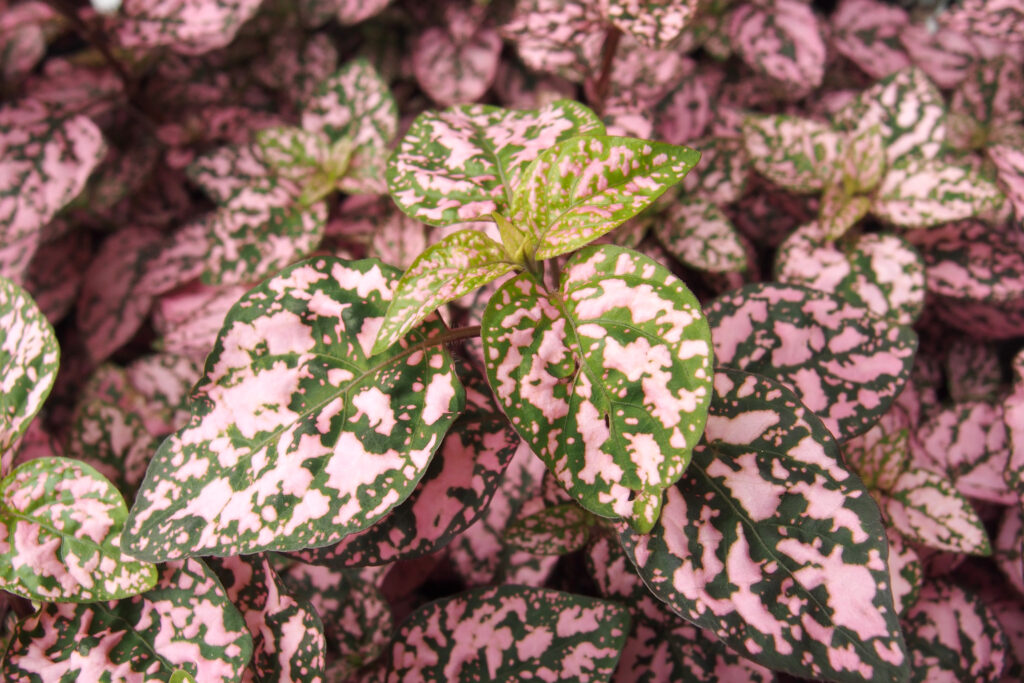
Polka dot plant grows quickly and looks cheerful, with speckled leaves that can be pink, red, or white over green. It is one of those plants where you can see new leaves popping up often, especially in warm indoor conditions. The small leaves and quick stems make it feel lively, like it is always trying to fill space. It is also a fun plant for desks and small shelves, since it stays compact with trimming.
Keep the soil slightly moist, but do not let it sit soggy, since the roots can struggle in wet conditions. Pinch the stems regularly to encourage branching, because it can get leggy if you let it stretch. Brighter, indirect light helps keep the spots clear and colorful. If it drops leaves after a dry spell, regular watering usually brings it back into shape.
African Violet (Saintpaulia)
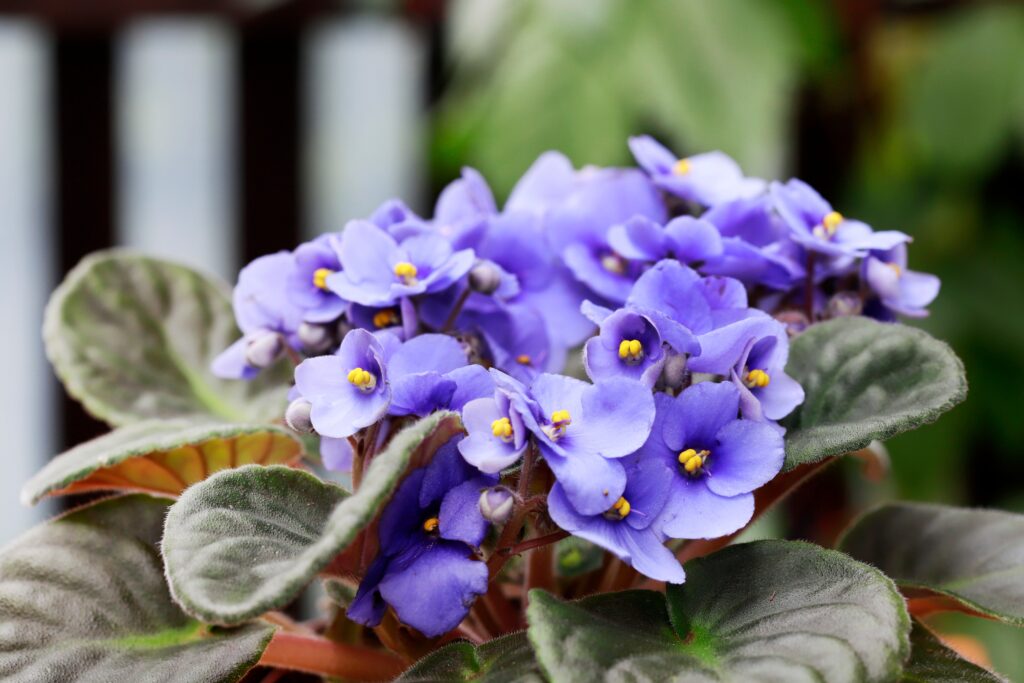
African violets can feel rewarding because they grow new leaves steadily and can bloom again and again indoors. The fuzzy leaves form a tidy rosette, and the plant often looks fuller as it adds layers. When it blooms, the flowers can last a long time, and new buds can follow soon after. It is a great plant for someone who likes the idea of fast results without needing a huge pot.
Water from the bottom when possible, since cold water on the leaves can cause spotting. A bright window with filtered light or a simple grow light helps it bloom more often. Use a small pot with a light, airy mix, because violets like good drainage and do not want heavy soil. Remove spent blooms and older leaves to keep the plant neat and encourage fresh growth.
String of Hearts (Ceropegia woodii)
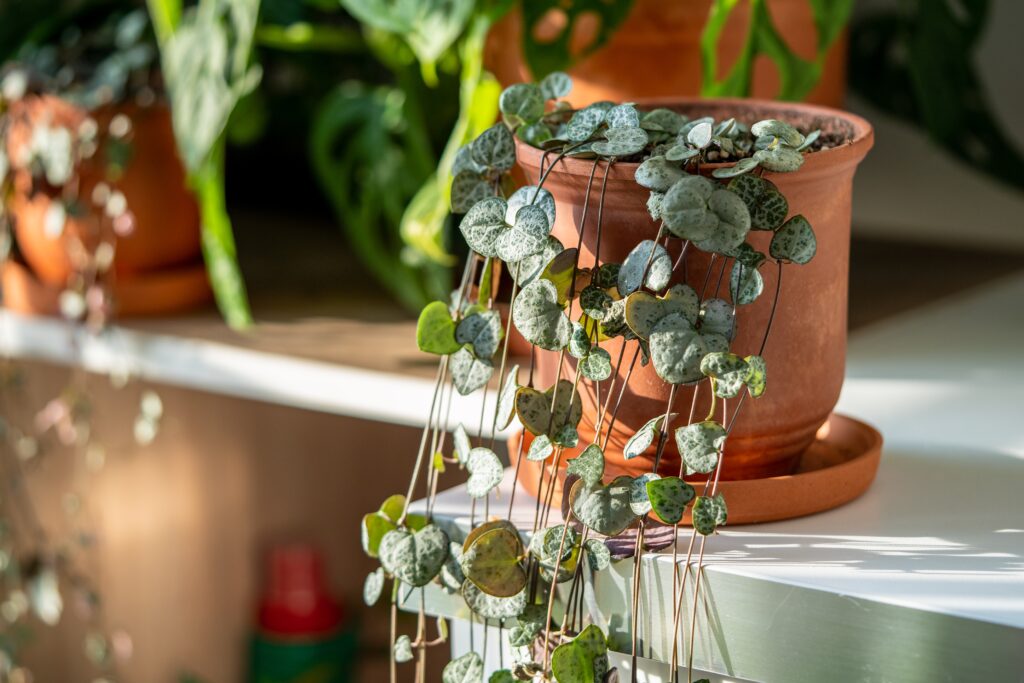
String of hearts grows in long, trailing strands that can quickly drape over the edge of a pot. The small heart-shaped leaves often have silver marbling, and the vines can lengthen fast in a bright spot. It looks delicate, but it can be surprisingly tough once established. Watching the strands get longer and longer is one of the most satisfying parts of keeping it.
Let the pot dry out most of the way before watering, since it stores moisture in its tubers. Bright light helps it stay fuller, while low light can make the vines sparse. You can coil long strands on top of the soil and pin them down, and they will often root at the nodes. Cuttings also root well, so it is easy to make a thicker plant over time.
String of Bananas (Curio radicans)
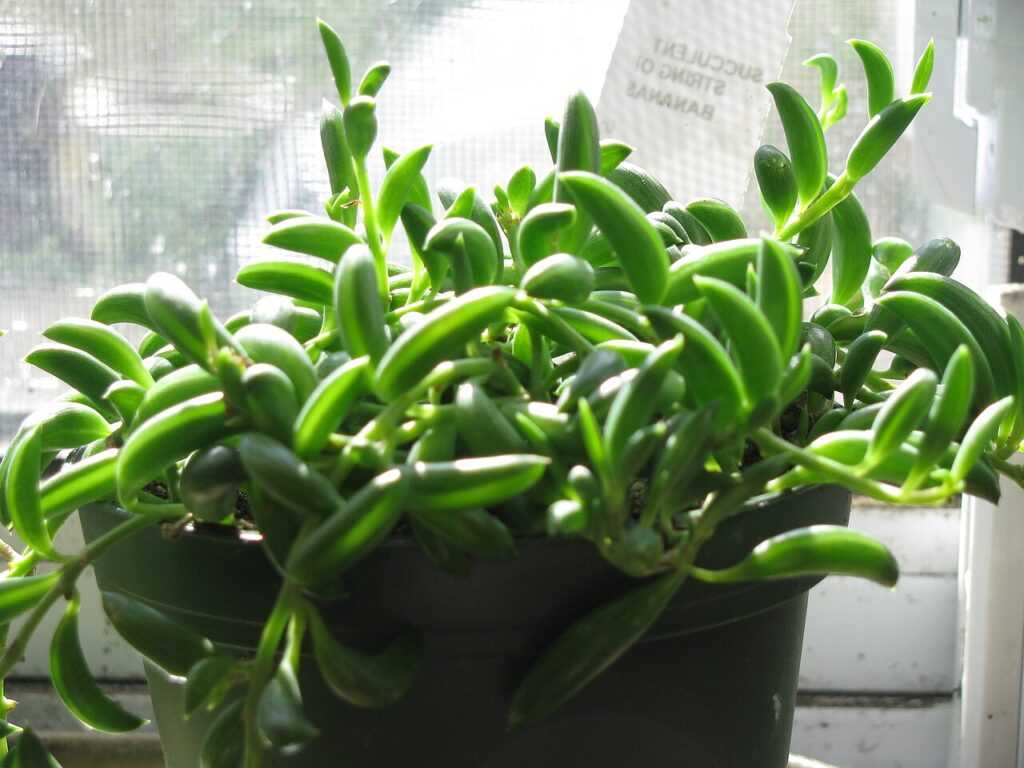
String of bananas grows quickly in good light, and the trailing stems can spill over a pot in a short time. The leaves look like tiny green bananas, which gives it a playful texture compared to other trailing plants. As it grows, it becomes a living curtain that looks great on shelves or in hanging planters. It is especially rewarding because each new segment makes the whole plant look longer and fuller.
Let the soil dry out well between waterings, since it is a succulent and dislikes wet roots. Bright light helps keep the leaves plump and close together, while dim light can make the stems stretch. If a stem breaks, you can lay it on top of soil and it often roots without much fuss. A gritty potting mix helps it drain fast, which keeps growth steady and healthy.
Peace Lily (Spathiphyllum)
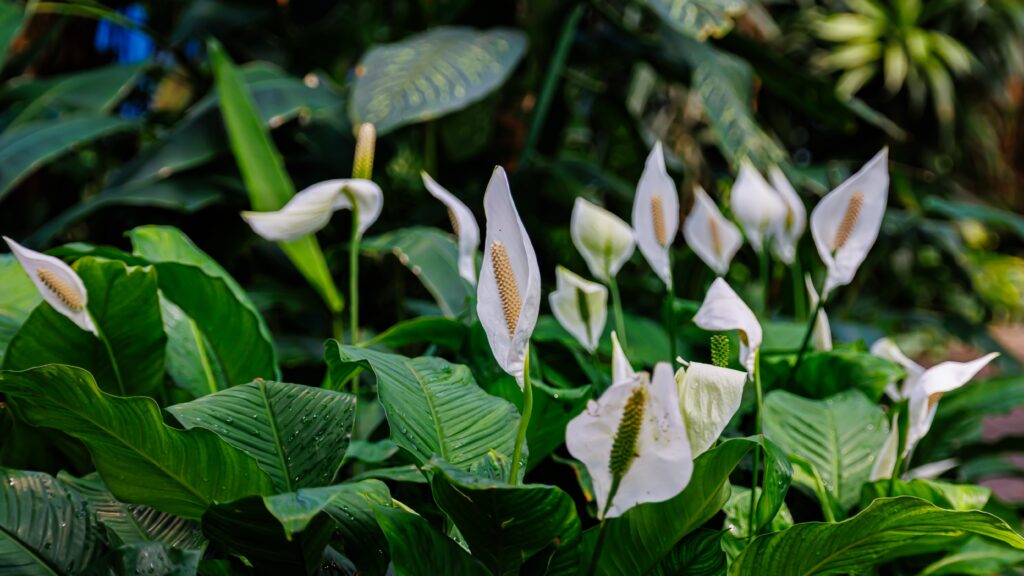
Peace lilies grow fairly quickly and show you what they need, since they droop when thirsty and perk up after watering. The deep green leaves unfurl from the center, and new growth makes the plant look fuller over time. When it blooms, the white flowers stand above the leaves and can last for weeks. It feels rewarding because it gives clear visual feedback and can look lush in a short period.
Water when the top layer of soil feels dry, and drain the saucer so the roots do not sit in water. Bright, indirect light supports better flowering, though it can handle lower light too. Wipe the leaves occasionally, since wide leaves collect dust easily. If the plant becomes crowded, dividing it during repotting can give you two full plants instead of one.
Snake Plant (Dracaena trifasciata)
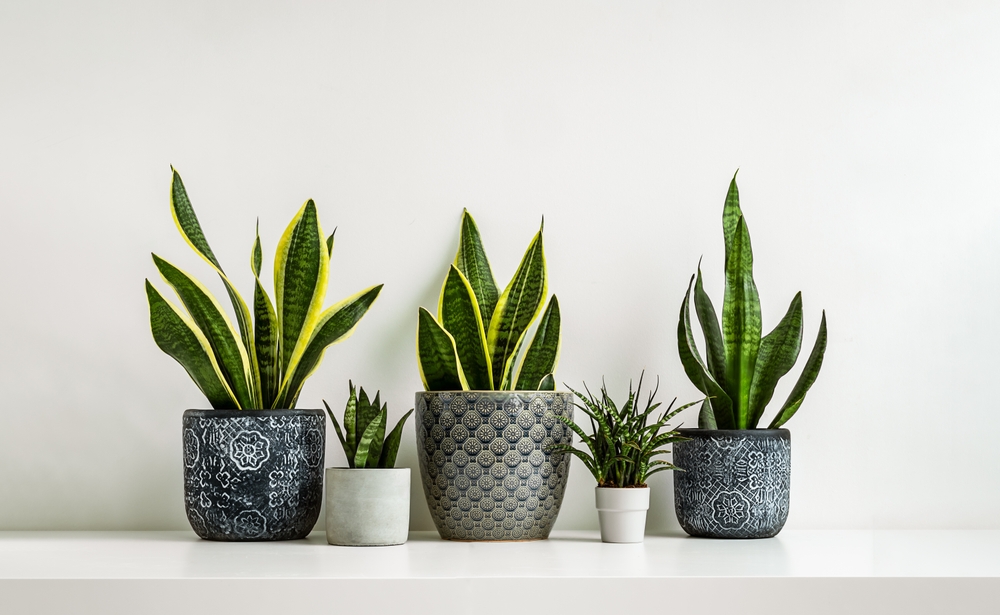
Snake plant is not the fastest on this list, but it is rewarding because it steadily sends up new spears and holds its shape so well. Over time, it forms thicker clumps, and each new leaf makes the plant look taller and stronger. The stiff, patterned foliage works in almost any room, from bright spaces to dim corners. It is also a good choice if you want progress without a lot of daily care.
Let the soil dry out fully between waterings, since overwatering is the main way this plant gets stressed. A pot with drainage and a well-draining mix helps it stay healthy for years. Brighter light can speed up growth, but it still survives in low light if you are patient. When it outgrows its pot, you can divide the clump or separate pups to start new plants.
Chinese Money Plant (Pilea peperomioides)
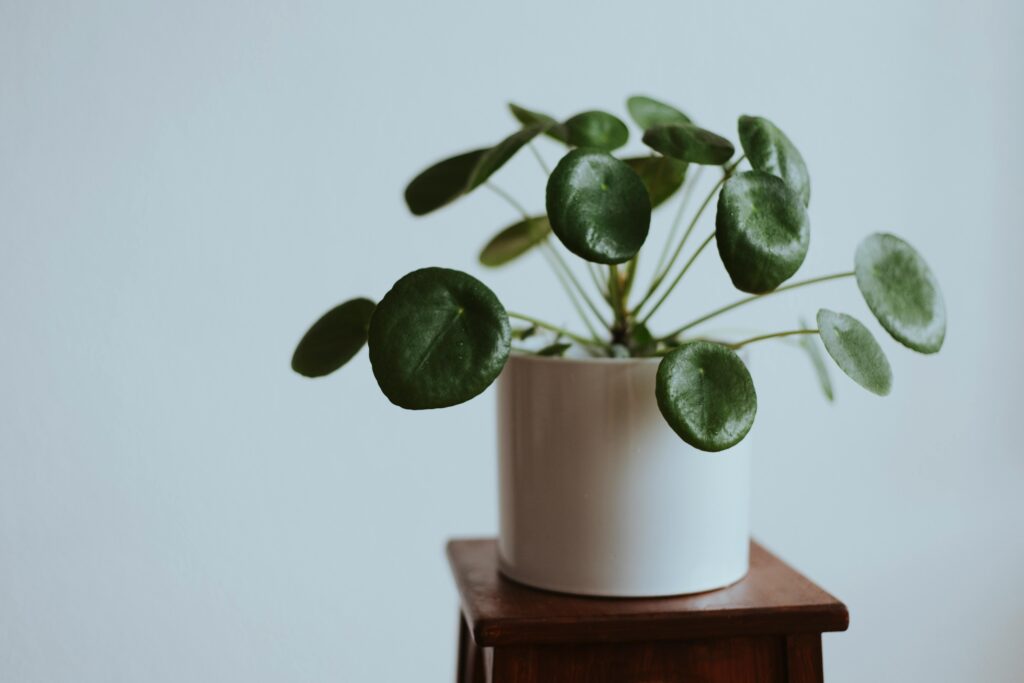
Chinese money plants grow at a steady pace and quickly start looking fuller as they add round leaves on long stems. The leaves look like green coins, and new growth often appears from the center like a little fountain. It is also known for producing pups, which makes it feel like you are getting bonus plants. When it is happy, it can change week to week in a noticeable way.
Give it bright, indirect light and rotate it often so it does not lean toward the window. Water when the top inch of soil feels dry, then let it drain well. If you see pups popping up near the base, you can leave them for a fuller look or separate them once they have a few leaves. A light potting mix and a pot with drainage help prevent soggy roots, which keeps growth steady.
This article originally appeared on Avocadu.