
12 Famous Movie Quotes Everyone Misquotes but Still Understands
Some of the most iconic movie quotes are often misquoted, yet their intended meaning remains clear. These lines have become ingrained in popular culture, with many people unknowingly reciting them in a slightly altered form. Whether simplified for dramatic effect or streamlined for easier recall, these famous quotes continue to resonate with audiences, proving that sometimes a little change only adds to their impact.
This post may contain affiliate links, which helps keep this content free. Please read our disclosure for more info.
“Luke, I am your father.” – Star Wars: The Empire Strikes Back (1980)
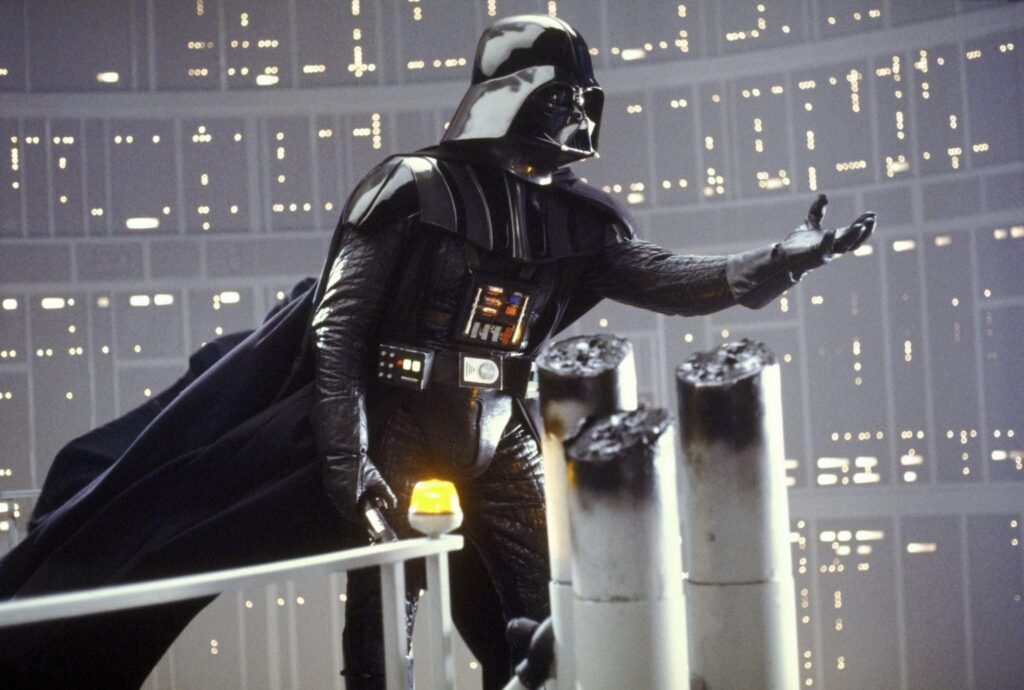
The famous line “Luke, I am your father” is widely misquoted. The actual line spoken by Darth Vader is “No, I am your father.” This misquote simplifies the scene and makes it more dramatic, which is likely why it became so iconic. The original line is less direct, yet it has become one of the most memorable moments in film history. People often remember the quote with a slight alteration because it conveys the shock factor better, but the intended meaning of a father revealing his identity to his son remains just as powerful.
The misquote has had such a strong cultural influence that it is often used in everyday conversations, even by those who may not have seen the movie. Its familiarity with the masses speaks to the enduring impact of Star Wars on popular culture. The misquoted line simplifies the original dialogue, making it easier to recognize and reference, which is why it sticks even though it’s not quite right.
“Play it again, Sam.” – Casablanca (1942)
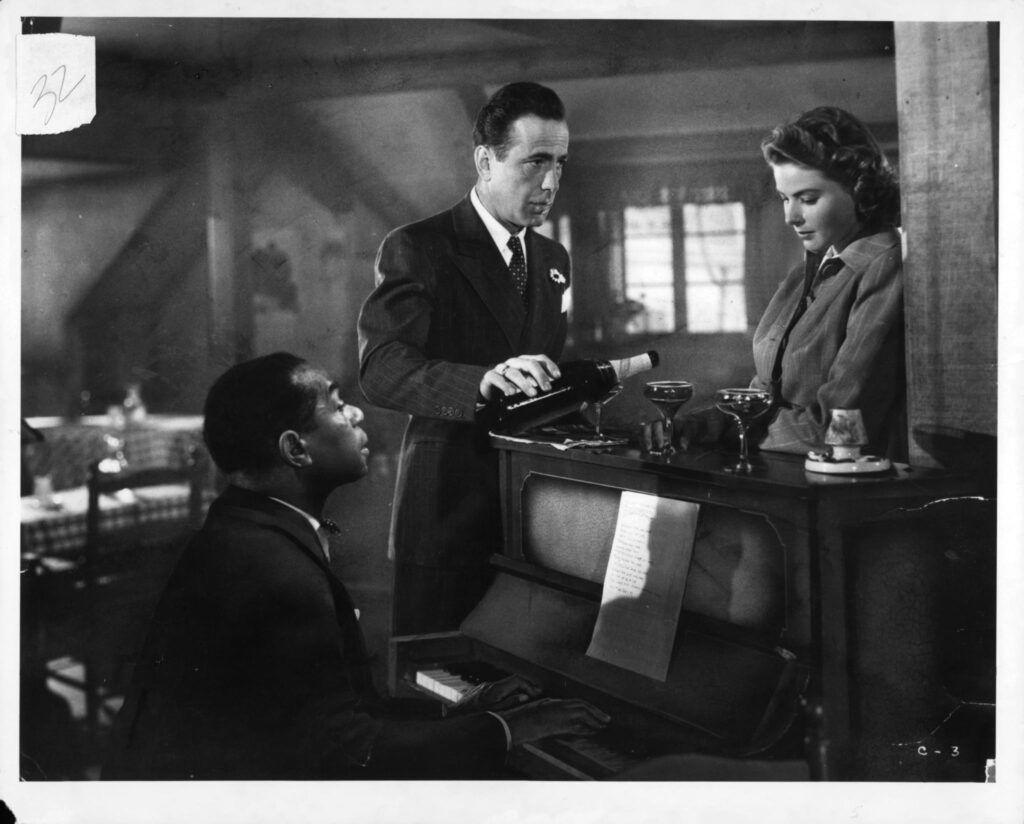
The line “Play it again, Sam” is often associated with Casablanca, but it was never actually spoken that way in the film. Ingrid Bergman’s character, Ilsa, says, “Play it, Sam,” and later, “Play it once, Sam.” The misquote has stuck because it has become a catchy phrase that encapsulates the romantic and nostalgic feel of the film. The simplicity of “Play it again, Sam” makes it easy to reference, even if the actual line is a little more subtle in tone.
Despite this slight alteration, the misquote still effectively evokes the longing and melancholy of the film. It’s interesting to note that the line has taken on a life of its own, often used in contexts far removed from the original scene, showcasing how movies can influence language and culture in unexpected ways.
“Money is no object.” – The Godfather (1972)
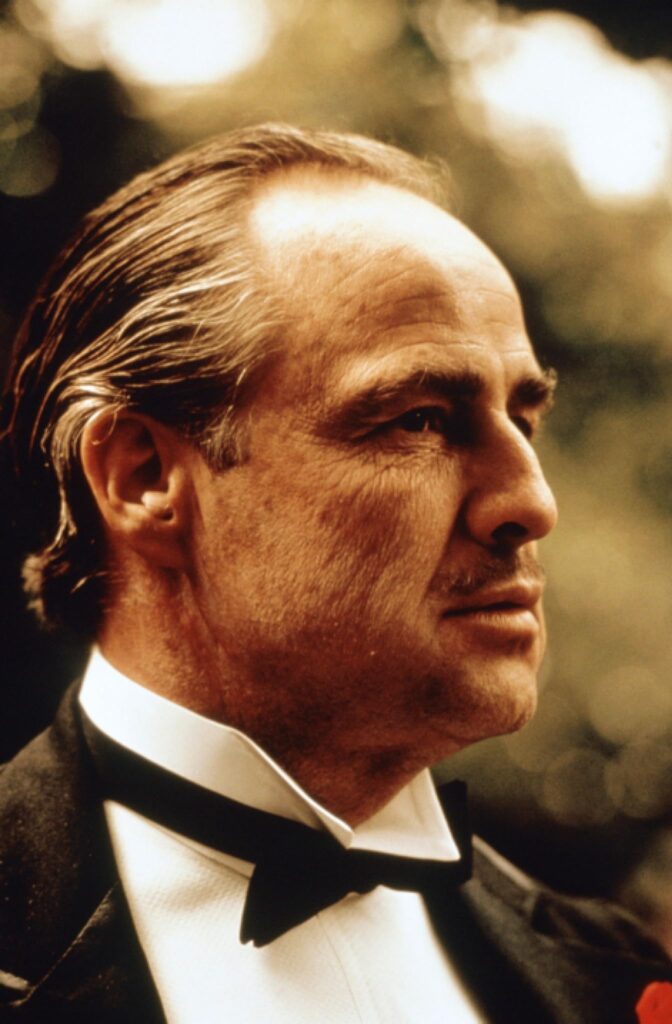
In The Godfather, Vito Corleone never says, “Money is no object.” The actual line is closer to “Money can’t buy love” or something related to the idea of personal loyalty. This misquote has been used widely in various forms, often by those trying to show their wealth or power. The phrase “money is no object” simplifies the idea of wealth being a driving force, which is a key part of Corleone’s character and motivations in the film.
Though the quote is misquoted, the essence of it is still understandable, reinforcing the film’s themes about the limits of wealth and power. The phrase has become shorthand for people who are willing to spend anything to achieve their goals, making it a popular line to misquote while still maintaining the original film’s context.
“We’re gonna need a bigger boat.” – Jaws (1975)
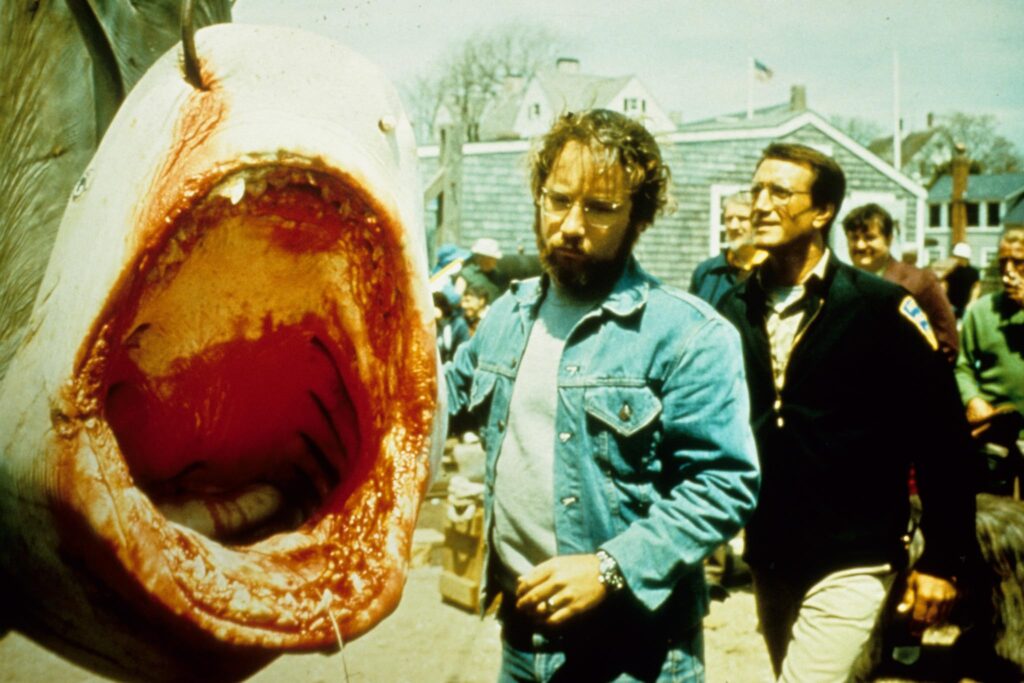
The actual line from Jaws is “You’re gonna need a bigger boat,” spoken by Roy Scheider’s character, Chief Brody. The misquote “We’re gonna need a bigger boat” became so iconic because it encapsulates the tension and humor of the moment. It’s often used humorously when people are faced with a situation that is larger or more challenging than expected. The original line is delivered more casually, making the misquote more dramatic and memorable.
Despite the slight misquote, the meaning of the line is clear to most audiences: it’s about the realization that a challenge has grown bigger than anticipated. The simplicity and humor of the line have made it a staple in pop culture, and it is still frequently referenced today, even though the words are slightly different.
“If you build it, they will come.” – Field of Dreams (1989)
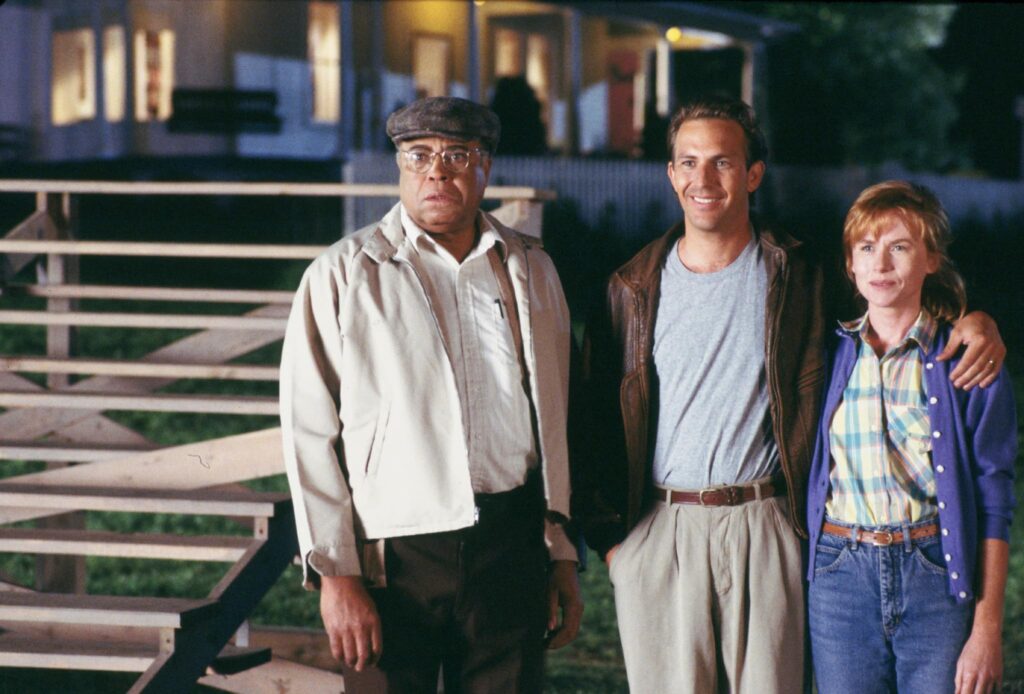
The misquote “If you build it, they will come” has been widely repeated, but the actual line from Field of Dreams is “If you build it, he will come.” The misquote expands the idea, making it seem more universally applicable, while the original refers to a singular figure, Shoeless Joe Jackson. The misquote has resonated more with audiences because it suggests a broad promise of success and fulfillment, which is why it’s often used as a motivational quote, even though it’s slightly off.
The original line’s more focused intent is not lost, but the broader misquote captures the spirit of hope and dreams in the film, which is why it’s so widely recognized. Even though the line has been changed, the connection to the idea of building something meaningful remains clear, which is why it continues to be used so frequently in various contexts.
“I coulda been a contender.” – On the Waterfront (1954)

The line “I coulda been a contender” from On the Waterfront is one of the most misquoted phrases in film history. The full line is “I coulda been a contender, I could’ve been somebody.” The simplification of this line makes it more direct and impactful, while the original dialogue emphasizes the regret of lost potential. The misquote captures the essence of the character’s disillusionment, making it a memorable line that has lived on far beyond the original movie.
The misquote is often used to convey feelings of missed opportunities or unfulfilled potential, which is why it’s recognized and understood by so many, even by those who have never seen the film. Despite the change, the core emotion of the line remains intact, showcasing how the misquote can still convey the original film’s themes of failure and regret.
“Mirror, mirror on the wall.” – Snow White and the Seven Dwarfs (1937)
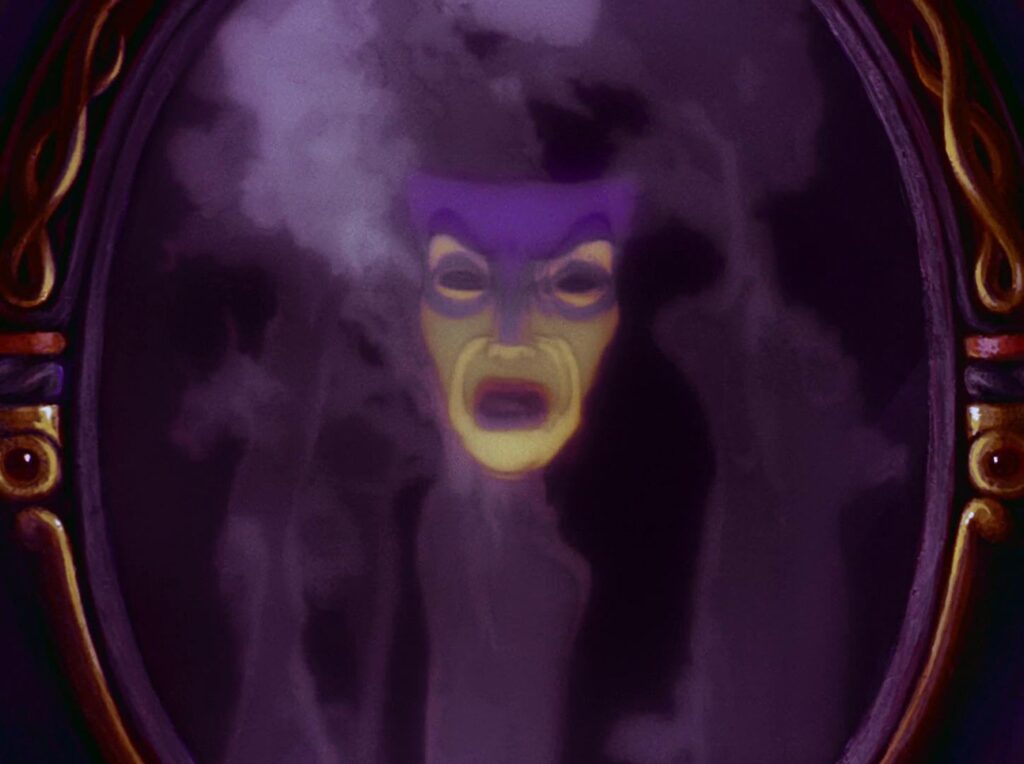
The actual line from the Evil Queen in Snow White and the Seven Dwarfs is “Magic mirror on the wall.” The misquote has become widely known because “Mirror, mirror” is simpler and easier to remember. It also has a rhythmic quality that makes it stick in the minds of audiences. The line has since been used in various adaptations and references, further cementing the misquote as the standard version.
The phrase has transcended its original context, often being used to refer to self-reflection or the search for truth, and it’s easy to see why the misquote became so popular. It’s succinct and carries a certain weight, making it easier for people to understand the original film’s themes of vanity and self-perception.
“Hello, Clarice.” – The Silence of the Lambs (1991)
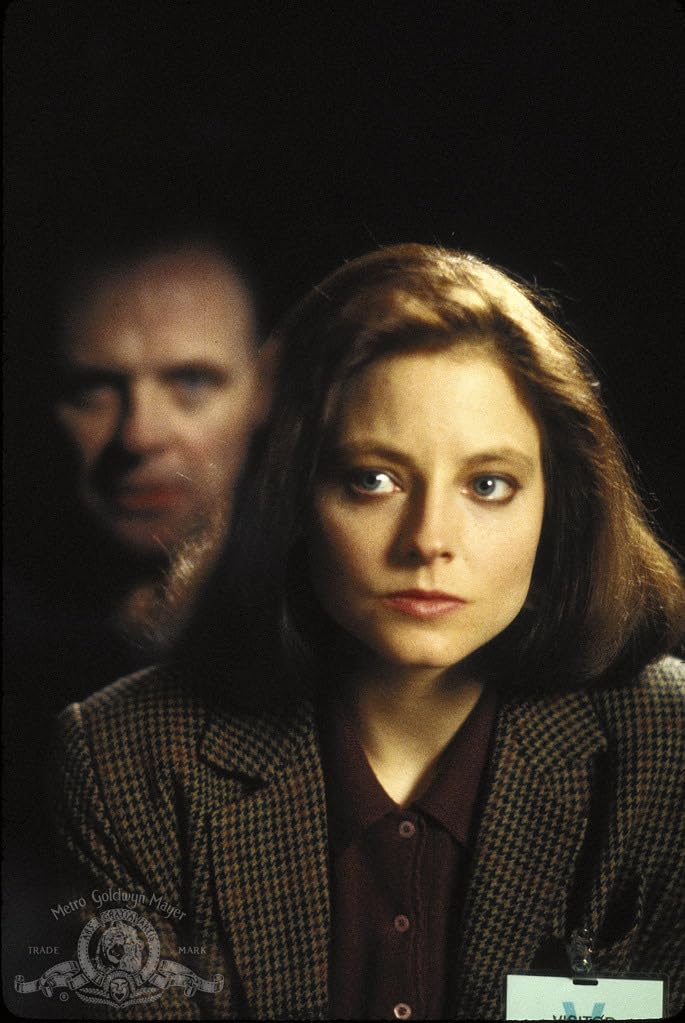
In The Silence of the Lambs, Hannibal Lecter never actually says “Hello, Clarice.” The line is “Good evening, Clarice.” This slight misquote became iconic because it’s more direct and has a certain eerie quality to it, which is fitting for the chilling character of Lecter. The misquote’s simplicity makes it more easily recognizable, which is why it’s still widely referenced in pop culture.
The misquote captures the essence of the original moment, where Lecter makes an unsettling first impression. While the actual line is subtler, the misquote amplifies the suspense and tension, making it easier to remember while maintaining the same cultural impact.
“The truth is out there.” – The X-Files (1993-2018)
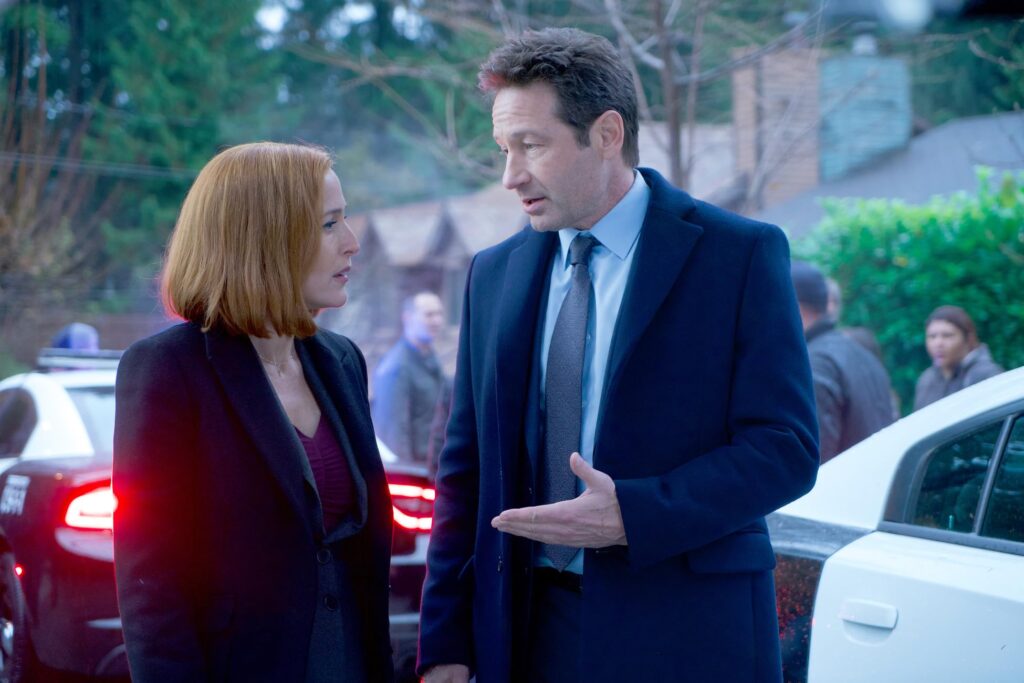
The actual phrase from The X-Files is “The truth is out there.” While this is often quoted correctly, the line has been misquoted as “The truth is in here,” making it seem more introspective and personal. This misquote became popular because it offers a more immediate feeling of uncovering something personal or within oneself, which made it more applicable to a variety of situations.
Though the original line points to the idea of seeking the truth in the world, the misquote shifts that focus, making it about self-exploration and introspection. Both versions have a similar meaning, but the misquote captures a different dimension of the phrase’s power, making it feel more personal and immediate.
“You can’t handle the truth!” – A Few Good Men (1992)
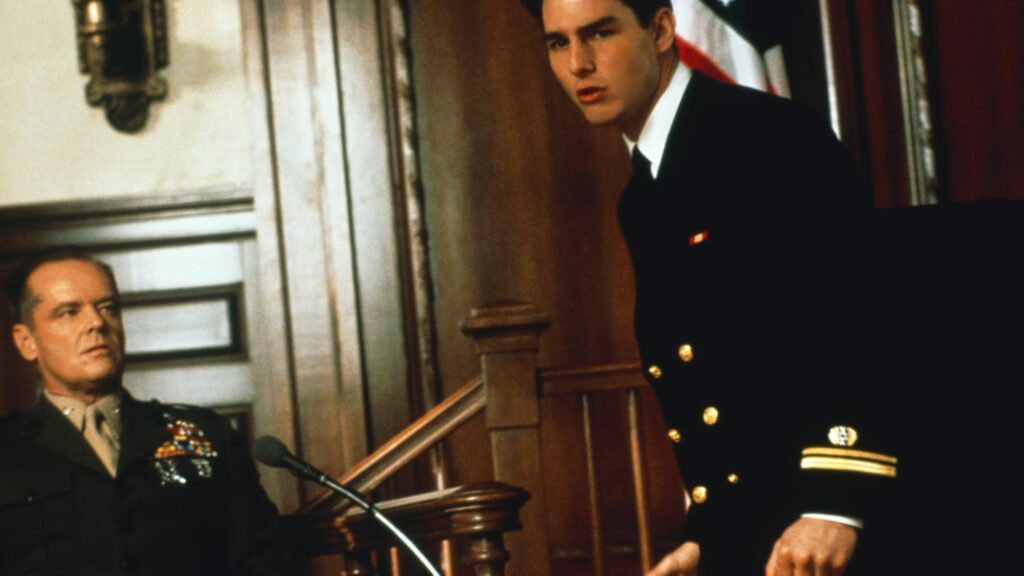
The actual line from A Few Good Men is “You can’t handle the truth!” The way it is misquoted often simplifies the line into “You can’t handle the truth” without the emphasis or theatrical delivery. The misquote has become so ingrained in popular culture that people often use it to describe situations where someone is unwilling to accept uncomfortable facts, even though the actual line delivers the punch more dramatically.
Despite the difference in wording, the essence of the quote remains clear. The misquote conveys the same powerful idea of the struggle to accept hard truths, making it just as recognizable as the original.
“I’ll be back.” – The Terminator (1984)
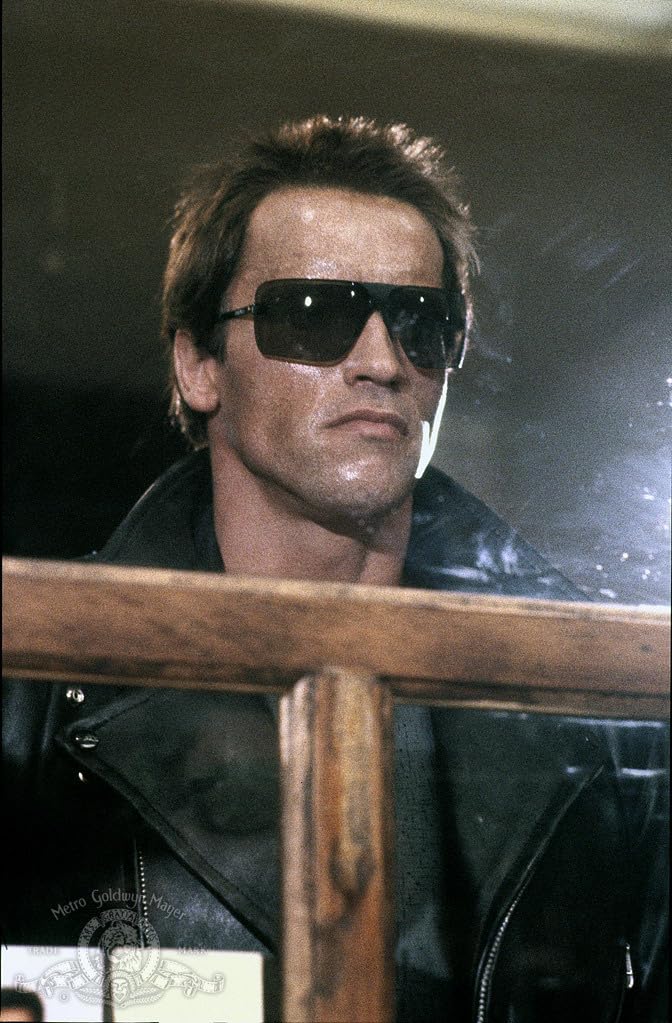
The famous line from The Terminator is often misquoted as “I’ll be back,” when the actual line is “I’ll be back.” The misquote, however, is often quoted in its original form without variation, but it has become synonymous with the character of the Terminator, largely due to its simplicity and repetition in pop culture.
The simplicity of the line makes it memorable and easy for people to reference, even if the full line is more nuanced. The impact of the misquote has been sustained in various forms in films, television, and even memes, further cementing its place in modern lexicon.
“Say hello to my little friend!” – Scarface (1983)
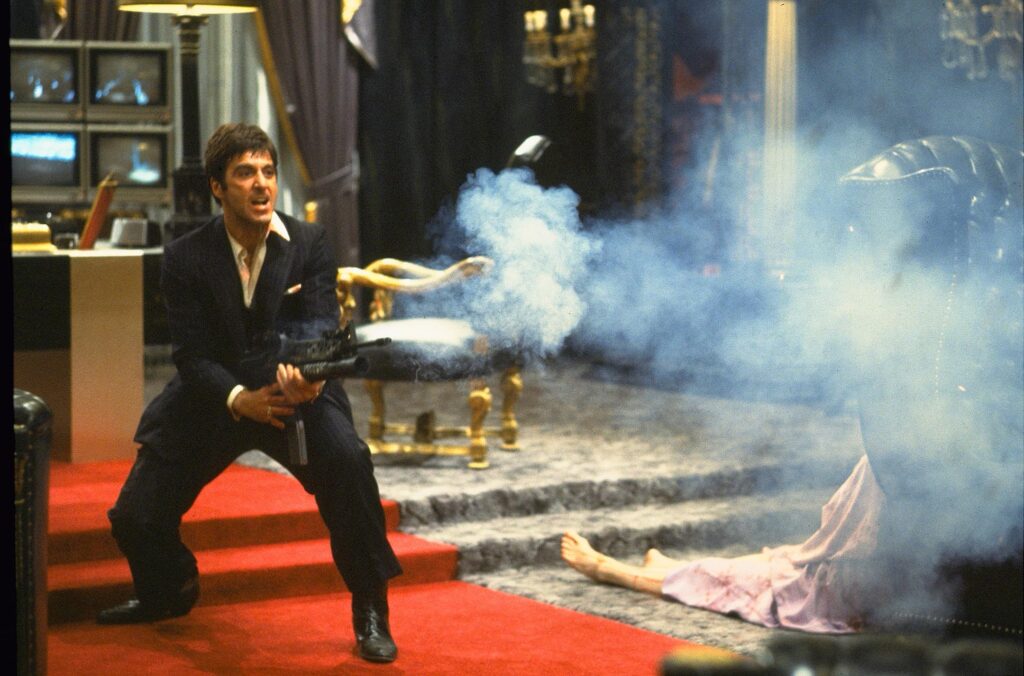
The misquote “Say hello to my little friend!” is often said when referencing a large, powerful weapon. The actual line, spoken by Al Pacino’s character Tony Montana, has had its words altered over time to simplify and make it sound more menacing. This misquote has become iconic because of the intensity it conveys, making it more widely recognizable.
Even though the original line is a bit different, the misquote still holds the same intense meaning, reinforcing the character’s brutal and unhinged personality. The power of the misquote lies in its ability to be used in various contexts, extending beyond the original film.
This article originally appeared on Avocadu.