
14 Family Board Games You Can Play on Repeat Without Groans
Board games are a great way for families to spend time together, but finding ones that everyone enjoys can be tricky. The key is choosing games that offer plenty of variety and fun without causing frustration. Some games are perfect for repeat play, keeping the excitement fresh each time. Whether you’re strategizing or just enjoying some friendly competition, these games are sure to keep the groans away.
This post may contain affiliate links, which helps keep this content free. Please read our disclosure for more info.
Catan
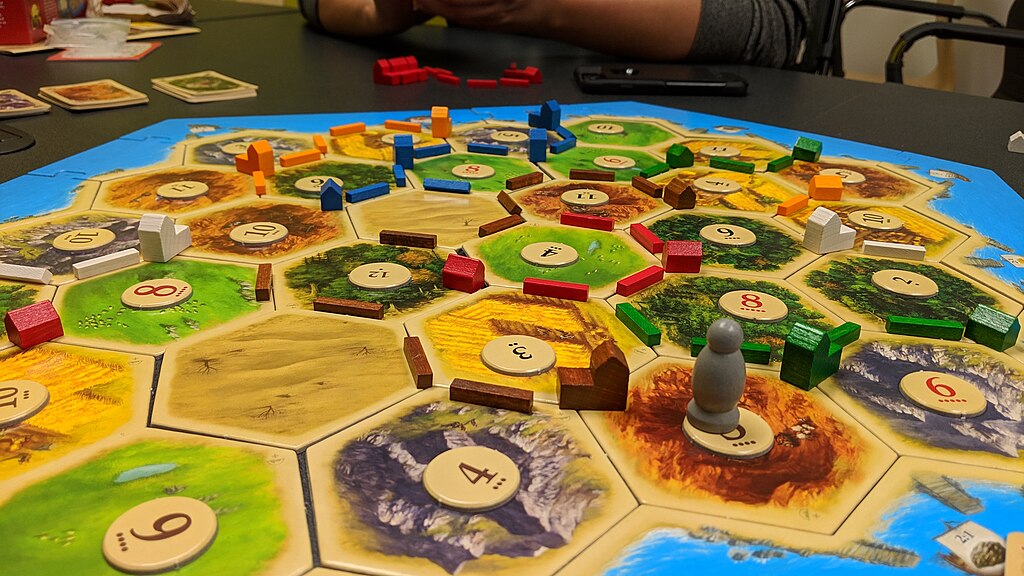
Catan is a strategy game that has become a household staple. Players work to collect resources and build settlements, roads, and cities to gain points. The game is easy to pick up but offers plenty of depth for repeat play, ensuring no two games are ever the same. It balances competition with interaction, encouraging players to trade and negotiate, which keeps everyone engaged.
The game involves rolling dice to gather resources like wood, brick, and ore, but success depends on strategic planning and adaptability. Catan’s appeal lies in its mixture of luck and skill, which makes it fun for kids and adults alike. The game length is manageable, and while it can get tense, the challenge of reaching 10 points creates excitement without frustration. Players find themselves playing multiple rounds without feeling overwhelmed, thanks to the game’s ever-changing dynamics.
Ticket to Ride
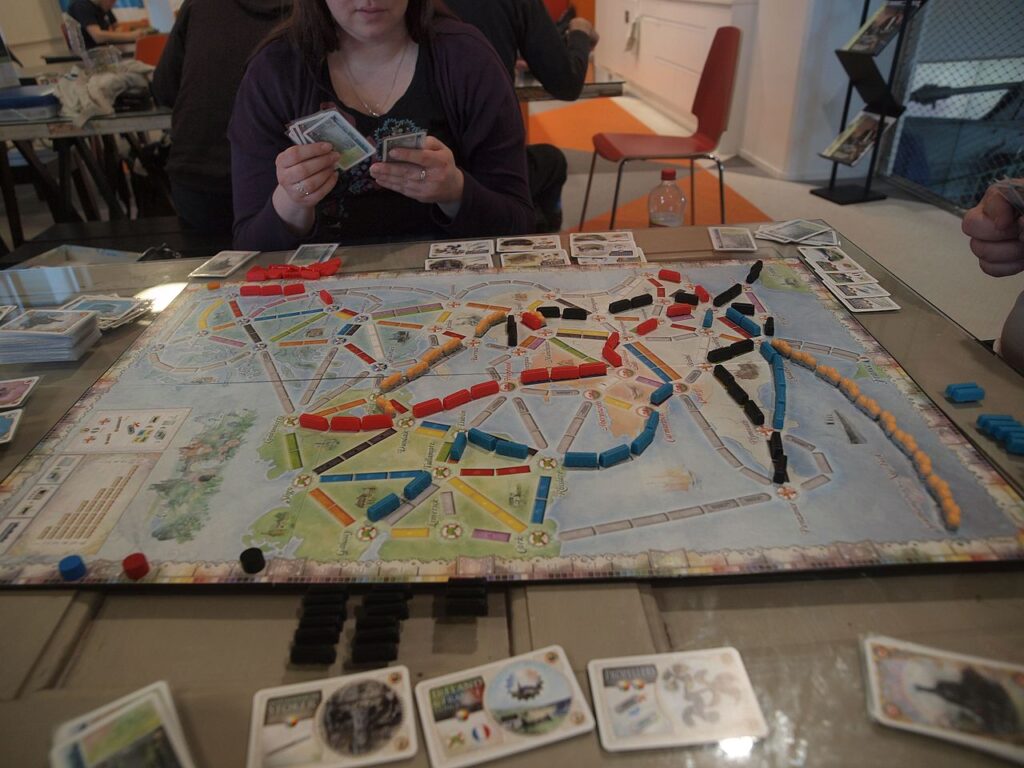
Ticket to Ride is a game that brings the excitement of train travel to the table. Players collect train cards to claim railway routes across a map, connecting cities while completing destination tickets. This game is perfect for families because it combines simplicity with enough strategy to keep everyone thinking. The game’s accessible rules make it suitable for all ages, and its quick rounds allow for multiple plays in one sitting.
Ticket to Ride has earned its place as a repeat favorite due to its balance of luck and planning. Each game offers opportunities for different strategies, as players try to block each other while also completing their routes. The game’s easy-to-understand mechanics mean even younger players can quickly jump in, and the vibrant game board keeps everyone visually engaged. With expansions available, the game offers fresh maps and new challenges, ensuring it remains exciting for years to come.
Carcassonne
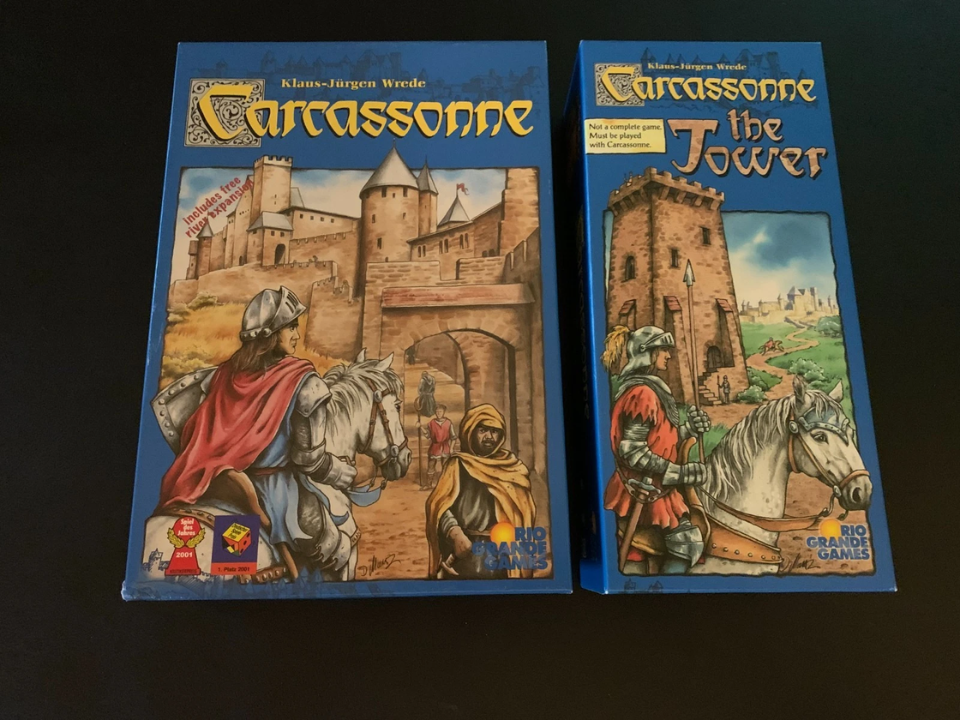
In Carcassonne, players build a medieval landscape with tiles, placing roads, cities, and fields to gain points. It’s a tile-placement game that can be played casually but has enough depth to become competitive. The game’s beauty lies in its simple rules and complex strategies, making it a fun choice for repeated play. Whether you’re placing cities or completing roads, each decision matters, and the game can change quickly.
The tile-drawing element brings variety, as each new tile offers fresh possibilities for placement. Players also get to place their “meeples” to claim different areas on the board, adding an additional layer of strategy. Carcassonne is easy to teach but takes time to master, which means it has the staying power to keep families coming back. Its versatility and replayability make it a go-to for family game nights.
Azul
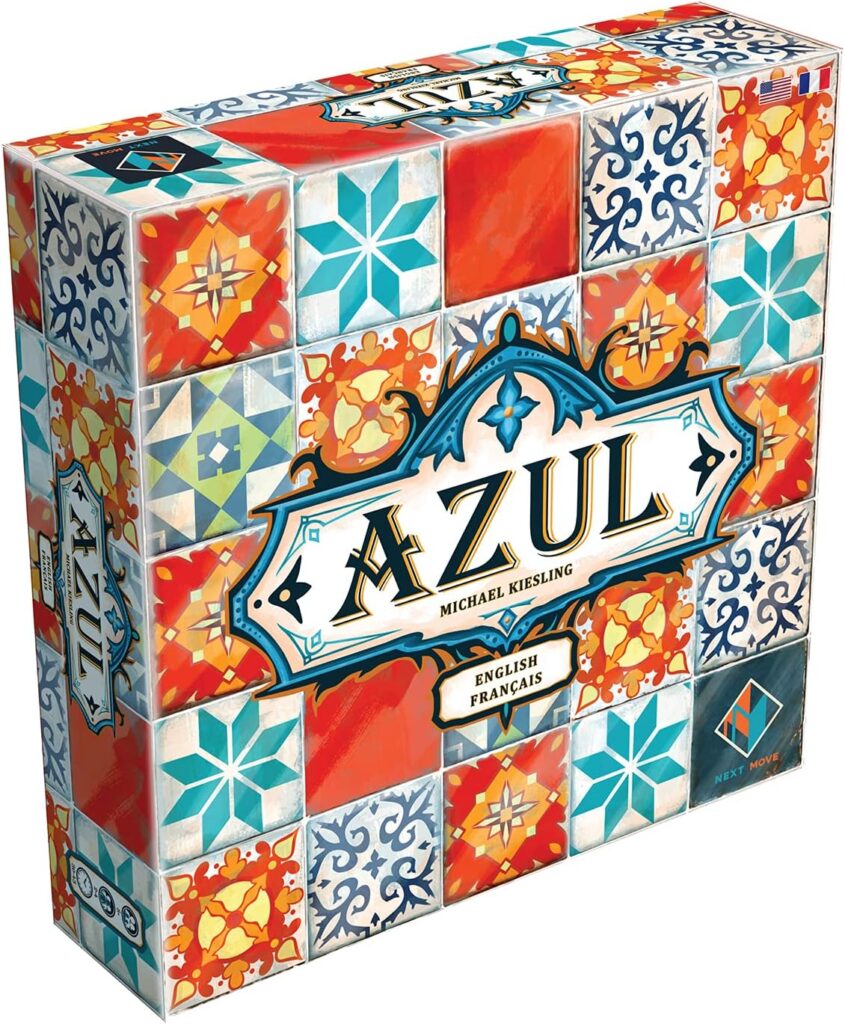
Azul is a beautifully designed tile-laying game where players aim to create patterns on their personal boards. With simple rules and a visually stunning setup, Azul quickly captivates players of all ages. The goal is to place tiles in patterns while scoring points for matching designs, but careful planning is needed to avoid wasting tiles. Azul is great for families because it’s visually appealing and easy to learn but still offers a level of depth for strategic play.
The competitive nature of the game increases as players race to complete their boards, but the simplicity of the mechanics keeps it from feeling overwhelming. The game’s quick pace ensures that everyone stays engaged, and the tension of not wasting tiles adds excitement to every turn. Azul also works well with larger groups, making it an excellent choice for family gatherings. Its replayability comes from the varying strategies each game offers, allowing for endless enjoyment.
Scrabble
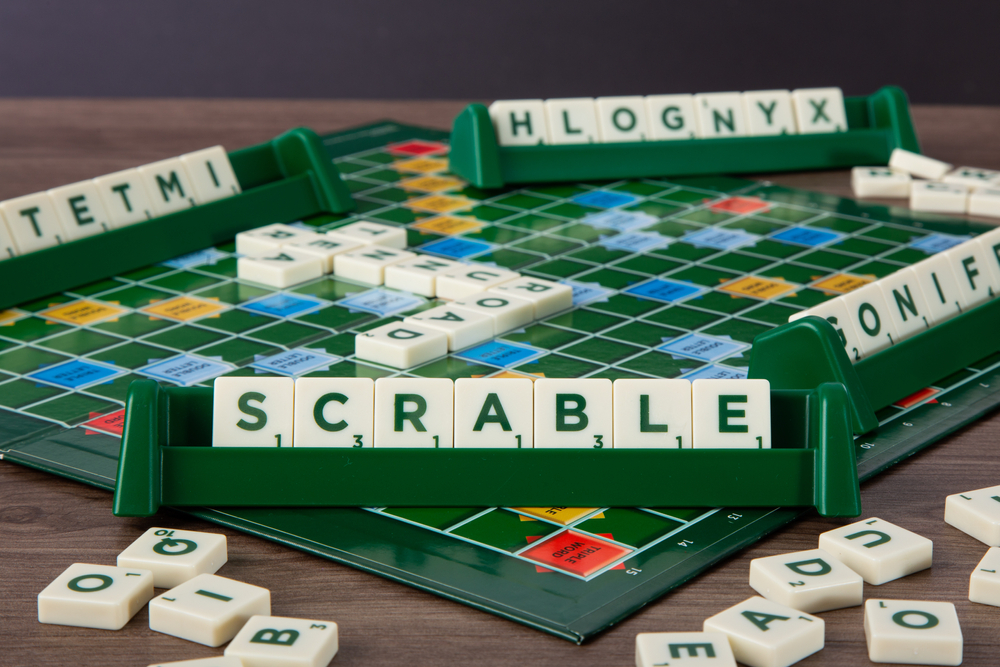
Scrabble is a classic word game where players use letter tiles to form words on a game board, scoring points based on letter values. It’s a game that requires both vocabulary knowledge and strategic thinking, making it perfect for families with varying skill levels. Scrabble can be played casually, but there’s enough depth to keep it interesting for those who enjoy competitive play. It’s easy to set up, and the rules are simple, making it great for all ages.
The game can get tense as players try to find high-scoring words while blocking others from scoring big. Scrabble offers a variety of strategies, from building long words to placing tiles on bonus squares. While luck plays a role in the tiles you draw, the challenge is in maximizing your opportunities. This timeless game remains popular for a reason, offering hours of entertainment and repeated plays without ever feeling stale.
Guess Who?
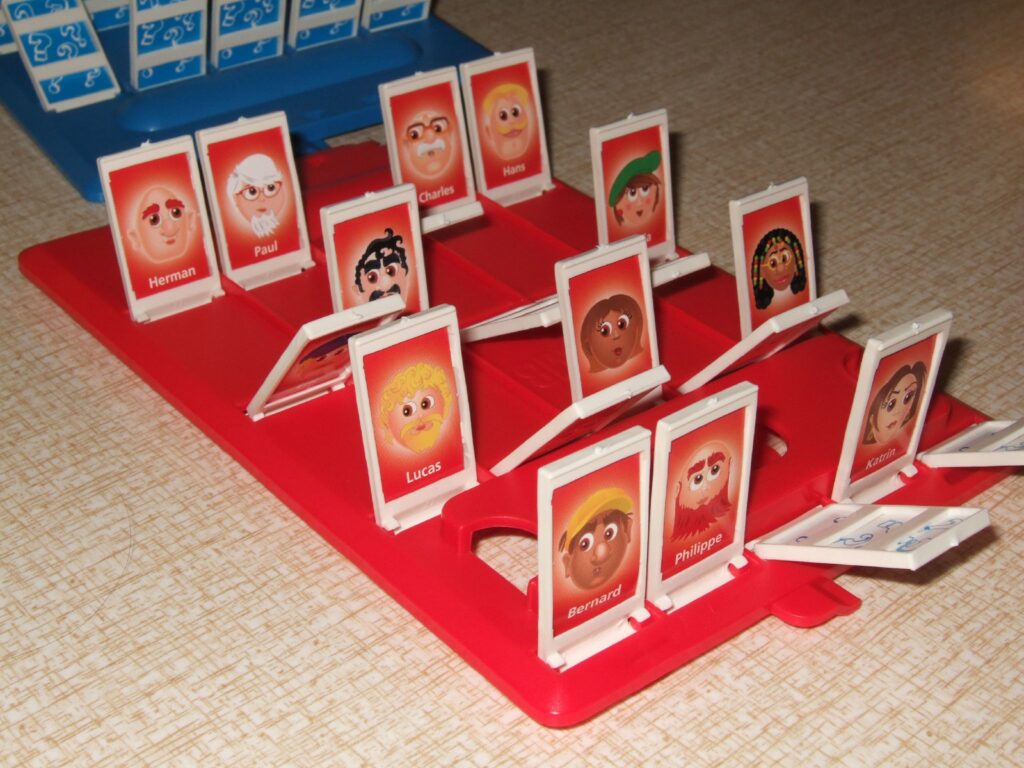
Guess Who? is a two-player guessing game where players try to figure out the identity of the opponent’s character by asking yes or no questions. The game’s simplicity is part of its charm, making it perfect for family play with younger children. The key to success is asking the right questions to eliminate possibilities, which keeps the game engaging and fun. Guess Who? is a fast-paced game that provides plenty of laughs without taking too long.
The game is easy to learn and quick to play, ensuring it doesn’t overstay its welcome. The colorful character cards and simple mechanics make it accessible to even younger children, but the strategy behind the questioning adds a layer of complexity. As players narrow down the list of possible characters, the game builds suspense and excitement. With no two games being exactly the same, Guess Who? keeps families coming back for more.
The Game of Life
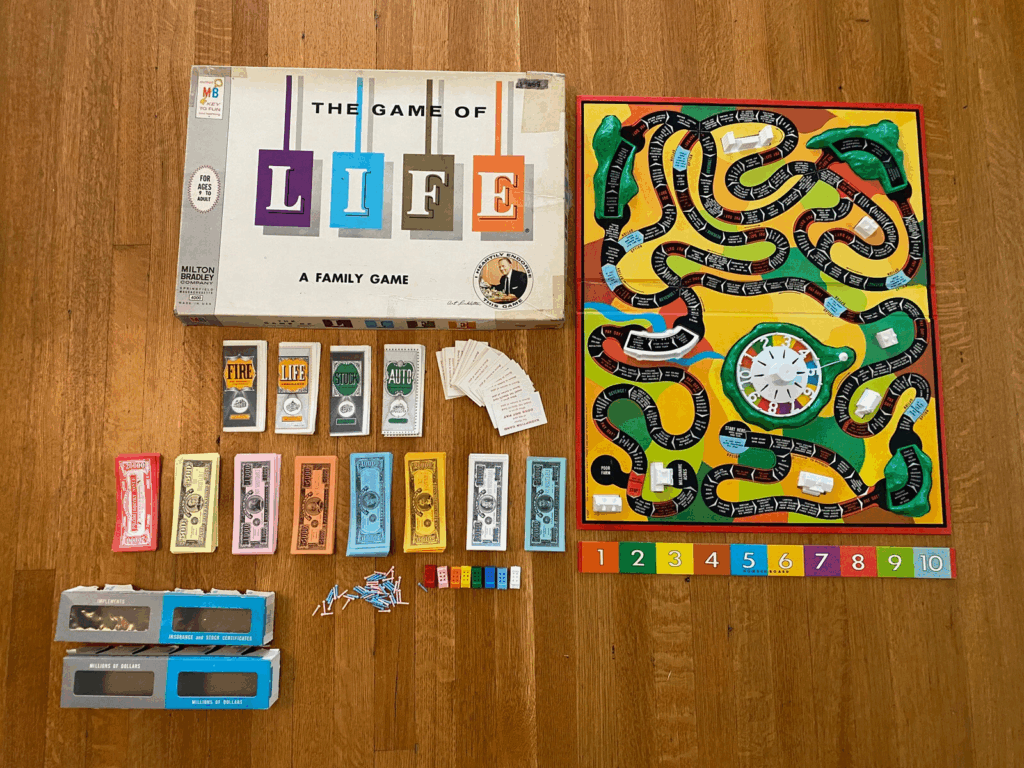
The Game of Life offers a whimsical take on life’s journey, where players navigate through careers, family, and finances. The goal is to accumulate the most wealth by the end of the game, but there are plenty of surprises along the way. It’s a game that mirrors real-life decisions in a lighthearted way, making it fun for all ages. The Game of Life is easy to understand and provides opportunities for families to discuss choices and consequences.
The game features bright, colorful pieces and a spinner to move around the board, adding to the excitement. As players make decisions about education, jobs, and family, they experience the highs and lows of life, which keeps the game interesting. The simple gameplay allows for quick rounds, meaning families can play multiple games in one sitting. Its relatable themes and family-friendly nature make it a classic choice for repeated play.
Pictionary
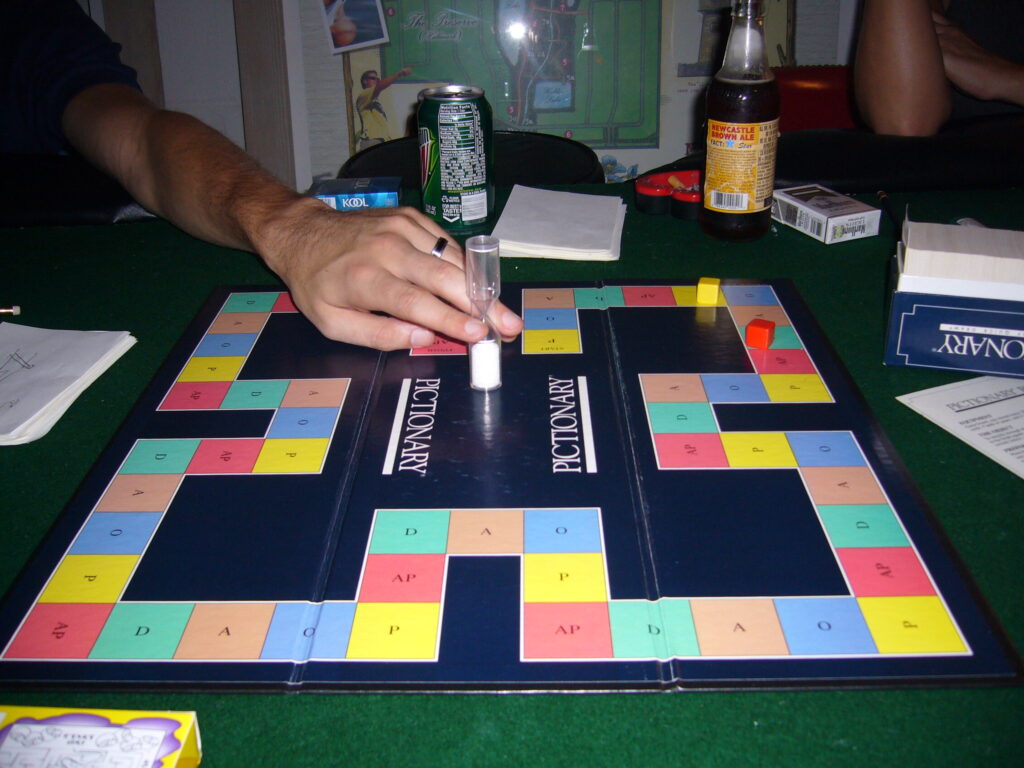
Pictionary is a drawing and guessing game where players attempt to illustrate a word or phrase for their teammates to guess. It’s a fun and creative game that relies on both artistic ability and quick thinking. Players take turns drawing while their teammates try to figure out the image before time runs out. Pictionary is great for families because it gets everyone laughing, and the rules are easy to follow.
The game comes with a set of categories, such as objects, places, and actions, ensuring a variety of words to draw. The fun comes not just from the drawings themselves but from the wild guesses that happen along the way. The game’s simplicity ensures it’s easy to set up and start playing right away, and the fast-paced nature keeps everyone engaged. Whether you’re a skilled artist or not, Pictionary offers endless entertainment with every round.
Jenga
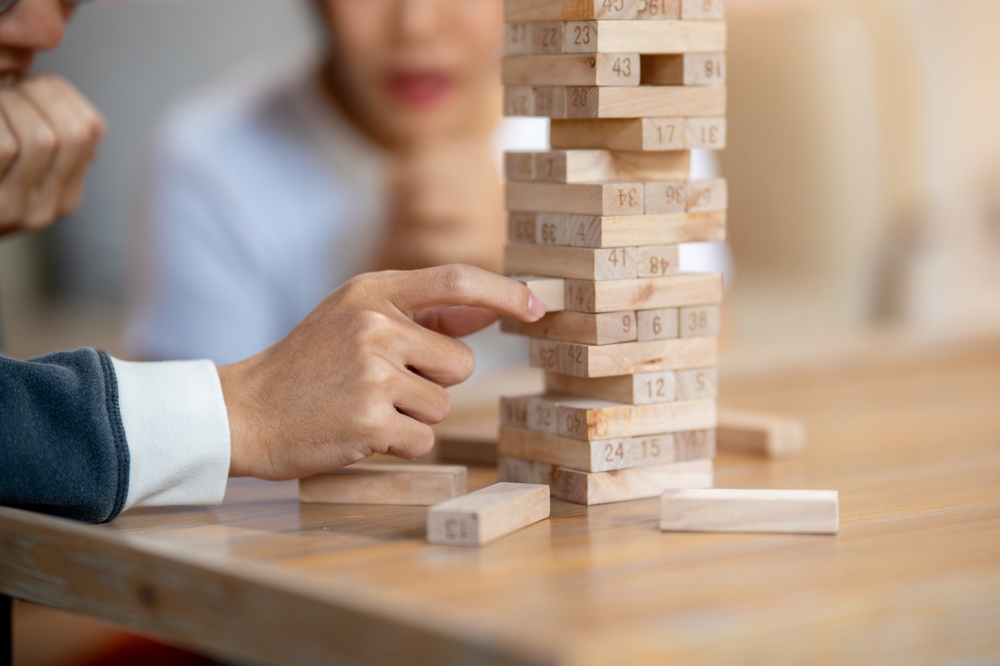
Jenga is a game of physical skill and steady hands where players take turns removing wooden blocks from a tower and placing them on top. The goal is to avoid toppling the tower, making it a thrilling game of tension and balance. It’s a fun and simple game that doesn’t require a lot of setup, and its quick rounds keep everyone on their toes. Jenga is great for families because it requires focus and concentration but can be played casually.
The game is easy to understand but difficult to master, which makes it perfect for all ages. As the tower grows taller and more unstable, the pressure mounts, creating excitement for both players and spectators. Jenga is often played in a relaxed atmosphere, but the challenge of keeping the tower upright can lead to intense moments. Its ability to create suspense and provide laughs makes it a great game for family gatherings.
Clue
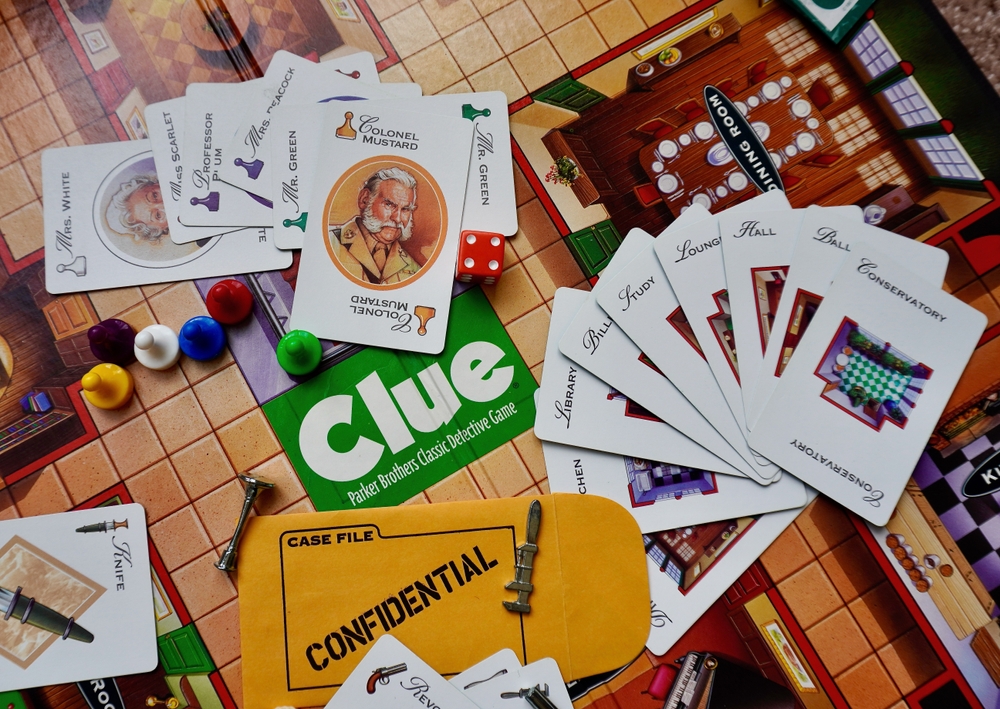
Clue is a classic mystery game where players must figure out who committed a crime, with what weapon, and in which room. The goal is to collect clues and eliminate possibilities to solve the mystery before the other players. Clue is a great game for families because it combines deduction with strategy, keeping everyone engaged as they gather information. It’s an exciting way to test your logic and reasoning skills in a fun, competitive setting.
The game features a variety of characters, weapons, and rooms, ensuring that no two games are alike. As players move around the board, they gather information through clever questioning, making each round different. The suspense builds as players narrow down their suspects, leading to the dramatic reveal. Clue’s combination of mystery, strategy, and intrigue makes it a timeless favorite for repeated play.
Boggle
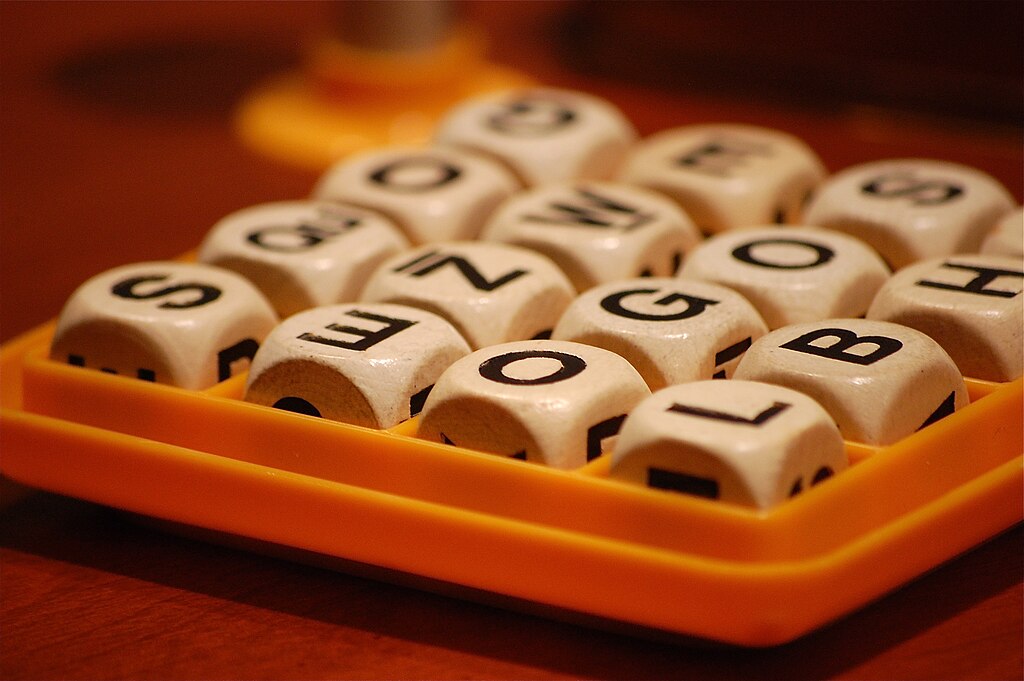
Boggle is a word search game where players shake a grid of lettered dice and try to find as many words as possible within a time limit. It’s a fast-paced game that challenges players’ vocabulary and quick thinking. The simplicity of the game makes it easy to pick up, and the varying grid layouts ensure each game is different. Boggle is perfect for families who enjoy wordplay and friendly competition.
The game encourages players to think quickly and look for every possible word combination in the grid. It’s a great game for both children and adults, as it strengthens spelling and word recognition skills. With a time limit on each round, Boggle creates an exciting atmosphere that encourages rapid thinking. The easy setup and quick rounds make it an ideal choice for family game nights.
Monopoly

Monopoly is a real estate-themed game where players buy, sell, and trade properties in an attempt to bankrupt their opponents. It’s a game that tests players’ negotiation skills, financial strategies, and luck. Monopoly is perfect for families because it has a built-in element of strategy, and players can adjust the pace depending on how competitive they want to be. It’s a game that has been beloved by generations, with new versions offering different themes and twists.
The game is known for its long rounds, but players can adjust the rules to make the game quicker if they’re short on time. As players buy up properties and develop them, the tension builds, and strategic decisions become increasingly important. Monopoly’s role as a classic game makes it a perfect addition to family game nights. Whether it’s the thrill of acquiring properties or the challenge of bankrupting your opponents, Monopoly delivers endless entertainment.
Scattergories
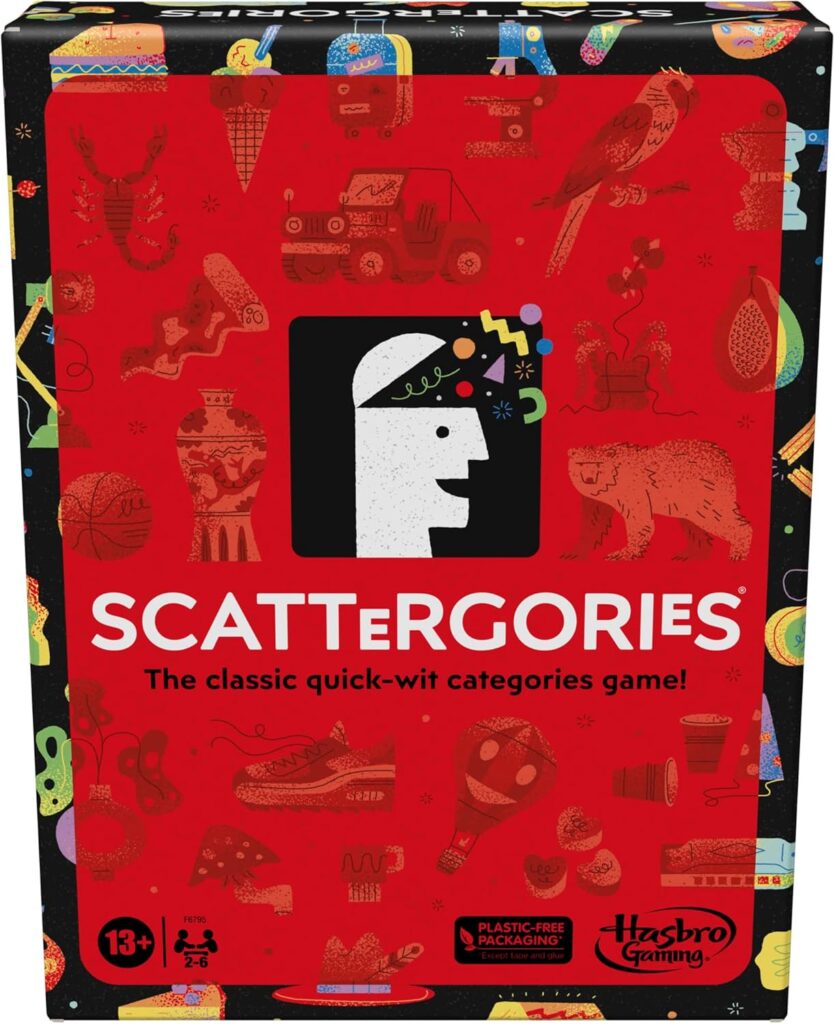
Scattergories is a creative word game where players must come up with items that fit a category and start with a specific letter. The game encourages quick thinking and a lot of creativity, making it great for families looking for something a bit different. It’s a fast-paced game where everyone is trying to think of unique answers before time runs out. The competitive element comes from trying to beat your opponents to the punch and claim the best answers.
Scattergories has a variety of categories, from food items to movie titles, ensuring there’s always a category for everyone to excel in. The pressure of thinking quickly and finding the most unique answers creates a fun, engaging environment. The game is easy to set up and can be played in short bursts, making it ideal for families with different attention spans. It’s perfect for breaking the ice and having fun together.
Chess

Chess is a two-player strategy game that has been enjoyed for centuries. The goal is to checkmate your opponent’s king, and each piece moves in its own unique way, requiring careful planning and foresight. Chess offers a great opportunity to engage the brain, making it perfect for families who enjoy a slower-paced, thoughtful game. While it may seem complex at first, chess can be enjoyed by players of all skill levels once they understand the basic rules.
The depth of strategy in chess makes it a game that can be played over and over without getting old. As players gain more experience, they learn new techniques and strategies, keeping the game fresh. The game can be played casually or competitively, depending on the players’ preferences. Chess is a classic game that challenges both young and old alike, and it remains a popular choice for repeated play in family settings.
This article originally appeared on Avocadu.