
16 Everyday Foods That Help You Eat More Fiber Without Trying Too Hard
Eating more fiber does not have to be difficult or complicated. In fact, there are plenty of everyday foods that can easily help you boost your fiber intake without having to make major changes to your routine. Many of these foods are simple to add to your meals, whether you are having breakfast, lunch, or dinner. By choosing the right options, you can naturally increase your fiber without feeling like it is a big task. Whether you prefer snacks, salads, or hearty meals, there are easy ways to include more fiber every day. These foods are not just good for your digestive health, but they also help you feel fuller and more satisfied.
This post may contain affiliate links, which helps keep this content free. Please read our disclosure for more info.
Oatmeal
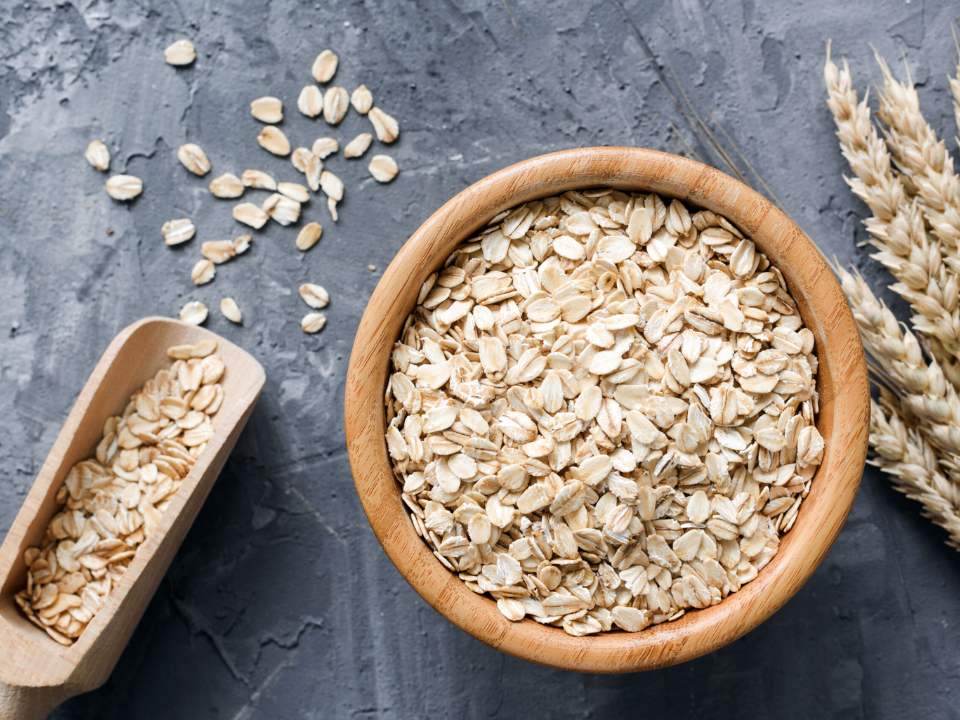
Oatmeal is one of the easiest foods to keep around when you want more fiber in your day. A warm bowl in the morning can do a lot without asking much from you. It has soluble fiber, which can help you feel full for a longer stretch of time. That makes it a nice pick for breakfast on busy weekdays when you want something filling and easy to make.
You can keep it plain, stir in fruit, or add a spoonful of nuts for extra texture. It also works well in overnight oats, so you can make it ahead and grab it from the fridge the next morning. Since oats are mild in flavor, they fit into a lot of eating habits without feeling repetitive. That is a big reason oatmeal is such a reliable everyday food.
Black Beans
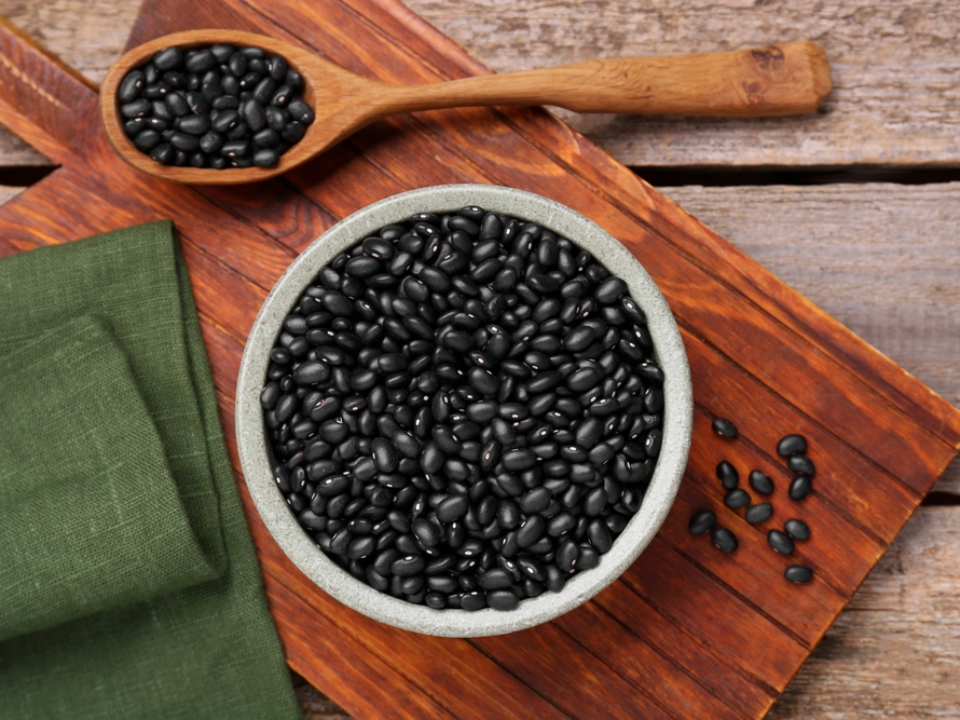
Black beans are a pantry staple that can quietly add more fiber to lunch or dinner. They work in rice bowls, soups, tacos, wraps, and even simple side dishes. A small scoop can go a long way when you want a meal to feel more satisfying. They also bring plant protein, which makes them even more useful in everyday cooking.
Canned black beans are especially handy since you can rinse them and use them right away. Their soft texture makes them easy to mix into foods you already eat on a regular basis. You do not need a special recipe to make them useful since they slip into so many meals with very little effort. That makes black beans a great food for eating more fiber in a natural way.
Apples With The Skin On
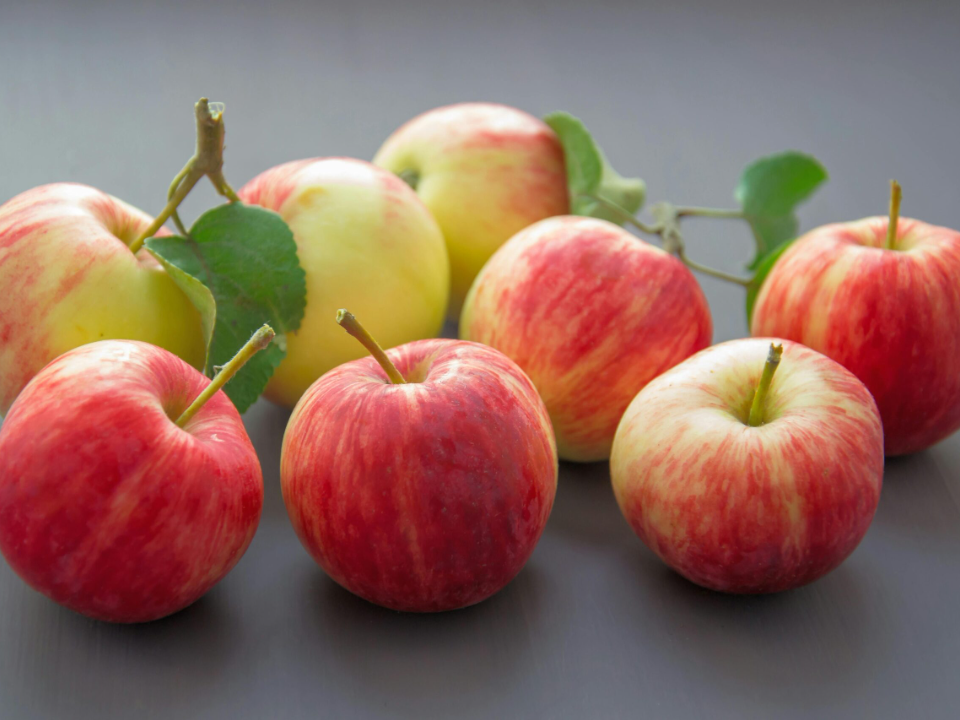
Apples are easy to carry, easy to slice, and easy to work into daily meals. When you eat them with the skin on, you get more fiber than you would from peeled slices. That makes a regular apple a lot more helpful than it may seem at first. It is the kind of snack you can toss into a bag and eat at work, at school, or while running errands.
Apples also pair well with peanut butter, yogurt, cheese, or oatmeal, so they do not feel boring. Their crisp texture can make snacking feel a little more satisfying than softer foods. Since apples are sold almost everywhere and last well in the fridge, they are a very practical pick. Small habits like reaching for an apple can add up over time.
Pears
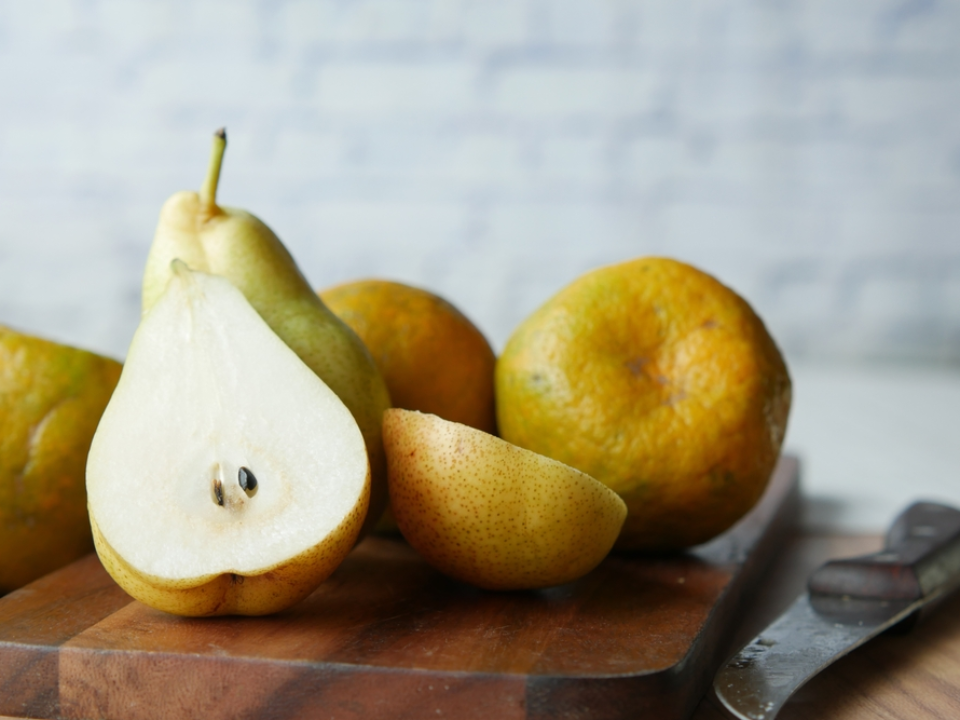
Pears are another fruit that can help you eat more fiber without making meals feel complicated. They are soft, juicy, and easy to enjoy on their own as a snack. Like apples, they give you more fiber when you keep the skin on. Pears also have a gentle sweetness that works well for breakfast, packed lunches, or an afternoon snack.
You can slice them into oatmeal, add them to salads, or eat one plain and call it done. Their texture makes them feel filling, which can be helpful between meals. Since they do not need much prep, they fit easily into everyday routines. Pears are a quiet but useful food for people who want more fiber in a low effort way.
Whole Wheat Bread
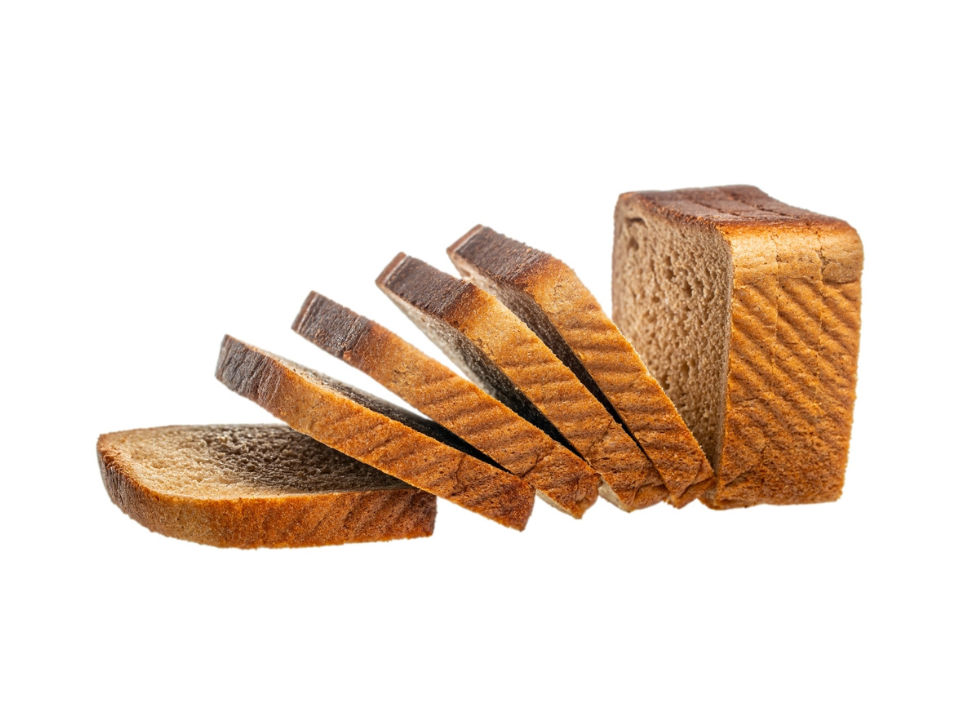
Whole wheat bread can make a difference without changing the kind of meals you already like. If toast, sandwiches, or breakfast bread are already part of your week, switching to whole wheat is an easy move. It usually has more fiber than white bread, so the change can be meaningful over time. That means your usual sandwich can become a little more filling with almost no extra work.
Whole wheat bread also pairs well with eggs, tuna, peanut butter, deli meat, or avocado. It is familiar, easy to store, and simple to use across breakfast, lunch, and quick dinners. Since it is already part of daily eating for a lot of people, it does not feel like a major change. That is exactly what makes it helpful.
Popcorn

Popcorn may surprise people, but it can be a good fiber friendly snack when it is kept fairly plain. Air popped popcorn or lightly seasoned popcorn gives you crunch and volume without needing much effort. It feels fun to eat, which can make it easier to choose over snacks that leave you hungry again too soon. A bowl of popcorn can work during movie night, afternoon breaks, or late evening snacking.
It is also easy to portion, so you can make just enough for the moment. Since popcorn starts as a whole grain, it brings a bit more to the table than people often expect. You do need to watch heavy butter style toppings if you want to keep it on the lighter side. Still, popcorn is one of those everyday foods that can quietly help with fiber intake.
Sweet Potatoes
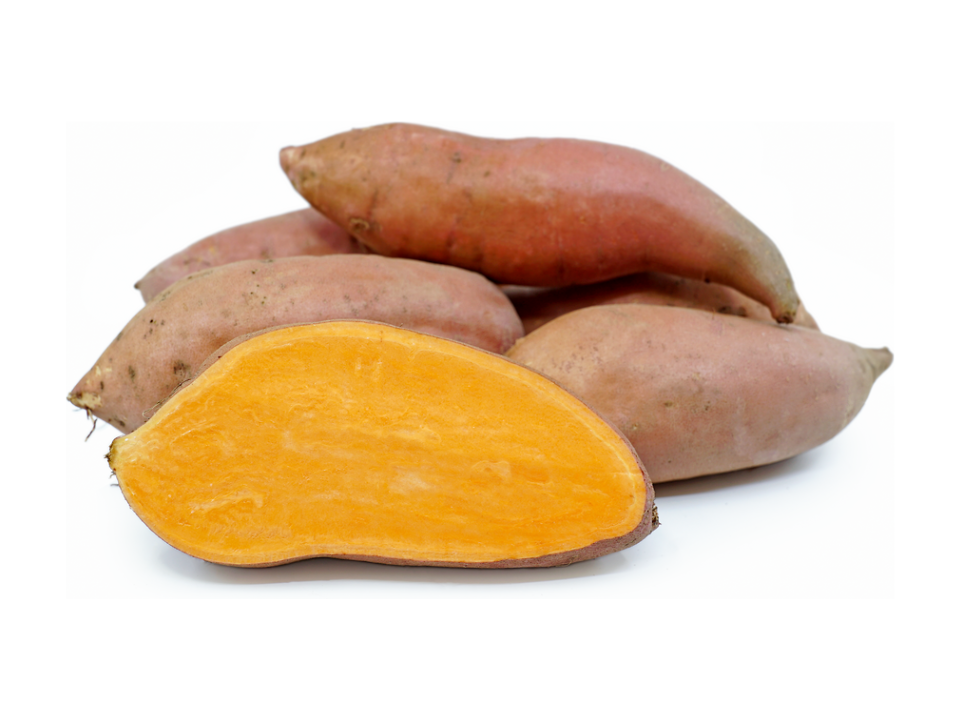
Sweet potatoes are filling, easy to cook, and useful in more than one kind of meal. They can be baked, roasted, mashed, or cut into wedges for a simple side dish. Because they contain fiber, they help make meals feel a little more complete. They also have a natural sweetness that works well with savory seasonings, which gives you plenty of room to change things up.
A baked sweet potato with a bit of butter or yogurt can even stand on its own as a light meal. You can add them to grain bowls, pair them with eggs, or serve them next to chicken or beans. Since they keep well and do not ask for complicated prep, they are easy to work into a normal week. That kind of convenience makes them a strong everyday option.
Avocados
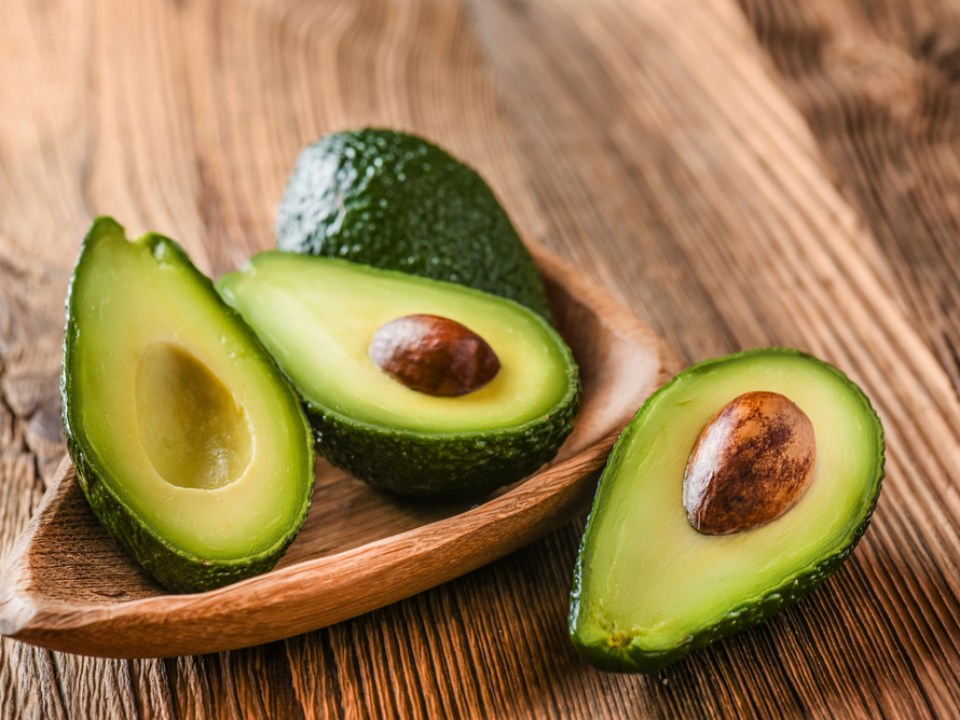
Avocados are popular for good reason, and fiber is part of that reason. They are creamy, filling, and easy to spread, slice, or mash into meals. You can put avocado on toast, add it to salads, tuck it into sandwiches, or serve it next to eggs. That means it fits into meals you may already be making several times a week.
Its rich texture can help a meal feel more satisfying, which is useful when you are trying to eat in a more balanced way. Avocados also work well with simple seasonings like salt, pepper, and lemon juice. Since they do not need much cooking, they are easy to use even on busy days. That makes avocado a very practical food for getting more fiber without much thought.
Raspberries
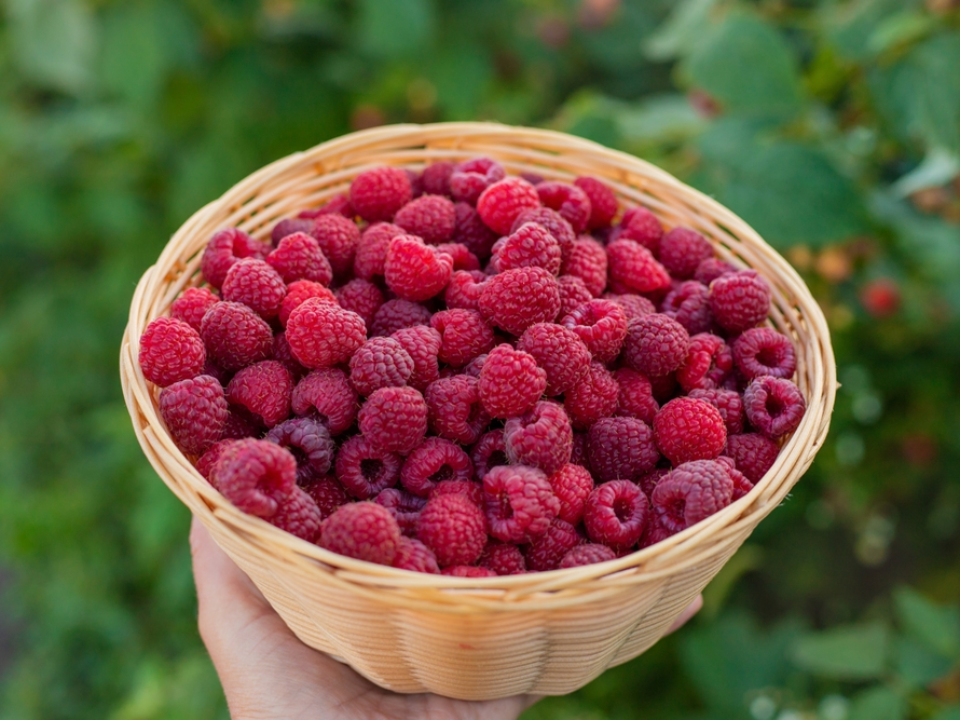
Raspberries are one of the easiest berries to keep in mind when fiber is the goal. They are sweet, tart, and full of tiny seeds that add to their texture and fiber content. A handful on top of yogurt or oatmeal can make breakfast feel fresher and more filling. They also work well in smoothies, though eating them whole gives you that full texture.
Since raspberries are easy to snack on straight from the container, they do not ask for much prep. Even a small serving can bring a useful amount of fiber to your day. Their bright flavor can also break up the routine if you are tired of the same fruit every week. That makes raspberries a very easy food to keep in regular rotation.
Lentils
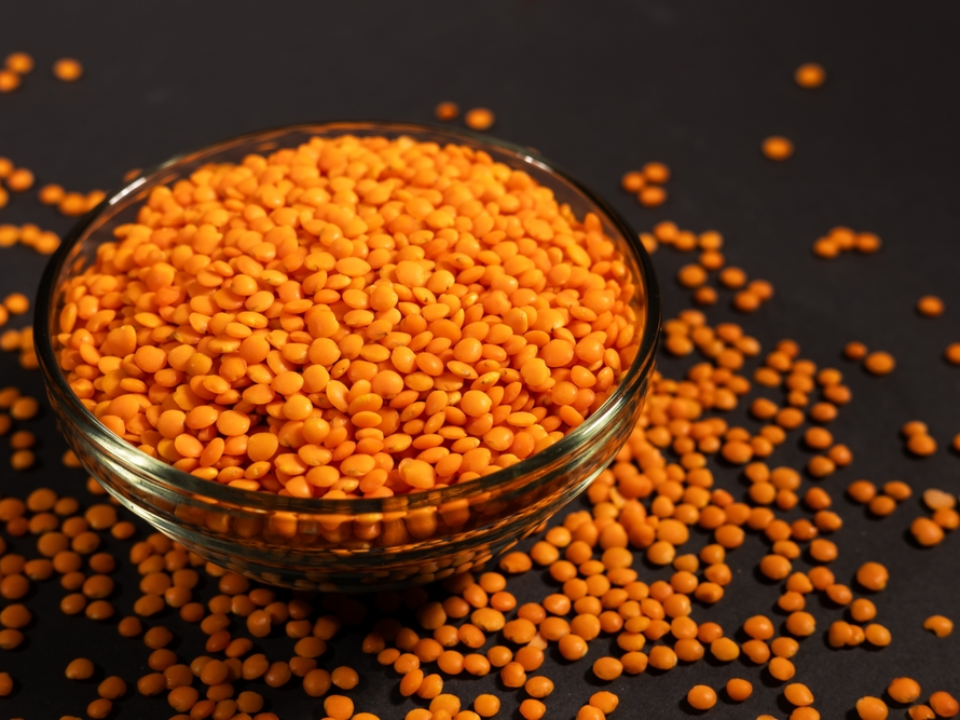
Lentils are one of the best foods to keep on hand when you want more fiber without changing your meals too much. They cook faster than a lot of other dried legumes, which makes them a nice choice for weeknight dinners. You can add them to soup, mix them into rice, or use them in a warm bowl with vegetables. Their soft texture makes them pleasant to eat, especially in comfort food style meals.
Lentils also help a meal feel filling, so you are less likely to feel hungry again right away. Brown, green, and red lentils each work a little differently, which keeps things from feeling too repetitive. Even a small serving can do a good job of adding fiber to your plate. That is why lentils are such a useful everyday food.
Chickpeas
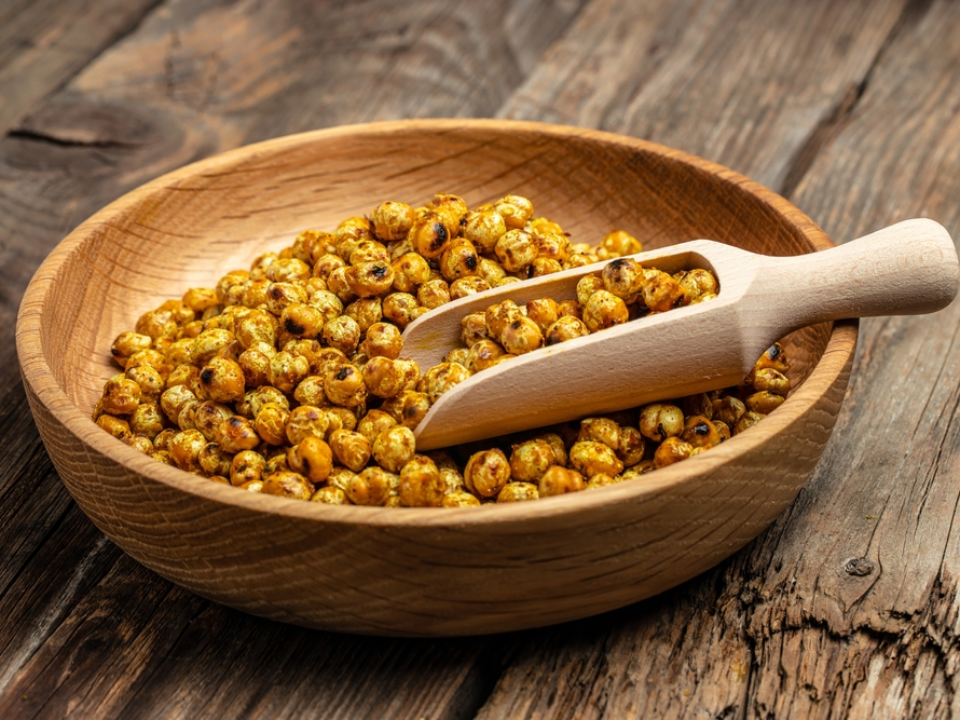
Chickpeas fit into all kinds of meals and snacks, which makes them very easy to work into a normal week. You can toss them into salads, stir them into pasta, blend them into hummus, or roast them for a crunchy snack. Their mild taste helps them pair well with lots of seasonings and other ingredients. They also have a firm bite that makes meals feel a little more satisfying.
Canned chickpeas are especially helpful since they are ready after a quick rinse. That means you do not need to plan far ahead to use them. A spoonful added to lunch or dinner can help you get more fiber without much thought. Chickpeas are one of those foods that quietly do a lot.
Broccoli
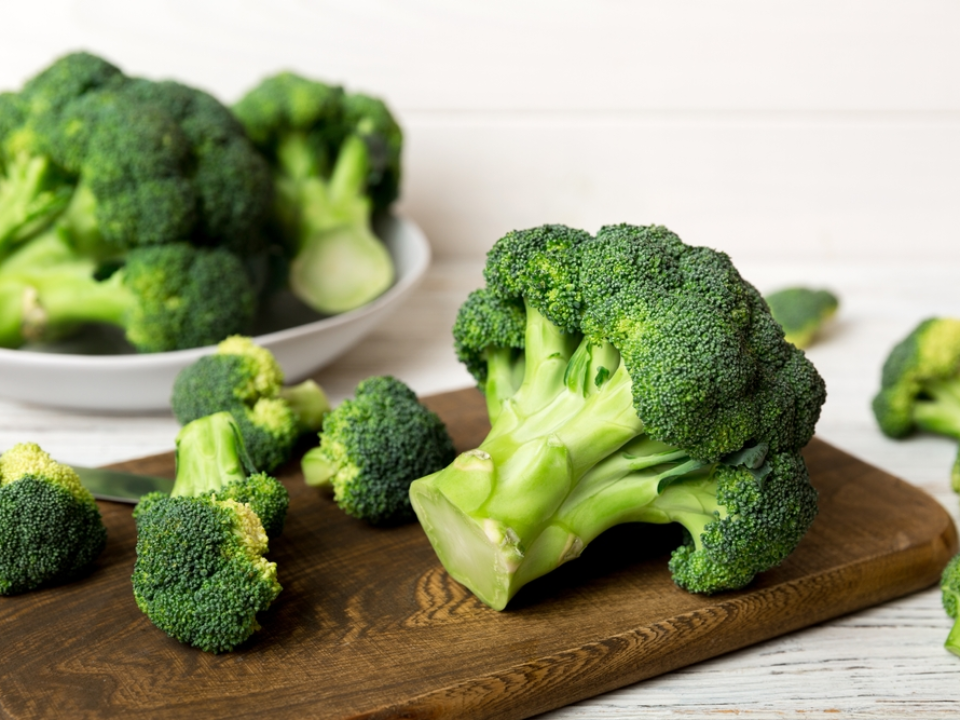
Broccoli is a vegetable that can pull more weight than people sometimes expect. It brings fiber to the table while fitting into meals that are already common in a lot of homes. You can steam it, roast it, stir fry it, or toss it into pasta and grain bowls. It works as a side dish, though it can also blend into bigger meals without much fuss.
The texture stays pleasant when it is cooked just enough, and that makes it easier to keep in regular rotation. Broccoli also pairs well with simple flavors like garlic, lemon, cheese, or olive oil. Since fresh and frozen versions are both easy to find, it is practical for busy shopping routines. That makes broccoli a very solid food for getting more fiber in an ordinary way.
Brown Rice
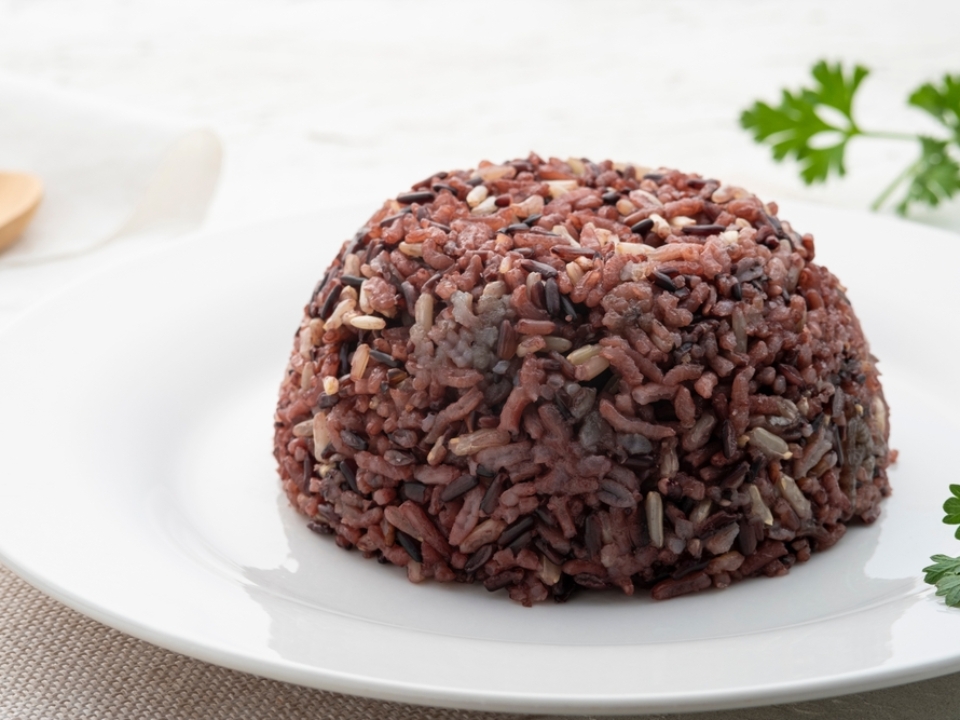
Brown rice is an easy swap that can help you bring more fiber into meals you already make. If rice bowls, stir fry, or simple dinner plates are already part of your week, this change does not feel very big. Brown rice has a little more chew than white rice, which can make a meal feel more filling. It works well with beans, chicken, vegetables, or any saucy dish that needs a base.
Once you get used to the taste and texture, it becomes a natural part of dinner. It also stores well in the fridge, so leftovers can be packed for lunch the next day. Cooking a larger batch at once can make meals easier for the next few days. That is what makes brown rice such a practical choice.
Whole Wheat Pasta
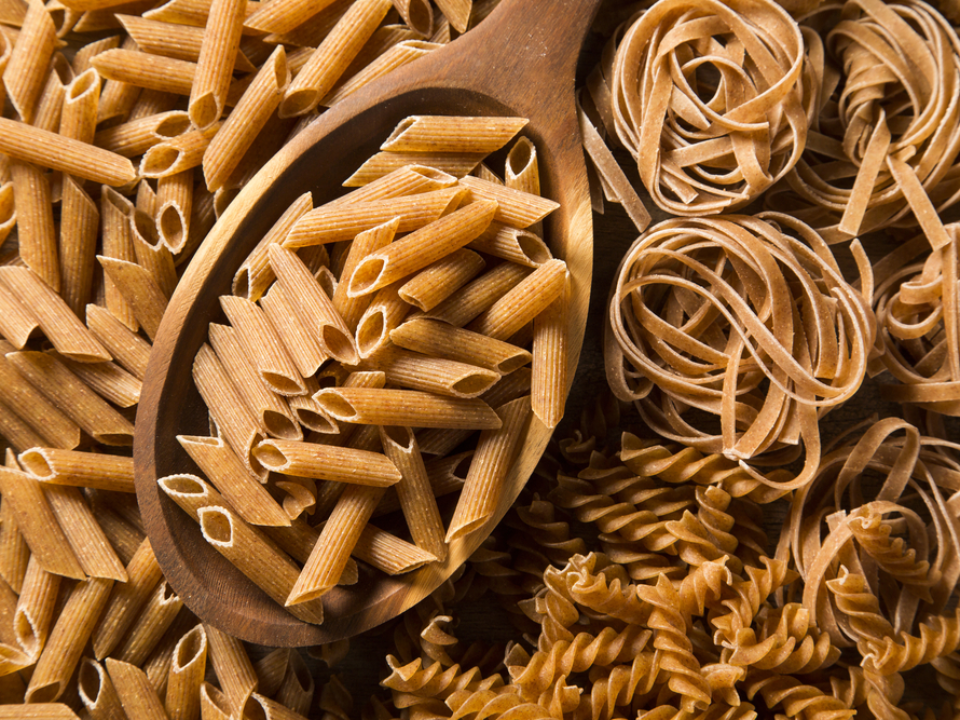
Whole wheat pasta is another food that helps with fiber while keeping dinner familiar. Pasta nights do not have to disappear just because you want to eat a little better. This version gives you a bit more fiber than regular pasta, and it still works with the same sauces and mix ins. You can serve it with tomato sauce, vegetables, ground meat, or olive oil and garlic.
The flavor is slightly nuttier, though it still feels close to the pasta people already know well. It is also easy to keep in the pantry, which makes it good for busy weeks. Since pasta is already a comfort food for a lot of households, the switch feels low stress. That is a big part of why whole wheat pasta can be so useful.
Almonds
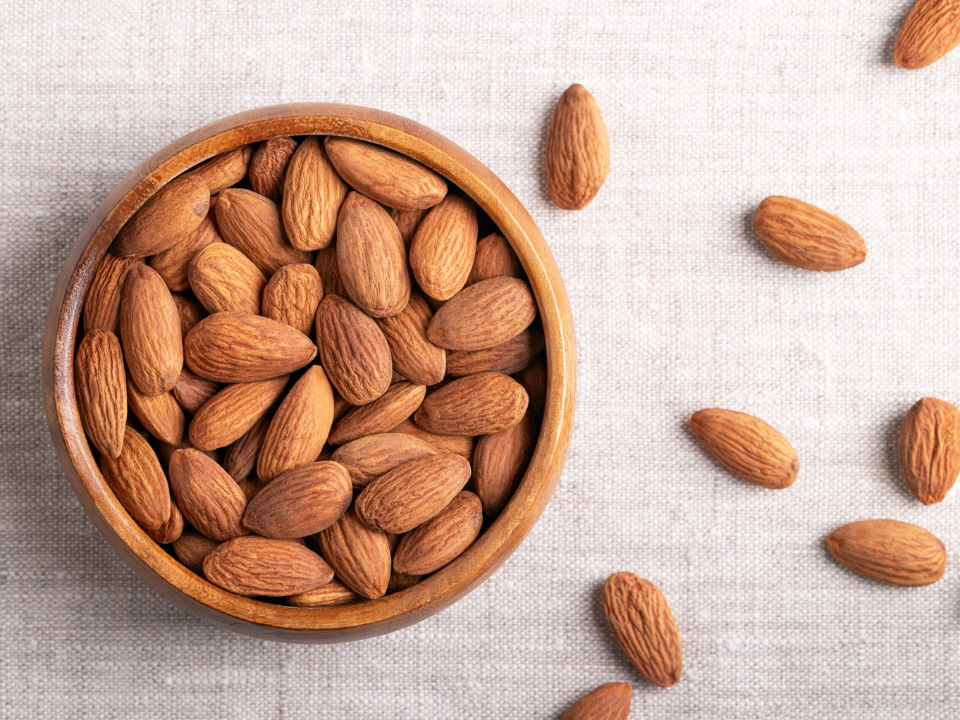
Almonds are a handy snack that can help with fiber while also making you feel satisfied between meals. A small handful is easy to pack for work, school, or errands. You can eat them plain, mix them into trail mix, or sprinkle chopped almonds over yogurt and oatmeal. Their crunch makes snacks feel a little more interesting, which can help break up routine.
Almonds also pair nicely with fruit, especially apples and pears. Since they do not need prep, they are easy to keep in your bag or pantry for later. It is helpful to watch portions since nuts are rich and filling, though a little goes a long way. Almonds are a very useful everyday choice when you want more fiber without making a big production out of it.
Edamame
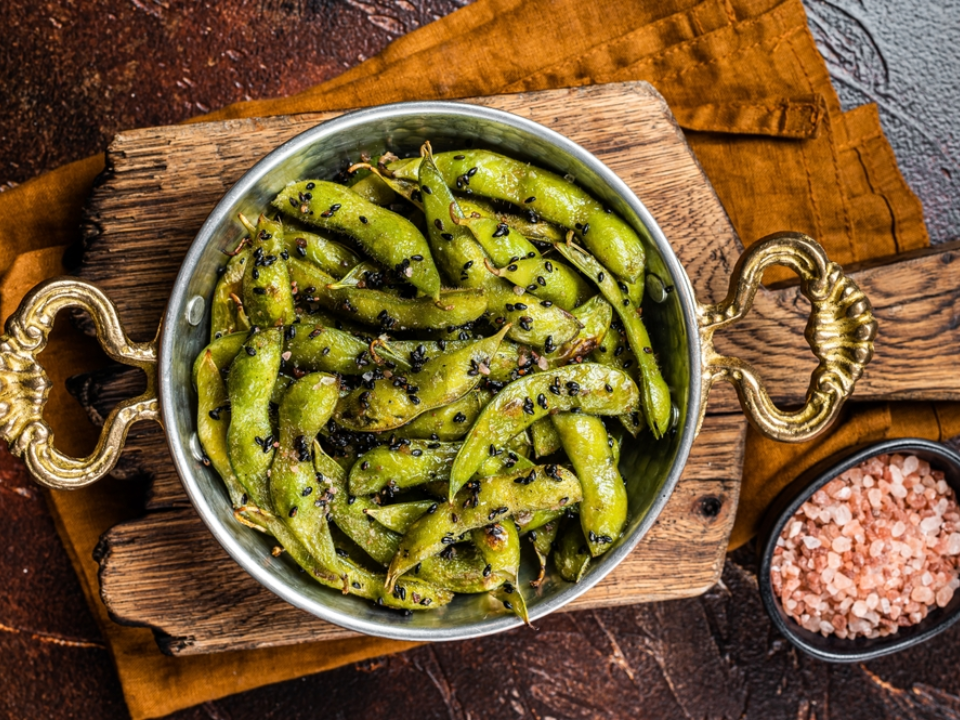
Edamame is one of those foods that deserves a little more attention in everyday eating. These young soybeans have fiber and a satisfying bite, which makes them nice for light meals and snacks. You can buy them frozen and heat them up in just a few minutes. Shelled edamame can go into rice bowls, noodle dishes, salads, or simple vegetable mixes.
They also taste good with nothing more than a little salt. Because they are easy to portion, they fit well into quick lunches or afternoon snacks. Their bright color and fresh taste can make a meal feel less heavy while still being filling. That makes edamame a very useful pick for more fiber.
This article originally appeared on Avocadu.