
10 Escape Room Games with Final Reveals That Change the Whole Puzzle
Escape room games are all about unraveling mysteries and solving complex puzzles, but some take it a step further by throwing in a final reveal that completely shifts the entire experience. What starts off as a simple task of unlocking clues can quickly turn into an unexpected twist that makes players rethink everything they’ve just uncovered. These games challenge you to look at each puzzle with fresh eyes, as the ending often uncovers a whole new layer of meaning. The joy of these escape rooms lies not just in solving the puzzles, but in the thrill of those game-changing moments. As the final secrets are revealed, players are left in awe, realizing that the journey they thought they understood has been entirely transformed.
This post may contain affiliate links, which helps keep this content free. Please read our disclosure for more info.
The Escape Room: Mystery at the Mansion
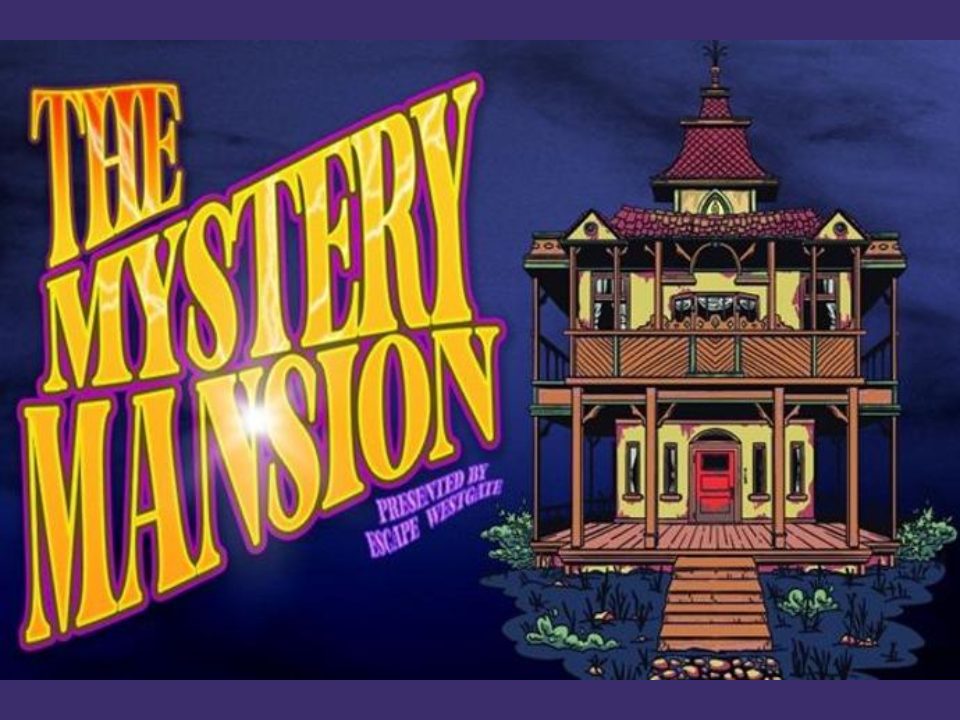
The Escape Room: Mystery at the Mansion offers a thrilling experience that keeps players on their toes. At first, the puzzle seems like a simple case of solving riddles and unlocking clues. However, as the game progresses, the final reveal turns the entire narrative upside down. Players learn that the mansion itself is a character with its own dark secrets, and solving the puzzle requires using clues in ways they had not previously considered.
The finale leaves participants questioning everything they thought they knew about the game. The final twist is not just a surprise but also adds new layers of complexity to the clues already discovered. It forces players to reframe their understanding of earlier puzzles, making this one of the most mind-bending escape rooms available.
The Enigma Chamber
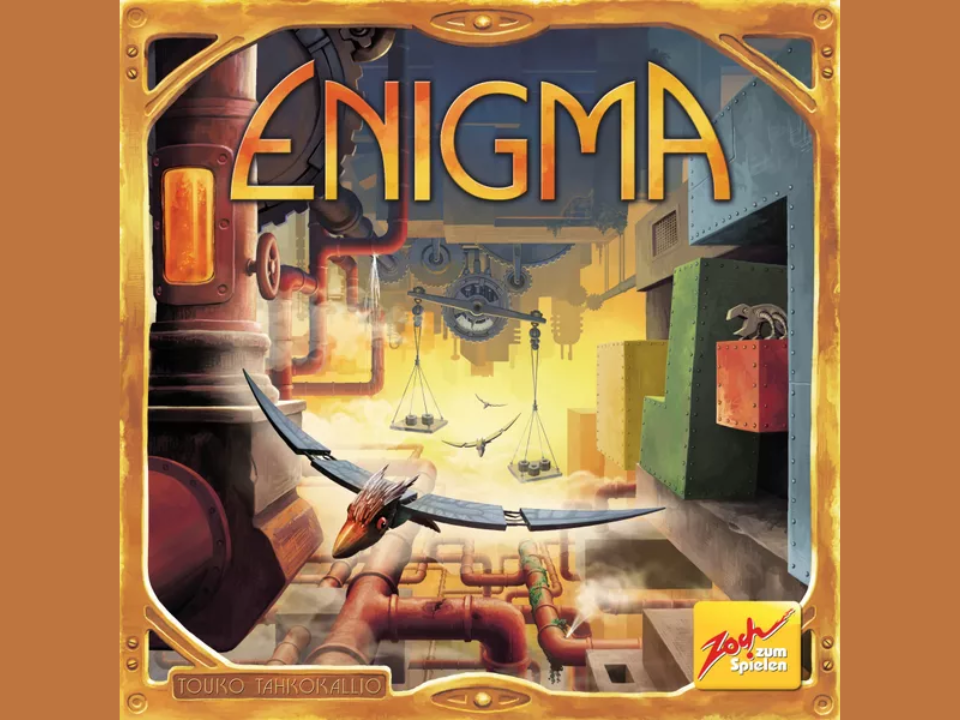
In The Enigma Chamber, the initial challenge involves a series of straightforward riddles that require logic and teamwork. As the game moves forward, players begin to unlock hidden compartments and find cryptic messages. What initially seems like a traditional escape room slowly unravels into something much more intricate. The final reveal comes when the players discover that the enigma they’ve been solving is not a mystery, but a metaphor for a real-life event from the past.
This new context forces players to rethink all the previous steps, shifting their focus from solving puzzles to uncovering a story. The game challenges players to use their knowledge of history to interpret clues in a way that feels both thrilling and educational. It’s a mind-bending conclusion that adds emotional depth to the experience.
The Labyrinth of Time

The Labyrinth of Time offers players a time-bending journey through different historical eras. At first glance, players think they are navigating through a series of different time periods with distinct puzzles linked to each. As they make progress, they uncover an ancient artifact that hints at the truth behind the labyrinth’s existence. The final twist reveals that the labyrinth was never just a series of rooms, it was a time machine.
Everything they thought they knew about the puzzles is flipped on its head as they realize the clues were scattered throughout history. Players are forced to think about time in a nonlinear way, connecting pieces from different time periods to solve the overarching puzzle. The twist transforms the experience from a traditional escape room into a multidimensional journey through history.
The Secret Society

The Secret Society is an escape room that immerses players in the world of clandestine organizations and shadowy figures. Initially, players think they are solving a series of puzzles linked to a secret mission, with each puzzle revealing a little more about the society’s hidden agenda. As the game progresses, however, players begin to realize that the society is not just a fictional creation.
The final reveal is that players themselves have been inducted into the secret society. What seemed like a simple escape room challenge turns into a recruitment test, and the players’ ability to solve the puzzles determines their place in the organization. This revelation forces participants to reexamine every clue they’ve solved, as they realize the puzzles were part of a larger, life-changing initiation. The twist adds a sense of importance and personal connection to the game’s conclusion.
The Prison Break
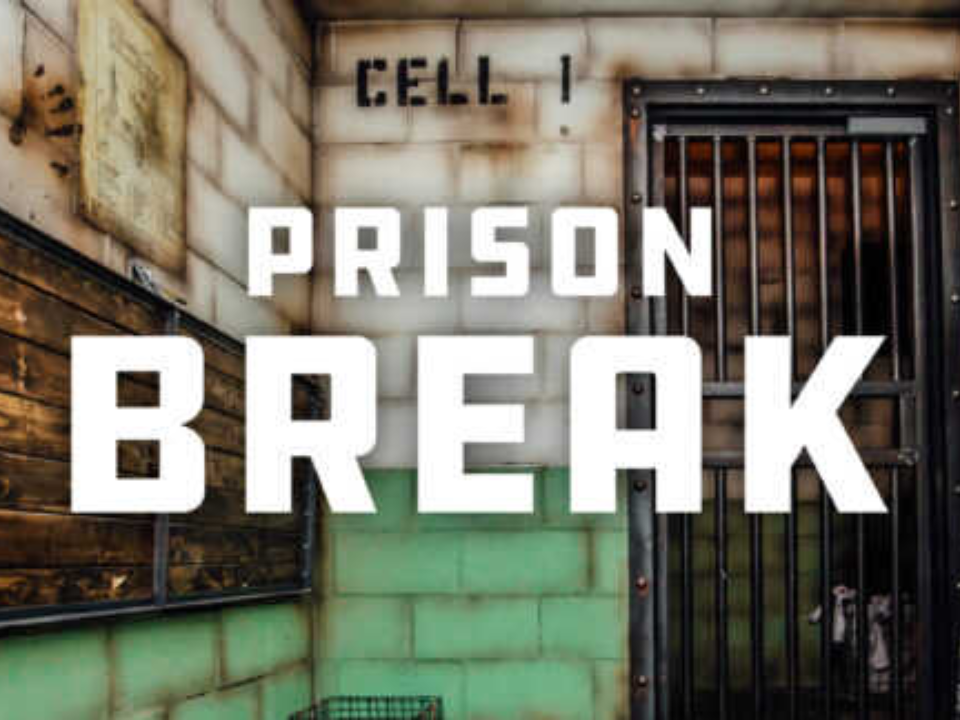
In The Prison Break, players find themselves in a high-security prison, tasked with escaping before the guards return. The puzzles are centered around hacking into security systems and finding ways to bypass the prison’s complex infrastructure. However, as players solve each challenge, they uncover hints that the prison is not what it seems. The final reveal is that the prison is actually a simulation, and the players are the subjects of an experiment.
The clues they’ve been solving were part of a test to see how they would react to confinement and pressure. This revelation forces players to reassess everything they thought they knew about the game. The twist adds a psychological element to the escape room, leaving players questioning the nature of freedom and control.
The Silent Witness
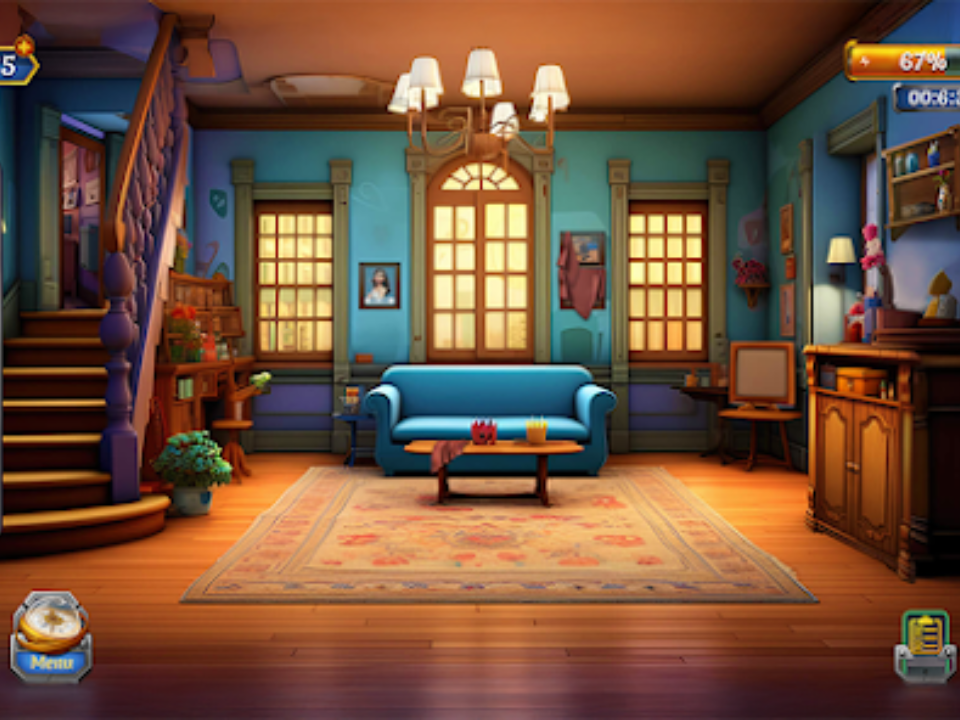
In The Silent Witness, players are locked in a room where they must unravel a crime by interpreting physical evidence. Initially, they solve a series of puzzles that seem to point towards a single suspect. The game’s narrative feels straightforward as they gather clues about the crime scene. However, the final reveal introduces an unexpected twist: the real culprit is someone who has been hiding in plain sight the entire time, and the evidence they’ve been following was deliberately planted to mislead them.
This twist not only redefines the direction of the game but also forces players to rethink their assumptions about each piece of evidence. The reveal shifts the game from a simple investigation to a complex narrative about deception and manipulation. It challenges the players to question everything they thought they knew about the case and forces them to make connections they might have overlooked earlier.
The Pharaoh’s Curse
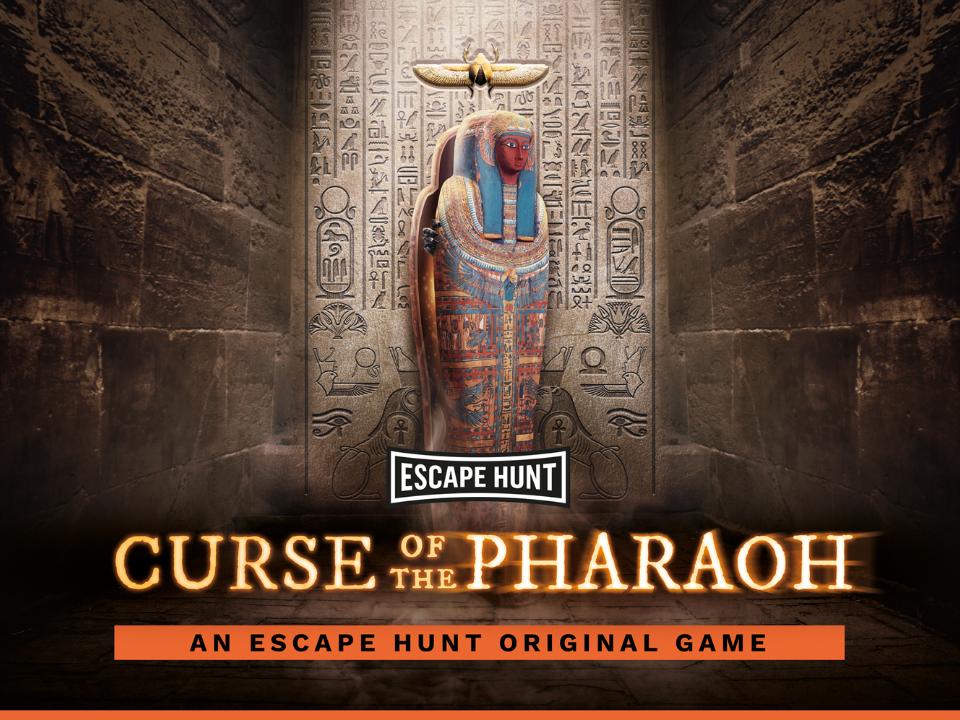
In The Pharaoh’s Curse, players are transported to an ancient Egyptian tomb, where they must decipher hieroglyphs and uncover hidden treasures. At first, the game feels like a typical treasure hunt, with players working through ancient puzzles to unlock the tomb’s riches. However, as they progress, they begin to uncover symbols that seem out of place, hinting at a hidden curse.
The final twist reveals that the tomb is not just a treasure chamber, but a place meant to keep a dangerous force sealed away. The treasures they have been unlocking are actually tools for unleashing the curse. The entire premise of the game changes, forcing players to decide whether to risk releasing the curse or to lock everything back in place. This reveal changes the stakes of the game, transforming it from a traditional escape room to a thrilling narrative of responsibility and consequences.
The Asylum
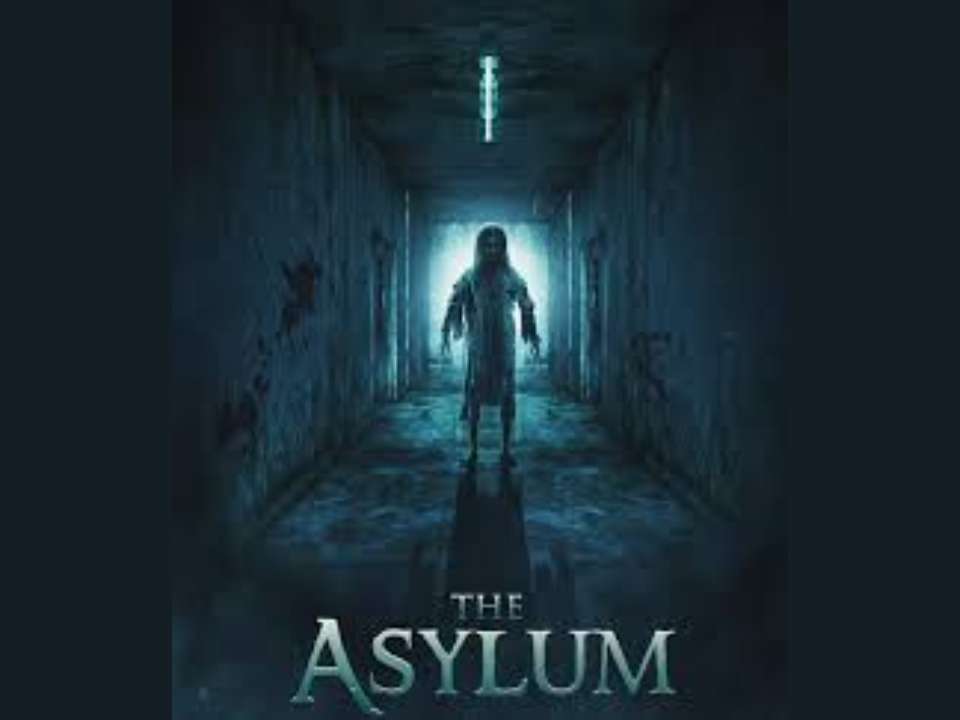
The Asylum places players in an abandoned mental hospital, where they must solve psychological puzzles to escape. The initial puzzles are eerie but not particularly difficult, as they follow the typical format of hiding keys and codes. As the game progresses, however, strange events begin to unfold, and players uncover hidden messages from patients who once inhabited the asylum.
The final reveal comes when it is revealed that the players themselves are the patients, and the asylum is a figment of their own minds. The puzzles they’ve been solving are connected to their own memories and mental states. This twist turns the entire game into an introspective journey, forcing players to challenge their perception of reality. The final moments leave players questioning what is real and what is imagined, making it one of the most thought-provoking escape room experiences.
The Island of Secrets

The Island of Secrets starts as a typical escape room challenge, with players stranded on an island, attempting to solve puzzles to escape. The initial puzzles involve exploring the island’s natural landscape and deciphering messages from previous visitors. However, as players uncover more clues, they realize the island is hiding something far darker than they first assumed. The final reveal is that the island is not just an isolated location, but a secret government experiment site.
The puzzles were designed to test the abilities of those who were trapped there, and the game they have been playing is a recruitment test. The twist forces players to confront the reality that they have been pawns in a larger, more sinister scheme. The game ends with players having to decide whether to escape or embrace the reality of the island’s true purpose.
The Secret Passage

The Secret Passage offers a series of interconnected rooms, each with puzzles that seem to be designed to lead to a hidden treasure. Initially, players believe they are solving a typical treasure hunt, where each puzzle reveals a clue to a bigger prize. However, the final reveal is a complete game-changer: the treasure they’ve been hunting is not gold or jewels, but the discovery of a long-lost civilization.
The clues they have been solving were meant to uncover the civilization’s artifacts and bring their knowledge back to the world. The entire game shifts from a treasure hunt to a historical excavation, forcing players to rethink their assumptions about the puzzles they’ve been solving. This twist adds depth and historical significance to the game, making it not just a fun challenge but a journey through time.
This article originally appeared on Avocadu.