
15 Endangered Trees That Only Grow in One Tiny Corner of the World
Some of the world’s most fascinating trees are found in the most unexpected places, often confined to a single, tiny corner of the earth. These rare species thrive in specific environments, where the right combination of soil, climate, and natural conditions allows them to flourish. Sadly, many of these trees are now at risk, with their habitats shrinking due to human activity, climate change, and invasive species. As these trees are limited to such small areas, their survival depends on protecting the delicate ecosystems they call home. The unique beauty and ecological importance of these trees make them a vital part of our planet’s biodiversity. However, their future is uncertain, and their preservation requires concerted efforts from all sides.
This post may contain affiliate links, which helps keep this content free. Please read our disclosure for more info.
Pahutukawa Tree (Metrosideros excelsa)
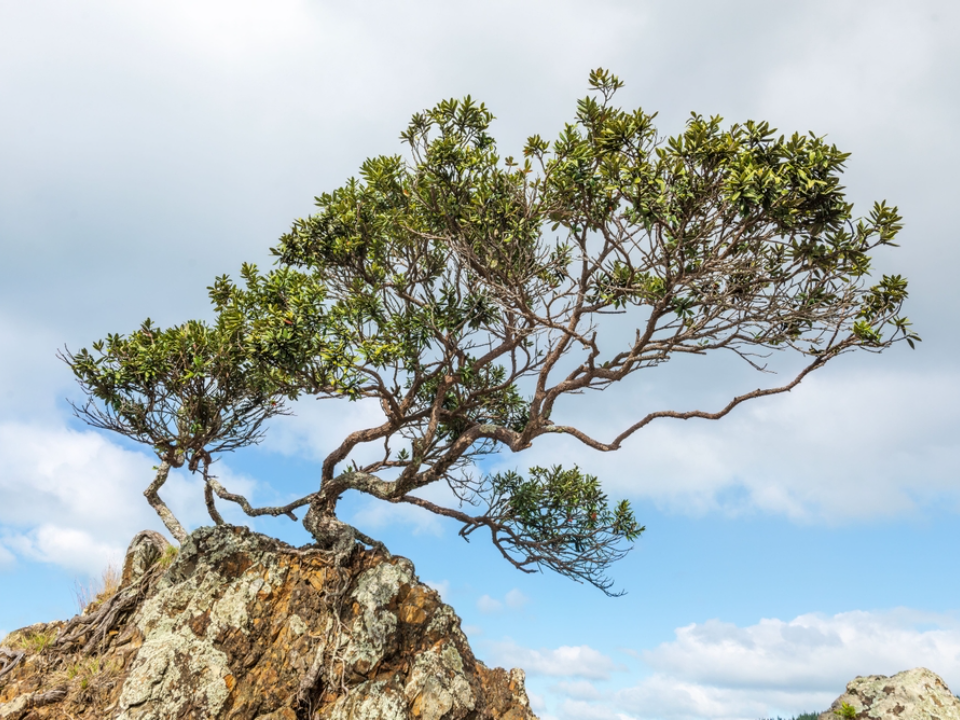
The Pahutukawa Tree, known as New Zealand’s Christmas Tree, is a species native to the coastal regions of New Zealand. This evergreen tree is recognized for its striking red flowers that bloom in December, symbolizing the festive season. However, due to habitat loss and climate change, it has become increasingly threatened in its native regions. The Pahutukawa is a slow-growing tree, making its recovery more difficult, as it requires very specific coastal conditions to thrive.
The population of these trees has been declining, primarily because of urban development and the introduction of invasive species that disrupt its growth cycle. Conservation efforts are underway, but this tree’s limited habitat makes its survival fragile. The Pahutukawa is important not only for its cultural significance but also for its role in supporting local ecosystems by providing habitat for birds and insects. As the tree is deeply embedded in New Zealand’s identity, efforts to protect it have gained much-needed attention in recent years.
Kākāwahī (Nothofagus solandri)
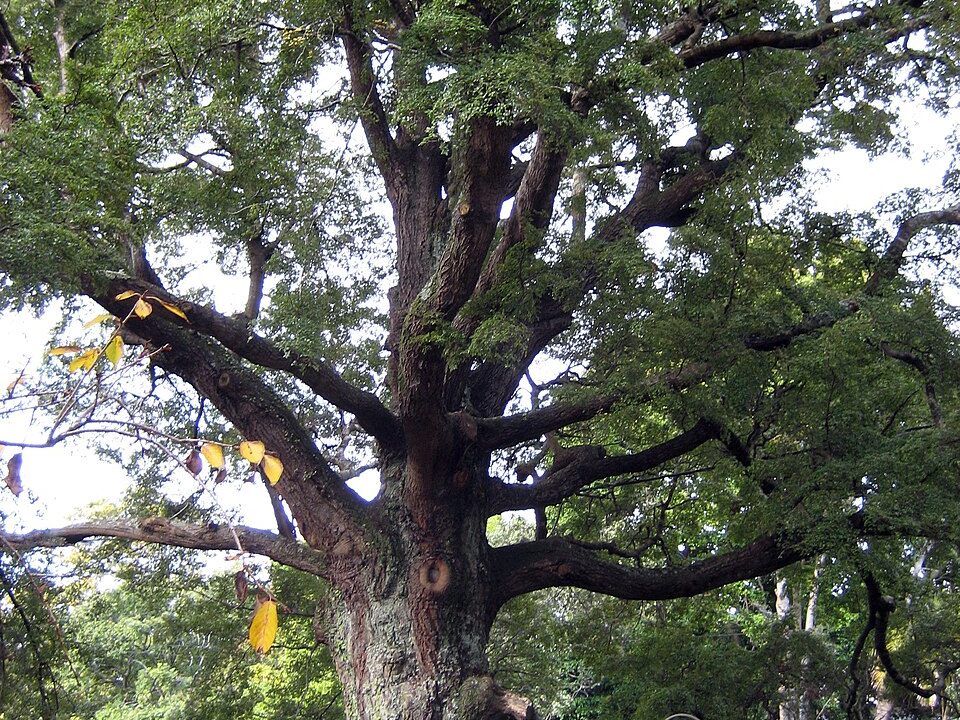
The Kākāwahī is a rare species of southern beech tree found only in a small area of New Zealand. This species is highly restricted in its distribution, growing only in specific high-altitude regions of the South Island. The tree is known for its stunning yellowish-green leaves, which turn golden during autumn, creating a striking landscape when in full bloom. However, due to deforestation and human-induced changes to the environment, this tree has faced significant population decline.
Habitat fragmentation has made it harder for this tree to reproduce, as it relies on stable conditions in certain soil types and microclimates. The tree’s limited range has made it vulnerable to both climate and environmental threats. Conservationists are working to protect the existing populations by preventing further habitat destruction and managing the impact of invasive species. The Kākāwahī tree, while rare, holds significant value in preserving the biodiversity of the South Island’s ecosystems.
Honduran Rosewood (Dalbergia stevensonii)
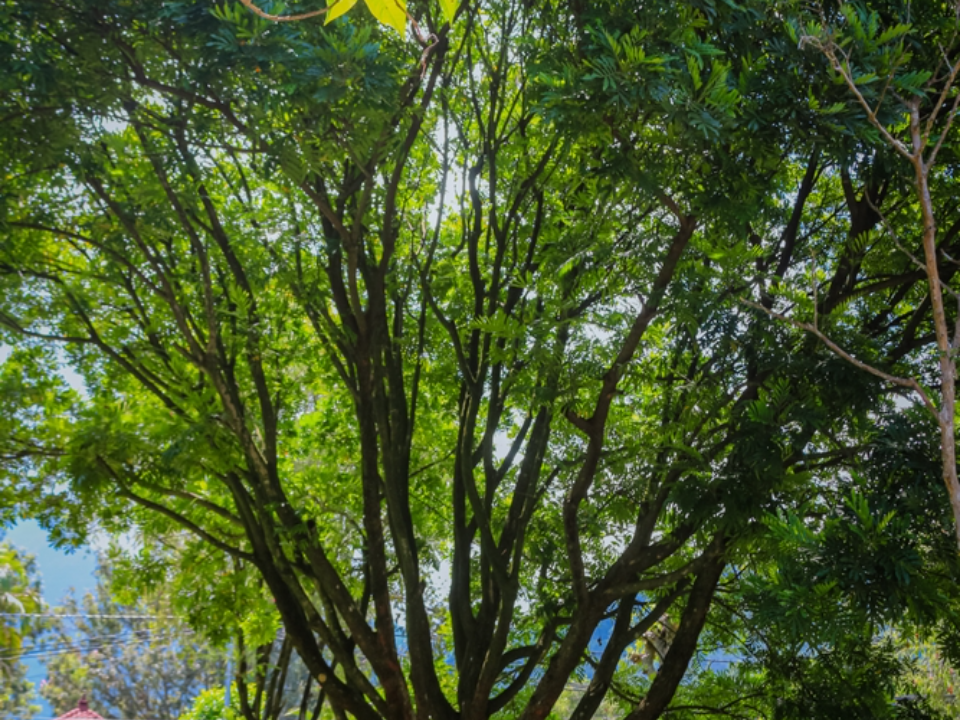
Native to the rainforests of Central America, the Honduran Rosewood is known for its beautiful, fragrant wood, often used in high-end furniture and musical instruments. This tree, however, is facing rapid decline due to illegal logging, as its wood is highly sought after in the international market. The population of this tree has been drastically reduced, making it one of the most endangered trees in the world. The Honduran Rosewood requires specific tropical climates to thrive, and as the forests where it grows continue to be cleared for agriculture, the tree’s future becomes more uncertain.
Conservation efforts have been hindered by the difficulty of monitoring illegal logging activities, which often occur in remote, inaccessible regions. Protection laws have been put in place, but enforcement remains a significant challenge. Efforts to cultivate this species in protected areas have been met with some success, though its natural habitat continues to shrink. The rosewood’s stunning appearance and high market value have made it a target for exploitation, making its conservation even more urgent.
Bunya Tree (Araucaria bidwillii)
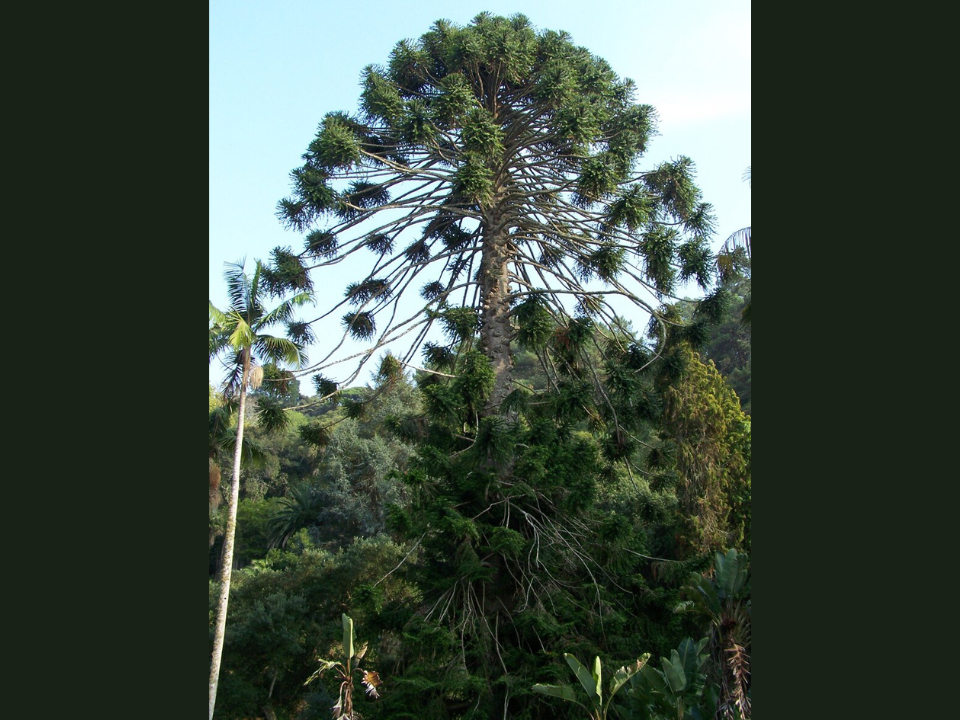
The Bunya Tree is an ancient species found in Queensland, Australia, known for its large, conical fruits and towering height. This evergreen tree can grow over 40 meters tall and has a rich cultural history among Indigenous Australian peoples, who have used its seeds for food. However, the Bunya Tree is increasingly threatened by habitat destruction due to logging and urban development in the region. Its natural range is limited to the rainforests of southeastern Queensland, where it thrives in the rich soils of this region.
Despite its impressive size, the Bunya Tree has a slow growth rate, which makes it more vulnerable to environmental pressures. In addition to habitat loss, climate change poses a threat, altering the rainfall patterns and temperatures that are essential for its growth. Efforts to protect the Bunya Tree focus on preserving its habitat and preventing deforestation in its native regions. There are also attempts to increase public awareness about the tree’s importance to the local ecosystem and Indigenous cultures.
Dragon’s Blood Tree (Dracaena cinnabari)
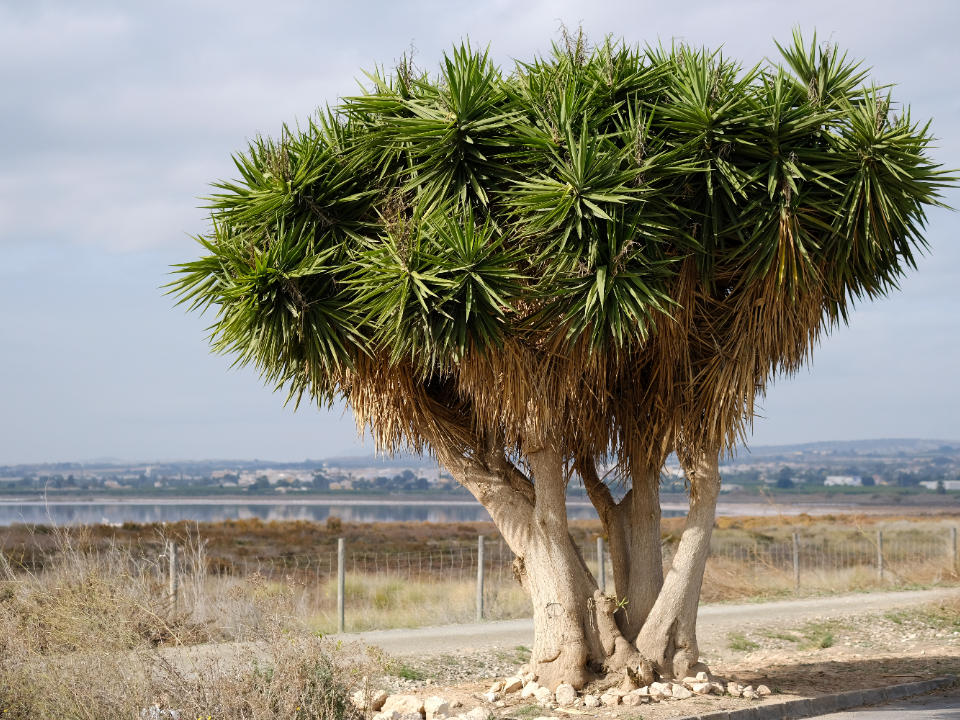
Found only on the island of Socotra off the coast of Yemen, the Dragon’s Blood Tree is a strikingly unique species with its umbrella-shaped canopy. The tree is famous for its red sap, known as dragon’s blood, which has been used in medicine and dye for centuries. This tree thrives in the arid, isolated environment of Socotra, which has a very specific climate and soil composition. However, the Dragon’s Blood Tree is facing increasing pressures due to climate change, which is altering the delicate balance of the island’s ecosystem. Rising temperatures and prolonged droughts are making it harder for the tree to survive in its native habitat.
The tree’s limited distribution and the challenges of cultivating it outside of Socotra make it highly susceptible to extinction. Conservationists have focused on preserving the island’s unique biodiversity by implementing sustainable tourism and local initiatives to protect the habitat. Despite these efforts, the tree remains at risk, and urgent action is needed to protect this living relic of ancient times.
Western Juniper (Juniperus occidentalis)
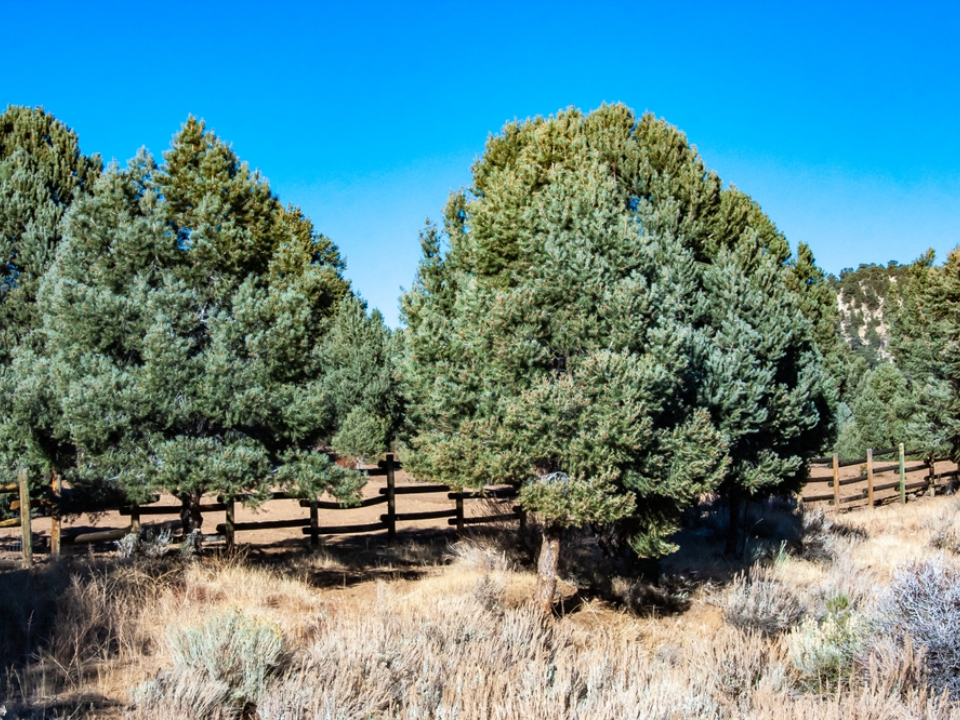
The Western Juniper is a small, slow-growing tree native to the western United States, particularly found in the Great Basin region. This tree is highly adapted to arid environments, thriving in dry, rocky soils. However, it has been facing increasing threats from invasive species, especially the spread of cheatgrass, which outcompetes native vegetation and alters the fire regime. Fire is a significant factor in the survival of the Western Juniper, as it has evolved to regenerate after fire events, but increasingly frequent wildfires are making it difficult for the species to recover.
In addition to fire threats, overgrazing by livestock has contributed to the decline in juniper populations. The tree plays an important role in the ecosystem by providing habitat for birds and small mammals, but its limited range makes it particularly vulnerable. Conservation efforts focus on managing invasive species and reducing fire risk to help protect the juniper’s remaining populations. The Western Juniper’s ability to survive in harsh conditions is a testament to its resilience, but without intervention, its future remains uncertain.
Bald Cypress (Taxodium distichum)
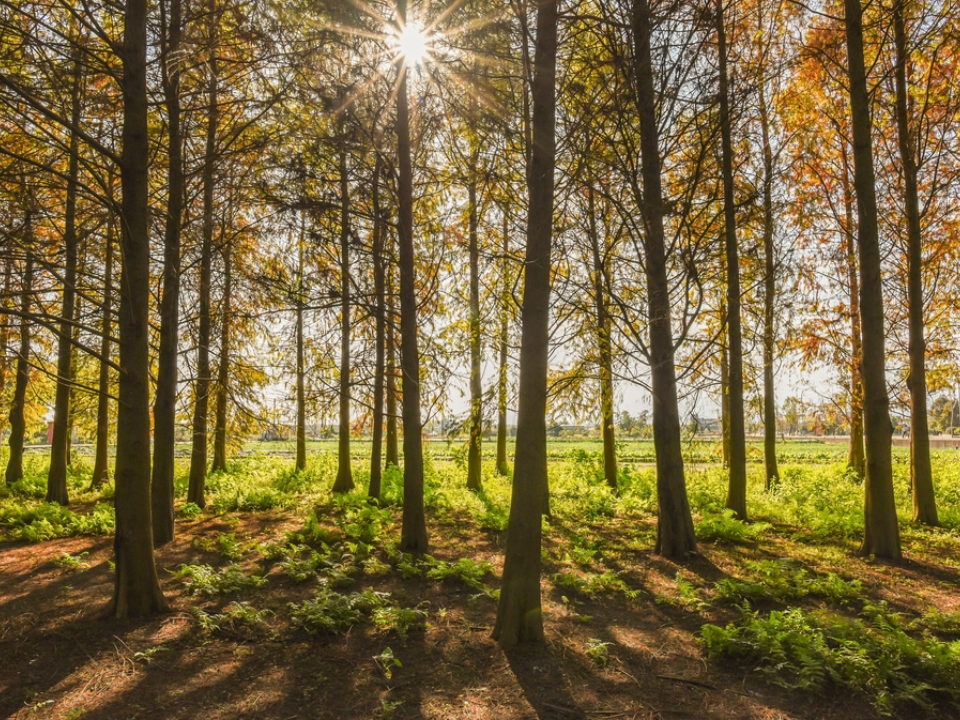
Native to the southeastern United States, the Bald Cypress is a majestic tree that thrives in wetland areas, often found along rivers and swamps. The tree’s knobby, conical base and feathery foliage make it a distinctive feature in the landscape. However, the Bald Cypress is under threat due to wetland loss and pollution, as well as the draining of wetlands for agriculture and urban development. The species has a long lifespan and can live for several centuries, but its ability to regenerate has been hindered by habitat destruction.
The tree also plays an important role in supporting wetland ecosystems by preventing soil erosion and providing habitat for a variety of species. Conservation efforts have been implemented to protect wetland habitats, with focus on preserving the Bald Cypress’s natural environment. There is also growing interest in planting Bald Cypress in areas that can support wetland restoration, helping to stabilize the tree’s population. Though it is not critically endangered, the Bald Cypress’s reliance on specific ecosystems makes its future uncertain if these habitats continue to diminish.
Pitch Pine (Pinus rigida)
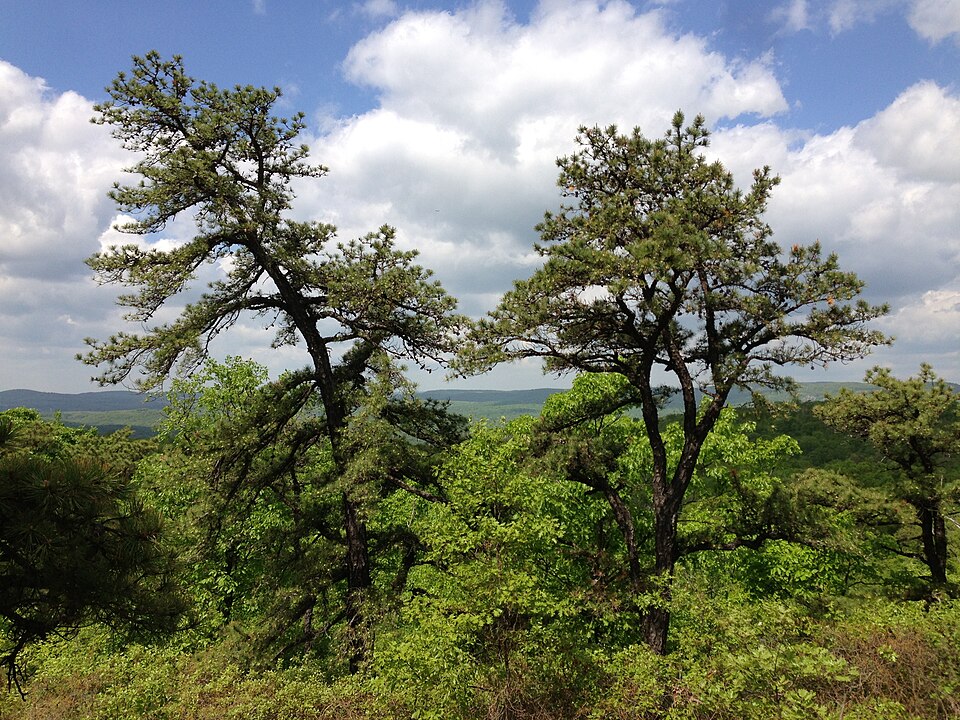
The Pitch Pine is a tree native to the eastern United States, commonly found in areas like New Jersey and New York. This tree is well-known for its resilience to fire, as it can regenerate quickly after a burn, which is essential to its life cycle. However, human development and land-use changes have caused a decline in its population, especially as urban sprawl has taken over its natural habitat.
The tree is adapted to grow in poor, sandy soils and is particularly well-suited to areas prone to wildfires. Despite its fire-resistant nature, the Pitch Pine is facing challenges from land conversion and competition from other tree species that thrive in less disturbed areas. Conservation efforts focus on preserving its remaining habitats and managing forest fires to help maintain the tree’s ecological role. The Pitch Pine is important for local wildlife, providing food and shelter for a variety of species. As climate change continues to affect fire regimes, the future of this tree remains precarious, requiring proactive management strategies.
Cedar of Lebanon (Cedrus libani)
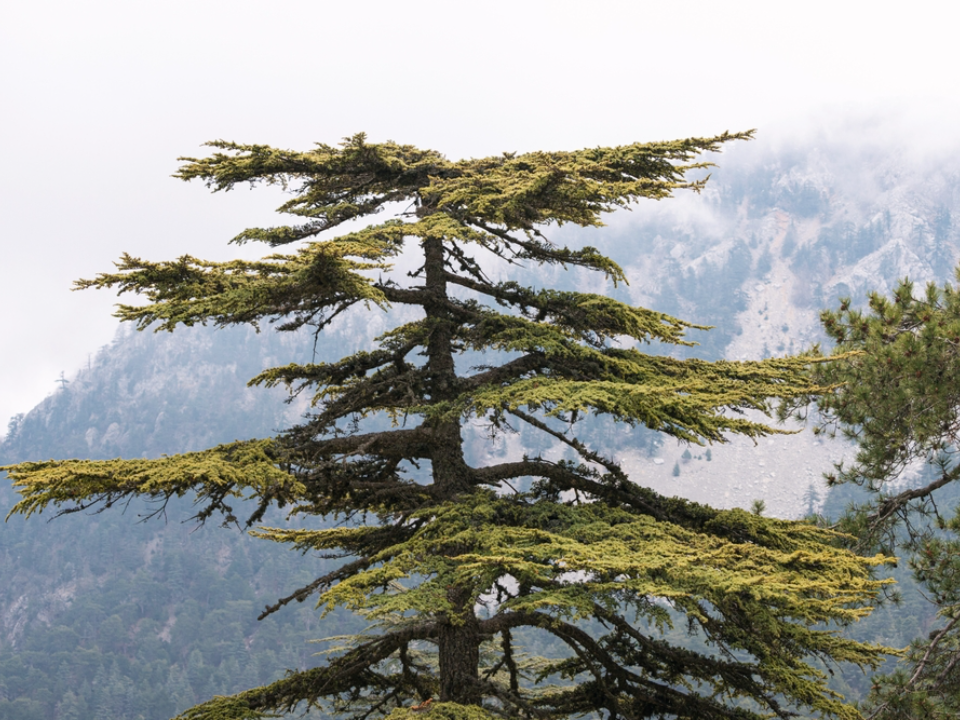
The Cedar of Lebanon is an iconic tree native to the mountains of Lebanon, Syria, and Turkey. This tree has been prized for its timber for thousands of years, with the ancient Egyptians using it to build ships and temples. However, the Cedar of Lebanon is now endangered due to overharvesting, deforestation, and the spread of diseases that affect the tree’s health. The tree’s slow growth and limited distribution make it particularly vulnerable to environmental threats.
The Cedar of Lebanon plays an important role in the local ecosystem, offering habitat for a variety of wildlife and contributing to soil conservation. Its majestic stature and historical significance have made it an important symbol for the region, with efforts to protect it increasing in recent decades. These conservation initiatives have focused on sustainable logging practices and reforestation efforts, but continued pressure from illegal logging remains a challenge. The Cedar of Lebanon’s long-term survival relies on the careful management of its natural environment and protection from exploitation.
Tasmanian Oak (Eucalyptus regnans)
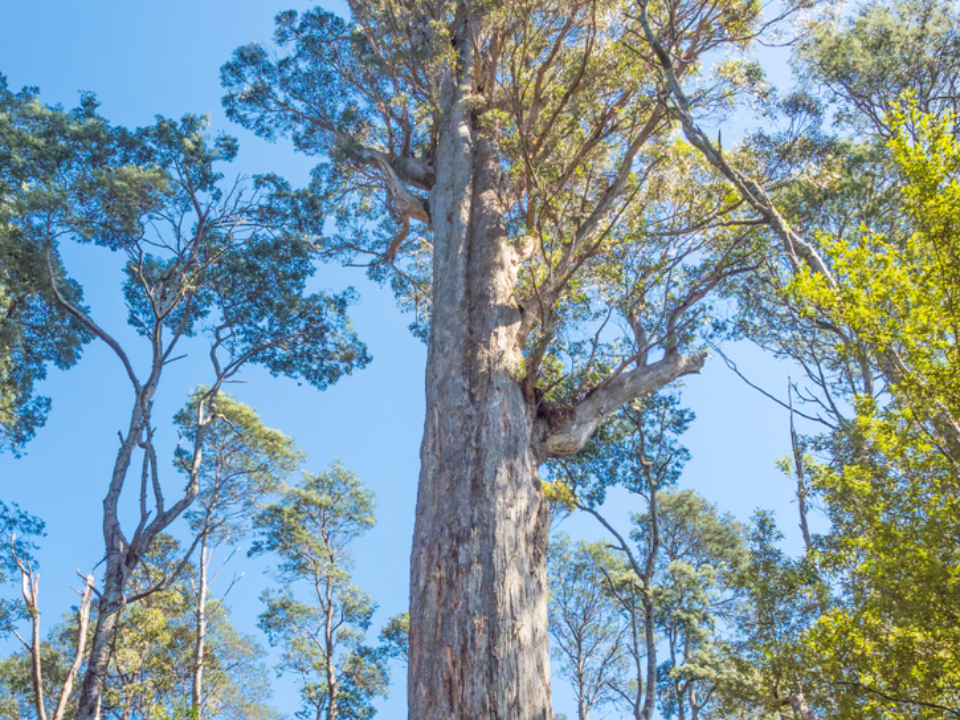
Tasmanian Oak is a tall tree species found exclusively in the temperate rainforests of Tasmania. Known for its impressive height and straight trunk, this tree has been heavily logged for its valuable timber, leading to a significant decline in its population. The Tasmanian Oak’s range is extremely limited, found only in specific areas of the island, and it is highly susceptible to changes in climate and land use. Efforts to protect this species have been focused on reducing logging and expanding conservation areas.
The tree is a vital part of its ecosystem, supporting a range of animals that depend on it for shelter and food. Additionally, it plays an important role in carbon sequestration, helping to mitigate the effects of climate change. Conservation organizations continue to advocate for the protection of Tasmania’s unique forests, but without strong legislative action, the future of the Tasmanian Oak remains uncertain. The tree’s survival hinges on balancing the needs of the local community with the need to preserve this rare species.
Hawaiian Koa (Acacia koa)
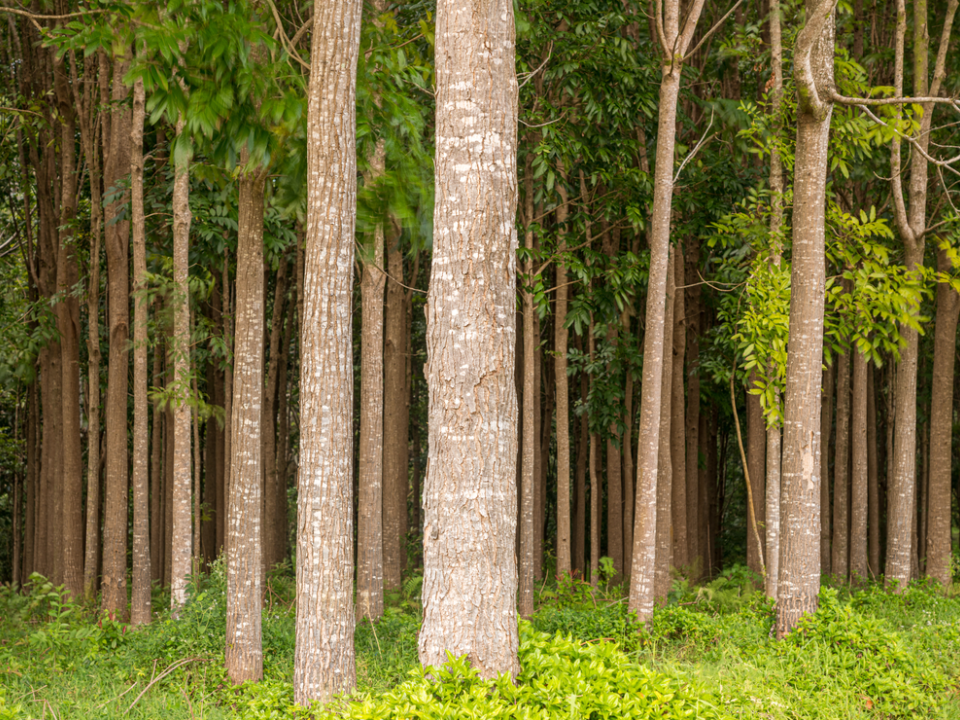
The Hawaiian Koa tree is endemic to the Hawaiian Islands, found primarily on the islands of Hawaii and Maui. This tree has an important cultural role in Hawaii, with its wood used for crafting tools, canoes, and musical instruments. Unfortunately, the Hawaiian Koa is becoming increasingly rare due to habitat destruction, overharvesting, and the spread of invasive species. It thrives in the rich volcanic soils of Hawaii’s highlands but is now at risk as its natural habitat is cleared for agriculture and development.
Koa trees also face threats from disease, such as the Koa wilt, which weakens and kills mature trees. Despite its declining population, conservationists are focused on protecting existing forests and promoting the planting of new Koa trees in controlled environments. The tree plays a critical role in maintaining the health of its ecosystem by stabilizing the soil and supporting native wildlife. Its continued survival depends on the restoration of its habitat and active management to control invasive species and diseases.
Chilean Wine Palm (Jubaea chilensis)
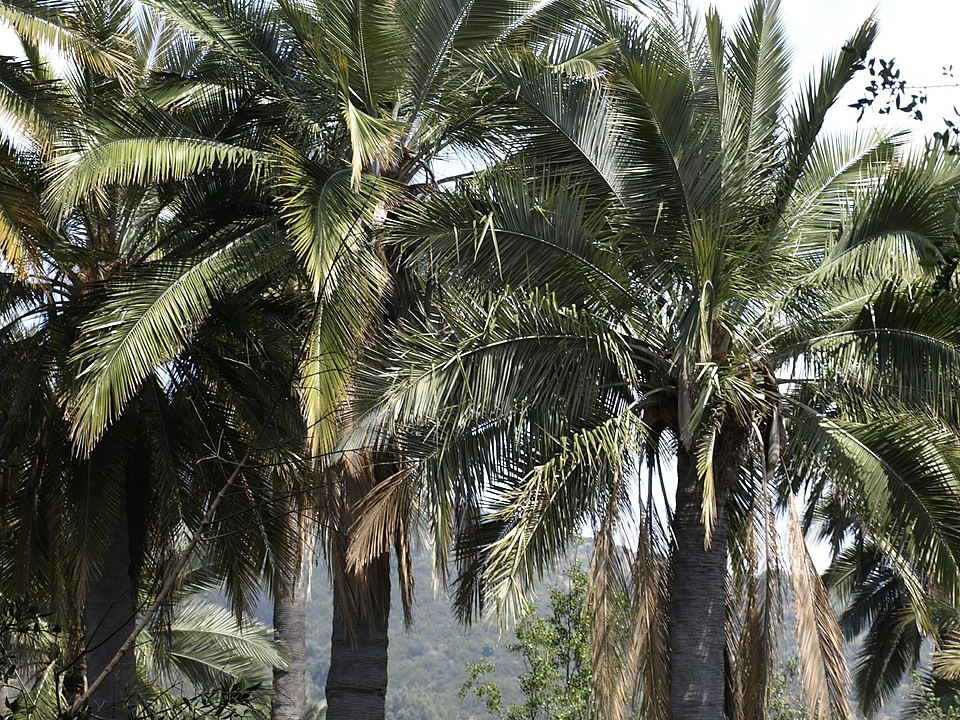
Native to the central valleys of Chile, the Chilean Wine Palm is a tall and slender tree known for its impressive trunk and sweet sap, which has been harvested for centuries to make palm wine. This tree is found in a very limited range, making it vulnerable to both habitat loss and overexploitation. The Chilean Wine Palm requires specific climatic conditions to grow, which are found only in its native valleys. Overgrazing by livestock and deforestation have significantly reduced the populations of this tree, which also faces pressure from climate change altering its growing environment.
The palm tree has a slow growth rate, which makes it especially susceptible to extinction if its habitat continues to degrade. Conservationists are working to protect and restore its native habitat by promoting sustainable agriculture and limiting the extraction of palm sap. The Chilean Wine Palm’s iconic status in Chile has spurred efforts to preserve it, although the tree’s future remains uncertain if these efforts are not adequately supported. Its cultural significance makes it an important symbol for the region, further highlighting the need for protective measures.
Australian Sandalwood (Santalum spicatum)
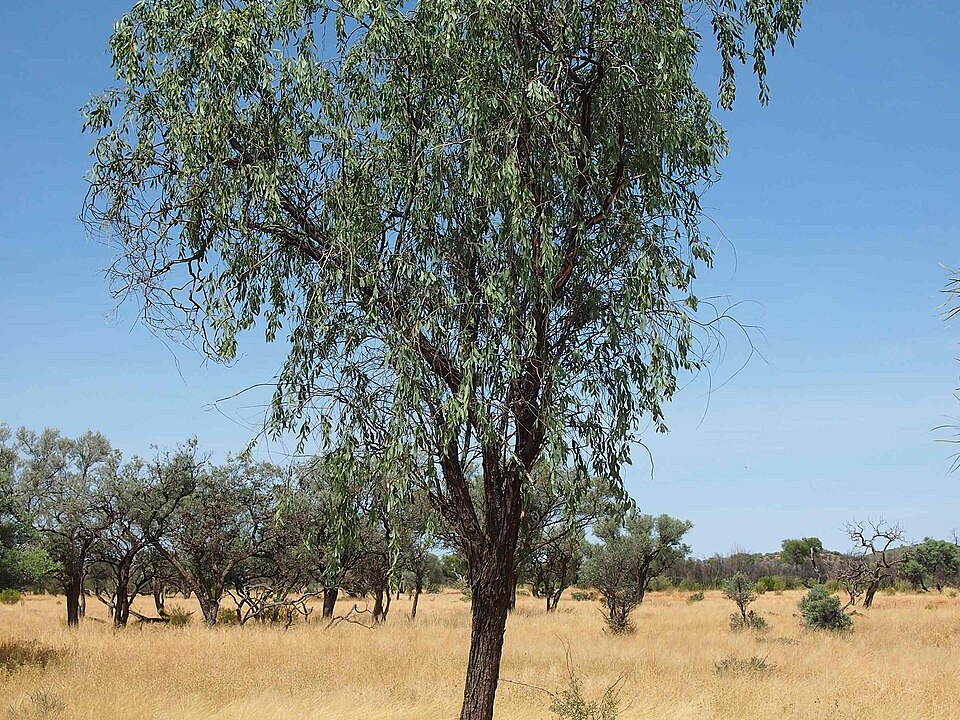
Native to the dry woodlands and forests of southwestern Australia, the Australian Sandalwood is a small tree prized for its aromatic wood, which is used in perfumes, incense, and traditional medicines. Unfortunately, the Australian Sandalwood is threatened by overharvesting, as the demand for its wood has increased over the years. The tree has a slow growth rate and is highly vulnerable to land clearing, which has significantly reduced its native habitat. Sandalwood trees rely on a specific type of soil and environment to thrive, making them difficult to cultivate outside of their natural habitat.
The tree also faces competition from invasive species, which further threaten its survival. Conservation efforts are focused on sustainable harvesting practices, as well as protecting and restoring the natural habitat where Sandalwood grows. While it is a valuable resource, its continued survival will depend on how well Australia can balance economic interests with environmental preservation. The Sandalwood tree is an essential part of the local ecosystem, providing shelter for various wildlife species that depend on its unique environment.
Saint Helena Gumwood (Commidendrum robustum)
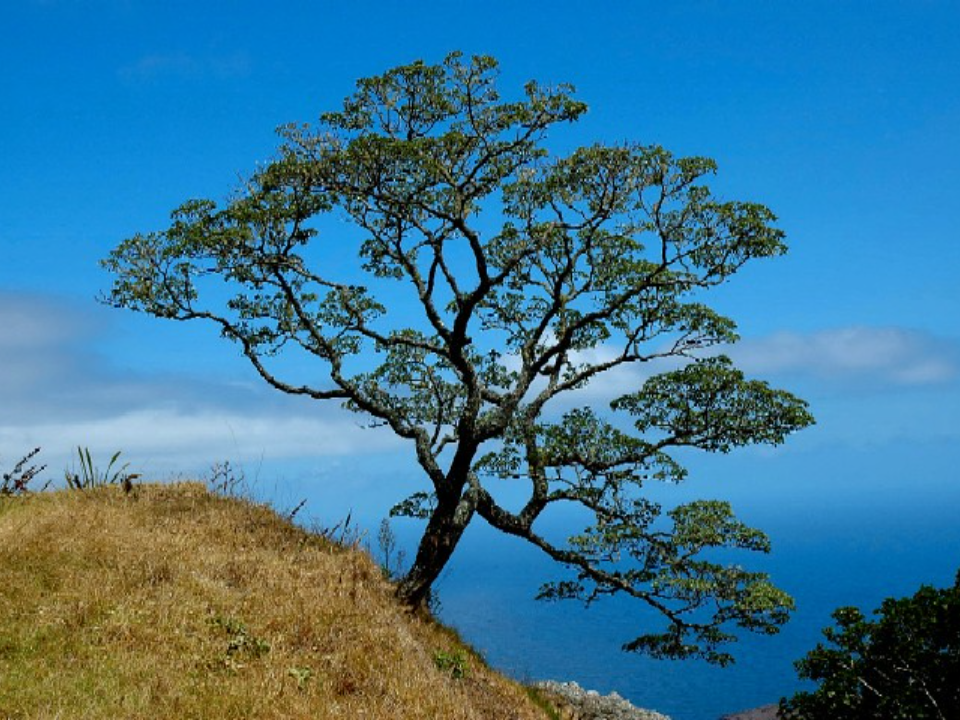
The Saint Helena Gumwood is a critically endangered tree species native to the remote island of Saint Helena in the South Atlantic Ocean. This tree once thrived across the island, but its population has dwindled drastically due to the introduction of non-native species that have outcompeted it for resources. The Gumwood tree is known for its ability to grow in rocky, well-drained soils, but its limited range on the island has made it vulnerable to changes in climate and habitat disturbance. In addition to habitat loss, the tree faces pressure from the growing population of invasive plants and animals that prevent it from regenerating naturally.
The Saint Helena Gumwood is a vital part of the island’s ecosystem, providing food and shelter for native species. Conservationists have implemented active restoration efforts, including the replanting of Gumwood trees in protected areas and the eradication of invasive species. While progress has been made in recent years, the future of the Saint Helena Gumwood is still uncertain without continued active protection of its natural environment. Its recovery is a testament to the resilience of the species but relies heavily on conservation efforts.
Big Tree Pine (Pinus maximus)
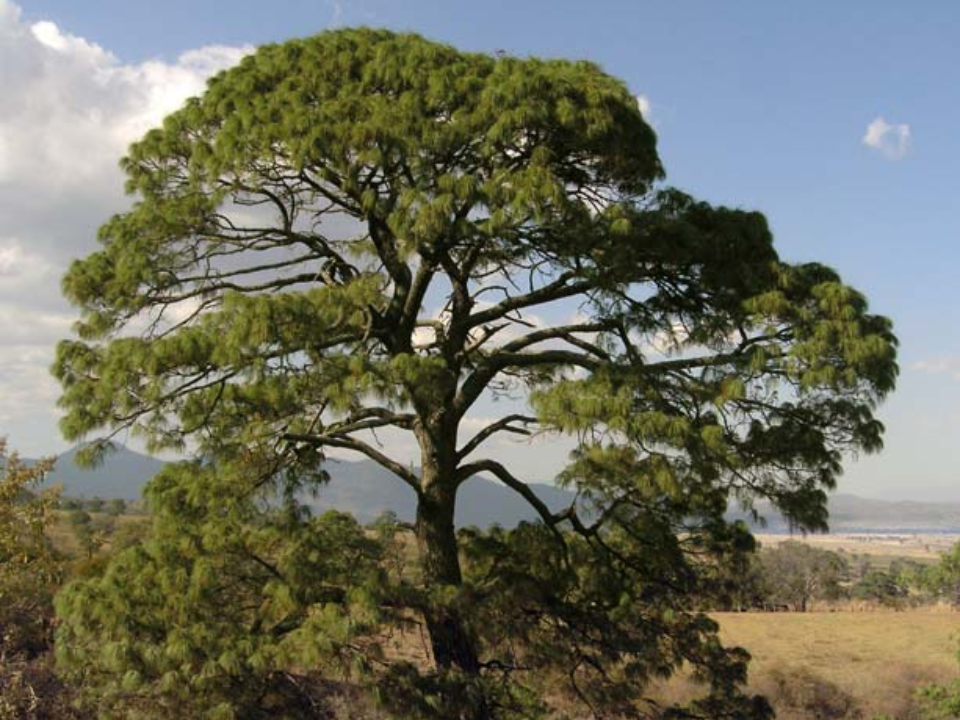
The Big Tree Pine is a rare and slow-growing tree native to the mountainous regions of the Pacific Northwest. Known for its towering height and thick bark, it is found in only a few remote valleys that are difficult to access. This pine species is highly vulnerable due to its limited distribution and the threats posed by logging and climate change.
The Big Tree Pine requires a specific range of temperatures and soil conditions to grow, which makes it particularly sensitive to the changing climate. As temperatures rise and precipitation patterns shift, the species’ survival becomes more uncertain. Efforts to protect this tree focus on establishing more protected areas and monitoring its remaining population in the wild. Its tall, sturdy trunk serves as a symbol of the strength of nature, but without active conservation, the tree could face extinction. The Big Tree Pine’s survival is deeply tied to the preservation of the mountain ecosystems in which it resides.
This article originally appeared on Avocadu.