
15 Endangered Frogs and Salamanders Making a Quiet Return
Frogs and salamanders are vital to our ecosystems, but many species have faced significant threats in recent years. Habitat destruction, pollution, and disease have been the primary causes for the decline of these creatures. However, there are signs of hope, as conservation efforts help some species make a steady comeback. By focusing on preserving their environments, we can continue supporting the recovery of these fascinating amphibians.
This post may contain affiliate links, which helps keep this content free. Please read our disclosure for more info.
Axolotl (Ambystoma mexicanum)
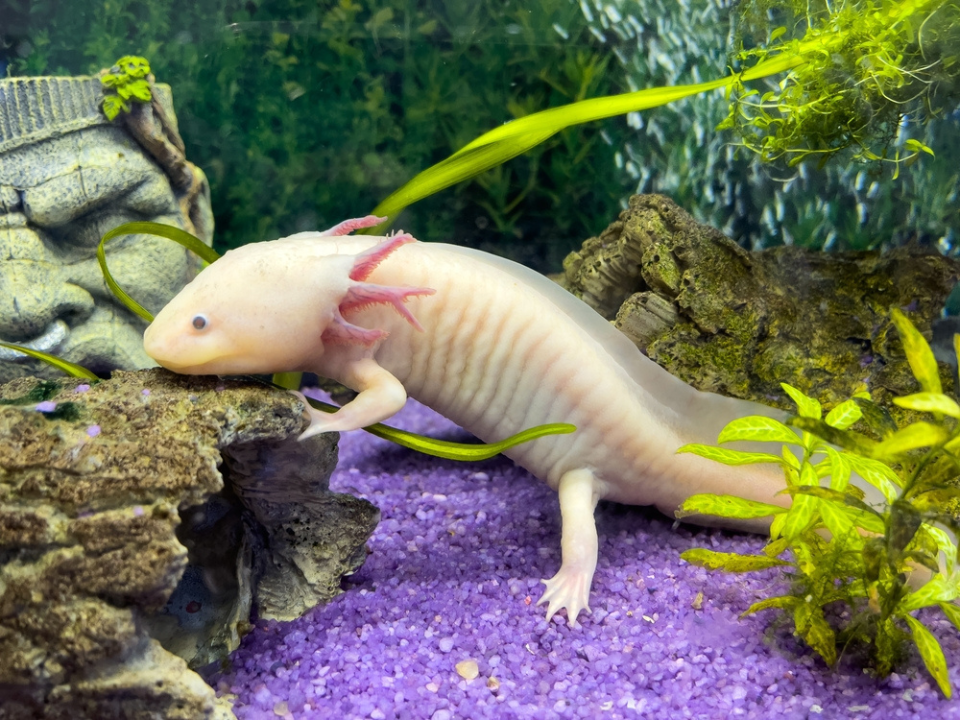
Native to Mexico, the axolotl is a critically endangered species found primarily in the lakes of Xochimilco. Known for its ability to regenerate lost limbs and even parts of its heart, it has gained attention for its unique biological properties. Due to habitat loss and water pollution, its numbers have dwindled drastically in the wild. However, conservation efforts, including captive breeding programs, are aiding in their slow recovery.
Efforts to restore the axolotl’s natural environment have seen some success, especially in protected wetlands. These amphibians are now being bred in various research centers to prevent extinction. With continued conservation work, there is hope for the axolotl’s eventual return to the wild. They remain a symbol of resilience and the importance of preserving natural habitats.
Eastern Hellbender (Cryptobranchus alleganiensis alleganiensis)

Found in the rivers and streams of the eastern United States, the Eastern hellbender is one of the largest salamanders in North America. Once abundant, this species has suffered from pollution, invasive species, and habitat destruction, leading to its endangered status. Conservation efforts, such as stream restoration projects and captive breeding programs, have started to show positive results. The Eastern hellbender’s return in certain parts of its range suggests that habitat protection is working.
Recent studies show that the species’ numbers are gradually increasing, especially in cleaner, healthier rivers. These salamanders rely on pristine aquatic environments for survival, and the restoration of their habitats has been a key factor in their comeback. While challenges remain, there is cautious optimism that the Eastern hellbender can thrive again. Its resurgence highlights the importance of clean water ecosystems for amphibian species.
Golden Poison Frog (Phyllobates terribilis)
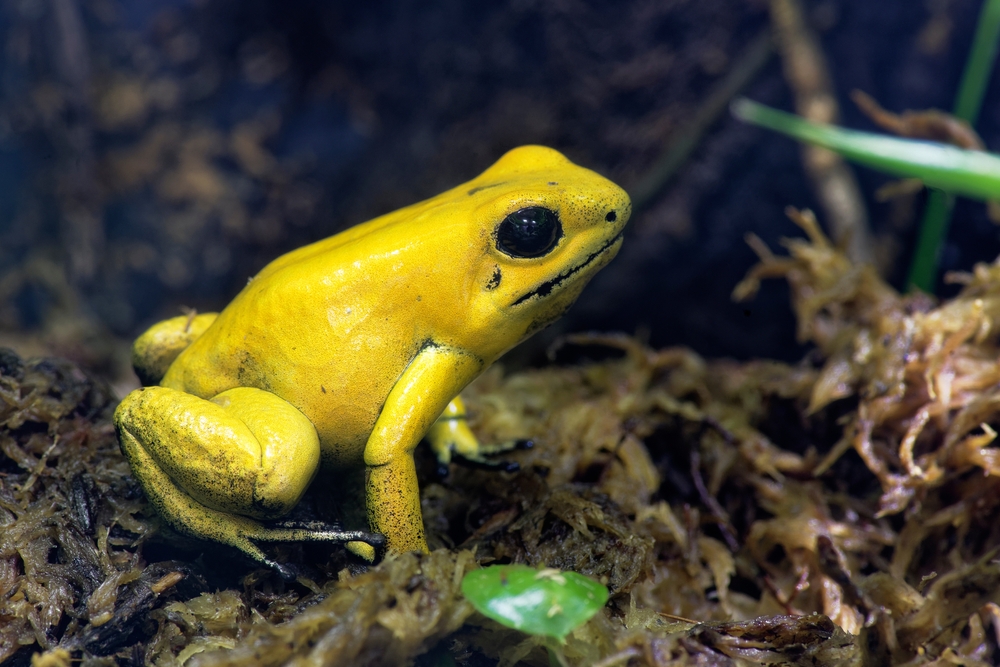
Native to the rainforests of western Colombia, the golden poison frog is one of the most toxic amphibians on Earth. This frog’s vibrant yellow coloration acts as a warning to predators about its potent toxins. While the species was once widely threatened by habitat loss and illegal collection, it has made a gradual return thanks to habitat protection. Conservation measures in Colombia are focused on safeguarding the frog’s natural environment and cracking down on illegal wildlife trade.
Breeding programs in protected areas have been crucial to the species’ recovery. Researchers are working to reintroduce golden poison frogs to safe, wild environments where they can thrive. Their return signifies the effectiveness of habitat protection and captive breeding. Although they remain at risk, there is hope for their continued recovery in the wild.
California Red-Legged Frog (Rana draytonii)
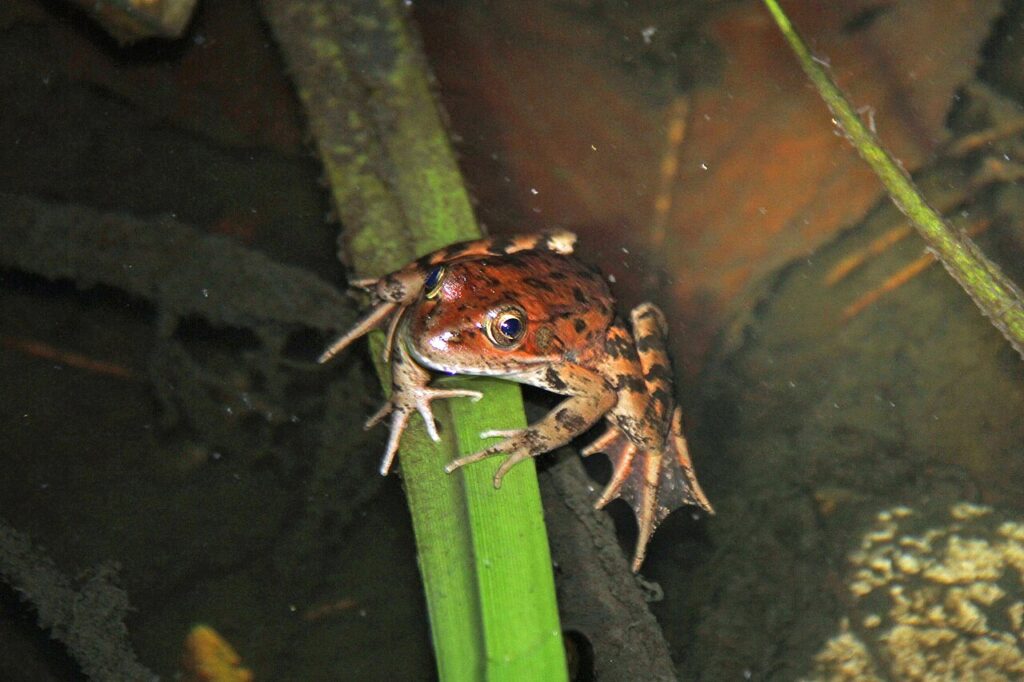
The California red-legged frog, once abundant throughout the western United States, has faced significant population declines due to habitat loss, invasive species, and disease. Native to California, this frog is the largest in North America and is known for its distinctive red legs. Conservation efforts, such as restoring wetland habitats and controlling invasive species, have led to some positive signs of recovery. The frog is now being reintroduced into protected areas where it had previously disappeared.
Ongoing habitat restoration projects in California are helping to rebuild ecosystems for the red-legged frog. These efforts focus on enhancing wetland and riparian zones, critical for breeding. While still listed as endangered, the species is slowly making a return in certain regions. Continued conservation work is essential for securing the future of the California red-legged frog.
Salamander Species of the Great Smoky Mountains
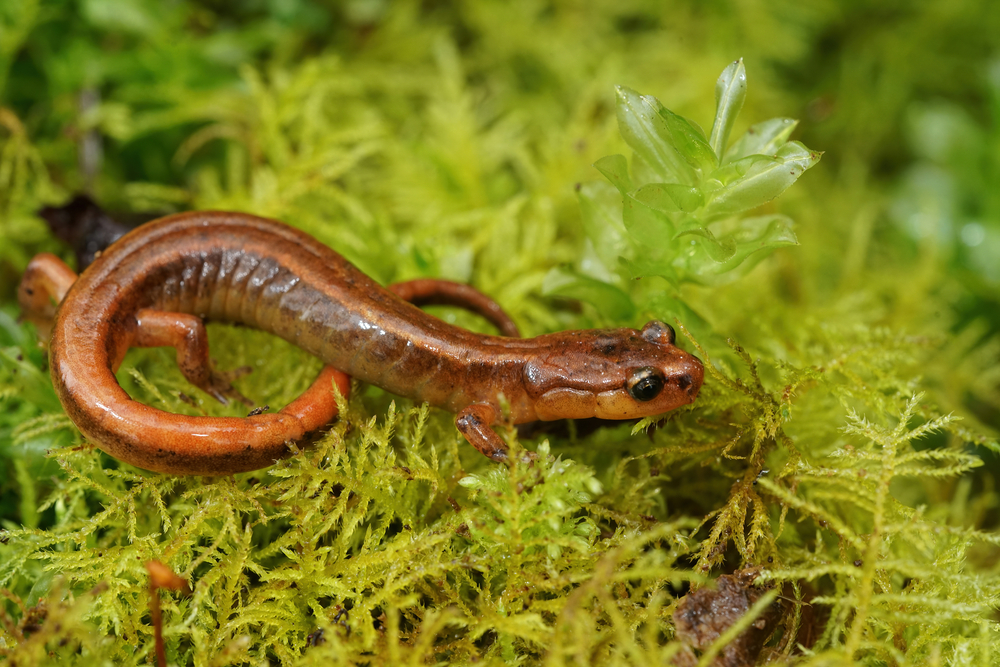
The Great Smoky Mountains, located along the border of North Carolina and Tennessee, are home to many salamander species, several of which are endangered. These species, including the Eastern mud salamander and the black-bellied salamander, face threats from habitat destruction and pollution. However, efforts to conserve the mountain’s biodiversity, including land protection and controlled burns, are contributing to their recovery. Species such as the northern two-lined salamander are showing signs of resurgence in restored habitats.
The region’s cool, moist environment provides the perfect conditions for salamander populations to thrive. Conservationists are working to maintain and restore these conditions by minimizing human impact and protecting water quality. The success of these programs indicates that with proper management, these endangered salamanders can continue to recover. It highlights the significance of preserving natural environments for amphibians.
Cuban Tree Frog (Osteopilus septempunctatus)
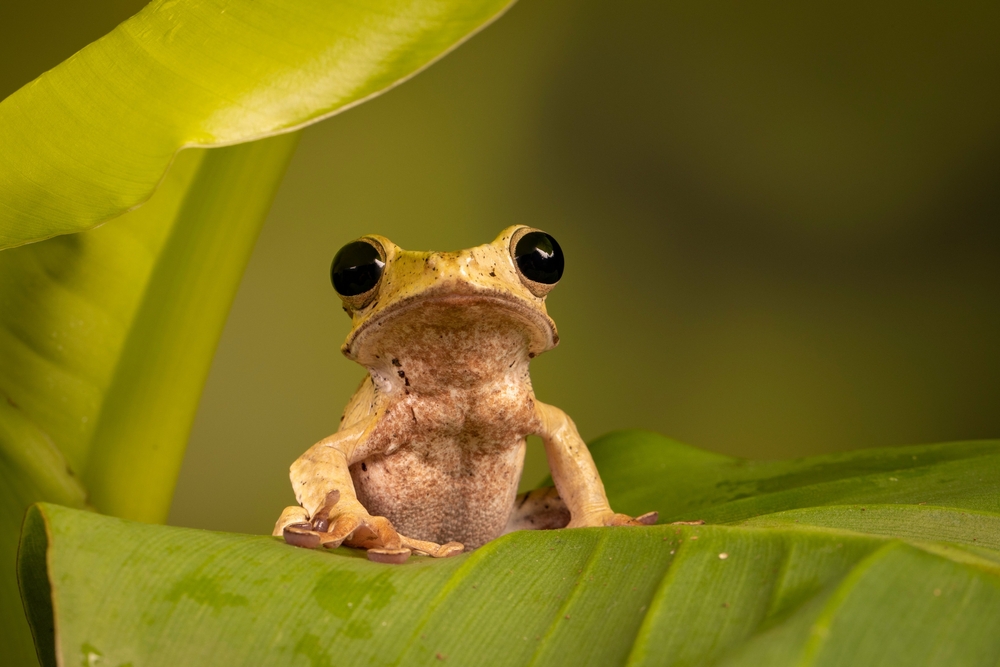
Native to Cuba and the Bahamas, the Cuban tree frog has become a successful colonizer in Florida, though it has faced threats from habitat loss in its native regions. Known for its adaptability, the species was once endangered due to changes in its tropical habitats. Conservation efforts in both its native and non-native ranges are focused on controlling population growth in invasive areas while protecting its natural habitats. The Cuban tree frog has made a return in some regions thanks to these efforts.
The frog’s ability to thrive in varied environments, including urban areas, has been a key factor in its recovery. Conservationists continue to monitor the species’ progress, especially in Florida, where it has become invasive. With careful management, the Cuban tree frog can be a success story of species relocation and population control. Efforts to protect its native habitat remain essential for the species’ long-term survival.
Mountain Yellow-Legged Frog (Rana muscosa)
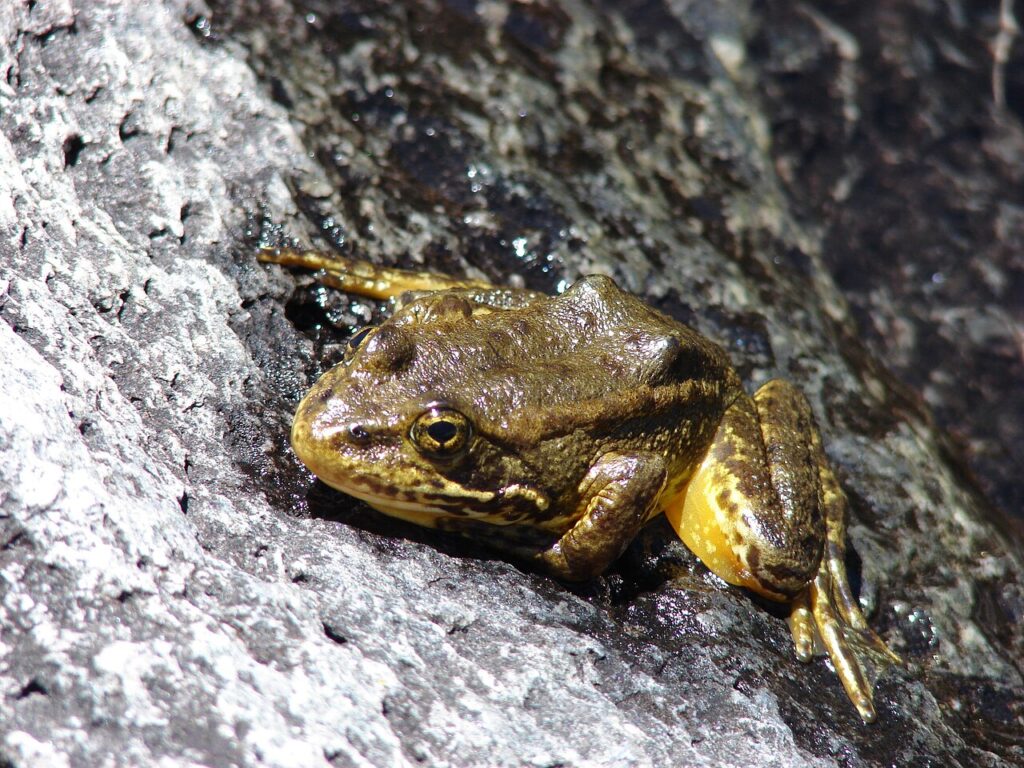
This frog, native to the high-altitude lakes of California, was once on the brink of extinction due to invasive species, disease, and habitat destruction. The mountain yellow-legged frog is a symbol of the effects of climate change on amphibians, as rising temperatures threaten its cold-water habitat. Conservation efforts in California, including the removal of invasive fish species from lakes, have contributed to the frog’s slow return. Efforts to restore its alpine habitat are beginning to show promising results.
Captive breeding programs have also played a significant role in the species’ recovery. These frogs are now being reintroduced into carefully monitored habitats, where they can thrive without the threat of invasive predators. Continued efforts to restore high-altitude ecosystems are key to ensuring the species’ long-term survival. These measures offer hope for the species’ continued recovery in its native environment.
Dusky Gopher Frog (Rana sevosa)

Native to the coastal plains of Mississippi and Louisiana, the dusky gopher frog is an endangered species facing habitat loss due to urban development. Once abundant in its range, the frog’s population plummeted due to the destruction of its breeding ponds. Conservation efforts have focused on restoring longleaf pine forests and other habitats crucial to the frog’s survival. The species has been part of a focused recovery initiative to restore its habitat and encourage breeding.
Recent successes in habitat restoration, such as the creation of new breeding ponds, have improved the outlook for this species. The frog has started to return to areas where it had been previously absent. Conservationists are optimistic that continued efforts will help the dusky gopher frog thrive again. These efforts highlight the importance of habitat restoration for endangered species.
Cow Knob Salamander (Plethodon punctatus)
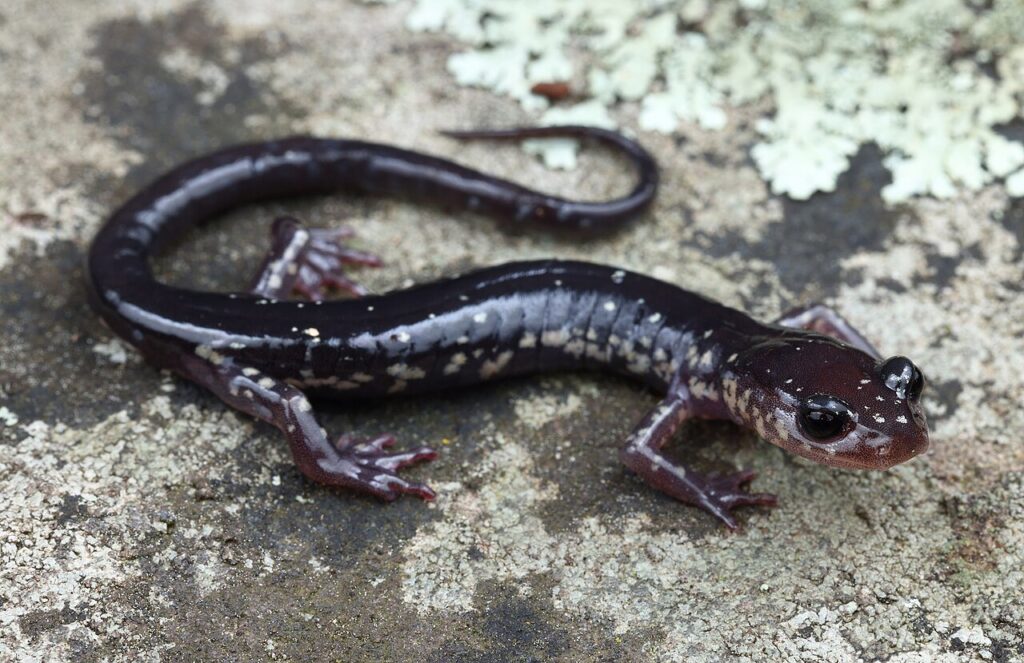
Native to the mountainous regions of North Carolina, the Cow Knob salamander is a small, elusive species that has faced threats from habitat destruction and climate change. This species is adapted to live in cool, damp environments, but rising temperatures and human encroachment have pushed it toward the brink of extinction. Conservation initiatives in the region are focused on protecting the forests and wetlands that Boone’s salamander relies on for survival. With ongoing habitat protection, the species is slowly making a comeback.
The salamander is found only in a few isolated mountain valleys, and efforts to preserve these areas have been critical for its survival. By preserving the delicate mountain ecosystems, conservationists are fostering a better environment for Boone’s salamander to thrive. These efforts offer hope that with the right protection, the species can continue to grow its population. Their return underscores the need for continued environmental conservation in the region.
Carolina Gopher Frog (Rana capito capito)
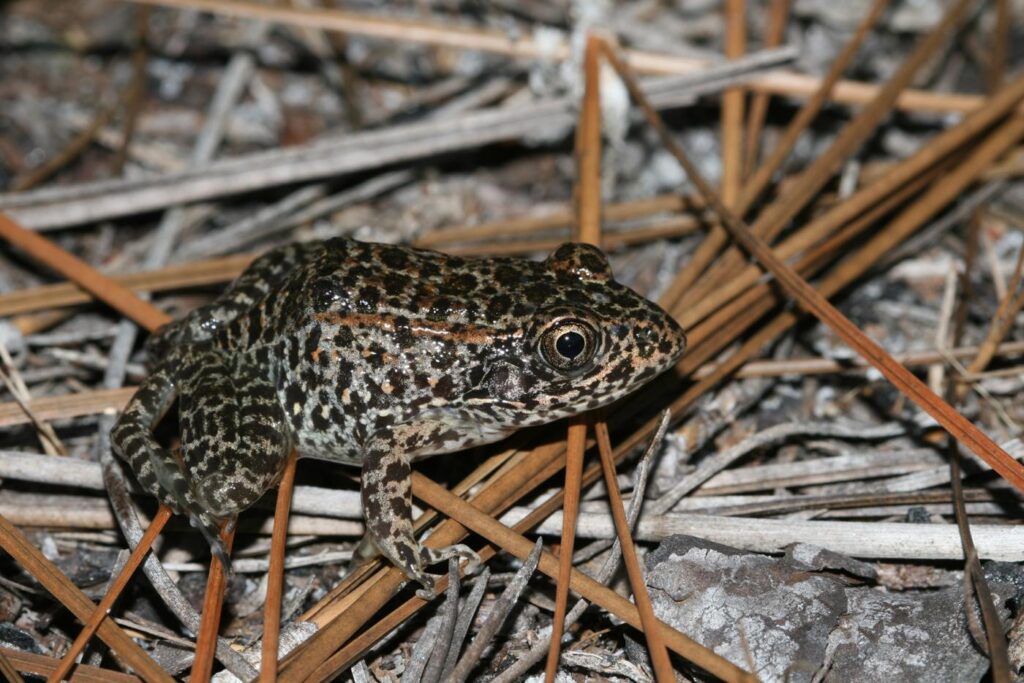
The Carolina gopher frog, native to the sandy soils of South Carolina and Georgia, has been listed as endangered due to habitat loss and the draining of its breeding ponds. Once common in the region, the frog’s population sharply declined as development encroached on its habitat. Conservation efforts have included the creation of protected breeding sites and the restoration of longleaf pine forests, both of which have helped bring the species back. Their slow but steady recovery signals that with the right efforts, endangered amphibians can make a comeback.
Restoration of the frog’s wetland habitats has been central to its recovery. The establishment of breeding ponds and the management of fire-prone ecosystems have contributed to a better environment for the Carolina gopher frog. While still endangered, the frog’s resurgence is a sign that habitat restoration can lead to significant improvements in species recovery. Continued vigilance is required to ensure the species does not face further threats.
Spotted Salamander (Ambystoma maculatum)
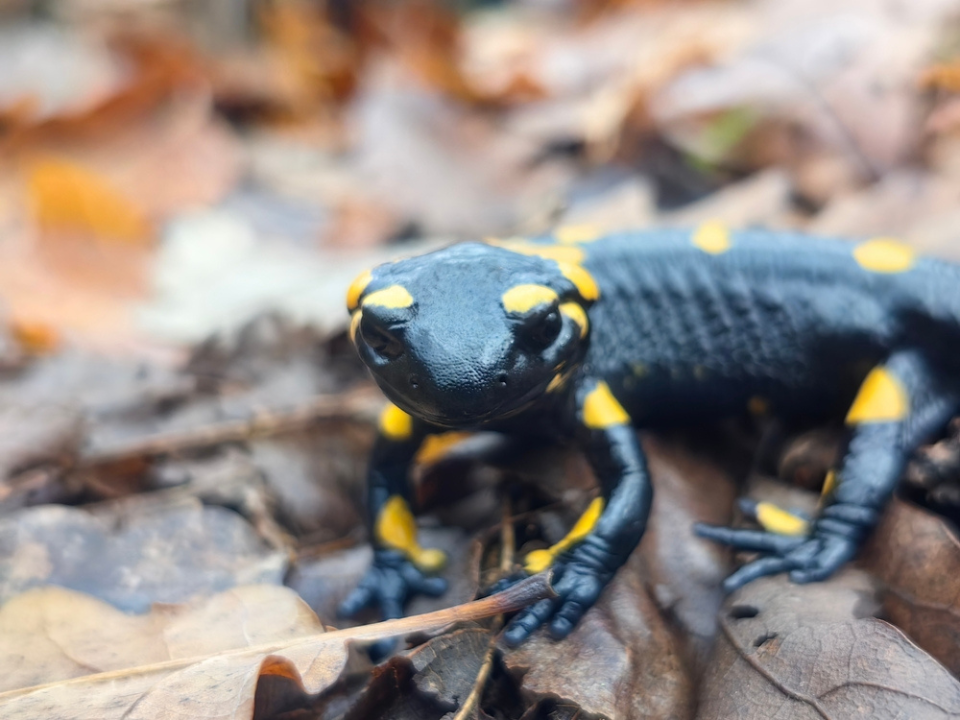
Native to North America, the spotted salamander has been threatened by habitat loss and disease. Found primarily in woodlands near vernal pools, this species requires specific environmental conditions to thrive. Conservation efforts have focused on maintaining and restoring these crucial habitats, helping the species make a return in some areas. The spotted salamander’s recovery demonstrates the importance of protecting vernal pools and wetlands.
With improved habitat conditions, including clean, fish-free breeding pools, the spotted salamander is beginning to rebound. Ongoing restoration projects continue to focus on enhancing the conditions for these amphibians. The species remains a symbol of the importance of wetland and woodland preservation. Its resurgence highlights the power of targeted habitat restoration.
Pacific Tree Frog (Pseudacris regilla)

Native to the western United States, the Pacific tree frog is a small, highly adaptable species that thrives in a variety of habitats. Despite facing threats from urbanization and climate change, the frog has shown signs of population stability in some areas. Conservation efforts have centered around protecting wetland areas and reducing pollution. These actions have helped provide the necessary environment for the Pacific tree frog to persist.
In areas where habitat quality has improved, the Pacific tree frog is thriving again. Efforts to restore wetland ecosystems have resulted in the frog’s return to previously inhospitable areas. The species continues to be monitored, and while challenges remain, its recovery offers hope for other amphibians. Protecting wetland habitats is critical for ensuring the frog’s long-term survival.
Barred Tiger Salamander (Ambystoma tigrinum)
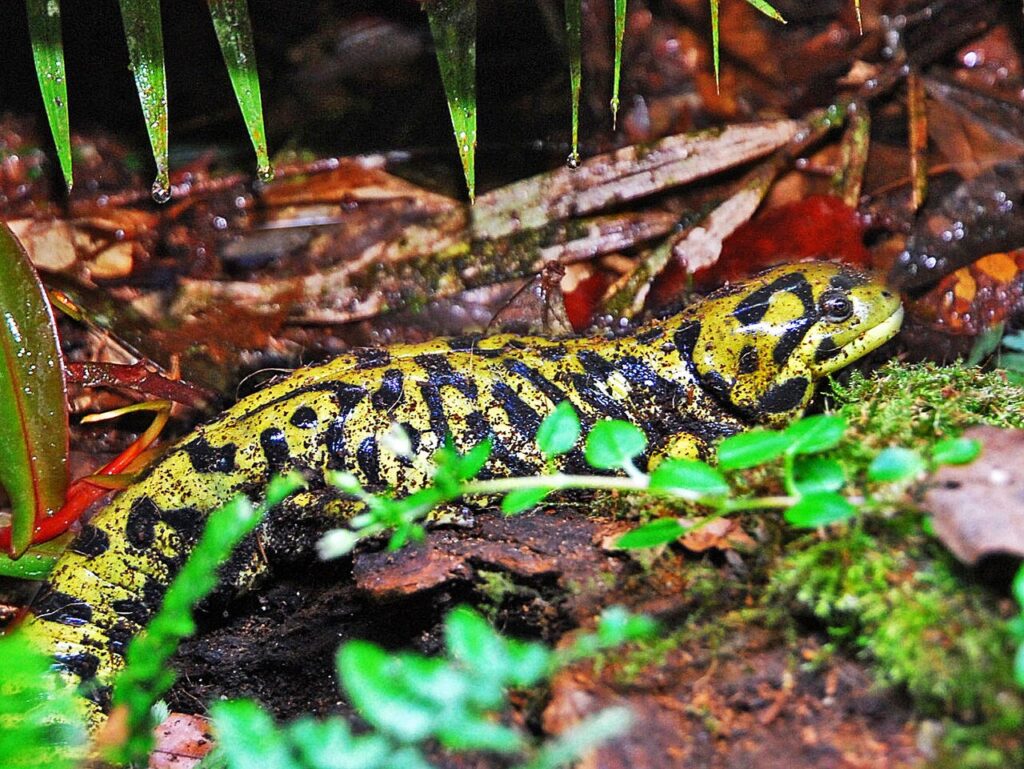
The barred tiger salamander, native to the United States, has seen its populations decline due to habitat destruction and disease. Known for its striking yellow and black coloration, this species has been an iconic amphibian in many parts of its range. Conservationists have worked to protect its habitat, including breeding ponds and surrounding wetlands, which are critical for its survival. The barred tiger salamander has been making a quiet return in areas where these efforts have been implemented.
Reforestation and habitat protection programs have been instrumental in the salamander’s recovery. These programs aim to maintain breeding ponds and prevent the encroachment of invasive species. The salamander’s gradual resurgence indicates that habitat-focused conservation measures can lead to successful species recovery. Continued monitoring and habitat management are essential for maintaining its progress.
Cave Salamander (Eurycea lucifuga)

The cave salamander is native to the caves of the central United States, where it has been threatened by habitat disturbance and water pollution. Its pale, delicate appearance and reliance on underground streams make it highly vulnerable to changes in its environment. Efforts to protect cave systems and reduce water contamination have been key to the salamander’s slow recovery. The species is now being monitored in certain regions where cave ecosystems have been restored.
Conservation measures to reduce human disturbance in cave environments have been successful in stabilizing the salamander’s population. Water quality monitoring and cave preservation are critical aspects of these efforts. As a result, cave salamanders are beginning to re-establish populations in previously threatened habitats. The recovery of this species underscores the importance of preserving unique and fragile ecosystems.
Wood Frog (Lithobates sylvaticus)
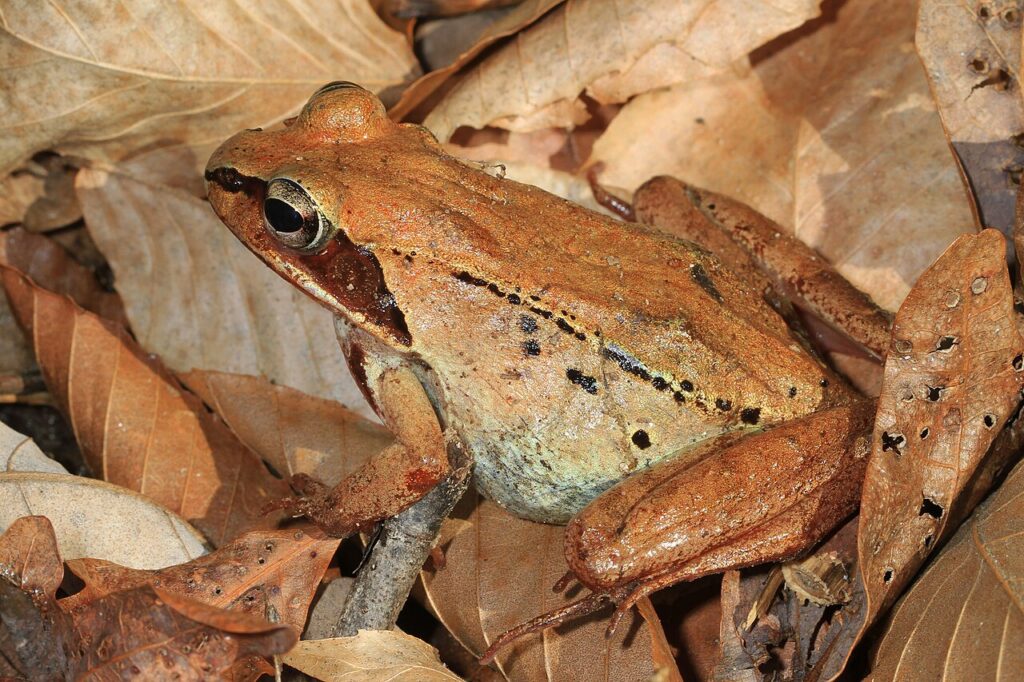
The wood frog, native to North America, is known for its ability to survive freezing temperatures, making it one of the hardiest amphibians. Once threatened by habitat loss and disease, the species is now seeing signs of recovery due to habitat restoration and disease management efforts. Conservation efforts have focused on preserving wetlands and reducing the impact of invasive species. The wood frog’s return demonstrates that amphibians can adapt to changing conditions with proper support.
These frogs rely on healthy wetlands for breeding and are sensitive to changes in water quality. Restoration of these wetland ecosystems, along with targeted disease control, has led to the species’ recovery. While still facing some challenges, the wood frog is a symbol of resilience in the face of environmental threats. Its recovery highlights the importance of wetland preservation for amphibian survival.
This article originally appeared on Avocadu.