
11 End-of-Winter New England Towns with Covered Bridges and Quiet Inns
Late winter in New England offers a peaceful window for travelers who want snowy scenery without heavy crowds. In late February and March, covered bridges stand out against white fields, and small towns feel calm and unhurried. Quiet inns glow with warm lights after cold days spent on scenic back roads. This is the season for slow walks, longer sunsets, and simple comforts. If you are looking for a cozy New England escape with classic village charm, this is the perfect time to plan a visit.
This post may contain affiliate links, which helps keep this content free. Please read our disclosure for more info.
Woodstock
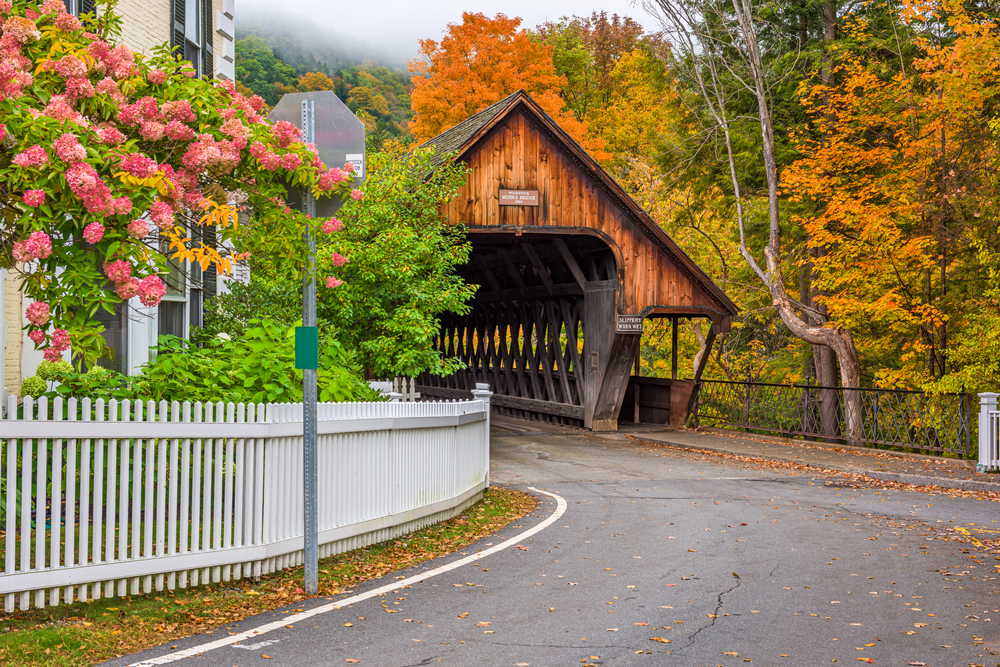
Late February and March in Woodstock feel calm after peak ski season fades, leaving behind snowy sidewalks and a slower pace. The Middle Covered Bridge stands right in the village, often framed by soft white banks of snow and a quiet river below. Without heavy foliage on the trees, you can see more of the rolling hills that surround town, which adds to the open, peaceful feel. It is the kind of place where you can walk from a country store to a covered bridge in just a few minutes and never feel rushed. End of winter light stretches a little longer each day, giving the village a gentle glow in the late afternoon.
Small inns in town lean into that cozy mood, with fireplaces, layered quilts, and common rooms that feel welcoming on cold evenings. Many visitors come during this window for quiet walks rather than packed schedules, which keeps restaurants and shops relaxed. Snow still lingers in shaded spots, while sunnier patches hint that spring is on the way. That mix of winter beauty and early thaw makes Woodstock feel intimate and scenic without large crowds. It is a classic New England setting that feels especially restful at the tail end of winter.
Jackson
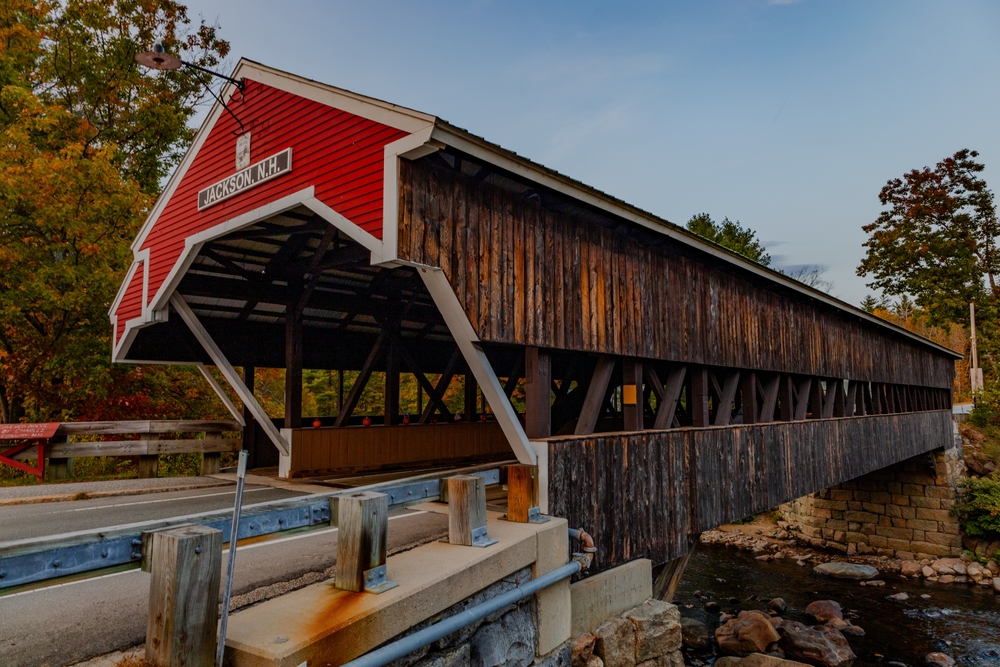
Jackson sits near the White Mountains, and its famous red covered bridge becomes even more striking against late winter snow. In February and March, the Honeymoon Bridge often looks like it belongs in a vintage postcard, especially after a fresh snowfall. The nearby mountains stay capped in white, giving every short drive a dramatic backdrop without summer traffic. Bare trees open up wider views of the valleys, which makes scenic loops feel expansive and quiet. It is easy to spend a morning walking between the bridge and the town center with very little noise around you.
Inns in Jackson often sit tucked along snowy roads, where you can wake up to mountain views and a still, cold morning. This stretch of the season draws travelers who prefer fireplaces and long breakfasts over busy ski weekends. The air feels crisp, and evenings come with a kind of calm that settles over the village. You can pair bridge photo stops with short drives through forested roads that feel almost private. It is a setting that feels peaceful and personal before spring crowds begin to return.
Stockbridge
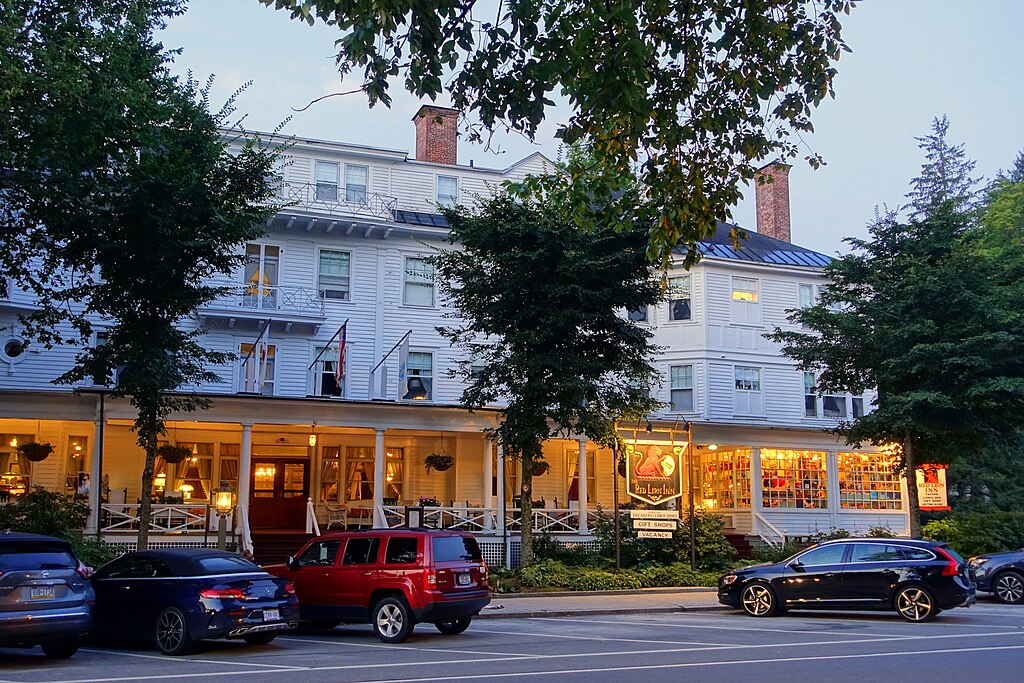
Stockbridge carries a historic charm that feels especially strong when snow rests on rooftops and stone walls. Late winter keeps the streets quieter, so you can take in the old buildings and classic New England architecture without heavy traffic. Covered bridges in the surrounding Berkshire region add to the sense of stepping back in time. The pale winter sky and lingering snow create a soft, muted palette that suits the town’s traditional look. It feels like walking through a painting during this slower season.
Cozy inns and historic lodgings are part of the appeal here, offering warm interiors that contrast with the chilly outdoors. After a day exploring nearby bridges or country roads, returning to a wood fire and a simple meal feels satisfying. March often brings bright days with cold nights, which keeps that wintry mood intact while daylight grows longer. The quieter atmosphere makes it easier to appreciate local museums and small shops at your own pace. Stockbridge stands out as a refined and peaceful end-of-winter retreat.
Stowe
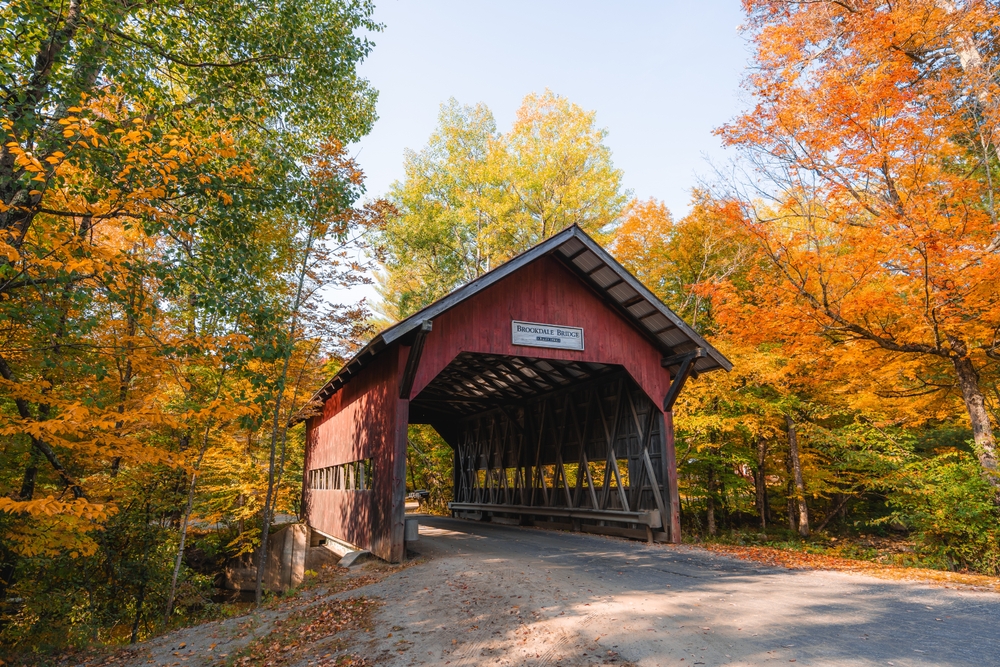
Stowe is known for skiing, yet late February and March can feel more relaxed once the holiday rush passes. Snow still blankets the fields, and covered bridges in the surrounding countryside look striking against open farmland. Scenic drives through town reveal mountain views that stay crisp and clear in cold air. Without thick foliage, the landscape appears wide and uncluttered. It is a good time to enjoy the area without feeling hurried.
Many inns in Stowe focus on comfort, offering warm common rooms and hearty breakfasts that suit chilly mornings. Evenings often revolve around quiet dinners and slow walks along snowy paths. The balance between lingering winter and approaching spring gives the town a reflective tone. Visitors can enjoy the beauty of the mountains while finding more availability at smaller lodgings. That combination makes Stowe feel both scenic and restful at the end of winter.
Waitsfield
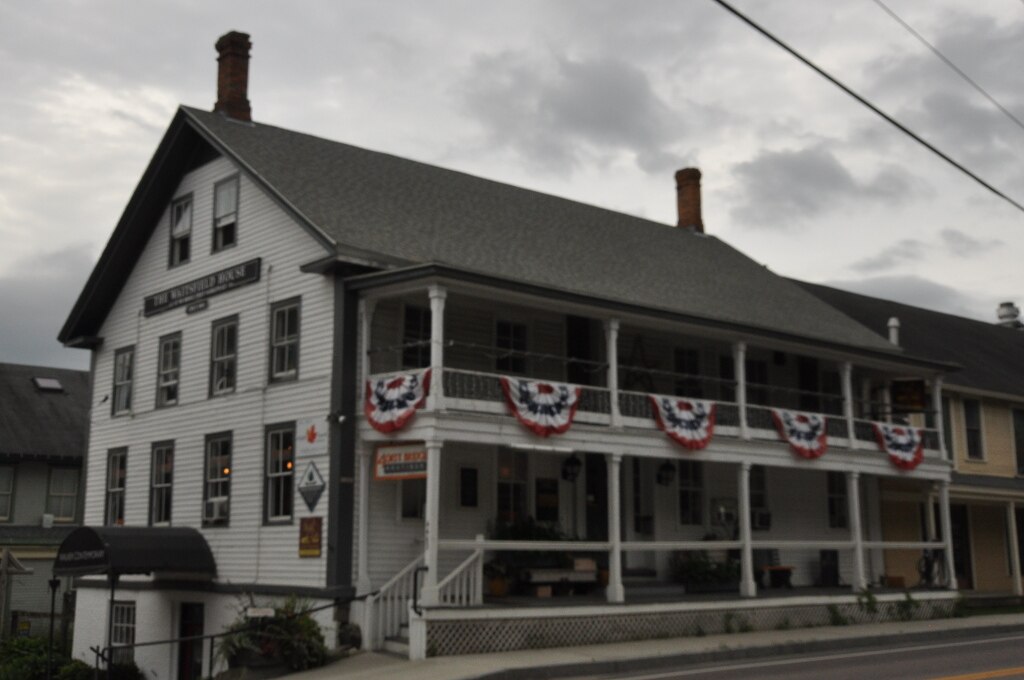
Waitsfield sits in the Mad River Valley, where late winter mornings often arrive bright and still. Snow lines the edges of winding roads that lead to covered bridges tucked into the countryside. The lack of summer greenery opens up long views of hills and barns, which adds to the quiet charm. Driving through this valley in March feels unhurried and scenic. It is a setting that invites slow exploration.
Inns here tend to feel personal, often with a handful of rooms and welcoming hosts. Guests come for peaceful nights and simple comforts rather than busy attractions. The end of winter brings a mix of snowy fields and early signs of thaw, which keeps the scenery interesting. Even a short stay can feel restorative when the roads are calm. Waitsfield offers a softer side of Vermont before spring arrives.
Brattleboro
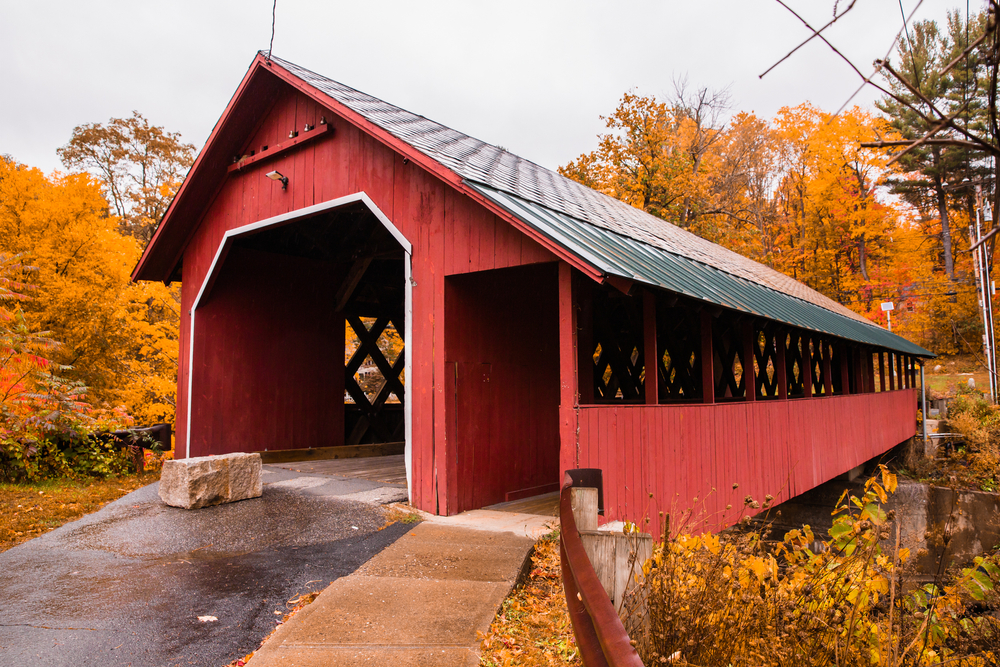
Brattleboro blends small-town character with rolling hills that still hold onto snow in late February and March. Covered bridges in the surrounding countryside feel especially quiet during this stretch, when back roads are clear yet rarely crowded. Bare trees open up views of farms, rivers, and distant ridgelines that stay visible until leaves return. A simple drive outside town can turn into a scenic loop without much planning. The slower rhythm of the season makes it easy to pause for photos or short walks.
Local inns often sit in historic buildings, where thick walls and warm lighting create a comforting contrast to the cold air outside. Visitors during this time tend to prefer bookstores, coffee shops, and relaxed dinners over packed event calendars. Snow remains in shaded corners, adding texture to the landscape without making travel difficult. Evenings feel calm, with fewer cars on the roads and a softer hum around town. Brattleboro offers a thoughtful, laid-back setting for an end-of-winter escape.
Littleton
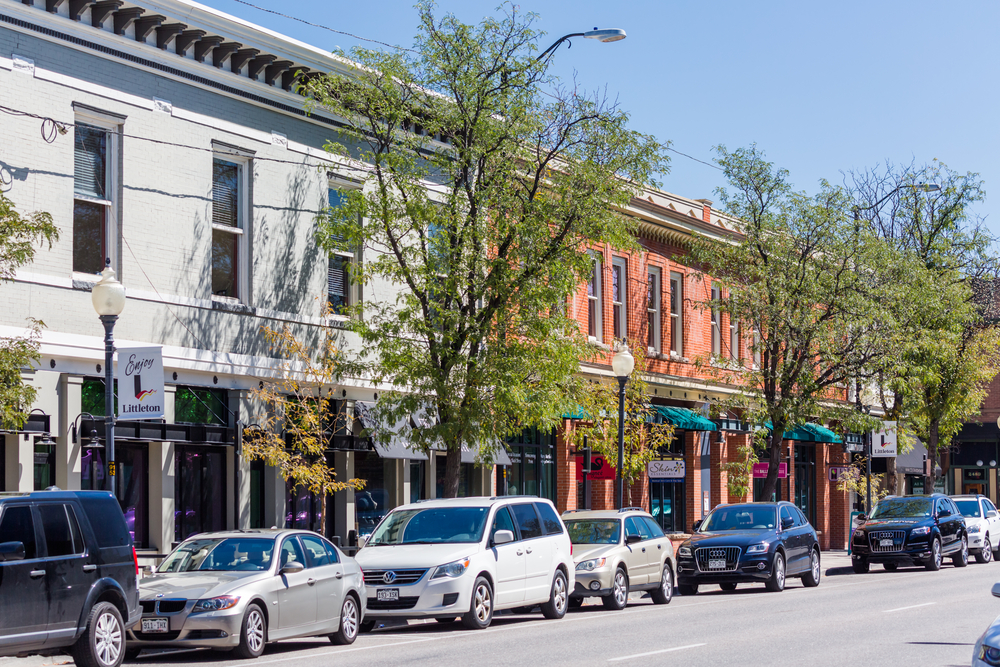
Littleton rests along the Ammonoosuc River, where covered bridges and old mills reflect the region’s past. In late winter, the river often moves steadily beneath icy edges, adding movement to otherwise still scenery. The White Mountains nearby stay snow-capped, creating a strong backdrop for short scenic drives. With fewer visitors between ski weekends, the streets feel easy to wander. It is a town where history and winter scenery meet quietly.
Charming inns and guesthouses give travelers a warm place to settle after time outdoors. March light lingers a bit longer each evening, making late afternoon strolls along Main Street pleasant despite the cold. Shops and cafes feel approachable, with no long waits or crowds. Covered bridge stops just outside town pair well with relaxed evenings indoors. Littleton feels steady and welcoming at the close of winter.
North Conway
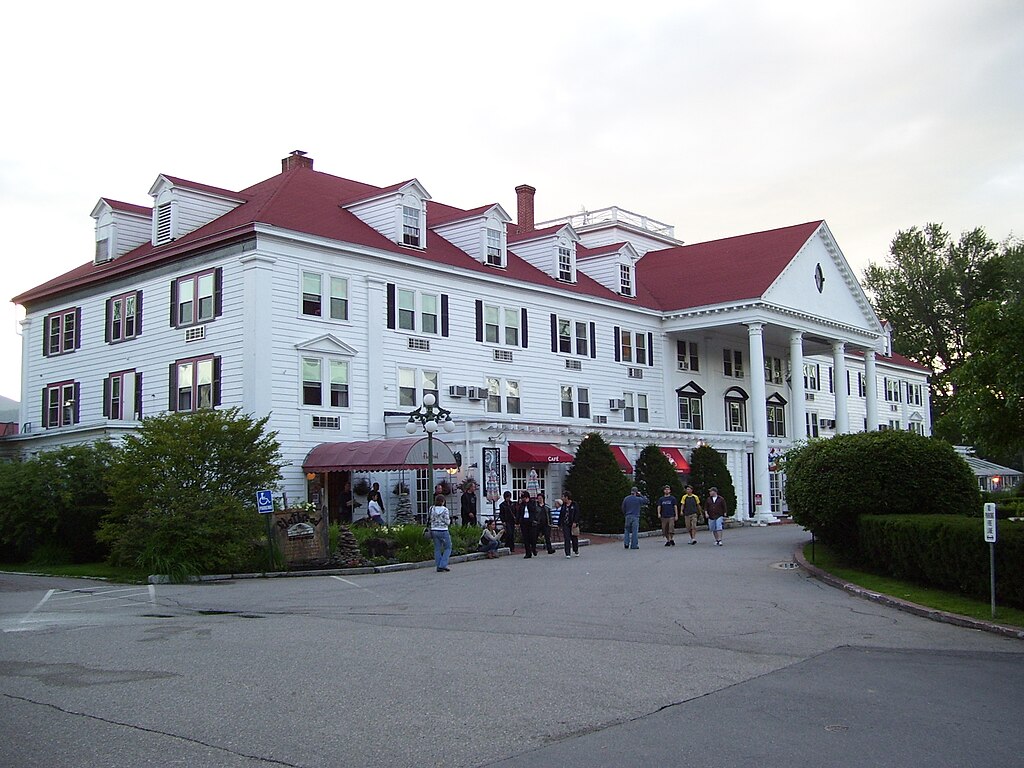
North Conway sits at the edge of the White Mountains, where snowy peaks frame nearly every view. Covered bridges in the area become focal points during late winter, especially when red paint stands out against white fields. Scenic loops through nearby valleys feel peaceful once peak holiday travel fades. Without thick summer traffic, you can pull over often and take in the quiet surroundings. The air feels crisp, and the mountain views appear sharp and open.
Local inns range from historic properties to smaller bed and breakfasts, many with fireplaces and mountain views. End of winter visitors often spend mornings outside and evenings indoors with simple comforts. Snow still defines the setting, yet longer daylight hints that spring is on the way. The balance keeps the atmosphere cozy rather than harsh. North Conway offers both scenery and calm before warmer months arrive.
Mystic
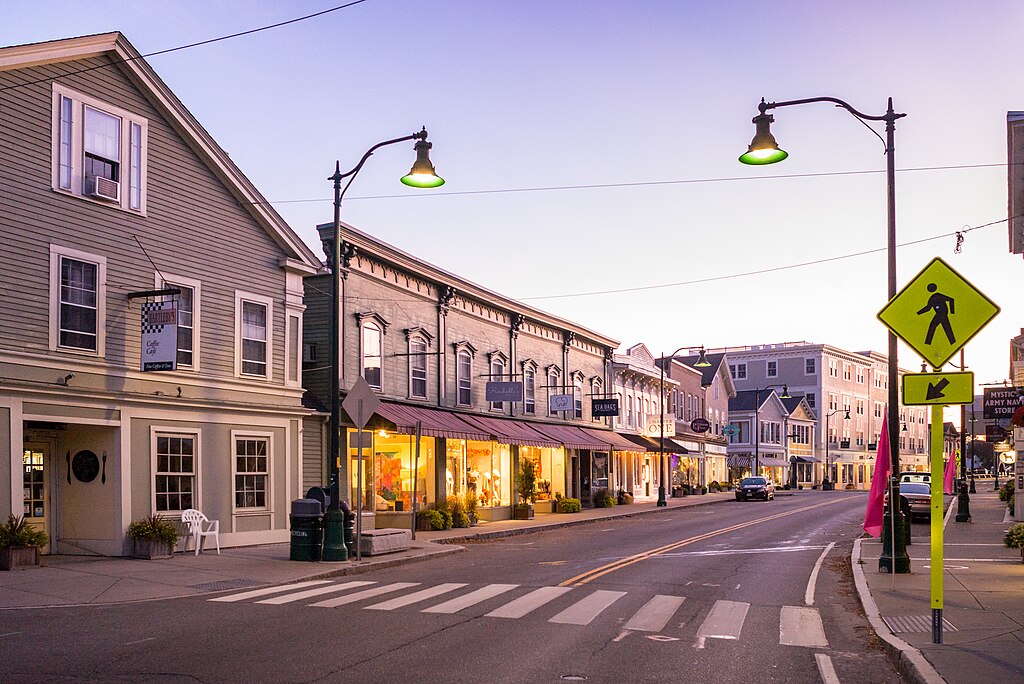
Mystic is known for its maritime roots, yet late winter gives it a softer and more reflective tone. Covered bridges in the wider region and scenic roads near the coast offer varied views during this time. Snow along the shoreline creates a contrast between white ground and gray water. Fewer visitors mean that docks and streets feel open and easy to explore. The chill in the air adds to the town’s historic feel.
Inns near the harbor often combine nautical charm with cozy interiors suited for cold nights. March days can be bright yet crisp, making waterfront walks refreshing rather than crowded. Restaurants and shops move at a relaxed pace, which suits a quiet getaway. The blend of coastal scenery and winter calm makes Mystic feel distinct. It is a thoughtful choice for those wanting both history and quiet.
Chester
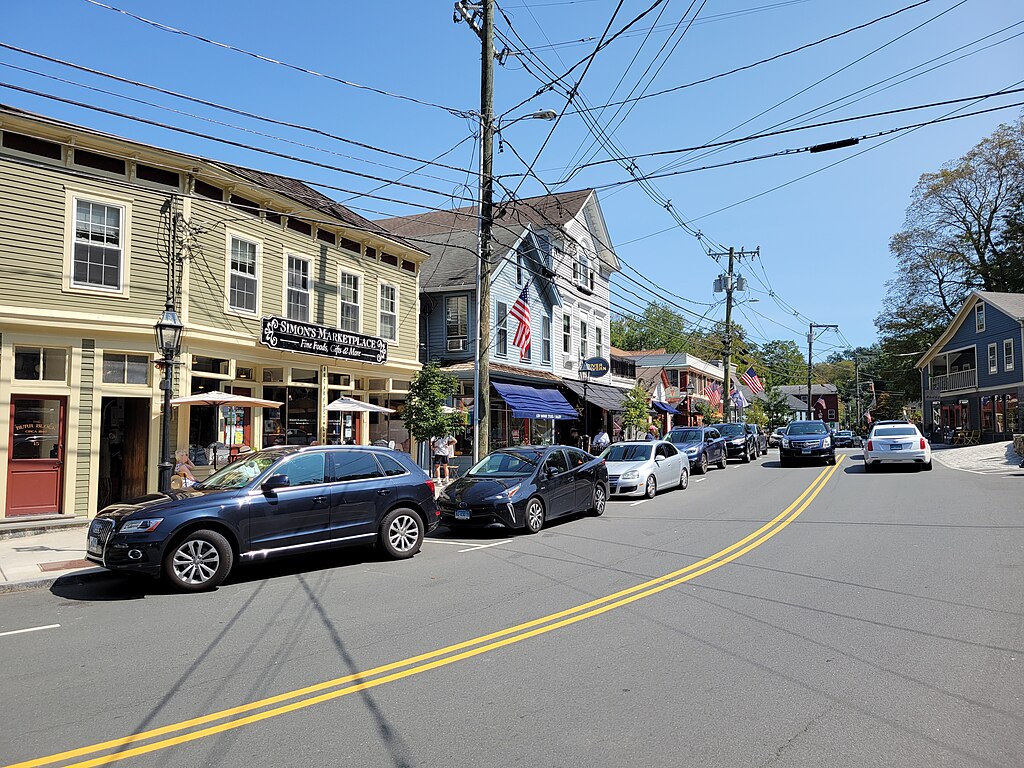
Chester is known for its classic village green and well-preserved historic homes. In late winter, snow gathers along fences and rooftops, giving the entire town a storybook appearance. Covered bridges nearby add to that traditional feel, especially when framed by quiet country roads. The absence of large crowds makes it easy to take in architectural details and scenic views. March often brings clear days that highlight the village’s timeless character.
Inns in Chester tend to be intimate, often located in older homes with period features. Evenings feel slow and comfortable, with guests settling in after short scenic drives. The transition between winter and spring creates gentle contrasts across fields and hills. Travelers who value calm settings find this time especially appealing. Chester offers a refined and restful atmosphere before the busier seasons return.
Kent
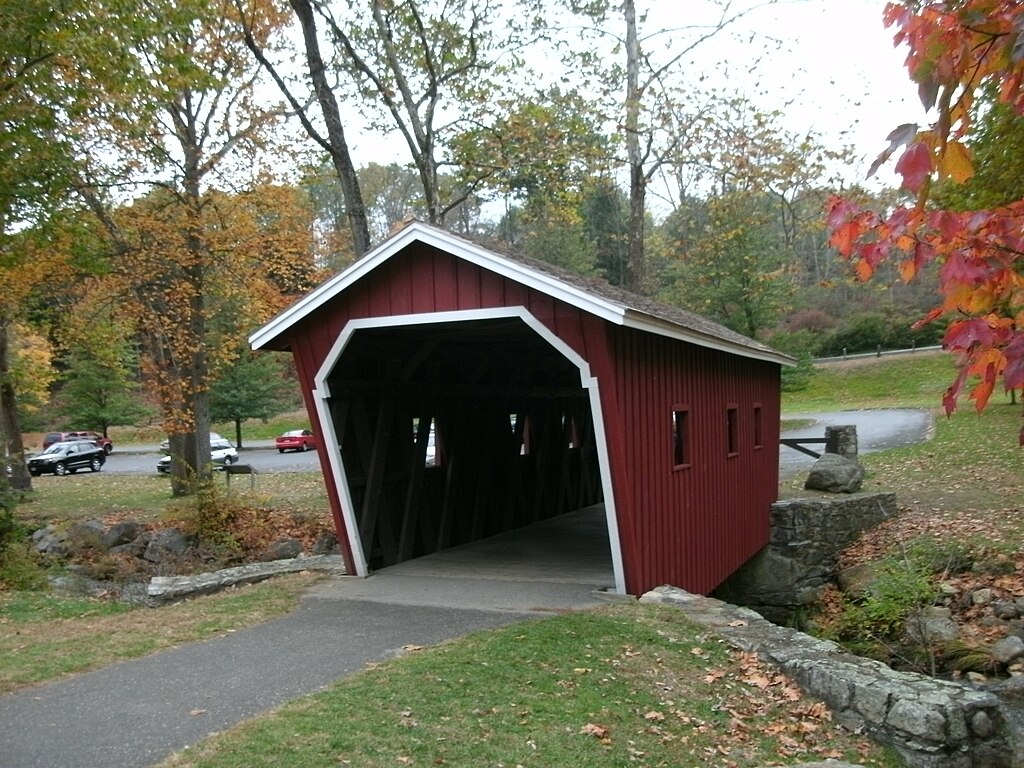
Kent sits in the Litchfield Hills, where late winter scenery feels understated and calm. Covered bridges and quiet roads wind through forests that remain mostly bare until spring. Snow often lingers in shaded spots, while open fields begin to show hints of change. Scenic drives through the area feel personal, with long stretches of quiet between towns. The slower pace makes it easier to notice small details in the countryside.
Historic inns and country lodgings offer warmth against the chilly air outside. Guests during this season tend to focus on reading by the fire or taking gentle walks rather than rushing from place to place. The mix of winter quiet and growing daylight creates a thoughtful mood. Even simple meals at local restaurants feel unhurried. Kent stands out as a peaceful corner of New England at winter’s close.
This article originally appeared on Avocadu.