
15 Edible Plants You Can Start Outdoors Earlier Than Tomatoes
For gardeners itching to start their outdoor planting, certain edible plants can be set out earlier than tomatoes. These hardy plants are built to endure cooler temperatures, helping you get a jump on the growing season. Planting them early gives you fresh, homegrown produce while you wait for the warmth-loving crops to catch up. With the right choices, your garden can offer an early taste of the season.
This post may contain affiliate links, which helps keep this content free. Please read our disclosure for more info.
Kale
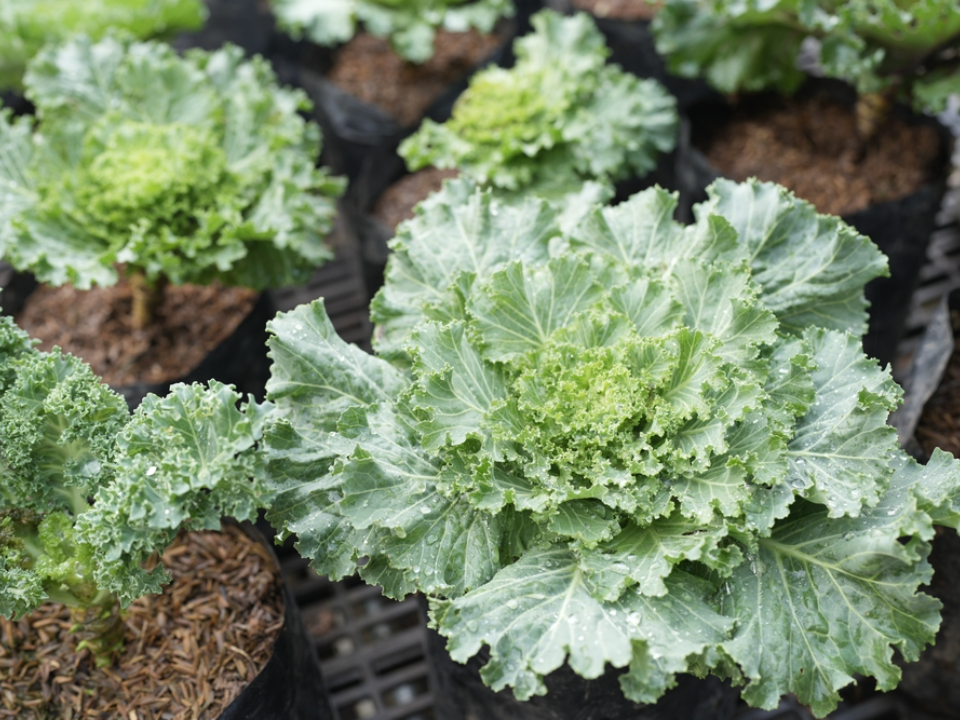
Kale is a cool-weather plant that thrives in early spring, making it an excellent choice for planting before tomatoes. Its hearty leaves are rich in nutrients, offering a robust harvest even when temperatures are still chilly. Kale grows best in well-drained soil and enjoys a bit of shade, which makes it perfect for early outdoor planting. You can harvest leaves from the outside of the plant, allowing it to continue producing throughout the season.
In addition to being a nutritional powerhouse, kale is incredibly versatile. Whether you’re adding it to salads, soups, or making kale chips, it’s a valuable addition to any garden. It grows quickly, and with consistent care, you can enjoy a steady supply of fresh greens long before the summer heat kicks in. Be sure to keep an eye out for pests, as aphids are known to target young kale plants during cooler months.
Spinach
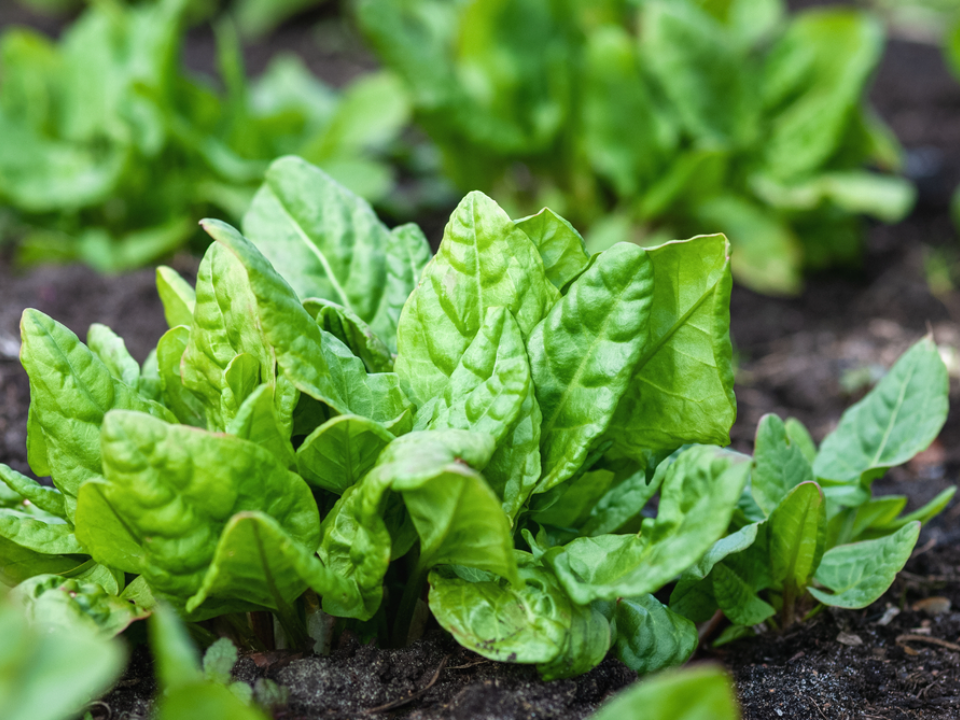
Spinach is another cool-weather crop that thrives in early spring, often weeks before tomatoes can be planted. This plant loves the chill of early spring and grows quickly in the right conditions. Spinach needs fertile soil and regular moisture to ensure a healthy harvest. It can be harvested within 4-6 weeks of sowing, providing a quick and delicious crop.
Spinach can be used in a variety of dishes, from salads to smoothies, or even in soups and stews. The leaves are tender and nutrient-rich, making them a great addition to any diet. Because it grows quickly, you can plant several rounds of spinach throughout the season for a continuous supply. Be mindful of bolting, as spinach tends to flower and turn bitter once temperatures rise, so it’s important to harvest early.
Radishes
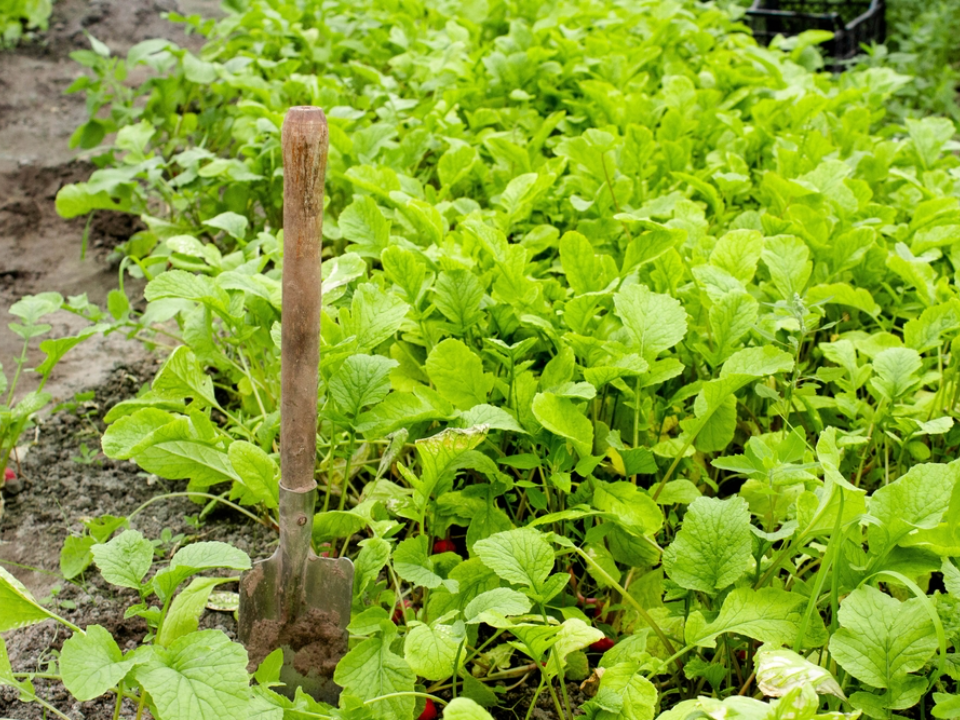
Radishes are one of the fastest-growing vegetables, making them perfect for planting ahead of tomatoes. You can start them in early spring, as they tolerate the cold and can mature in as little as 3-4 weeks. Radishes thrive in well-drained soil and enjoy a sunny location. Their quick growth allows you to enjoy fresh, crunchy radishes in no time.
In addition to being fast-growing, radishes are easy to care for. They don’t require much space, making them ideal for smaller garden beds or containers. Their spicy flavor adds a unique kick to salads and garnishes, and they pair well with a variety of dishes. To get the best flavor, make sure to water them consistently to avoid bitterness.
Peas
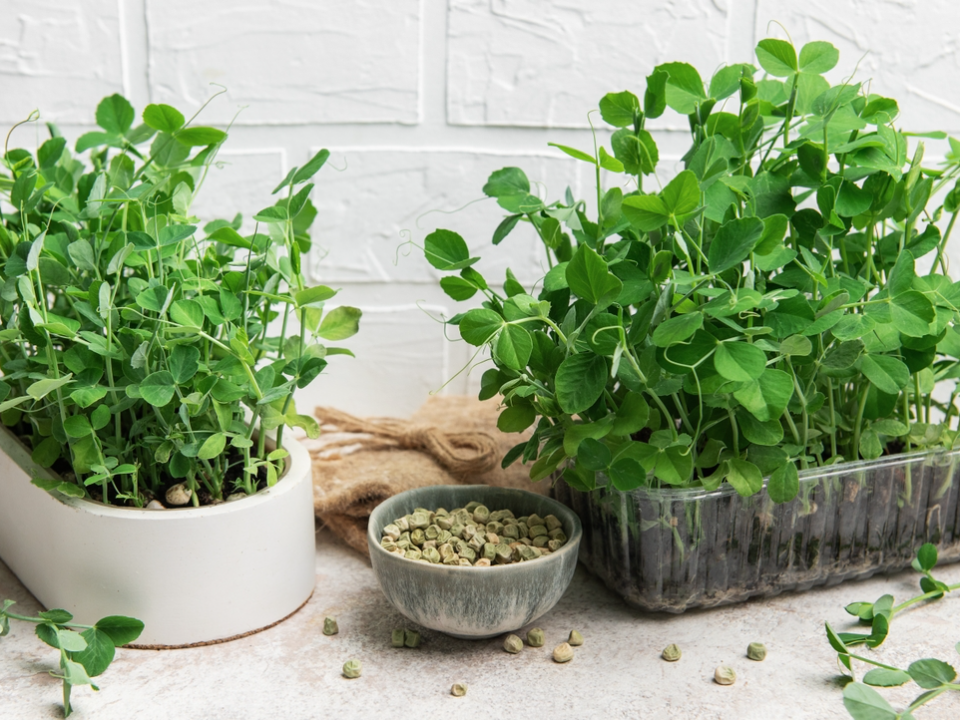
Peas are another early-season crop that can be planted before tomatoes, making them perfect for those eager to start their garden. Peas grow well in cool temperatures and can be sown directly into the ground as soon as the soil can be worked. Their vines need support, so a trellis or some string can help them climb. Peas are a great addition to your garden as they provide a fresh, early harvest.
Peas are not only delicious but also beneficial to the soil, as they help fix nitrogen, improving the soil for other plants. They grow quickly and can be harvested within 50-60 days. Fresh peas are a treat in salads, stews, and even as a side dish. By planting peas early, you can enjoy them long before the warmer-season crops are ready to mature.
Lettuce
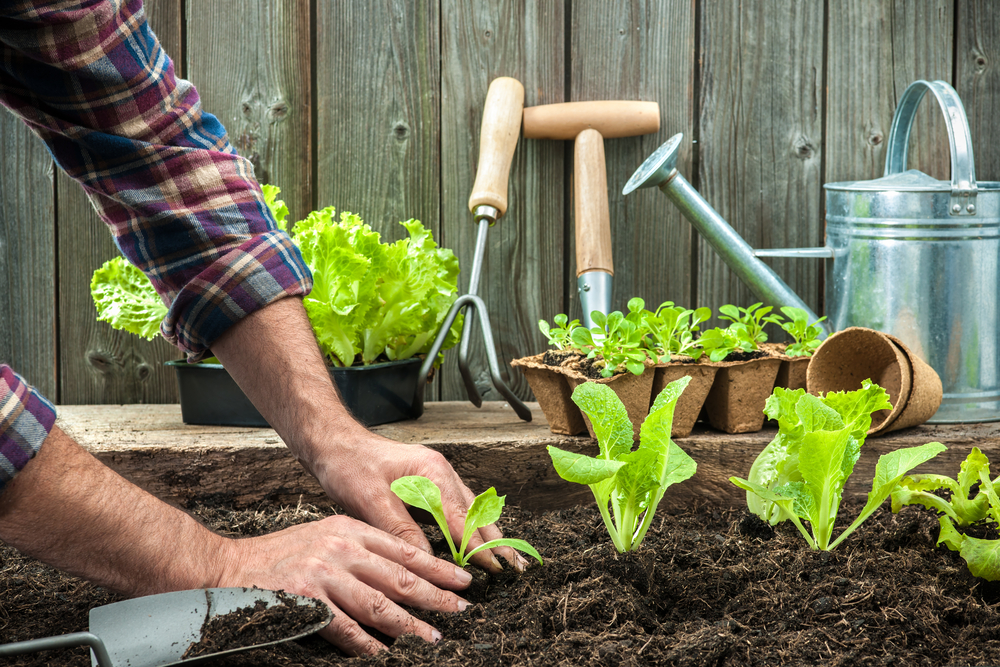
Lettuce is a cool-season crop that can be planted outdoors long before tomatoes. It grows quickly, allowing for an early spring harvest, even when the weather is still chilly. Lettuce thrives in loose, fertile soil and requires regular watering to ensure a steady supply of tender leaves. You can harvest individual leaves or the entire head, depending on the variety.
Lettuce comes in a variety of types, including loose-leaf, romaine, and butterhead, each offering a different texture and flavor. It’s perfect for salads and sandwiches, providing a refreshing crunch. Lettuce does best in temperatures below 70°F, making it ideal for early planting before the summer heat sets in. Since lettuce is a fast grower, consider planting successive crops throughout the season for a continuous supply.
Arugula
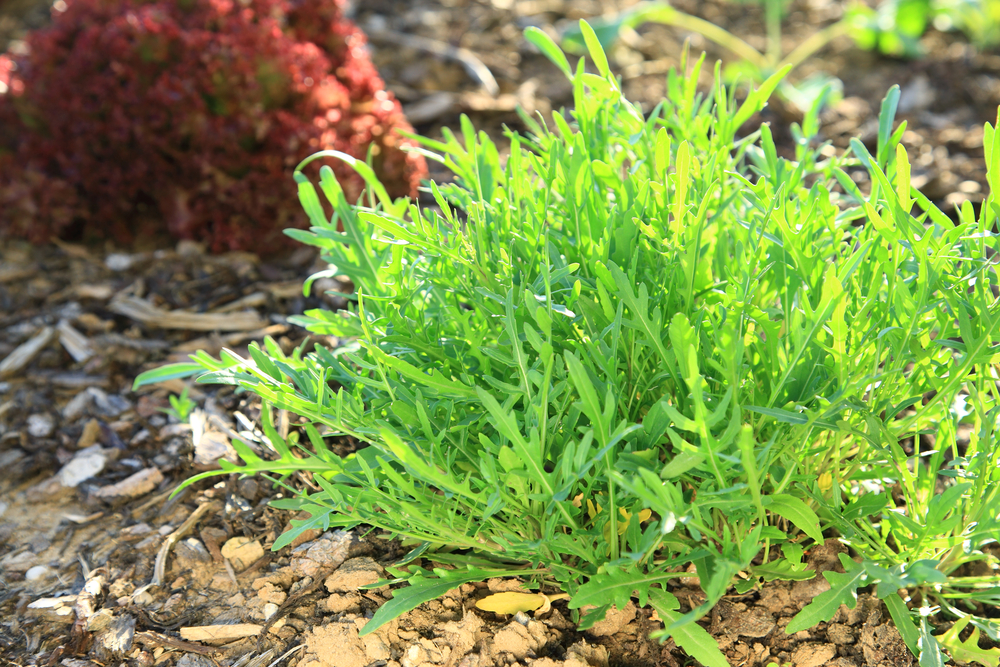
Arugula is another cool-weather crop that can be planted before tomatoes and provides a quick harvest. It thrives in cooler temperatures, growing best when the soil is still cool in early spring. Arugula has a peppery flavor that adds a distinctive zing to salads and sandwiches. You can harvest the leaves as early as 4-6 weeks after sowing, allowing you to enjoy fresh greens much earlier in the season.
Arugula is a versatile herb that can be used in a wide range of dishes, from salads to pizzas, or even as a garnish. It grows quickly, making it perfect for gardeners who want to enjoy an early harvest. Be mindful of its rapid growth, as regular harvesting will prevent it from bolting when the weather warms. With its rich flavor and easy care, arugula is a great plant to add to any garden.
Swiss Chard
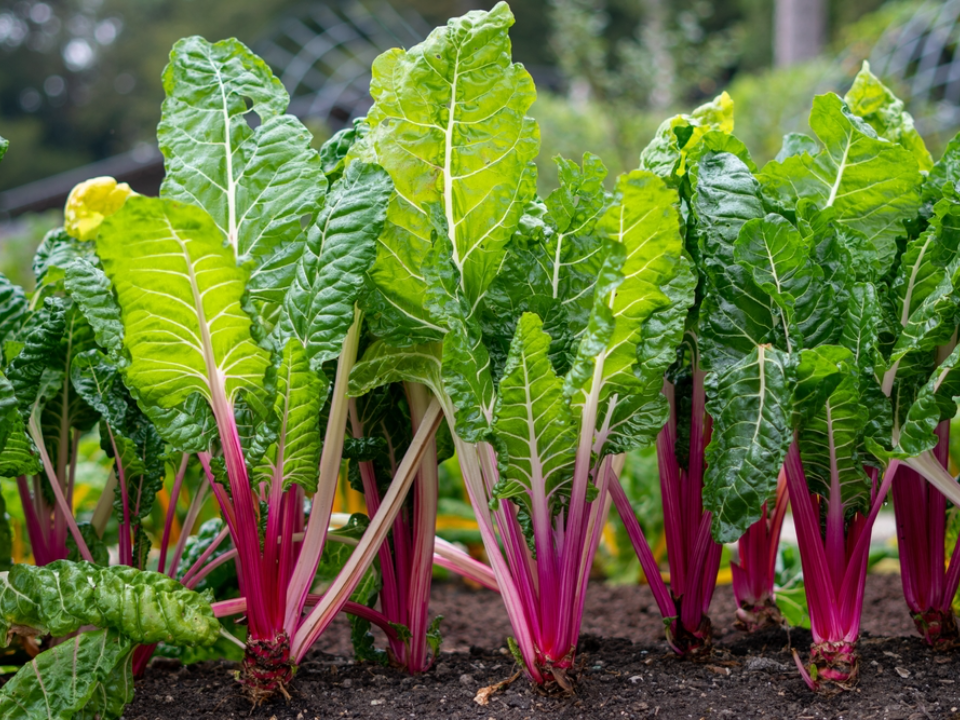
Swiss chard is a leafy green that can be planted outdoors early, well before tomatoes are ready to be put in the ground. It tolerates cooler temperatures and can grow year-round in mild climates. Swiss chard has vibrant, colorful stems that add beauty to your garden, while the leaves are nutritious and versatile in cooking. You can harvest the leaves as needed, allowing the plant to keep producing throughout the season.
This plant is a nutritional powerhouse, packed with vitamins A, C, and K, as well as plenty of fiber. Swiss chard grows quickly, providing a steady supply of greens for your kitchen. It thrives in well-drained soil and can be used in a variety of dishes, from salads to sautés. Be sure to water it regularly, as chard prefers moist soil to ensure healthy growth.
Mustard Greens
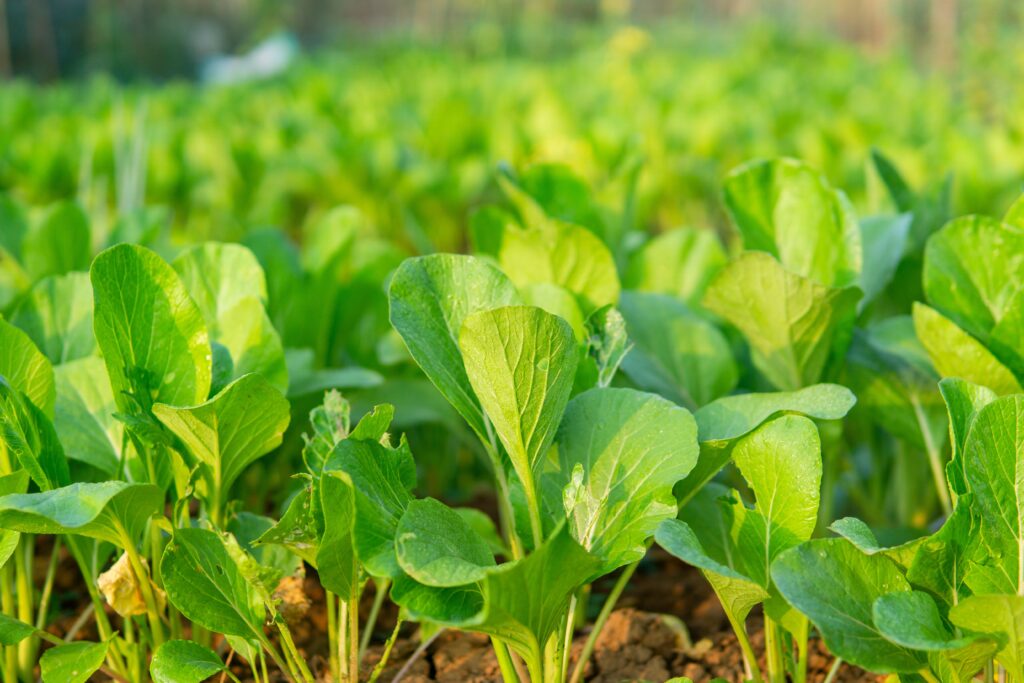
Mustard greens are a fast-growing leafy green that thrives in cool weather, making them perfect for planting early in the season. They can tolerate frost, making them a good choice for early spring gardening. Mustard greens have a distinct, spicy flavor that adds zest to dishes. They grow quickly, and you can start harvesting within 4-6 weeks after sowing.
These greens are high in vitamins A, C, and K, making them a healthy addition to your diet. Mustard greens can be used in salads, sautéed, or even added to soups. They are perfect for gardeners who want a quick, flavorful harvest early in the season. To keep the leaves tender, avoid letting them grow too large before harvesting.
Carrots
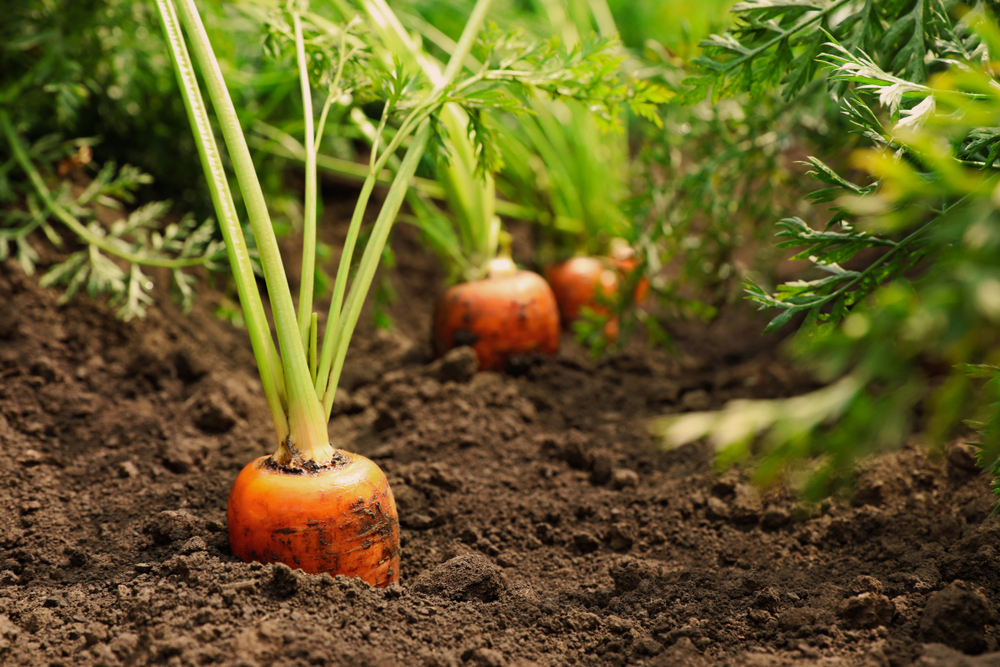
Carrots can be planted earlier than tomatoes and thrive in cooler spring weather. They require well-drained, loose soil to grow straight, tender roots. Carrots are relatively slow-growing, but once they’re established, they are easy to care for. Early sowing ensures that the roots have plenty of time to mature before the summer heat arrives.
Carrots come in a variety of colors, from orange to purple, offering a fun twist to your garden. Their sweetness increases as they grow, and they can be eaten fresh or stored for later use. To prevent the roots from becoming too woody, harvest carrots as soon as they reach the desired size. With a little patience, you can enjoy homegrown carrots months before the heat of summer.
Broccoli
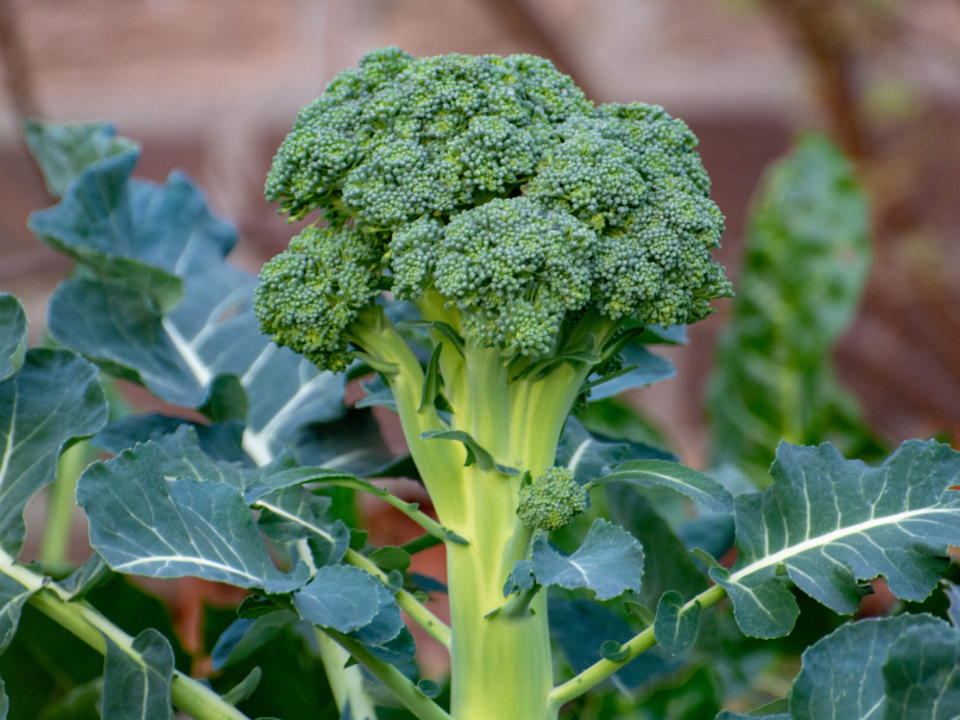
Broccoli is a hearty vegetable that can be started early in the season, well before tomatoes. It grows best in cool weather and thrives in the early spring months when temperatures are still low. Broccoli requires rich, fertile soil and consistent watering to develop healthy heads. Once the plants are established, you can expect to harvest broccoli within 50-70 days.
Broccoli is a favorite in kitchens worldwide, known for its nutritional value and versatility in cooking. The heads are packed with vitamins and minerals, making them a healthy addition to any diet. Since it grows in cool temperatures, it can be planted outdoors early in the season, giving you a fresh harvest before summer crops. Be sure to keep the soil consistently moist to ensure strong, healthy growth.
Turnips
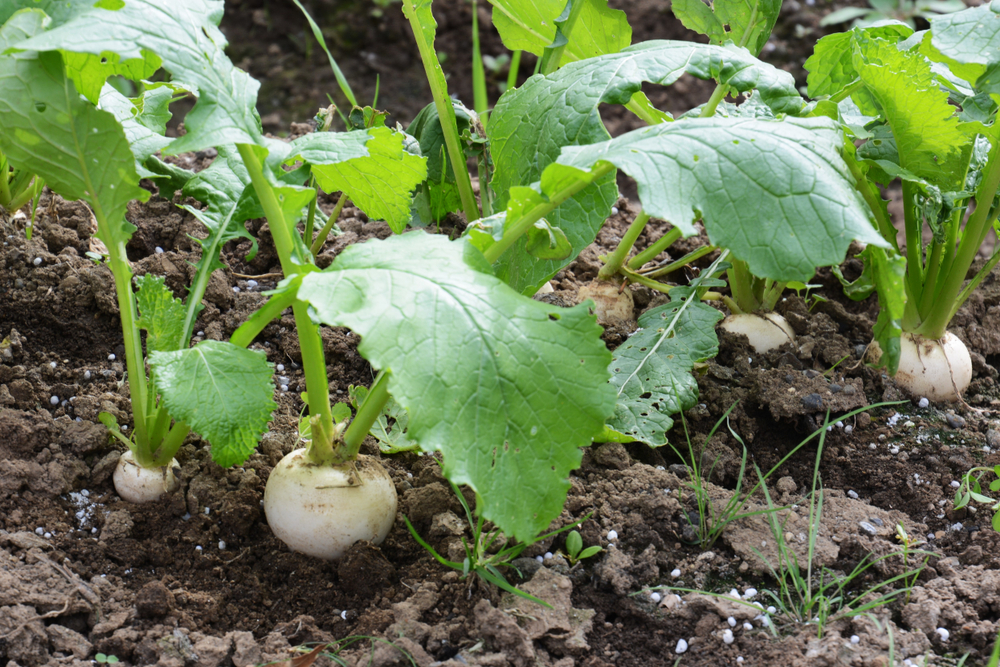
Turnips are hardy root vegetables that can be planted earlier than tomatoes, as they tolerate the cool temperatures of early spring. The edible greens and roots both offer a delicious and nutritious harvest. Turnips are easy to grow and require minimal care, thriving in well-drained soil with regular watering. They can be harvested within 40-50 days, offering a quick return on your gardening efforts.
Turnips are versatile in the kitchen, with the roots used in stews, soups, and salads, while the greens can be sautéed or used in salads. Their mild flavor makes them a great addition to a variety of dishes. Turnips prefer cool soil, so planting them early ensures they can grow before the summer heat sets in. Harvest them as needed, pulling the roots and cutting the greens for continued growth.
Cabbage
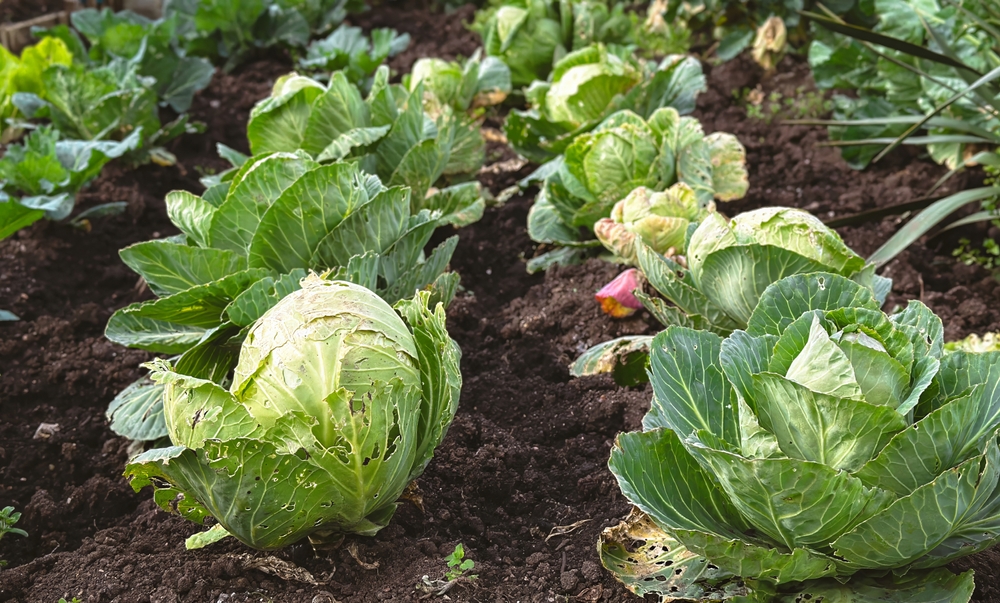
Cabbage is another cool-weather crop that can be started before tomatoes, offering a hearty, early-season harvest. It thrives in cooler temperatures and can be planted as soon as the soil is workable in spring. Cabbage requires fertile, well-drained soil and consistent moisture to form tight, dense heads. It grows relatively slowly, but once established, it can be harvested within 70-90 days.
Cabbage is an incredibly versatile vegetable, often used in salads, slaws, or cooked dishes. Its thick, crunchy leaves provide a satisfying texture and can be used in a variety of recipes. Because it can handle cool weather, cabbage is an excellent plant to start early, and it is one of the most rewarding crops to grow. Be mindful of pests like cabbage worms, which are common in the spring.
Chives
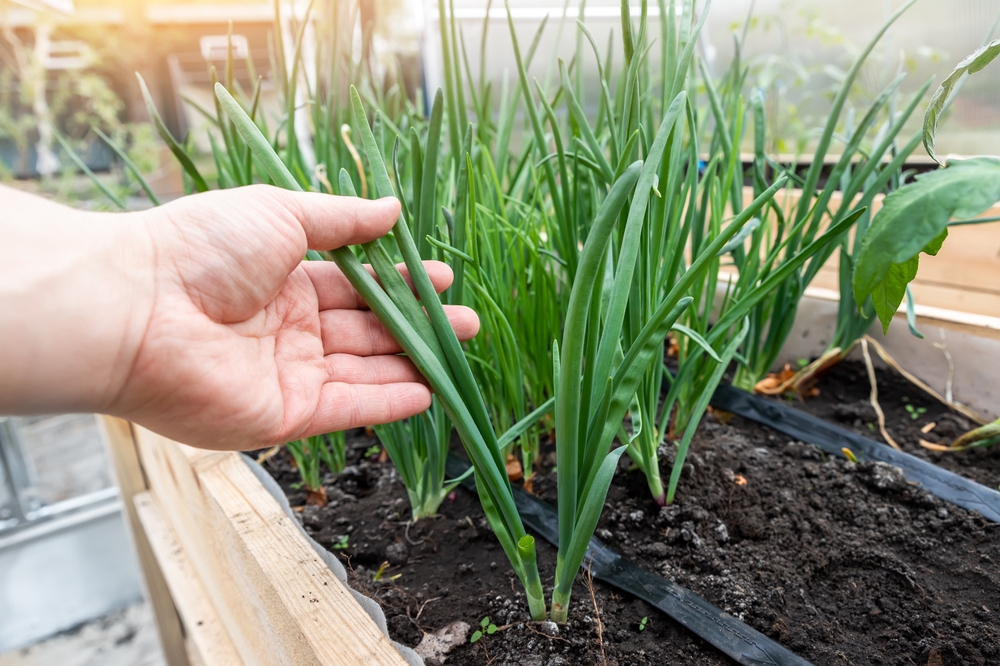
Chives are hardy perennial herbs that can be planted outdoors as soon as the soil can be worked. Their mild onion flavor adds a fresh, aromatic element to a variety of dishes. Chives grow quickly, producing green stalks that can be snipped for fresh use throughout the season. They thrive in well-drained soil and require minimal maintenance once established.
Chives are perfect for adding flavor to salads, baked potatoes, or even soups. Since they grow early in the season, you can enjoy fresh herbs before other plants have had time to mature. Chives can tolerate frost, making them an excellent choice for early outdoor planting. To keep them healthy, divide the clumps every few years to ensure strong growth.
Beets
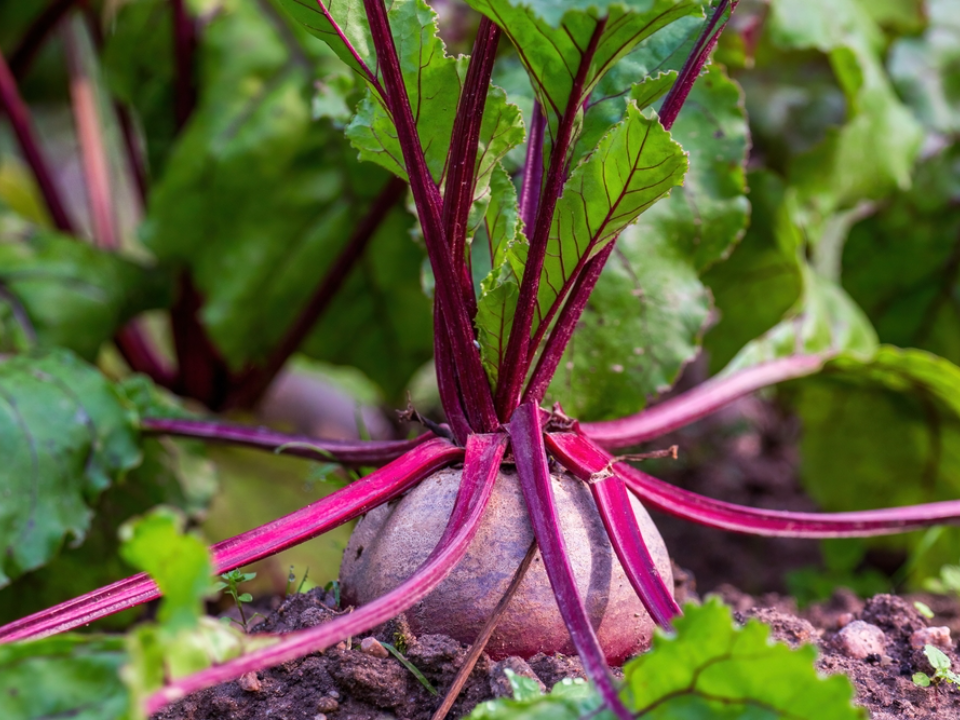
Beets are another root vegetable that can be planted earlier than tomatoes and thrives in cool weather. They can be directly sown outdoors as soon as the soil is workable in early spring. Beets grow well in loose, fertile soil and need consistent moisture to form healthy, round roots. The tops of the beets can also be harvested as greens, adding extra value to the plant.
Beets are rich in vitamins and antioxidants, making them a great choice for gardeners looking to grow healthy, nutrient-packed vegetables. They can be used in salads, roasted, or even pickled for later use. The leaves are tender and nutritious, perfect for sautéing or adding to soups. Beets grow quickly and are ready to harvest within 50-60 days, providing a fast reward for your gardening efforts.
Fava Beans
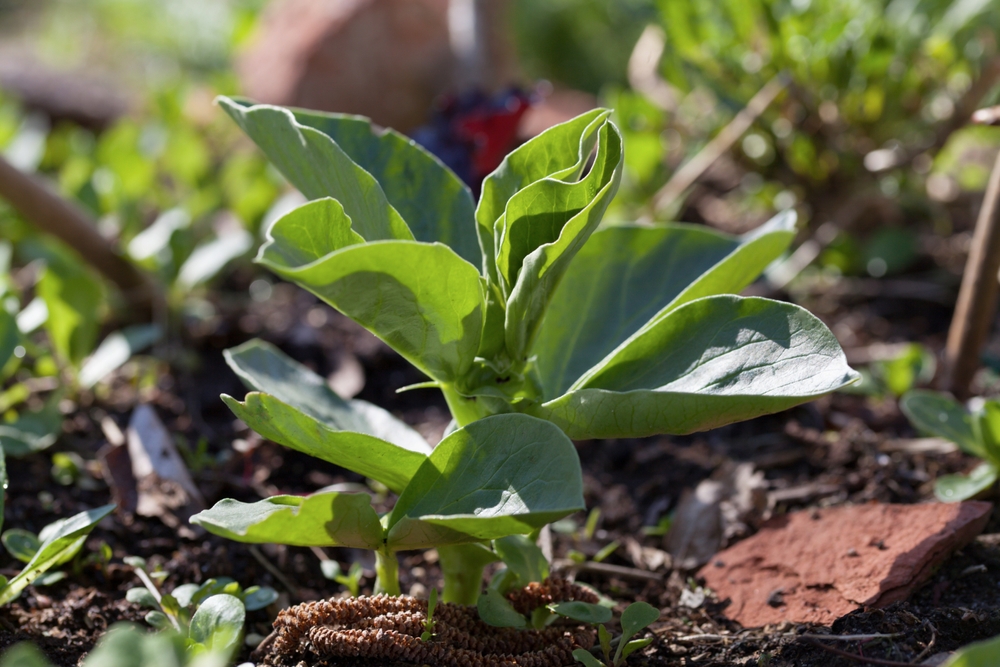
Fava beans are a cool-season crop that can be started earlier than tomatoes, as they tolerate cooler temperatures. They grow best in early spring when the weather is still cool, producing tender, nutrient-rich beans. Fava beans can be sown directly in the garden and will need a bit of space to spread out. They’re excellent for improving soil health, as they fix nitrogen into the soil.
Fava beans are a great addition to any garden, not only for their edible beans but also for their ability to enrich the soil. The beans can be used in a variety of dishes, from stews to salads, offering a mild, nutty flavor. Be mindful of pests like aphids, which are attracted to fava plants. With their early growth, fava beans can be harvested well before warmer-season crops are ready.
This article originally appeared on Avocadu.