
12 Edible Flowers to Grow and Harvest This March
March is a great time to plant edible flowers that bring fresh color and light flavor to spring meals. Many hardy varieties can be sown outdoors, while tender ones can get an early start indoors before warmer days arrive. From salads to desserts, these blooms can make homegrown dishes feel fresh and seasonal. With the right picks, you can enjoy a pretty and useful harvest right from your garden.
This post may contain affiliate links, which helps keep this content free. Please read our disclosure for more info.
Violas
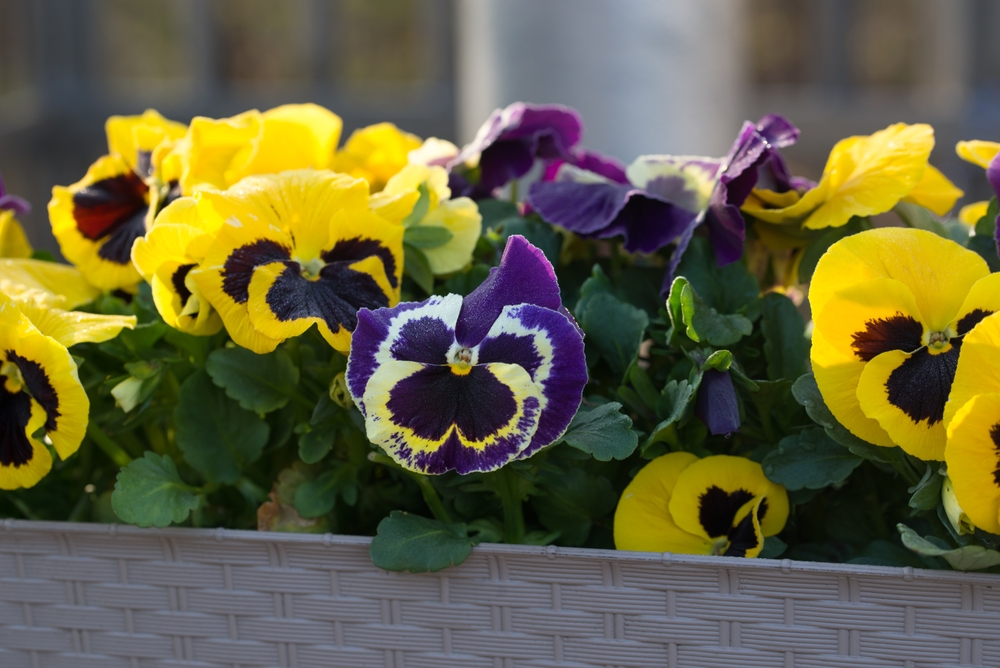
March is a fine time to sow violas because these small flowers enjoy cool air and do well while the soil is still moist from late winter. In many places, they can be sown straight into prepared beds once the ground can be worked, and they often settle in well before hotter weather arrives. Their petals have a mild, slightly sweet taste that works nicely in spring salads, on soft cheeses, or pressed onto frosted cakes. Starting them in March gives the plants time to flower during the gentle part of the season, when blooms usually look their freshest.
Violas are loved for how easy they are to use in the kitchen and for how often they keep blooming once picking begins. Regular harvesting can keep the plants tidy and may encourage more flowers over time, which is useful for anyone who wants a steady supply for garnishing plates. They do best in full sun to light shade with loose, well-drained soil, and young plants appreciate even moisture while roots get settled. Because the flowers are small and soft, they are best picked in the morning after the dew dries, then used the same day for the best look and taste.
Pansies
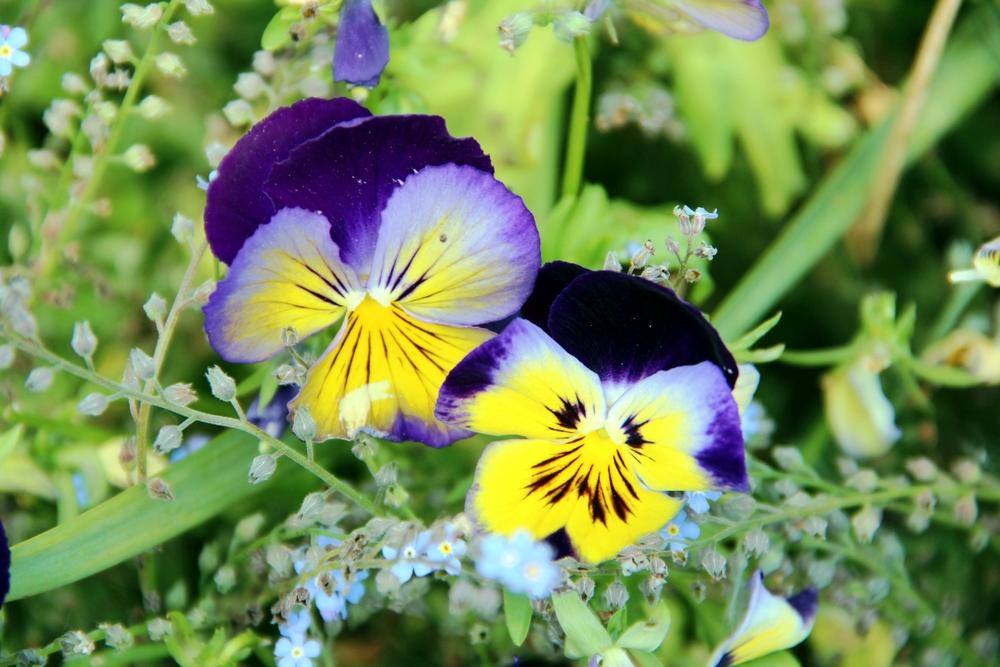
Pansies are another cool-season favorite that makes good use of March weather, especially in regions where spring comes on gently rather than all at once. Their seeds can be sown outdoors in cool conditions, and many gardeners like to start them indoors in March if their area warms quickly later in spring. The flowers are larger than violas, with a soft texture and a mild flavor that can lean slightly grassy or sweet depending on the variety. They make salads look lively and can be used whole to decorate desserts, drinks, or open-faced sandwiches.
One reason pansies suit March sowing so well is that they prefer cooler growing conditions and often fade when strong heat settles in. Giving them an early start means more flowers to pick during the part of spring when many fresh dishes call for bright color and light flavor. They like fertile soil, regular watering, and spent blooms removed so the plants keep putting energy into new buds. For kitchen use, it is best to pick flowers that have just opened, rinse them gently, and keep them chilled until serving.
Chive Blossoms
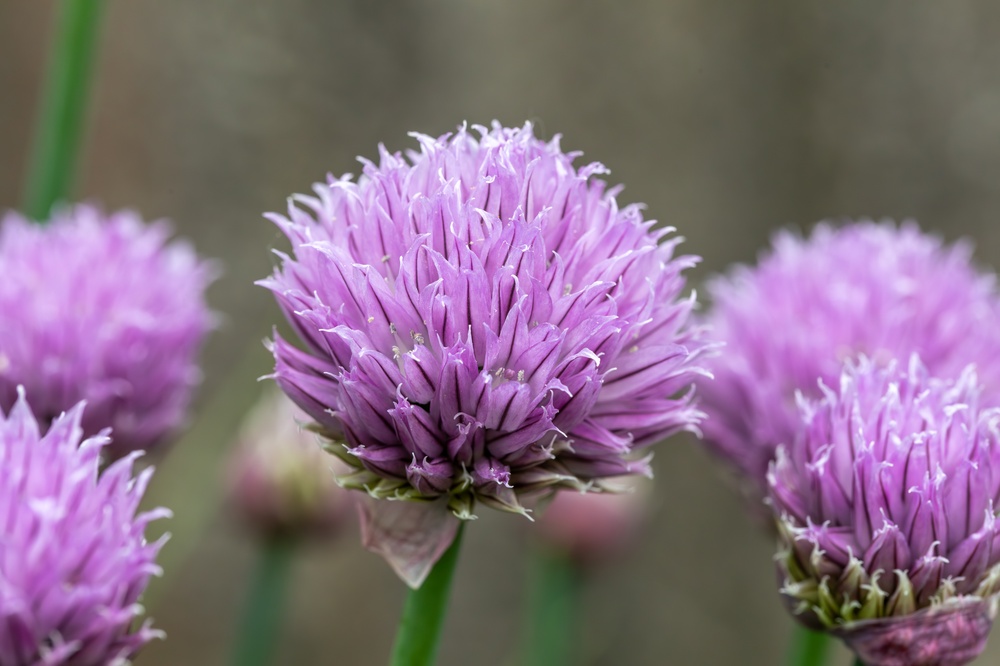
Chives are often planted for their leaves, though their round purple blossoms are just as useful and worth planting for in March. Sowing or dividing chives at this time lets them root into cool, damp soil, which helps young plants settle before warmer days speed up growth. Their flowers carry a mild onion taste that works beautifully scattered over eggs, soups, potato dishes, and green salads. Since March often gives herbs a strong early push, it is a practical month to start a patch meant for both leaves and blooms.
The blossoms are especially valuable because they bring flavor and color at the same time without taking over a dish. Each flower head can be broken into smaller florets, making it easy to sprinkle them where a light onion note is wanted without using chopped raw onion. Chives grow well in full sun and appreciate soil that drains well while staying evenly moist, especially in the early stages. When flowers begin to open, harvest them while they still look full and fresh, since older blooms can dry out and lose some kitchen appeal.
Calendula
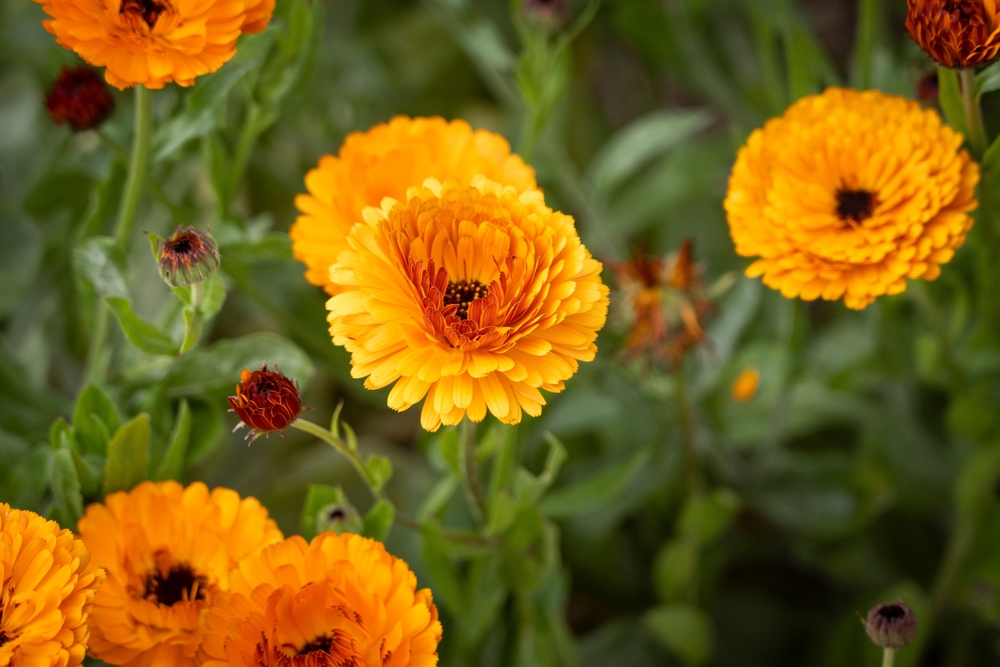
Calendula is one of the best flowers to sow in March because it likes cool weather and often germinates well in soil that has started to warm just a little. It is hardy enough for direct sowing in many regions, and young seedlings usually handle spring chills with little trouble. The petals have a mild peppery taste and a bright golden or orange color that adds a cheerful touch to rice, butter, salads, and soft cheeses. Because it grows quickly, March sowing can lead to an early run of blooms that keeps going if flowers are picked often.
Many gardeners like calendula because it earns its space in both the vegetable bed and the kitchen. The petals are the part most often used, and they can be plucked from the flower head and scattered fresh for a light burst of color. Calendula prefers a sunny spot and average garden soil, and it does not ask for much beyond regular watering while young. Picking blooms often keeps plants from rushing to seed, which means more flowers to harvest over a longer stretch of spring and early summer.
Chamomile
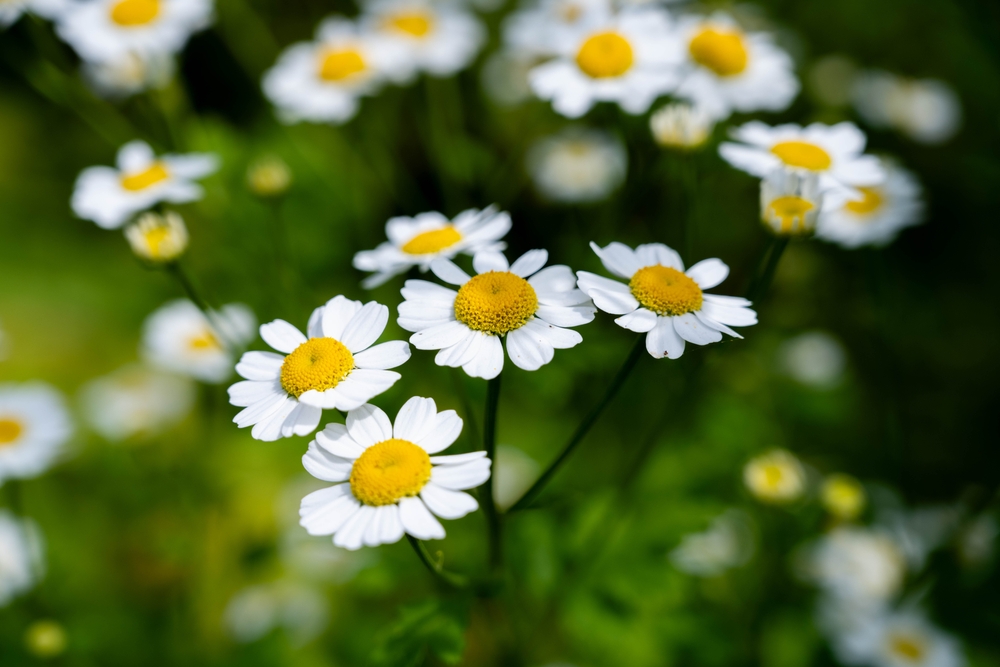
Chamomile is well-suited to March sowing because it enjoys the gentle shift from cool to mild weather and can be started before real heat arrives. In many gardens, it can be sown outdoors on the soil surface, since the seeds need light to germinate well. Its tiny daisy-like flowers are best known for tea, though they can be used fresh in salads or as a light garnish for desserts with honey, lemon, or cream. Starting in March allows the plants to grow in mild conditions, which often leads to healthy stems and a steady flower set later in spring.
The reason chamomile fits so nicely into a March garden is that it does not need rich soil or heavy feeding to do well. It often grows best where drainage is good, and the planting area gets full sun for much of the day. Flowers should be harvested when they are fully open and still fresh, since that is when their apple-like scent is strongest. Frequent picking keeps the plants productive, and the flowers can be used right away or dried for later kitchen use.
Borage
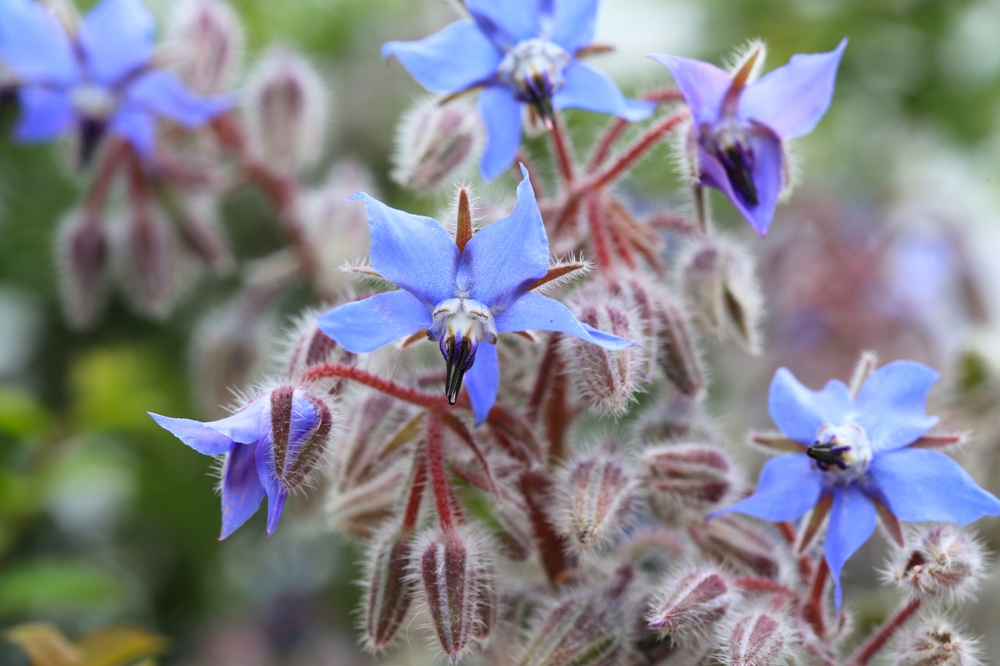
Borage is a fine flower to start in March because it grows quickly once the weather begins to settle and cool spring soil still holds good moisture. In many regions, it can be sown directly where it is meant to grow, since it forms a taproot and does not always enjoy being moved later. The star-shaped blue flowers have a fresh taste often compared to cucumber, which makes them especially good in salads, cold drinks, and summer-style spreads. Getting seeds into the ground in March means the plants have time to build strength before warm weather pushes them into heavy blooming.
Another reason borage earns a place in a March sowing plan is that it gives generously once it gets going. The flowers should be picked soon after opening, when they are bright and tender, and they are best used fresh because they wilt quickly after harvest. Borage likes sun, average soil, and moderate watering, and it can handle a little spring chill without much fuss. Since the plants can grow large and self-seed, it helps to give them enough room from the start and pick flowers often before they drop seed.
Nasturtiums
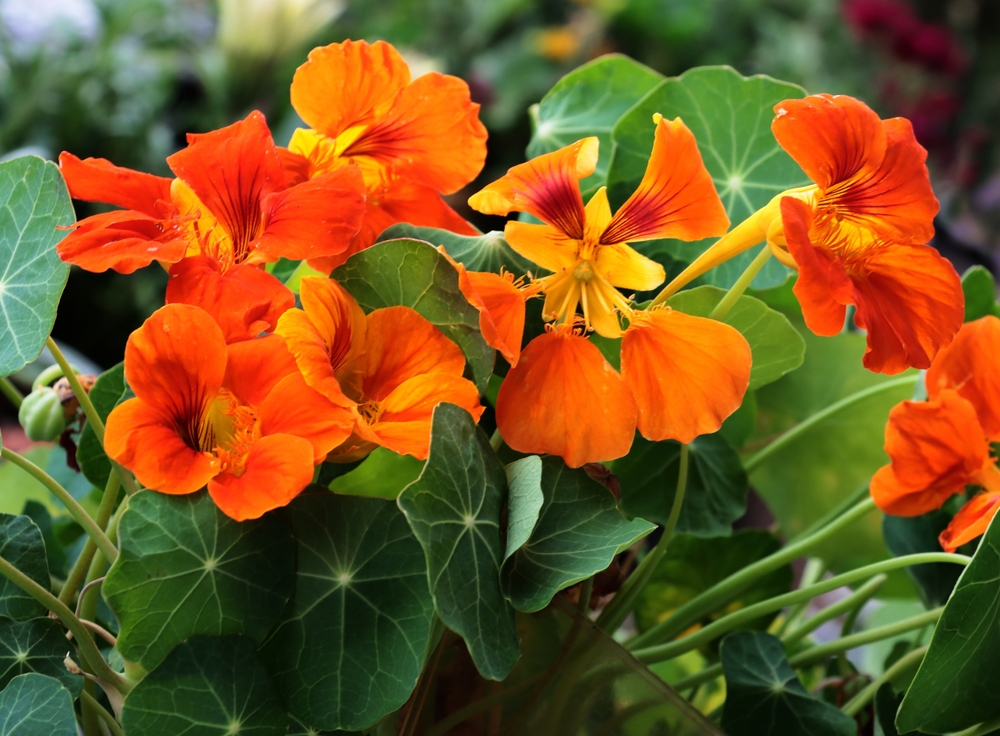
Nasturtiums can be started in March indoors in cooler regions or sown outdoors where spring is already moving along. They do not like frost much, so timing depends on local weather, though March is still the right moment to begin planning and planting so flowers are ready in the months ahead. Their blooms have a peppery taste that works much like watercress, making them a lively choice for salads, compound butters, and savory platters. Both the leaves and flowers can be eaten, which gives the plant extra value in a garden with limited room.
One of the nicest things about nasturtiums is how quickly they go from seed to useful harvest when conditions suit them. They prefer leaner soil, since overly rich beds can lead to lots of leaves and fewer flowers, and they grow well in sunny spots with moderate watering. Picking blooms often keeps the display neat and gives a regular supply for the kitchen through spring and into warmer months. Since the flowers are delicate, they are best added at the last moment so their shape and color stay fresh on the plate.
Dianthus
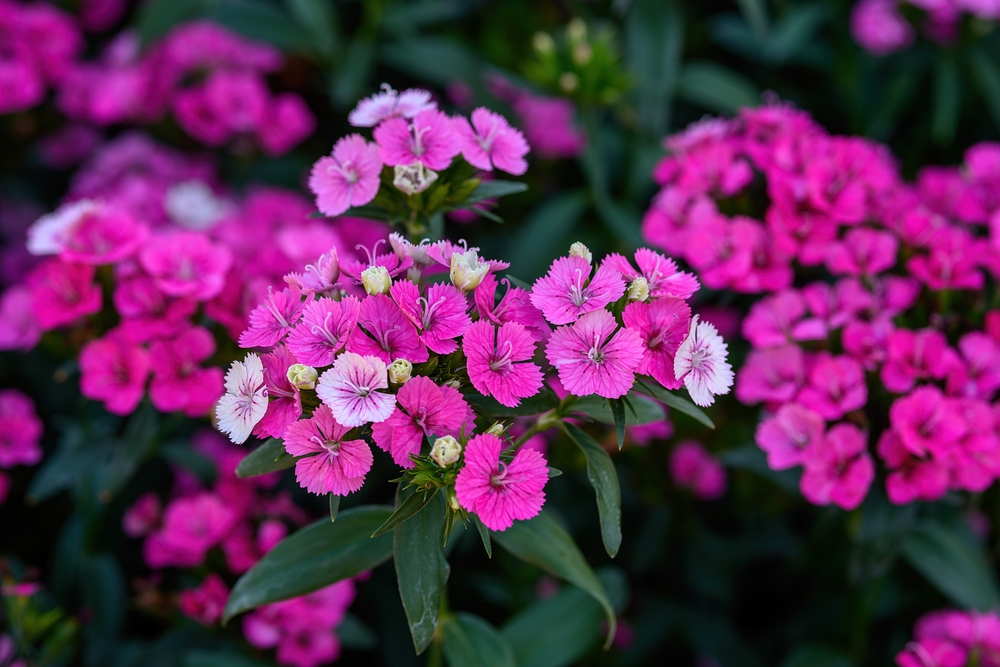
Dianthus is often grown for its pretty fringed blooms, though wide varieties are edible and carry a mild clove-like flavor that suits sweets, syrups, fruit dishes, and soft salads. March is a useful time to sow it, especially indoors or under cover, because it likes cooler growing conditions while young. In regions with mild springs, some gardeners sow it outside once the soil is workable and daytime temperatures stay fairly steady. Starting in March gives the plants a longer runway for root growth, which can lead to stronger flowering later in spring and early summer.
The petals are the part usually used, while the pale base at the bottom of each petal is often removed because it can taste bitter. Dianthus likes well-drained soil and plenty of light, and it generally does best when not left in heavy, wet ground. Flowers should be picked once fully open, then used fresh, where their fragrance and gentle spice can stand out. Since the blooms are decorative without being fussy, they suit cooks who want something pretty that still feels easy to use.
Bee Balm
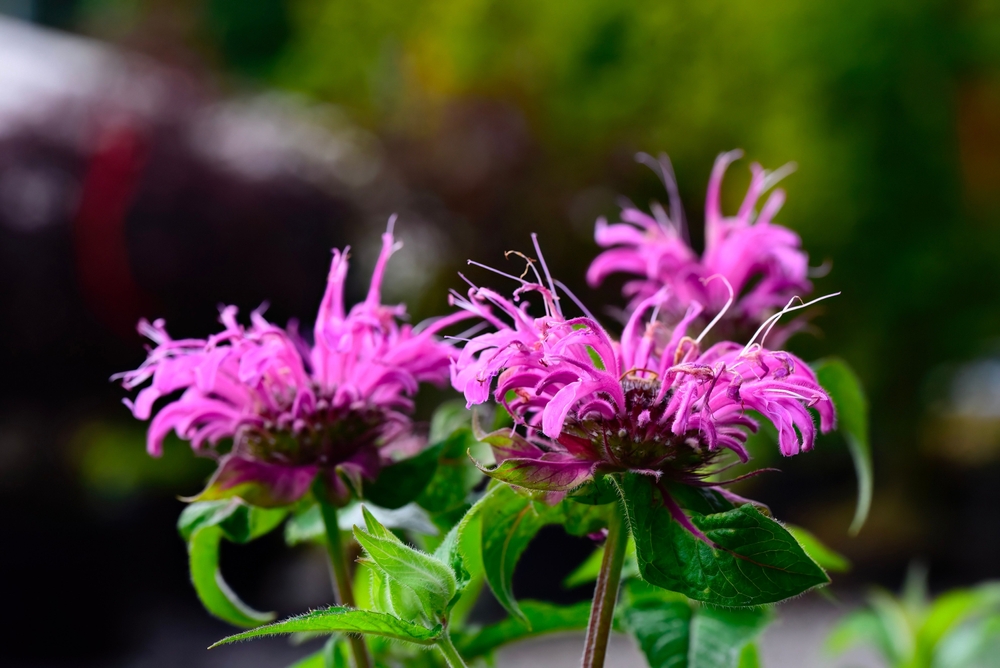
Bee balm can be started indoors in March in many regions, giving it a head start before outdoor planting when the weather settles. In milder places, it may be direct-sown outside during this month, especially where spring arrives early, and the soil warms without drying too fast. The flowers have a flavor that can be minty or lightly citrusy, depending on the type, and they work well in teas, fruit salads, and cool drinks. March is a good time to begin because the seeds often like a gentle start, and the young plants benefit from the moderate pace of spring growth.
This plant is useful for anyone who wants flowers that pull their weight in both the kitchen and the garden. It brings a shaggy, lively look to beds and often attracts bees and butterflies while providing petals for fresh use. Bee balm prefers sun or light shade and soil that stays evenly moist, especially during establishment. Once flowering begins, picking blooms often can keep plants looking fresh and give a steady harvest for small daily uses in the kitchen.
Cornflowers
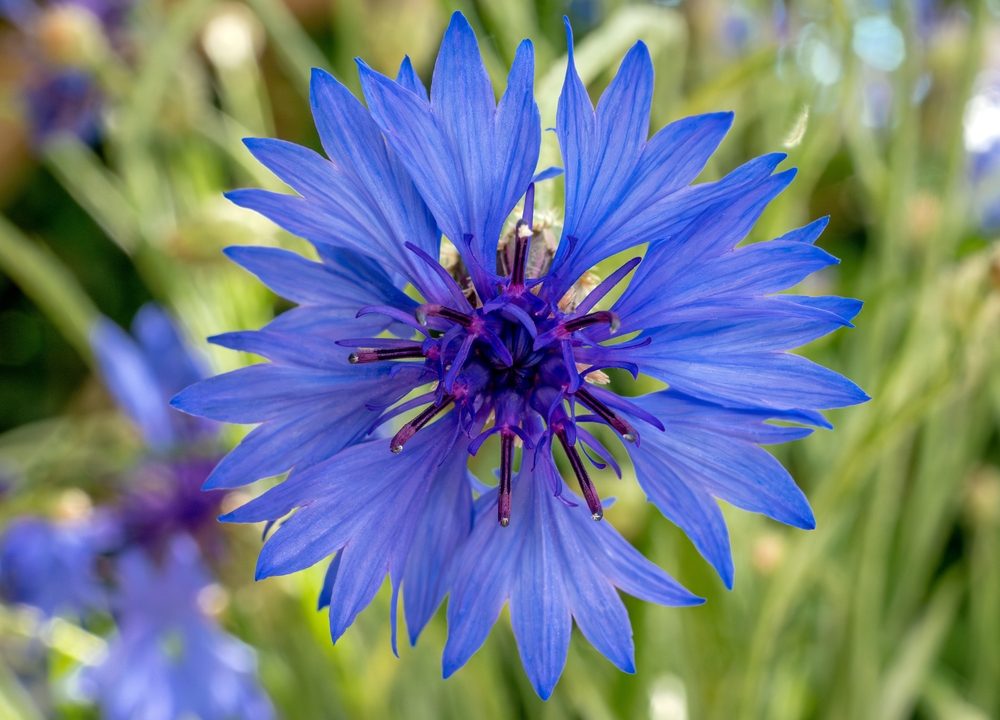
Cornflowers, sometimes called bachelor’s buttons, are classic spring sowing flowers that do especially well when planted in March. They are hardy enough for direct sowing in many regions and often germinate quickly in cool soil with decent moisture. Their petals have a mild, slightly spicy taste, though many people value them most for their intense blue color in salads, herb butter, and dessert decoration. An early sowing lets them grow before the weather turns too warm, which can help them produce a flush of flowers during late spring.
These flowers fit nicely into edible planting plans because they are easygoing and generous once established. They like sunny beds and soil that drains well, and they usually need little fuss beyond watering during dry spells and thinning if seedlings come up too close together. For kitchen use, the petals are often pulled from the flower head and used alone, since that gives a softer texture on the plate. Harvesting blooms often keeps the patch tidy and may stretch the flowering season further.
Lavender
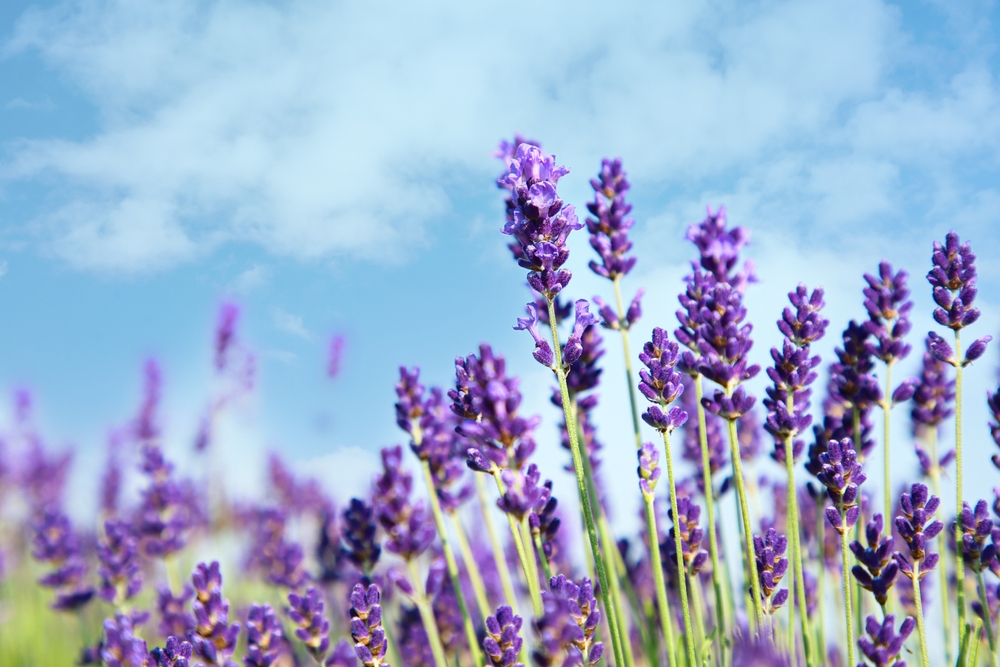
Lavender is usually thought of as a fragrant herb, though its flowers are edible in small amounts and worth starting in March, especially indoors. Seeds can be slow or uneven, so an early indoor start gives them more time before outdoor planting once nights are warmer. The flowers have a strong floral taste, so they are best used lightly in shortbread, sugar, tea blends, lemonade, and creamy desserts. March planting makes sense because it gives the seedlings a calm, cool start before the season turns hot.
This is one edible flower that needs a careful hand in the kitchen, since too much can make a dish taste soapy or heavy. A small pinch goes a long way, which is why even one healthy plant can provide plenty for home use. Lavender likes full sun, very good drainage, and soil that is not too rich, especially once established. Flowers should be harvested just as they begin to open if they are meant for drying, or a little later if they are being used fresh for decoration and flavor.
Society Garlic
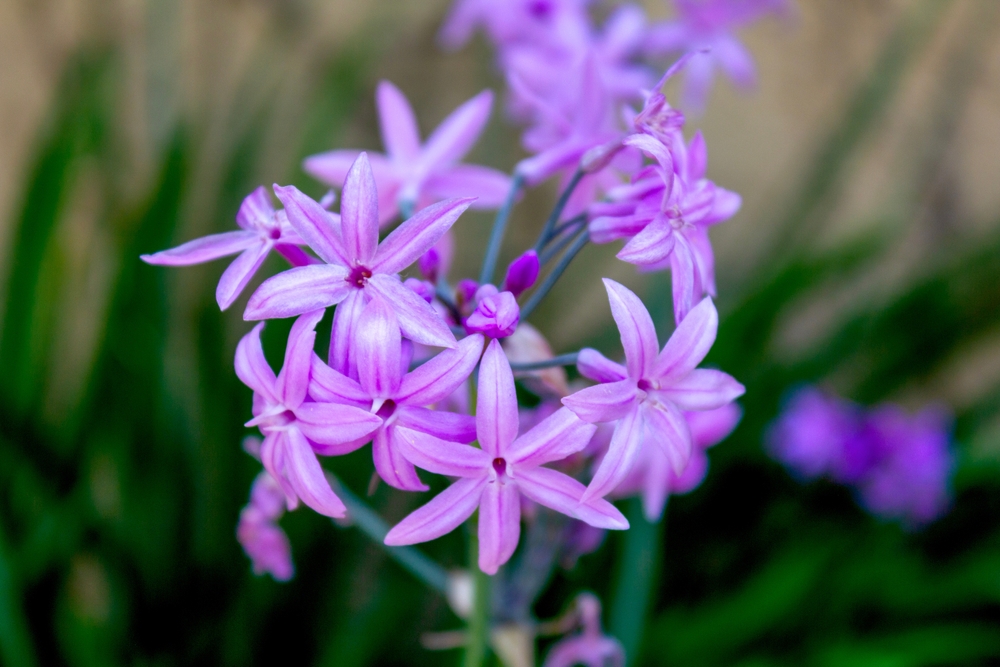
Society garlic is a useful edible flower for gardeners who like the flavor of onion or garlic without the stronger bite of either one. In warm regions, March is a good month to plant divisions or young plants outdoors, while cooler areas may start them under cover for later setting out. The pale purple flowers have a mild onion-garlic taste and can be chopped into salads, egg dishes, and savory spreads. Since the plants enjoy warmth once settled, starting them in March gives them time to root before hotter weather arrives.
The flowers are valuable because they bring a gentle savory note without weighing down delicate spring dishes. Society garlic usually grows best in a sunny place with well-drained soil, and once established, it can handle dry spells better than many soft herbs. Flowers should be picked fresh and used soon after harvest, so their flavor stays clean, and their petals stay firm. Gardeners often like this plant because it gives a long run of useful blooms while staying neat and decorative in the bed.
This article originally appeared on Avocadu.