
10 Easy Ways to Warm Soil Faster Without a Greenhouse
Spring planting often depends on how quickly garden soil warms after winter. Cold ground can slow seed sprouting and delay early crops by several weeks. Many gardeners use simple methods to warm the soil faster without relying on a greenhouse. Techniques that trap sunlight and hold warmth near the ground can speed up germination and make planting possible sooner. With a few practical steps, it is possible to gain extra growing time and give young plants a better start.
This post may contain affiliate links, which helps keep this content free. Please read our disclosure for more info.
Cover Beds with Clear Plastic
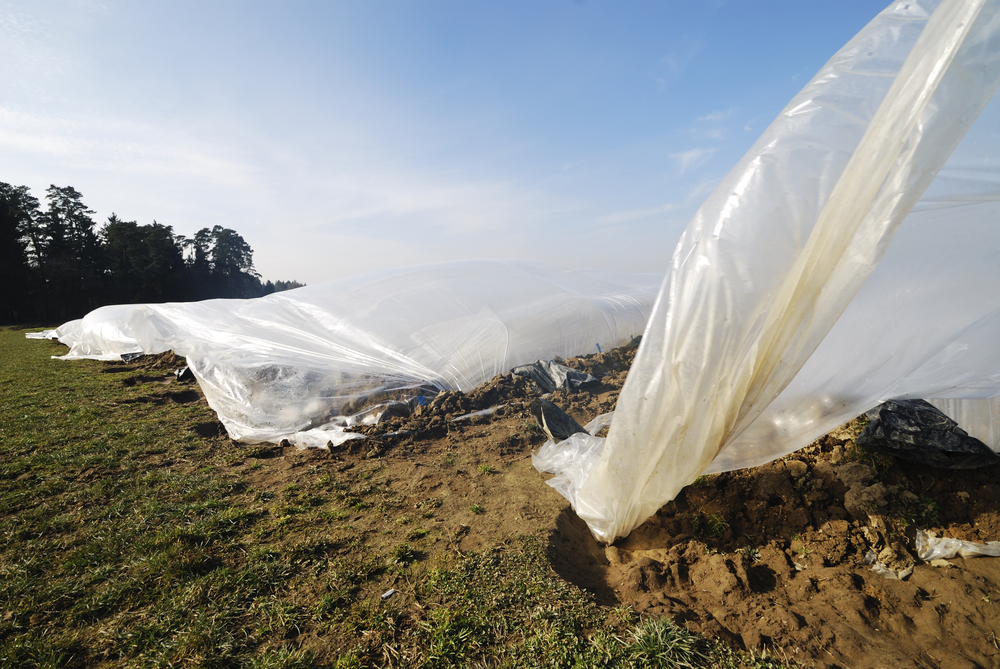
Clear plastic placed over garden beds traps sunlight and raises soil temperature during the day. Sunlight passes through the plastic and warms the ground beneath it, which helps the soil reach planting temperatures sooner than uncovered beds. Even a few degrees of warming can make a noticeable difference for early crops such as lettuce, peas, and carrots. Many gardeners notice that soil prepared this way can be ready for planting about one to two weeks earlier.
The plastic acts like a simple solar cover that holds warmth close to the ground. Moisture remains more stable under the cover, which also supports seed germination once planting begins. It is important to secure the edges with soil, bricks, or boards to prevent heat from escaping. After the soil warms enough, the plastic can be removed or cut open for direct planting.
Lay Down Black Plastic Mulch
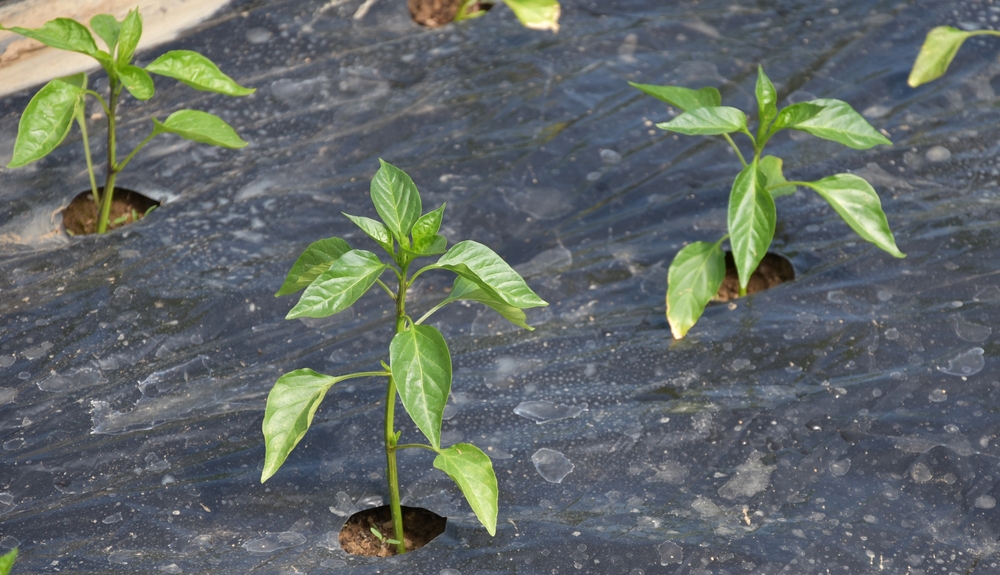
Black plastic mulch warms soil by absorbing sunlight and transferring that warmth to the ground beneath it. Unlike clear plastic, this material blocks light from reaching weeds while still warming the soil surface. Gardeners often place it over planting beds several weeks before sowing warm-season crops. The soil below gradually becomes warmer and drier, which helps roots grow more quickly once planting begins.
Because the plastic stays in place during the growing season, it continues to hold warmth overnight. Small planting holes can be cut where seedlings or seeds will go. This simple method is widely used in vegetable gardens where tomatoes, peppers, and squash benefit from warmer soil early in spring. The extra warmth often shortens the wait between planting and sprouting.
Use Floating Row Covers
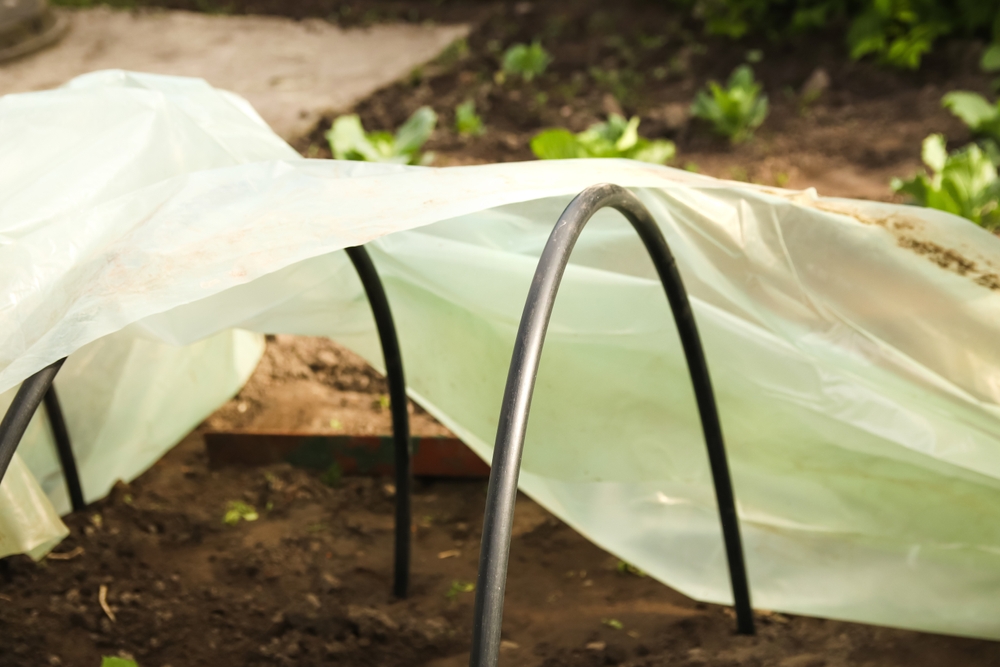
Floating row covers are lightweight fabric sheets placed loosely over garden beds. Sunlight passes through the fabric while the cover traps warmth near the soil surface. This small layer of insulation raises temperatures during the day and slows heat loss at night. Seeds planted beneath the cover often germinate earlier than those in exposed beds.
Another benefit is protection from cold winds and sudden temperature drops. The fabric rests lightly on the plants and allows air and water to pass through. Gardeners often secure the edges with soil or small stones to keep the cover in place. When daytime temperatures increase later in spring, the covers can be removed or lifted to prevent overheating.
Build Raised Garden Beds
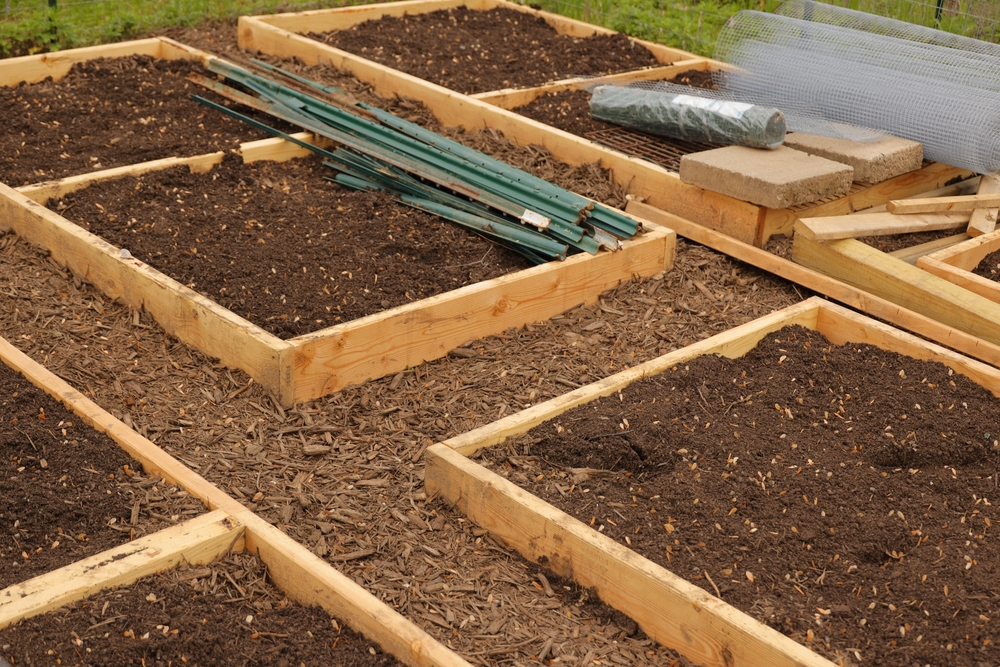
Raised beds warm more quickly than ground-level soil because their sides are exposed to sunlight and air. This extra exposure allows the soil to lose winter chill faster as spring temperatures rise. The structure also improves drainage, which prevents cold, waterlogged soil that delays planting. Many gardeners find that raised beds become workable earlier than traditional plots.
The loose soil structure in raised beds allows warmth to spread through the soil more evenly. Dark compost or soil blends placed in the bed absorb heat from sunlight and warm faster than heavy clay soil. Because of this, raised beds often give gardeners a small head start on planting. Even a week of earlier soil readiness can extend the harvest window.
Add Dark Compost to the Surface
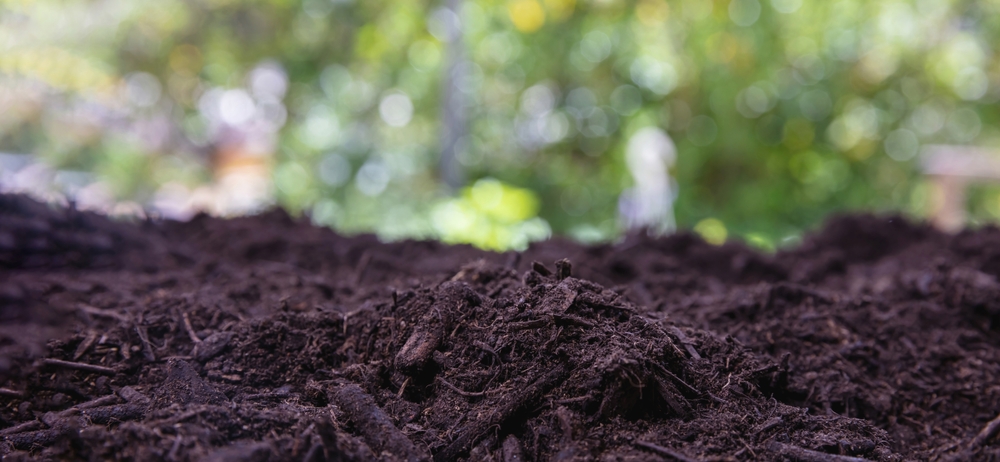
Dark compost warms quickly when sunlight reaches the soil surface. The darker color absorbs heat from the sun and transfers that warmth into the soil below. When compost is spread across garden beds in early spring, it helps the soil warm faster than bare ground. This increase in temperature can shorten the waiting period before seeds are planted. Gardeners often notice that beds treated with compost become ready for planting sooner than untreated areas.
The warming effect works well for crops that benefit from earlier planting, such as spinach, lettuce, carrots, and peas. Compost also improves soil texture, which allows warmth to move through the soil more evenly. Roots grow more easily in this loose soil, and young seedlings develop sooner. Applying compost several weeks before planting gives the soil time to warm gradually under spring sunlight. The combination of improved fertility and warmer soil often leads to quicker germination and stronger early growth.
Use Garden Cloches
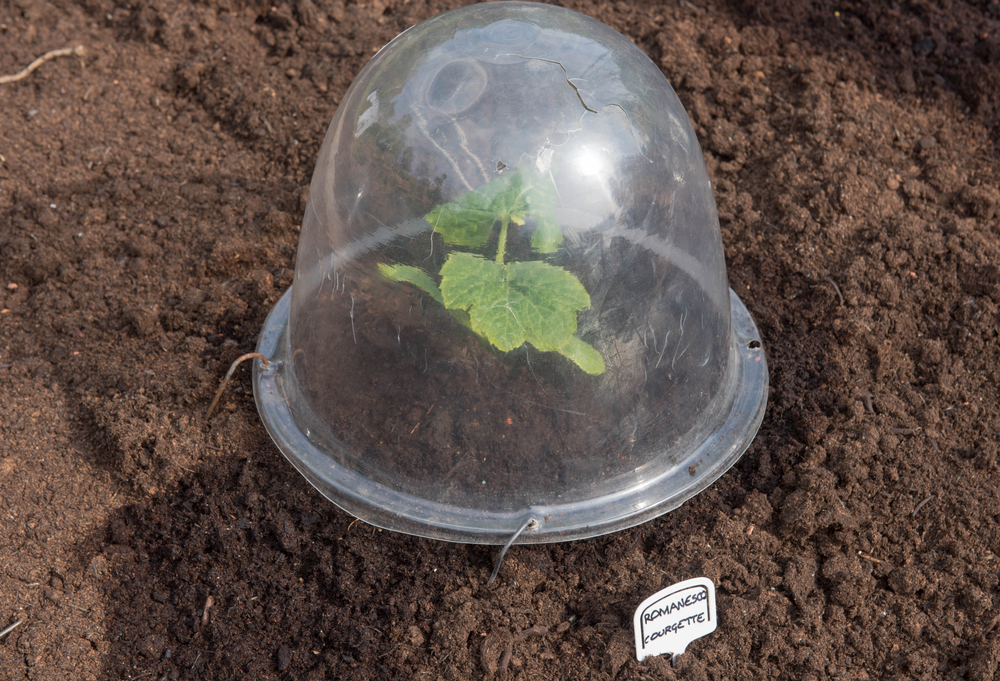
Garden cloches create a small protective space over sections of soil or individual planting spots. These covers are often made from glass, plastic domes, or recycled containers such as large bottles with the bottom removed. Sunlight enters the clear cover and warms the soil underneath during the day. Because the heat remains trapped under the cloche, the soil temperature rises faster than uncovered ground. This small pocket of warmth can make planting possible earlier in the season.
Gardeners often place cloches over planting areas several days before seeds are sown so the soil can warm in advance. The covers also block cold winds that pull heat away from the soil surface. During sunny days, the trapped warmth creates a gentle environment that encourages seeds to sprout sooner. Many early vegetables respond well to this extra warmth, including radishes, lettuce, and early beans. Once seedlings grow large enough, the cloches can be removed or lifted during warm afternoons.
Install Low Hoop Tunnels
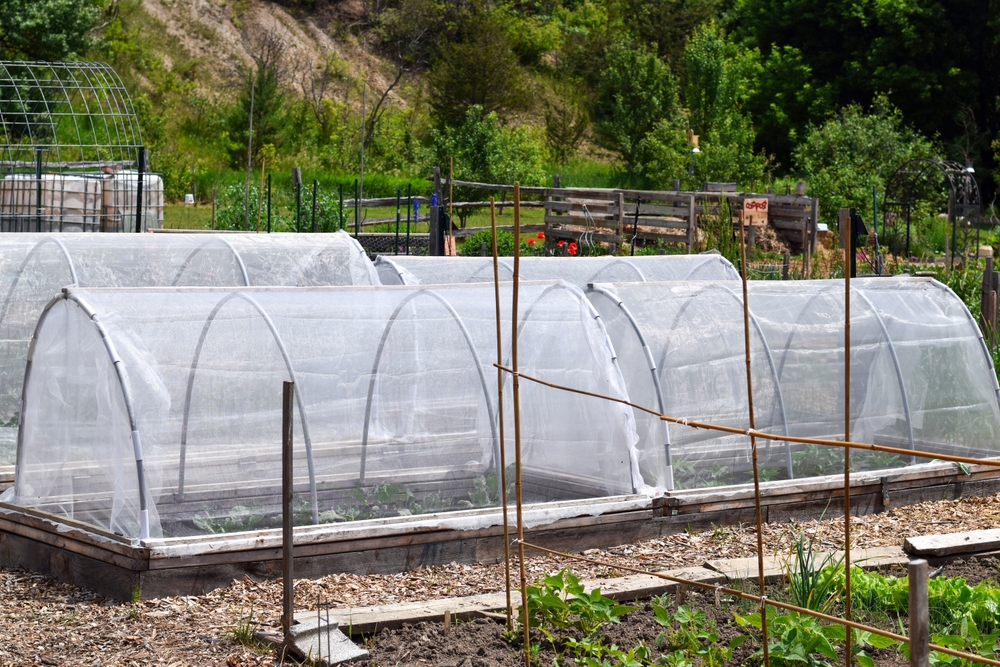
Low hoop tunnels are simple structures made by bending flexible rods over a garden bed and covering them with plastic or garden fabric. The cover captures sunlight during the day and traps warm air near the soil surface. This warming effect can raise soil temperatures several degrees higher than nearby uncovered beds. Even a small increase in temperature can speed up germination and support earlier planting in spring.
Because the tunnel covers an entire row or bed, it protects a larger growing area than small cloches. The enclosed space also reduces heat loss at night, which helps maintain steady soil temperatures. Gardeners often open the ends of the tunnel during warm afternoons so fresh air can circulate and prevent overheating. Seeds planted inside these tunnels often sprout earlier than those planted in open ground. This method is widely used for early greens, carrots, and other cool-season crops.
Use Landscape Fabric
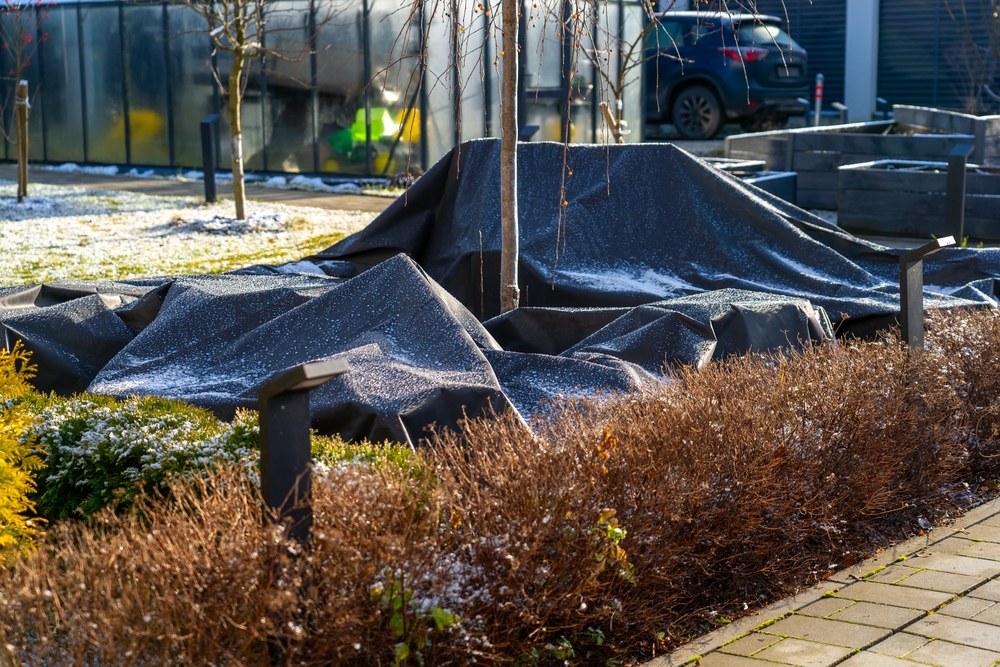
Landscape fabric can warm the soil while still allowing water and air to reach the ground. The dark material absorbs sunlight during the day and transfers that warmth into the soil beneath it. As the soil warms, excess moisture from winter rains begins to dry more quickly. This change creates better conditions for planting and helps gardeners prepare beds earlier in the season.
Many gardeners lay landscape fabric over their beds a week or two before planting time. The soil underneath gradually warms while weeds are prevented from growing through the fabric. Small openings can be cut where seeds or seedlings will be planted. Because the fabric remains in place, it continues to hold warmth during cool nights. The result is a stable environment that encourages earlier sprouting and steady early plant growth.
Create Wind Barriers
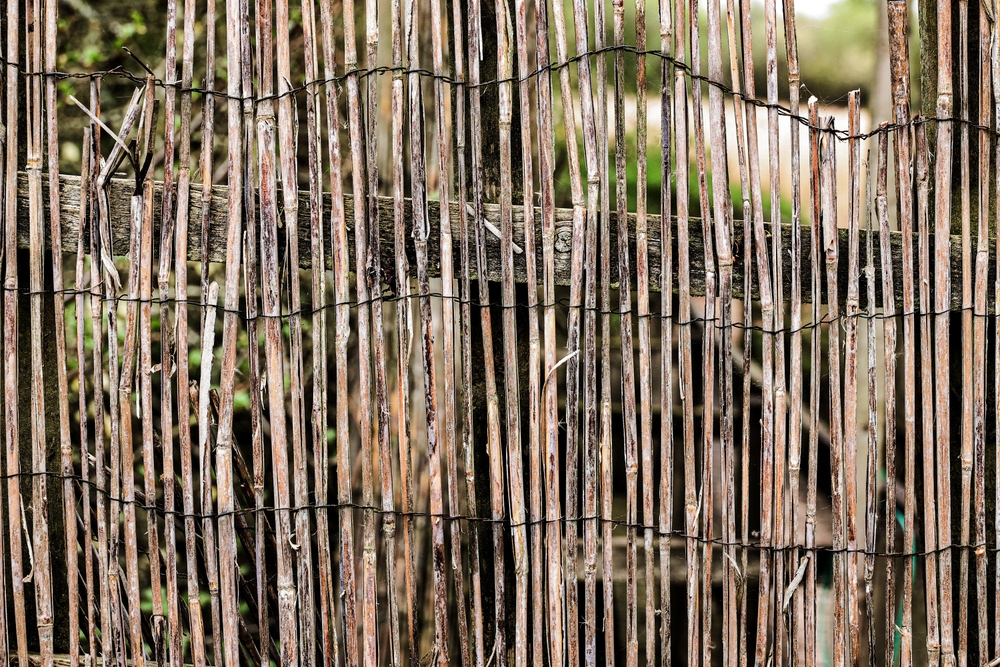
Cold spring winds can keep soil temperatures lower even when the sun is shining. Strong winds pull warmth away from the soil surface and slow the natural warming that occurs during sunny days. A simple wind barrier can reduce this effect and allow soil to retain more heat. Materials such as garden fencing, straw bales, wooden panels, or tall plants can serve as protective barriers.
When wind is blocked, the soil beneath receives sunlight without losing as much heat to moving air. The sheltered space becomes slightly warmer than the surrounding garden area. Garden beds placed on the sunny side of the barrier often warm earlier and stay warmer longer during the day. This small temperature difference can make seeds sprout faster and allow earlier planting. Wind barriers also protect young seedlings from sudden cold gusts.
Use Stone or Brick Edging
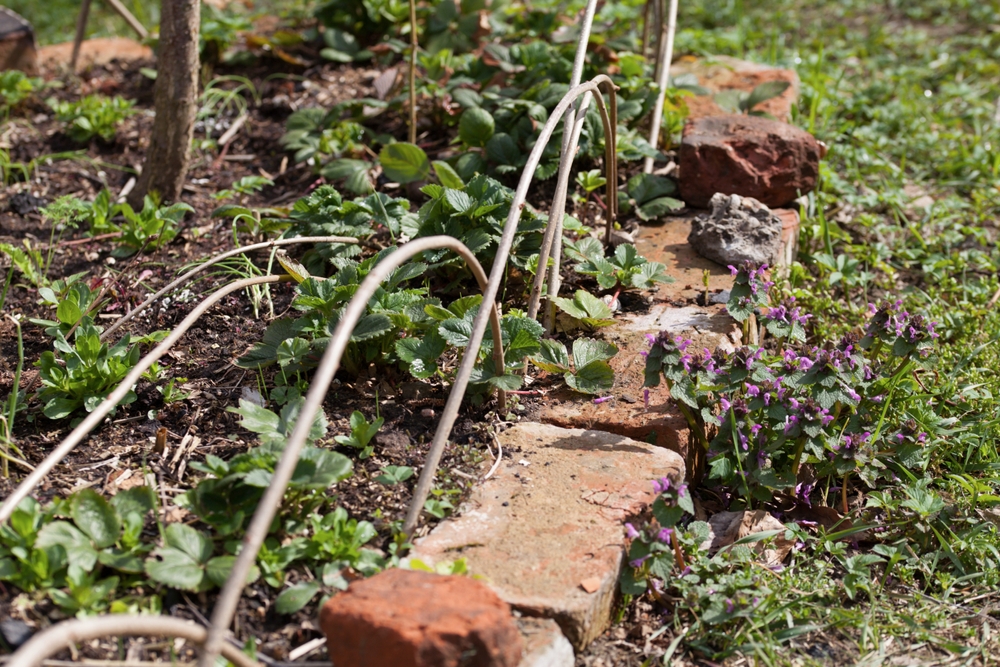
Stone and brick materials warm quickly when exposed to sunlight. During the day, they absorb heat and store it within the solid surface. As evening temperatures drop, the stored warmth slowly moves into the surrounding soil. This gradual release of heat can keep the soil near the edges of garden beds warmer overnight.
Beds surrounded by stone or brick often show earlier plant growth along the borders where the warmth is strongest. The materials also help maintain a stable temperature pattern by reducing sudden cooling at night. Gardeners often combine this method with raised beds or compost-rich soil for better results. Over time, the repeated warming effect helps the soil reach planting temperatures sooner in spring. This small but steady source of warmth can support earlier germination and healthier early plant development.
This article originally appeared on Avoacdu.