
11 Easy Soil Tests You Can Do at Home Before Spring Planting
Soil tests are an essential part of preparing for spring planting, but you do not need to hire a professional. Testing your soil can tell you a lot about what it needs to help your plants grow strong. These simple tests can be done with a few common supplies you likely already have. It is a quick and easy way to improve your gardening results.
This post may contain affiliate links, which helps keep this content free. Please read our disclosure for more info.
Soil pH Test
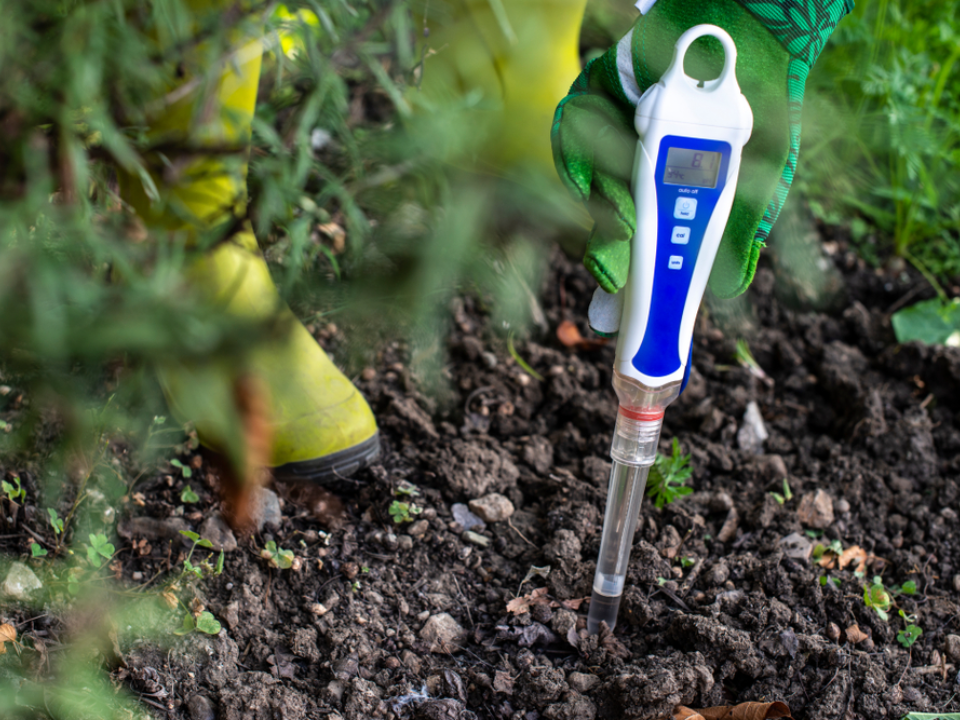
The pH level of your soil is a key factor in determining what plants will thrive in your garden. A simple test can tell you if your soil is too acidic, too alkaline, or just right for your desired plants. You can easily test pH with a store-bought kit or by using household items like vinegar and baking soda. Knowing your soil’s pH allows you to adjust it if necessary, ensuring that plants have access to the right nutrients.
Soil pH is especially important for plants like blueberries, which prefer acidic soil, or lilacs, which prefer more alkaline conditions. If your soil pH needs adjusting, you can add lime to raise it or sulfur to lower it. The right pH promotes healthy root development and nutrient absorption. For best results, test your soil at various spots in your garden, as pH can vary by location.
Soil Drainage Test
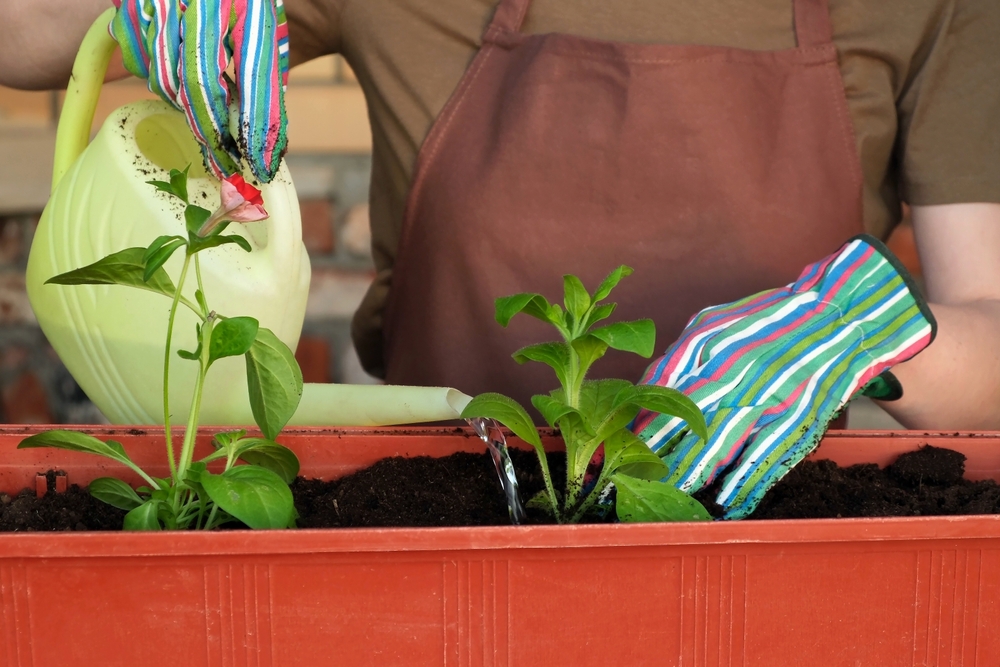
Good drainage is essential for plant health, and an easy test can reveal how well your soil drains water. To perform the test, dig a hole about 12 inches deep and fill it with water. If the water drains within an hour, your soil has good drainage. If it takes longer, your soil may have poor drainage, which can lead to root rot and other issues.
Soils that do not drain well might benefit from amendments like sand or organic matter, which can improve texture and airflow. You can also consider planting in raised beds or containers if drainage is a persistent issue. Keep in mind that different plants require different levels of drainage, so understanding your soil is crucial. This test will give you a clear idea of how to improve your soil for better planting conditions.
Soil Texture Test
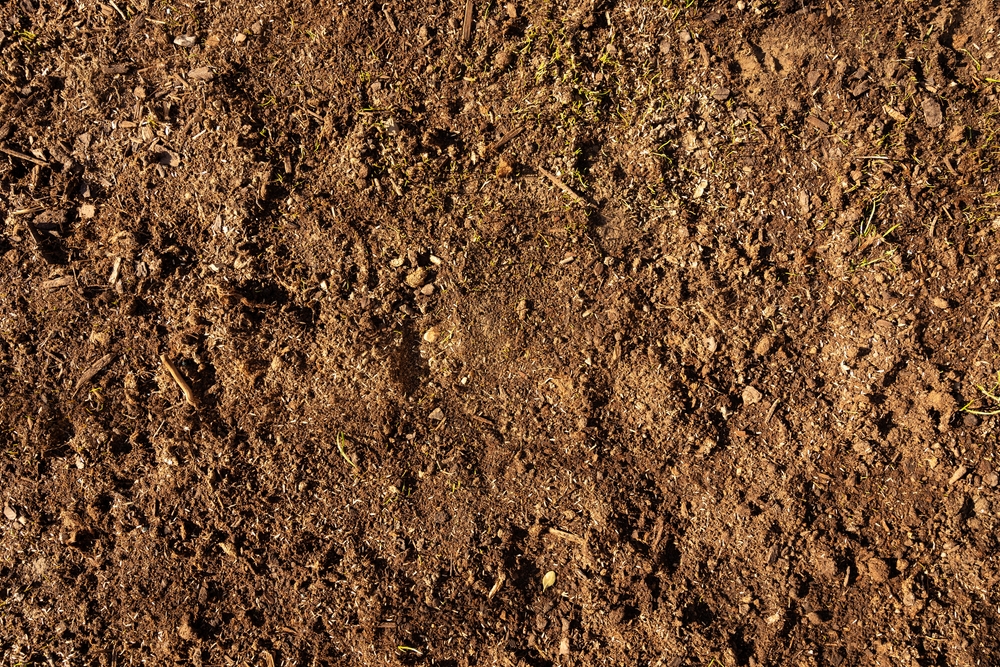
Soil texture is determined by the proportion of sand, silt, and clay in your soil. A simple way to test this is by doing a jar test where you fill a jar with soil, add water, and shake well. After letting it settle, the layers will separate, showing you how much sand, silt, and clay are in the soil. This can help you understand if your soil is sandy, loamy, or clay-heavy.
Knowing your soil texture helps you choose the right plants and amendments. Sandy soils drain quickly but may lack nutrients, while clay soils hold water but may need extra aeration. Loam is considered ideal for most plants, as it has the right balance of drainage and nutrient-holding capacity. Once you know your soil’s texture, you can make adjustments to improve its quality.
Soil Compaction Test
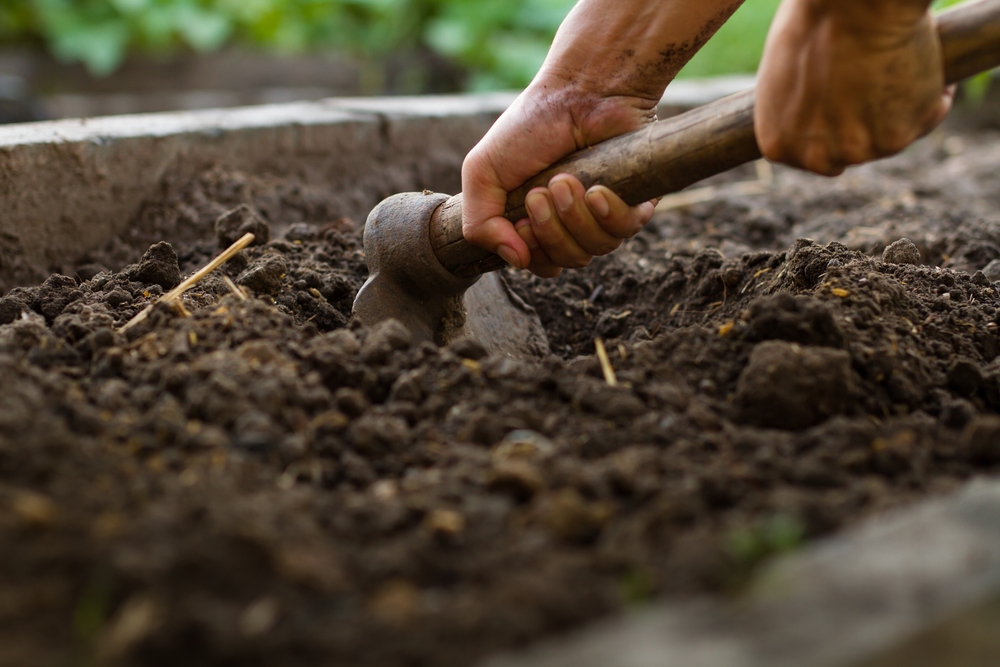
Soil compaction can limit root growth and water penetration, making it harder for plants to thrive. To test for compaction, stick a metal rod or a garden fork into the soil and see how deep it can go. If it is difficult to push the rod down, your soil may be compacted, which can cause poor drainage and reduced air circulation around roots.
To fix compacted soil, you can use a garden fork or tiller to loosen the soil. Adding organic matter such as compost or mulch can also help reduce compaction over time. In some cases, aeration tools or even earthworms can help naturally loosen the soil. This test will help you ensure that your soil is not too dense for healthy root development.
Soil Fertility Test
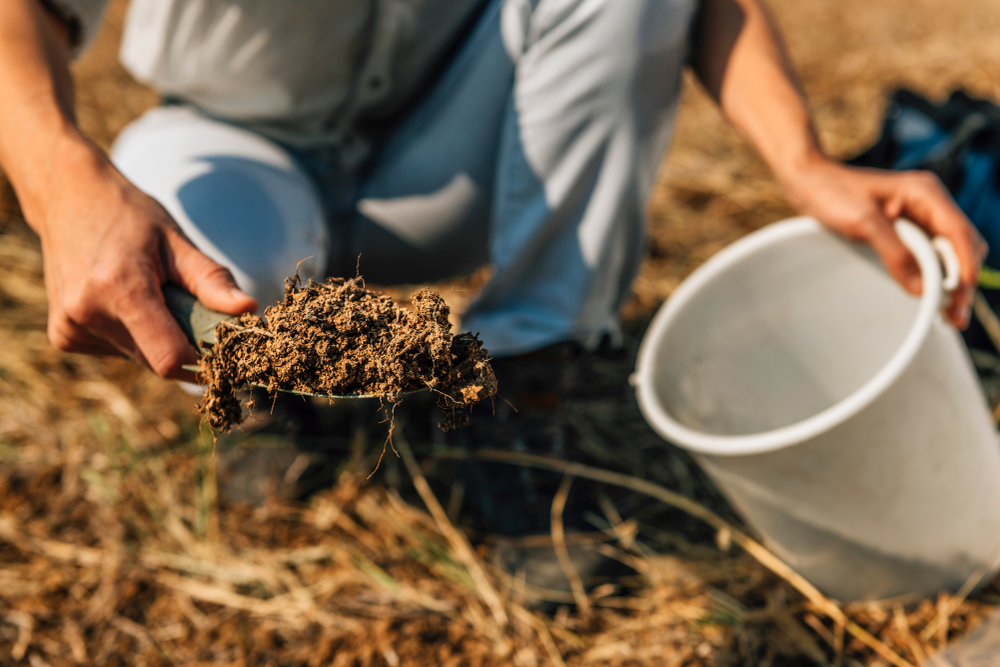
Soil fertility directly affects how well your plants grow. A basic soil test kit can measure the levels of key nutrients like nitrogen, phosphorus, and potassium. These elements are essential for plant growth, and testing allows you to identify any deficiencies or excesses in your soil. Knowing your soil’s fertility can help you decide whether to apply fertilizers or amend your soil with organic matter.
If your soil test shows a deficiency in certain nutrients, you can adjust by using organic compost, manure, or commercial fertilizers. Balanced fertilization ensures your plants receive the right nutrients for healthy growth. Be mindful not to over-fertilize, as this can lead to nutrient imbalances and damage plants. By regularly testing soil fertility, you can optimize your garden’s productivity.
Soil Temperature Test
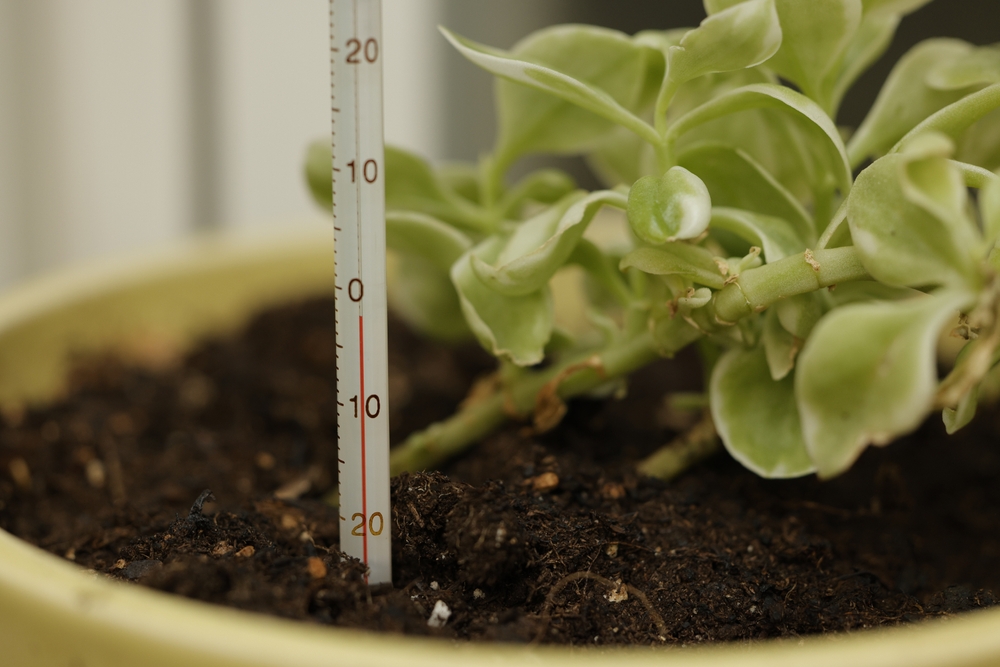
Soil temperature is an important factor for seed germination and root development. To test soil temperature, you can use a soil thermometer, which can be purchased at most gardening stores. The ideal temperature for most seeds is between 55°F and 70°F or 13°C to 21°C. Testing your soil temperature helps you determine the best time to plant for optimal growth.
Cooler soils can delay seed germination, while soil that is too warm can stress young plants. By knowing the temperature, you can plan your planting schedule more effectively. If your soil is too cold, you may need to wait a few weeks before planting. This simple test can prevent disappointment and ensure you plant at the right time for the best results.
Soil Moisture Test
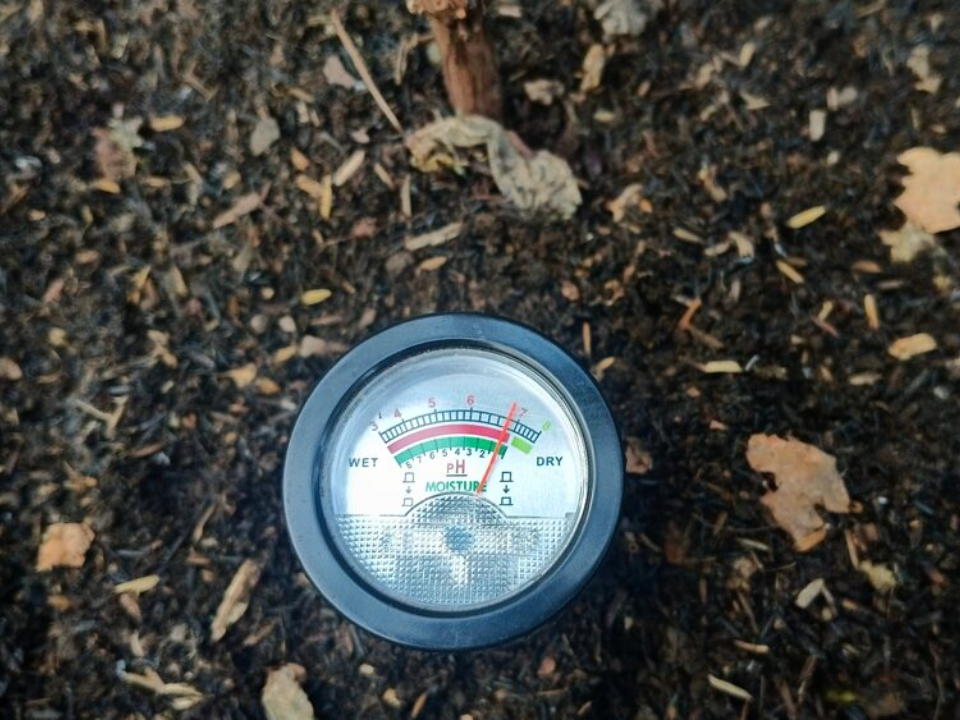
Soil moisture is crucial for plant health, as plants need enough water for healthy growth. A simple test involves checking the soil’s moisture level by feeling it with your hands. If the soil is dry and crumbly, it may need more water, while wet, soggy soil can signal overwatering. You can also use a moisture meter for a more accurate reading.
By knowing your soil’s moisture levels, you can prevent overwatering or underwatering, both of which can harm plants. Certain plants, like succulents, prefer dry conditions, while others, like ferns, thrive in moist environments. This test allows you to adjust watering schedules accordingly, ensuring your plants receive the ideal amount of moisture.
Soil Oxygen Levels Test
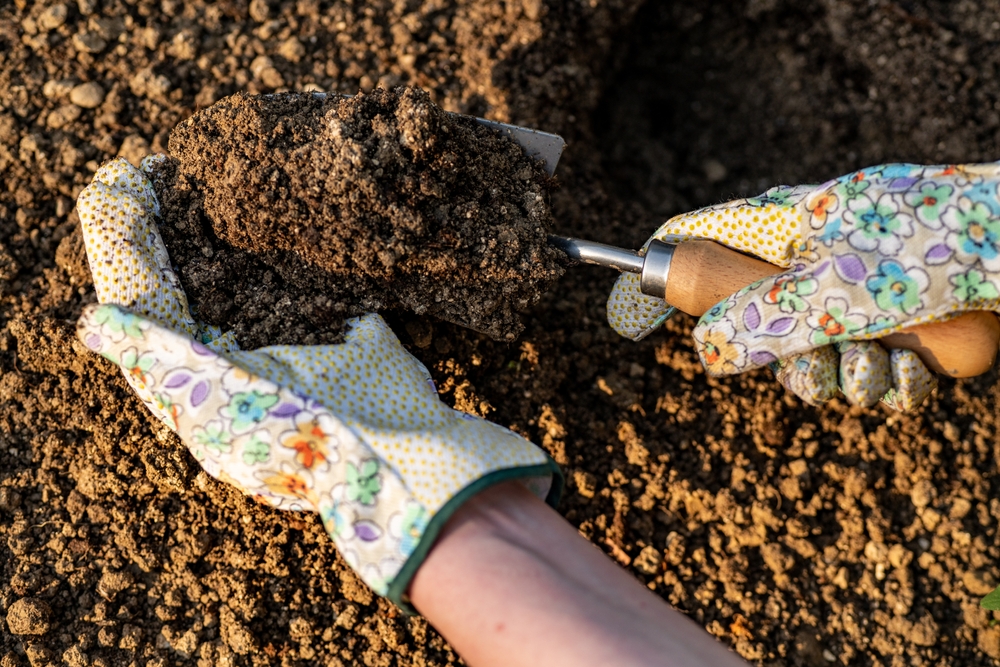
Oxygen is essential for plant roots to grow and absorb nutrients. You can test for oxygen levels by digging a hole in the soil and observing how quickly it fills with water. If the hole remains filled for an extended period, it may indicate low oxygen levels, which can be harmful to plant roots.
To improve soil oxygen levels, consider aerating the soil with a garden fork or aerator. Adding organic matter like compost can also help improve soil structure, allowing air to reach the roots. This simple test will help you understand the air quality in your soil and how to improve it for better plant health.
Soil Microbial Activity Test
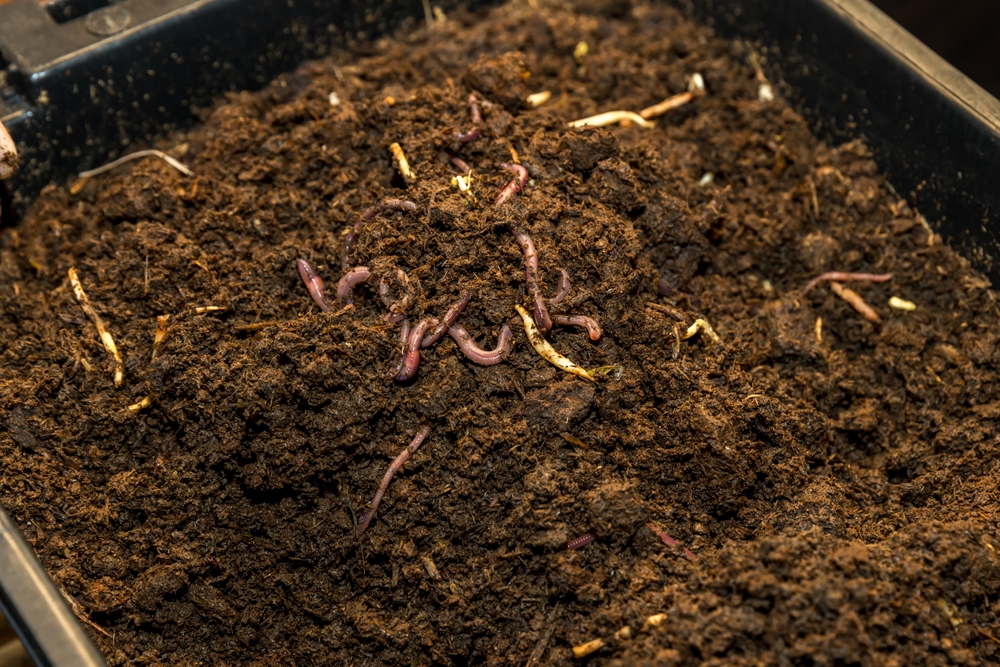
Healthy soil contains microorganisms that break down organic matter and help plants absorb nutrients. A simple test for microbial activity involves checking for earthworms and other beneficial insects in the soil. The presence of these creatures indicates good microbial health, which supports strong plant growth.
You can encourage microbial activity by adding organic matter such as compost or mulch. Avoiding overuse of chemical fertilizers also helps maintain a healthy soil ecosystem. If you notice a lack of soil organisms, it may be a sign that your soil is too acidic, alkaline, or lacks nutrients. Regularly testing for microbial activity helps keep your soil thriving.
Soil Organic Matter Test
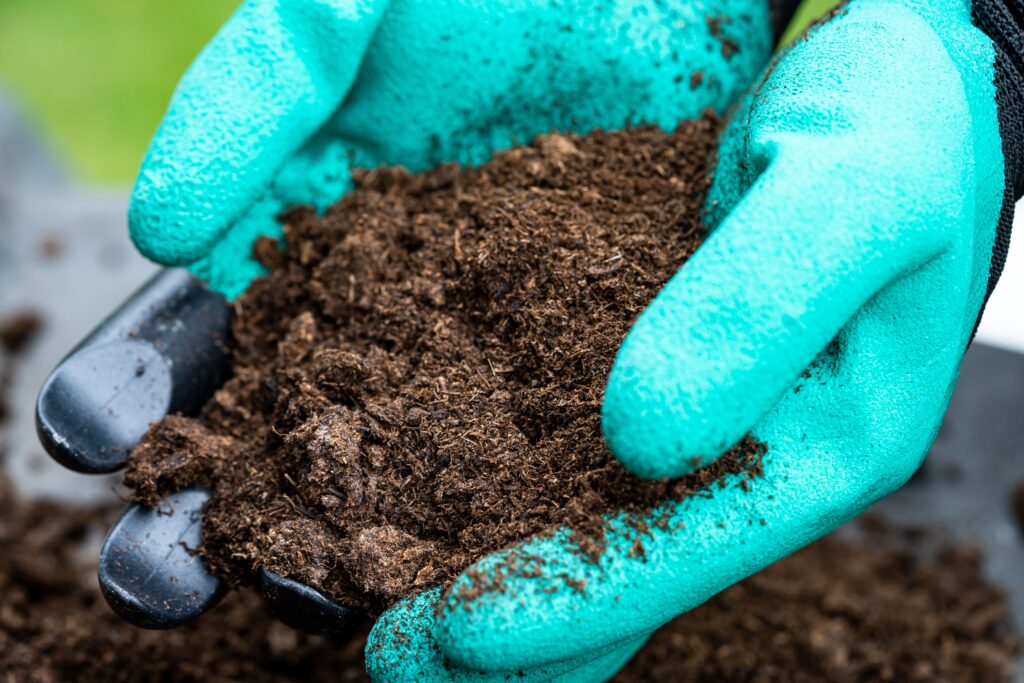
Organic matter plays a crucial role in soil fertility and structure. To test your soil’s organic matter content, dig up a small section of soil and look for visible signs of decomposing plant material. A high organic matter content usually means the soil is healthy and fertile. Low organic matter can lead to poor soil structure and reduced nutrient availability.
Adding compost, manure, or other organic materials can help improve soil quality. Organic matter helps retain moisture, increases nutrient availability, and supports beneficial organisms. By monitoring your soil’s organic content, you can ensure that your garden is ready for healthy plant growth.
Soil Silt Content Test
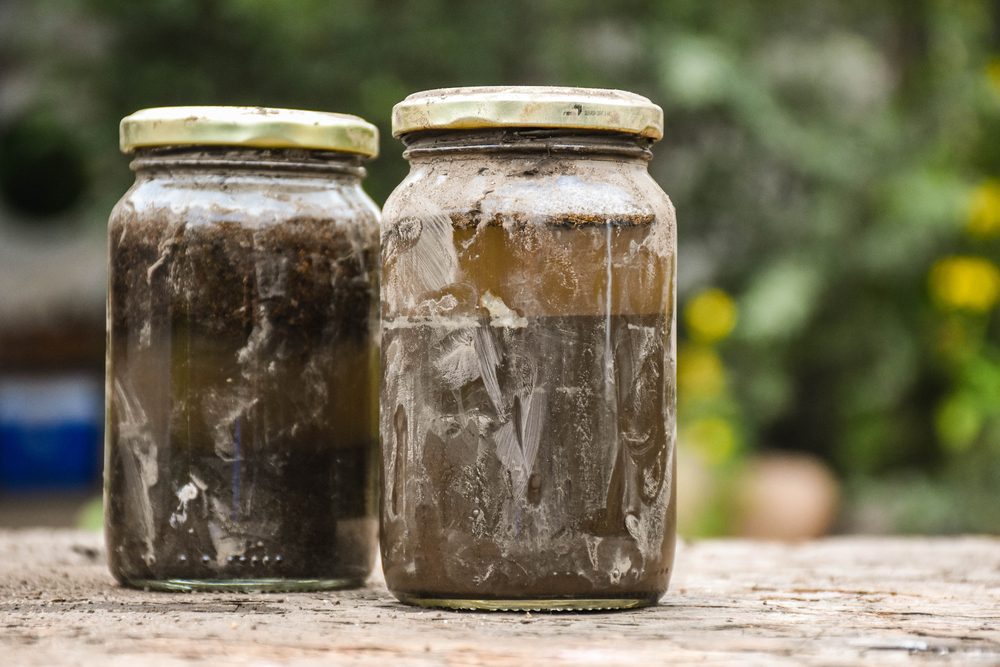
Silt particles are very fine and can affect the texture of your soil. To test for silt, take a handful of soil, add water, and shake it in a jar. Allow it to settle for 24 hours, and you will notice a layer of silt at the top of the soil. Silt-heavy soil can be prone to compaction, which makes it harder for plants to root properly.
If your soil contains a lot of silt, you may need to add sand or organic material to improve drainage and aeration. This test gives you insight into the soil’s texture and helps you make the right adjustments. Proper soil structure is key to supporting healthy plant growth.
This article originally appeared on Avocadu.