
13 Easy Nature Walk Finds That Turn Into Garden Ideas at Home
A stroll through nature can bring back more than just memories, as it can also give you inspiration for your garden. Whether it’s a colorful stone, an interesting seed pod, or a unique branch, nature’s bounty offers plenty of potential. These simple finds can easily become eye-catching additions to your garden. Why not transform what you find into something beautiful for your home? Keep reading to see how your nature walk can spark fresh ideas.
This post may contain affiliate links, which helps keep this content free. Please read our disclosure for more info.
Pinecones
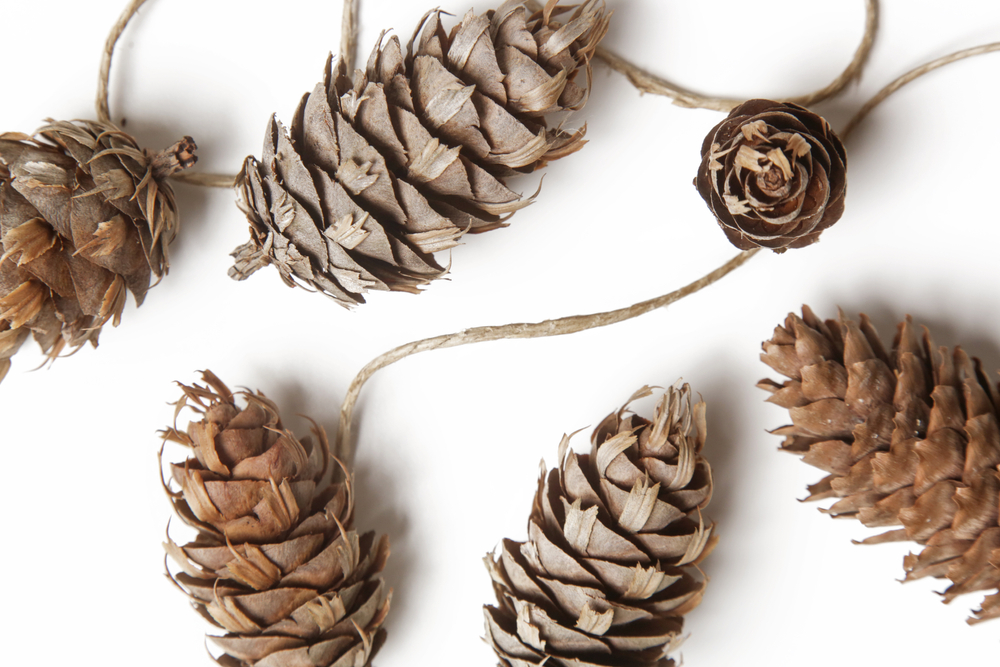
Pinecones are one of the most versatile nature finds for your garden. After collecting a few from your walk, you can use them in a variety of ways. They can be placed as natural mulch around plants to help retain moisture, or even as the base for a homemade bird feeder. Simply coat them in peanut butter and roll them in seeds to create a fun and functional treat for your backyard wildlife.
Additionally, pinecones can make excellent ornamental pieces when placed in baskets or used as part of a natural centerpiece. Their texture adds a charming, rustic element to any garden setting. Larger pinecones can also be used as natural markers in your garden, placed along pathways or to separate different plant beds. These simple finds provide both beauty and practicality for your outdoor space.
Smooth Stones
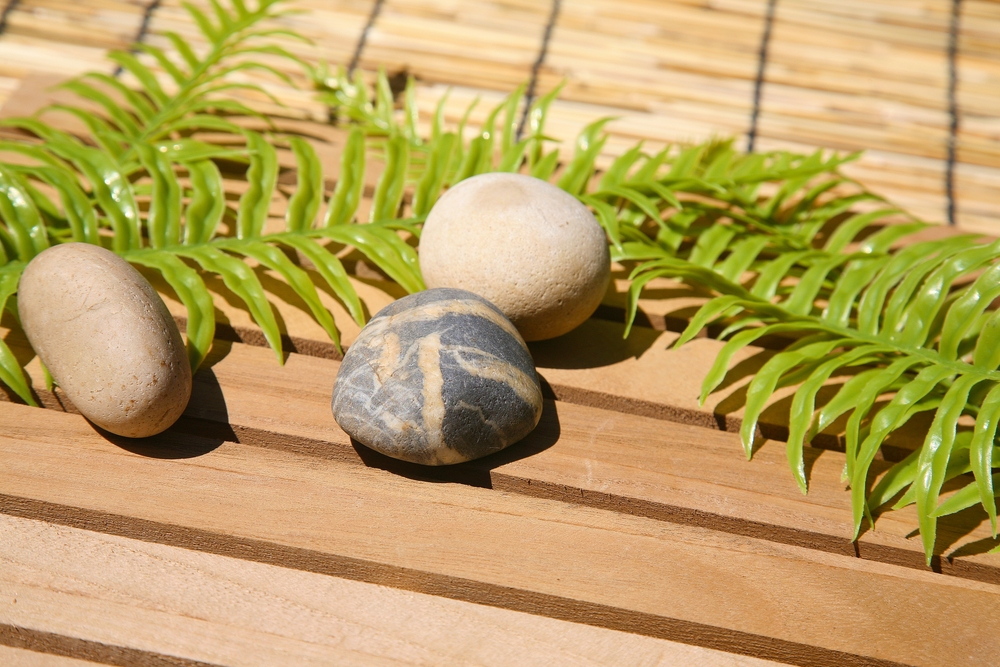
Smooth stones are perfect for creating both functional and decorative features in your garden. After a nature walk, gather a few of different sizes to create a stone pathway. Simply lay them down with some space in between to allow for grass or small plants to grow through, creating a charming, natural path. Stones can also be used as decorative accents around flower beds or as a part of a rock garden.
Another great use for smooth stones is as markers for garden beds or plants. Paint them with bright colors or natural designs to make them stand out and add some personality. Their durability ensures they will last for years, while their natural appearance keeps them in harmony with the surrounding plants and flowers. A collection of smooth stones can easily be incorporated into any garden setting for an attractive, low-maintenance solution.
Fallen Leaves
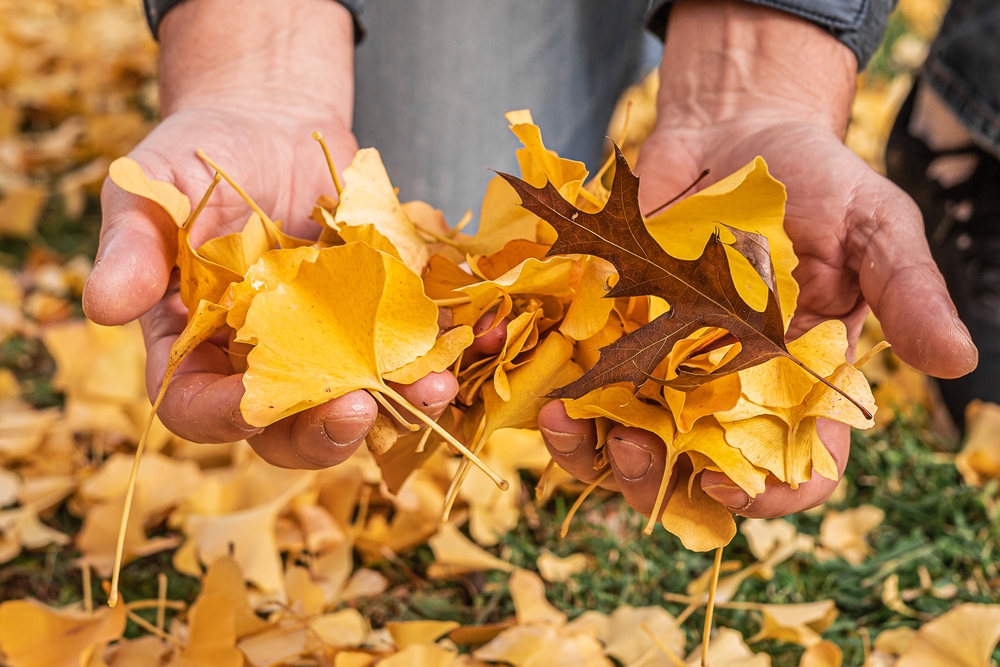
Fallen leaves are not just for raking, as they are a valuable resource for your garden. These leaves can be used to create nutrient-rich compost, which will benefit your plants throughout the growing season. Simply pile up the leaves, add some water, and let the natural decomposition process take place. Once broken down, the compost will provide essential nutrients to your soil.
Alternatively, leaves can be used as mulch to protect plants during the colder months. Spread them around your plants to help insulate the soil and prevent frost from harming your garden. They also help retain moisture and suppress weeds, making them a practical, sustainable addition. As a bonus, using fallen leaves helps recycle natural material, contributing to a greener garden.
Acorns
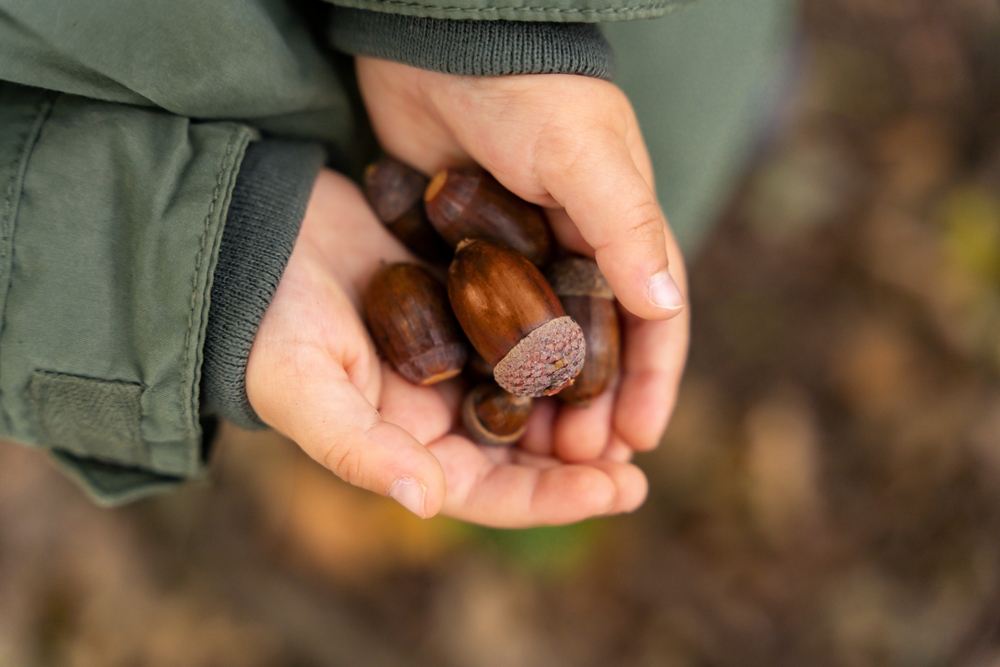
Acorns are small but mighty when it comes to adding charm to your garden. These little finds can be turned into unique planters by drilling a hole into the top, hollowing them out, and adding small plants or succulents. They make great accent pieces in fairy gardens or miniature landscapes. You can also use them to create a decorative bowl or scattered on a garden table for a rustic look.
If you have kids or love DIY projects, acorns can be turned into fun crafts. They can be glued to picture frames, wreaths, or even used as a base for homemade garden markers. Their texture and color add a touch of warmth to your garden, and their small size makes them perfect for tight spaces or as accents around larger plants. Acorns are an easy and whimsical way to bring nature’s little details into your home garden.
Twigs
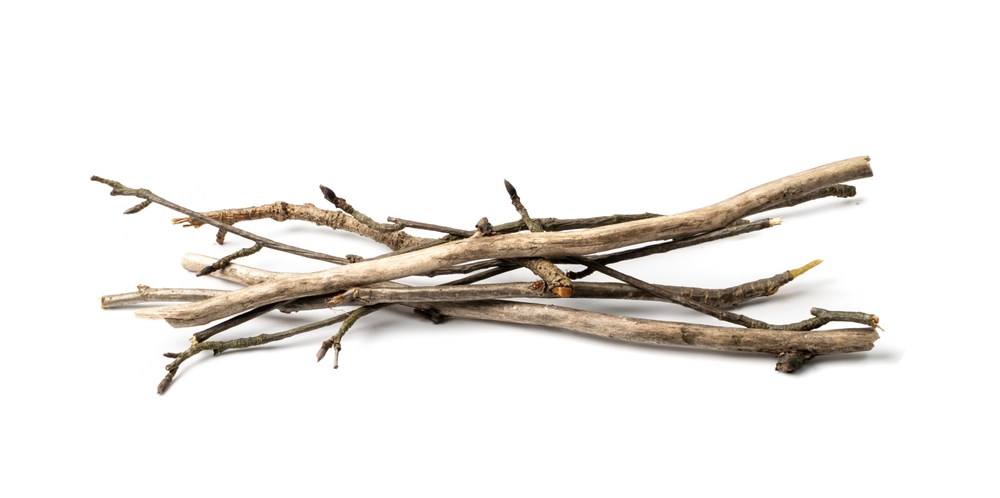
Twigs are another great find on your nature walks that can be used creatively in the garden. These small, thin branches are perfect for creating small, rustic structures like trellises or plant supports. By bundling them together and securing them with twine, you can create a charming, organic feature to help plants grow upwards. This works especially well for climbing vines, peas, or beans that need extra support.
Twigs can also be used to create garden art, like weaving them into wreaths or baskets. Their natural texture adds a subtle beauty that complements the plants in your garden. If you’re looking to create a rustic feel, twigs can be placed as a border around flower beds or used to line a garden path. They are an affordable and eco-friendly way to enhance your garden.
Feathers

Feathers are a unique find during a nature walk, and they can make beautiful additions to your garden. Whether it’s a large bird feather or a small one, they can be used in many creative ways. You can incorporate them into homemade wind chimes, hang them from tree branches, or use them in natural garden decorations. Feathers add a touch of softness and whimsy to any outdoor space, making it feel more connected to nature.
Another option is to use feathers in DIY garden projects, like creating unique birdhouses or garden stakes. They can be attached to wooden posts, bringing a light, airy feeling to the design. Feathers also work beautifully in nature-inspired wreaths or garlands for your outdoor living area. They’re delicate and easy to handle, and their natural colors blend perfectly with the greenery in your garden.
Moss
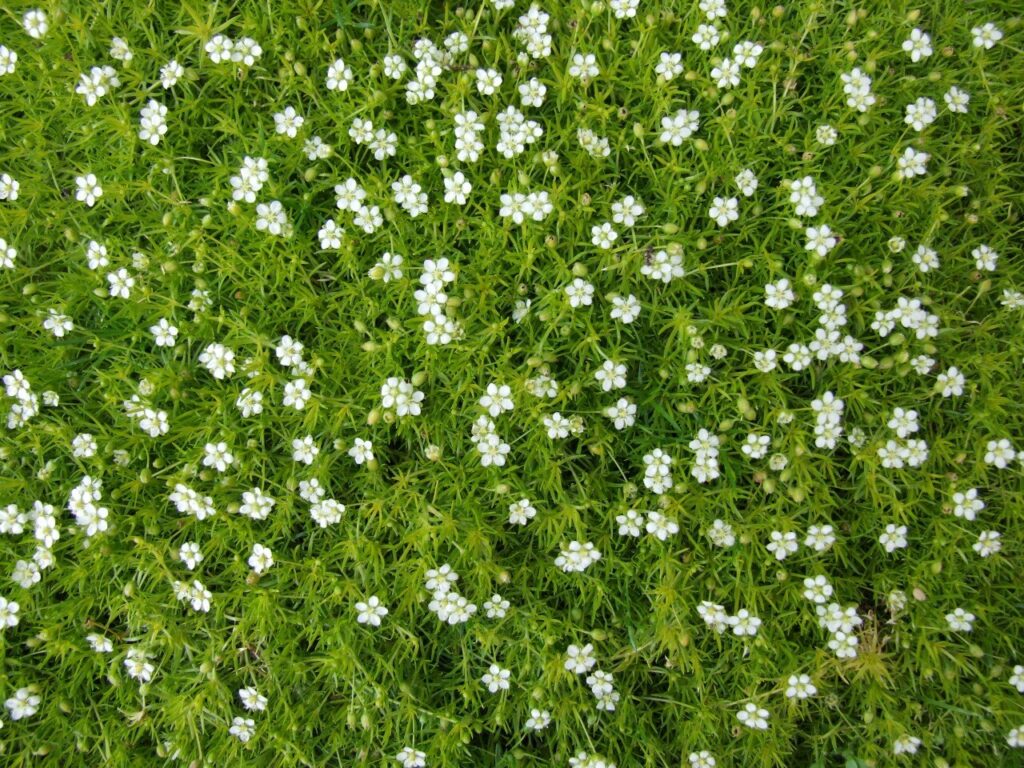
Moss is a wonderful find during nature walks, and it adds a lush, vibrant element to your garden. It can be used to cover garden rocks, creating a soft, green carpet that brings texture to your outdoor space. Moss thrives in shaded, moist areas, so it works well around tree roots or in areas where grass struggles to grow. You can even use it to create a mini moss garden in containers for a tranquil, green atmosphere.
Another great way to use moss is in garden sculptures or DIY projects. Moss can be attached to various surfaces, such as wooden logs, stones, or even old garden statues, giving them an aged, earthy look. With its rich green color and velvety texture, moss brings a sense of calm and adds a touch of natural beauty to any garden setup. Its versatility and low maintenance make it a perfect choice for gardeners of all levels.
Pine Needles
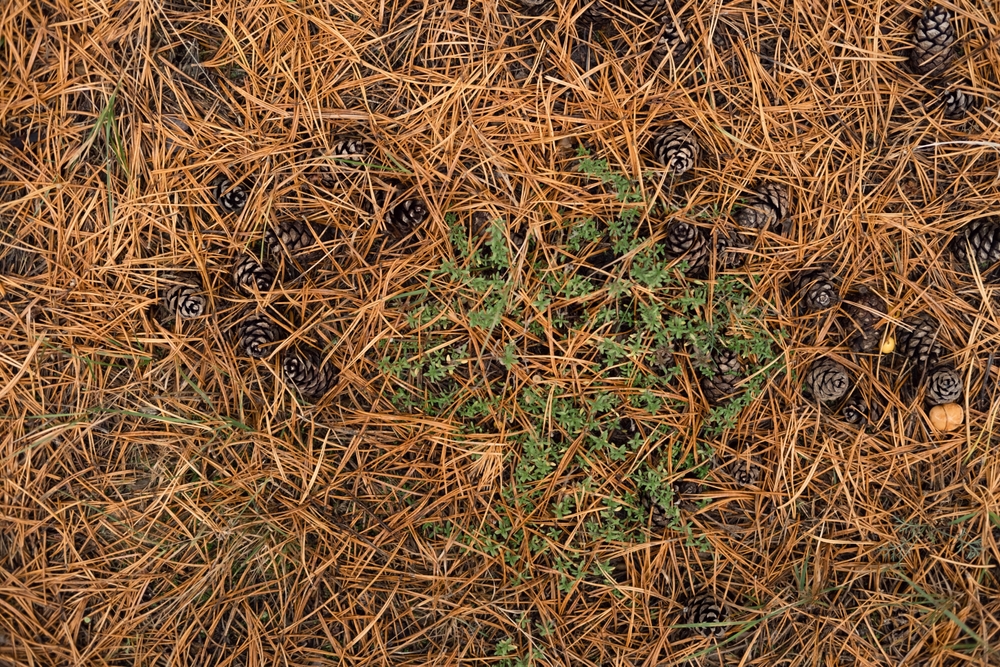
Pine needles are often overlooked, but they make a fantastic addition to your garden. They can be used as mulch around plants, helping to keep the soil cool during the hot summer months. Their natural acidity also makes them ideal for plants that thrive in acidic soils, such as blueberries or azaleas. Pine needles also decompose slowly, which means they will continue to benefit your plants over time.
Pine needles can also be used for craft projects or as a natural ground cover for walking paths. Their long, thin structure creates a soft, cushioning surface underfoot. You can gather pine needles and use them to line garden edges, adding a natural, organic texture to your landscape. They’re easy to collect and provide an eco-friendly way to enrich your garden.
Tree Bark
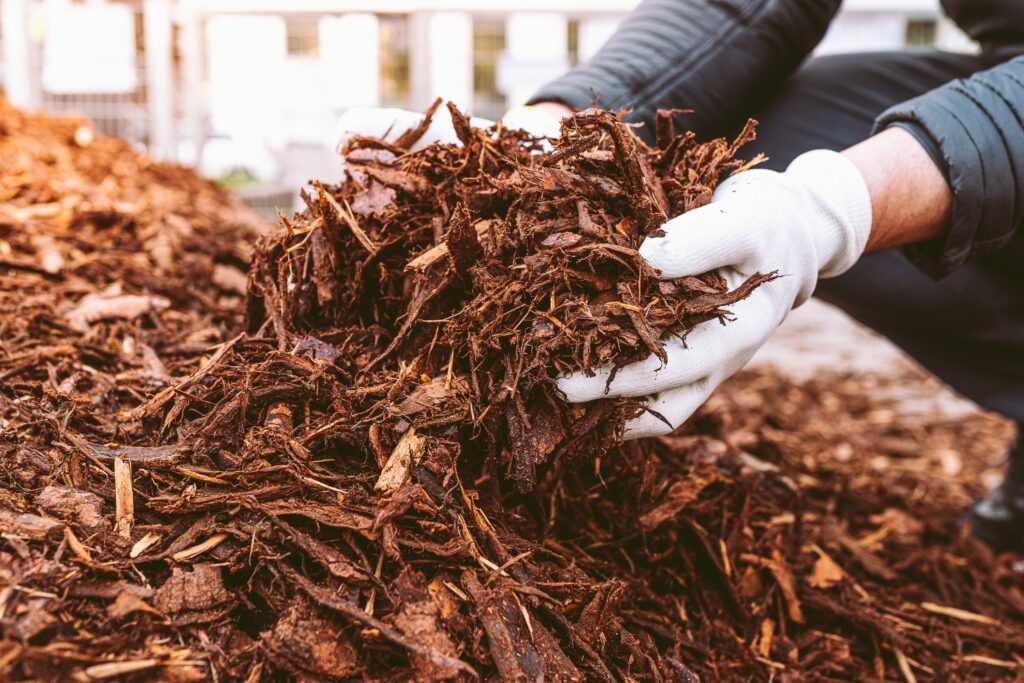
Tree bark is often discarded, but it has a variety of uses in the garden. Collecting different types of bark from your walks can add a unique texture to your outdoor space. You can use bark as mulch to help retain moisture around your plants, or even create a natural-looking border for garden beds. Larger pieces of bark can be used to line paths or as a decorative accent around trees or shrubs.
Another great use for tree bark is as a base for DIY garden crafts. It can be glued to picture frames, flower pots, or even turned into a rustic-looking birdhouse. Bark’s rough texture adds a natural charm, and its ability to retain moisture makes it an ideal mulch choice for moisture-loving plants. It is easy to collect and can be utilized in a wide range of garden projects.
Wildflower Seeds
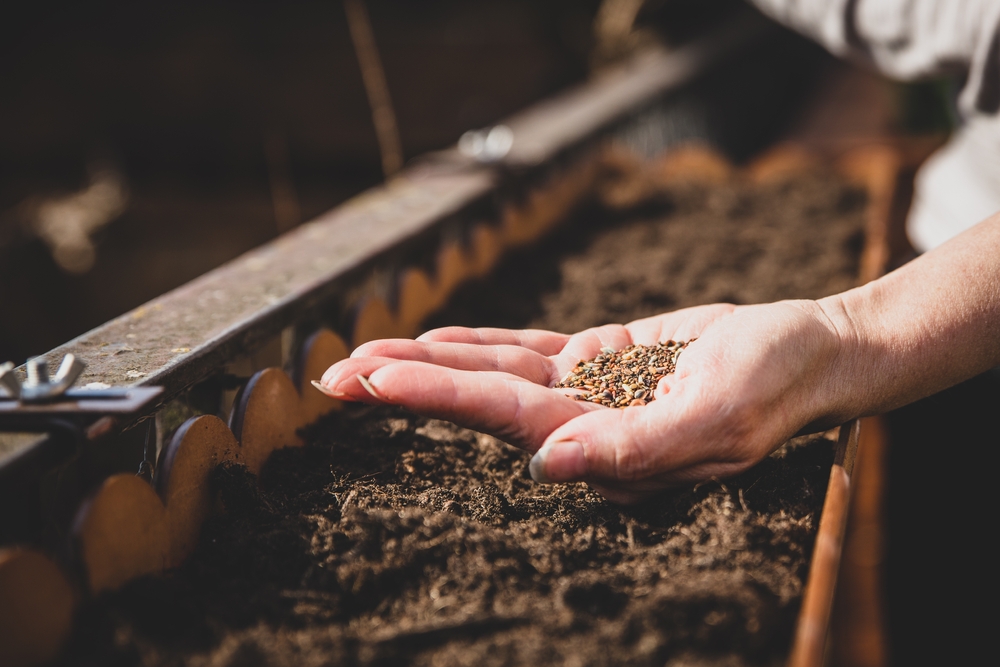
If you happen upon wildflowers on your nature walk, consider collecting the seeds and planting them at home. Wildflower seeds are an excellent way to introduce colorful blooms into your garden. By scattering them across a patch of soil, you can create a meadow-like area full of native plants. These flowers often attract pollinators like bees and butterflies, which are essential for a healthy garden ecosystem.
Wildflower gardens are low-maintenance, requiring little care once established. Planting them along borders, in open fields, or around trees adds beauty and supports local wildlife. Many wildflower varieties are drought-tolerant, making them perfect for areas that don’t receive consistent watering. By using seeds you gather from nature, you’re also helping to preserve native plant species.
Dried Moss and Lichens
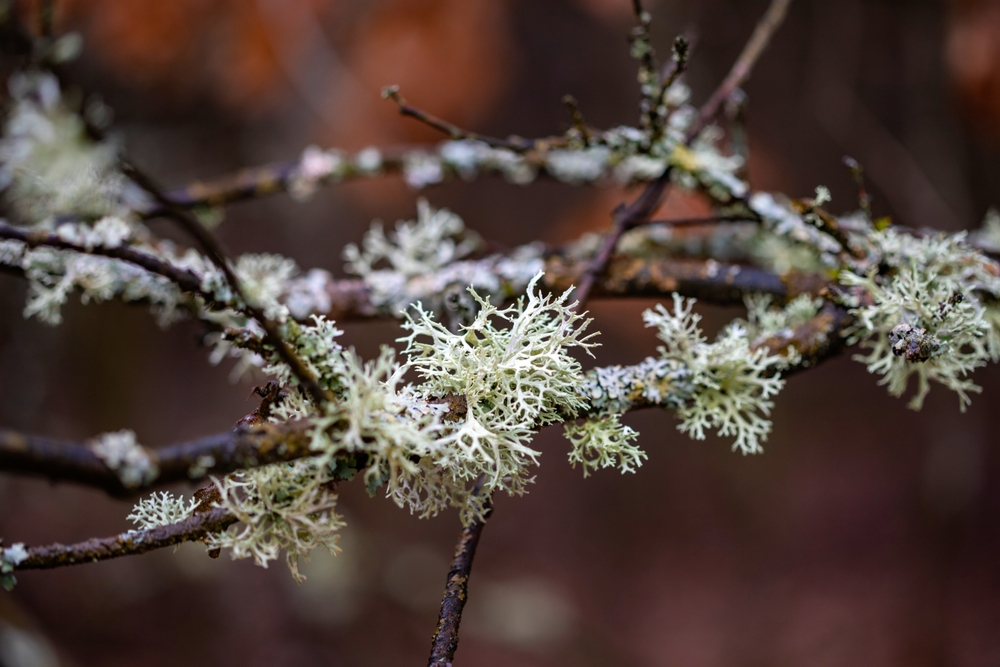
While on your walk, you might come across dried moss or lichens clinging to rocks or tree trunks. These natural finds can be used to create unique garden art or as a base for creating decorative garden pots. Dried moss can be glued onto garden containers or turned into rustic wreaths that look beautiful hanging from doors or fences. It’s a great way to add texture and a natural green element to your garden designs.
Lichens, too, can be used creatively, especially if they are collected from naturally occurring rock outcroppings. They can be added to decorative containers or glued to garden walls to give a rustic and aged appearance. Both moss and lichens thrive in shady, damp areas, so placing them strategically around your garden will help them stay healthy and vibrant. Their organic look brings an earthy charm to any garden feature.
Tree Roots
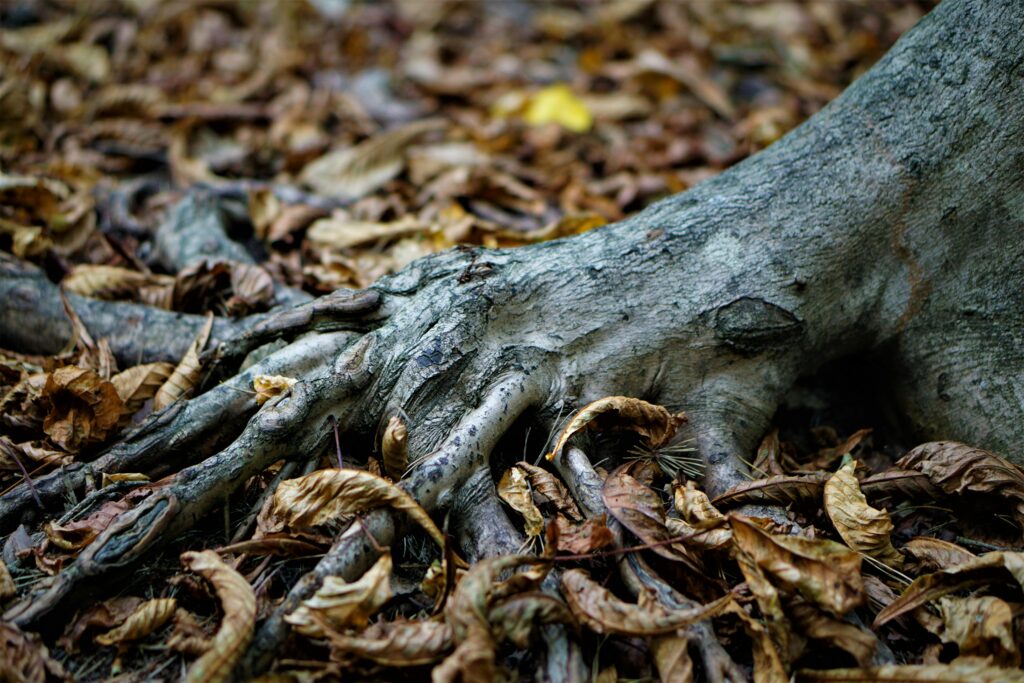
Tree roots found during a nature walk may seem like an unusual find, but they can be used in your garden in various ways. The gnarled, twisted roots can be used as striking centerpieces or sculptures when placed in the garden. Larger roots can be cut and shaped into small benches, rustic tables, or unique garden features that add character to any outdoor setting.
Tree roots are also ideal for creating natural fencing or boundaries around certain areas of your garden. They provide a sturdy, natural look and blend seamlessly into woodland or rustic garden designs. With a little cleaning and some creative thinking, roots can be transformed into functional and decorative pieces. Plus, repurposing them gives new life to natural materials that would otherwise go unused.
Driftwood
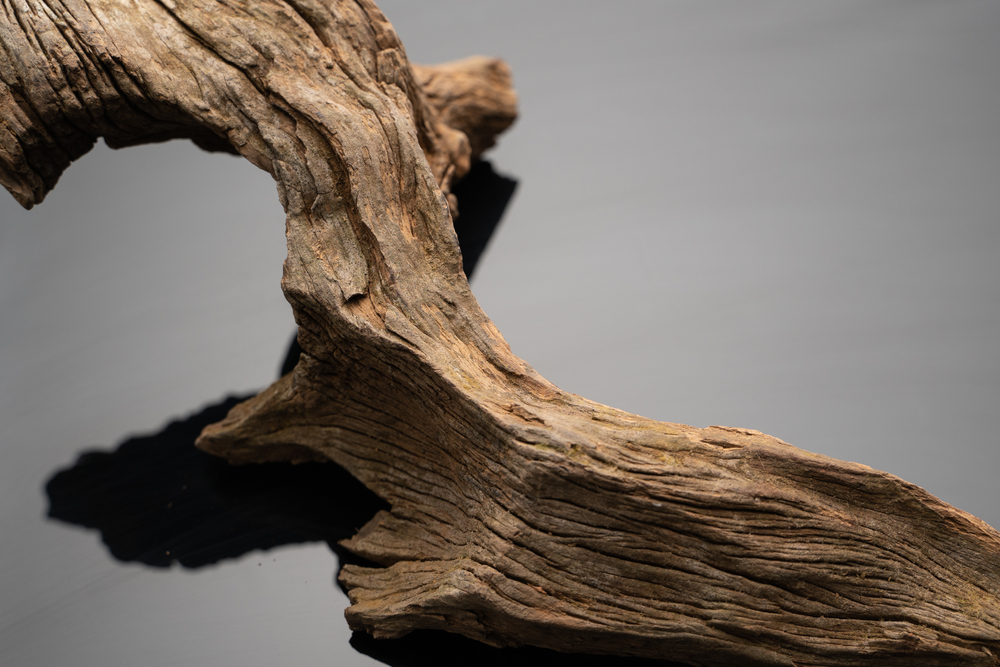
Driftwood is often found along rivers or beaches, and it can be a beautiful addition to your garden. The weathered texture of driftwood creates a sense of time and nature, making it ideal for rustic or coastal-themed gardens. You can use larger pieces to create a natural-looking garden bench or table, or smaller pieces can be used as garden markers or decorative accents. Driftwood also makes great borders around flower beds or as the base for a unique garden arch.
In addition to its decorative uses, driftwood can also be repurposed as a sturdy frame for climbing plants. Vines and flowers can be trained to climb the driftwood, creating a charming, organic vertical garden. The variety of shapes and sizes available makes driftwood a versatile material for all kinds of creative garden projects. It’s eco-friendly, sustainable, and adds a distinctive touch to any backyard.
This article originally appeared on Avocadu.