
10 Easy Indoor Herbs To Grow When It’s Cold Outside
Indoor herb growing becomes a practical way to keep fresh flavors on hand when cold weather settles in. Many popular kitchen herbs stay healthy inside as long as they receive bright light and steady care. This makes winter cooking easier since you can snip fresh leaves without needing an outdoor garden. A few small pots near a sunny window can bring steady growth through the colder months. With the right setup, your kitchen stays filled with fragrance and greenery even on the chilliest days.
This post may contain affiliate links, which helps keep this content free. Please read our disclosure for more info.
Chives
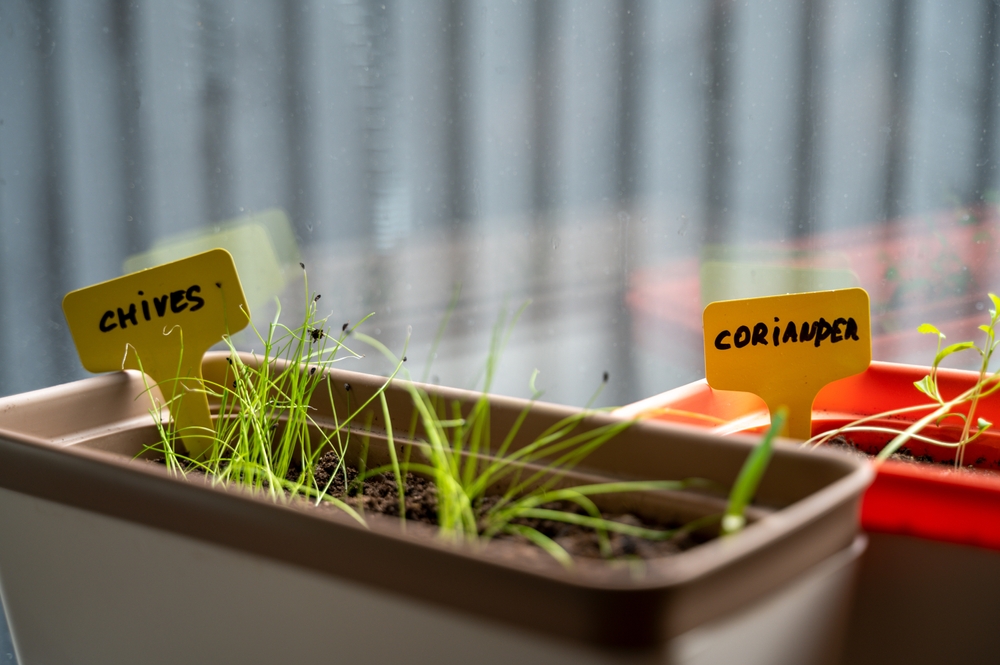
Chives adapt well to indoor winter conditions because they tolerate cooler air and grow comfortably in small containers. The long green leaves respond well to bright windowsills, especially those that get steady morning sun. Many home gardeners enjoy how quickly new shoots appear, even when outdoor gardens are frozen. The mild onion flavor works well in many dishes, giving meals a fresh touch without overpowering other ingredients. You can snip the leaves often, and the plant will continue to send out new growth that keeps the pot looking full.
Chives also make indoor gardening easier because they have a compact root system. This means you can keep them in tight spaces such as kitchen counters or narrow shelves. As long as you keep the soil slightly moist, the plant stays healthy and vibrant. The bright green color brings life to indoor spaces during gloomy months. With steady trimming and enough light, chives remain reliable through the cold season.
Parsley
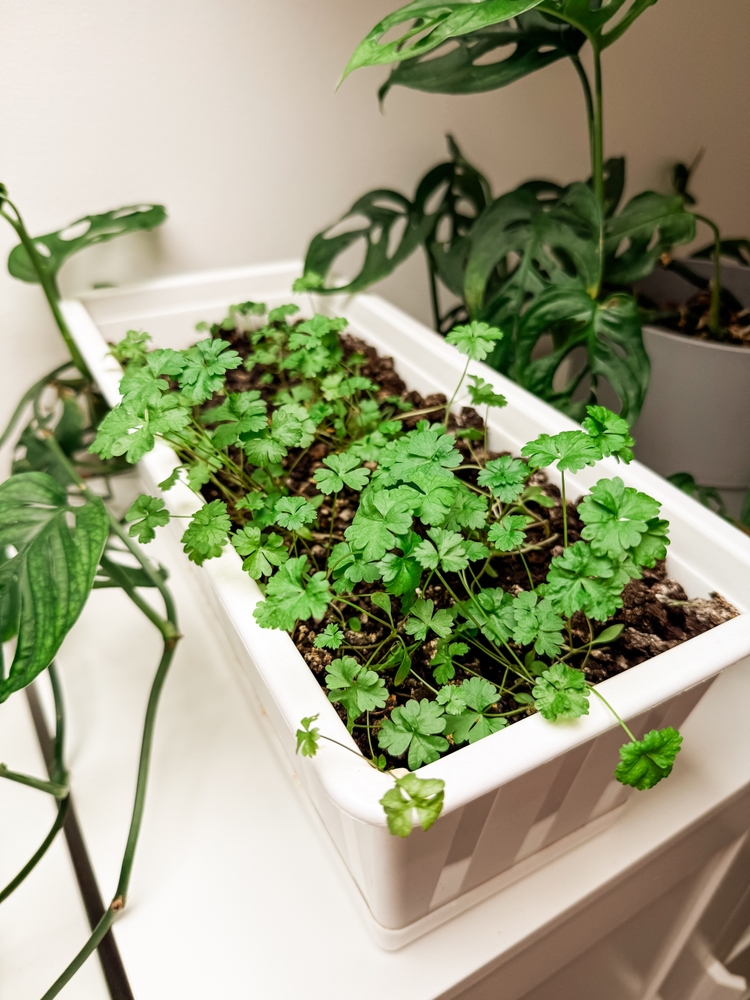
Parsley stays lively indoors when outdoor temperatures drop, especially when placed near a window that gets strong natural light. The leaves maintain a bright green color, which signals that they are receiving enough warmth and moisture. This herb does well in cooler rooms, making it ideal for winter kitchens. It can also handle frequent trimming, which helps cooks keep a steady supply for soups, salads, and pasta dishes. The steady growth makes it a practical addition to winter meal prep.
This herb is known for its durability in smaller pots, making it a good choice for people with limited indoor space. The plant grows new stems from the center, so you can trim the outer leaves without interrupting its cycle. Keeping the soil slightly damp and giving it fresh air circulation will help it stay strong. The flavor stays sharp even during colder months, which adds freshness to heavier winter dishes. Many people enjoy parsley indoors because it brings both culinary value and bright color to dim seasons.
Oregano
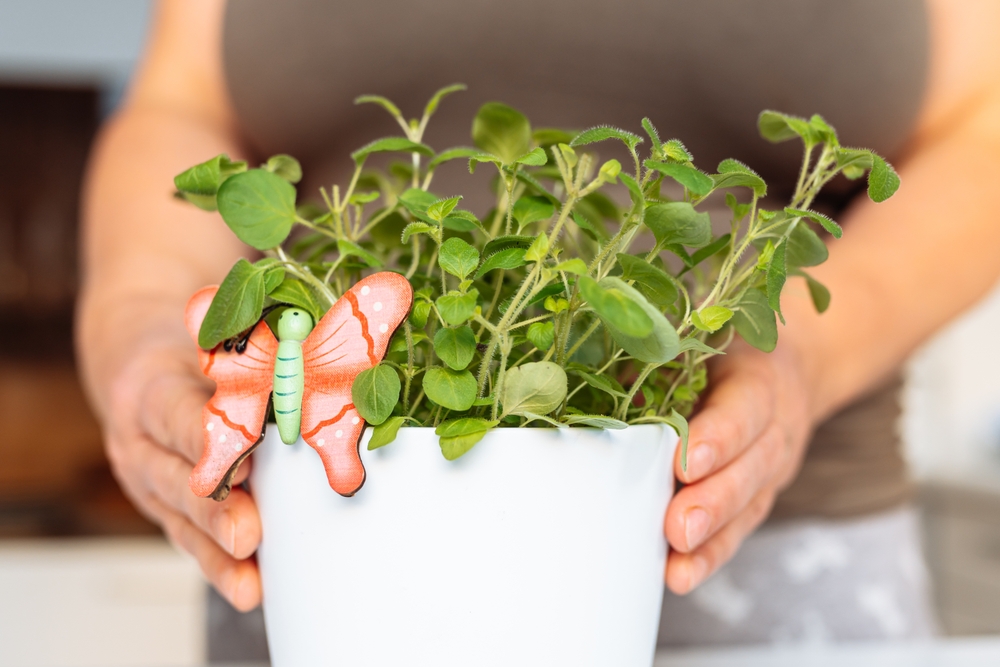
Oregano is a dependable winter herb that thrives indoors when given plenty of sunlight. Its small, aromatic leaves do well in dry environments, which is helpful during cold months when heaters are often running. The scent is warm and inviting, making it popular for winter soups, roasted vegetables, and sauces. Since it grows low and bushy, it fits well in small pots without becoming unruly. It is a good choice for beginners because it rarely struggles unless it is overwatered.
Indoors, oregano grows best on a windowsill that receives at least a few hours of direct sun. The stems become fuller when trimmed regularly, helping the plant maintain a healthy shape. Watering lightly and letting the soil dry between waterings keeps the roots strong. During the cold season, the leaves continue to hold their strong aroma, giving meals a flavorful lift. The plant is resilient and keeps its deep green color through the winter months.
Thyme
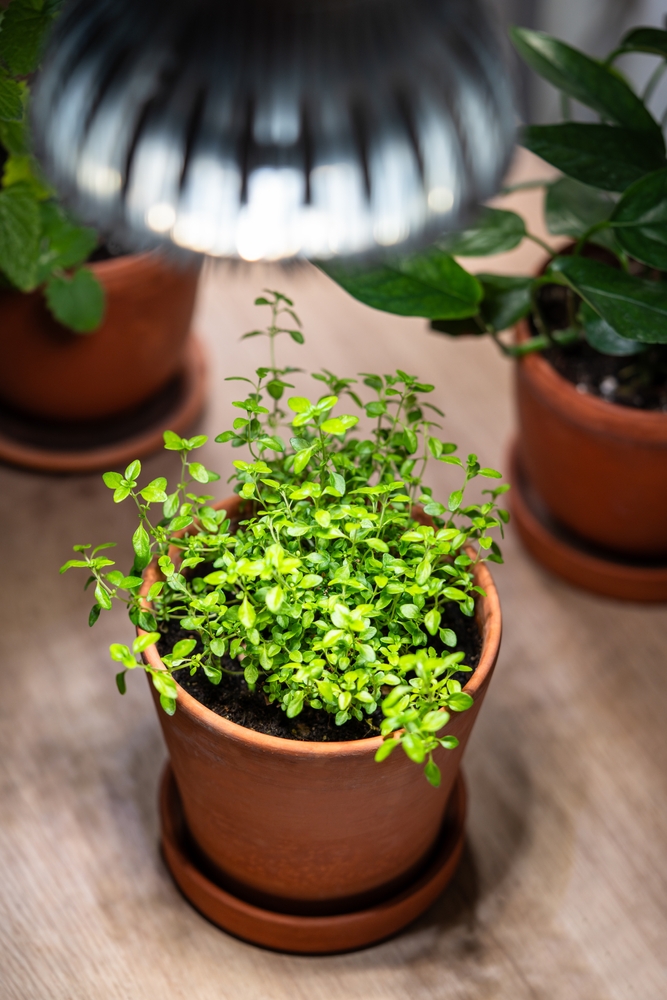
Thyme is known for doing well indoors during the cold season because its woody stems and tiny leaves resist temperature changes. This herb prefers bright light and can handle the dry indoor air that comes with winter heating. The plant stays low and tidy, making it suitable for kitchen windows or small shelves. Thyme works wonderfully in roasted dishes, slow-cooked meals, and flavored oils due to its warm aroma. The leaves stay fragrant even when growth slows slightly during winter.
Growing thyme indoors does not require much space because its root system stays contained. The stems benefit from light trimming, which helps the plant stay full and healthy. Allowing the soil to dry slightly before watering helps the plant stay strong. During colder months, thyme keeps its aroma and structure, offering cooks a consistent source of flavor. Many gardeners rely on thyme in winter because it remains steady despite the shorter days.
Mint
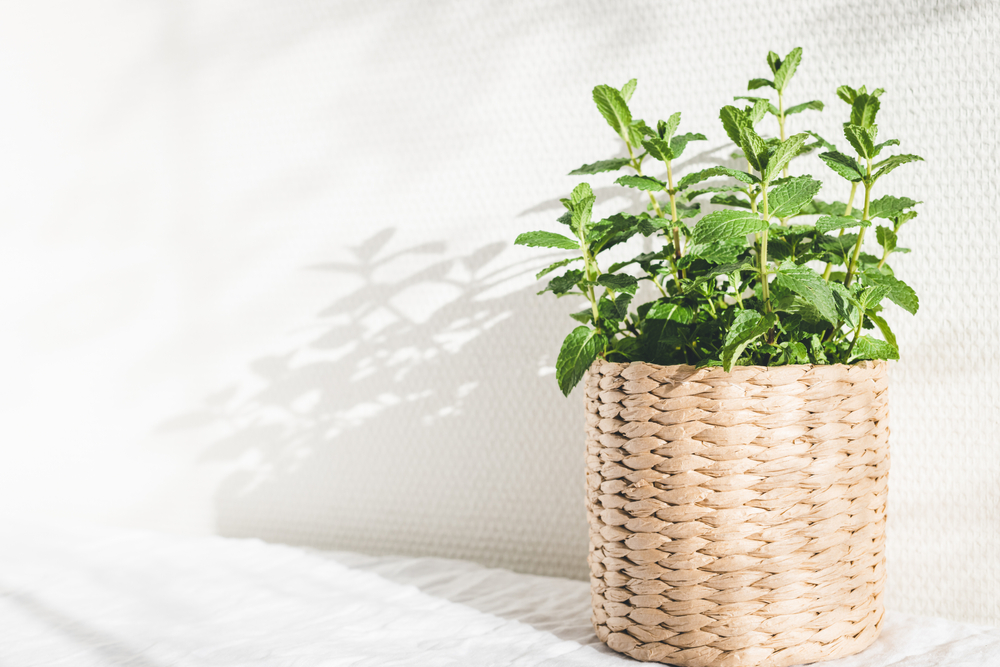
Mint grows quickly indoors, even during cold weather, as long as it gets plenty of sunlight. The leaves stay bright and flavorful, adding freshness to tea, salads, desserts, and winter drinks. Mint spreads easily, so growing it indoors keeps it contained and easier to manage. The scent is refreshing and can brighten up a room, giving indoor spaces a pleasant atmosphere. Since mint prefers slightly moist soil, a regular watering schedule helps it maintain steady growth.
Indoor mint is usually best kept in its own pot because the roots spread quickly. This contained space lets you manage its growth while taking frequent cuttings for recipes. The plant responds well to trimming, sending out new leaves regularly. Even when temperatures drop outside, mint stays active indoors with enough light. This makes it a favorite for people who enjoy fresh herbs during the winter months.
Rosemary
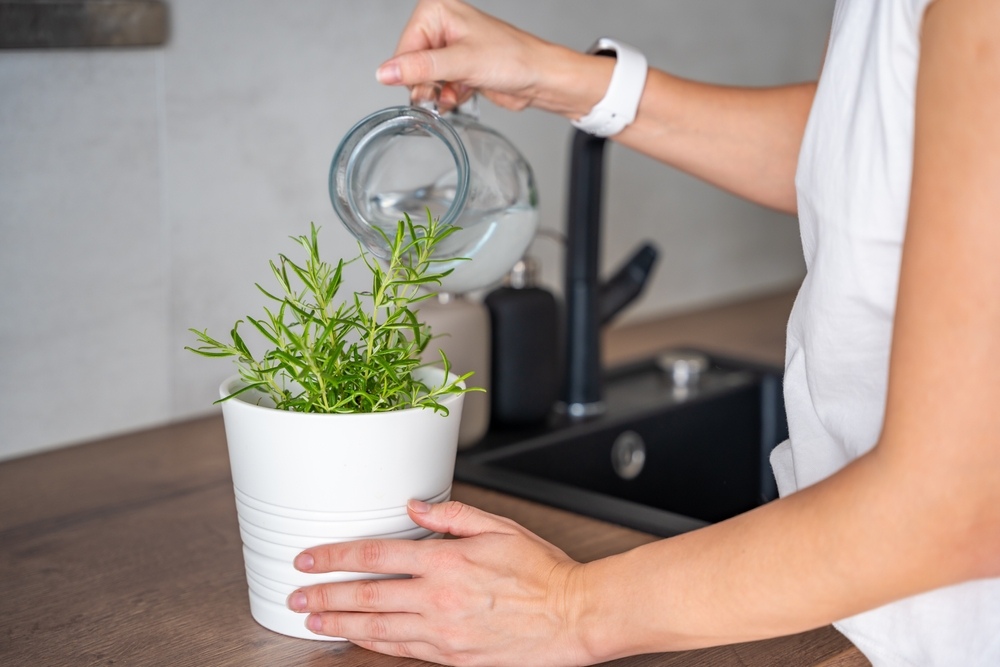
Rosemary thrives indoors during cold weather because it prefers bright light and can withstand cooler temperatures near windows. Its needle-like leaves hold strong aromas used in roasted meats, breads, and hearty soups. The plant has a woody structure that stays sturdy all winter, helping it maintain shape and strength. Many people enjoy keeping rosemary indoors since the scent brings warmth to kitchen spaces. With enough sunlight, the plant continues to stay productive throughout the cold season.
Rosemary needs soil that drains well, which helps prevent root problems during winter watering. Allowing the pot to dry slightly between waterings keeps the plant healthy. The stems benefit from occasional trimming, promoting fresh growth and keeping the plant from becoming too woody. Indoors, rosemary offers both fragrance and flavor, making it useful for holiday cooking. It stays attractive and green through the darker winter weeks.
Basil
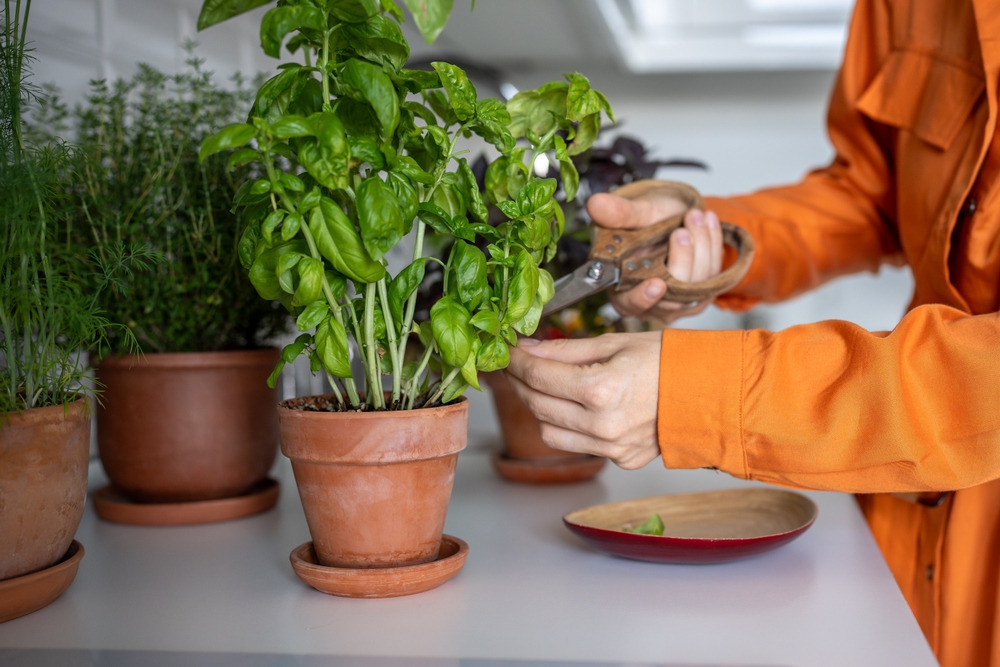
Basil can grow indoors during cold months when it receives steady sunlight and warm indoor temperatures. This herb prefers a bright window and rewards that placement with full, fragrant leaves. Many cooks enjoy having basil inside during winter because it brings a fresh aroma to sauces, salads, and pasta dishes. The leaves stay tender and flavorful when the plant receives steady moisture and warmth. It is a cheerful plant that instantly adds color to a kitchen shelf.
Indoor basil benefits from regular trimming, which encourages new leaves to form. The plant responds well when the top stems are pinched, helping it grow fuller instead of tall and spindly. Soil that drains well supports healthy roots, especially in winter when watering can be tricky. When treated with care, basil continues to grow through the colder months and remains ready for frequent use. Its lively scent makes it a favorite winter herb for many home gardeners.
Sage
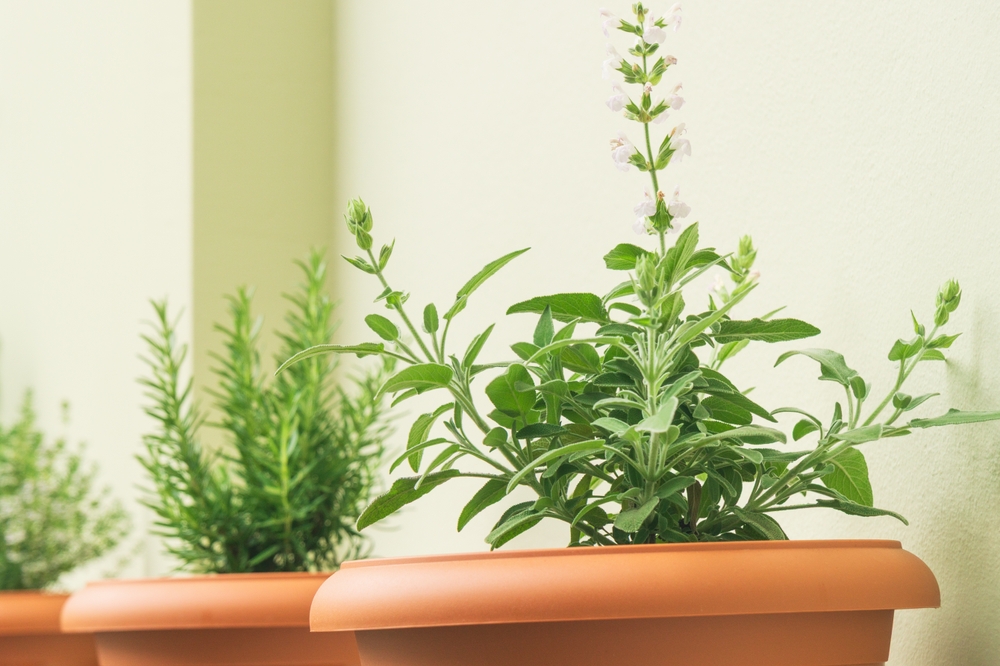
Sage is well-suited for indoor growing during cold weather because it can tolerate drier air and cooler rooms. The soft, textured leaves stay flavorful even when outdoor conditions turn harsh. This herb fits nicely on a sunny shelf and adds a warm aroma to soups, roasted dishes, and holiday meals. Sage has a sturdy growth pattern that becomes more pronounced as the season progresses. Many people enjoy keeping it indoors for both its scent and its practical kitchen use.
The plant responds well to careful trimming, which keeps it tidy and helps new leaves develop. Sage prefers soil that dries slightly between waterings, making it low maintenance for the winter months. Its silvery-green leaves remain attractive throughout the season, adding charm to indoor planting arrangements. When it receives enough sunlight, it grows steadily despite the shorter days. This makes sage a dependable pick for cold-weather indoor gardening.
Cilantro
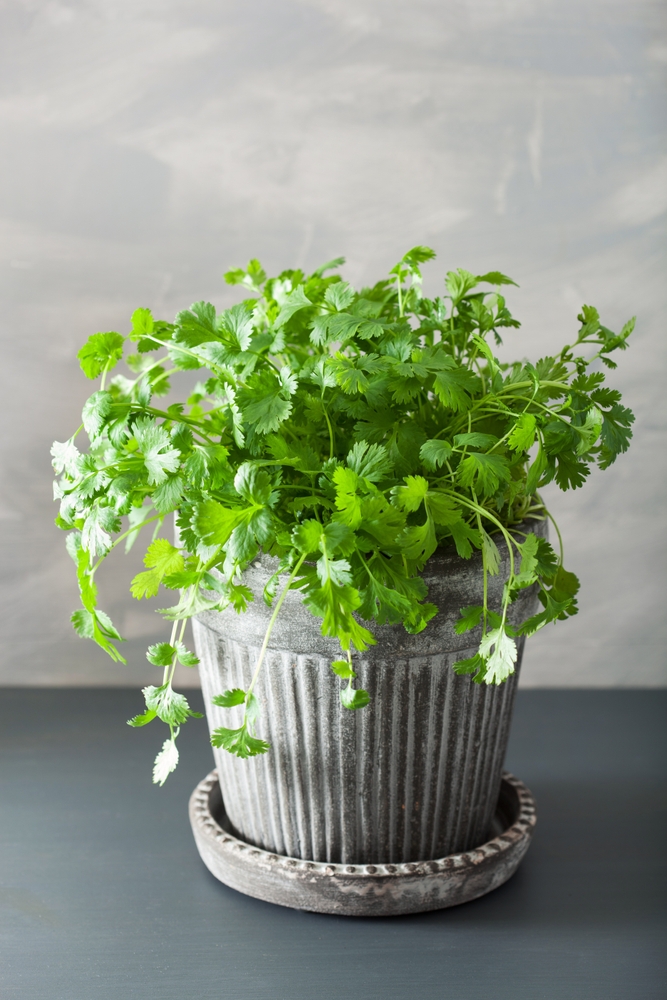
Cilantro grows surprisingly well indoors during cold months, especially when placed in a bright area with steady moisture. The leaves develop quickly and bring a fresh, citrus-like flavor to winter dishes. This herb prefers cooler indoor temperatures, which helps it stay productive in colder seasons. Cilantro is a favorite for cooks who enjoy adding a fresh touch to soups, tacos, and garnishes. Its fast-growing nature makes it rewarding to snip and use frequently.
Indoor cilantro benefits from consistent watering and well-draining soil, which encourages strong root growth. Trimming the outer leaves helps the plant send up new stems from the center. The bright green color stays appealing even when the weather outside turns gloomy. With enough sunlight, cilantro continues producing leaves throughout the winter season. Its lively scent and quick growth make it a valuable ingredient during colder months.
Dill
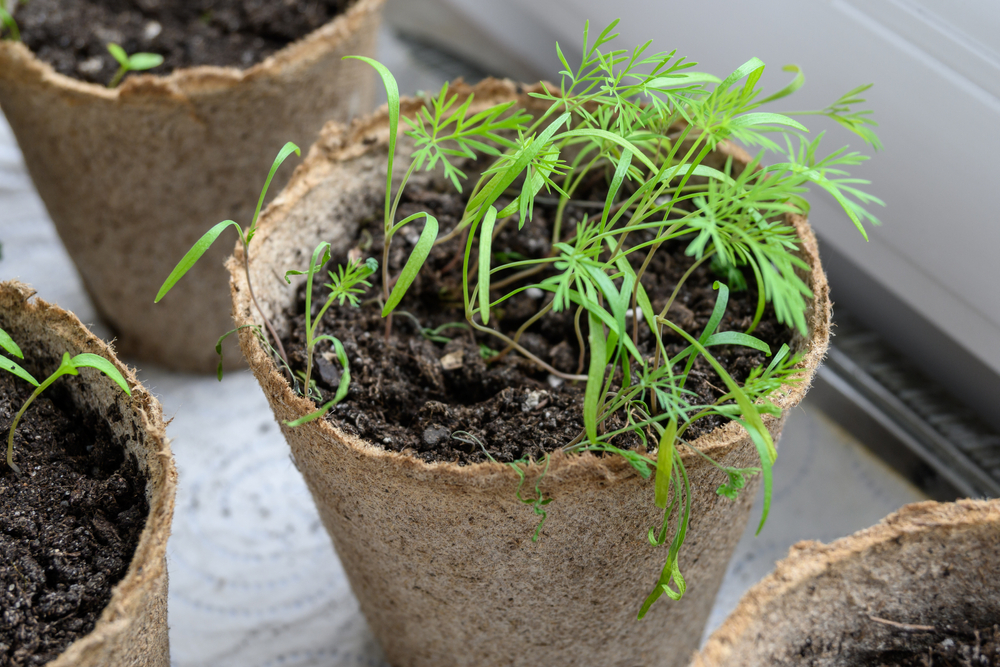
Dill grows well indoors during winter because it enjoys cool temperatures and bright sunlight. The feathery leaves bring a fresh aroma that works well in salads, dressings, and seafood dishes. This herb can grow tall indoors, so placing it near a bright window helps it stay sturdy. Dill’s delicate leaves stay soft and flavorful when given steady moisture. Many home gardeners appreciate having dill on hand during winter for its unique scent and culinary uses.
Keeping dill indoors requires a pot with enough depth to hold its long roots. Regular trimming encourages branching and helps the plant stay full. When the soil drains properly, the plant avoids dryness and stays lush through the season. Dill responds well to indirect sunlight during shorter winter days. This makes it a convenient herb for winter cooking and indoor gardening.
This article originally appeared on Avocadu.